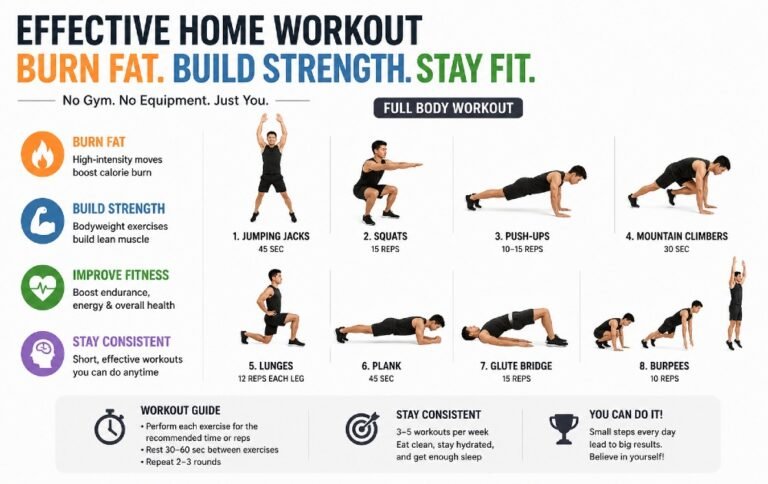

Still feeling drained, struggling with stubborn weight, or not performing at your best?
The WHO states that a balanced diet rich in whole foods lowers chronic disease risk and supports better overall health.
This guide explains what nutrition is, why it matters, the essential nutrients your body needs, smart healthy eating strategies, and simple habits for lasting health.
What Is Nutrition?

Nutrition fuels growth, tissue repair, energy, and healthy daily function by helping your body use essential nutrients effectively.
NIH shows that healthy dietary patterns reduce the risk of heart disease, obesity, type 2 diabetes, hypertension, and certain cancers.
Why it matters:
Good nutrition powers energy, strengthens immunity, repairs tissues, supports healthy organs and brain function, and helps regulate hormones.
What works for me:
I see nutrition as the foundation of health, providing the nutrients my body needs for energy, strength, repair, immunity, brain function, and overall well-being.
How to Start:
- Choose whole foods more often
- Add vegetables to every meal
- Drink more water
- Reduce highly processed foods
- Prioritize balanced meals
The Six Essential Nutrients Your Body Needs
Still struggling with low energy and poor focus despite a healthy diet?
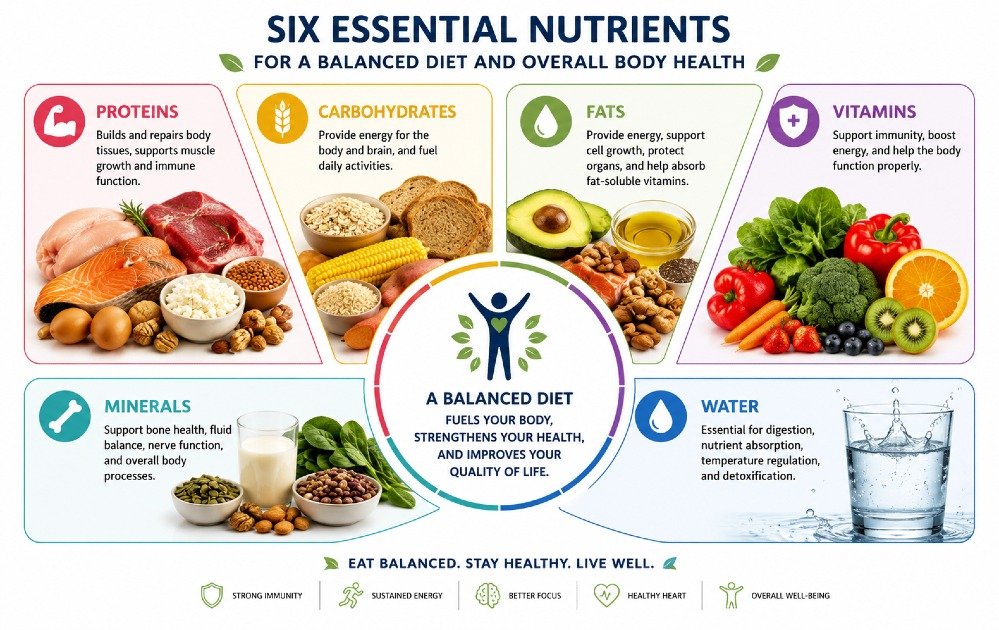
Understanding essential nutrients and their food sources makes healthy eating simpler, smarter, and more consistent.
Discover six essential nutrients that produce energy, repair cells, regulate hormones, and support overall health.
1. Carbohydrates: Your Body’s Main Energy Source
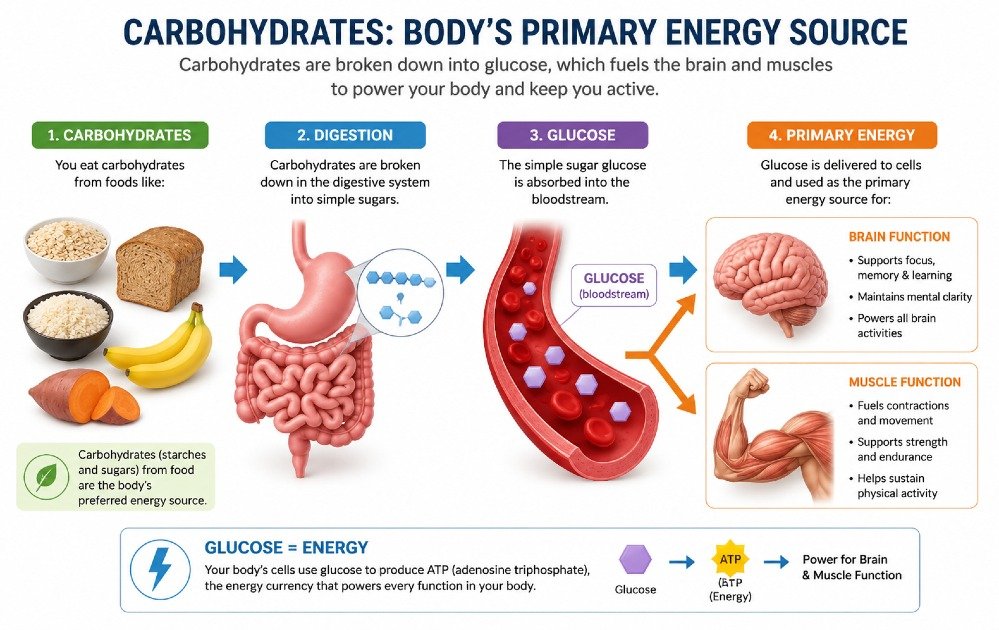
Carbohydrates fuel your brain and muscles while nutrient-rich complex carbs provide lasting energy, fiber, and essential nutrients.
Carbohydrates support:
- Energy
- Brain function
- Exercise performance
- Healthy digestion
Excellent sources include:
- Fruits
- Vegetables
- Whole grains
- Beans
- Lentils
- Sweet potatoes
- Brown rice
- Oats
2. Protein: The Building Block of Health
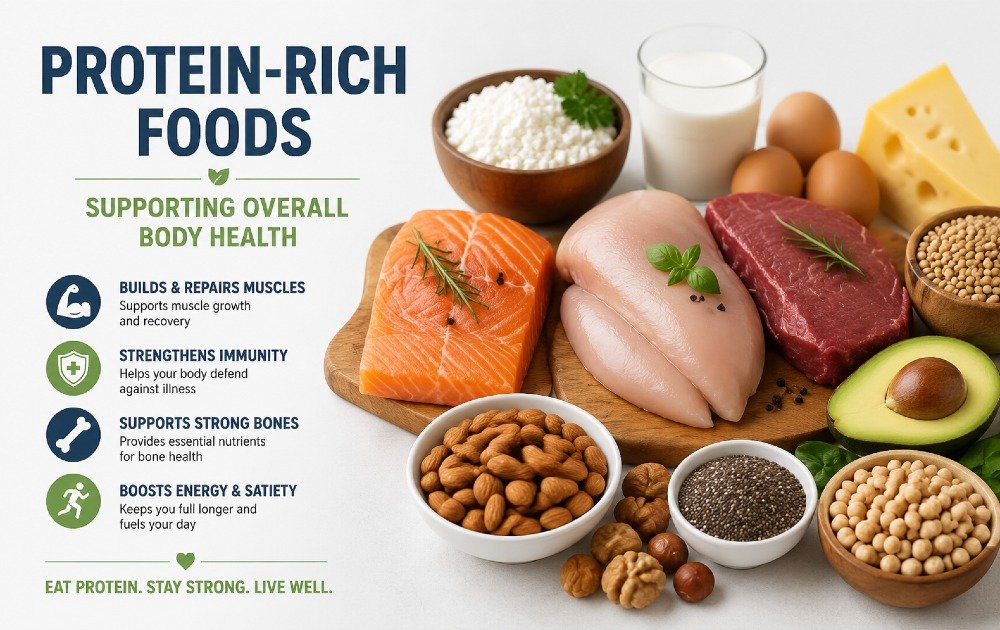
Protein builds and repairs tissues, supports muscle strength, and keeps you fuller between meals.
Protein supports:
- Muscle growth and repair
- Immune function
- Hormone production
- Healthy skin and hair
- Tissue maintenance
- Promotes satiety
Excellent sources include:
- Fish
- Poultry
- Lean meats
- Eggs
- Greek yogurt
- Beans
- Tofu
- Lentils
- Nuts
3. Healthy Fats: Essential for Wellness

Healthy fats fuel your body, boost vitamin absorption, and support brain, heart, and cell health.
Healthy fats support:
- Brain health
- Heart health
- Vitamin absorption
- Cell function
- Hormone production
Excellent sources include:
- Avocados
- Olive oil
- Nuts
- Seeds
- Fatty fish
- Natural nut butters
4. Vitamins: Your Body’s Biological Processes
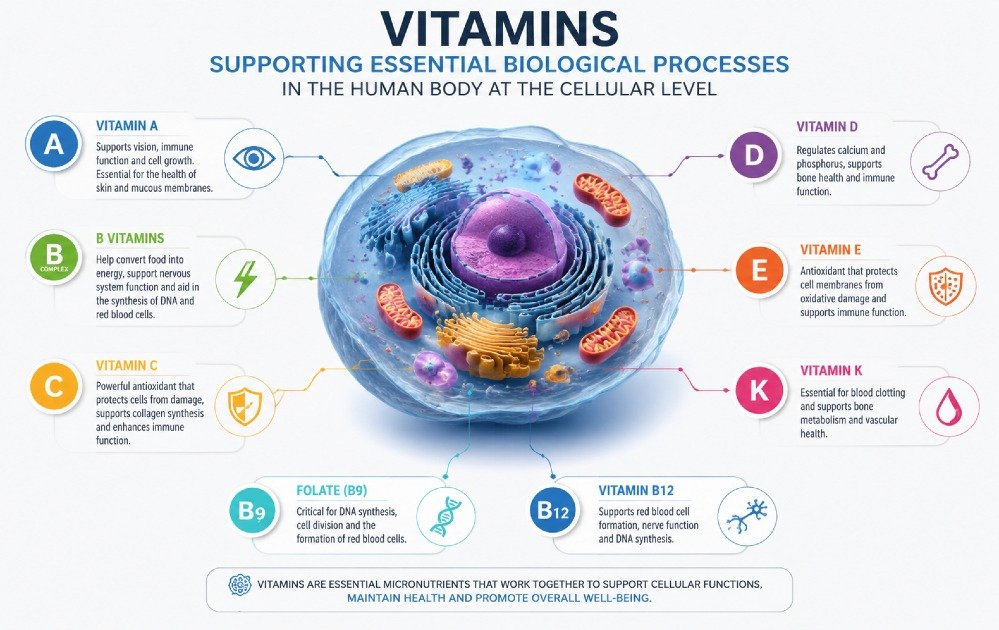
Vitamins regulate vital body processes, with colorful plant foods providing a powerful way to boost your intake.
Vitamins support:
- Immune function
- Energy metabolism
- Vision
- Skin health
- Cell growth
Excellent sources include:
- Leafy greens
- Berries
- Citrus fruits
- Carrots
- Bell peppers
- Eggs
- Dairy products
5. Minerals: Your Body’s Activators
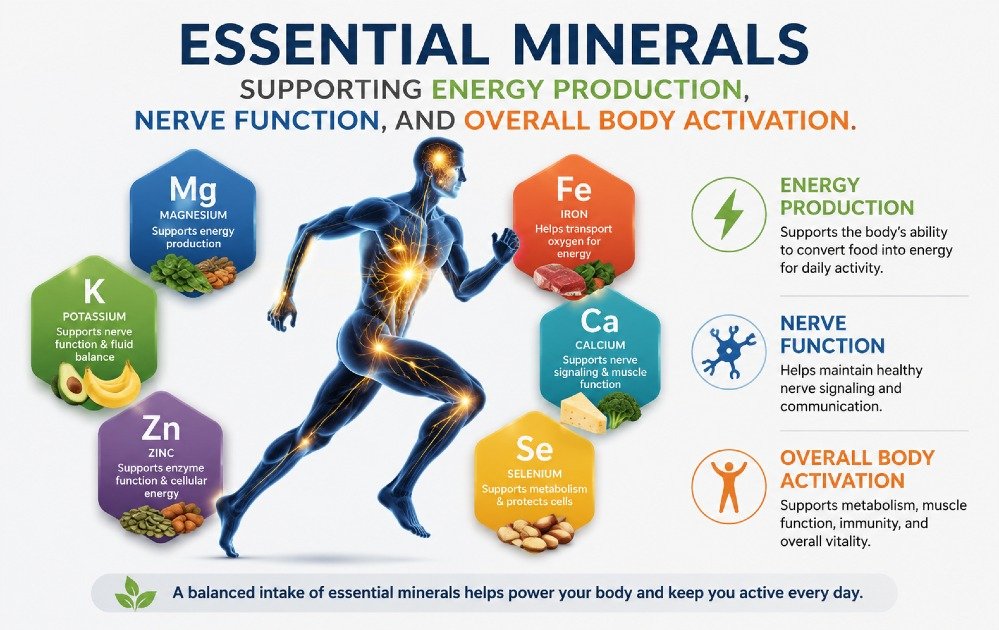
Minerals support strong bones, healthy blood, and nerve function, with most needs met through a balanced diet.
Minerals support:
- Bone strength
- Fluid balance
- Muscle function
- Heart health
- Nerve health
- Oxygen transport
Excellent sources include:
- Dairy products
- Leafy greens
- Beans
- Nuts
- Seeds
- Seafood
- Lean meats
- Whole grains
6. Water: Foundation of Life

Water supports hydration, digestion, temperature regulation, physical performance, and nearly every essential body function.
Water supports:
- Hydration
- Circulation
- Digestion
- Nutrient transport
- Joint lubrication
- Waste removal
- Temperature regulation
Excellent sources include:
- Plain water
- Fruits
- Vegetables
- Milk
- Soups
- Unsweetened beverages
15 Powerful Benefits of Good Nutrition
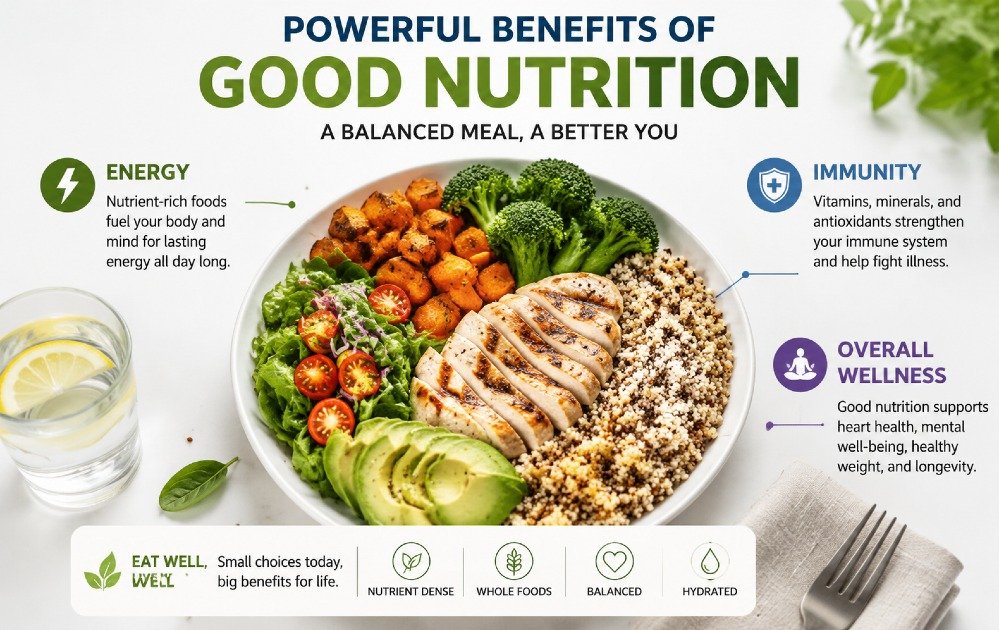
Still tired, struggling with weight, frequent illness, or wondering why your body isn’t performing at its best?
Good nutrition fuels your body, boosts energy, supports immunity, sharpens focus, improves overall wellness, and helps reduce the risks linked to poor eating habits through consistent healthy choices.
Discover fifteen nutritional benefits and how they play key roles in long-term health.
1. Improves Energy Levels

Good nutrition supplies essential nutrients for steady energy and daily activity.
Strategic benefits:
- Provides steady energy
- Reduces energy crashes
- Supports mental alertness
- Improves physical endurance
- Helps fight fatigue
2. Supports Healthy Weight Management

Good nutrition supports easier weight management by providing essential nutrients, steady energy, and lasting fullness without excess calories.
Strategic benefits:
- Control hunger and reduce overeating
- Provides protein and fiber
- Supports steady energy levels
- Maintains lean muscle
- Encourages balanced calorie intake.
- Reduces reliance on highly processed, calorie-dense foods.
- Sustains eating habits for long-term weight control.
3. Strengthens the Immune System

Good nutrition strengthens immune defenses, supports healthy cells, and helps your body respond effectively to illness.
Strategic benefits:
- Provides essential vitamins and minerals
- Supports healthy immune cells
- Strengthens the body’s natural defenses
- Supports antibody production
- Helps reduce nutrient deficiencies
- Promotes overall health and recovery
4. Promotes Heart Health

Good nutrition fuels heart function while helping control blood pressure and unhealthy cholesterol levels.
Strategic benefits:
- Supports healthy cholesterol levels
- Helps regulate blood pressure
- Reduces inflammation
- Supports healthy blood vessels
- Helps maintain a healthy weight
- Supports steady blood sugar
5. Supports Brain Function

A balanced diet fuels the brain with nutrients that support focus, memory, mental clarity, and efficient cognitive function.
Strategic benefits:
- Supports memory and concentration
- Promotes mental clarity
- Supports brain health
- Helps regulate mood
- Maintains cognitive function
6. Improves Digestive Health
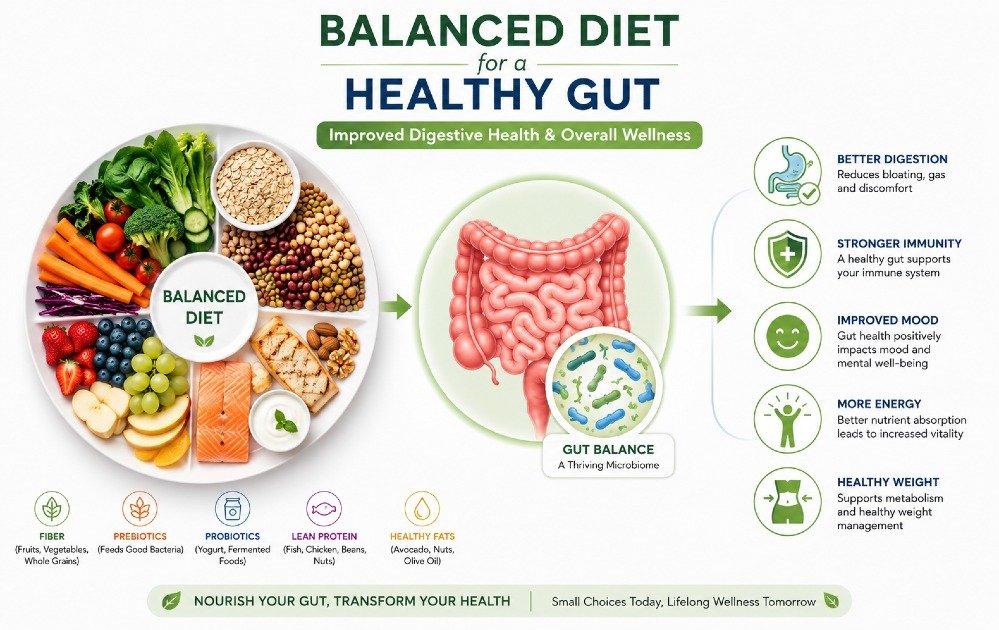
Good nutrition fuels a healthy gut with the fiber and nutrients it needs to function efficiently.
Strategic benefits:
- Supports regular bowel movements
- Promotes healthy gut bacteria
- Reduces digestive discomfort
- Supports efficient digestion
- Improves nutrient absorption
7. Enhances Mood and Mental Well-Being

Good nutrition fuels brain health, supports emotional balance, and helps sustain energy, focus, and a positive mood.
Strategic benefits:
- Supports balanced mood and emotional well-being.
- Provides nutrients needed for healthy brain function.
- Helps maintain steady energy and mental focus.
- Supports the body’s response to everyday stress.
- May reduce mood fluctuations linked to poor eating habits.
- Contributes to overall mental clarity and cognitive health.
8. Builds Strong Bones

Good nutrition supplies the nutrients needed to build, maintain, and protect strong bones for life.
Strategic benefits:
- Supports healthy bone growth and development
- Helps maintain bone strength and density
- Supports calcium absorption and bone mineralization
- Reduces the risk of weakened or fragile bones
- Helps support mobility, balance, and an active lifestyle
9. Helps Control Blood Sugar
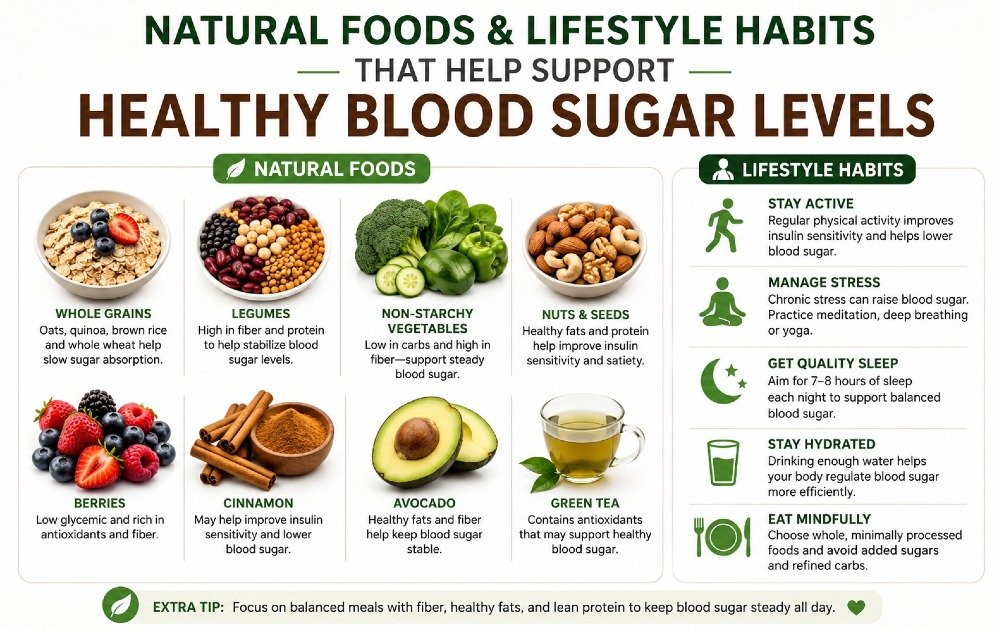
Balanced nutrition helps keep blood sugar steady with the right mix of carbs, protein, fiber, and healthy fats.
Strategic benefits:
- Slows blood sugar spikes
- Supports steady energy
- Improves blood sugar control
- Supports insulin sensitivity
- Helps maintain a healthy weight
10. Supports Healthy Aging

Good nutrition supplies essential nutrients to keep your body strong, slow age-related decline, and support overall health.
Strategic benefits:
- Supporting heart health
- Protecting muscle strength
- Supporting strong bones
- Boosting immune function
- Protecting brain health
- Maintaining healthy energy levels
- Supporting healthy weight
- Reducing chronic disease risk
11. Improves Skin Health

Good nutrition gives your skin the nutrients it needs to stay healthy, hydrated, resilient, and radiant while supporting repair and protection from daily damage.
Strategic benefits:
- Supports skin repair
- Promotes healthy collagen
- Protects against oxidative stress
- Supports skin hydration
- Helps maintain a healthy skin barrier
- Promotes a healthy complexion
12. Reduces Inflammation
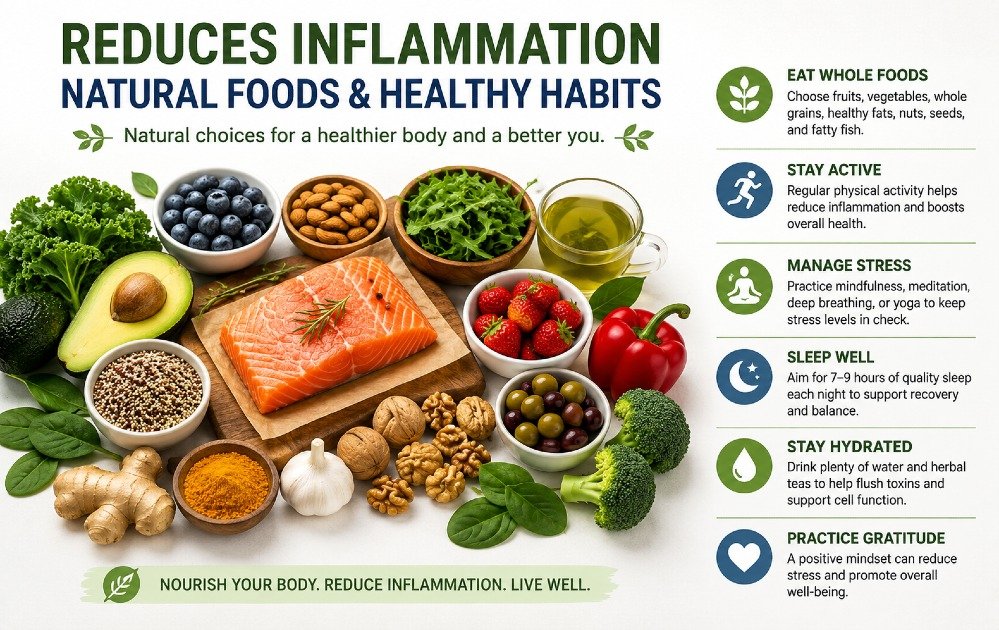
Nutrient-dense foods help balance inflammation, protect cells from oxidative stress, and support a healthier immune response.
Strategic benefits:
- Supports immune balance
- Provides antioxidants
- Supplies omega-3 fats
- Promotes gut health
- Helps maintain a healthy weight
- Replaces highly processed foods
13. Supports Muscle Growth and Recovery

Good nutrition delivers essential nutrients that build and repair muscle, support recovery, and help you get more from every workout.
Strategic benefits:
- Provides protein
- Supplies energy
- Supports muscle recovery
- Replenishes glycogen
- Provides essential nutrients
- Helps maintain muscle mass
14. Improves Sleep Quality

Good nutrition supports better sleep by regulating sleep hormones, neurotransmitters, and energy levels.
Strategic benefits:
- Supports melatonin production
- Promotes relaxation
- Helps stabilize blood sugar
- Supports healthy sleep patterns
- May improve sleep quality
15. Lowers Risk of Chronic Disease
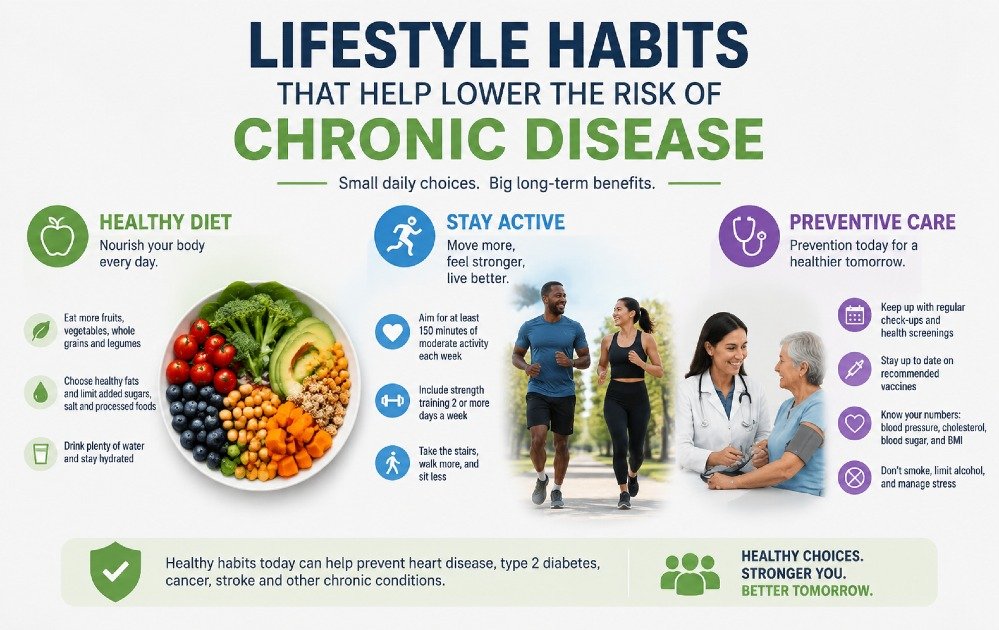
Good nutrition supports healthy organs and immunity while lowering the risk of chronic disease.
Strategic benefits:
- Supports heart health
- Helps prevent type 2 diabetes
- Reduces obesity risk
- Supports bone health
- Strengthens immune function
- May lower cancer risk
- Supports healthy brain function
Common Nutrition Mistakes to Avoid
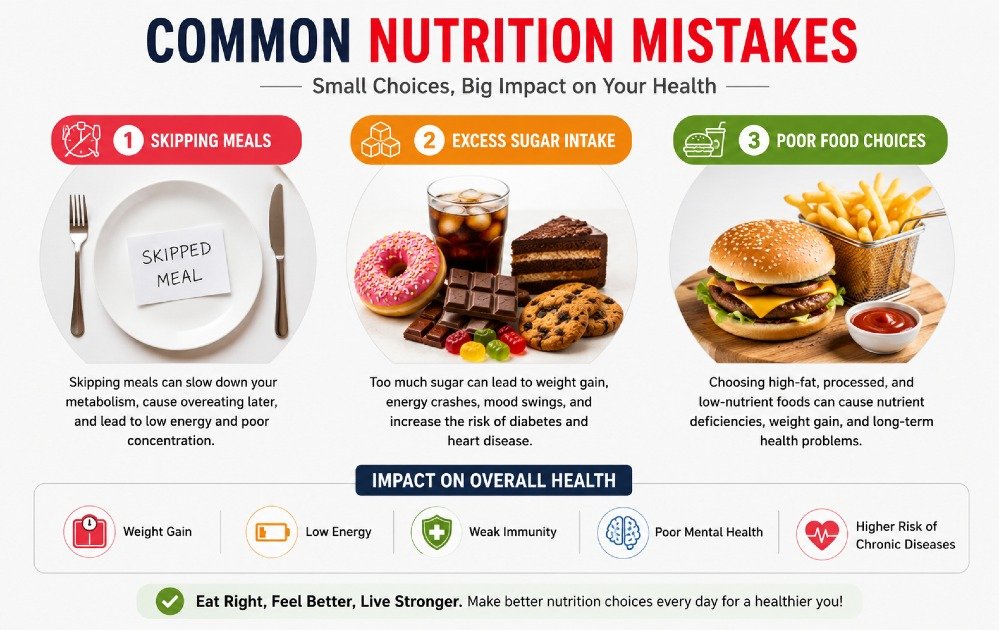
Focusing only on calories, skipping meals, eating processed foods, and neglecting hydration can derail health goals—lasting results come from consistent, balanced habits, not extreme diets.
- Skipping meals: This often leads to overeating later.
- Following extreme diets: Restrictive plans rarely create lasting success.
- Ignoring portion sizes: Even healthy foods can contribute to excess calorie intake.
- Drinking calories: Sugary beverages add calories without much nutrition.
- Neglecting hydration: Mild dehydration can impact energy and concentration.
How to Build a Balanced Plate
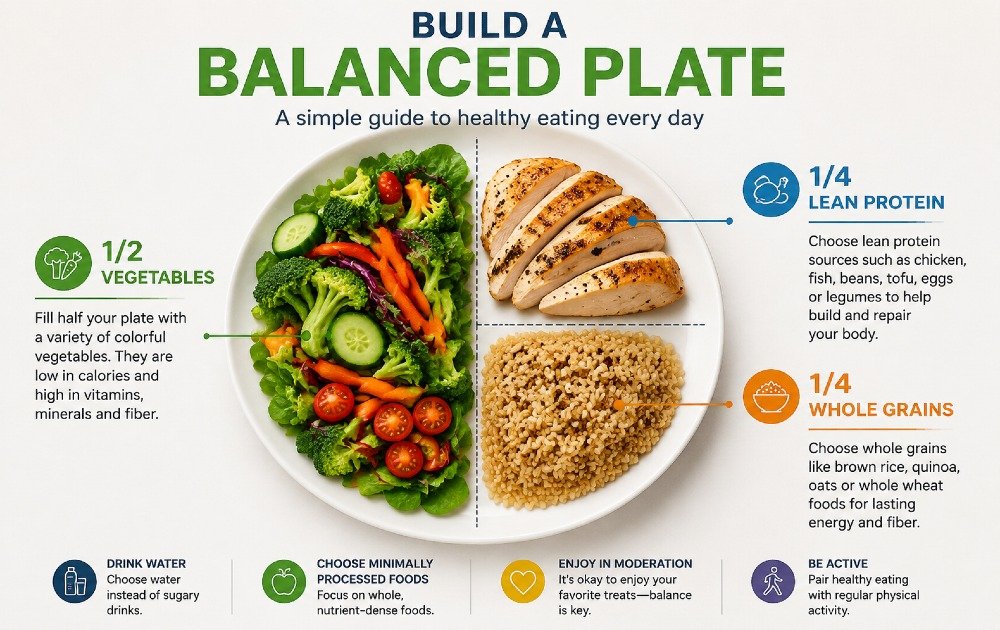
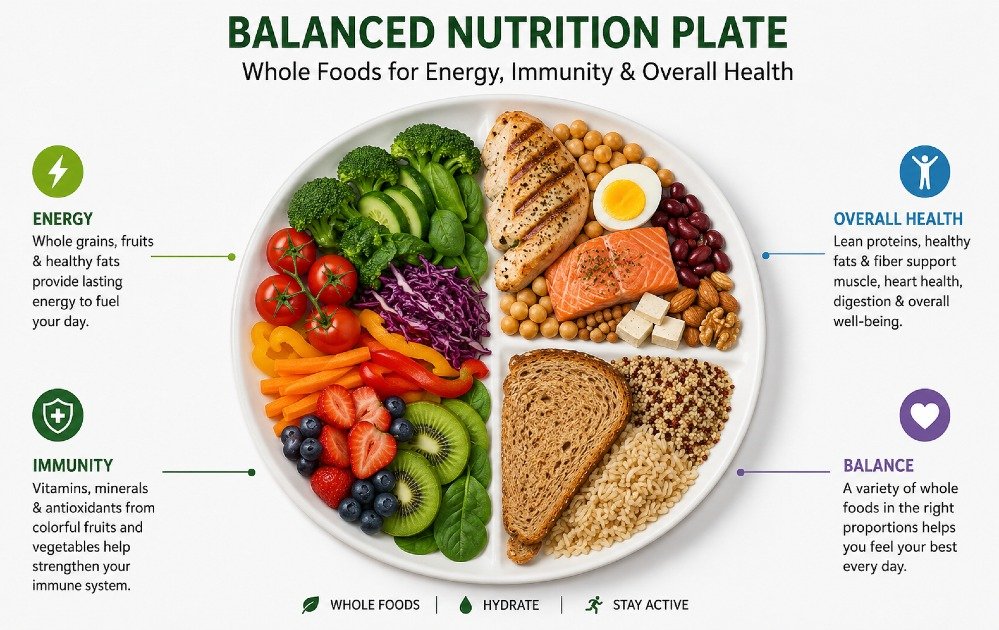
Build a balanced plate with ½ vegetables and fruit, ¼ lean protein, ¼ whole grains or nutrient-rich carbs, plus healthy fats for fiber, nutrients, fullness, and absorption.
Fill half your plate with vegetables:
- Broccoli
- Spinach
- Carrots
- Bell peppers
Add lean protein:
- Chicken
- Fish
- Eggs
- Beans
Include healthy carbohydrates:
- Brown rice
- Quinoa
- Sweet potatoes
- Oats
Add healthy fats:
- Avocado
- Olive oil
- Nuts
- Seeds
Nutrition Habits That Work
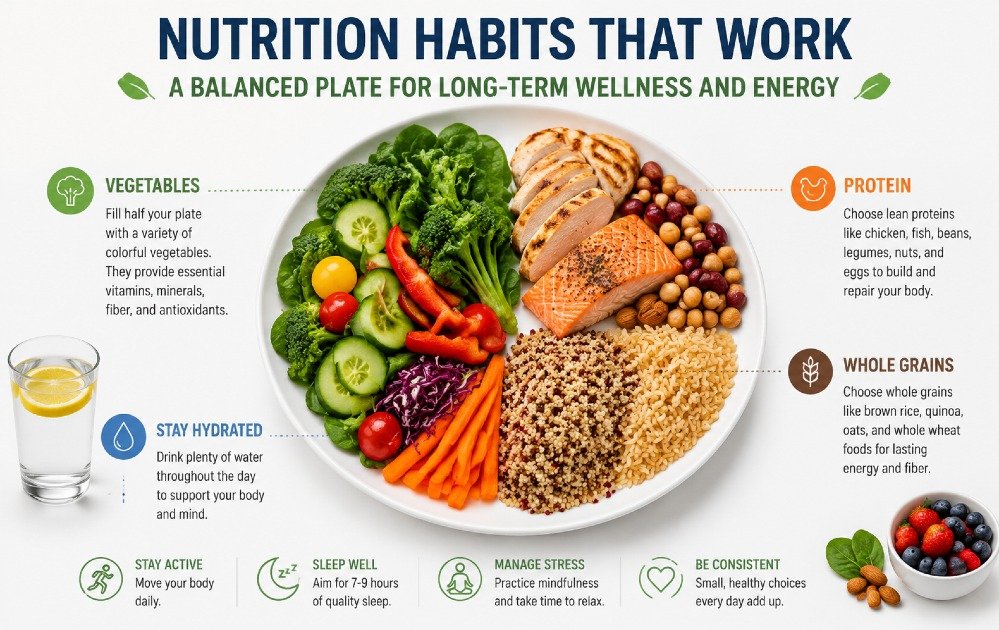
Plan meals, keep healthy snacks handy, and choose whole foods to build practical, sustainable nutrition habits that support lasting health.
Start with one habit:
- Add a vegetable to lunch
- Drink more water
- Eat breakfast consistently
Pay attention to food labels:
- Added sugars
- Sodium
- Fiber
- Protein
Keep healthy snacks:
- Fruit
- Nuts
- Greek yogurt
- Vegetables and hummus
Healthy Food Choices for Heart Health

A heart-healthy diet limits processed foods, saturated fats, added sugars, and excess sodium while prioritizing nutrient-rich whole foods to support healthy cholesterol, blood pressure, circulation, and reduce cardiovascular risk.
Focus on these foods:
- Fatty fish such as salmon, sardines, and mackerel provide their beneficial omega-3 content.
- Leafy greens like spinach and kale for vitamins, minerals, and antioxidants
- Whole grains including oats, quinoa, and brown rice for fiber
- Berries for antioxidant protection
- Nuts and seeds provide nourishing fats along with plant-based protein.
- Beans and legumes for fiber and heart-supportive nutrients
- Olive oil as a healthier fat source
- Avocados for monounsaturated fats
Simple ways to improve your diet:
- Choose whole grains over refined grains
- Bake, grill, or roast instead of frying
- Reduce processed and high-sodium foods
- Add vegetables to every meal
- Include healthy fats in moderation
Essential Nutrients for Digestive Health
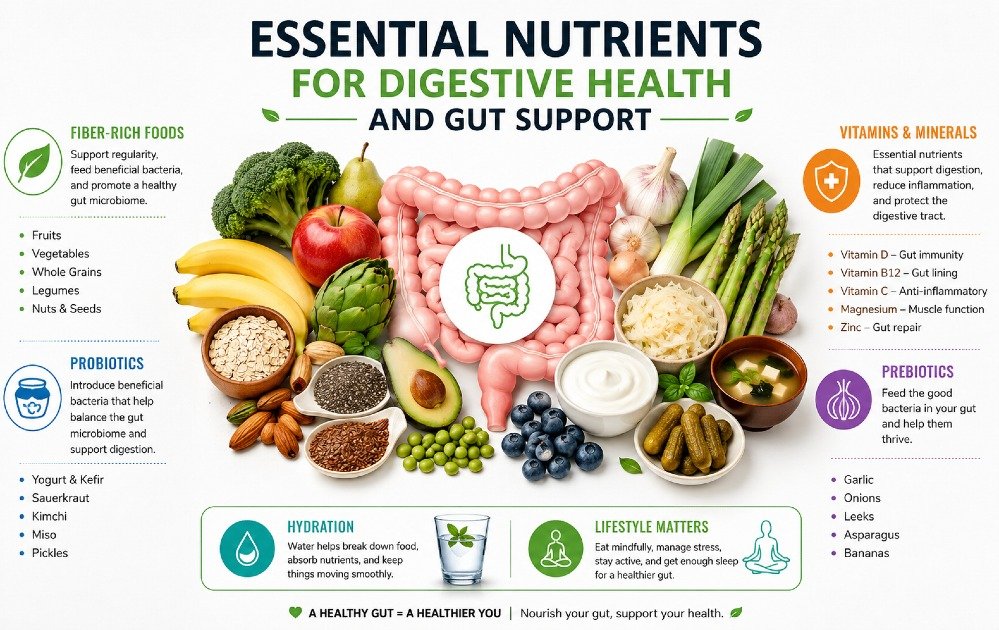
Digestive problems can impair nutrient absorption, affecting energy, immunity, and overall health, making key nutrients essential for a healthy gut.
Key nutrients include:
- Fiber to promote healthy digestion, regularity, and a balanced gut
- Water to aid digestion and prevent constipation
- Probiotics to help maintain beneficial gut bacteria
- Prebiotics to feed healthy gut microbes
- Magnesium to support normal digestive function
- Protein to help repair digestive tissues
Good food sources include:
- Apples, pears, and berries
- Broccoli, carrots, and leafy greens
- Oats and other whole grains
- Yogurt with live cultures
- Kefir and fermented foods
- Beans and lentils
- Nuts and seeds
Effective strategies:
- Increase fiber gradually
- Drink enough water daily
- Eat meals on a consistent schedule
- Limit highly processed foods
- Include probiotic-rich foods regularly
Healthy Diet for Disease Prevention
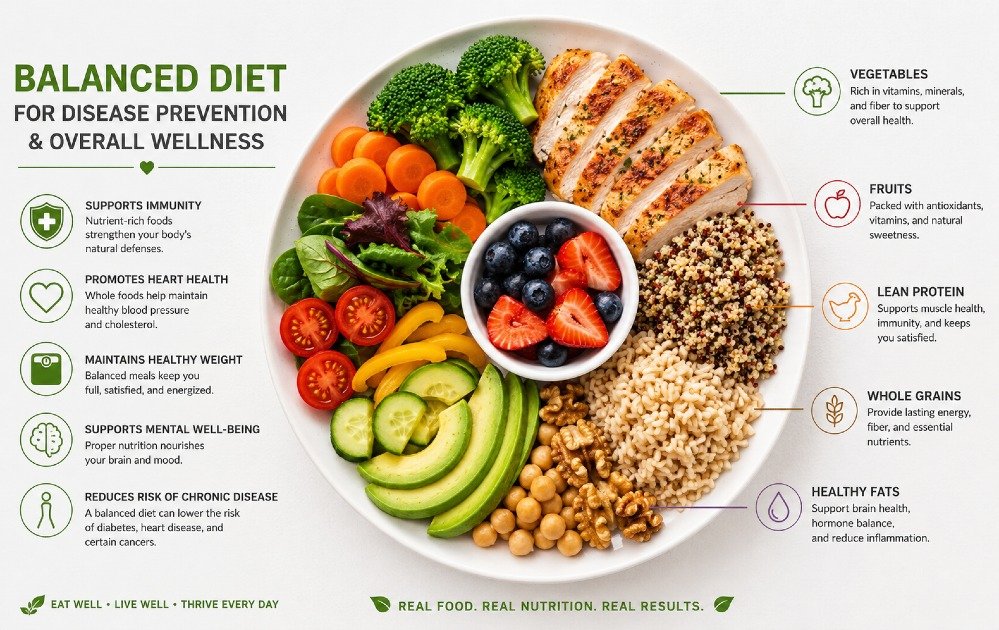
Long-term diets high in sugar, unhealthy fats, refined carbs, and processed foods can raise chronic disease risk, while nutrient-rich whole foods, fiber, antioxidants, and healthy fats help protect health.
Common health conditions include:
- Heart disease
- Type 2 diabetes
- Obesity
- High blood pressure
- Certain cancers
- Metabolic syndrome
Build meals around:
- Fruits and vegetables
- Whole grains
- Lean protein sources
- Beans and legumes
- Nuts and seeds
- Healthy fats such as olive oil
- Adequate hydration
Foods especially associated with disease prevention include:
- Berries rich in antioxidants
- Leafy greens packed with protective nutrients
- Fatty fish containing omega-3 fats
- Broccoli, cauliflower, and other cruciferous vegetables
- Nuts and seeds
- Fiber-rich whole grains
Simple habits that make a difference:
- Fill half your plate with vegetables
- Choose whole foods most of the time
- Limit sugary drinks
- Reduce processed snacks
- Prepare more meals at home
Frequently Asked Questions
What is the most important aspect of good nutrition?
Consistency beats quick fixes—eating a balanced diet with fruits, vegetables, lean proteins, healthy fats, and whole grains delivers lasting health benefits beyond any short-term diet.
How can I improve my nutrition without making major changes?
Start with simple, sustainable habits—add more vegetables, drink water, choose whole grains, and swap processed snacks for nutrient-rich options that support lasting health.
Can good nutrition improve energy levels?
Balanced meals with protein, fiber, and healthy fats help stabilize blood sugar and sustain steady energy throughout the day.
How does nutrition help prevent disease?
A nutrient-rich diet provides essential vitamins, minerals, antioxidants, and fiber to strengthen immunity, reduce inflammation, and protect against chronic diseases.
Is healthy eating expensive?
Affordable foods like beans, oats, eggs, frozen vegetables, brown rice, and seasonal produce can provide excellent nutrition without breaking the budget.
Recap: Build Better Health One Meal at a Time
Nutrition fuels your health by supporting immunity, digestion, mood, weight, and heart health.
Choose nourishing whole foods, build balanced meals, stay well hydrated, and maintain daily routines that support steady energy, greater confidence, and lasting wellness while helping lower the risk of chronic disease.
Every meal is an opportunity to make a meaningful difference, support your health, and invest in your long-term quality of life.
Ready to Improve Your Nutrition and Feel Better Every Day?
Still feeling tired, hungry, or frustrated even though you’re trying to eat healthier?
Discover how this daily greens powder can fill nutrient gaps, support lasting energy, strengthen your immune system, and help you stay at your best—even when busy days make eating enough vegetables difficult.