
Still feeling overwhelmed, drained, or disconnected from who you are?
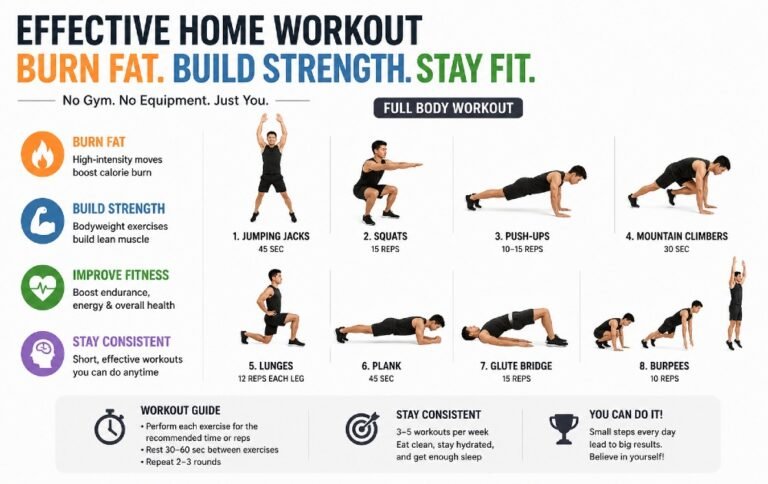
Exercise transforms your body, mind, and emotional wellbeing—explore how movement transforms your health journey beyond fitness in our complete Exercise and Fitness Guide.
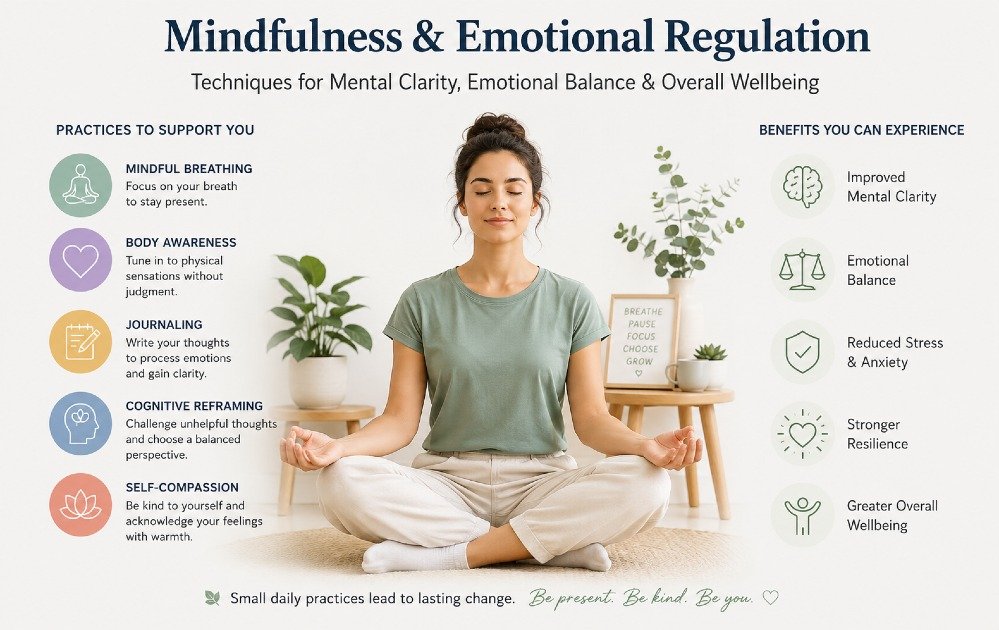
This guide reveals powerful mental and emotional shifts that restore balance, build resilience, and support lasting wellbeing.
Why Mental and Emotional Health Is Necessary for Transformation and Wellbeing
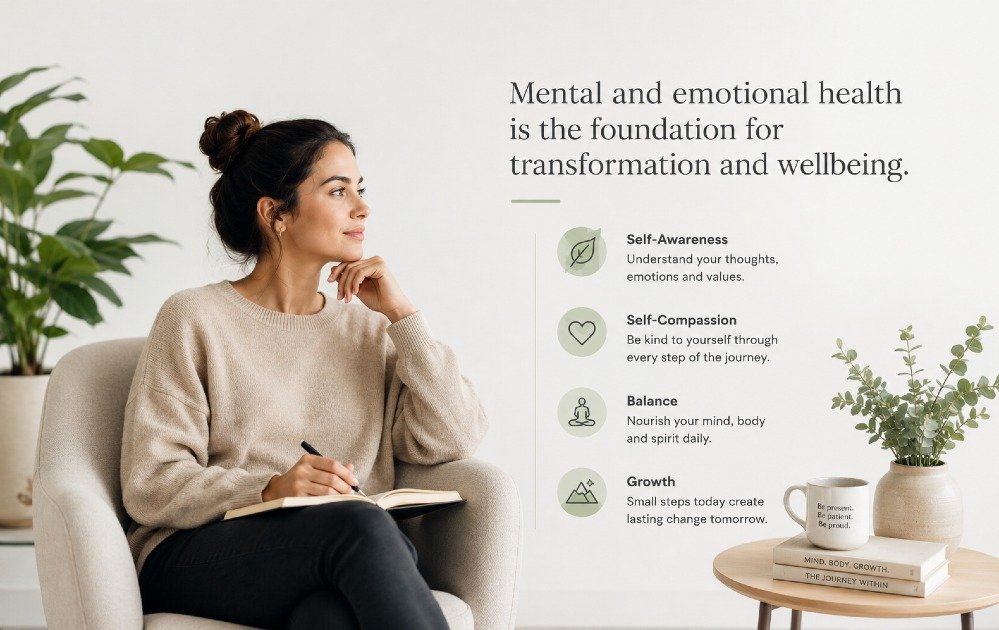
Ignoring mental and emotional health can derail your goals, but building inner resilience strengthens focus, consistency, and lasting transformation.
It supports:
- Stronger focus and discipline
- Better stress control
- Improved emotional regulation
How Emotional Stability Drives Real Change in Wellbeing
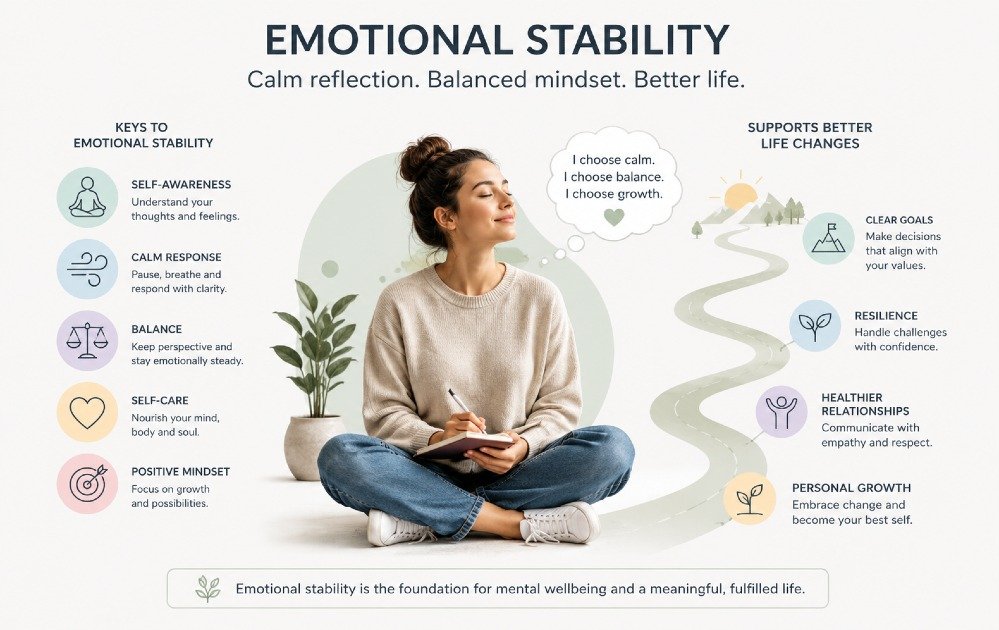
Emotional stability helps you manage stress, make better decisions, stay consistent, and respond with control instead of reacting impulsively.
It supports:
- Awareness of emotional triggers
- Calmer responses to stress
- Better sleep and recovery
- Improved daily decision-making
Why Stress Management Is Essential for Lasting Transformation
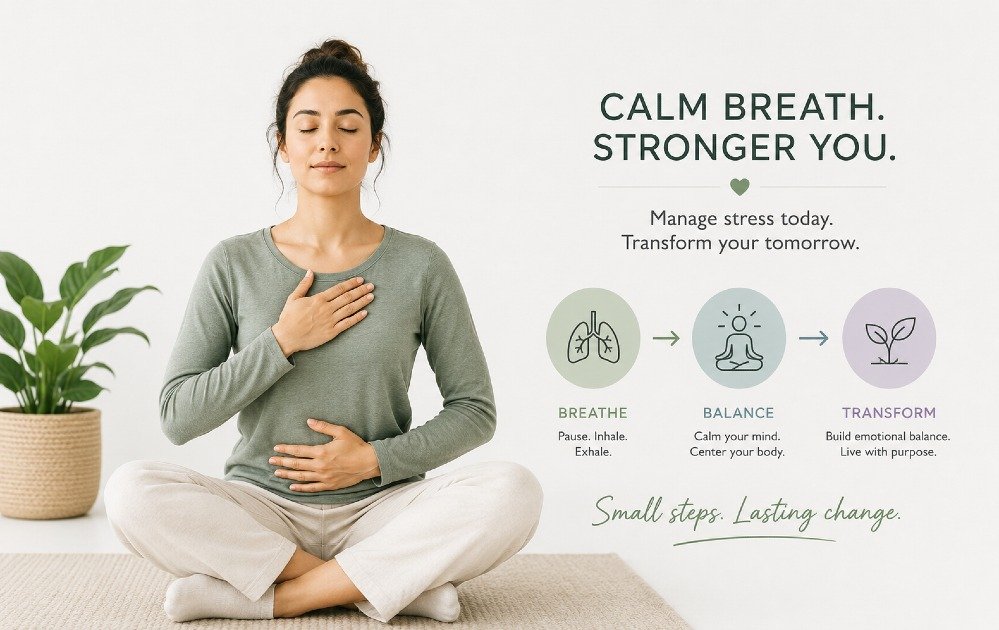
Chronic stress drains energy, disrupts sleep, and limits focus, but effective stress management restores balance, improves recovery, and supports better mental and physical performance.
Effective approaches:
- Walking or light movement
- Deep breathing or mindfulness
- Setting daily boundaries
- Short mental breaks
How Mental Clarity Supports Better Life Transformation
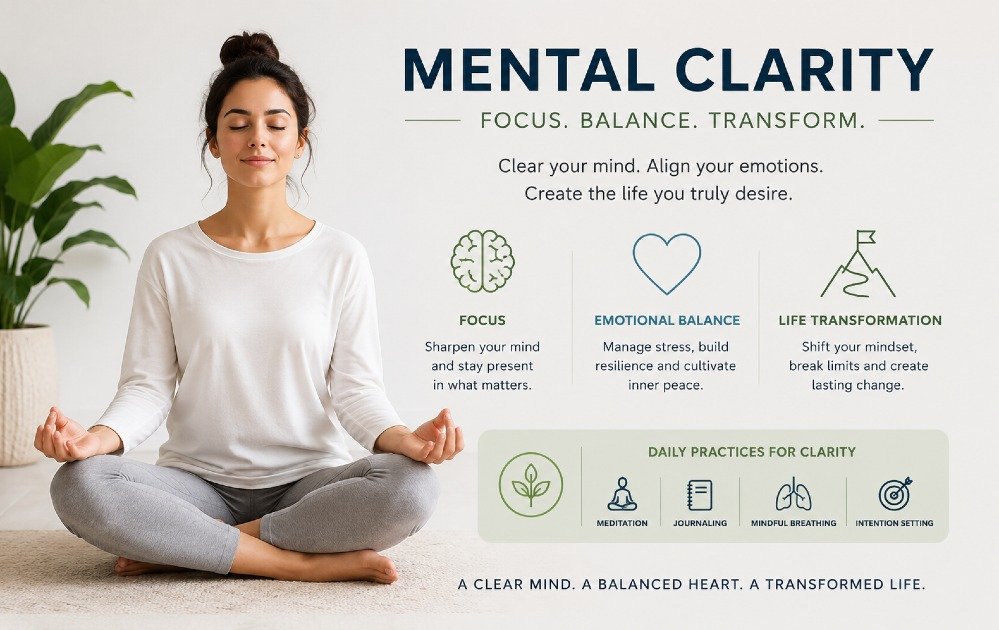
Clear your mind, cut through distractions, and sharpen focus to make better decisions, take purposeful action, and stay consistent.
It supports:
- Better focus and attention
- Reduced overthinking
- Improved problem-solving
- Clearer goal execution
Exercise Benefits for Mental Health

Exercise helps relieve mental strain, boost motivation, and improve focus, sleep, and productivity by reducing stress and supporting brain health.
NIH research shows movement supports brain health, reduces anxiety and depression symptoms, and improves mood, stress control, and mental clarity.
Outcomes include:
- Better emotional stability and stress control
- Improved focus and reduced mental fatigue
- Higher energy and motivation
- Stronger resilience to daily pressure
7 Ways Mental and Emotional Wellbeing Boost Health
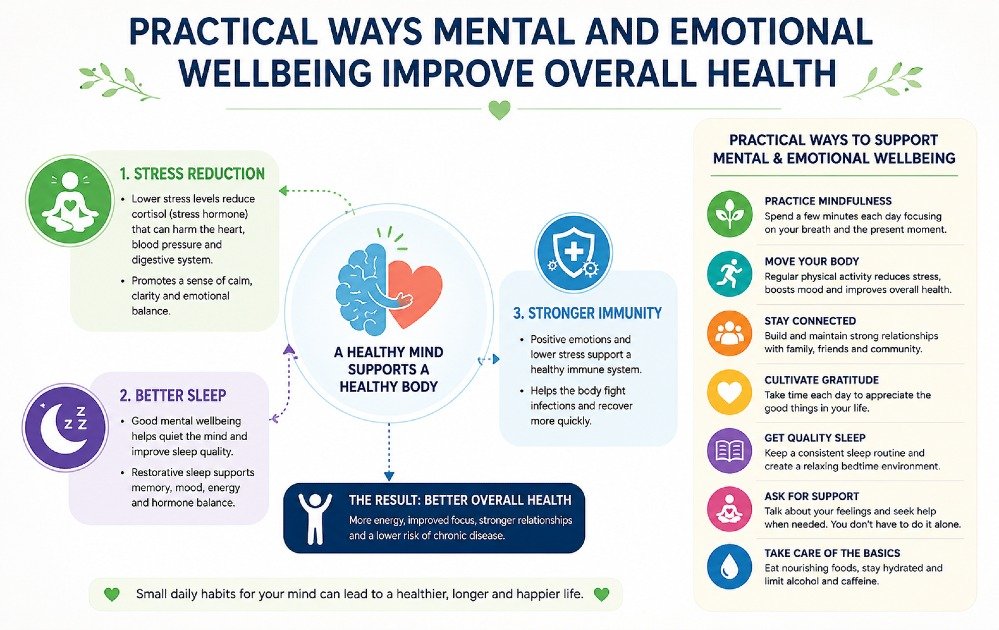
Still tired, stressed, or stuck despite your healthy efforts?
Stress and mental fatigue can silently drain your sleep, energy, immunity, and digestion over time.
Discover seven ways mental and emotional wellness can strengthen your body, build resilience, and support lasting health.
1. Exercise Improves Mood and Emotional Stability
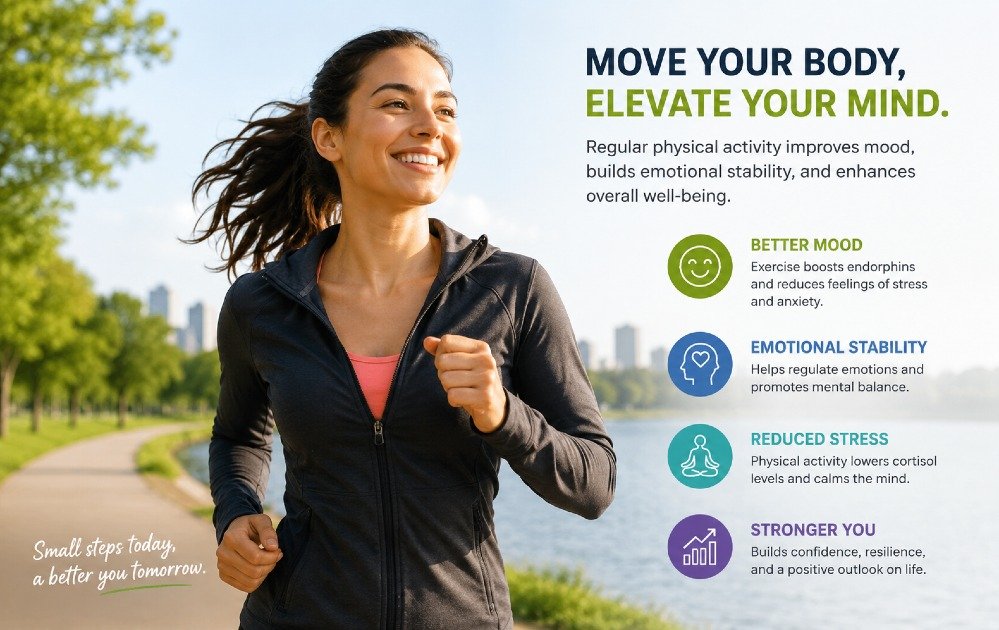
Regular exercise boosts serotonin and endorphins to improve mood, reduce irritability, and build greater emotional balance and stability over time.
Why it matters:
Your emotional state shapes your relationships, focus, choices, and confidence—when it’s unbalanced, everyday life feels harder.
What works for me:
Exercise has strengthened my mental well-being by boosting my mood, reducing stress, and building greater balance and resilience.
How to start:
- Take a 15–30 minute walk daily
- Try light dancing at home
- Use stretching routines in the morning
- Start with low-pressure activities you enjoy
2. Reduces Stress and Calms the Nervous System

Exercise reduces stress by lowering cortisol, activating the body’s calming response, and building resilience through activities like walking, stretching, and yoga.
Why it matters:
Chronic stress disrupts sleep, digestion, focus, and emotional balance, keeping the body trapped in constant fight-or-flight mode.
What works for me:
I find it helps reduce stress, calm my nervous system, and improve mental and emotional balance.
How to start:
- Try yoga or deep stretching sessions
- Practice rhythmic walking or jogging
- Use breathing exercises during workouts
- Avoid high-pressure performance goals at the beginning
3. Helps Reduce Anxiety Symptoms Naturally
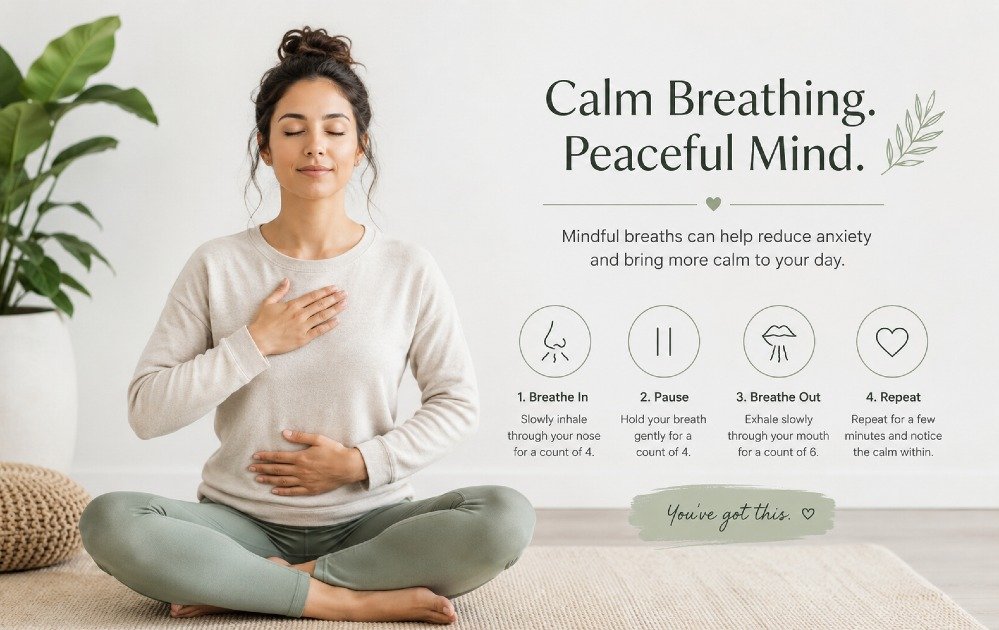
Exercise calms anxious thoughts, reduces stress responses, and builds emotional control by improving brain chemistry, focus, and resilience over time.
Why it matters:
Anxiety often creates racing thoughts, tension, and physical discomfort. Exercise helps interrupt this cycle.
What works for me:
I use natural strategies to ease anxiety and support a calmer, more balanced mind.
How to start:
- Start with light cardio (walking, cycling)
- Use 10-minute movement breaks during the day
- Avoid overthinking workout structure
- Focus on rhythm, not intensity
4. Boosts Self-Esteem and Confidence

Exercise builds self-esteem, confidence, and self-trust by turning small fitness wins into lasting personal growth and a stronger self-image.
Why it matters:
Your self-image shapes your motivation, relationships, and the choices that define your life.
What works for me:
Strengthening my mental and emotional well-being builds self-esteem, confidence, resilience, and a greater sense of empowerment.
How to start:
- Set small, achievable fitness goals
- Track progress (not perfection)
- Celebrate consistency, not intensity
- Choose workouts you enjoy
5. Enhances Cognitive Function and Mental Clarity
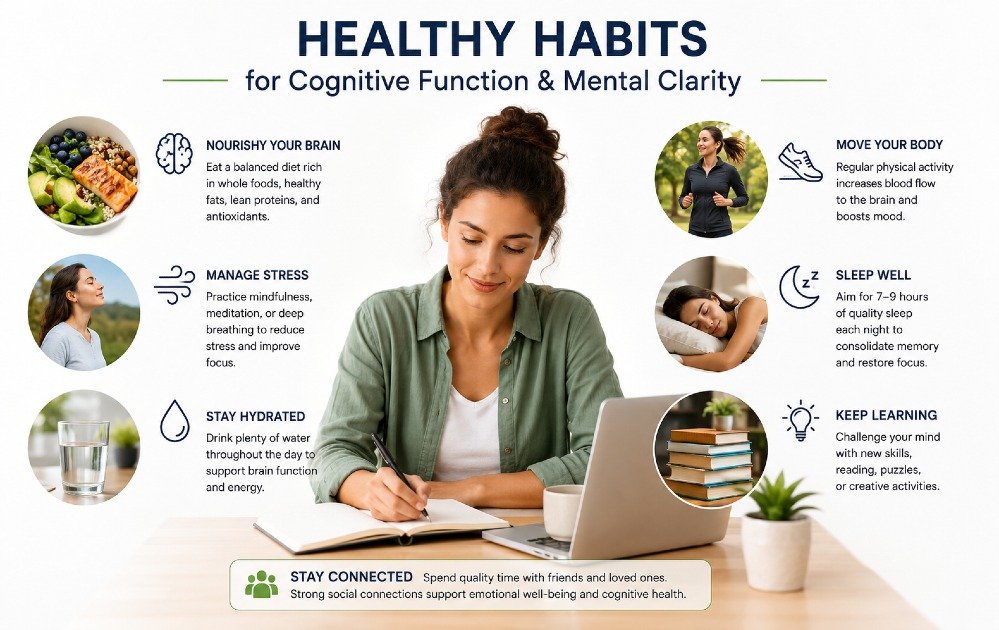
Exercise boosts brain health by improving blood flow, focus, memory, mental clarity, productivity, and decision-making while reducing brain fog.
Why it matters:
Mental fog, memory lapses, and poor focus can drain productivity, clarity, and confidence.
What works for me:
I enhance my cognitive function and mental clarity, supporting stronger focus and mental and emotional well-being.
How to start:
- Try morning workouts before work or study
- Use aerobic exercises for brain activation
- Include coordination-based movement like dance or sports
- Stay hydrated before and after exercise
6. Supports Emotional Resilience During Life Challenges
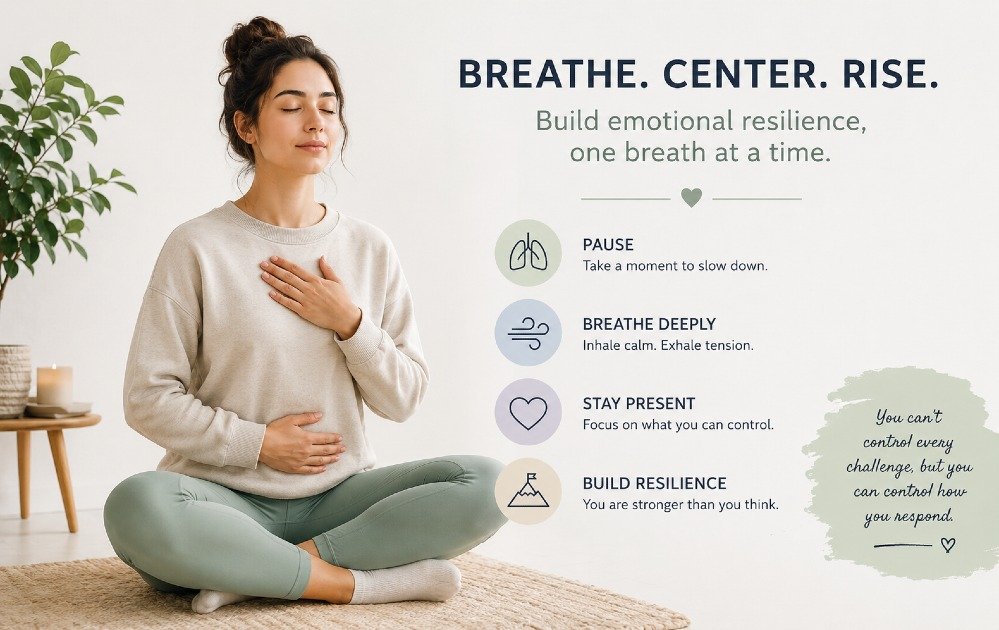
Exercise strengthens emotional resilience by reducing stress, releasing tension, improving recovery, and building lasting mental strength and stability.
Why it matters:
Life stressors like loss, pressure, and change can feel overwhelming without emotional resilience.
What works for me:
I build mental and emotional resilience to face life’s challenges with calm, strength, and confidence.
How to start:
- Use walking as emotional processing time
- Practice journaling after workouts
- Combine movement with mindfulness
- Avoid comparing progress with others
7. Improves Sleep, Which Strengthens Mental and Emotional Health
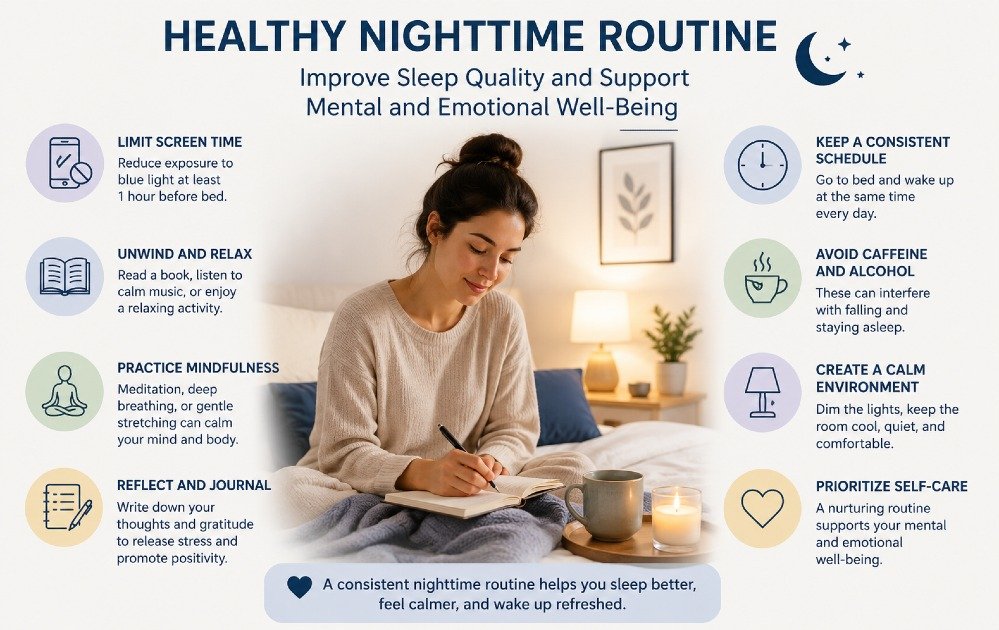
Regular exercise improves sleep quality, stabilizes mood, sharpens focus, reduces restlessness, and strengthens emotional resilience for better daily well-being.
Why it matters:
Poor sleep fuels anxiety, irritability, and emotional imbalance.
What works for me:
I improve sleep to strengthen mental health, boost focus, build resilience, and enhance overall well-being.
How to start:
- Exercise earlier in the day when possible
- Avoid intense workouts right before bed
- Maintain a consistent sleep schedule
- Combine movement with nighttime relaxation routines
Mood Boosting Workouts
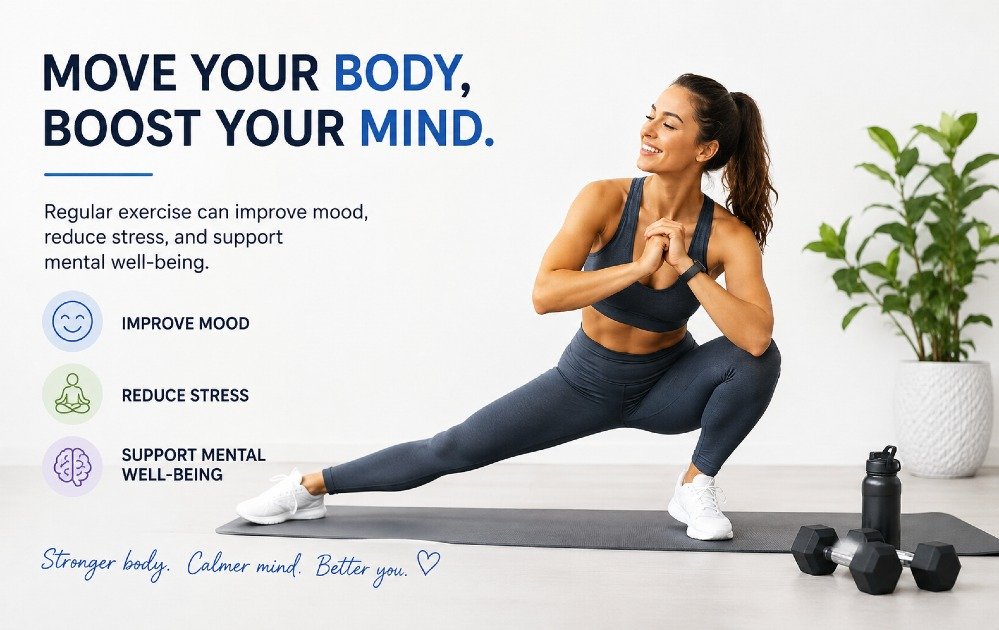
Low mood can drain energy and increase inactivity, but mood-boosting workouts help reset this cycle by enhancing endorphins and brain blood flow.
Effective strategies include:
- Brisk walking or light jogging
- Dance or free movement workouts
- Cycling or outdoor activity
- Yoga for relaxation and release
Anxiety Reduction Exercise
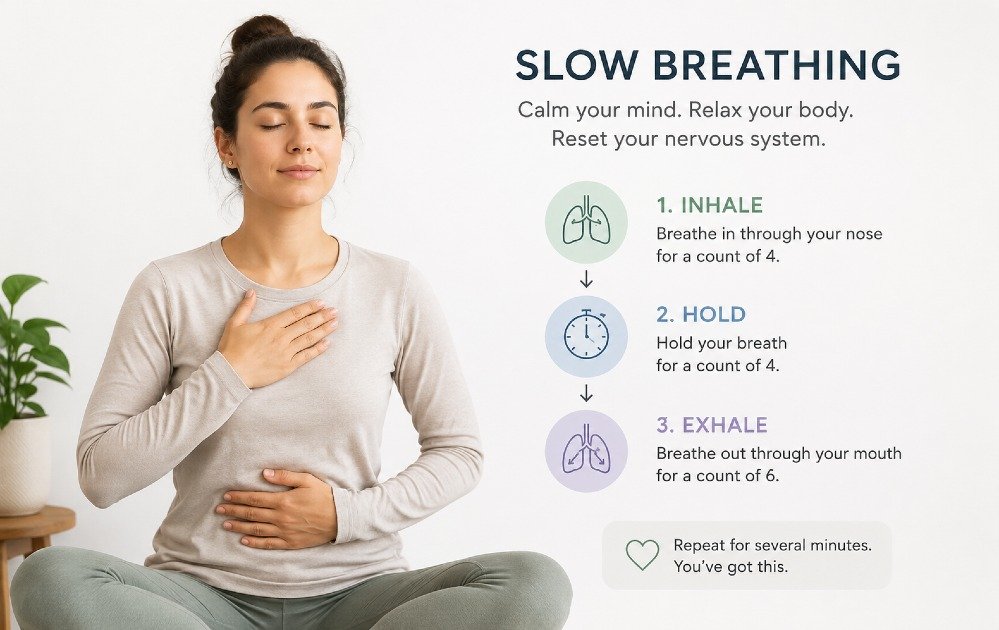
Exercise helps calm anxiety by reducing racing thoughts, easing tension, and lowering stress hormones for better mental balance.
Effective strategies include:
- Slow walking with controlled breathing
- Gentle stretching or yoga
- Swimming or rhythmic movement
- Short movement breaks during the day
Frequently Asked Questions
1. How does mental and emotional wellbeing affect physical health?
Chronic stress can drain your sleep, energy, immunity, and digestion, while a balanced mind helps your body recover, function better, and stay healthier.
2. What are simple ways to improve mental and emotional wellbeing?
Small daily habits like movement, quality sleep, hydration, and mindful breaks can restore emotional balance, boost mood, and reduce stress.
3. Can exercise really improve emotional health?
Exercise boosts mood, reduces tension, and helps the body manage stress by increasing feel-good chemicals while lowering stress hormones.
4. How long does it take to notice improvements in mental health?
Consistent practice can improve mood and sleep within days, while deeper emotional benefits often develop over 2–4 weeks—proving steady effort matters more than intensity.
5. What type of exercise is best for mental and emotional wellbeing?
Low-to-moderate activities like walking, yoga, stretching, cycling, and light cardio calm the nervous system while boosting mental clarity.
Related Articles
Recap: The Power of Mental and Emotional Transformation
Mental and emotional well-being drives how you think, react, and cope with everyday stress.
A stable mind fuels better energy, focus, relationships, sleep, and lasting resilience through simple daily habits.
Begin your mental state journey and restore balance—your mind will thank you for every step you take.
Ready to Regain Control of Your Mental and Emotional Health?
Still feeling mentally drained, emotionally overwhelmed, or stuck in a cycle of stress?
Discover how this guided meditation platform reduces daily stress, improves emotional balance, builds inner calm, and responds to life’s challenges.