

Still feeling stressed, lonely, or emotionally drained even when you’re surrounded by people?
Building strong social connections can reduce stress, boost emotional resilience, and strengthen healthier daily habits with our complete Stress Management Blueprint.
This guide explains how to build supportive relationships, improve emotional resilience, and navigate life’s challenges with greater confidence.
Why Social Connections Are Essential for Stress Management

Strong social connections reduce stress by providing support, perspective, and resilience while helping you overcome challenges, prevent isolation, and improve emotional well-being.
CDC emphasizes on how strong social connections play a critical role in stress reduction, emotional resilience, and overall health.
Why it matters:
Humans thrive on connection—supportive relationships reduce stress, strengthen emotional resilience, and protect mental and physical health, while chronic loneliness can increase stress hormones and harm overall well-being.
What works for me:
Reconnecting with supportive friends or family can quickly reduce stress by offering perspective and emotional relief that no productivity strategy can replace.
How to start:
- Reach out to one friend you haven’t spoken to recently.
- Schedule a weekly call with a family member.
- Join a local or online interest group.
- Accept social invitations when possible.
- Practice active listening during conversations.
9 Practical Ways to Build Meaningful Friendships

Still feeling overwhelmed, disconnected, and struggling to build genuine friendships?
Modern life makes genuine friendships harder to build, but intentional connection strengthens relationships, reduces stress, and supports lasting emotional well-being.
Discover nine simple habits that turn casual connections into lasting, meaningful relationships.
1. Prioritize Quality Over Quantity

A few trusted relationships built on trust and support often provide more lasting value, deeper connection, and greater emotional well-being than a large circle of casual contacts.
Why it matters:
A few trusted relationships can provide deeper emotional support than a large circle of casual connections.
What works for me:
Strengthening existing relationships often creates deeper emotional benefits than constantly trying to expand your social circle.
How to start:
- Identify your most supportive relationships.
- Invest more time in meaningful conversations.
- Express appreciation regularly.
- Be present when spending time together.
- Reduce distractions during interactions.
2. Strengthen Family Relationships

Strong family relationships built through regular communication and shared moments provide lasting support, trust, emotional security, and resilience during life’s challenges.
Why it matters:
Family provides essential support during stressful times by offering encouragement, stability, and practical help through strong bonds.
What works for me:
Regular check-ins, even brief ones, often build stronger relationships than occasional long conversations.
How to start:
- Schedule regular family meals.
- Call relatives consistently.
- Celebrate milestones together.
- Resolve conflicts respectfully.
- Share experiences and memories.
3. Build Meaningful Friendships

Meaningful friendships built on trust and shared experiences provide support, reduce stress, boost happiness, and strengthen emotional and social well-being.
Why it matters:
Trusted friends provide emotional support, encouragement, and fresh perspectives that strengthen us through life’s challenges.
What works for me:
Many friendships fade from busy lives, but small intentional efforts can restore meaningful connections.
How to start:
- Send a thoughtful message.
- Invite someone for coffee.
- Remember important dates.
- Check in during difficult times.
- Follow up after conversations.
4. Practice Active Listening

Active listening deepens relationships by showing respect, building trust, and helping people feel valued through genuine understanding.
Why it matters:
Strong relationships grow through genuine communication that makes people feel heard, valued, and understood.
What works for me:
When people seek to understand before responding, conversations become deeper, stronger, and more meaningful.
How to start:
- Maintain eye contact.
- Avoid interrupting.
- Ask follow-up questions.
- Reflect on what was said.
- Show empathy and understanding.
5. Join Communities That Share Your Interests
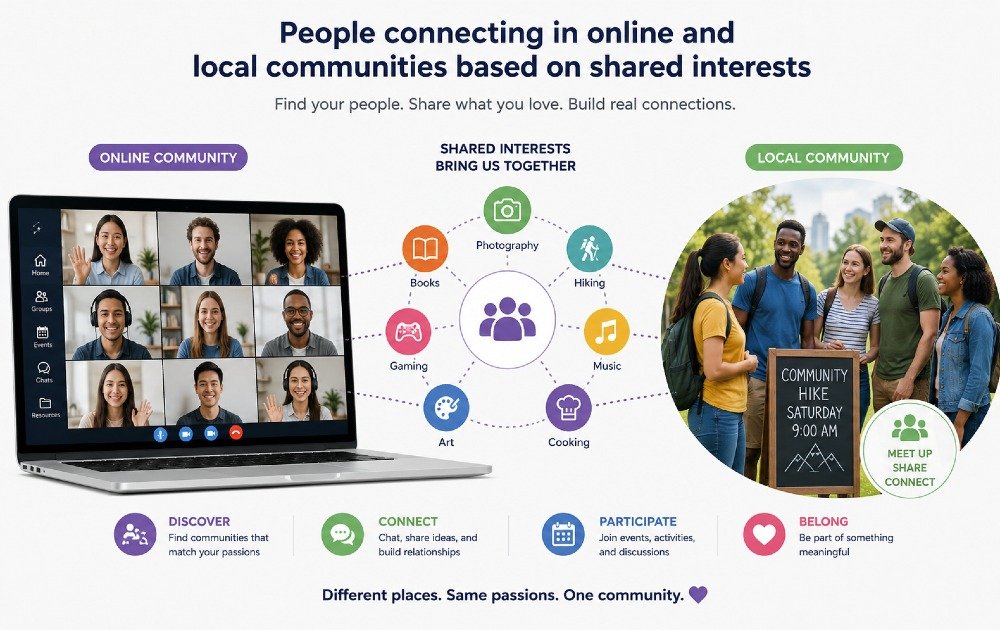
Shared interests create stronger connections through groups, classes, clubs, and volunteering, helping reduce loneliness while turning shared experiences into lasting friendships.
Why it matters:
Shared interests like fitness, gardening, reading, or volunteering create meaningful connections through common goals and authentic relationships.
What works for me:
Many meaningful friendships grow naturally through shared interests, not forced connections.
How to start:
- Join local clubs.
- Attend community events.
- Participate in volunteer activities.
- Take a class.
- Engage in group fitness programs.
6. Use Technology Intentionally

Use technology intentionally—video calls, voice messages, and meaningful conversations can strengthen relationships across distance, while avoiding passive scrolling that replaces genuine human connection.
Why it matters:
Technology can either deepen or weaken relationships—when used intentionally, it keeps meaningful connections alive across any distance.
What works for me:
Video calls and voice messages create deeper personal connections than endless texting.
How to start:
- Schedule virtual catch-ups.
- Use video calls when possible.
- Limit passive social media use.
- Send personalized messages.
- Create meaningful online interactions.
7. Learn to Give and Receive Support

Protecting your energy through healthy boundaries reduces stress, strengthens meaningful relationships, and helps you manage your time and emotional well-being.
Why it matters:
Strong relationships thrive on mutual support, yet many people struggle to receive help even when they readily offer it.
What works for me:
Allowing support from others can deepen relationships instead of making you a burden.
How to start:
- Ask for help when needed.
- Offer assistance without expecting anything in return.
- Express gratitude.
- Share challenges honestly.
- Accept support graciously.
8. Set Healthy Relationship Boundaries
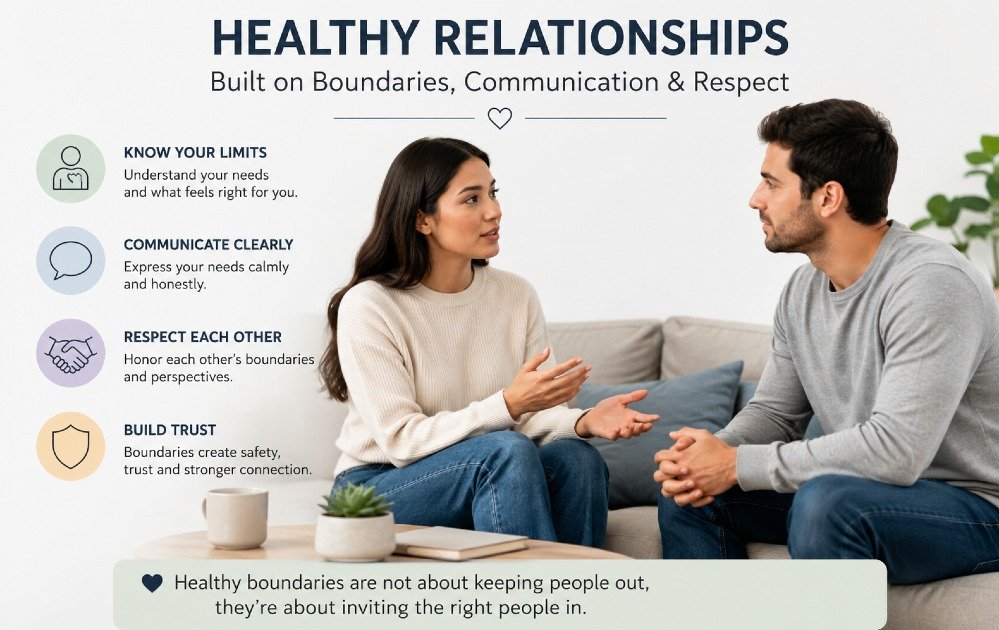
Healthy boundaries build trust, prevent misunderstandings, reduce stress, and strengthen relationships through mutual respect and clear communication.
Why it matters:
Not every relationship relieves stress—some quietly fuel it.
What works for me:
Protecting your time and energy strengthens healthier, more meaningful relationships.
How to start:
- Communicate expectations clearly.
- Learn to say no respectfully.
- Limit exposure to toxic behaviors.
- Prioritize mutual respect.
- Protect personal time.
9. Create Regular Social Rituals

Regular social rituals, like weekly calls or family dinners, strengthen relationships by making meaningful connections a consistent habit.
Why it matters:
Consistency strengthens relationships by keeping connections strong, even during life’s busiest seasons.
What works for me:
Simple traditions provide stability during stressful times.
How to start:
- Plan weekly coffee dates.
- Schedule monthly family dinners.
- Create group chat traditions.
- Organize walking meetups.
- Establish annual gatherings.
How Social Connections Improve Physical Health
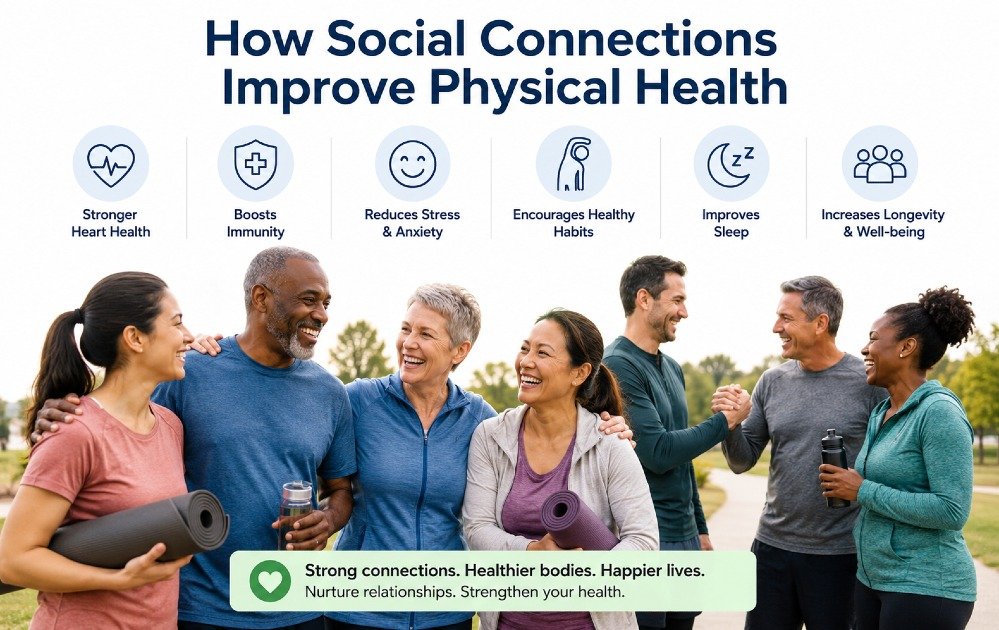
Most people focus on diet, exercise, and sleep but overlook social connection—a hidden health factor that reduces stress, strengthens immunity, improves sleep, and supports overall well-being.
Ways to improve health through connection:
- Spend regular time with supportive people
- Join group activities like walking or fitness classes
- Keep consistent contact with friends or family
- Participate in community or volunteer work
- Prioritize real, in-person interaction when possible
Strong relationships support better emotional and physical health.
Human Connection Through Meaningful Relationships

Modern communication often prioritizes quantity over quality, creating emotional distance because meaningful relationships grow through genuine conversations, not surface-level interactions.
Ways to build deeper connection:
- Listen without distraction
- Ask thoughtful, open-ended questions
- Share honest thoughts, not just updates
- Respond with empathy
- Spend focused, intentional time together
Meaningful relationships build trust, emotional safety, and a deep sense of support.
Build Stronger Relationships Through Emotional Resilience

Stress and conflict can damage relationships, but emotional resilience helps you stay calm, respond thoughtfully, and prevent misunderstandings.
Practical steps:
- Pause before reacting
- Be aware of your emotions
- Avoid assumptions
- Focus on solutions, not blame
- Practice forgiveness when appropriate
Emotionally resilient people build stronger, healthier, and more lasting relationships.
Social Support System for Mental and Emotional Strength

A strong support system reduces the emotional burden of stress by providing the encouragement and practical help needed to overcome challenges and recover faster.
How to build it:
- Identify reliable, supportive people
- Stay in regular contact
- Ask for help when needed
- Offer support in return
- Join groups or communities with shared interests
A strong support network eases stress and builds emotional resilience.
Frequently Asked Questions
How do social connections reduce stress naturally?
Stronger social connections lower stress by reducing cortisol and helping you stay calm under pressure.
Can weak social connections affect mental and physical health?
Yes. Weak social connections can increase stress, anxiety, poor sleep, and lower immunity, making relationship quality a key factor in overall health.
What is the best way to start building stronger relationships?
Build meaningful friendships by staying consistent, having honest conversations, listening actively, and prioritizing deeper connections over a larger network.
Do online relationships count as real social connections?
Meaningful and consistent online connections can provide support, but the strongest emotional bonds often come from a trusted mix of digital and in-person relationships.
How many strong social connections does a person need?
A few reliable, supportive relationships can significantly boost emotional well-being and reduce stress—there’s no need for a specific number.
Related Articles
Recap: Stronger Relationships, Stronger Resilience
Strong social connections help reduce stress, strengthen emotional resilience, and support lasting mental and physical well-being.
Start with one conversation, one message, or one small step toward connection—stronger relationships and a healthier life can grow from it.
Your journey toward lower stress, better health, and stronger relationships starts with a single connection.
Ready to Strengthen Your Connections and Reduce Stress Naturally?
Still feeling overwhelmed, disconnected, or emotionally imbalanced despite trying to manage stress?
Discover how this guided meditation platform can help you build emotional resilience, reduce daily stress, and develop the inner balance that helps you connect more deeply with the people who matter most.