

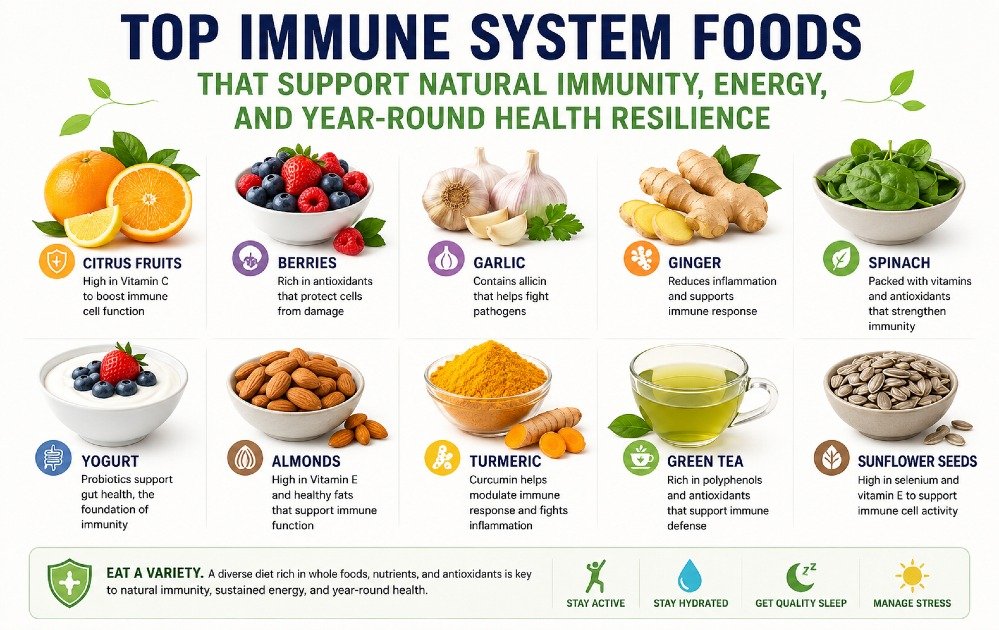
Still getting sick more often than you should, feeling drained, or taking longer to recover from common illnesses?
Your immune system may need extra support to work efficiently.
This guide explains top immune system foods that can strengthen your body’s natural defenses, support faster recovery, and help you stay healthier throughout the year.
Why Immune Health Declines in Everyday Life

When your diet lacks essential nutrients, your defenses weaken.
Over time your body reduces the ability to respond quickly to infections.
Common causes:
- High intake of processed and sugary foods
- Low fruit and vegetable consumption
- Chronic stress and poor sleep
- Dehydration and inactivity
What your immune system needs:
- Vitamins (A, C, E, and D)
- Minerals like zinc and selenium
- Antioxidants that fight cell damage
- Probiotics that support gut health
Core advantages:
- Reduce frequency of illness
- Improve energy levels
- Recover faster when you do get sick
Top 11 Best Immune System Foods to Eat More Often
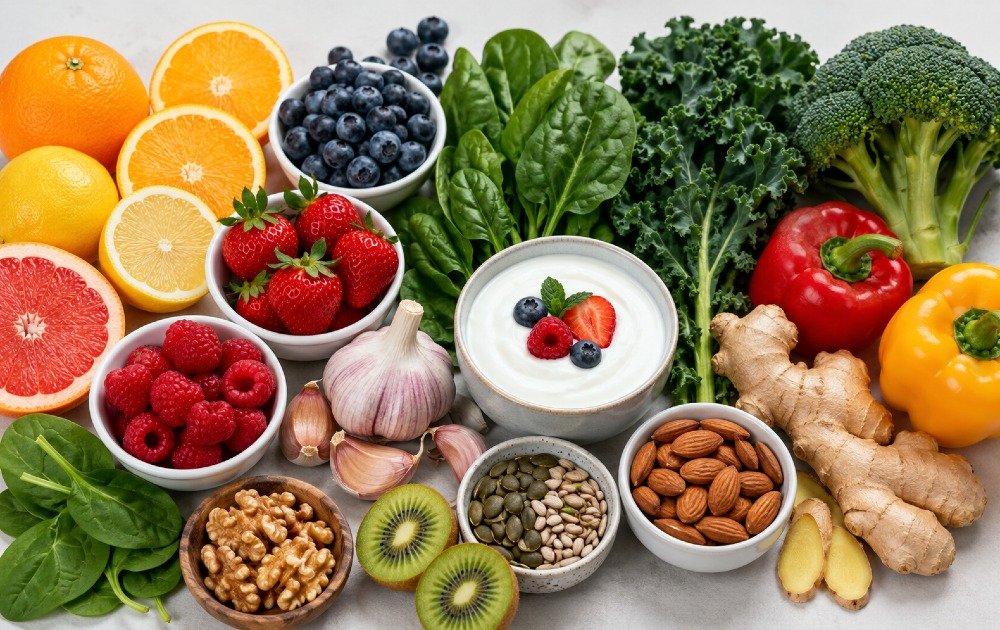
You are prone to frequent colds when your immunity is low. Lack of sleep and stress may also signal that your body isn’t getting the nutrients it needs.
Discover eleven top immune system foods that improve overall wellness, reduce your risk of seasonal illnesses, or simply feel your best every day.
1. Citrus Fruits: Simple Daily Vitamin C Support
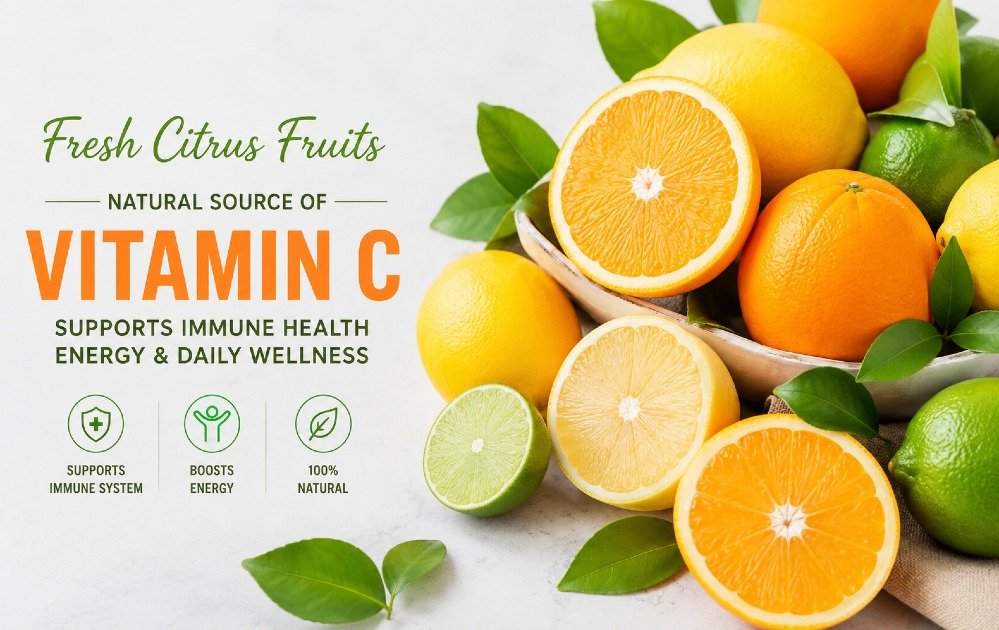
Citrus fruits are one of the easiest ways to support your immune system naturally.
Why it matters:
Low vitamin C intake slows immune response and increases vulnerability to illness.
Best sources:
- Oranges
- Lemons
- Grapefruits
- Limes
Core advantages:
- Support white blood cell function
- Help reduce inflammation
- Improve recovery speed
Add lemon water in the morning or snack on oranges during the day.
2. Garlic: A Natural Immune Defender
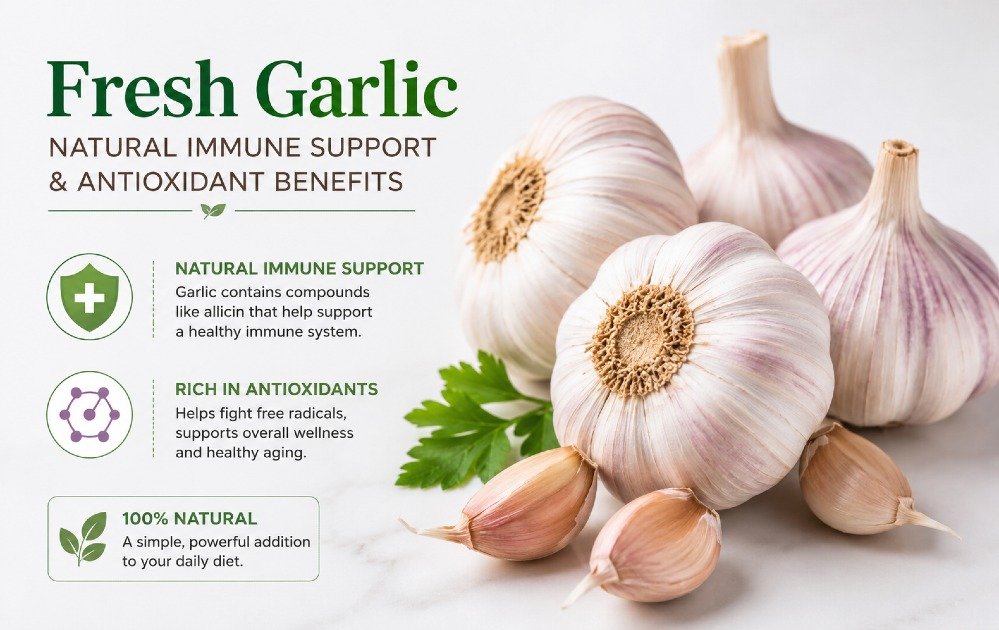
Garlic has been used for centuries for its protective properties.
The body needs natural antimicrobial support to fight everyday pathogens.
Garlic contains allicin, a compound linked to immune defense.
Core advantages:
- Supports the body’s response to infections
- Helps reduce cold duration
- Provides natural antibacterial action
3. Leafy Greens: Nutrient Density for Cellular Protection
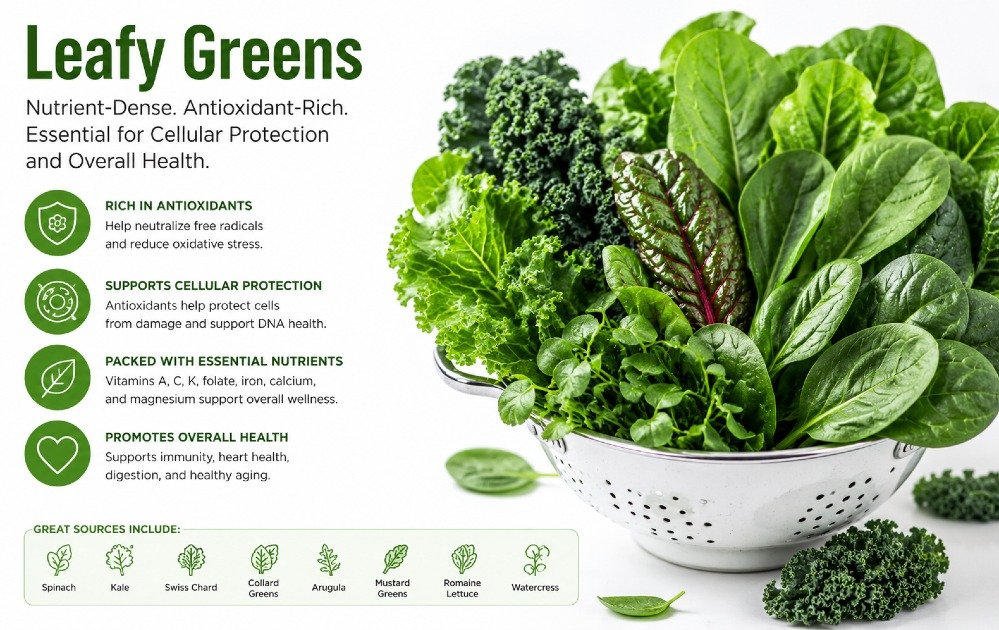
Leafy greens are essential for long-term immune health.
Most diets lack micronutrients needed for immune regulation.
Include nutrient-rich greens such as:
- Spinach
- Kale
- Swiss chard
- Collard greens
Core advantages:
- Strengthen immune cell activity
- Support detoxification pathways
- Reduce oxidative stress
4. Yogurt and Fermented Foods: Gut-Based Immunity Support
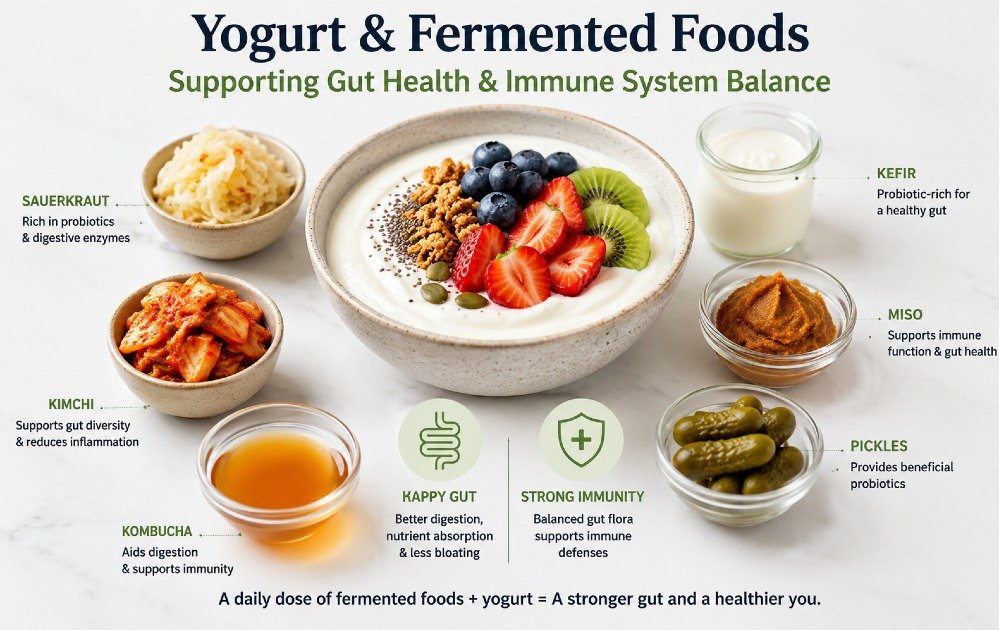
Your digestive health is closely linked to immune function and overall resilience.
An imbalanced gut microbiome weakens immune response.
Eat probiotic-rich foods:
- Yogurt
- Kefir
- Kimchi
- Sauerkraut
Core advantages:
- Improve digestion
- Support beneficial gut bacteria
- Strengthen immune signaling
Choose unsweetened yogurt with live cultures.
5. Ginger: Natural Anti-Inflammatory Support
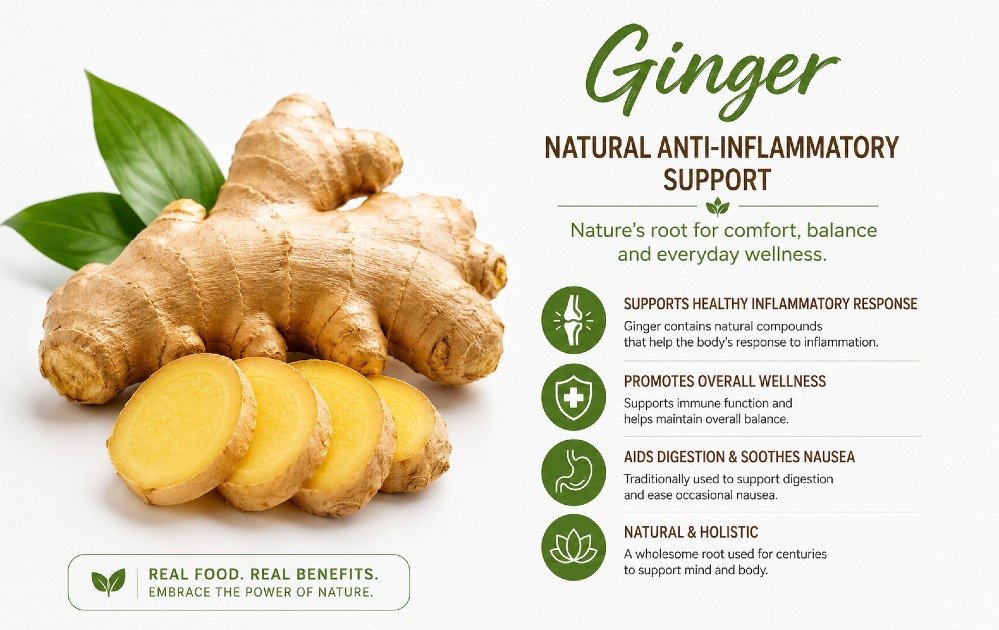
Ginger helps calm internal inflammation, which often weakens immunity.
Why it matters:
Chronic inflammation reduces your body’s ability to fight illness.
Core advantages:
- Helps soothe sore throat
- Supports circulation
- Reduces inflammatory stress
Ginger tea is one of the simplest daily habits for immune support.
6. Turmeric: Powerful Antioxidant Protection
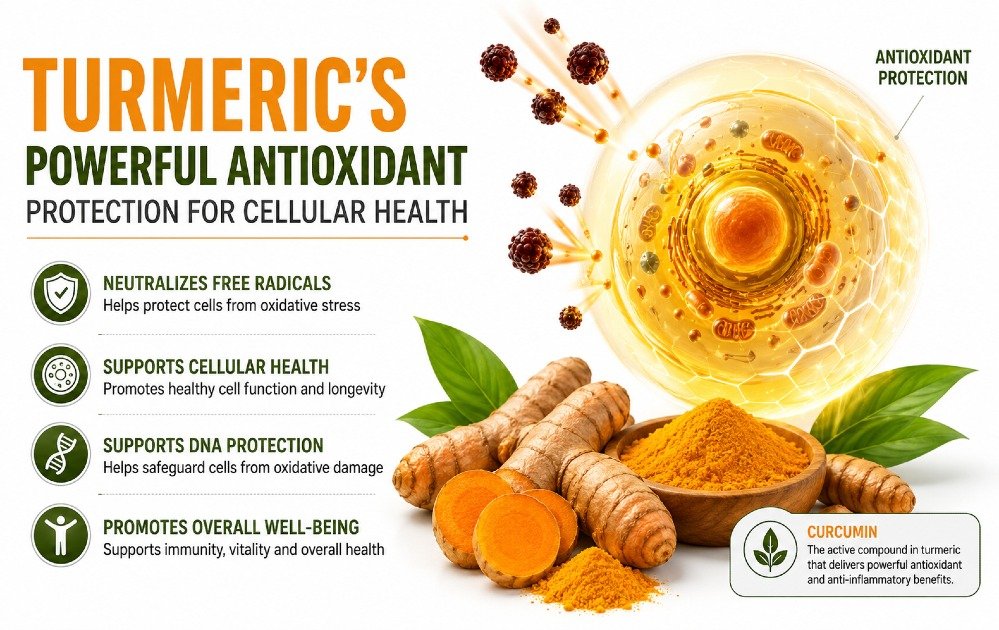
Turmeric has been used for centuries to support immune health and help maintain the body’s natural defenses.
Oxidative stress damages immune cells over time.
Turmeric helps neutralize this damage.
Core advantages:
- Supports immune balance
- Reduces inflammation
- Aids recovery after illness
Pair turmeric with black pepper for better absorption.
7. Nuts and Seeds: Zinc and Healthy Fat Support
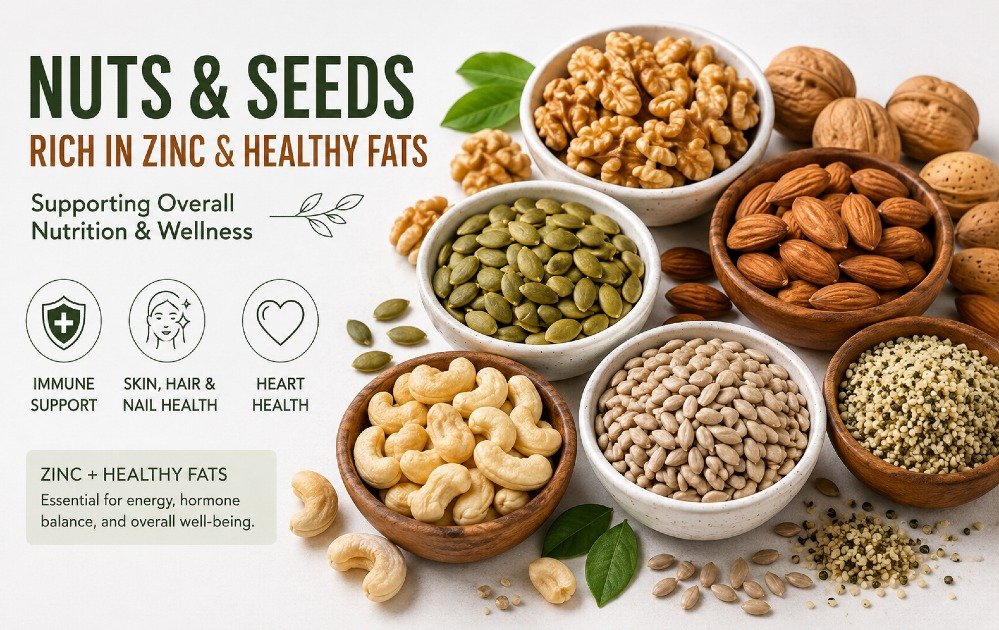
Nuts and seeds are small but powerful for immune system foods.
Zinc deficiency can weaken immune function.
Include:
- Almonds
- Pumpkin seeds
- Sunflower seeds
- Walnuts
Core advantages:
- Support immune cell production
- Improve skin barrier health
- Provide essential fatty acids
A small handful daily is enough.
8. Fatty Fish: Omega-3 Immune Regulation
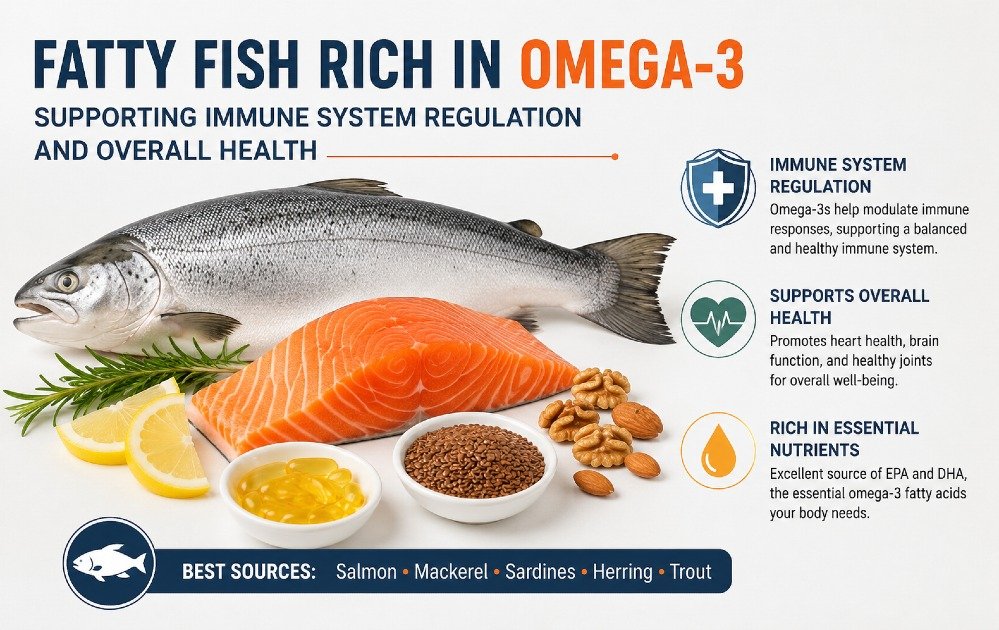
Fatty fish helps regulate inflammation in the body.
Excess inflammation reduces immune efficiency.
Eat omega-3-rich fish like:
- Salmon
- Sardines
- Mackerel
Core advantages:
- Supports immune balance
- Reduces inflammatory response
- Improves overall cellular health
9. Berries: Antioxidant Protection for Cells
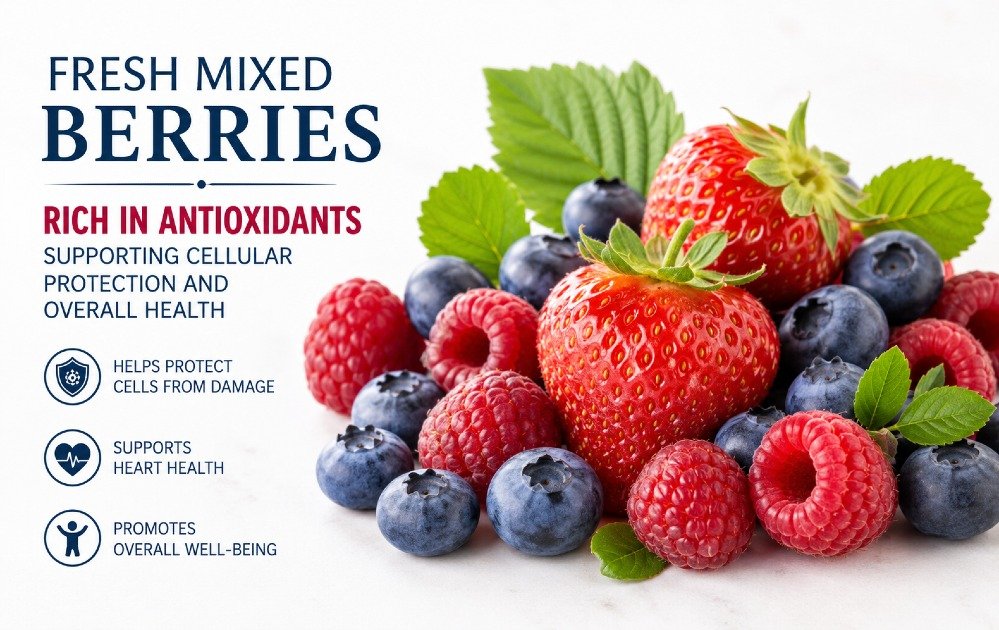
Berries are rich in compounds that protect immune cells.
Free radicals can damage immune function over time.
Eat antioxidant-rich fruits:
- Blueberries
- Strawberries
- Blackberries
Core advantages:
- Protect immune cells
- Reduce inflammation
- Support overall wellness
10. Green Tea: Daily Antioxidant Boost
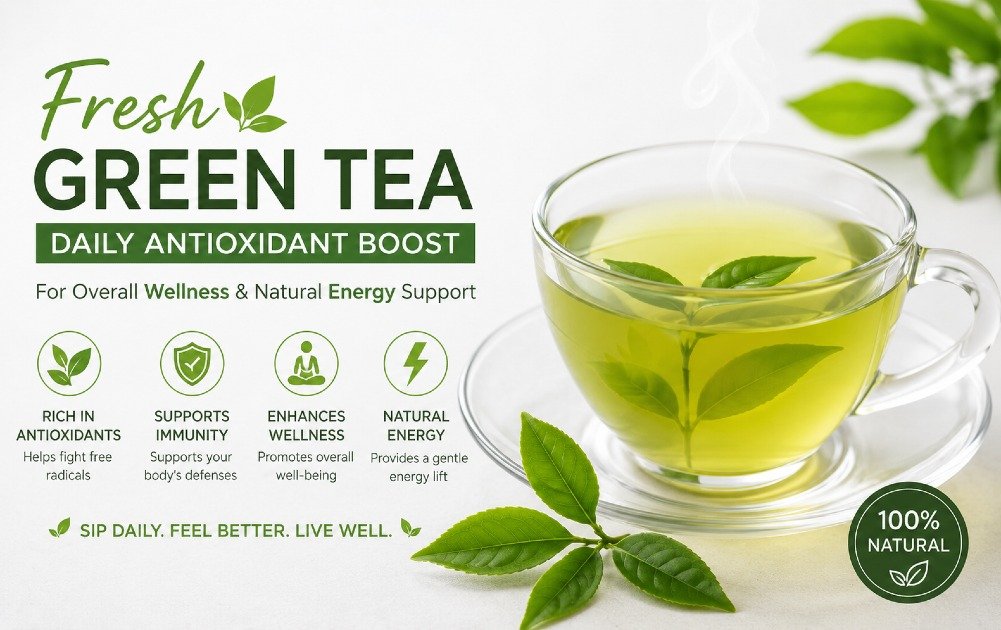
Green tea offers steady immune support through plant compounds.
Low antioxidant intake can weaken immunity.
Green tea contains EGCG, a powerful antioxidant.
Core advantages:
- Supports immune defense
- Reduces oxidative stress
- Promotes overall health
1–2 cups daily is a practical habit.
11. Sweet Potatoes: Vitamin A for Immune Barriers
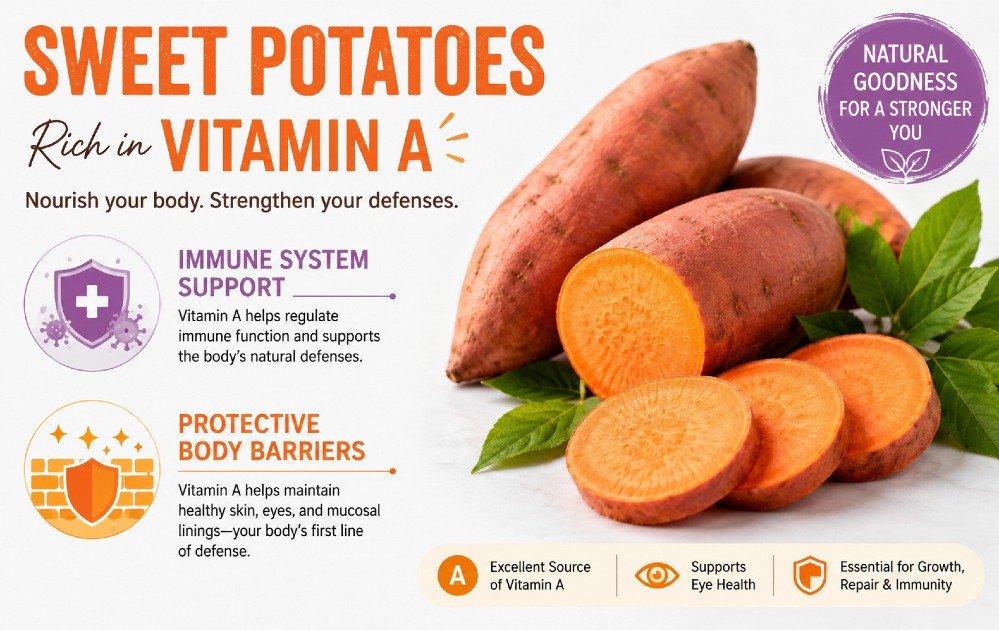
Sweet potatoes support the body’s natural protective barriers.
Why it matters:
Vitamin A is essential for skin and mucosal defense.
Core advantages:
- Strengthens immune barriers
- Supports eye and skin health
- Enhances resistance to infection
Lifestyle Habits That Strengthen Immunity
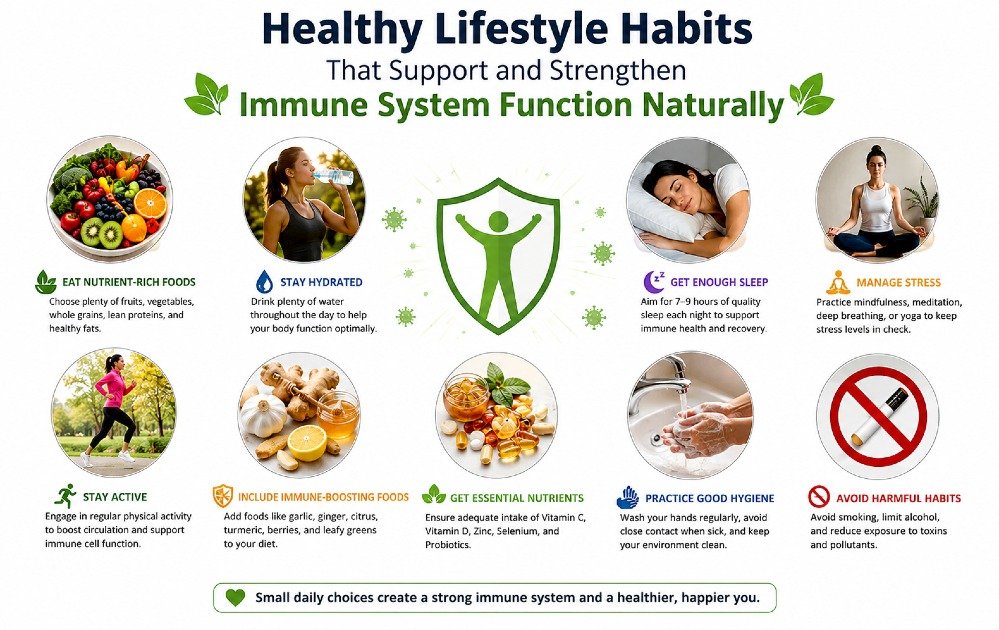
Healthy eating supports your body’s defense system, but lasting wellness is built through a combination of good daily habits.
Sleep, exercise, stress levels, and hydration also influence how well your immune system functions.
Building a strong immune system requires consistent daily habits that support your body’s ability to recover, repair, and defend itself.
Prioritize Quality Sleep
Lack of quality sleep can make it more difficult for your immune system to protect you from infections.
Prioritize 7–9 hours of quality sleep each night.
Helpful habits include:
- Following a consistent sleep schedule
- Limiting screen time before bed
- Keeping your bedroom cool and dark
- Avoiding caffeine late in the day
Core advantages:
- Support immune cell activity
- Improve recovery and repair
- Regulate inflammation
- Boost energy and focus
Stay Physically Active
Too little movement can affect circulation, metabolism, and overall health.
Include regular physical activity in your routine.
Good options include:
- Walking
- Cycling
- Swimming
- Strength training
- Yoga
Core advantages:
- Improve circulation
- Support immune function
- Reduce inflammation
- Increase overall resilience
Manage Stress Before It Manages You
Persistent stress may impair immunity and contribute to chronic inflammation.
Make stress management part of your daily routine.
Effective strategies include:
- Deep breathing
- Meditation
- Journaling
- Spending time outdoors
- Connecting with loved ones
Core advantages:
- Support immune balance
- Improve sleep quality
- Reduce inflammation
- Enhance emotional well-being
Stay Hydrated
Not getting enough fluids can affect many essential body functions, including immune health.
Drink water consistently throughout the day.
Helpful sources include:
- Herbal teas
- Water-rich fruits
- Water-rich vegetables
Core advantages:
- Transport nutrients efficiently
- Support healthy mucous membranes
- Remove waste products
- Maintain overall health
Spend More Time Outdoors
Many people spend most of their day indoors, limiting sunlight exposure and physical activity.
Find opportunities to spend time outside each day.
Simple ideas include:
- Taking a daily walk
- Gardening
- Exercising outdoors
- Spending time in nature
Core advantages:
- Support healthy vitamin D levels
- Reduce stress
- Improve mood
- Encourage movement
Avoid Habits That Weaken Immunity
Certain habits place unnecessary stress on the immune system.
Common examples include:
- Smoking
- Excessive alcohol consumption
- Chronic sleep deprivation
- Ongoing unmanaged stress
Reduce or eliminate habits that undermine your health whenever possible.
Core advantage:
Removing these obstacles allows your immune system to function more effectively and supports long-term wellness.
Natural Immunity Boosters
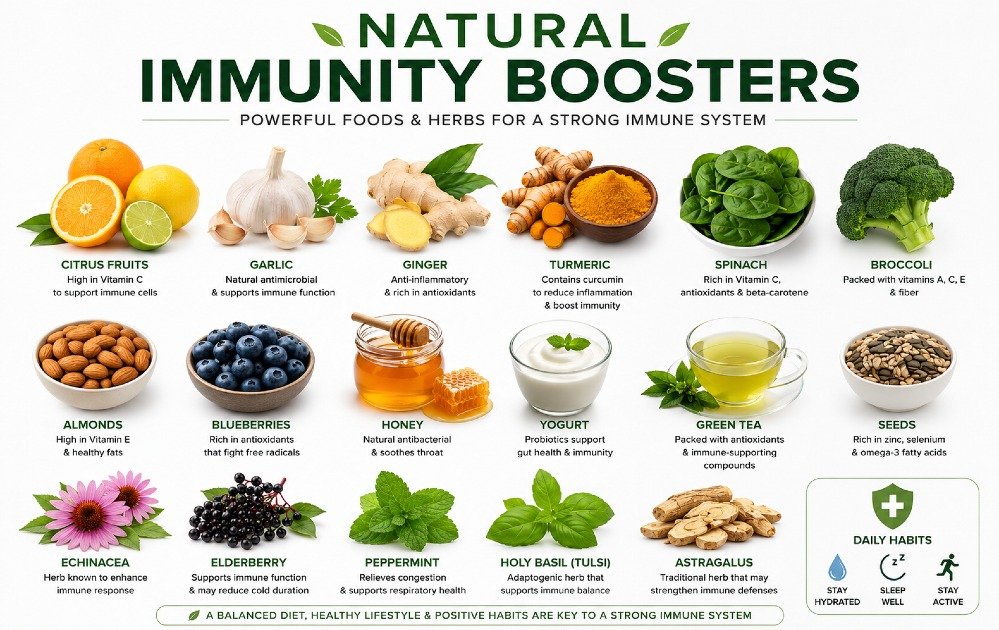
You may not think about your immune system until you get sick, but everyday habits matter.
Poor sleep, chronic stress, nutrient deficiencies, dehydration, and lack of exercise can quietly weaken your body’s natural defenses long before symptoms appear.
Effective natural immunity boosters include:
- Eating vitamin-rich fruits and vegetables
- Including garlic and ginger in your meals
- Consuming probiotic foods such as yogurt and kefir
- Staying physically active
- Prioritizing quality sleep
- Drinking enough water throughout the day
- Managing stress through relaxation techniques
Core advantages:
- Support healthy immune function
- Improve your body’s response to illness
- Reduce inflammation
- Promote faster recovery
- Increase daily energy and overall well-being
Diet for Strong Immunity
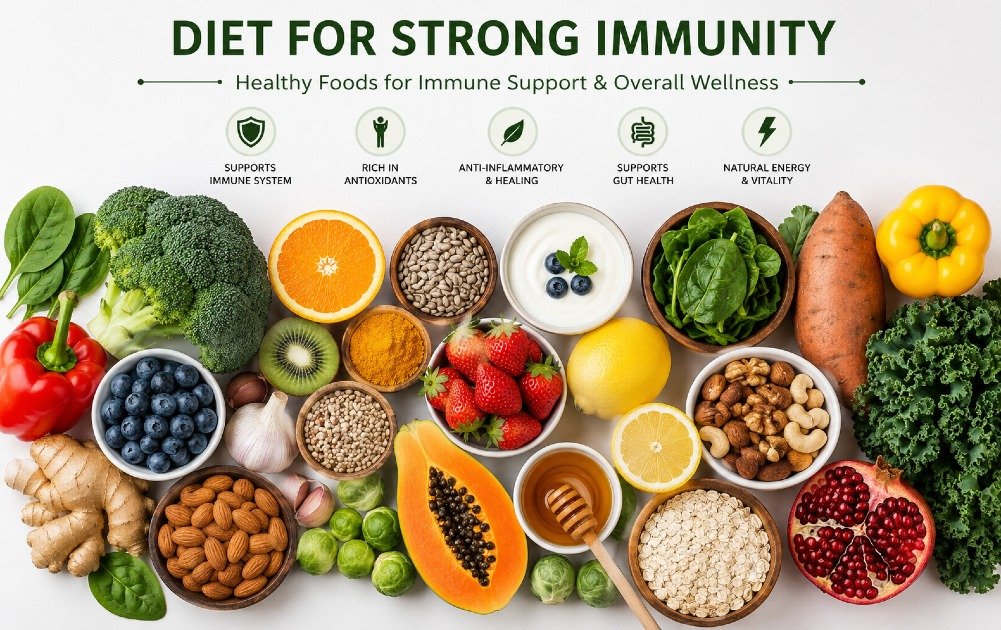
You may be eating enough calories yet still missing the essential vitamins, minerals, and antioxidants your immune system needs.
A diet high in processed foods can create hidden nutrient gaps that gradually weaken your body’s natural defenses and ability to stay healthy.
A strong immune-supporting diet centers on whole, nutrient-dense foods that nourish the body’s defense system.
Prioritize foods such as:
- Colorful fruits and vegetables
- Lean proteins including fish, poultry, beans, and lentils
- Nuts and seeds rich in zinc and essential nutrients.
- Whole grains that support digestive health
- Fermented foods containing beneficial bacteria
- Healthy fats from olive oil, avocados, and fatty fish
Nutrients for immune support include:
- Vitamin C
- Vitamin D
- Zinc
- Selenium
- Omega-3 fatty acids
- Probiotics
Core advantages:
- Support healthy immune cell production
- Strengthen the body’s natural defenses
- Reduce oxidative stress
- Promote healthy recovery
- Improve overall health and vitality
Fill your plate with colorful fruits and vegetables daily. Each color delivers unique nutrients that work together to strengthen your immune system and support overall health.
According to the CDC, a strong immune system can be supported by a healthy lifestyle.
Immune Boosting Diet Plan
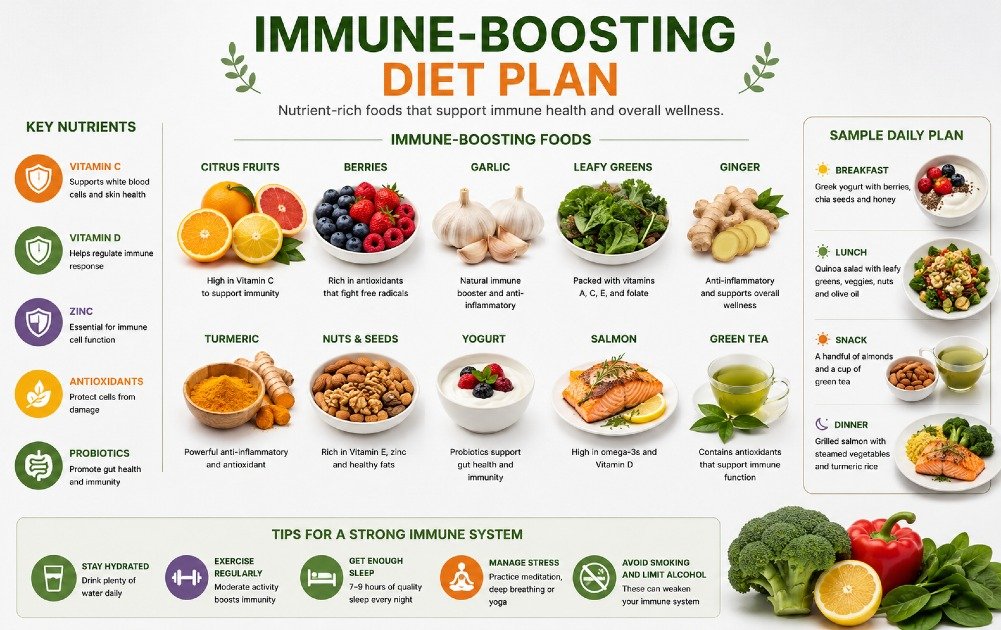
Healthy eating becomes easier when you stop trying to change everything at once.
Focus on a simple, sustainable routine that includes nutrient-rich foods packed with vitamins, minerals, antioxidants, fiber, and beneficial bacteria to support better health every day.
Breakfast:
- Greek yogurt with mixed berries
- Oatmeal topped with chia seeds
- Green tea
Morning snack:
- Fresh orange slices
- Handful of almonds
Lunch:
- Grilled salmon or lean protein
- Mixed leafy green salad
- Olive oil dressing
Afternoon snack:
- Carrot sticks with hummus
Dinner:
- Roasted sweet potatoes
- Steamed broccoli
- Grilled chicken, fish, or lentils
Evening:
- Ginger tea or turmeric tea
Core advantages:
- Improve nutrient intake consistently
- Support digestive and gut health
- Help regulate inflammation
- Increase energy levels
- Strengthen long-term immune resilience
Choosing wholesome foods most of the time can strengthen your body’s natural defenses and support long-term well-being.
Frequently Asked Questions
What foods help strengthen the immune system naturally?
Nutrient-dense foods provide the vitamins, minerals, and antioxidants your body needs to stay resilient and fight off everyday threats.
Some of the best options include citrus fruits, garlic, ginger, leafy greens, yogurt, berries, fatty fish, nuts, and seeds.
Can food prevent illness?
No food can guarantee protection from illness. However, a nutrient-rich diet helps your immune system function properly, making it easier for your body to respond to infections and recover more efficiently.
How often should I eat immune-supporting foods?
Daily. Consistently eating a variety of whole, nutrient-dense foods provides the nutrients your immune system needs to perform at its best.
What nutrients are most important for immune health?
Vitamin C, vitamin D, zinc, selenium, omega-3 fatty acids, and probiotics all play important roles in immune function.
Regularly choosing whole, healthy foods provides your body with the essential compounds it needs to function well.
Are supplements necessary for a healthy immune system?
Not always. Most people can meet their nutritional needs through a healthy diet.
Supplements may be helpful when dietary intake is insufficient or specific deficiencies exist.
How long does it take to support immunity through diet?
Benefits vary from person to person. Many people notice improved energy and overall wellness within a few weeks of making healthier food choices.
Long-term immune support comes from consistent habits.
Recap: Better Immune Health Begins With What You Eat
A strong immune system is built through daily habits, and nutrition is one of the most important.
The foods covered in this guide provide essential nutrients that help support immune function, reduce inflammation, and promote overall health.
Build up a foundation for a stronger, healthier, and more resilient immune system. Give your body the nutrients it needs to defend, repair, and stay balanced.
Ready to Strengthen Your Immune System and Feel Your Best
Still dealing with low energy, frequent colds, or feeling run down more often than you’d like?
This daily Immune Support Formula gives your body the daily support it deserves—taking a simple step toward stronger immunity, better resilience, and feeling your best every day.