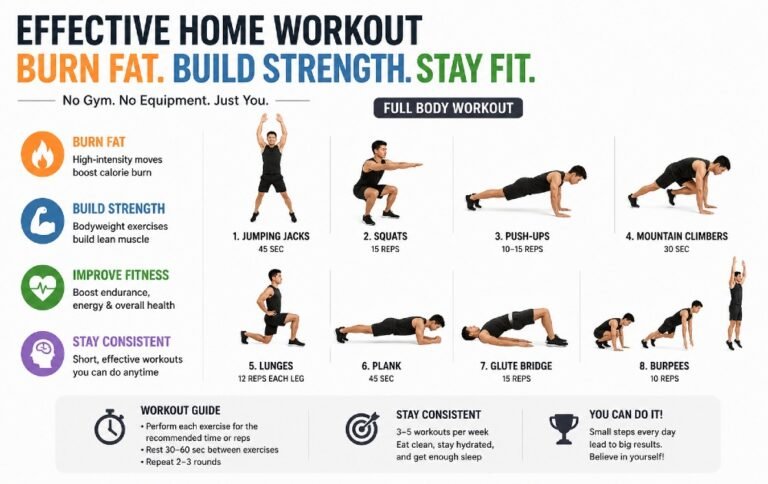


Still struggling to lose weight despite your best efforts?
Better sleep supports weight management by balancing hunger, metabolism, and energy—explore how quality sleep improves recovery, hormones, and long-term health in our Sleep and Recovery Guide.
This guide reveals how restorative sleep boosts weight loss by balancing appetite, insulin sensitivity, stress, and recovery for sustainable fat loss.
The Sleep–Weight Connection

Poor sleep disrupts appetite, metabolism, and cravings, making weight management harder and increasing the risk of weight gain over time.
NIH highlights that poor sleep slows recovery, increases cravings and weight gain, while quality rest repairs muscles, restores energy, and enhances training results.
Why it matters:
Quality sleep regulates hormones, appetite, and metabolism, making it a key driver of healthy weight management.
What works for me:
Improving my sleep helps support weight management by balancing hunger hormones, increasing energy, and optimizing how my body uses food.
How to start:
- Aim for 7–9 hours of consistent sleep
- Keep bedtime and wake-up time fixed
- Reduce screen exposure 60 minutes before bed
- Avoid heavy meals 2–3 hours before sleep
6 Ways Sleep Deprivation Affects Weight Management and How to Improve Balance
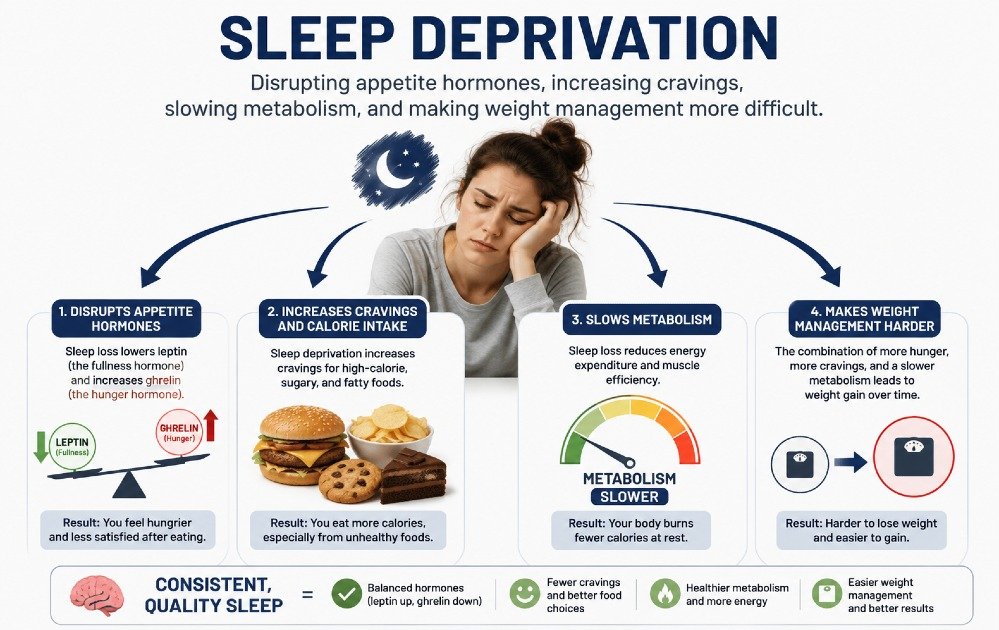
Still struggling with weight, low energy, or cravings despite healthy habits and regular activity?
Better sleep may be the key to sustainable weight management by balancing appetite, metabolism, energy, and hormones.
Discover six ways poor sleep impacts weight management and how better sleep habits can support lasting health.
1. How Sleep Regulates Hunger Hormones and Appetite
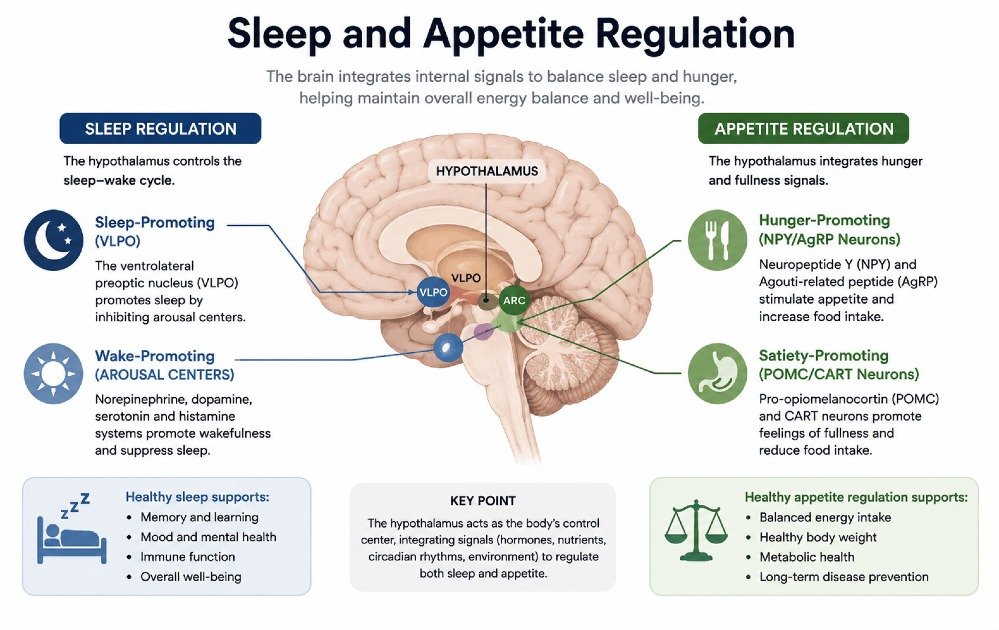
Poor sleep disrupts hunger hormones by raising ghrelin and lowering leptin, increasing cravings and overeating, while quality sleep helps regulate appetite and control food choices.
Why it matters:
Poor sleep disrupts hunger hormones—raising ghrelin, lowering leptin, and triggering stronger cravings for high-calorie foods.
What works for me:
Quality sleep helps me balance hunger hormones, control appetite, and support healthier food choices naturally.
How to start:
- Prioritize protein in dinner to stabilize satiety
- Avoid caffeine after 2 PM
- Keep bedroom cool and dark to support deeper sleep
- Track hunger levels for a week to observe changes
2. How Sleep Regulates Metabolism and Fat Burning

Restorative sleep supports metabolism, blood sugar balance, and efficient fat burning, while poor sleep can disrupt these processes and promote weight gain.
Why it matters:
Sleep directly influences how efficiently your body burns fat. Poor sleep can slow metabolism and reduce your ability to use fat as fuel.
What works for me:
Quality sleep helps me regulate metabolism, balance hormones, support fat burning, and improve how my body uses energy.
How to start:
- Get sunlight exposure in the morning to reset metabolism
- Avoid alcohol close to bedtime
- Include light evening stretching or walking
- Maintain consistent sleep duration daily
3. How Circadian Rhythm and Weight Control Works
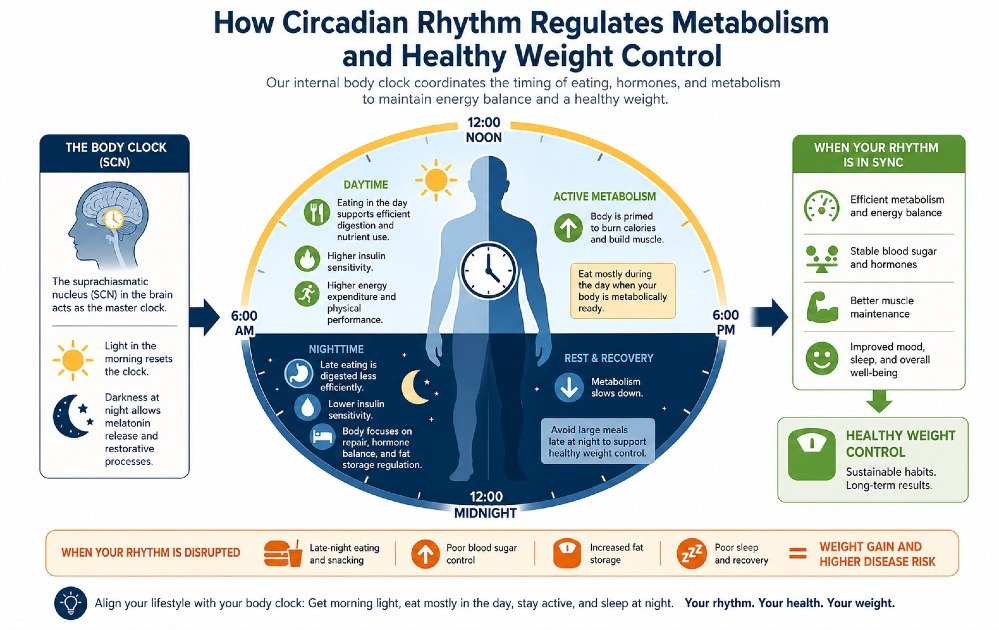
A consistent sleep schedule keeps your circadian rhythm balanced, supporting metabolism, appetite control, energy use, and more effective weight management.
Why it matters:
Your circadian rhythm regulates digestion, hormones, and energy use—when disrupted, it can impair metabolism, food processing, and fat regulation.
What works for me:
Aligning my circadian rhythm with healthy habits helps regulate metabolism, control appetite, and support sustainable weight management naturally.
How to start:
- Wake up at the same time daily—even weekends
- Get morning sunlight within 30 minutes of waking
- Dim lights after sunset
- Avoid eating late at night
4. How Sleep Quality vs Sleep Quantity Drives Weight Loss
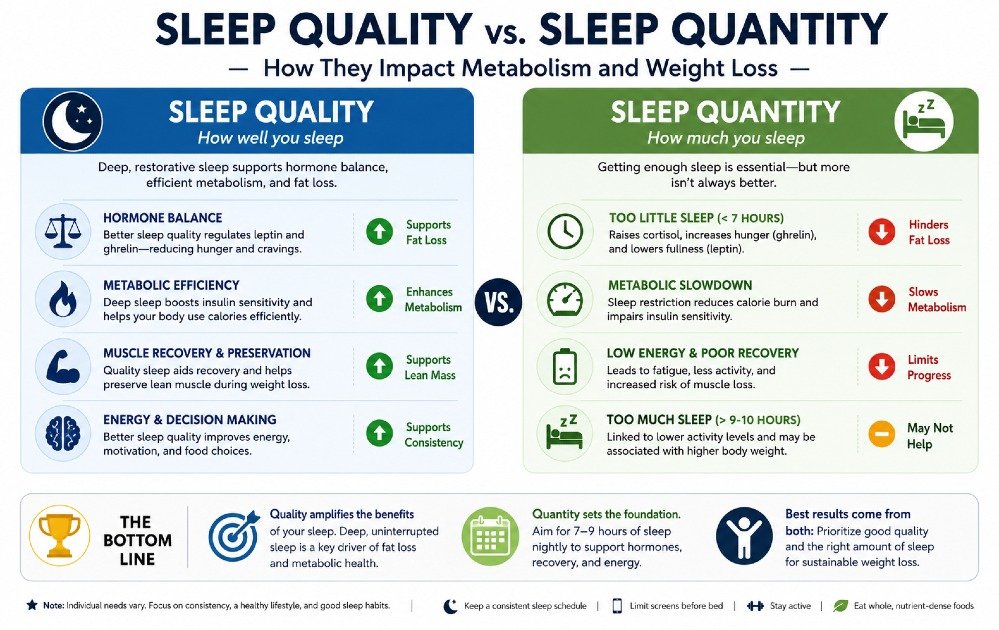
Quality sleep matters as much as sleep duration—deep, uninterrupted rest supports hormone balance, metabolism, recovery, and healthier weight control.
Why it matters:
More sleep doesn’t always mean better health—poor sleep quality can disrupt deep recovery, hormone balance, and overall results.
What works for me:
Quality sleep matters as much as sleep duration because balanced rest regulates appetite, supports metabolism, and promotes sustainable weight loss.
How to start:
- Use a consistent bedtime routine
- Keep your sleep environment quiet and dark
- Avoid late-night scrolling or emotional stimulation
- Try magnesium-rich foods or supplements if needed
- Magnesium glycinate supplements for relaxation and deeper sleep
- Herbal sleep blends with chamomile and valerian
5. How Better Sleep Supports Long-Term Weight Management Success

Quality sleep strengthens the energy, focus, and self-control needed to maintain healthy habits, making it a key driver of long-term weight management success.
Why it matters:
Sustainable weight loss starts with consistency, and quality sleep helps regulate the systems that keep your weight balanced.
What works for me:
Better sleep helps me manage weight long-term by balancing hunger hormones, boosting energy, and supporting healthier choices.
How to start:
- Treat sleep like a scheduled appointment
- Build a 30–45 minute wind-down routine
- Avoid high-stimulation content before bed
- Use relaxation techniques like deep breathing or journaling
6. Simple Sleep Habits That Improve Weight Management Naturally

Consistent sleep habits—like regular bedtimes, less screen time, and a restful environment—can improve sleep quality, support weight management, and make healthy eating and exercise easier to sustain.
Why it matters:
Small habits can create powerful metabolic shifts over time.
What works for me:
I use simple sleep habits to support healthy weight management, boost energy, and optimize daily body function.
How to start:
- Keep your bedroom between 65–68°F
- Avoid heavy late-night meals
- Use blue-light reduction on devices
- Establish a calming bedtime routine
- Stay hydrated during the day, not at night
Poor Sleep Weight Gain
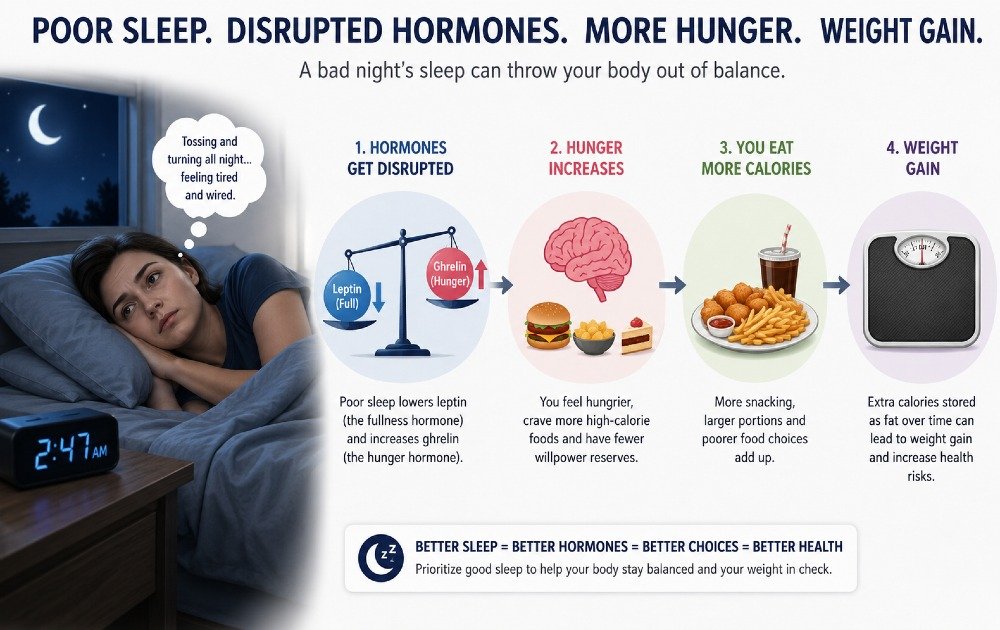
Poor sleep can sabotage weight management by disrupting hunger hormones, metabolism, and energy balance, increasing cravings and making healthy choices harder.
Common effects include:
- Increased hunger throughout the day
- Stronger cravings for sugary and processed foods
- Lower energy levels for physical activity
- Greater likelihood of overeating
- Reduced exercise recovery
Effective strategies include:
- Sleep 7–9 hours each night
- Maintain a consistent sleep schedule
- Limit caffeine later in the day
- Reduce screen exposure before bed
- Create a dark, quiet, and comfortable sleep environment
The Role of Ghrelin and Leptin in Weight Management
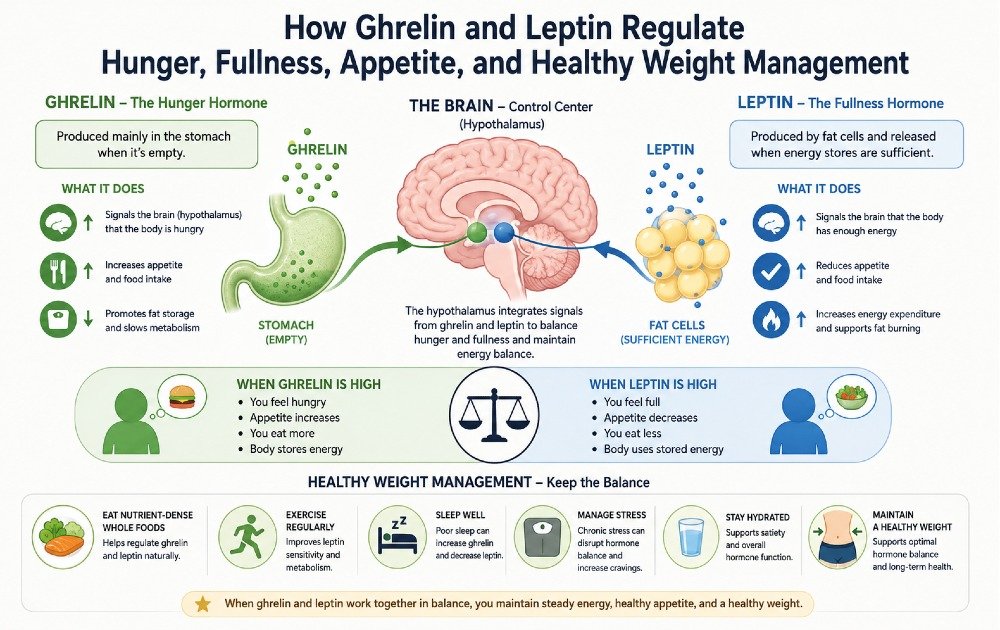
Poor sleep disrupts appetite hormones like ghrelin and leptin, making healthy eating harder—restore balance with consistent, quality sleep.
When sleep is insufficient:
- Ghrelin increases, stimulating hunger
- Leptin decreases, reducing feelings of fullness
- Appetite becomes harder to manage
- Overeating becomes more likely
Effective strategies include:
- Maintain a regular bedtime
- Avoid frequent late nights
- Eat balanced meals rich in protein and fiber
- Manage stress effectively
- Prioritize adequate sleep every night
How Sleep Deprivation Affects Belly Fat and Insulin Resistance
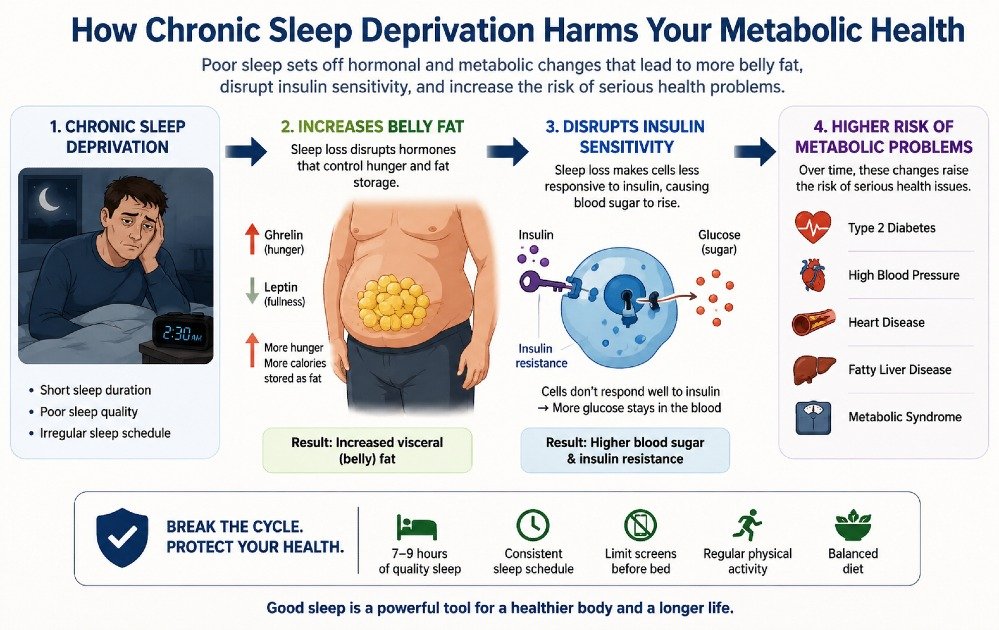
Poor sleep disrupts blood sugar control, increases stress hormones, and reduces insulin sensitivity, making healthy sleep habits essential for metabolic health.
Potential effects include:
- Increased belly fat accumulation
- Impaired blood sugar control
- Reduced insulin efficiency
- Higher risk of metabolic dysfunction
- Greater difficulty losing weight
Effective strategies include:
- Sleeping 7–9 hours consistently
- Avoiding late-night meals
- Limiting alcohol before bed
- Staying physically active
- Following a regular sleep schedule
Best Bedtime Habits for Healthy Weight Management

A consistent evening routine supports deeper sleep and easier weight management by replacing habits that disrupt rest.
Common examples include:
- Excessive screen time before bed
- Inconsistent sleep schedules
- Heavy evening meals
- Late caffeine intake
- High stress at bedtime
Effective strategies include:
- Go to bed at the same time each night
- Stop using screens at least one hour before bed
- Keep the bedroom cool, dark, and quiet
- Avoid large meals close to bedtime
- Use relaxation techniques such as reading or deep breathing
Frequently Asked Questions
Can better sleep help with weight management?
Quality sleep helps balance hunger and energy hormones, reducing cravings, improving appetite control, and supporting healthier eating habits.
How much sleep is needed for healthy weight management?
Most adults need 7–9 hours of quality sleep nightly to support metabolism, recovery, appetite control, and lasting health.
Why do cravings increase when I am tired?
Sleep loss disrupts hunger hormones, increasing cravings by raising ghrelin, lowering leptin, and driving appetite for high-calorie foods.
Can poor sleep affect fat loss?
Yes. Poor sleep disrupts metabolism, insulin sensitivity, and hormones, making fat loss harder despite consistent diet and exercise.
Does better sleep help reduce belly fat?
Quality sleep helps regulate cortisol, insulin, and appetite, supporting the metabolic balance needed for healthier body composition and sustainable belly fat management.
Related Articles
Recap: Better Sleep Creates a Stronger Foundation for Weight Management
Weight management goes beyond diet and exercise—quality sleep regulates metabolism, balances hormones and fat storage by helping your body recover more effectively.
Better sleep makes healthy habits easier to sustain by reducing cravings, stabilizing energy, improving appetite control, and supporting lasting weight management.
Prioritize your sleep journey and weight management so that you can stop feeling a constant struggle and become more natural and sustainable.
Ready to Break the Cycle of Poor Sleep and Weight Management Struggles?
Still struggling to manage your weight despite eating healthier and staying active?
Discover how this smart sleep tracker uncovers how your nightly habits influence hunger, energy, metabolism, and recovery to make smarter changes for lasting fat loss.