
You are eating healthy, yet you have a weaker immunity and higher disease risk.
It’s not about eating healthy—getting the key nutrients required for repair, immunity, and cellular function matter.
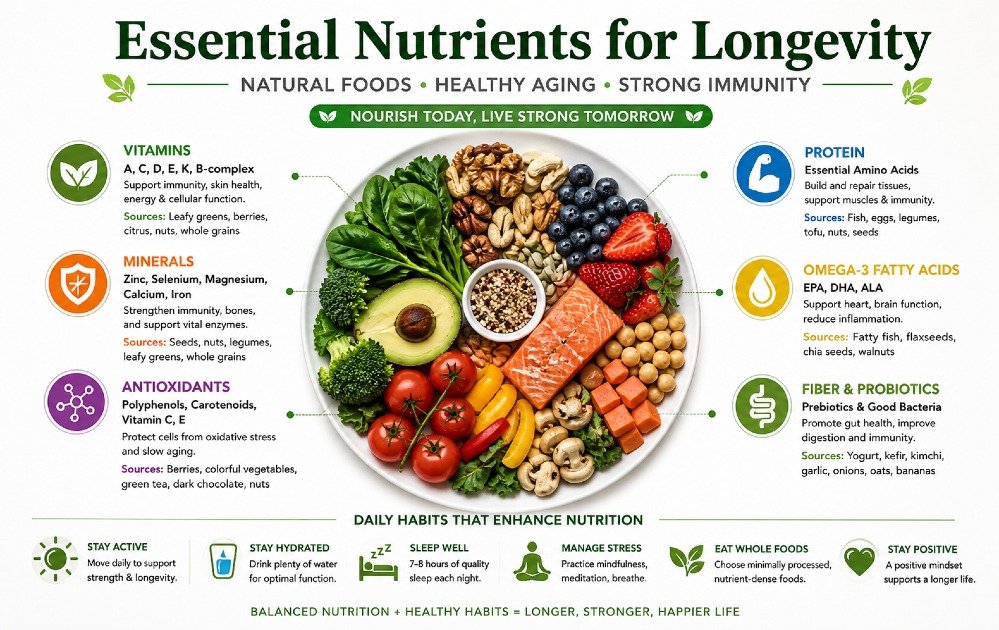
This guide explains the key nutrients your body needs to support better energy, stronger health for long-term wellbeing and longevity.
11 Essential Nutrients Support for Longevity, Energy, and Long-Term Health
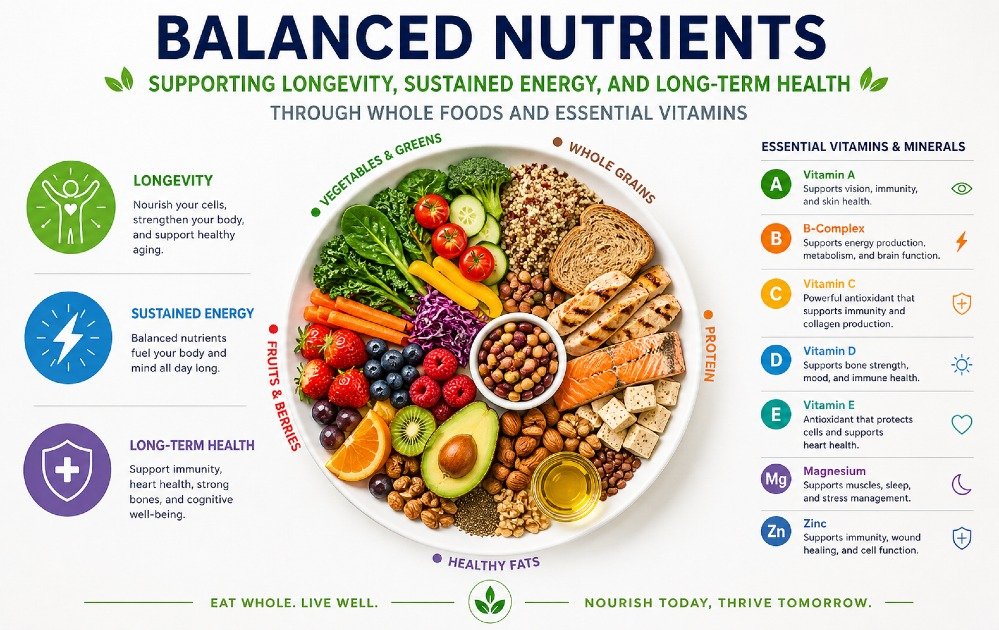
Healthy aging depends more on consistent nutrient intake than diet trends or so-called superfoods.
Many people cut calories too aggressively and ignore nutrient balance, draining energy, weakening immunity, and harming overall health.
Discover eleven key nutrients that support healthy aging, protect vital body functions, and improve long-term wellness through smart nutrition choices.
1. Omega-3 Fatty Acids: Heart and Brain Protection
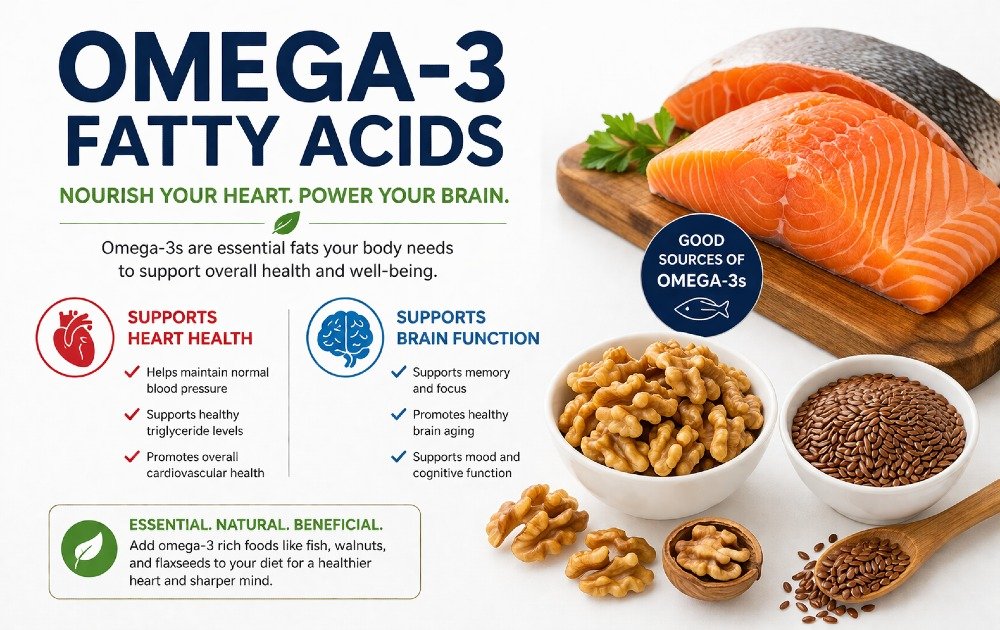
Modern diets are high in processed fats and low in omega-3s, increasing inflammation and cardiovascular risk.
To balance this, include omega-3-rich foods regularly.
Core advantages:
- Supports heart health
- Reduces inflammation
- Improves brain function
- Promotes healthy aging
Best sources:
- salmon
- sardines
- mackerel
- chia seeds
- walnuts
NIH highlights the benefit of omega-3 fatty acid to heart health.
2. Vitamin D: A Key Longevity Nutrient
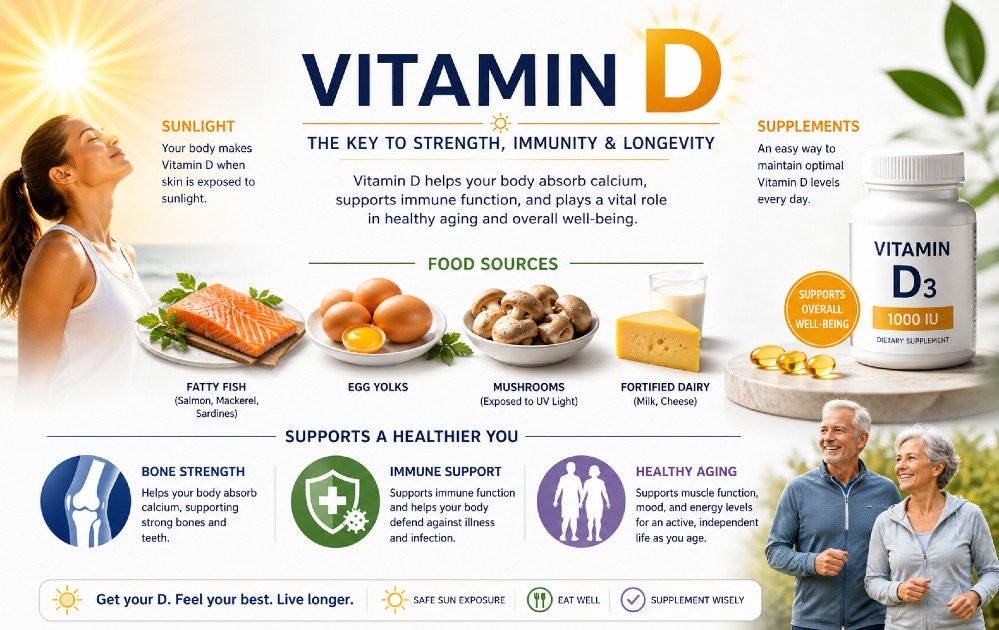
Low sun exposure has made vitamin D deficiency extremely common.
Getting enough vitamin D supports multiple systems in the body.
Core advantages:
- Strengthens immunity
- Supports bone health
- Improves mood balance
- Linked to reduced chronic disease risk
WHO highlights that poor nutrition gaps can quietly fuel serious long-term health problems.
3. Magnesium: Stress and Recovery Support
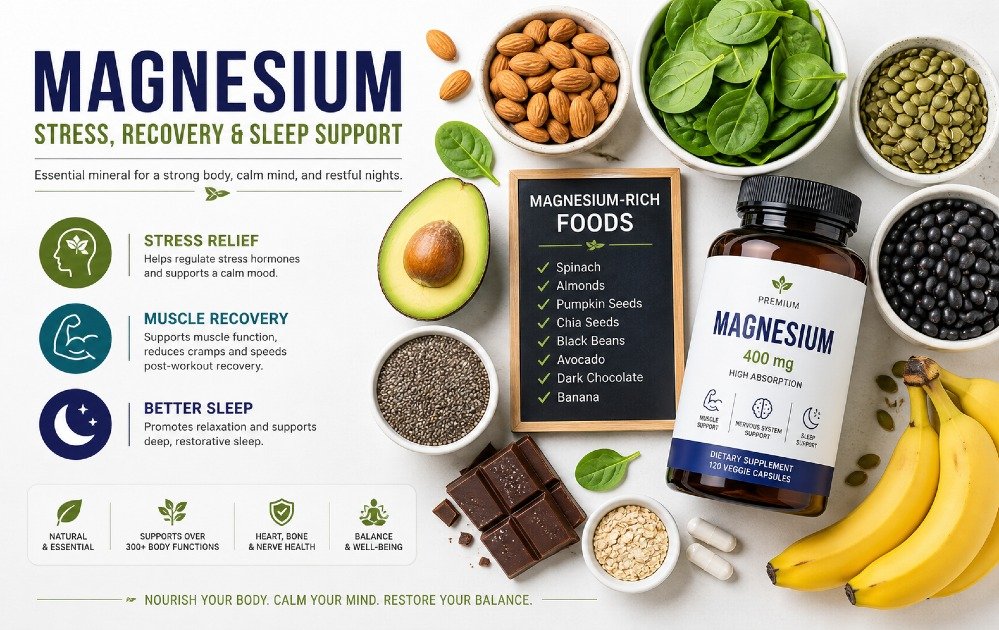
Magnesium is often depleted by stress, poor diet, and modern lifestyles.
Replenishing it improves several core body functions.
Core advantages:
- Improves sleep quality
- Reduces stress response
- Supports muscle and nerve function
- Helps regulate blood pressure
Sources:
- leafy greens
- almonds
- avocados
4. Fiber: Gut and Metabolic Health Foundation
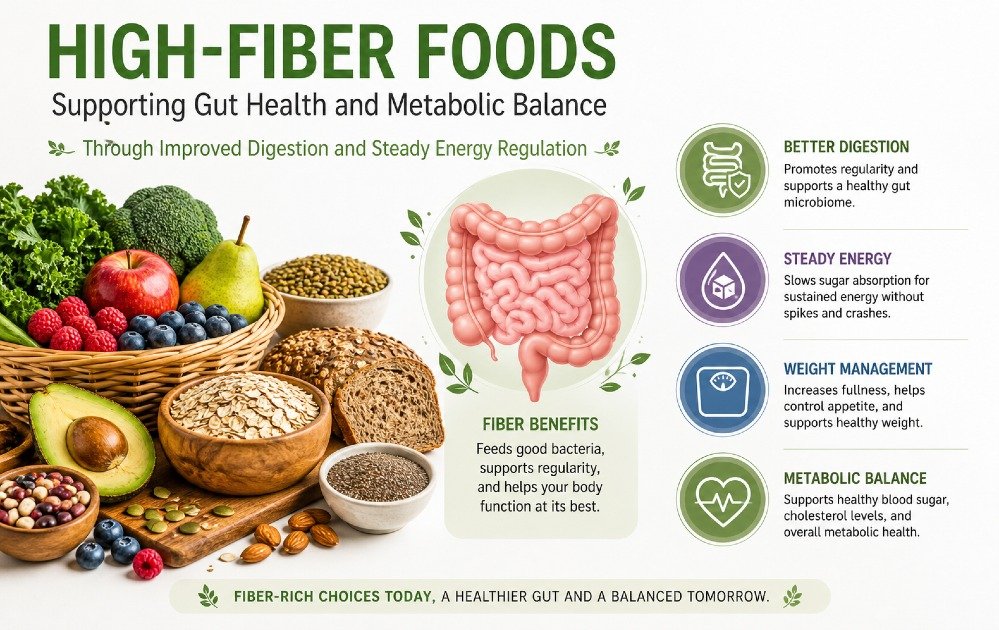
Low fiber intake is linked to poor digestion and metabolic issues.
Increasing fiber improves both short-term and long-term health.
Core advantages:
- Supports digestion
- Improves gut microbiome
- Helps regulate blood sugar
- Lowers cholesterol
Sources:
- fruits
- vegetables
- beans
- whole grains
5. Antioxidants: Cellular Protection Against Aging
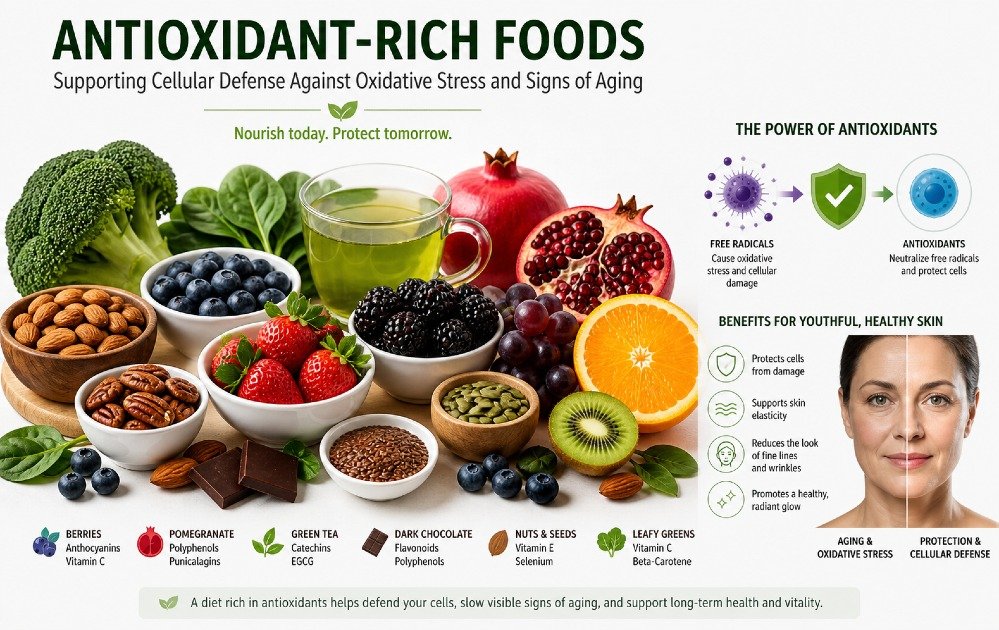
Oxidative stress damages cells and accelerates aging.
Antioxidants help protect the body from this damage.
Core advantages:
- Reduces inflammation
- Protects cells from damage
- Supports immune health
- Slows visible aging effects
Sources:
- berries
- green tea
- dark chocolate (moderation)
6. Protein: Muscle and Metabolism Support
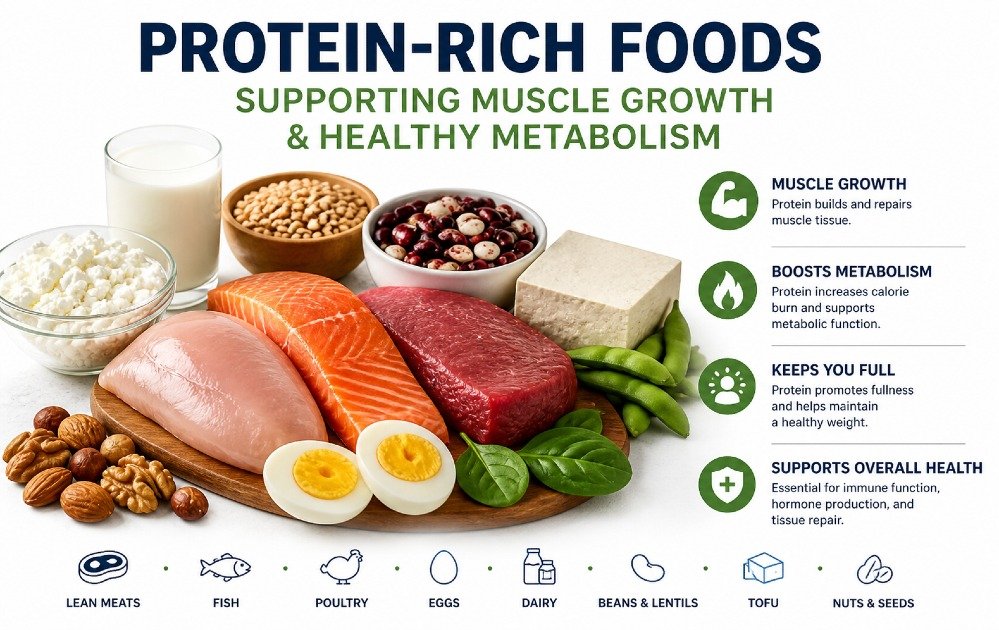
Protein is essential for maintaining strength and metabolic health, especially with age.
Core advantages:
- Preserves muscle mass
- Supports metabolism
- Aids recovery
- Increases satiety
Sources:
- eggs
- fish
- chicken
- beans
- yogurt
7. Vitamin C: Immune and Skin Health
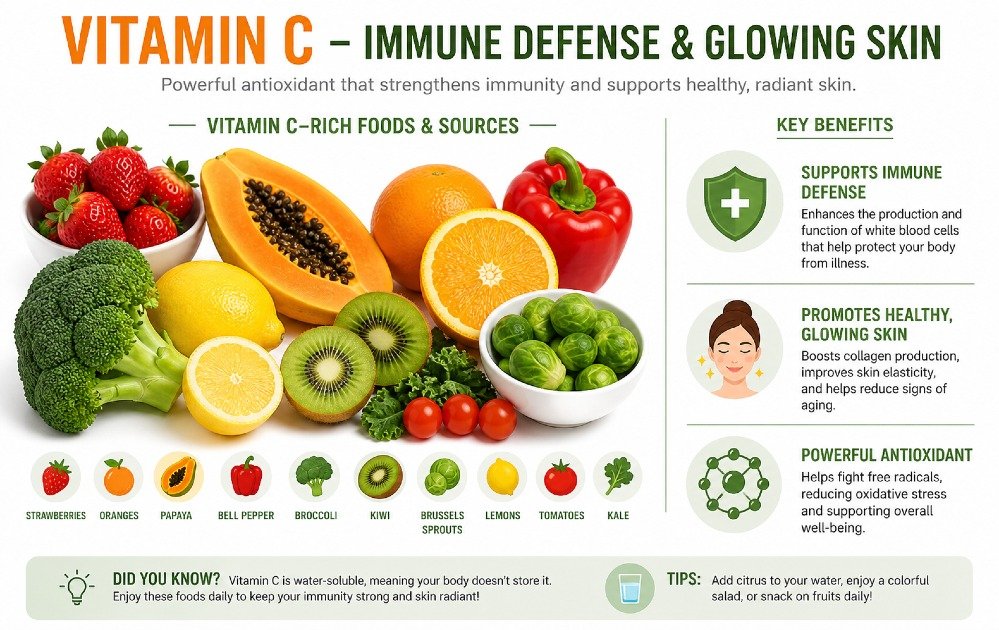
Vitamin C plays a key role in immunity and tissue repair.
Core advantages:
- Strengthens immune defense
- Supports collagen production
- Reduces oxidative stress
Sources:
- oranges
- strawberries
- bell peppers
8. Zinc: Immune Function and Healing
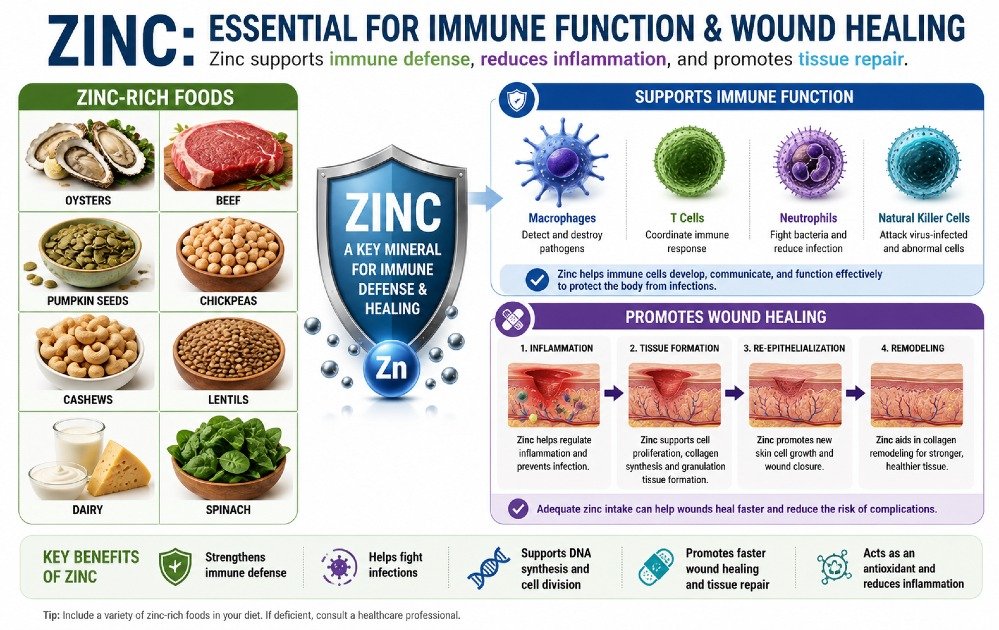
Zinc supports immune response and tissue repair.
Core advantages:
- Strengthens immunity
- Speeds wound healing
- Supports metabolism
Sources:
- shellfish
- seeds
- nuts
9. Calcium: Bone Strength and Stability
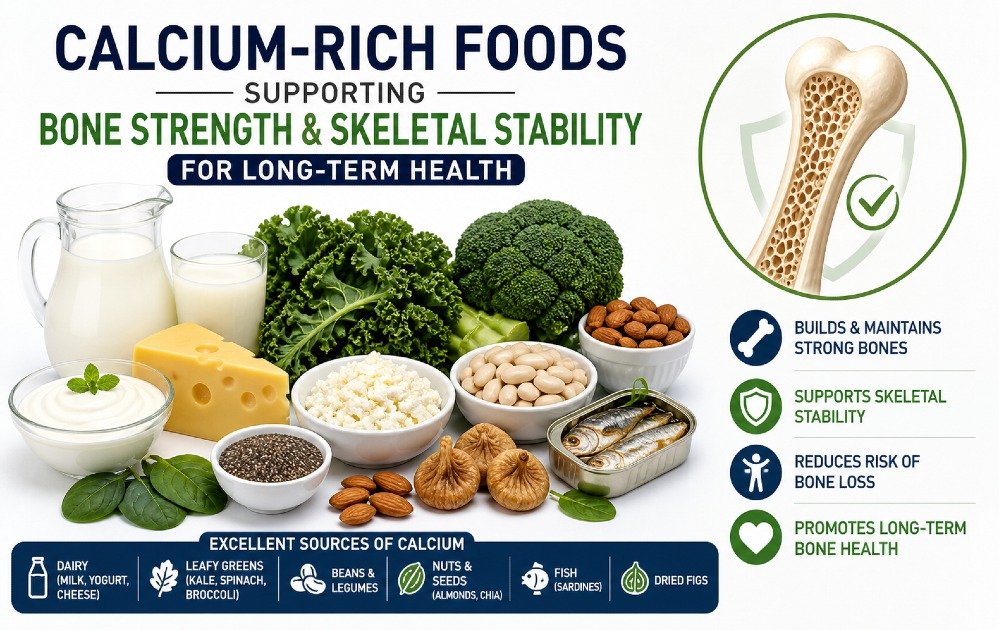
Calcium becomes increasingly important with age for bone health.
Core advantages:
- Strengthens bones
- Supports muscle function
- Maintains heart rhythm
Sources:
- dairy products
- leafy greens
- fortified plant milk
10. B Vitamins: Energy and Brain Function
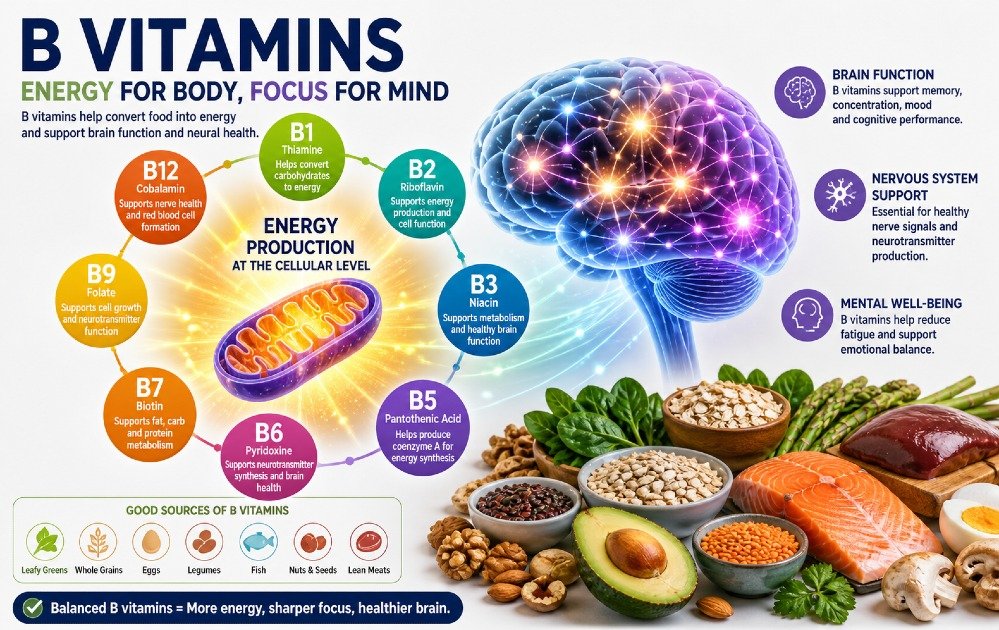
B vitamins support energy production and cognitive performance.
Core advantages:
- Boosts energy levels
- Supports brain function
- Aids red blood cell formation
Sources:
- whole grains
- eggs
- meat
- legumes
11. Potassium: Blood Pressure Balance
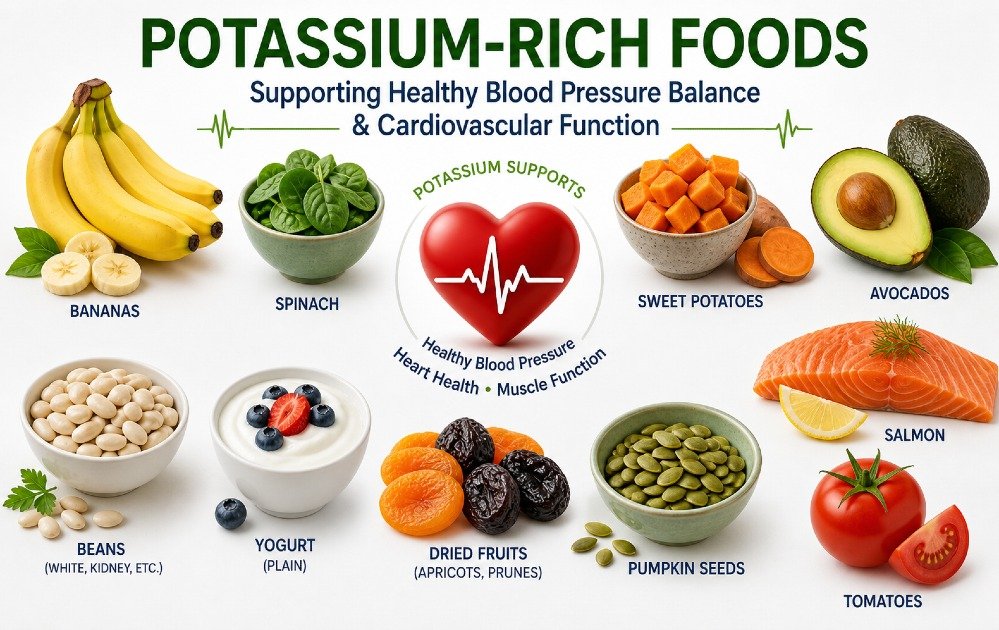
Potassium helps balance sodium levels and supports heart health.
Core advantages:
- Regulates blood pressure
- Supports heart function
- Maintains fluid balance
Sources:
- bananas
- sweet potatoes
- spinach
Best Nutrients for Longevity
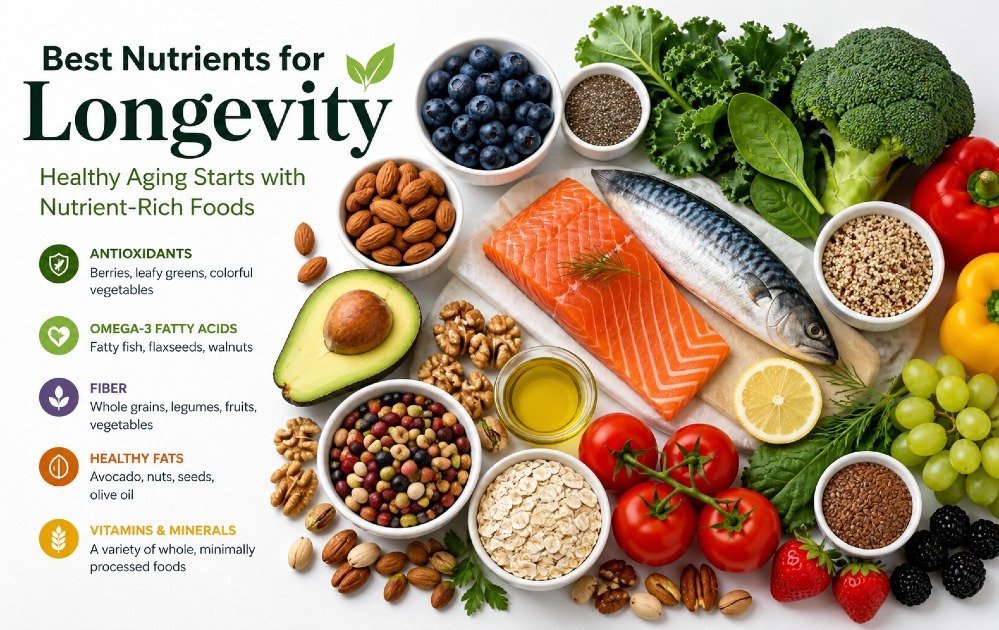
Many people eat healthy yet still lack essential nutrients, causing low energy, weaker immunity, and long-term health issues.
Prioritize nutrients that repair cells, ease inflammation, and support metabolic health.
Prioritize on:
- Omega-3 fatty acids for heart and brain health
- Magnesium for stress control and sleep
- Vitamin D for immunity and bone strength
- Antioxidants for cellular protection
- Protein for muscle maintenance and metabolism
Core advantage:
Consistent intake enhances overall function, boosting energy, speeding recovery, and supporting long-term health.
I focus on meals with whole foods that naturally provide key nutrients like fish, leafy greens, eggs, nuts, and berries.
Foods That Increase Lifespan
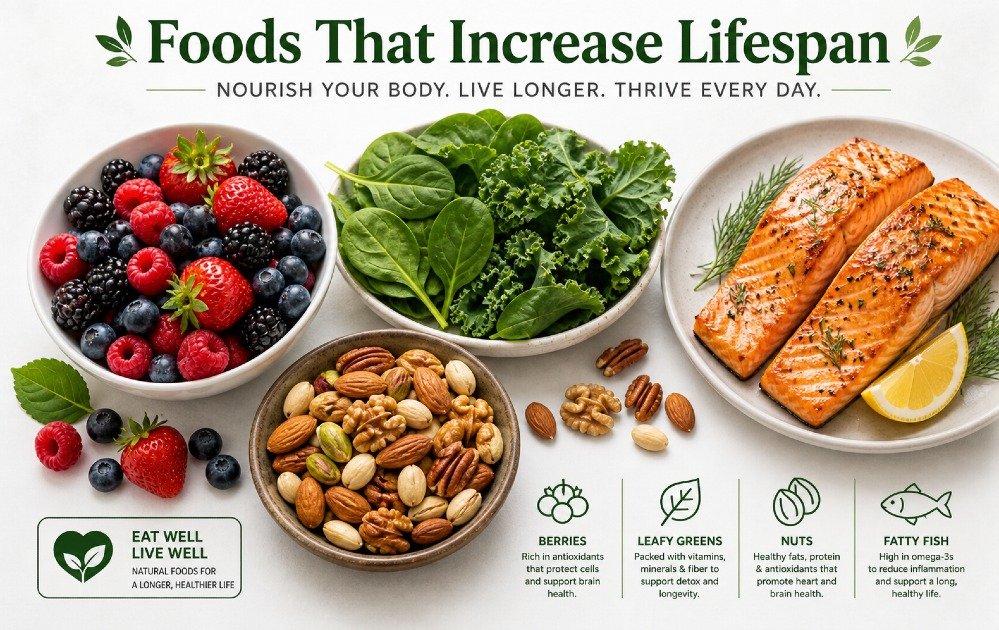
Highly processed diets are low in essential nutrients, which can fuel inflammation and raise long-term health risks.
Choose whole, nutrient-rich foods packed with fiber, healthy fats, vitamins, and minerals.
Top lifespan-supporting foods:
- Fatty fish for omega-3s
- Leafy greens for minerals and antioxidants
- Berries for anti-inflammatory compounds
- Legumes for fiber and plant protein
- Nuts and seeds for healthy fats
Core advantage:
Heart-supporting foods stabilize blood sugar, reduce inflammation, and lower disease risk for healthier aging.
I eat salmon, whole grains, greens, and berries because they form a nutrient-dense, sustainable balanced meal.
Vitamins for Immune Support
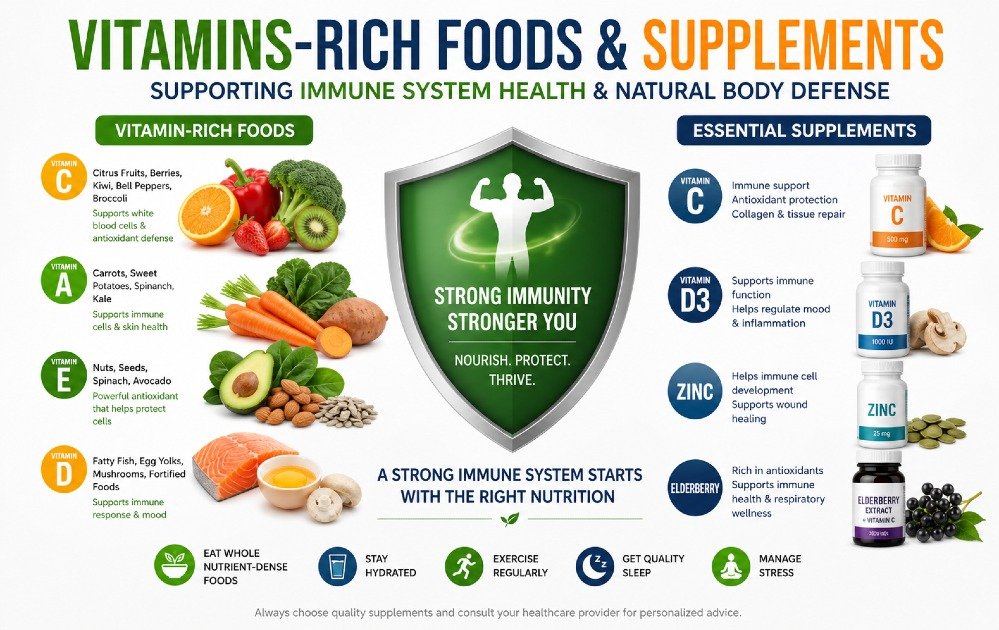
Poor nutrient intake weakens immunity, increasing illness frequency and slowing recovery
Keep essential vitamins steady with a varied whole-food diet.
Core immune-support vitamins:
- Vitamin A for protective barriers
- B vitamins for energy and immune balance
- Vitamin C for immune defense and antioxidant support
- Vitamin D for immune regulation
- Vitamin E for cellular protection
Core advantage:
Proper intake supports immune function, helping reduce infections, speed up recovery, and strengthen overall resilience.
Frequently Asked Questions
Which nutrients matter most for longevity?
Omega-3 fatty acids, vitamin D, magnesium, fiber, antioxidants, and quality protein support heart and brain health, strengthen immunity, and aid cellular repair, all essential for healthy aging and longevity.
Is it possible to get all essential nutrients from food?
Yes, a balanced, varied diet can meet nutritional needs, but many people fall short due to processed foods, limited variety, or busy lifestyles. In those cases, supplements may help fill the gaps.
How long does it take to notice the effects of better nutrition?
Some benefits like better energy and digestion can show within weeks, while stronger immunity and lower disease risk develop gradually over months and years with consistent nutrition.
Do I need supplements for healthy aging?
Not always necessary. They are useful for filling nutrient gaps when food intake is insufficient and should complement a healthy diet rather than replace it.
What is the most common nutrition mistake?
Prioritizing calorie count over nutrient quality can be misleading. Eating less alone doesn’t guarantee better health; lasting wellbeing comes from nutrient-rich, balanced eating.
Recap: Healthy Aging Depends on Daily Nutrient Choices
Longevity is not achieved through restrictive diets. It is built through consistent intake of essential nutrients that support the body at a cellular level.
When these nutrients are low, energy drops, immunity weakens, recovery slows, and mental focus declines over time.
Over time, these small gaps can lead to more serious health issues, which is why nutrition should be treated as a long-term investment in healthy aging rather than a short-term fix.
Your daily nutrition choices shape how you age. Improvements matter more than extreme or temporary changes.
Ready to Start Improving Your Nutrition Today
You don’t need restrictive diets or complicated routines. You need a steady focus on nutrient-dense foods and essential micronutrients.
Fuel your long-term health naturally with this Omega-3 Fish Oil that gives your body the daily nutrients it needs to stay stronger, sharper, and more energized for years to come.
When you supply your body with the right nutrients, you improve not only how you feel, but also how well you age in the future.