
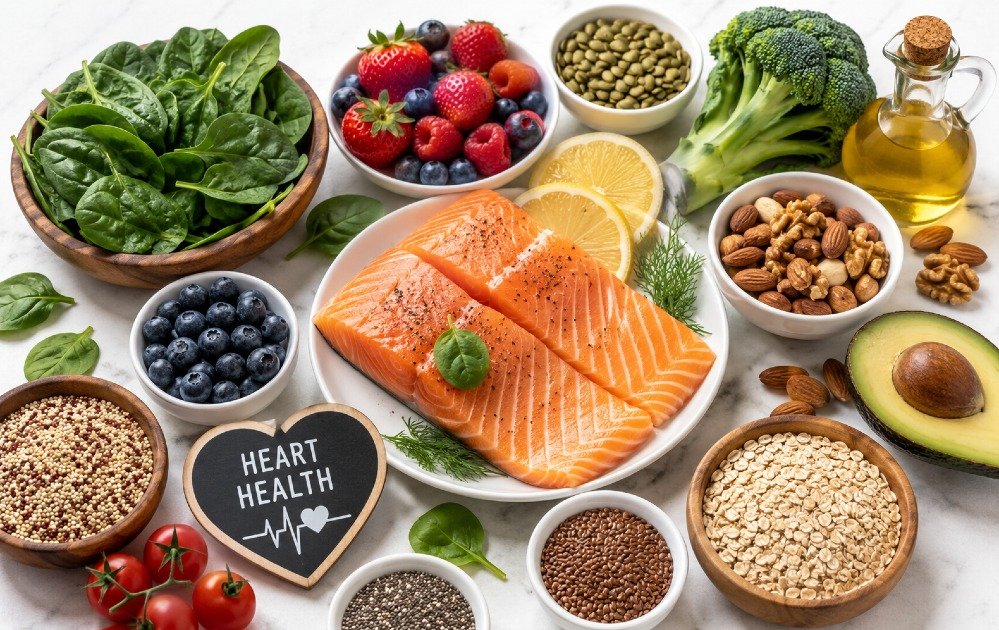
You’re trying to make healthier choices, but your diet may be putting extra strain on your heart?
Poor food choices can quietly raise blood pressure, cholesterol, and inflammation, increasing the risk of heart disease over time.
This guide explains top heart-healthy foods that can help slow, manage, and even reverse many of these risks.
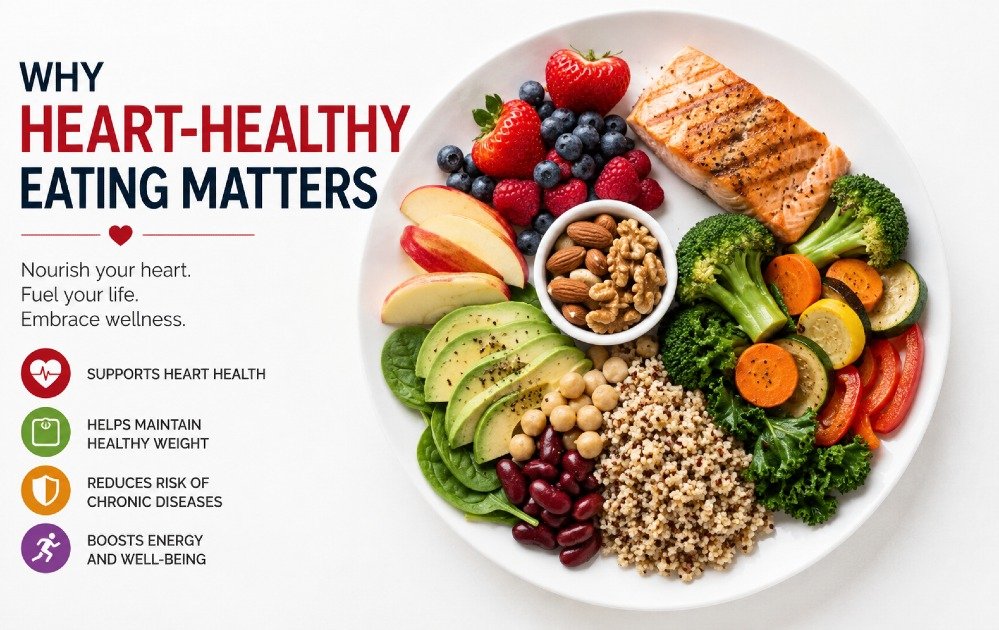
Why Heart-Healthy Eating Matters
Foods high in:
- Processed fats
- Excess sodium
- Refined carbohydrates
- Added sugars
Over time, these contribute to:
- Poor cholesterol balance
- High blood pressure
- Arterial plaque buildup
- Reduced cardiovascular efficiency
The result is a Heart that works harder than it should, even during rest.
A heart-supportive diet focuses on foods rich in:
- Omega-3 fatty acids
- Fiber
- Antioxidants
- Natural plant compounds
- Healthy fats
These nutrients work together to protect blood vessels, improve circulation, and reduce inflammation.
Core advantages:
- Improve blood flow
- Support healthy cholesterol levels
- Help regulate blood pressure
- Reduce inflammation in the body
- Strengthen overall energy and endurance
10 BEST Heart-Friendly Foods Worth Eating
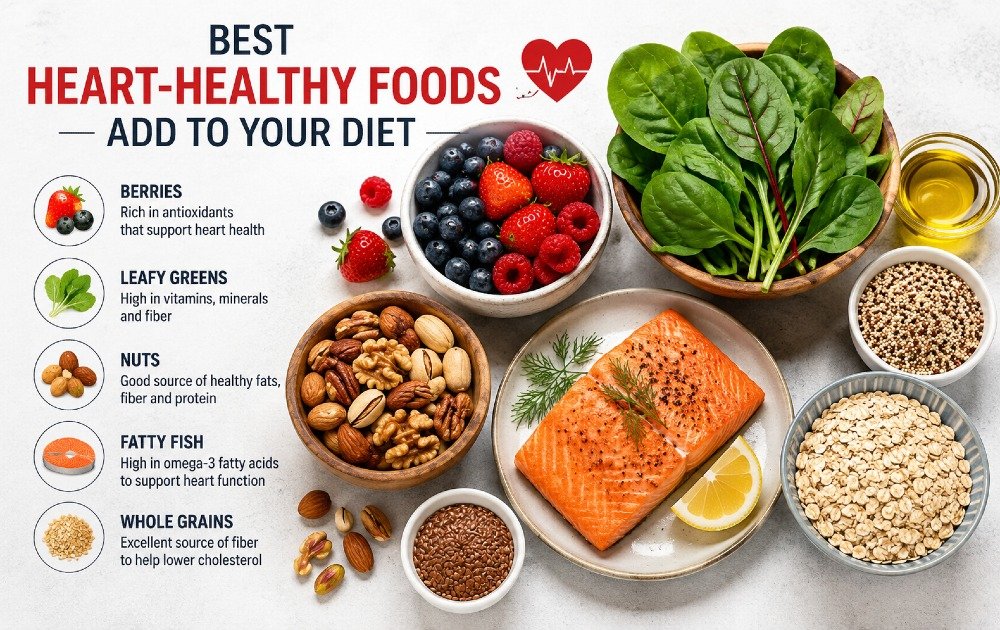
What you eat directly affects your heart—adding nutrient-rich foods like fatty fish, leafy greens, berries, beans, whole grains, nuts, and healthy fats can help support long-term lifestyle.
Discover ten best nutritious foods that promote lifelong cardiovascular wellness for a healthier, stronger heart.
1. Fatty Fish (Salmon, Mackerel, Sardines)
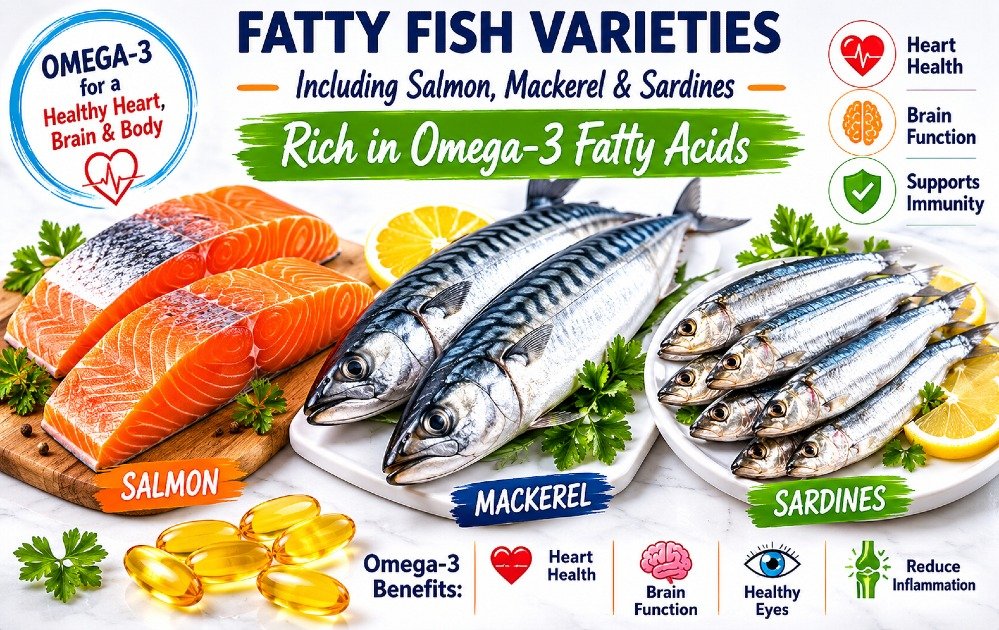
Fatty fish are one of the most reliable natural sources of omega-3 fatty acids, which directly support cardiovascular function.
Why it matters:
A lack of healthy fats can increase inflammation and disrupt normal heart rhythm.
What it does:
- Supports healthy triglyceride levels
- Reduces inflammation
- Promotes steady heart rhythm
2. Leafy Green Vegetables (Spinach, Kale, Collards)
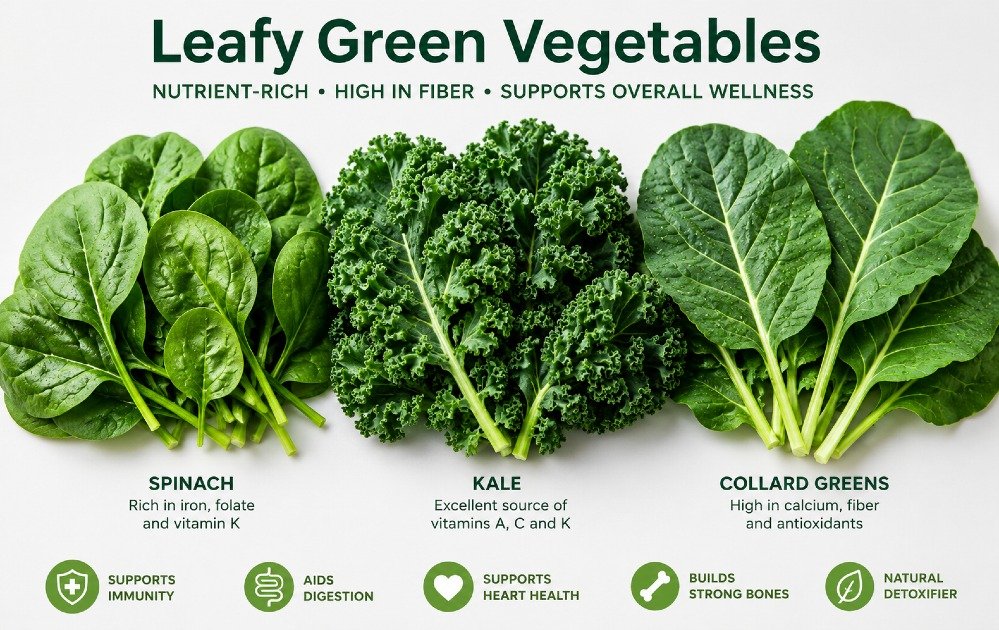
Leafy greens are often overlooked, yet they are essential for cardiovascular balance.
Why it matters:
Low fiber intake is linked to poor cholesterol control.
What it does:
- Improves blood vessel flexibility
- Supports natural detox pathways
- Helps regulate blood pressure
3. Berries (Blueberries, Strawberries, Raspberries)
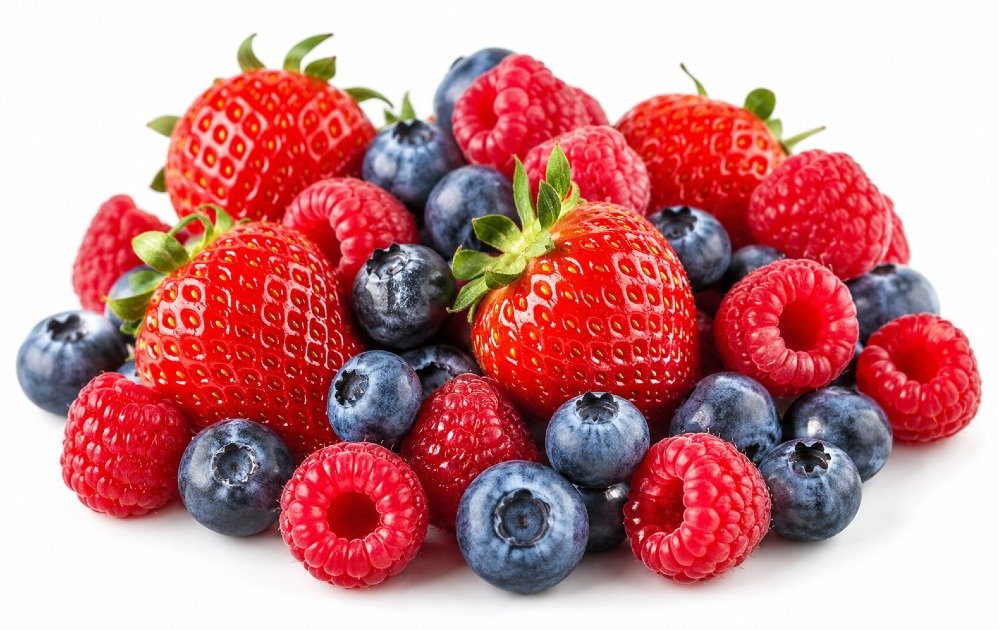
Antioxidant-rich blueberries, strawberries, and raspberries that boost cardiovascular health and long-term wellness.
Why it matters:
Oxidative stress contributes to long-term artery damage.
What it does:
- Supports healthy blood pressure
- Reduces inflammation
- Protects blood vessels from damage
4. Nuts (Almonds, Walnuts, Pistachios)
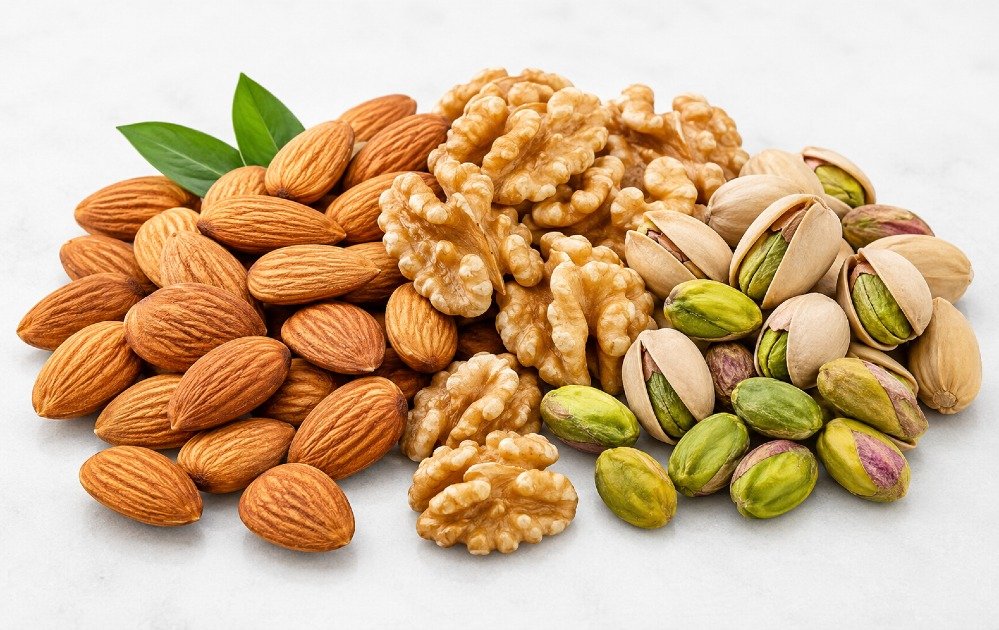
Nuts are nutrient-dense and naturally support cholesterol balance.
Why it matters:
Unhealthy snacking habits often replace nutrient-rich fats with processed options.
What it does:
- Supports healthy cholesterol levels
- Improves satiety and reduces overeating
- Provides plant-based healthy fats
5. Whole Grains (Oats, Quinoa, Brown Rice)
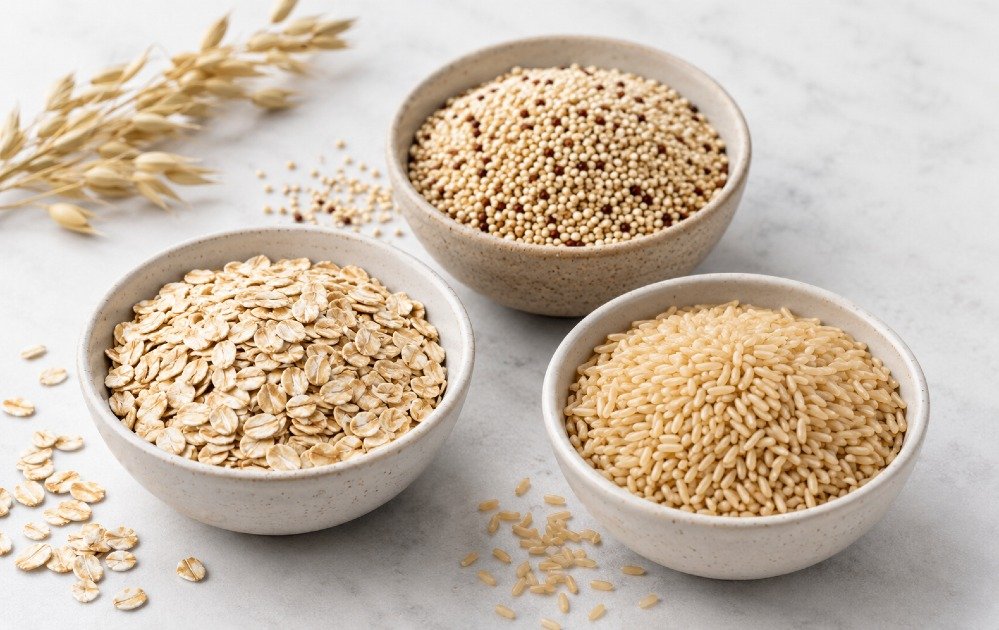
Whole grains support heart health by helping maintain healthy cholesterol levels and overall cardiovascular wellness.
Why it matters:
Refined carbohydrates can spike blood sugar and negatively affect heart function.
What it does:
- Supports cholesterol control
- Improves digestive health
- Helps stabilize energy levels
6. Avocados
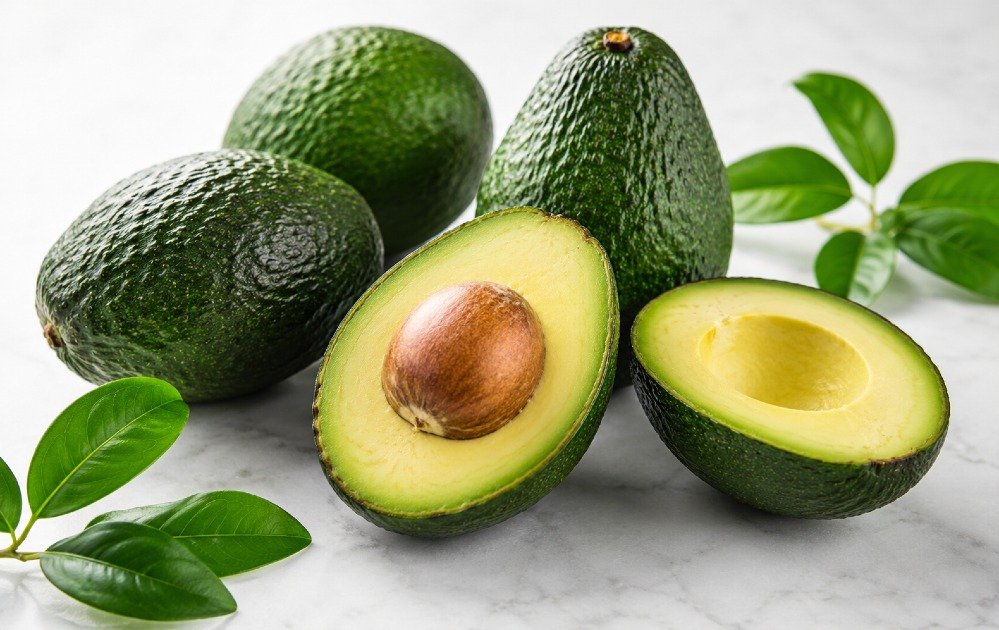
Avocados offer essential nutrients that boost a healthy cardiovascular system.
Why it matters:
The body needs healthy fats to regulate cholesterol effectively.
What it does:
- Helps lower LDL (bad cholesterol)
- Supports HDL (good cholesterol)
- Enhances nutrient absorption
7. Olive Oil (Extra Virgin)
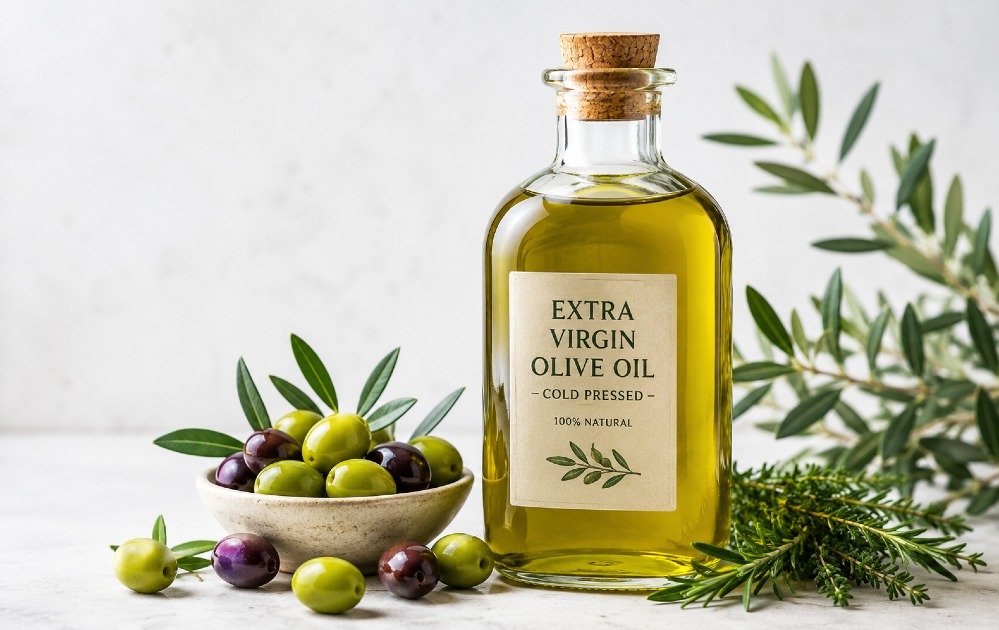
Olive oil is a core part of heart-supportive eating patterns like the Mediterranean diet.
Why it matters:
Some cooking oils contribute to inflammation and long-term vascular stress.
What it does:
- Reduces inflammation
- Supports artery health
- Improves cholesterol balance
8. Beans and Legumes (Lentils, Chickpeas, Black Beans)
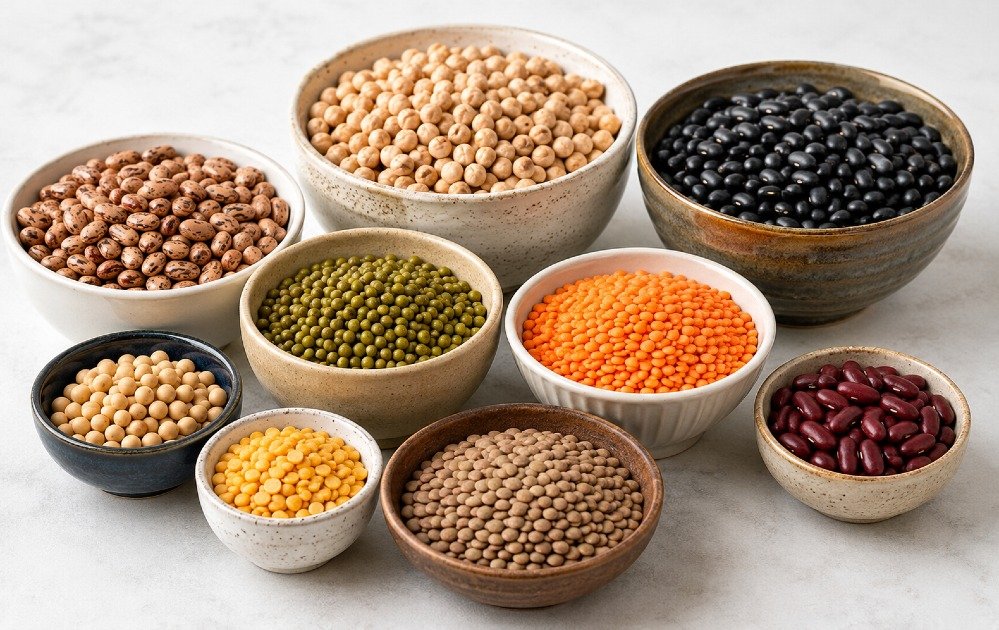
Beans are one of the most affordable and effective heart-supportive foods.
Why it matters:
Fiber intake is often too low in modern diets.
What it does:
- Helps reduce cholesterol naturally
- Supports stable blood sugar levels
- Improves digestive health
9. Dark Chocolate (70% or Higher)

Dark chocolate, in moderation, can support vascular health.
Why it matters:
Poor circulation affects overall cardiovascular performance.
What it does:
- Improves blood flow
- Supports healthy blood pressure
- Helps reduce stress response
10. Tomatoes
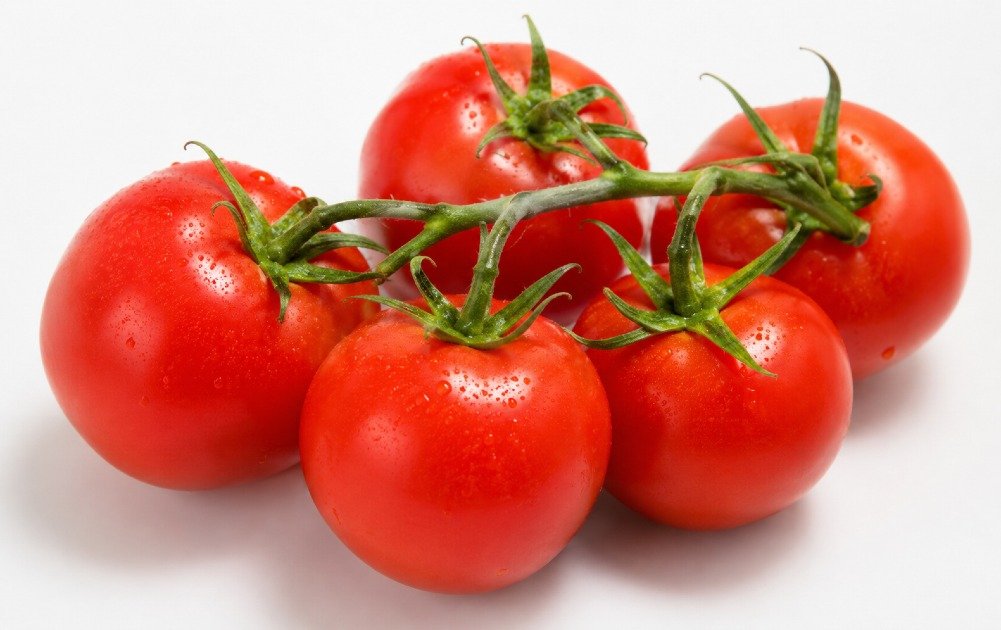
Tomatoes provide nutrients and protective compounds that maintain cardiovascular health.
Why it matters:
Oxidation contributes to arterial damage over time.
What it does:
- Supports arterial health
- Reduces LDL oxidation
- Improves circulation
Simple Habits That Strengthen Cardiovascular Health
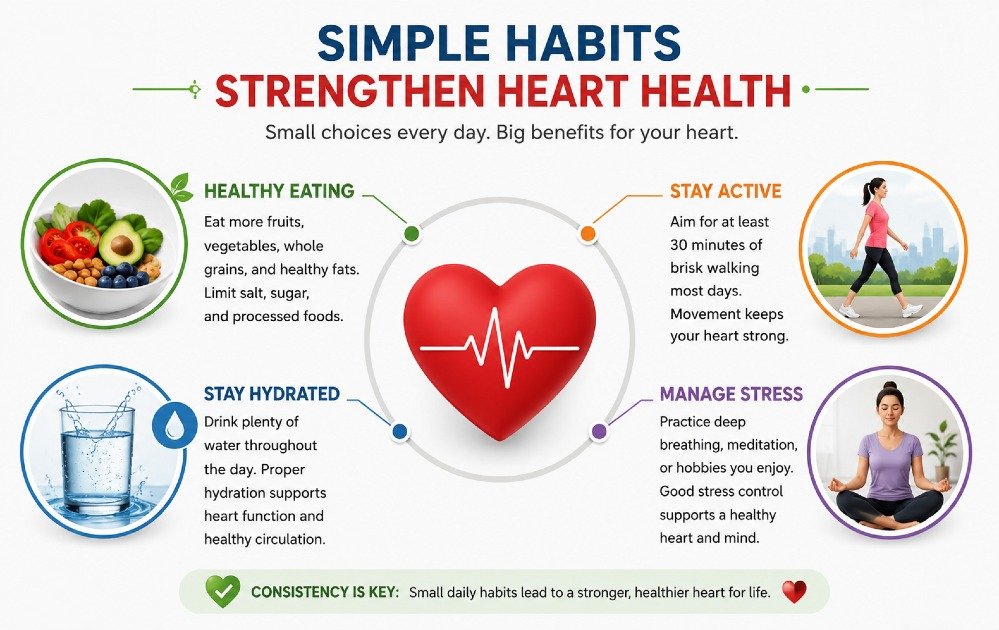
Support heart health, circulation, and blood pressure with simple daily habits that deliver lasting results.
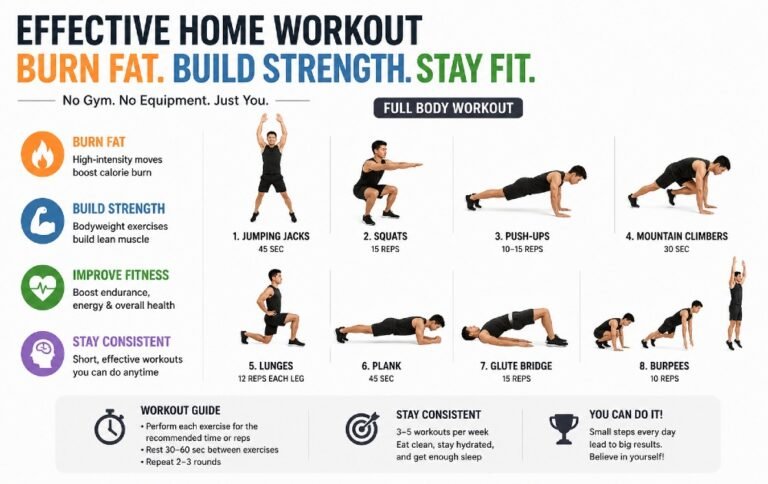
Stay Physically Active
A sedentary lifestyle weakens cardiovascular fitness and increases the risk of high blood pressure, weight gain, and heart disease.
Move more:
- Walk at least 30 minutes daily
- Use stairs instead of elevators
- Cycle or swim regularly
- Do strength training 2–3 times weekly
Core advantages:
- Strengthens the heart muscle
- Improves blood circulation
- Supports healthy blood pressure
- Helps maintain a healthy weight
- Boosts energy levels
Prioritize Quality Sleep
Disrupted sleep can impair blood pressure regulation and place additional strain on the heart.
Aim for quality sleep.
- Keep a consistent sleep schedule for about 7-9 hours
- Limit screen time before bed
- Keep your room dark and cool
- Avoid late caffeine intake
Core advantages:
- Supports heart recovery
- Helps regulate blood pressure
- Reduces stress levels
- Improves focus and energy
Manage Stress Effectively
Chronic stress raises blood pressure and increases inflammation, affecting long-term heart health.
Stress control habits:
- Deep breathing exercises
- Meditation or mindfulness
- Outdoor walks
- Relaxing hobbies
Core advantages:
- Supports healthy blood pressure
- Reduces tension and anxiety
- Improves emotional balance
- Protects long-term heart function
Stay Properly Hydrated
Low hydration affects circulation and forces the heart to work harder.
Hydration habits:
- Carry a water bottle
- Drink water with meals
- Increase intake during activity
- Reduce sugary drinks
Core advantages:
- Supports healthy circulation
- Maintains energy levels
- Aids cardiovascular function
- Helps regulate body temperature
Avoid Smoking and Limit Alcohol
Smoking damages blood vessels, while excess alcohol can raise blood pressure and strain the heart.
Avoid tobacco:
- Seek support for quitting smoking
- Choose non-alcoholic options more often
- Reduce dependence on alcohol-based habits
Core advantages:
- Improves blood vessel health
- Supports better circulation
- Lowers cardiovascular risk
- Strengthens overall health
Maintain a Healthy Weight
Excess weight increases strain on the heart and raises the risk of high blood pressure, cholesterol issues, and diabetes.
Focus on sustainable habits:
- Eat nutrient-dense foods
- Stay physically active
- Control portion sizes
- Prioritize sleep and stress management
Core advantages:
- Reduces strain on the heart
- Improves blood pressure control
- Supports healthy cholesterol levels
- Lowers disease risk
Heart-Friendly Diet Plan
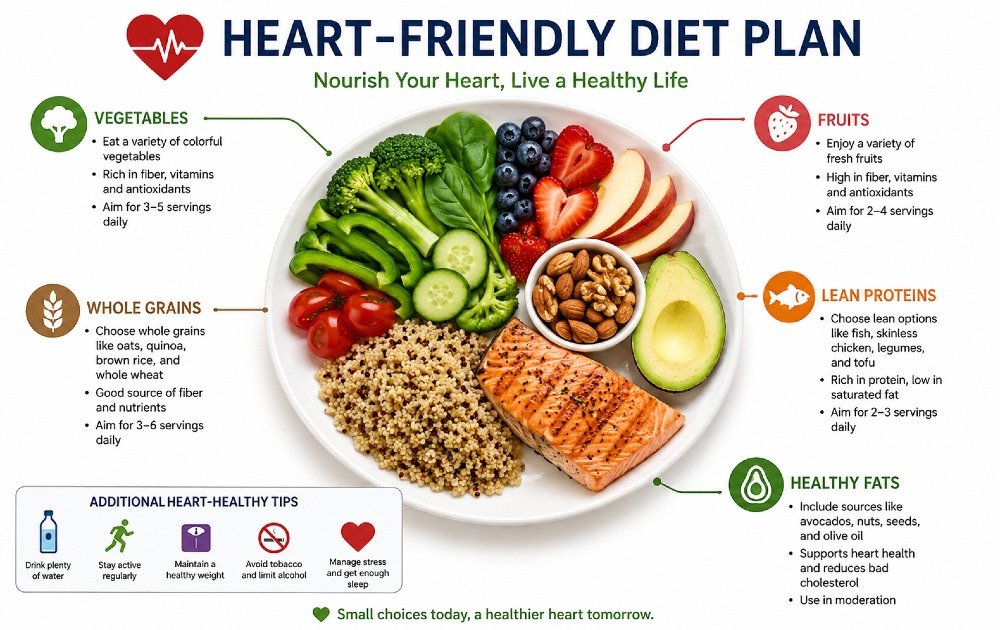
Your daily food choices can quietly raise blood pressure, cholesterol, and heart disease risk.
Heart-healthy eating isn’t about strict rules—it’s about choosing foods that support cardiovascular and long-term health.
Build your meals around:
- Fresh fruits and vegetables
- Oats, quinoa, and brown rice are examples of nutrient-rich grains.
- Lean proteins, including fish, poultry, and legumes
- Avocados, nuts, seeds, and olive oil that boost cardiovascular health and overall wellness.
- Low-fat dairy or unsweetened plant-based alternatives
Try to limit:
- Processed and packaged foods
- Sugary drinks
- Excess sodium
- Fried foods and trans fats
Core advantages:
- Maintain healthy cholesterol levels
- Support normal blood pressure
- Reduce inflammation
- Improve circulation
- Lower the risk of cardiovascular disease
Foods That Improve Circulation
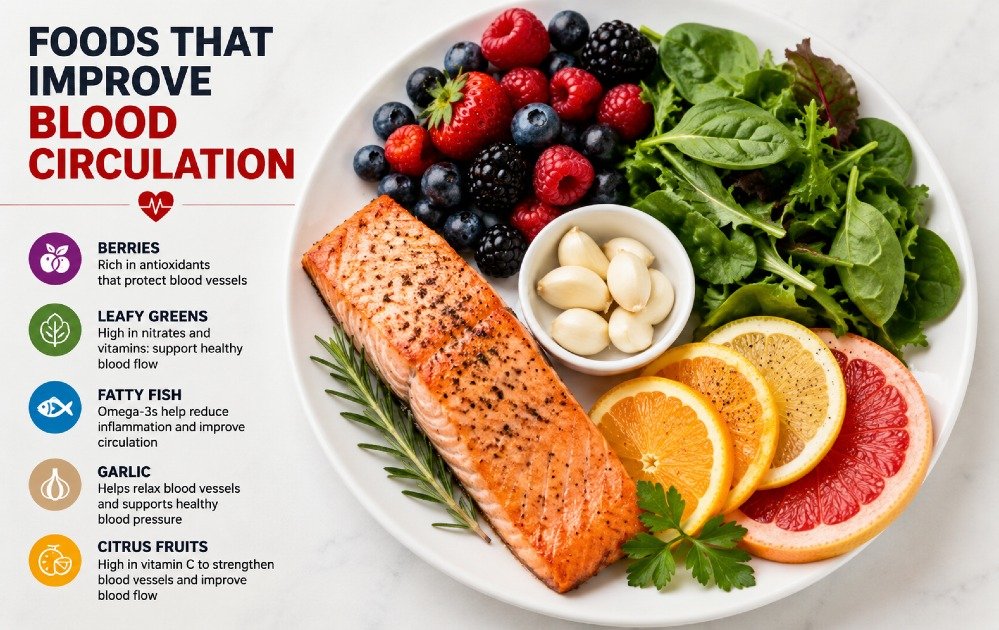
Poor circulation can reduce oxygen delivery, leading to fatigue, cold hands and feet, and lower energy levels.
Certain foods contain nutrients that help blood vessels relax, improve blood flow, and support cardiovascular function.
Some of the best choices include:
- Fatty fish rich in omega-3 fatty acids
- Beets, which contain natural nitrates
- Leafy greens such as spinach and kale
- Citrus fruits high in vitamin C
- Garlic and onions
- Berries rich in antioxidants
- Dark chocolate with a high cocoa content
Core advantages:
- Promote healthy blood flow
- Support normal blood pressure
- Improve oxygen delivery throughout the body
- Reduce inflammation
- Enhance overall cardiovascular health
Cardiovascular Disease Prevention Diet
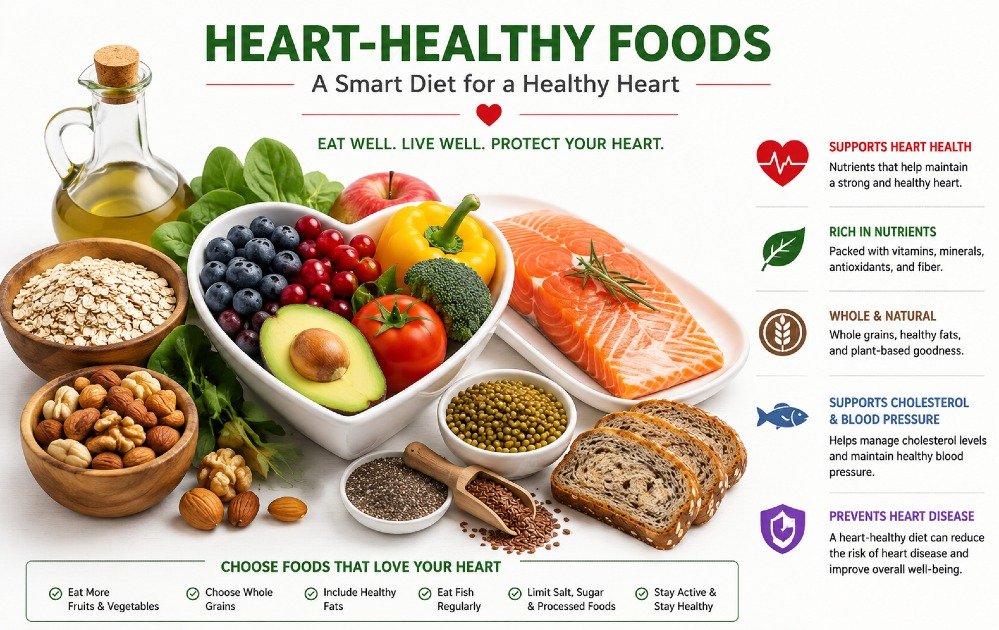
Cardiovascular disease is a leading global health threat, but your daily habits can significantly shape your long-term health.
A cardiovascular disease prevention diet focuses on foods that help manage cholesterol, blood pressure, inflammation, and blood sugar levels.
Prioritize:
- Vegetables and fruits
- Whole grains
- Beans and legumes
- Fatty fish
- Nuts and seeds
- Olive oil
- High-fiber foods
Reduce consumption of:
- Processed meats
- Sugary foods and beverages
- Refined carbohydrates
- Foods high in trans fats
Core advantages:
- Lower LDL (bad) cholesterol
- Support healthy blood pressure
- Improve blood sugar control
- Reduce chronic inflammation
- Protect long-term cardiovascular health
According to WHO, cardiovascular diseases are now the principal cause of mortality.
Healthy Fats for Cardio Health
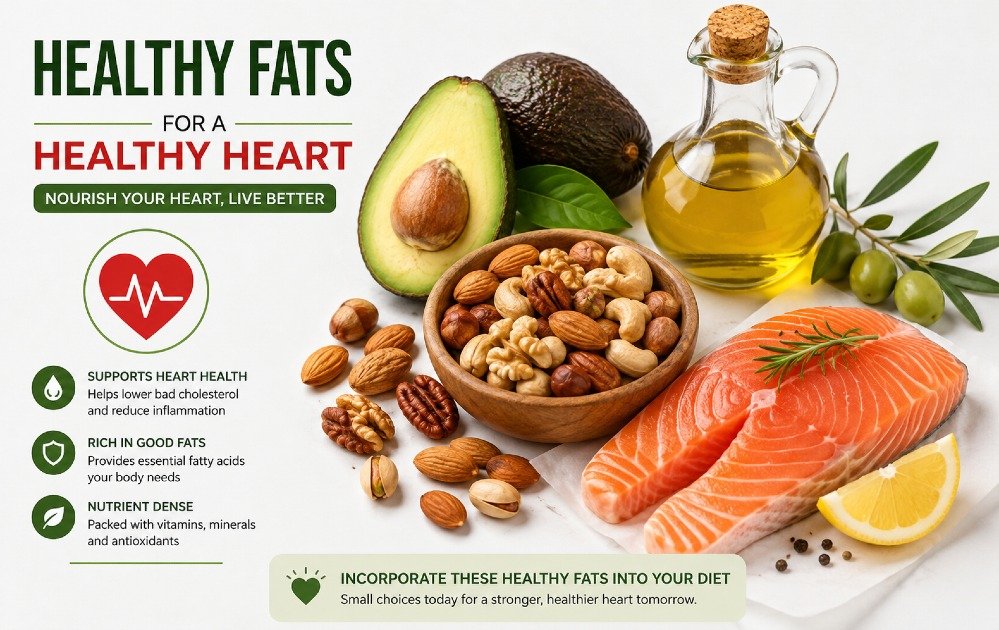
For years, fat was blamed for poor health, but research now shows that healthy fats support cardiovascular health and overall well-being.
Excellent sources include:
- Avocados
- Extra virgin olive oil
- Almonds and walnuts
- Chia seeds and flaxseeds
- Salmon, sardines, and other fatty fish
- Natural nut butters
Try to limit:
- Trans fats
- Hydrogenated oils
- Highly processed snack foods
Core advantages:
- Increase HDL (good cholesterol)
- Support healthy LDL cholesterol levels
- Reduce inflammation
- Promote healthy blood vessels
- Improve absorption of key nutrients
Frequently Asked Questions
What foods are best for cardiovascular health?
Some of the best foods for cardiovascular health include fatty fish, leafy greens, berries, nuts, beans, whole grains, avocados, olive oil, and tomatoes.
These foods provide nutrients that support healthy cholesterol levels, circulation, and cardiovascular function.
Can cardio-healthy foods help lower cholesterol?
Yes. Foods rich in soluble fiber and healthy fats can help lower LDL (bad) cholesterol and support healthy HDL (good) cholesterol levels.
Oats, beans, nuts, and olive oil are especially beneficial when eaten regularly.
How often should I eat heart-healthy foods?
Aim to include heart-supportive foods every day. Consistent healthy choices have a greater impact on long-term heart health than occasional changes.
Are healthy fats good for the heart?
Yes, replacing unhealthy fats with healthier options from avocados, olive oil, nuts, seeds, and fatty fish support blood vessel health and help maintain healthy cholesterol levels.
Can diet improve cardio health?
Diet plays a major role in cardio health. Combined with regular exercise, quality sleep, and stress management, healthy eating can help reduce many common risk factors for cardiovascular disease.
Recap: Stronger Heart Health Starts With Daily Choices
Protecting your heart does not require a restrictive diet or drastic lifestyle changes. It starts with making better food choices more often.
Foods such as fatty fish, leafy greens, berries, beans, whole grains, nuts, and healthy fats provide nutrients that support circulation, cholesterol balance, and overall cardiovascular health.
Build a foundation that leads to meaningful long-term benefits. Every heart-healthy meal is an investment in your future well-being.
Ready to Support Your Heart Before Problems Begin
Still relying on occasional healthy meals while hoping your heart health will take care of itself?
You don’t need a complicated diet plan or a complete lifestyle overhaul.
This supplement will support your daily wellness routine with an extra edge for lasting cardiovascular health, energy, and vitality.