

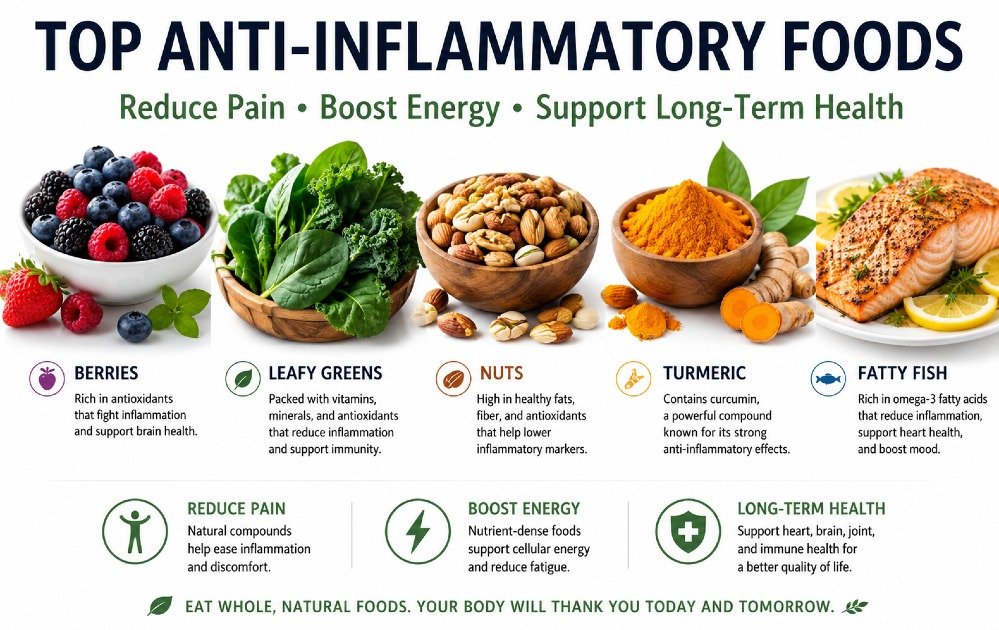
You’re constantly feeling tired, bloated, achy, or slow to recover after stress or exercise—your body may be dealing with chronic inflammation.
Inflammation is part of the body’s normal response process, but when it lingers, it may contribute to various health concerns and reduce overall vitality.
This guide explains top anti-inflammatory daily food options that may help calm the body’s inflammatory response while promoting long-term wellness.
The Hidden Role of Inflammation in Everyday Health Struggles
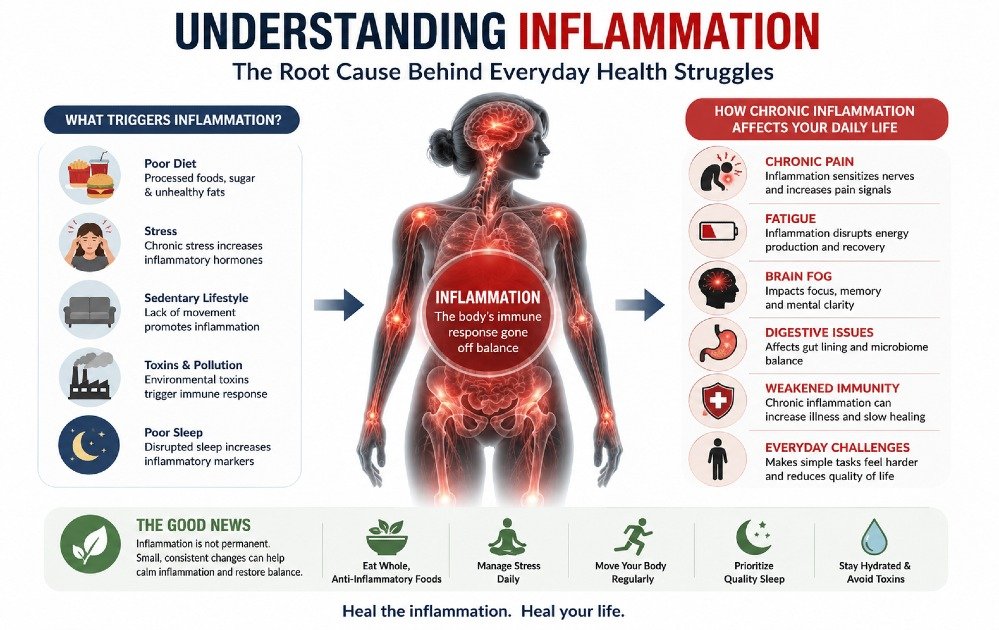
Inflammation is your body’s defense system. It activates when you’re injured or fighting infection.
Inflammation begins as acute which is short-term and beneficial, while chronic is long-term and harmful.
Prolong inflammation causes:
- Low energy and fatigue
- Joint discomfort and stiffness
- Digestive issues like bloating
- Skin problems and breakouts
Eat whole, nutrient-dense foods to naturally reduce inflammatory stress in the body.
How Anti-Inflammatory Foods Work in the Body
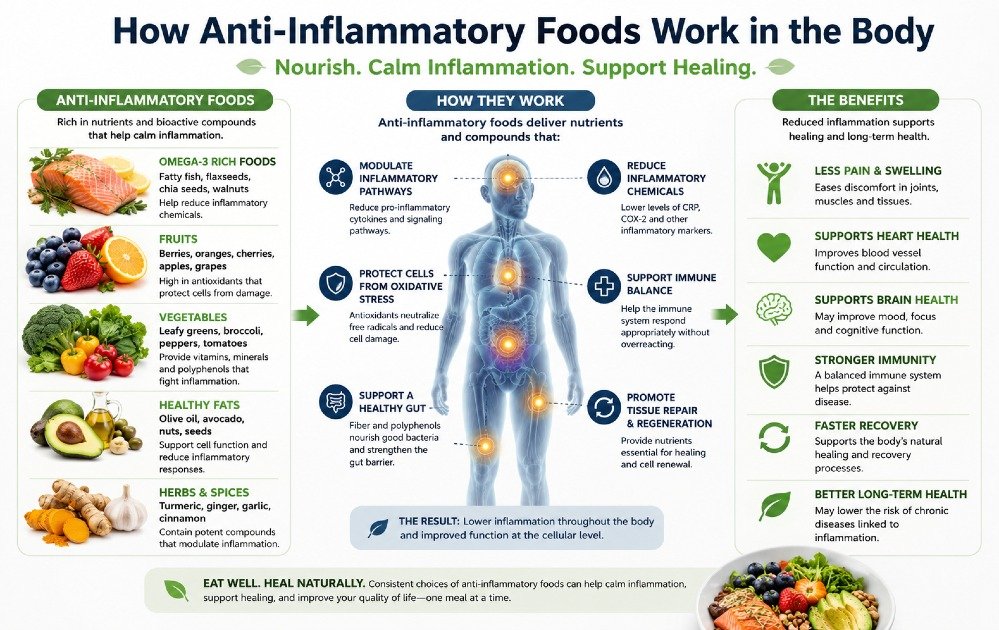
The anti-inflammatory diet centers on foods that help maintain overall health while supporting the body’s natural defenses.
Highly processed foods can quietly increase inflammation over time.
Common triggers include:
- Refined sugar and syrups
- Processed meats
- Trans fats and fried foods
- Artificial additives
- Excess alcohol
Anti-inflammatory foods work by:
- Lowering oxidative stress in cells
- Supporting gut bacteria balance
- Improving immune regulation
- Reducing inflammatory markers in blood
Core advantages:
- Daily energy levels
- Digestion and gut comfort
- Joint flexibility
- Skin clarity
- Overall recovery and resilience
TOP 15 Best Anti-Inflammatory Foods You Should Eat Regularly
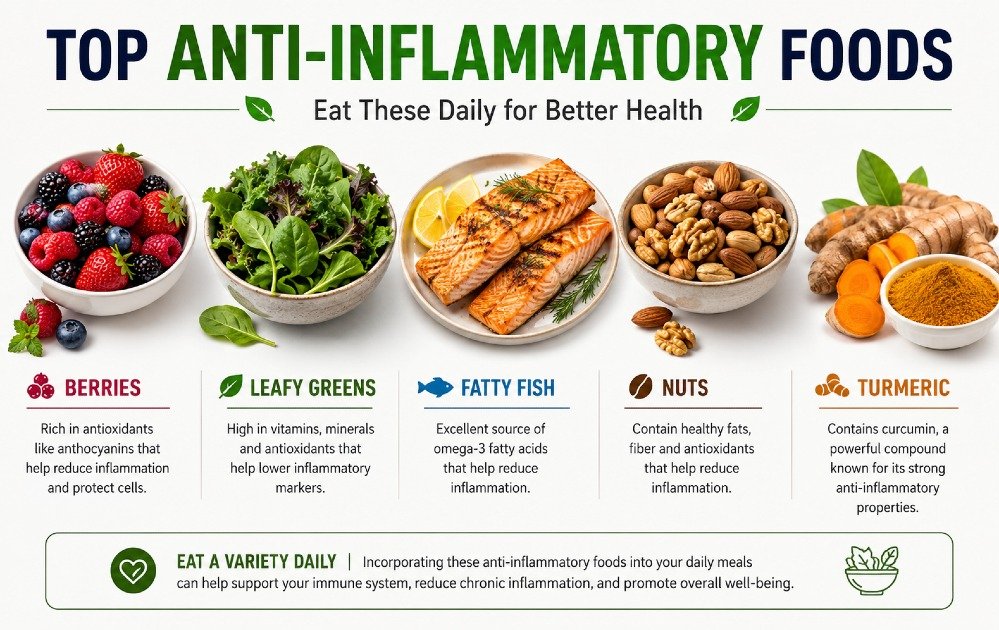
Chronic inflammation can quietly impact your overall health depending on the foods you eat.
Replacing processed foods with nutrient-rich options like fatty fish, leafy greens, berries, nuts, and olive oil can support your body’s natural healing process.
Discover top 15 anti-inflammatory foods that may help improve energy, support joint health, promote heart health, and contribute to long-term wellness.
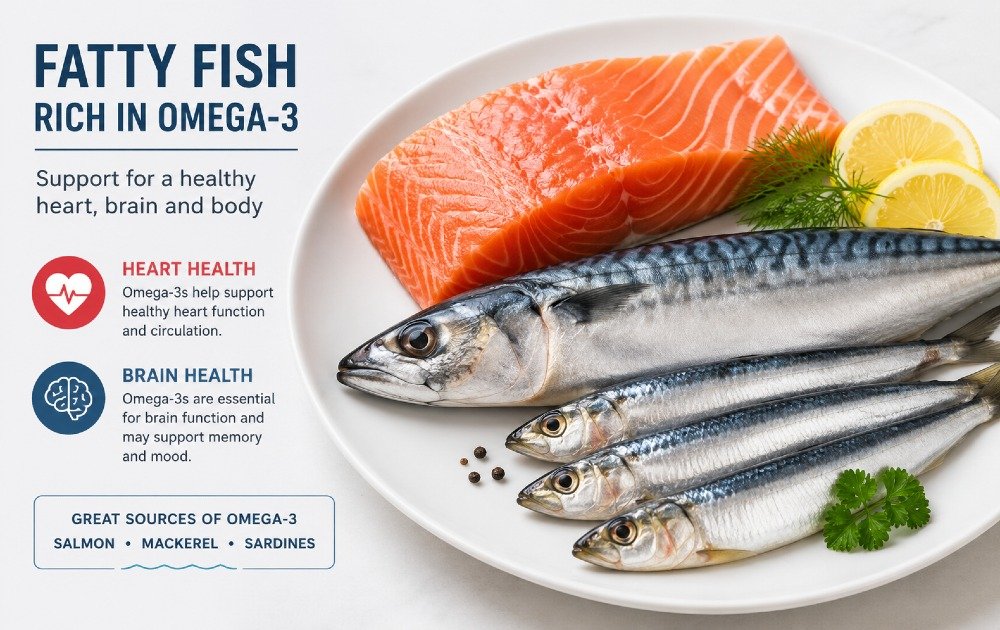
1. Fatty Fish (Salmon, Sardines, Mackerel)
Why it matters:
Low omega-3 intake is linked to higher inflammation.
What it does:
Rich in EPA and DHA omega-3 fatty acids, which help regulate inflammation.
Core advantages
- Supports joint comfort
- Improves brain function
- Helps balance inflammatory response
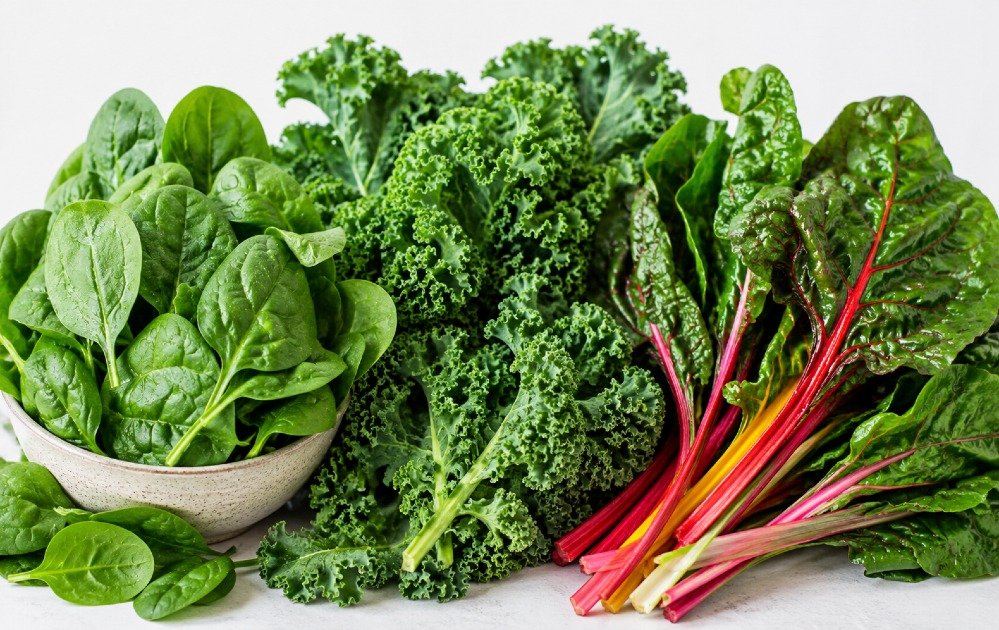
2. Leafy Green Vegetables (Spinach, Kale, Chard)
Nutrient-poor diets weaken the body’s natural defense system.
Leafy greens provide antioxidants, fiber, and essential micronutrients.
Core advantages:
- Supports detox pathways
- Improves digestion
- Helps reduce cellular stress
3. Berries (Blueberries, Strawberries, Raspberries)

Excess sugar increases oxidative stress.
Berries are packed with antioxidants called anthocyanins.
Core advantages:
- Protects cells from damage
- Supports heart health
- Naturally reduces inflammation
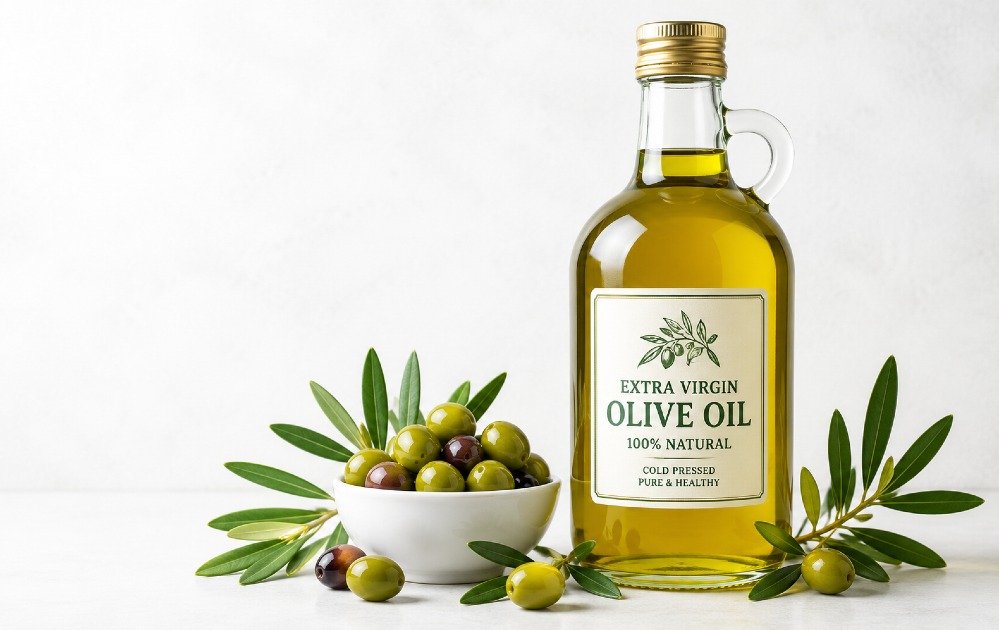
4. Extra Virgin Olive Oil
Unhealthy fats can increase inflammatory responses.
Olive oil contains compounds that help regulate inflammation.
Core advantages:
- Supports heart health
- Reduces inflammatory enzyme activity
- Improves overall metabolic balance
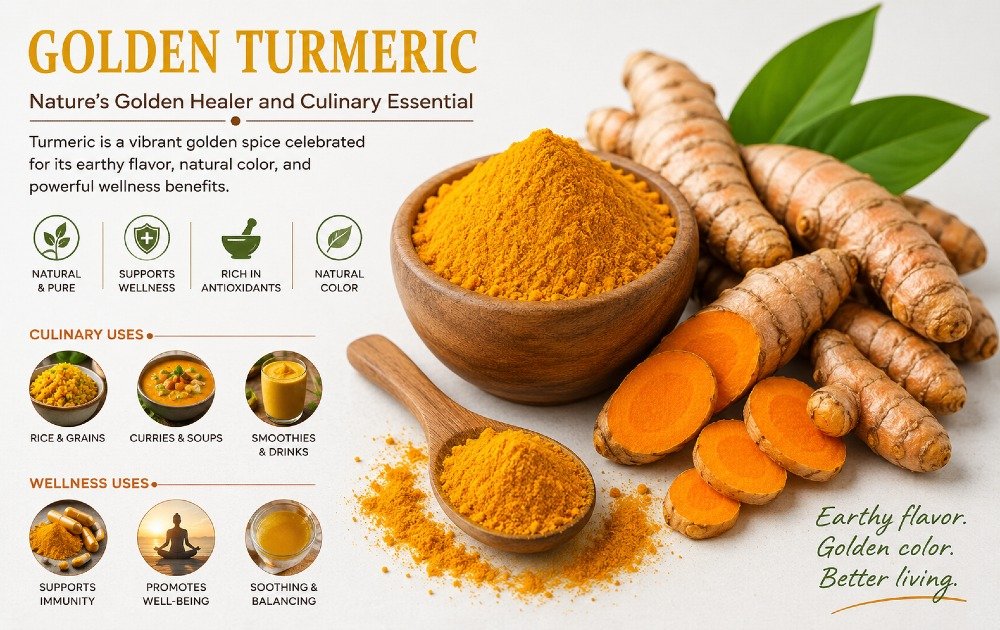
5. Turmeric
Chronic inflammation often goes unnoticed until symptoms appear.
Turmeric contains curcumin, a powerful anti-inflammatory compound.
Core advantages:
- Supports joint health
- May reduce stiffness and discomfort
- Helps balance immune response
6. Ginger
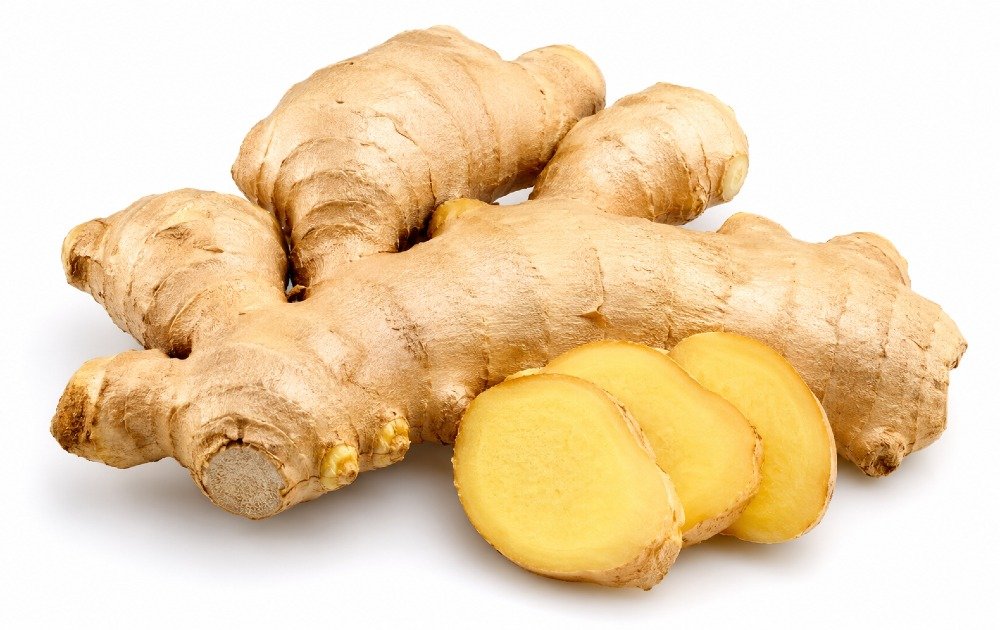
Digestive inflammation can lead to bloating and discomfort.
Ginger contains gingerol, known for soothing inflammation.
Core advantages:
- Supports digestion
- Reduces nausea
- Helps ease bloating
7. Nuts (Almonds, Walnuts)
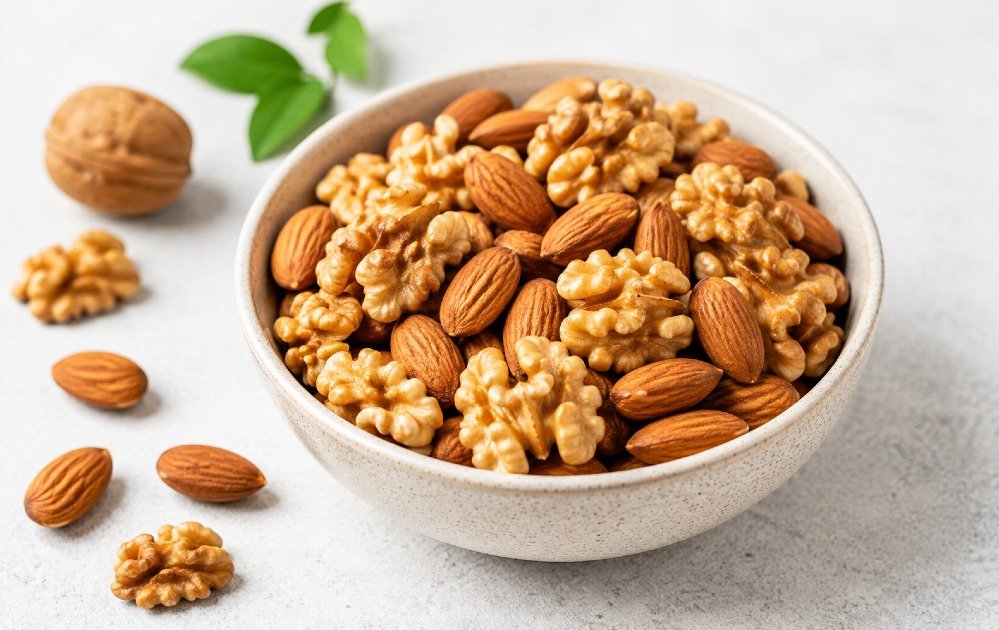
Low healthy fat intake affects hormone and inflammation balance.
Nuts provide healthy fats, fiber, and magnesium.
Core advantages:
- Supports brain health
- Helps regulate inflammation
- Improves satiety and energy stability
8. Tomatoes
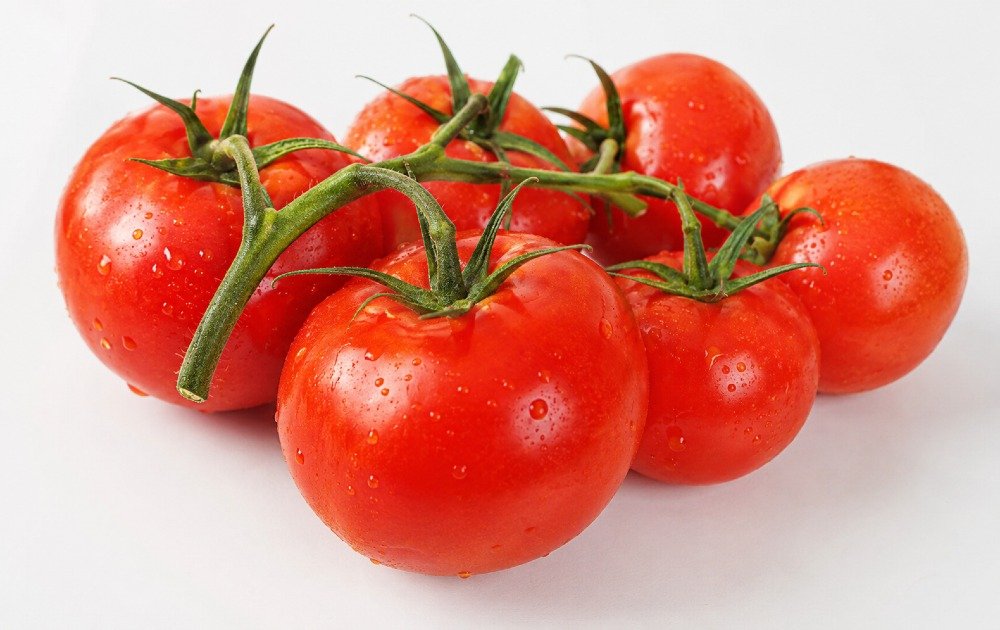
Oxidative stress damages cells over time.
Tomatoes contain lycopene, a strong antioxidant.
Core advantages:
- Supports heart health
- Protects skin cells
- Reduces inflammation markers
9. Avocados
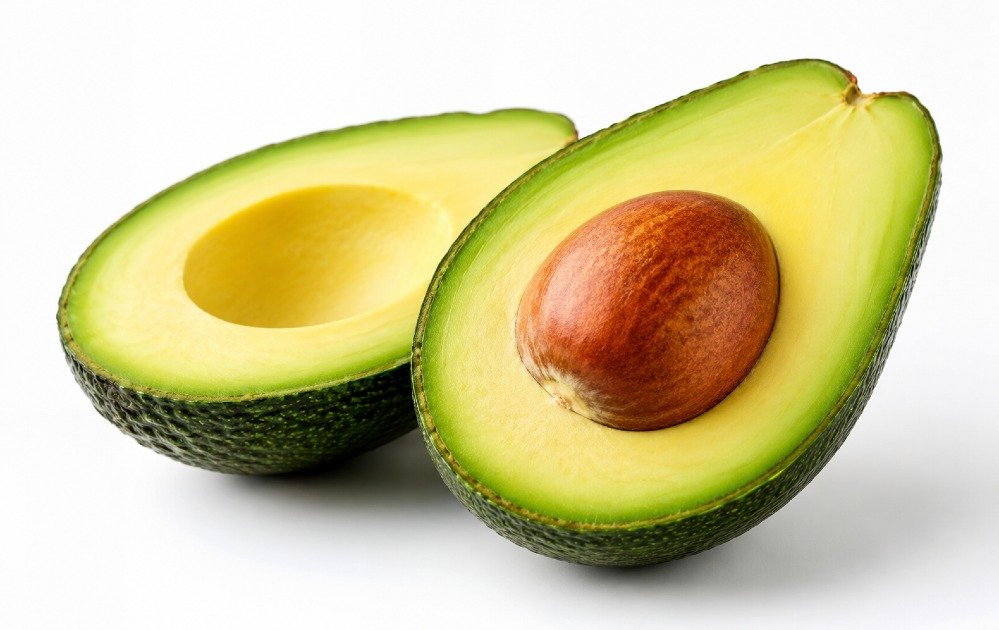
Poor fat quality can worsen inflammation.
Avocados are rich in monounsaturated fats and potassium.
Core advantages:
- Supports joint health
- Improves heart function
- Promotes nutrient absorption
10. Green Tea

Free radicals accelerate inflammation and aging.
Green tea contains EGCG antioxidants.
Core advantages:
- Supports metabolism
- Reduces oxidative stress
- Promotes cellular health
11. Garlic
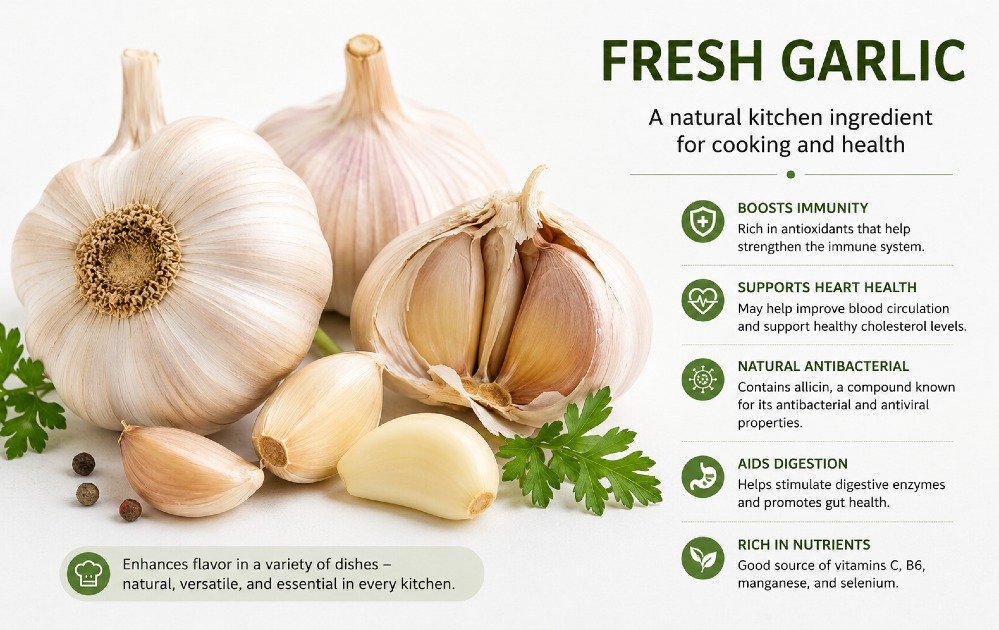
Weak immune responses can increase inflammation risk.
Garlic contains allicin, a natural anti-inflammatory compound.
Core advantages:
- Strengthens immune system
- Supports cardiovascular health
- Helps regulate inflammation
12. Dark Chocolate (70% Cocoa or Higher)

Stress can increase inflammatory hormones.
Dark chocolate contains flavonoids that support circulation and reduce stress effects.
Core advantages:
- Supports mood balance
- Improves blood flow
- Helps reduce inflammation when eaten in moderation
13. Beans and Lentils
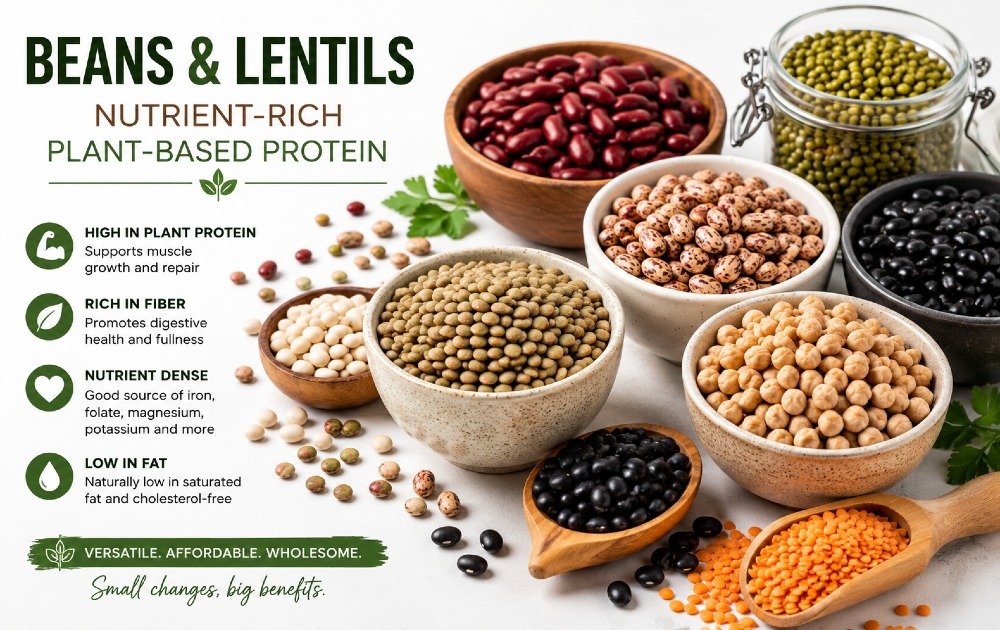
Low fiber intake negatively affects gut health.
Beans are rich in plant protein and fiber.
Core advantages:
- Supports gut microbiome
- Helps stabilize blood sugar
- Reduces inflammatory load
14. Sweet Potatoes
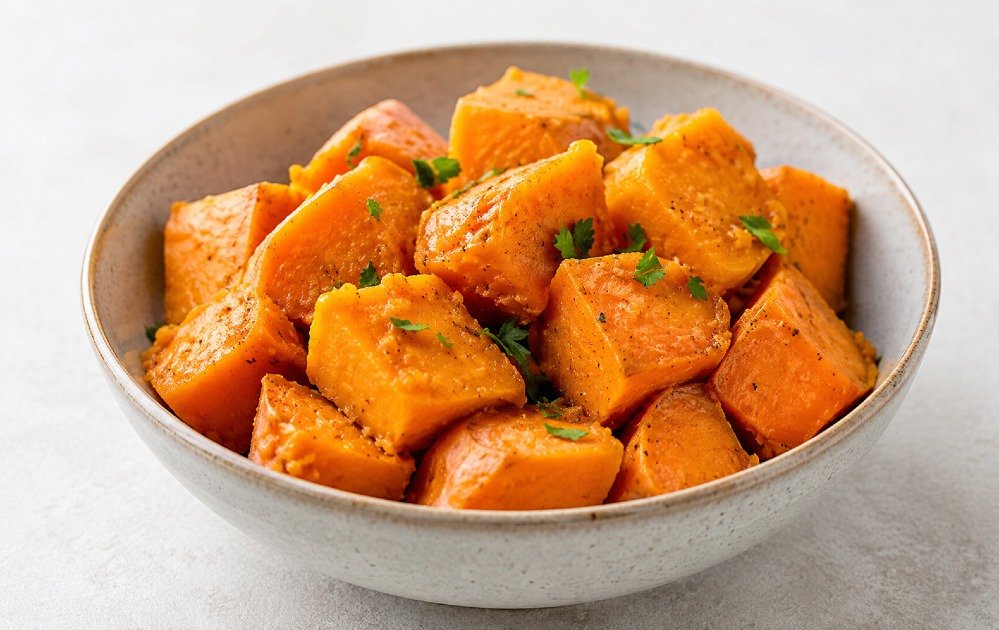
Blood sugar spikes contribute to inflammation.
Sweet potatoes provide complex carbs and beta-carotene.
Core advantages:
- Supports steady energy
- Helps immune function
- Reduces inflammatory spikes
15. Fermented Foods (Yogurt, Kefir, Kimchi)
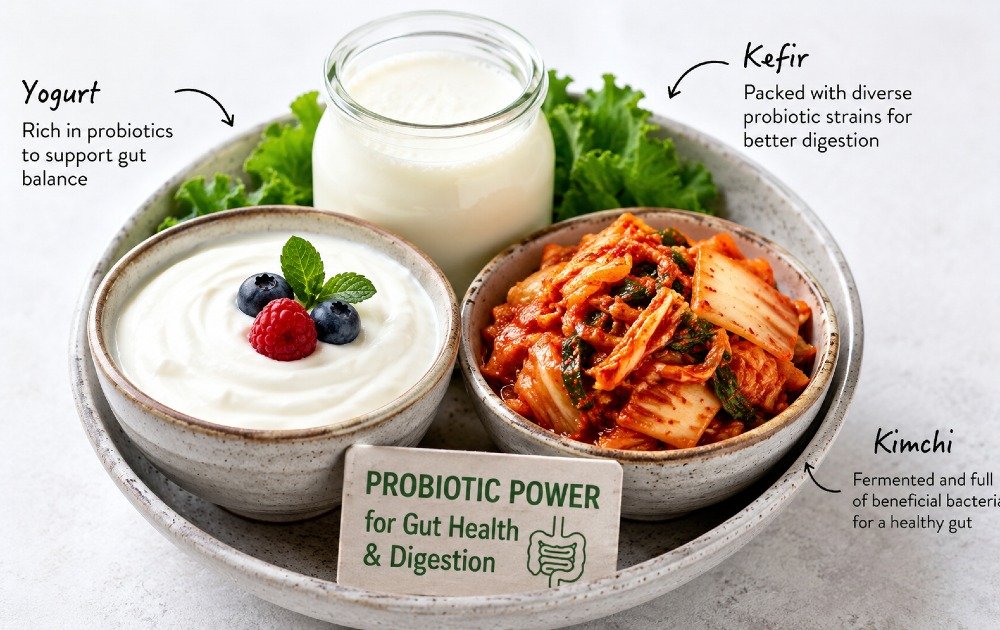
Poor gut health is a major driver of chronic inflammation.
Fermented foods introduce beneficial probiotics.
Core advantages:
- Improves digestion
- Strengthens gut barrier
- Supports immune balance
Simple Anti-Inflammatory Eating Guide
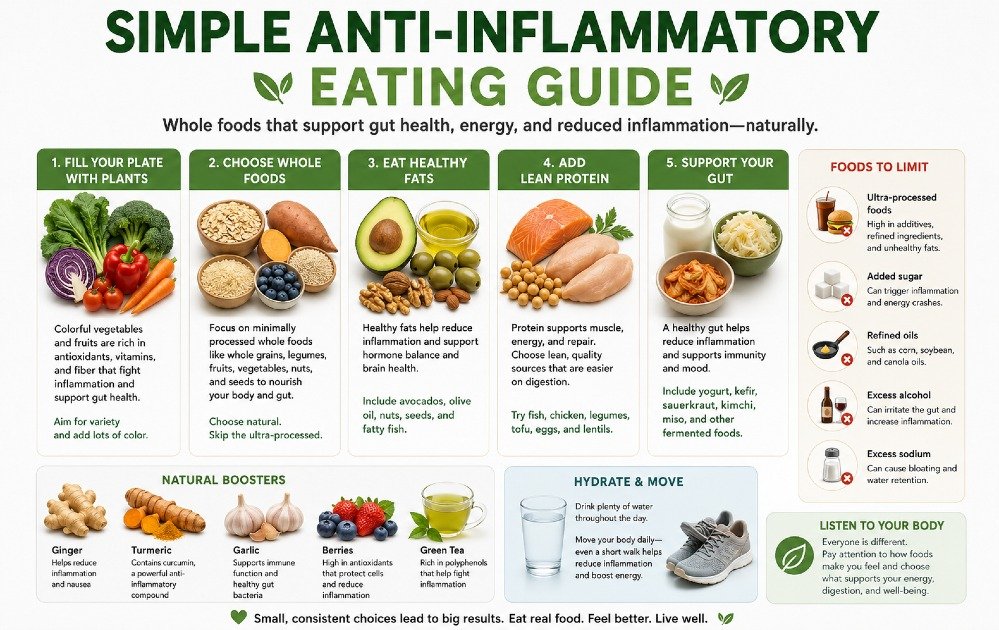
You don’t need perfection—just consistency.
Breakfast ideas:
- Greek yogurt + berries + chia seeds
- Eggs + avocado + green tea
Lunch ideas:
- Grilled salmon + leafy greens + quinoa
- Lentil soup with olive oil drizzle
Dinner ideas:
- Turmeric chicken + roasted vegetables
- Stir-fried vegetables with garlic and ginger
Balanced meals help reduce inflammation throughout the day.
Common Mistakes That Keep Inflammation High

- Processed healthy foods: Many contain hidden sugars and additives.
- Avoiding all fats: Your body needs healthy fats to regulate inflammation.
- Ignoring gut health: Poor digestion often drives inflammation.
- Skipping meals: Your body thrives when it receives consistent nourishment throughout the day.
Natural Ways to Reduce Inflammation
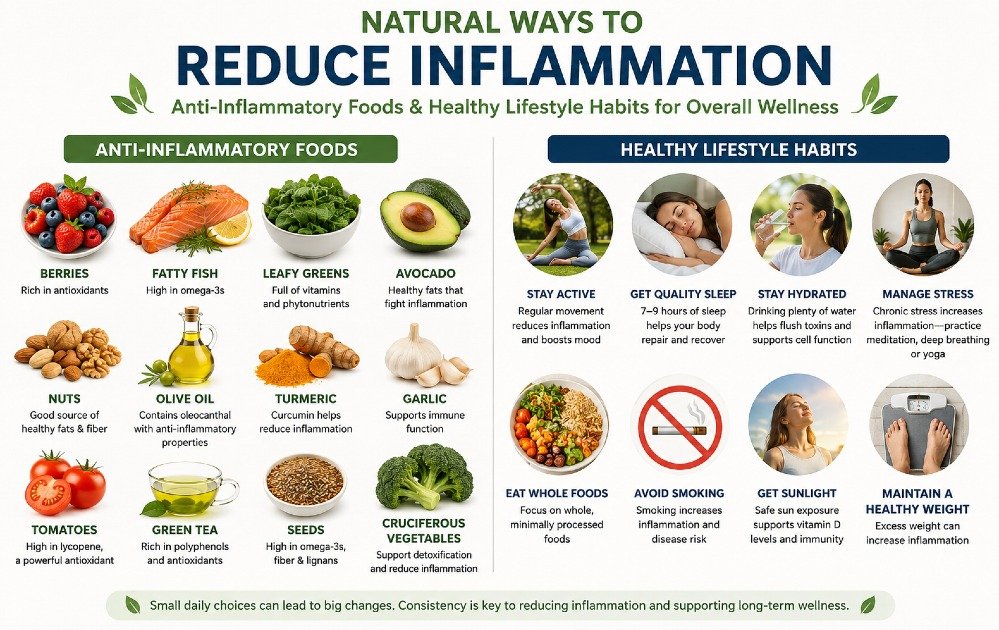
Poor sleep, chronic stress, inactivity, dehydration, and processed foods can fuel inflammation, impacting your energy, comfort, and long-term health.
The most effective approach is to support your body through consistent lifestyle habits that help regulate inflammation naturally.
Simple ways to reduce inflammation include:
- Prioritize 7–9 hours of quality sleep each night
- Engage in regular physical activity to support overall health and mobility.
- Manage stress through meditation, deep breathing, or mindfulness practices
- Drink enough water throughout the day
- Limit highly processed foods and added sugars
- Maintain a healthy weight
- Spend time outdoors and get regular exposure to natural sunlight
Core advantages:
- More consistent energy
- Improved mobility and flexibility
- Better recovery after activity
- Stronger immune function
- Improved digestive health
- Better overall well-being
Healthy Foods for Joint Pain and Inflammation
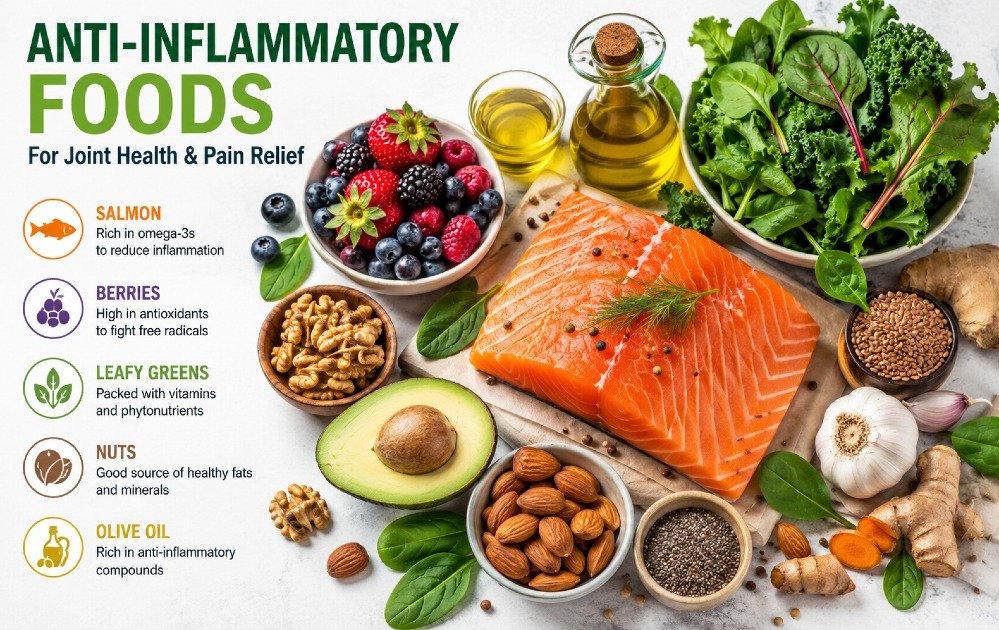
Joint discomfort can limit movement and quality of life, but choosing anti-inflammatory, nutrient-rich foods may help support healthier, more comfortable joints.
Build meals with nutrient-rich, anti-inflammatory foods that support healthy joint function.
Fatty fish:
- Salmon
- Sardines
- Mackerel
These fish are rich in omega-3 fatty acids, which help support a healthy inflammatory response and joint mobility.
Leafy Green Vegetables:
- Spinach
- Kale
- Swiss chard
Packed with antioxidants and nutrients that help protect cells from inflammatory damage.
Berries:
- Blueberries
- Strawberries
- Blackberries
Contain powerful plant compounds that help combat oxidative stress.
Nuts and Seeds:
- Walnuts
- Almonds
- Chia seeds
- Flaxseeds
Provide healthy fats and nutrients that support joint and heart health.
Extra Virgin Olive Oil:
A staple of many healthy eating patterns, olive oil contains compounds associated with reduced inflammation.
Turmeric and Ginger:
These natural spices have been widely studied for their ability to support joint comfort and overall wellness.
Core advantages:
- Greater joint flexibility
- Improved mobility
- Reduced stiffness
- Better physical recovery
- Long-term joint health
Foods That Fight Chronic Inflammation
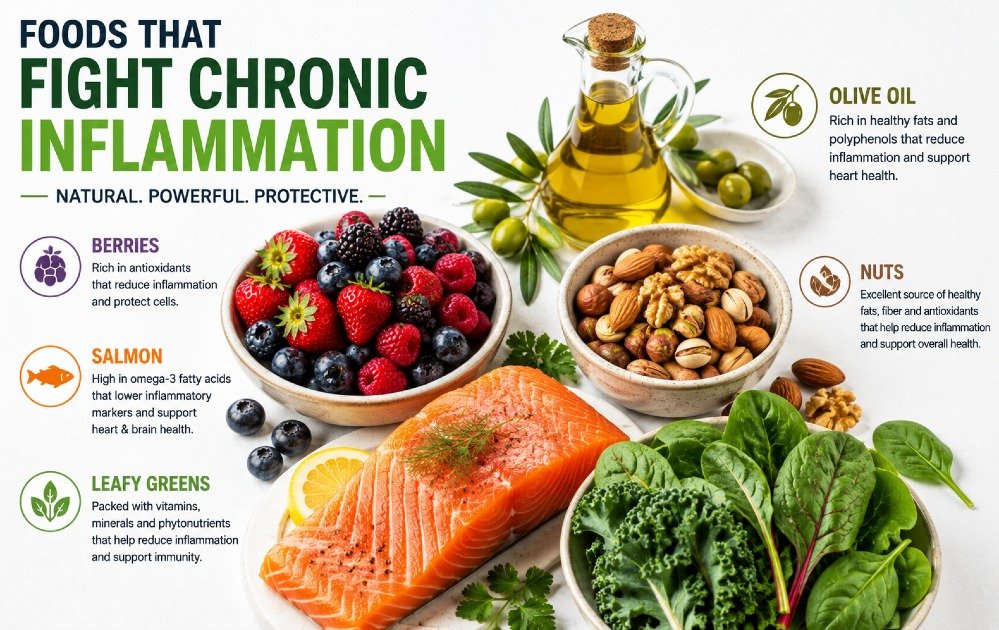
Chronic inflammation—often fueled by sugary, refined, and ultra-processed foods—is linked to heart, metabolic, and digestive issues, making anti-inflammatory foods a smart choice for better health and energy.
Prioritize whole foods that supply antioxidants, fiber, healthy fats, and plant compounds known to support a balanced inflammatory response.
Top foods that fight chronic inflammation
- Berries: Rich in antioxidants that help protect cells from oxidative damage.
- Fatty Fish: One of the best sources of omega-3 fatty acids, which help regulate inflammation throughout the body.
- Avocados: Provide heart-healthy fats, fiber, and nutrients that support overall wellness.
- Green Tea: Contains catechins, natural antioxidants that help combat cellular stress.
- Tomatoes: A valuable source of lycopene, a plant compound associated with reduced inflammation.
- Beans and Lentils: High in fiber and plant protein, helping support digestive and metabolic health.
- Garlic: Contains beneficial compounds that support immune function and healthy inflammatory balance.
- Fermented Foods: Help nourish beneficial gut bacteria, which play an important role in regulating inflammation e.g. yogurt, kefir, and kimchi.
Core advantages:
- Support cardiovascular health
- Improve digestive function
- Promote healthy aging
- Increase daily energy
- Strengthen immune health
- Reduce the overall burden of chronic inflammation
Frequently Asked Questions
What are the best anti-inflammatory foods to eat regularly?
Fatty fish, leafy greens, berries, nuts, olive oil, avocados, and fermented foods are among the most effective choices.
They provide nutrients that help support a healthy inflammatory response and overall wellness.
How soon can dietary changes help reduce inflammation-related symptoms?
Many people notice improvements in energy, digestion, or joint comfort within a few weeks.
Long-term benefits depend on consistency and overall lifestyle habits.
Can anti-inflammatory foods help reduce joint pain?
They can help support joint health by providing omega-3 fats, antioxidants, and other compounds that help manage inflammation.
Which foods can increase inflammation?
Foods most commonly linked to inflammation include sugary drinks, highly processed snacks, refined carbohydrates, trans fats, and excessive alcohol.
Is an anti-inflammatory diet difficult to maintain?
No. Most anti-inflammatory foods are everyday staples that fit easily into balanced meals.
Recap: The Simple Power of Eating to Reduce Inflammation
Reducing inflammation starts with everyday food choices. Healthy choices made over time have the greatest impact.
A diet rich in fatty fish, vegetables, berries, nuts, olive oil, and fermented foods provides nutrients that support recovery, energy, joint health, and overall wellness.
Build a foundation by adding more anti-inflammatory foods to your meals, reduce heavily processed foods, and focus on habits you can maintain.
Ready to Take Control of Inflammation and Feel Your Best
Still dealing with low energy, stiffness, or ongoing aches that make daily life harder than it should be? You don’t need another restrictive diet or complicated wellness plan.
This supplement is designed to promote comfort, flexibility, and easier movement so that you can stay active and enjoy more of what you love every day.