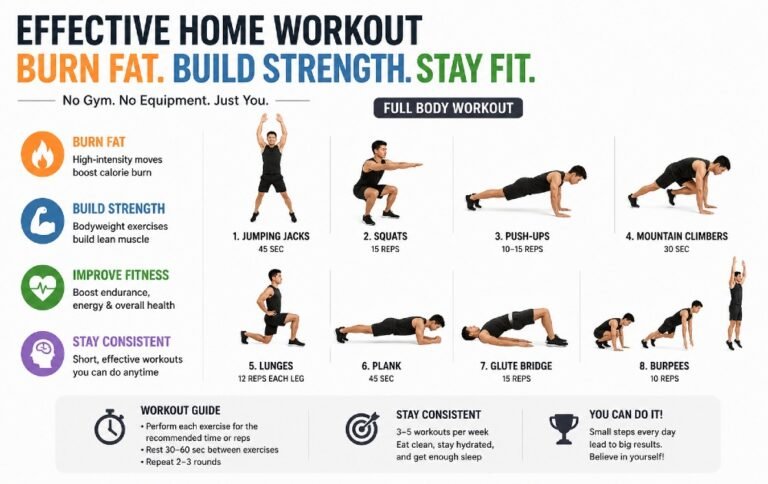

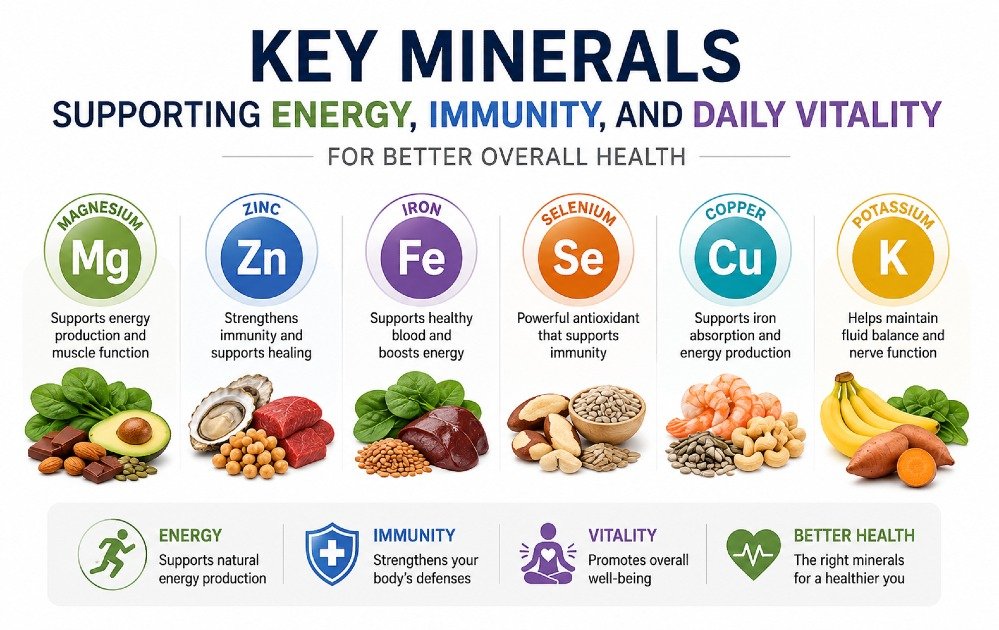
Still feeling tired, weakened resilience, or sluggish despite your efforts to live healthier?
Minerals fuel energy, immunity, bone strength, muscle function, and overall wellness—explore how they fit into our complete Nutrition Guide.
This guide reveals how essential minerals fuel daily vitality to help your body perform at its best.
What Are Minerals?
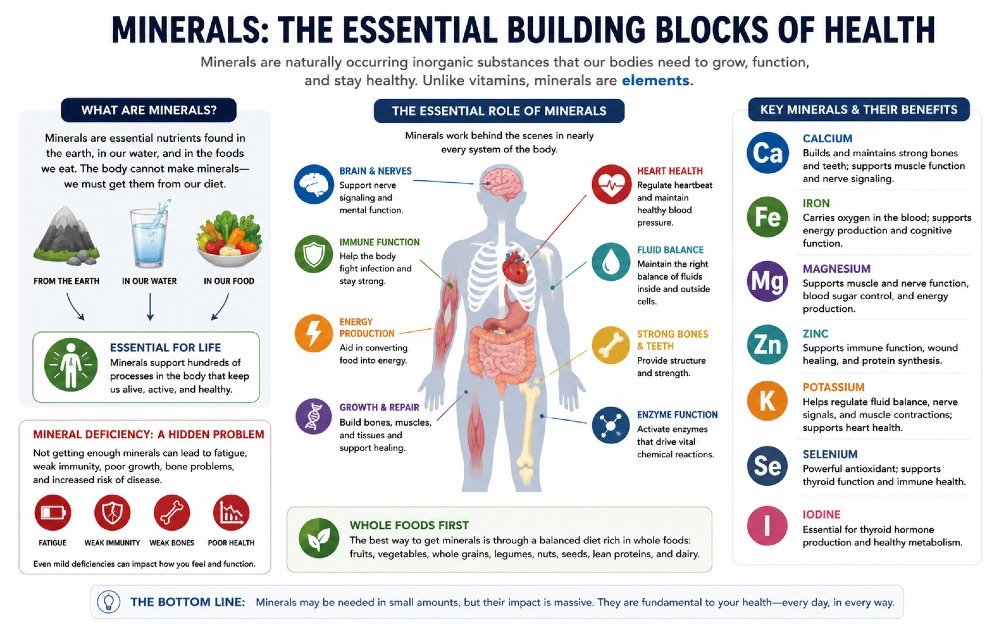
Minerals are essential nutrients from soil and water that support growth, repair, and everyday body functions through the foods you eat.
NIH highlights that minerals are essential for bone health, heart function, energy production, and immune support.
Why it matters:
Your body relies on essential nutrients to support strong bones and teeth, healthy muscles and nerves, oxygen transport, hormone production, fluid balance, energy metabolism, and immune function.
What works for me:
Minerals help my body build strong bones, healthy muscles and nerves, fluid balance, energy production, and essential body functions.
How to start:
- Eat more whole foods.
- Include vegetables at every meal.
- Choose nuts and seeds for snacks.
- Add legumes several times weekly.
- Limit heavily processed foods.
Understanding Major Minerals vs. Trace Minerals
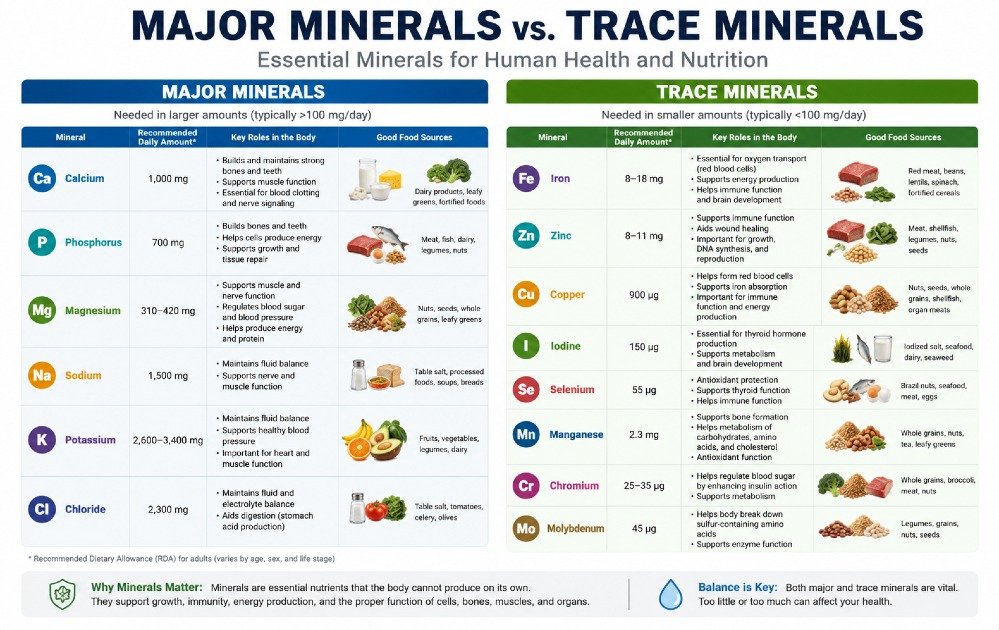
Major and trace minerals, though needed in different amounts, work together to support energy, immunity, muscles, and overall health, making a varied whole-food diet the best way to get enough.
Major minerals: Nutrients your body requires in greater amounts to function properly.
- Calcium
- Magnesium
- Potassium
- Sodium
- Phosphorus
- Chloride
- Sulfur
Trace minerals: You need these in smaller amounts, but they remain critical.
- Iron
- Zinc
- Copper
- Selenium
- Iodine
- Manganese
- Chromium
- Molybdenum
Why it matters:
Major and trace minerals support vital body functions. Even one deficiency in minerals can undermine overall health.
What works for me:
I balance both major and trace minerals for stronger bones, healthy muscles, nerve function, energy, and overall wellness.
How to start:
- Eat a variety of foods.
- Rotate fruits and vegetables weekly.
- Include seafood when possible.
- Consume nuts, seeds, and legumes regularly.
- Avoid restrictive diets unless medically necessary.
7 Ways Minerals Support Body Functions, Energy, and Performance
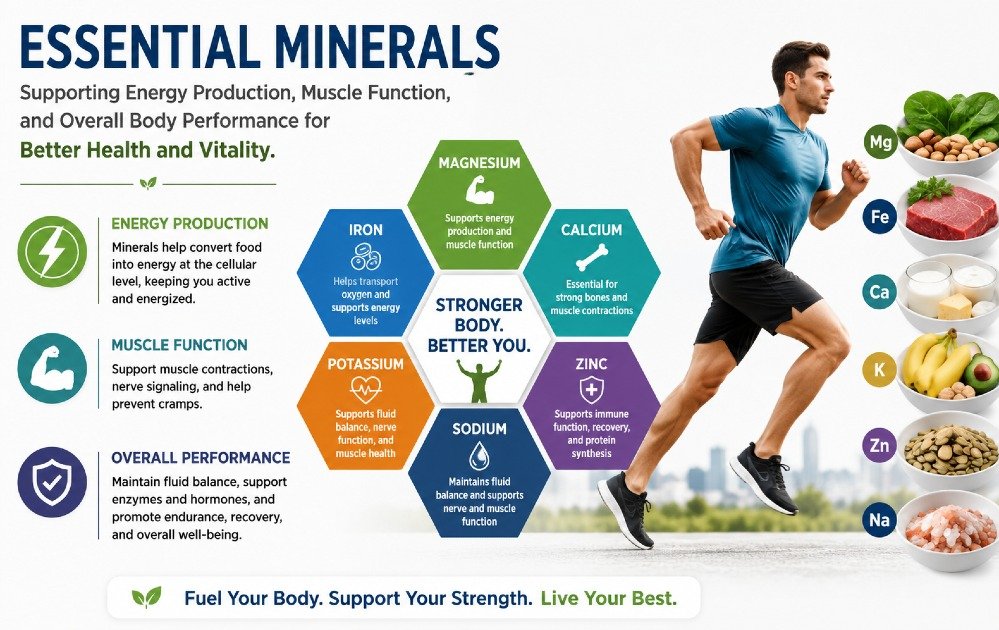
Still feeling drained, low on stamina, or not performing at your best?
Minerals support energy, muscles, nerves, hydration, bones, and heart health through nutrient-rich foods like greens, nuts, seeds, legumes, seafood, and whole grains.
Discover seven key mineral benefits that help your body perform at its best, maintain essential processes, and support lasting overall wellness.
1. Calcium: The Foundation of Strong Bones
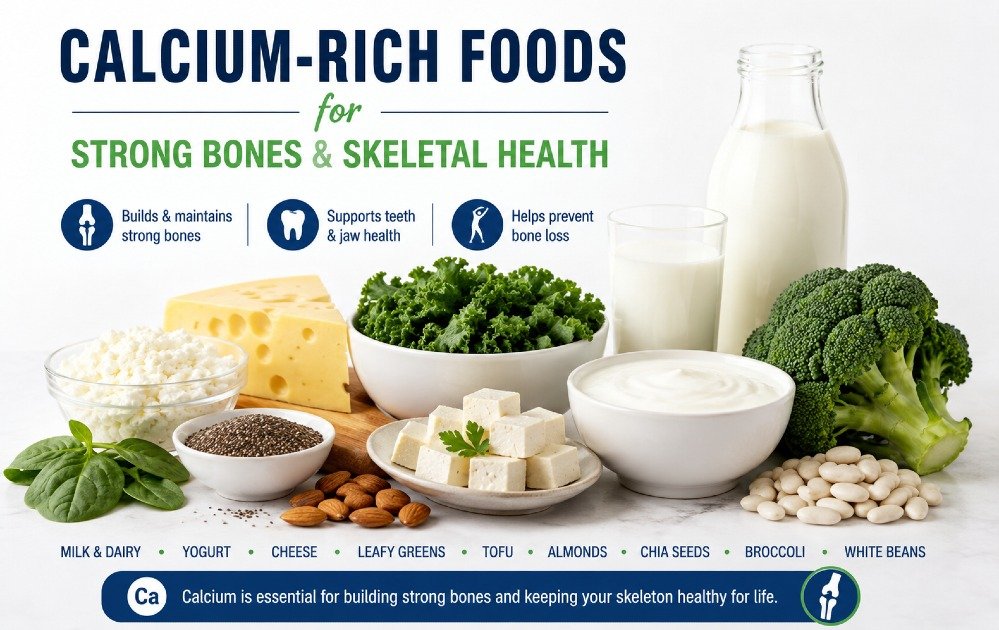
Calcium helps maintain strong bones and teeth while supporting muscle function, nerve signals, and heart rhythm, with regular intake from dairy, leafy greens, or fortified foods helping protect bone density and limit age-related bone loss.
Why it matters:
Calcium is essential for bone health, with about 99% stored in your bones and teeth.
What works for me:
I rely on calcium to build and maintain strong bones, support healthy muscles, and keep my body functioning at its best.
How to start:
- Eat yogurt or kefir.
- Add kale or collard greens.
- Try calcium-fortified plant milk.
- Include sardines or salmon with bones.
- Check nutrition labels.
2. Magnesium: The Multi-Tasking Mineral
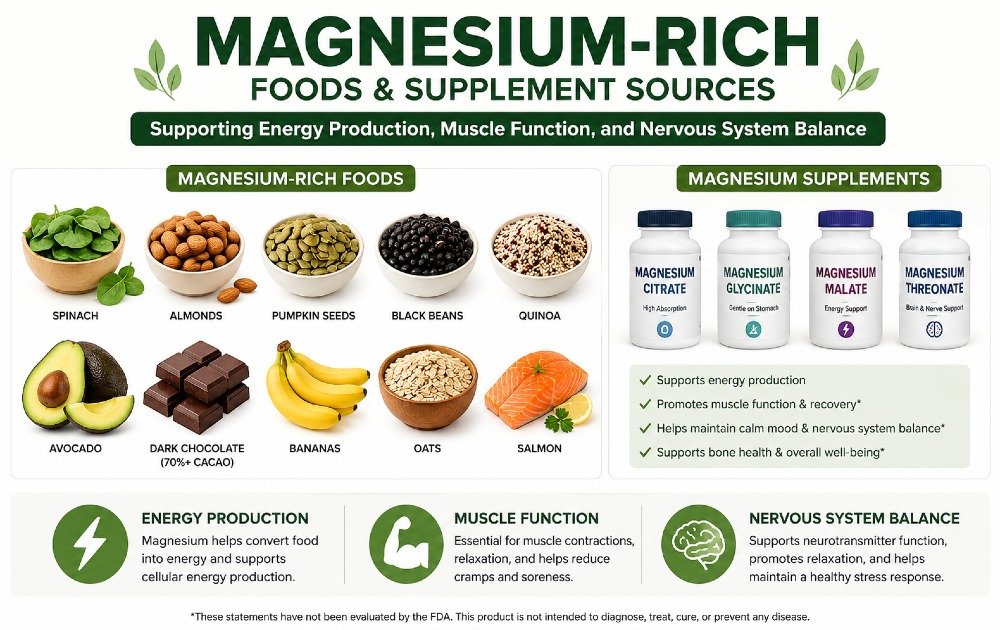
Magnesium in nuts, seeds, legumes, and leafy greens prevents low level intake by supporting energy production, muscle and nerve function, recovery, and cardiovascular health.
Why it matters:
Magnesium supports over 300 biochemical reactions, helping maintain muscle function, sleep quality, energy production, blood sugar balance, and heart health.
What works for me:
I rely on magnesium for muscle function, steady energy, healthy nerve signaling, and overall well-being.
How to start:
- Eat pumpkin seeds.
- Add spinach to meals.
- Choose almonds for snacks.
- Include black beans.
- Enjoy dark chocolate in moderation.
3. Potassium: Essential for Heart and Muscle Function
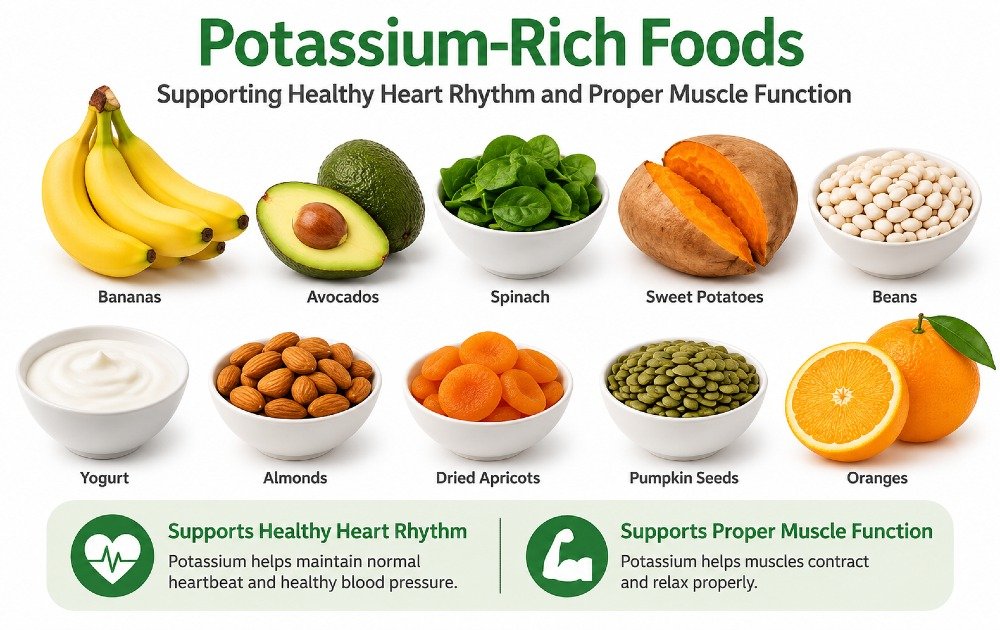
Potassium supports fluid balance, muscle and nerve function, healthy blood pressure, heart health, and physical performance, with bananas, avocados, potatoes, beans, and leafy greens providing reliable sources.
Why it matters:
Potassium helps regulate blood pressure, muscle contractions, nerve signals, and fluid balance.
What works for me:
I prioritize potassium-rich foods like bananas, potatoes, beans, avocados, and leafy greens to support my heart, muscles, nerves, fluid balance, and overall performance.
How to start:
- Eat sweet potatoes.
- Add avocados to meals.
- Include spinach frequently.
- Choose beans regularly.
- Eat bananas as convenient snacks.
4. Iron: Supporting Energy and Oxygen Transport
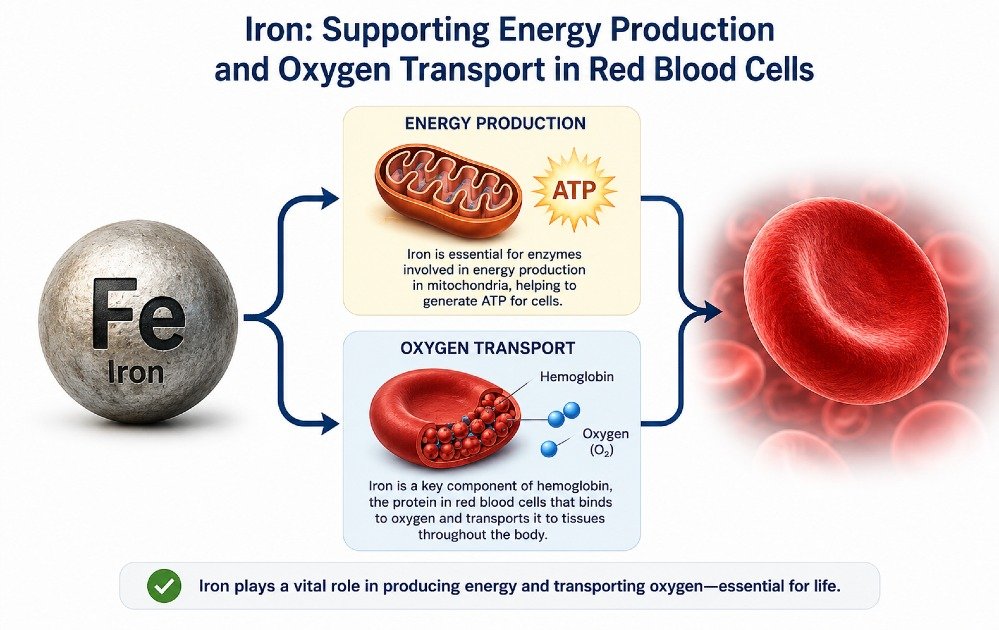
Iron supports hemoglobin, oxygen delivery, energy, endurance, and focus, with sources like lean meats, beans, lentils, spinach, and fortified grains, while vitamin C improves plant-based iron absorption.
Why it matters:
Iron helps carry oxygen through the body, while low levels may cause fatigue, weakness, shortness of breath, dizziness, and poor concentration.
What works for me:
I prioritize iron to support oxygen flow, energy, strength, and focus throughout my day.
How to start:
- Eat lean red meat occasionally.
- Include lentils and beans.
- Add spinach to meals.
- Pair iron foods with citrus fruits.
- Avoid excessive tea around meals.
5. Zinc: A Key Immune System Mineral
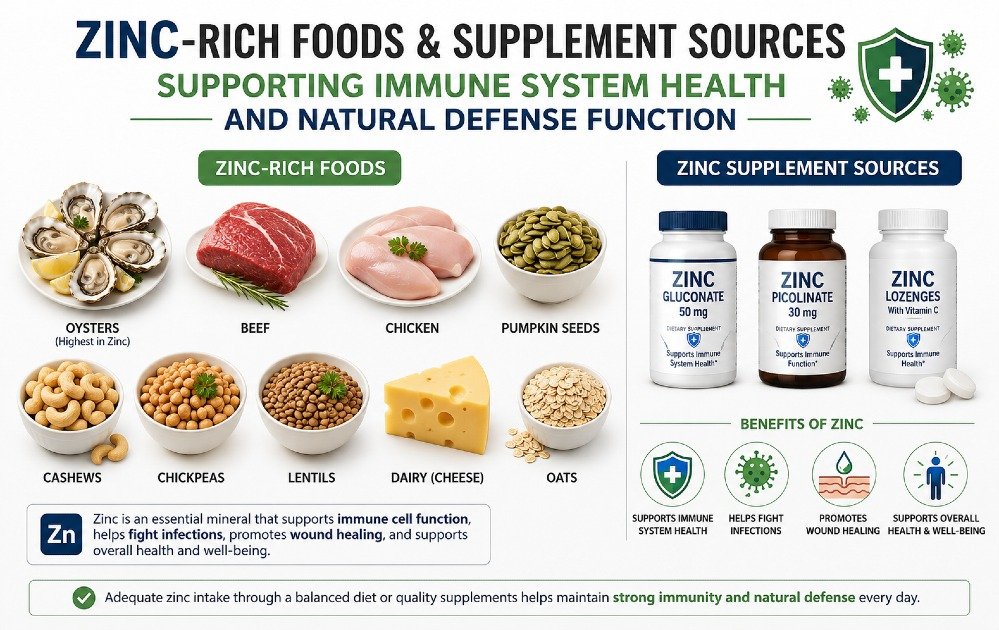
Zinc strengthens immune defense, supports wound healing and cell repair, and helps the body fight infections and recover efficiently.
Why it matters:
Zinc supports immunity, wound healing, cell growth, and protein synthesis.
What works for me:
I rely on zinc from meat, seafood, beans, nuts, and seeds to strengthen immunity, support wound healing, and help produce proteins and DNA.
How to start:
- Eat oysters when available.
- Include beef or poultry.
- Add pumpkin seeds.
- Consume legumes.
- Eat nuts regularly.
6. Selenium: Small Amounts, Big Benefits
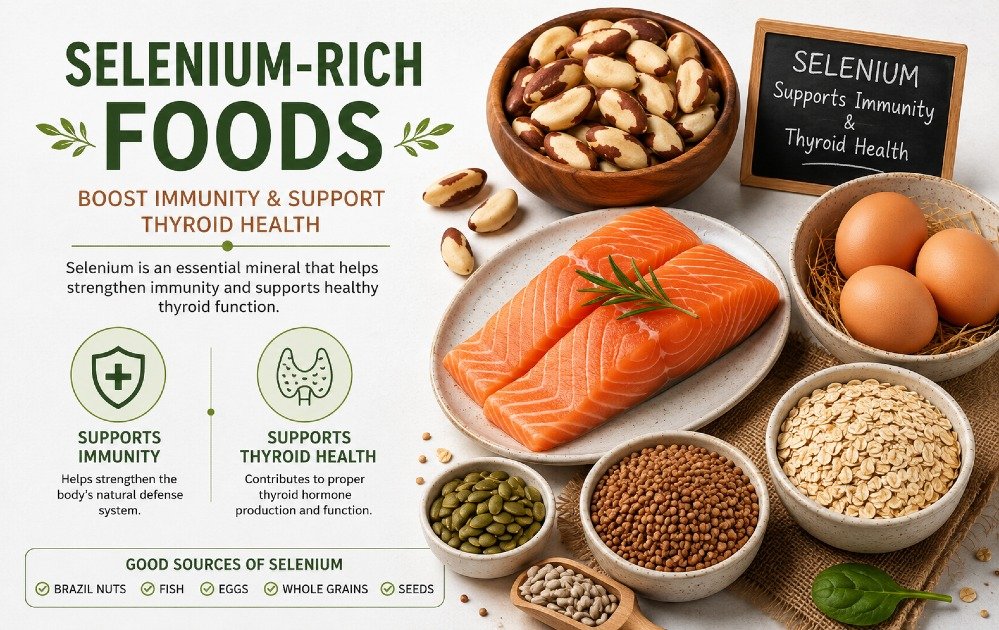
Selenium protects cells from oxidative damage while supporting thyroid, immune, and long-term health, with Brazil nuts, seafood, eggs, and whole grains providing key sources.
Why it matters:
Selenium helps protect cells from oxidative damage as a powerful antioxidant.
What works for me:
I value selenium for its role in protecting cells, supporting thyroid and immune health, and promoting overall wellness through foods like Brazil nuts, seafood, eggs, poultry, and whole grains.
How to start:
- Eat Brazil nuts occasionally.
- Include seafood.
- Choose eggs.
- Eat whole grains.
- Maintain dietary variety.
7. Iodine: Supporting Thyroid Health
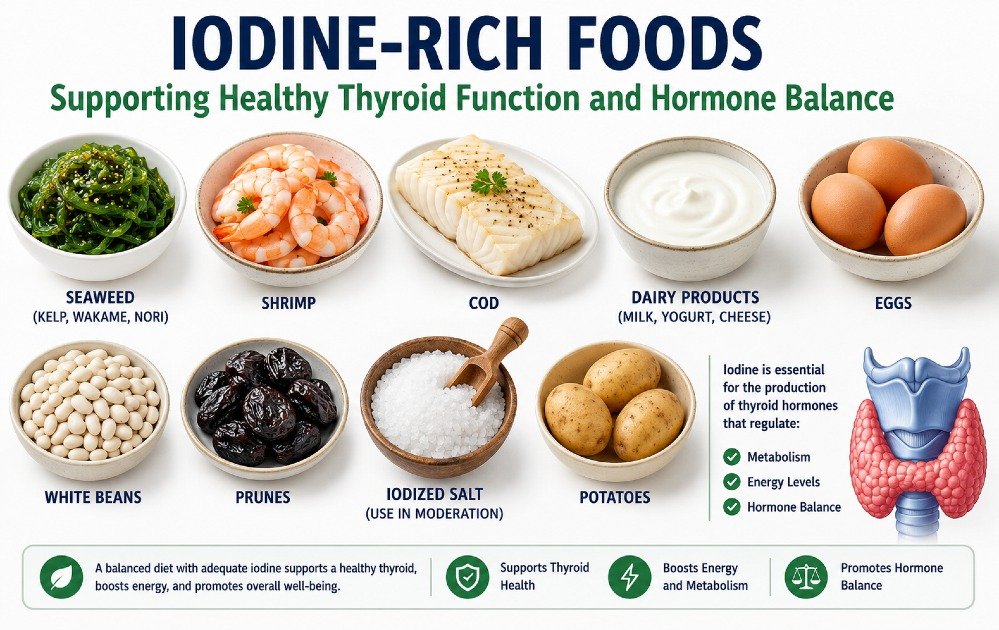
Iodine supports thyroid hormones, metabolism, energy, growth, and body regulation, with seafood, dairy, eggs, and iodized salt helping maintain adequate intake.
Why it matters:
Iodine helps produce thyroid hormones that regulate metabolism.
What works for me:
I include iodine-rich foods because iodine supports thyroid hormones that regulate metabolism, energy, and overall body function.
How to start:
- Use iodized salt moderately.
- Eat seafood.
- Include dairy products.
- Consume eggs.
How Mineral Deficiency Can Affect Your Health
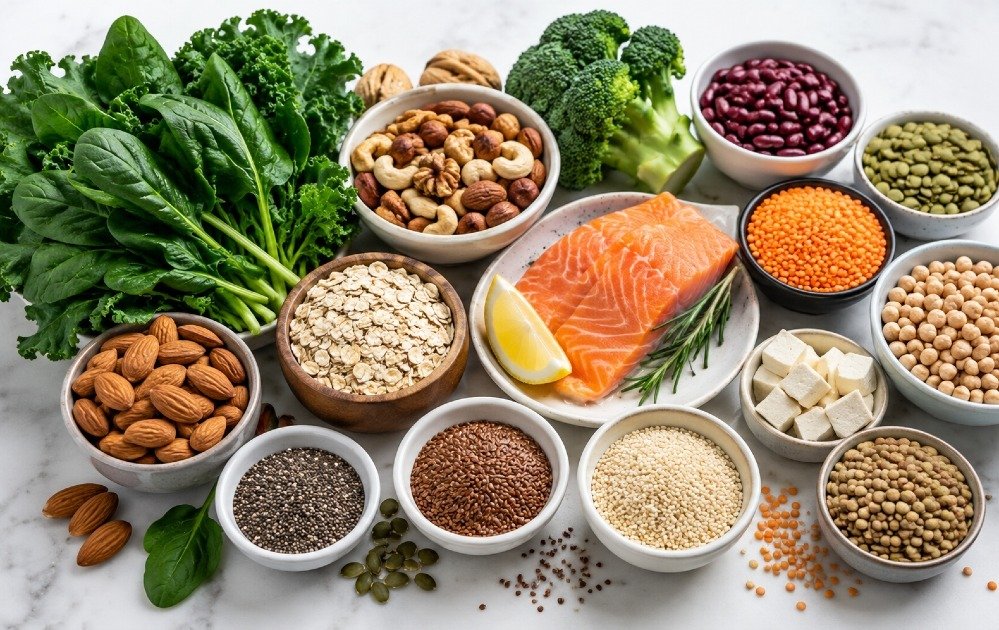
Mineral deficiencies can cause fatigue, weakness, cramps, poor concentration, and other health issues, making a nutrient-rich diet and professional guidance essential for maintaining energy, muscles, nerves, bones, and immunity.
Effective strategies:
- Eat mineral-rich foods: Include leafy greens, nuts, seeds, beans, whole grains, dairy, seafood, and lean meats.
- Prioritize variety: Different foods provide different minerals, so avoid relying on one food group.
- Support absorption: Pair nutrient-rich foods strategically and maintain a balanced diet.
- Address increased needs: Pregnancy, certain health conditions, restrictive diets, and some medications may increase deficiency risk.
- Test when appropriate: If symptoms continue and a nutrient deficiency is suspected, consult a healthcare professional about whether testing is necessary.
- Use supplements carefully: Supplement only when appropriate, especially with minerals that can become harmful in excessive amounts.
Signs You’re Experiencing Mineral Deficiency
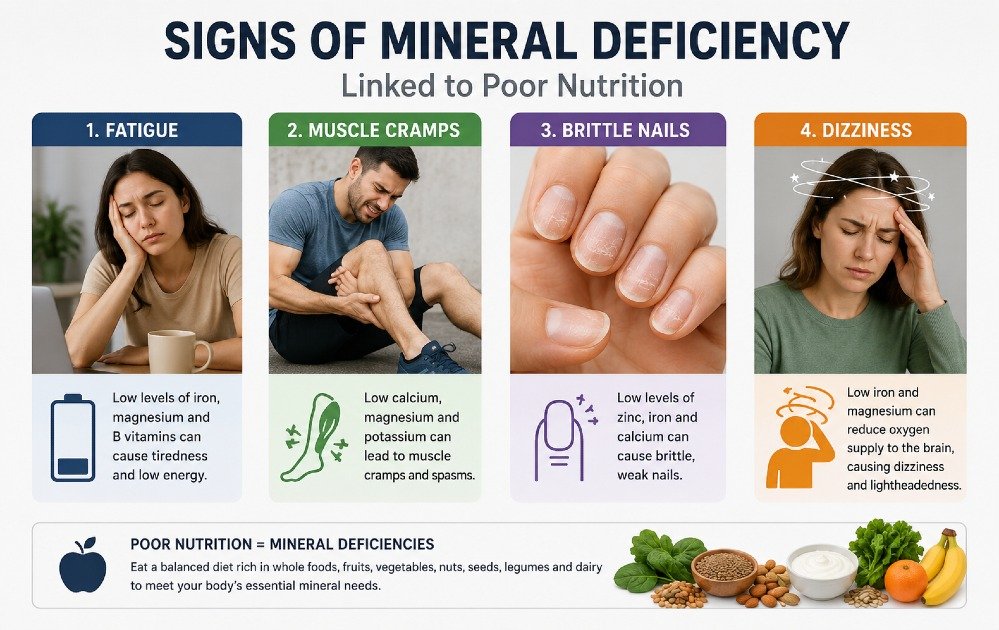
Mineral deficiencies can quietly impair energy, performance, immunity, and overall health, so prioritize mineral-rich foods and address nutrient gaps early.
Common signs include:
- Fatigue
- Muscle cramps
- Weakness
- Brain fog
- Frequent illness
- Brittle nails
- Hair thinning
- Poor concentration
Simple strategies include:
- Eat a variety of whole foods
- Include vegetables with every meal
- Snack on nuts and seeds
- Stay hydrated
- Consult a healthcare professional if symptoms persist
Should You Take Mineral Supplements?

Whole foods should be your main mineral source. Highly processed foods, limited diets, certain medications, and underlying health conditions can contribute to nutrient deficiencies.
Mineral supplements may be beneficial if you:
- Have a diagnosed deficiency
- Follow a restrictive diet
- Have absorption issues
- Have increased nutritional needs
Focus first on mineral-rich foods such as:
- Leafy greens
- Nuts and seeds
- Legumes
- Whole grains
- Seafood
- Dairy products
Best Mineral-Rich Foods to Add to Your Diet
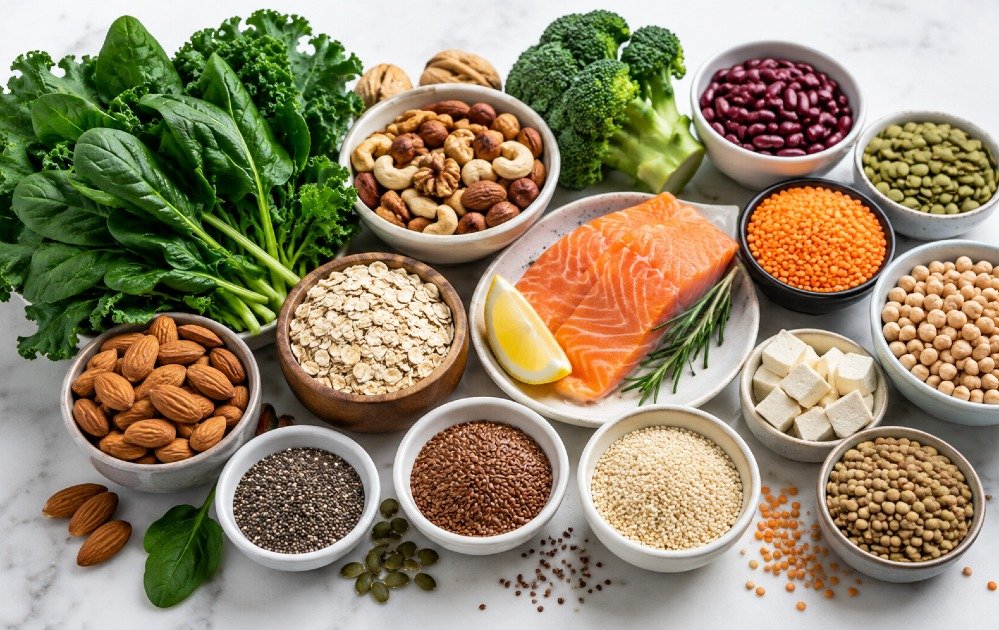
Eating a range of vegetables, fruits, legumes, nuts, seeds, seafood, and dairy provides key minerals that support energy production, muscle function, bone strength, and overall well-being.
Mineral-rich foods:
- Leafy greens: Spinach, kale, and collard greens provide magnesium, calcium, potassium, and iron.
- Nuts and seeds: Almonds, pumpkin seeds, chia seeds, and sesame seeds are rich in magnesium, zinc, calcium, and iron.
- Beans and lentils: Deliver iron, magnesium, potassium, and a range of other vital minerals.
- Dairy products: Milk, yogurt, and cheese are reliable sources of calcium and phosphorus.
- Seafood: Sardines, salmon, oysters, and shellfish provide minerals such as calcium, zinc, iron, and selenium.
- Whole grains: Oats, quinoa, and brown rice contribute magnesium, iron, and phosphorus.
- Avocados and bananas: Provide potassium and magnesium to support normal muscle and nerve function.
- Eggs: Supply selenium, phosphorus, iron, and zinc.
- Potatoes and sweet potatoes: Provide potassium, magnesium, and other nutrients.
- Iodized salt: A practical source of iodine when used in moderation.
Essential Minerals for Overall Wellness
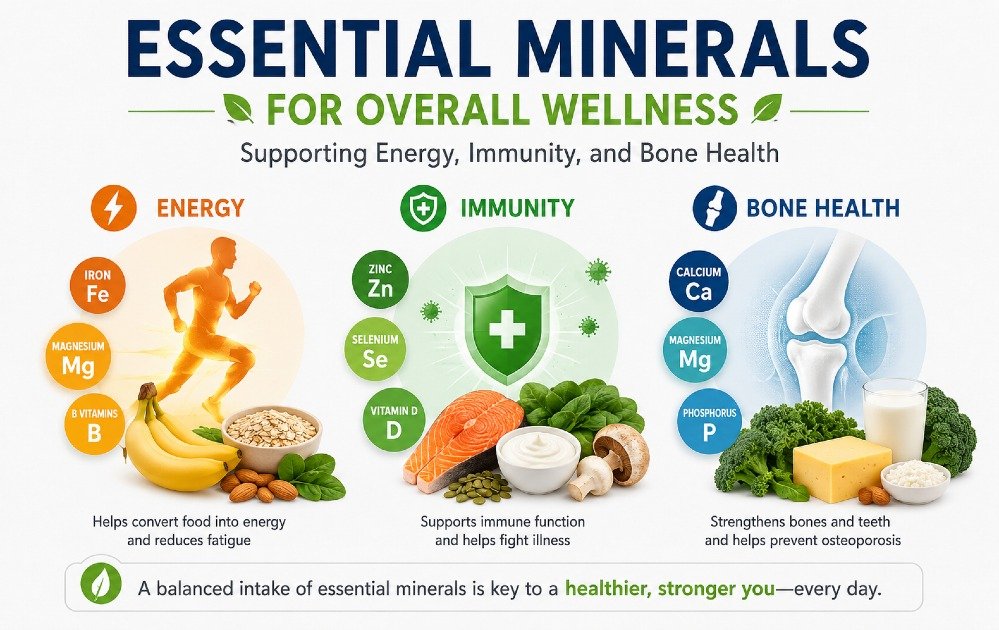
Prioritize mineral-rich foods to support energy, muscles, nerves, and immune health beyond calories, protein, and fats.
Key minerals include:
Calcium supports:
- Strong bones and teeth
- Muscle contractions
- Nerve communication
Magnesium supports:
- Energy production
- Muscle recovery
- Heart health
- Sleep quality
Potassium supports:
- Fluid balance
- Healthy blood pressure
- Muscle function
Iron supports:
- Oxygen transport
- Energy levels
- Physical performance
Zinc supports:
- Immune function
- Wound healing
- Cell repair
Essential Minerals for Healthy Aging
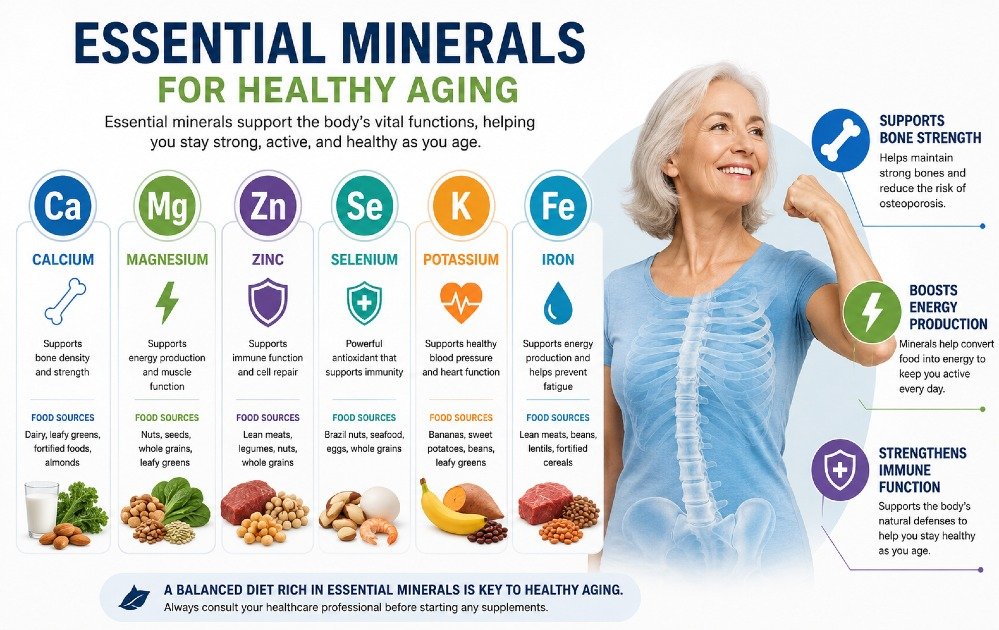
As you age, prioritize mineral-rich foods to help protect bone strength, muscle function, mobility, and overall health as appetite, digestion, and nutrient absorption change.
Key minerals include:
Calcium helps maintain:
- Bone strength
- Bone density
- Skeletal health
Magnesium supports:
- Muscle function
- Heart health
- Quality sleep
Potassium supports:
- Healthy blood pressure
- Cardiovascular health
- Muscle performance
Zinc supports:
- Immune function
- Tissue repair
- Healthy aging
Selenium prevents:
- cell damage.
Frequently Asked Questions
What are the most important minerals for good health?
Essential minerals like calcium, magnesium, potassium, iron, zinc, iodine, and selenium fuel stronger bones, energy, muscles, immunity, and heart health.
Can I get enough minerals from food alone?
A balanced diet rich in whole foods usually provides essential minerals, while supplements should only fill nutritional gaps—not replace healthy eating.
What are the signs of a mineral deficiency?
Common signs include fatigue, muscle cramps, weakness, poor concentration, brittle nails, hair thinning, and frequent illness. If symptoms persist, speak with a healthcare professional.
Which foods contain the most minerals?
Leafy greens, beans, lentils, nuts, seeds, seafood, dairy, and whole grains provide some of the best natural sources of essential minerals.
Do mineral needs increase with age?
As you age, minerals help maintain bone strength, support muscle performance and immune function, and promote lasting well-being.
Related Articles
Recap: Unlock Better Health by Mastering Your Mineral Intake
Minerals support energy, bones, muscles, nerves, immunity, and long-term wellness, making a varied whole-food diet key to meeting your daily needs.
From stronger bones and better energy to improved immunity and heart health, the benefits of adequate mineral intake are difficult to ignore.
Start your dietary journey today and unlock lasting health benefits to support your body’s essential mineral needs.
Ready to Close the Nutrient Gaps Holding You Back?
Still tired, unfocused, or not feeling your best despite eating healthier?
Discover how this mineral supplement can support your energy, immunity, and overall wellness with essential nutrients your body needs every day.