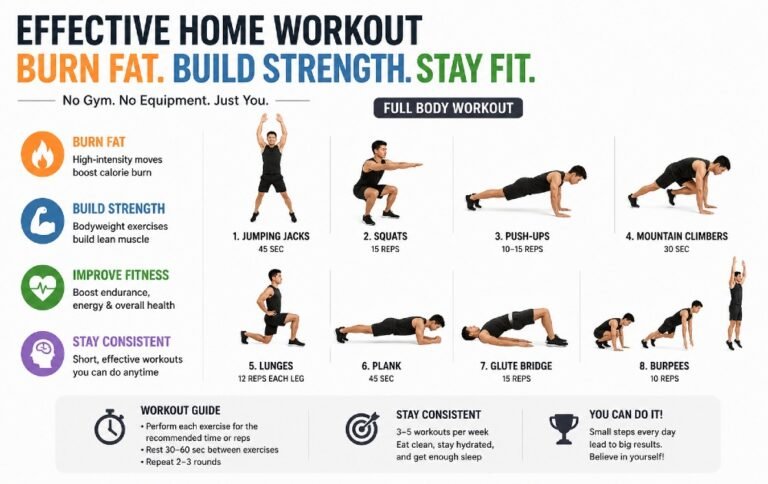

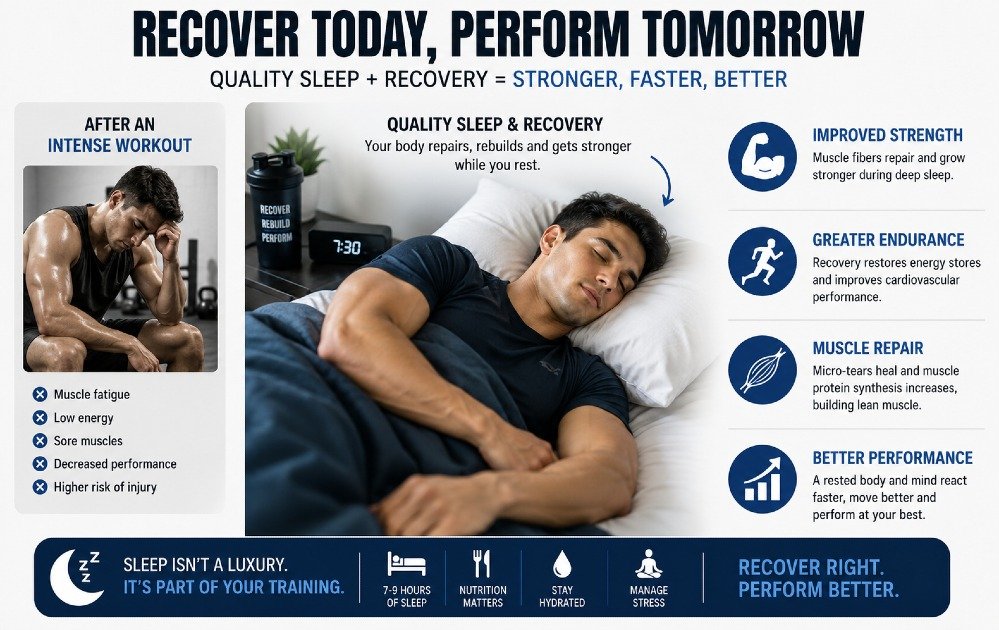
What if your next performance breakthrough comes from the recovery habits you’re ignoring, not another workout?
Sleep powers performance by supporting muscle repair, recovery, strength, and endurance—unlock smarter recovery habits with our Sleep and Recovery Guide.
This guide reveals how quality sleep and recovery rebuild your body, boost performance, and unlock peak athletic results.
Why Sleep Is the Hidden Driver of Physical Performance
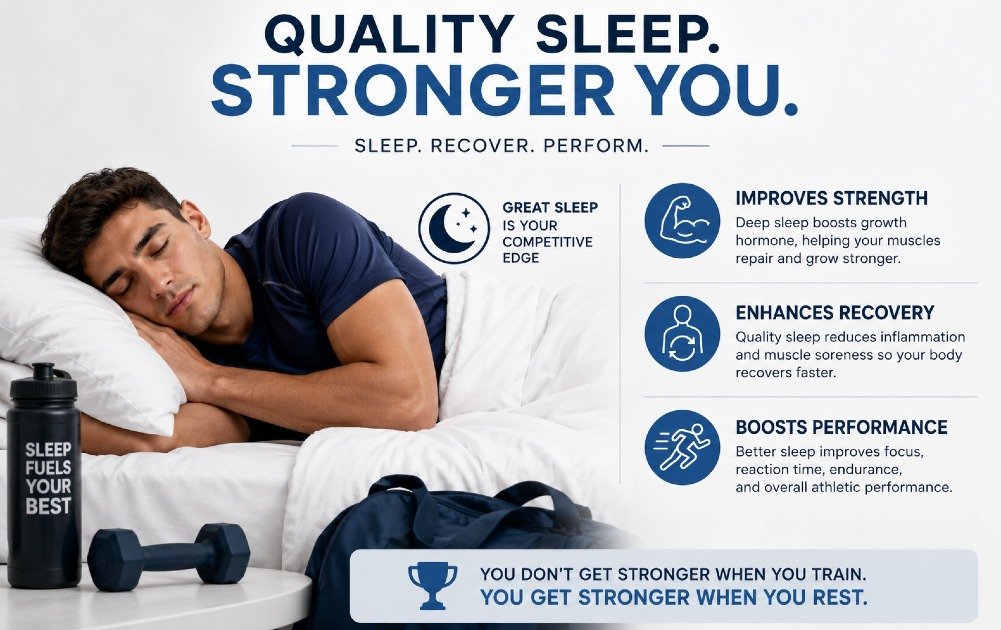
Sleep is the hidden foundation of peak physical performance, powering muscle recovery, strength, endurance, faster reactions, and injury prevention—making every workout more effective.
NIH research shows that prioritizing sleep helps athletes boost strength, recover faster, improve endurance, and reduce injury risk.
Why it matters:
Your gains aren’t built only in the gym—quality sleep is what repairs muscles, restores energy, and fuels the hormones that drive peak performance.
What works for me:
I discovered that sleep—not exercise alone—is the hidden key to faster recovery, greater strength, better endurance, and peak physical performance.
How to start:
- Aim for 7–9 hours of sleep nightly
- Keep a fixed sleep schedule (even on weekends)
- Avoid heavy meals 2–3 hours before bed
- Reduce late-night screen exposure
- Create a wind-down routine (reading, stretching, or breathing exercises)
6 Ways Your Body Optimize Physical Performance to Improve Muscle Recovery and Enhanced Athletic Strength
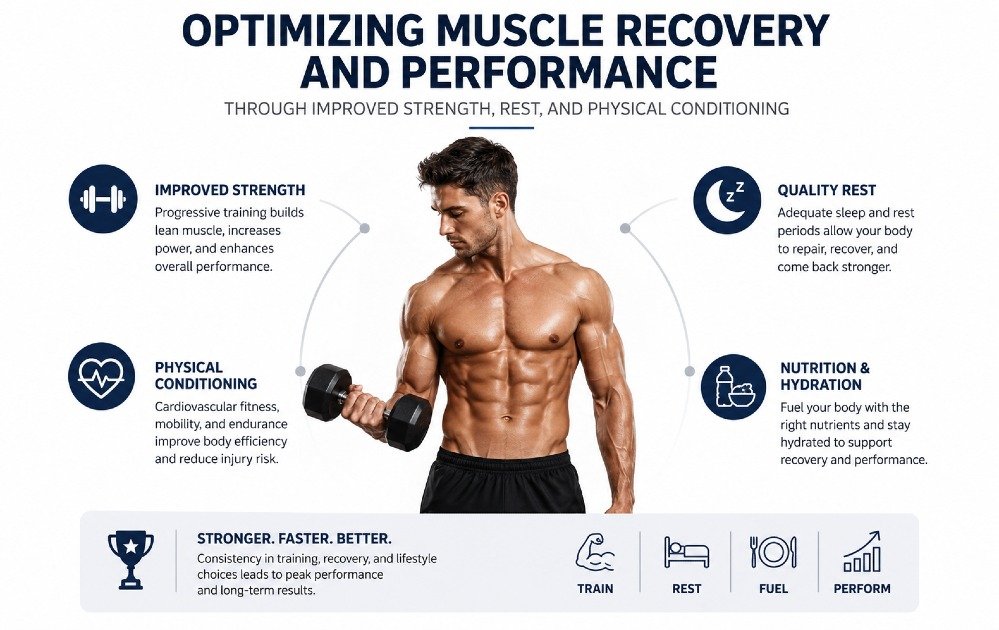
Still struggling to build strength and recover faster despite consistent workouts?
Recovery fuels muscle repair, restores energy, and builds strength through quality sleep, rest, and nutrition.
Discover six natural recovery strategies that enhance performance by helping your body adapt, rebuild, and grow stronger during rest.
1. Deep Sleep and Muscle Recovery
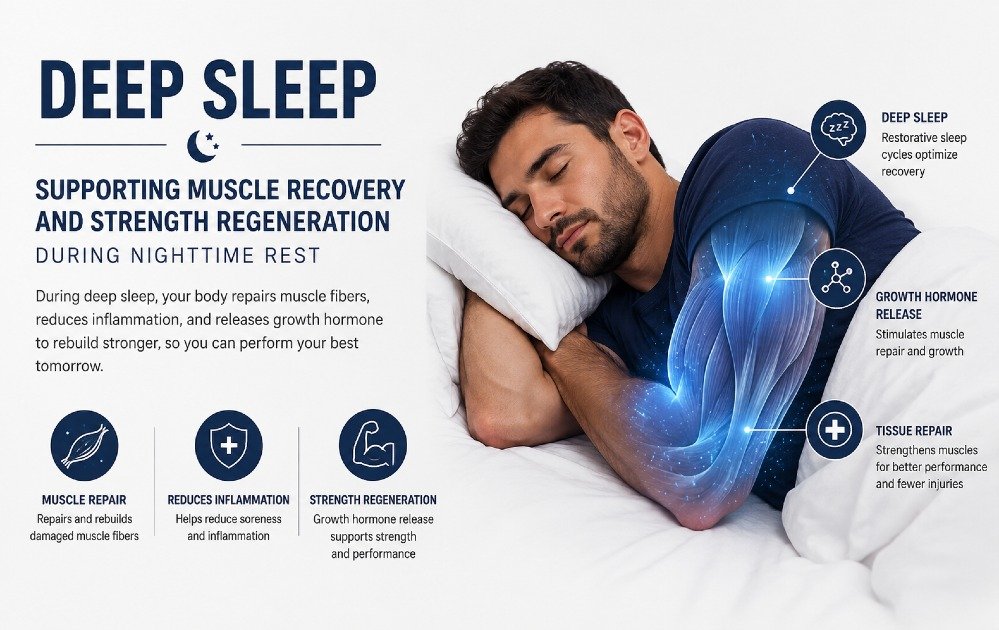
Deep sleep rebuilds muscle, boosts strength, speeds recovery, and restores power—making quality sleep the key to maximizing every workout.
Why it matters:
Deep sleep powers muscle repair and recovery—without it, strength gains stall and your body struggles to rebuild.
What works for me:
Deep sleep repairs my muscles, speeds recovery, and restores strength for peak performance.
How to start:
- Keep your bedroom cool (60–67°F ideal)
- Avoid alcohol before bed (it reduces deep sleep)
- Use blackout curtains to improve melatonin production
- Try magnesium-rich evening snacks (like bananas or almonds)
- Maintain a consistent bedtime routine
2. REM Sleep and Mental Performance in Physical Training
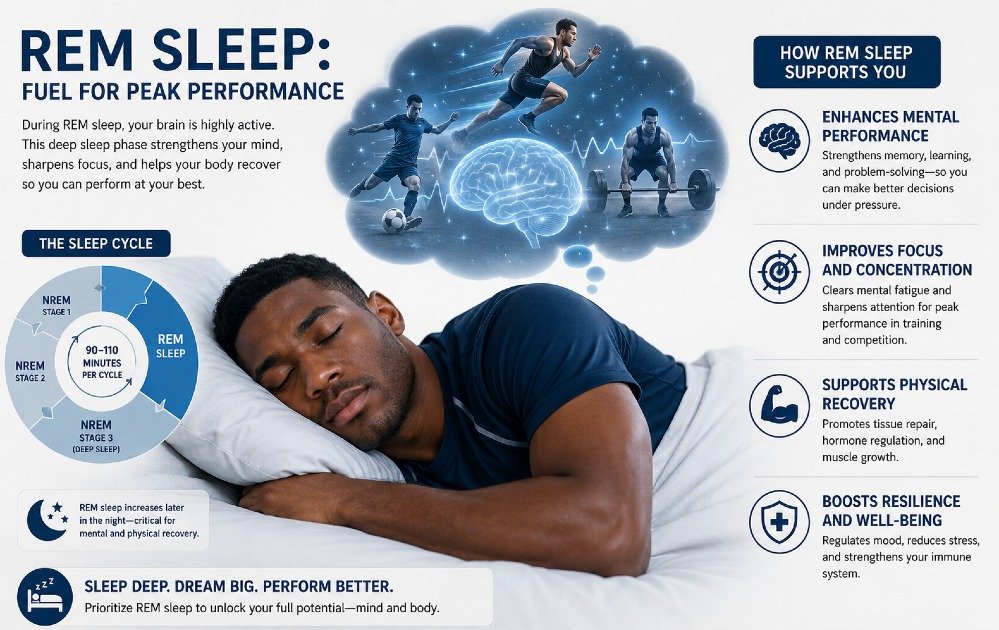
REM sleep sharpens the skills you train by improving coordination, reaction time, focus, and decision-making, helping your body execute movements faster and more precisely under pressure.
Why it matters:
REM sleep fuels peak physical performance by sharpening the brain’s coordination, timing, reaction speed, and focus.
What works for me:
I make quality REM sleep a priority to enhance concentration, support clearer thinking, and make smarter choices throughout my fitness journey.
How to start:
- Reduce caffeine after 2 PM
- Practice stress management before bed (journaling or meditation)
- Avoid overstimulation from social media at night
- Stick to consistent sleep duration (fragmented sleep reduces REM cycles)
3. Sleep and Hormonal Balance for Peak Physical Performance
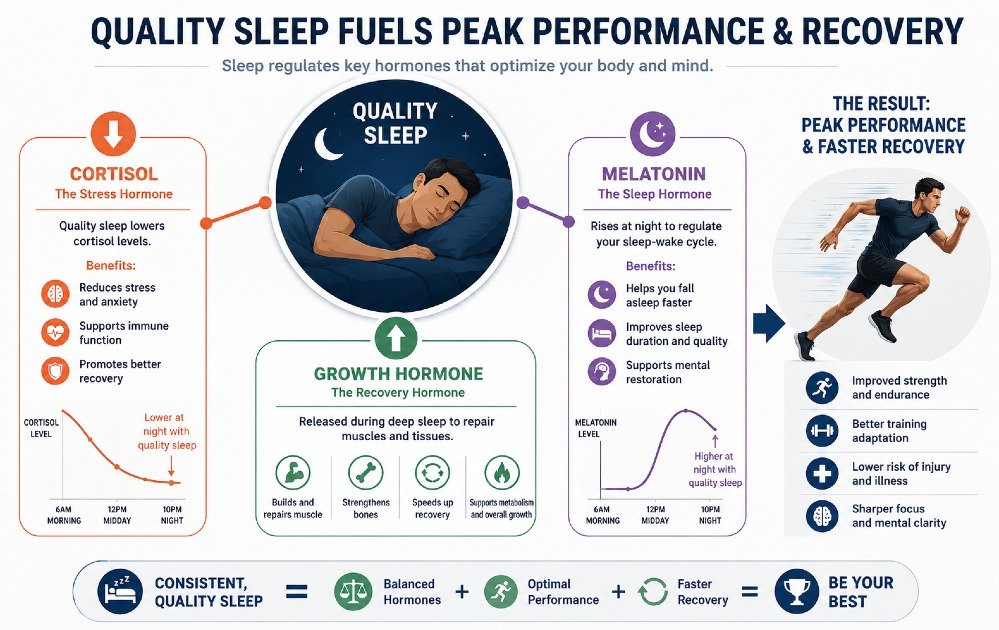
Quality sleep optimizes growth hormone, testosterone, and stress hormones to accelerate muscle recovery, boost strength, and enhance physical performance.
Why it matters:
Sleep regulates the hormones that drive strength, fat metabolism, and recovery.
What works for me:
I prioritize quality sleep to balance hormones, accelerate recovery, and maximize strength, energy, and physical performance.
How to start:
- Prioritize bedtime consistency over “catch-up sleep”
- Manage stress through breathing exercises
- Avoid intense late-night training sessions
- Eat balanced meals to stabilize blood sugar before sleep
4. Active Recovery vs Passive Recovery
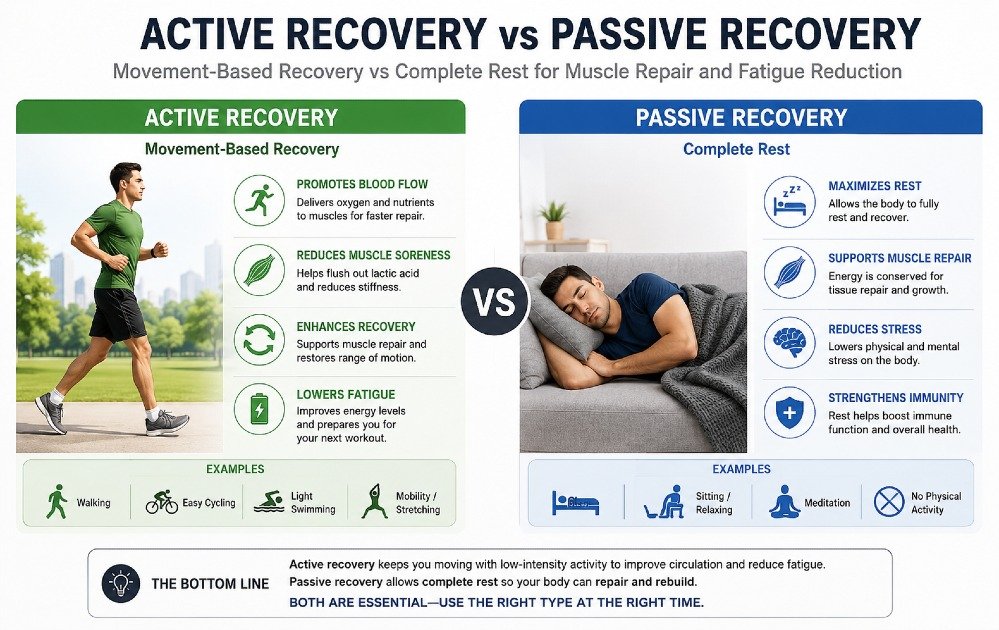
Active recovery boosts circulation through light movement, while passive recovery restores deep repair and energy—balancing both helps reduce injuries, speed recovery, and improve long-term performance.
Why it matters:
Recovery goes beyond sleep—it’s how you fuel, move, and care for your body between workouts.
What works for me:
I strategically combine active and passive recovery to heal faster, reduce soreness, restore energy, and sustain long-term performance.
How to start:
- Take 10–20 minute walks after workouts
- Do light stretching or yoga on rest days
- Stay hydrated throughout the day
- Use foam rolling for muscle tightness
- Prioritize early sleep after intense training days
5. Sleep Hygiene Habits That Directly Boost Physical Performance
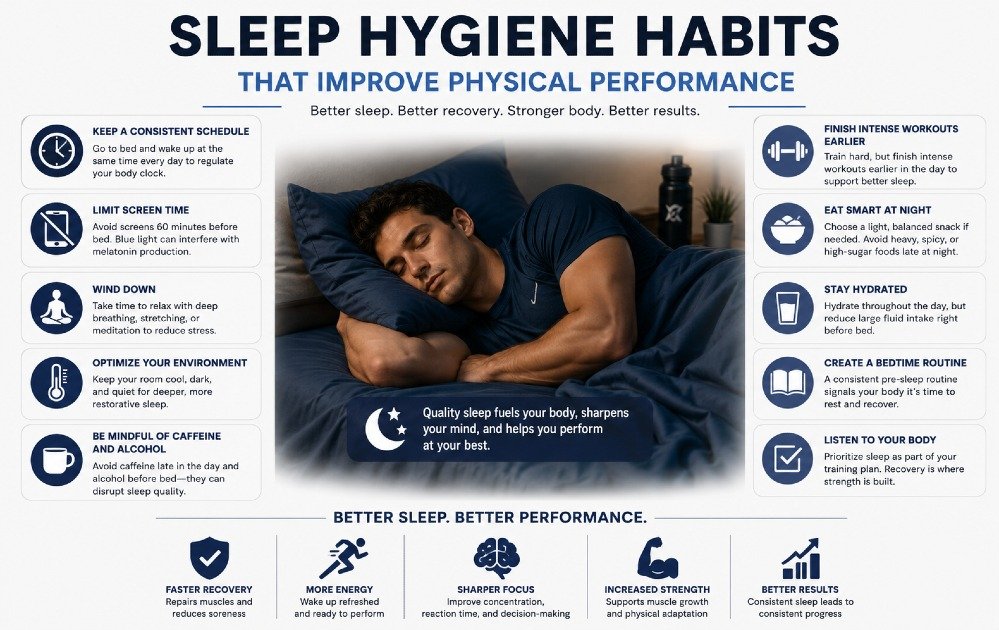
Consistent sleep hygiene optimizes muscle recovery, hormone balance, energy, focus, and training performance by improving sleep quality and restoring the body each night.
Why it matters:
Your sleep environment and habits directly impact how effectively your body recovers.
What works for me:
I optimize my physical performance with sleep habits that enhance recovery, energy, strength, and overall wellness.
How to start:
- Keep your bedroom dark, quiet, and cool
- Avoid blue light exposure 1 hour before sleep
- Use calming herbal teas (like chamomile)
- Reserve your bed only for sleep and rest
- Keep electronics out of reach
6. Nutrition, Sleep, and Physical Performance Connection
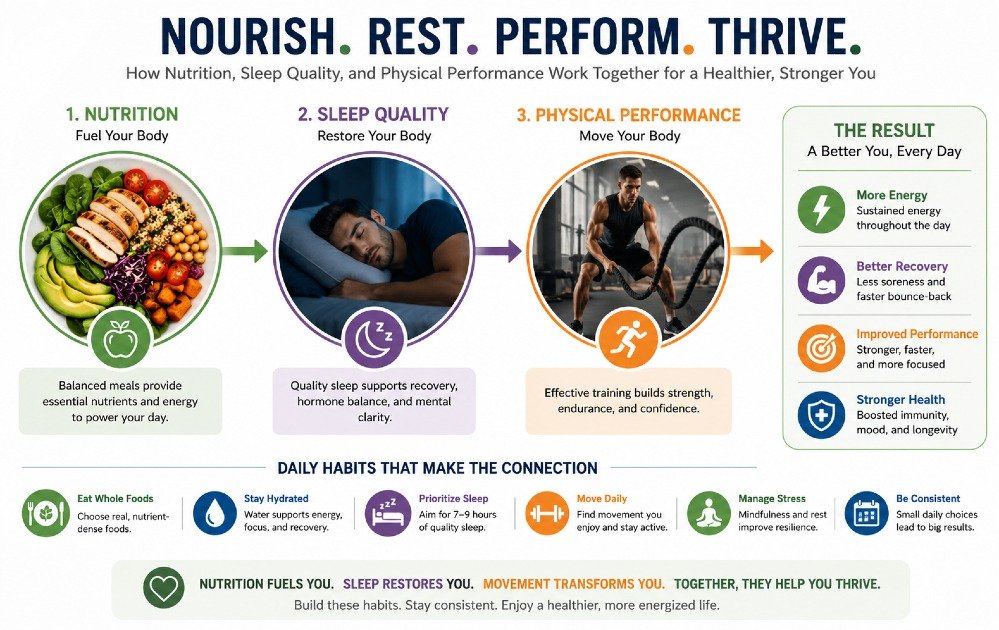
Nutrition and sleep work together to fuel recovery, balance hormones, and optimize physical performance—because even the best training fails without proper fueling and restorative sleep.
Why it matters:
What you eat directly shapes your sleep quality and recovery.
What works for me:
I optimize my energy, recovery, strength, and performance with quality nutrition and restorative sleep.
How to start:
- Eat protein-rich meals after workouts
- Include magnesium-rich foods (leafy greens, nuts)
- Avoid heavy sugar intake at night
- Stay hydrated but reduce fluids before bed
Frequently Asked Questions
How does sleep improve physical performance?
Sleep acts as a natural recovery tool by repairing muscle tissue, supporting hormonal balance, and restoring energy needed for better performance and post-exercise healing.
Can poor sleep reduce muscle growth?
Poor sleep reduces growth hormone and testosterone, slowing muscle repair, limiting growth, and increasing fatigue.
How many hours of sleep do athletes need?
Active individuals need 7–9 hours of quality sleep nightly, with consistent sleep schedules to maximize recovery and performance.
What is the best type of recovery for performance?
The fastest path to better recovery starts with quality sleep, supported by proper nutrition, hydration, and active recovery.
Do rest days affect physical performance?
Rest days help muscles recover and grow stronger, preventing performance declines and reducing injury risk over time.
Related Articles
Recap: Sleep Recovery and Peak Physical Performance Results
Physical performance improves during recovery, as sleep restores energy, repairs muscles, and regulates the hormones that power strength and endurance.
Better performance reduces fatigue and helps your body adapt so that you can train harder, progress faster, and sustain results.
Your performance journey starts by prioritizing recovery tonight—letting sleep work where effort alone cannot.
Ready to Improve Performance Through Better Recovery?
Still pushing harder but seeing your performance plateau?
Discover how this sleep tracker reveals your recovery patterns, helping you optimize sleep, enhance performance, and achieve stronger athletic results.