
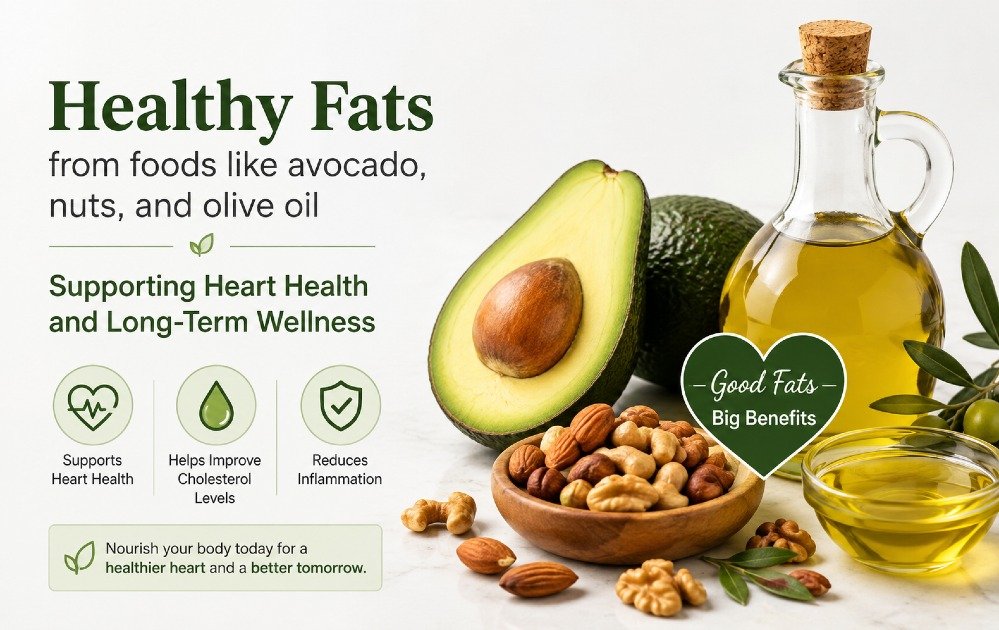
Still avoiding fats because you think they are the enemy?
Healthy fats fuel energy, brain health, hormones, and heart function—discover how balanced nutrition supports healthy aging and lasting wellness in our complete Nutrition Guide.
This guide reveals why healthy fats matter, the science behind their benefits, and how adding nutrient-rich sources can support your overall wellness.
What Are Healthy Fats?
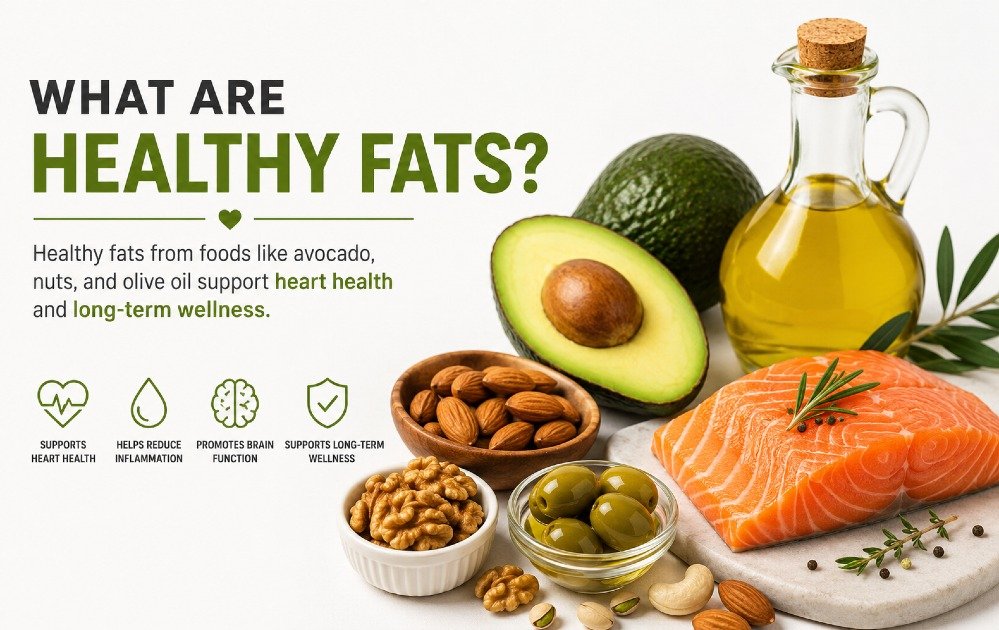
Beneficial dietary fats support essential body functions, provide key nutrients, and promote long-term health without the drawbacks of trans and highly processed fats.
Replacing unhealthy fats with nutrient-rich healthy fats may support overall wellness and lower disease risk, according to the NIH.
Types of Healthy Fats
Monounsaturated, polyunsaturated, and omega-3 fats from olive oil, avocados, nuts, seeds, walnuts, and fatty fish support essential body functions and balanced nutrition.
Monounsaturated fats: These healthy fats can promote cardiovascular wellness while helping the body maintain a balanced inflammatory response.
Common sources include:
- Avocados
- Olive oil
- Olives
- Almonds
- Cashews
- Peanuts
Polyunsaturated fats: These include omega-3 and omega-6 fatty acids.
Sources include:
- Salmon
- Sardines
- Mackerel
- Walnuts
- Chia seeds
- Flaxseeds
- Hemp seeds
Omega-3 fatty acids: Omega-3s deserve special attention because they support brain health, cardiovascular health, and inflammation control.
Top sources include:
- Fatty fish
- Fish oil
- Chia seeds
- Flaxseeds
- Walnuts
Why Healthy Fats Matter for Wellness
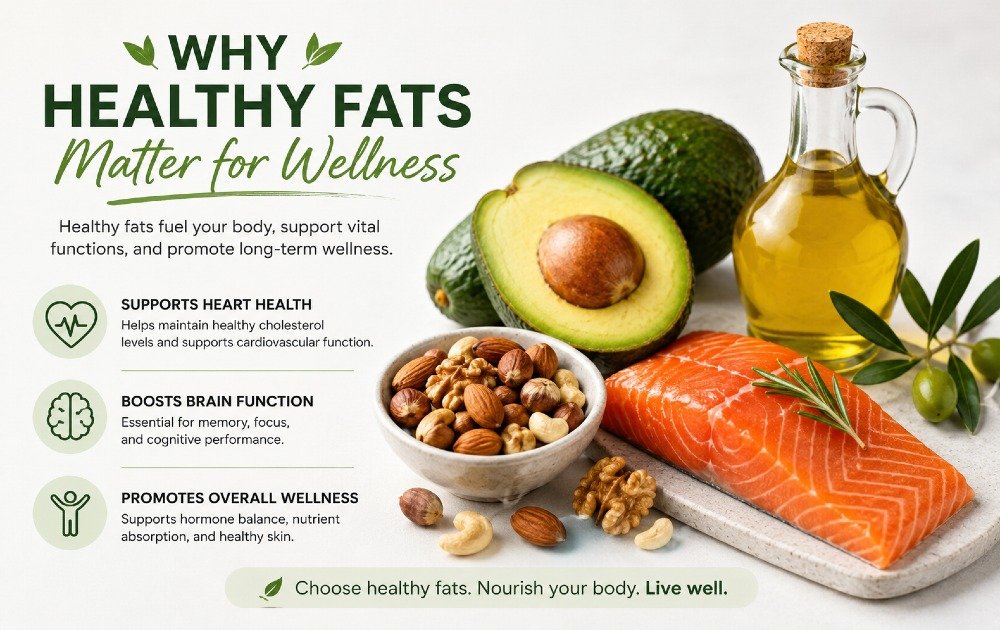
Healthy fats support energy, cell function, organ protection, hormone production, and nutrient absorption for better daily performance and long-term wellness.
Focus on incorporating:
- Avocados for creamy, nutrient-dense energy
- Olive oil for heart-supporting monounsaturated fats
- Nuts and seeds for sustained fullness and brain support
- Include salmon or sardines to provide beneficial omega-3-rich healthy fats to your diet.
They help:
- Build healthy cells
- Support hormone production
- Protect organs
- Improve nutrient absorption
- Promote brain function
- Maintain heart health
- Support healthy aging
9 Ways Healthy Fats Supports Body Functions, Energy, and Performance
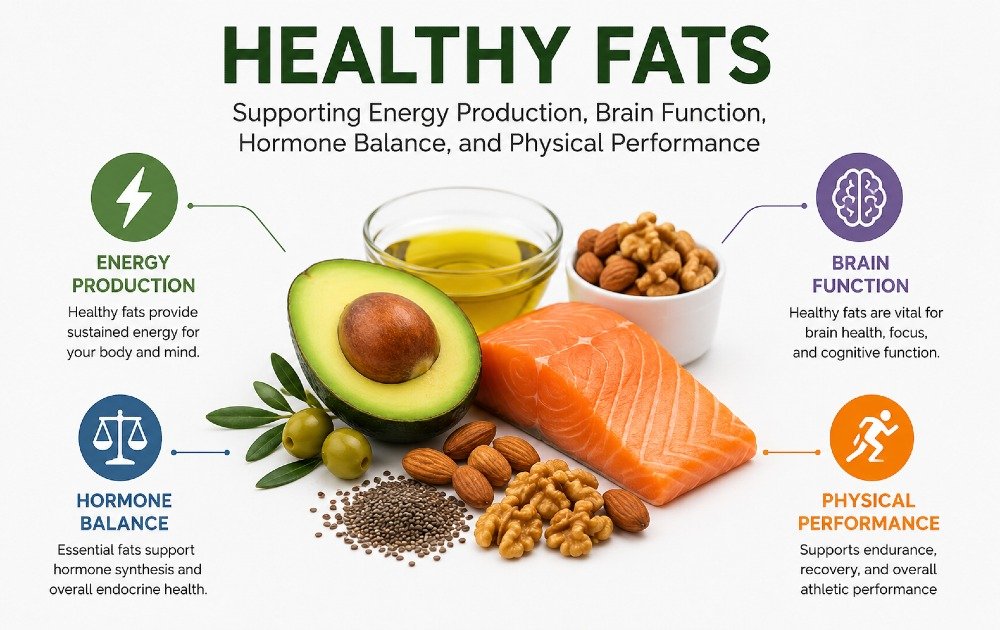
Could healthier habits still leave you feeling drained, unfocused, or slower to bounce back?
Beneficial fats boost energy, balance hormones, protect organs, support brain and heart health, and improve nutrient absorption through foods like avocados, olive oil, nuts, seeds, and fatty fish.
Discover nine powerful ways healthy fats fuel your body, support essential functions, and optimize daily performance.
1. Support Heart Health
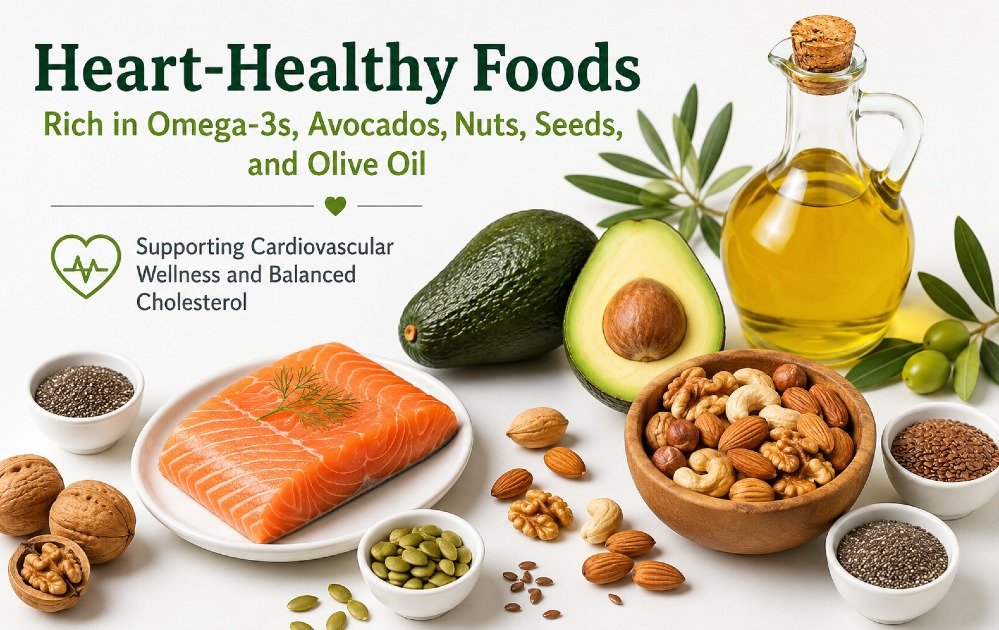
Choosing beneficial fats, especially omega-3s, may support healthier cholesterol, normal heart function, and better cardiovascular health over time.
Why it matters:
Heart disease remains a major global concern, but the right fats may support heart function and improve key risk factors.
What works for me:
I support heart health by choosing unsaturated fats that help maintain healthy cholesterol levels and cardiovascular function.
How to start:
- Use extra virgin olive oil for cooking
- Add avocado to sandwiches and salads
- Eat fatty fish twice weekly
- Snack on walnuts or almonds
- Replace processed chips with mixed nuts
2. Improve Brain Function
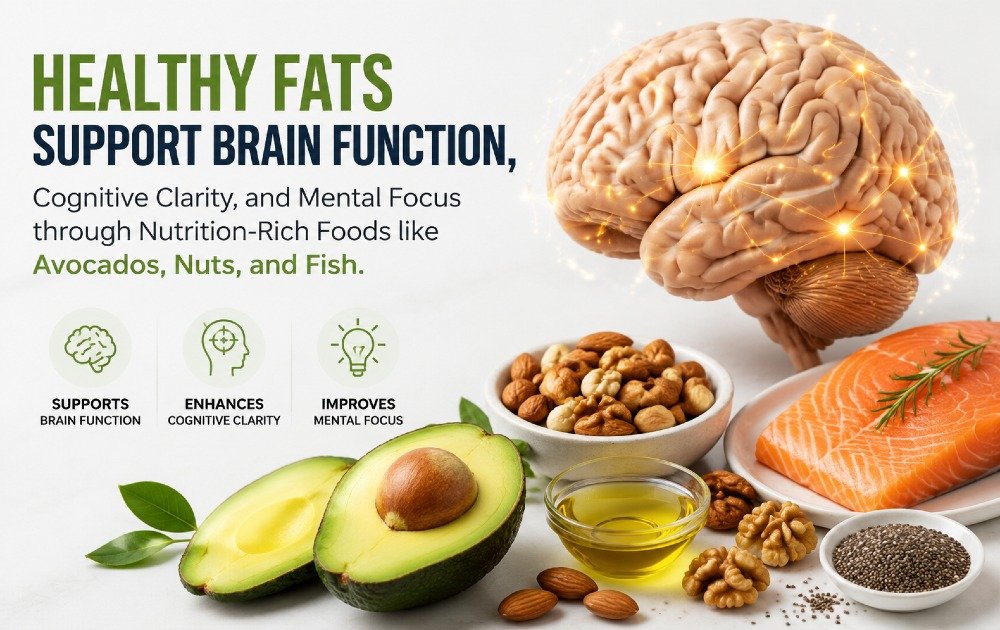
Omega-3 fatty acids support brain cell structure, memory, learning, concentration, and mental clarity.
Why it matters:
The quality of dietary fats you eat can influence brain function and cognitive performance.
What works for me:
I support brain health with unsaturated fats that promote focus, memory, and cognitive function.
How to start:
- Add chia seeds to smoothies
- Include salmon in weekly meal plans
- Sprinkle walnuts on oatmeal
- Choose nut butter instead of sugary spreads
- Add flaxseeds to yogurt
3. Help Your Body Absorb Nutrients
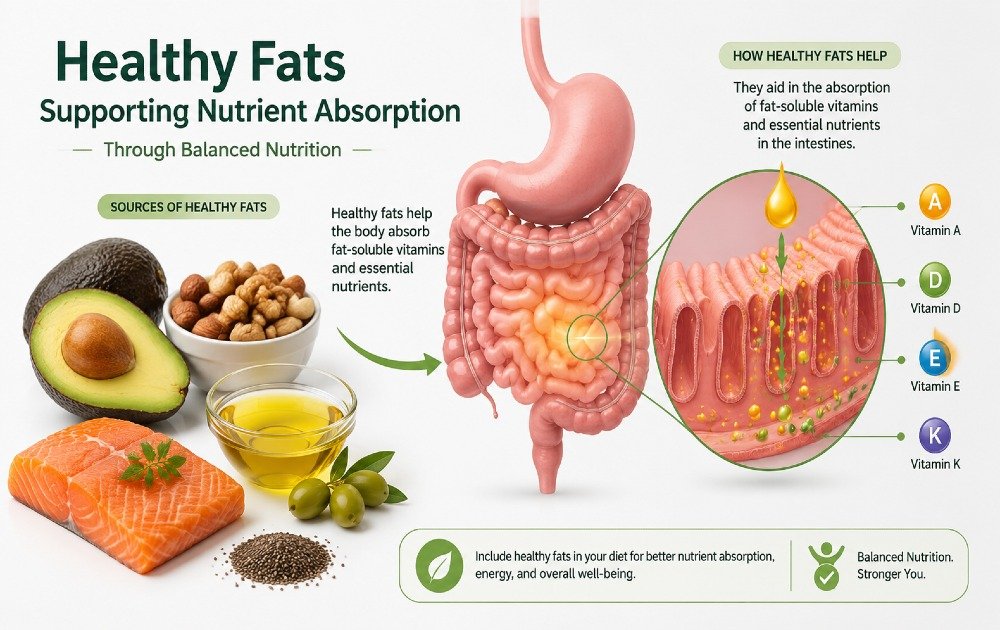
Pairing vegetables with dietary fat helps your body absorb vitamins A, D, E, and K more effectively.
Why it matters:
Dietary fat helps your body absorb essential vitamins efficiently.
What works for me:
I include nourishing fats in my meals to support my brain and improve absorption of vitamins A, D, E, and K.
How to start:
- Add olive oil to salads
- Top vegetables with avocado slices
- Include nuts in side dishes
- Add seeds to grain bowls
- Use healthy dressings on leafy greens
4. Support Hormone Balance
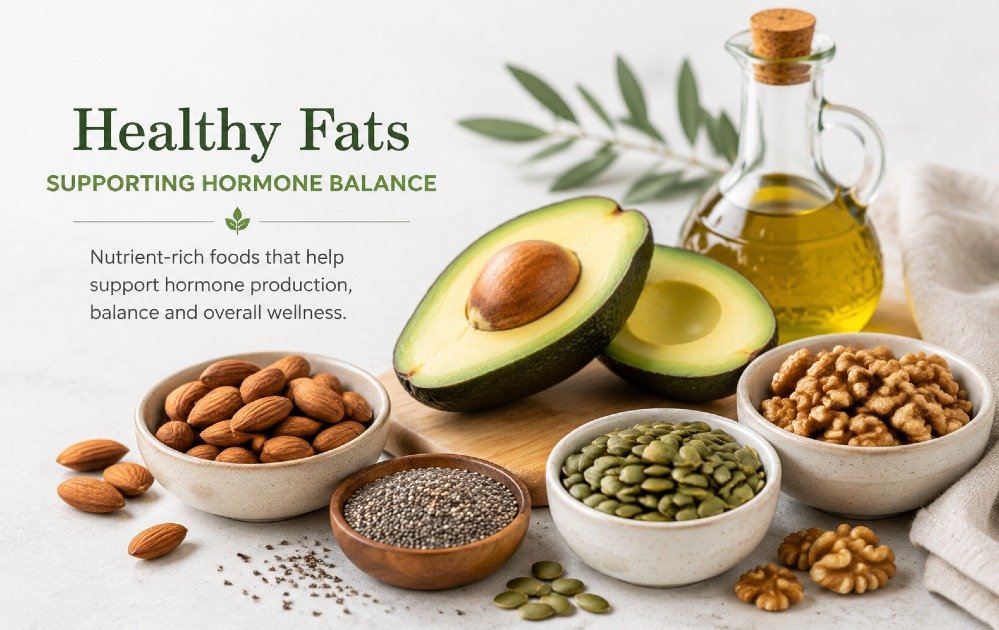
Beneficial fats support hormone production, balance, metabolism, energy, mood, and overall health.
Why it matters:
Hormones help regulate metabolism, mood, reproduction, and energy.
What works for me:
I support hormone balance by choosing nourishing unsaturated fats that provide essential nutrients for hormone production and regulation.
How to start:
- Avoid overly restrictive low-fat diets
- Include healthy fats at every meal
- Choose whole-food fat sources
- Focus on balance rather than elimination
- Eat a variety of healthy fat sources
5. Support Weight Management
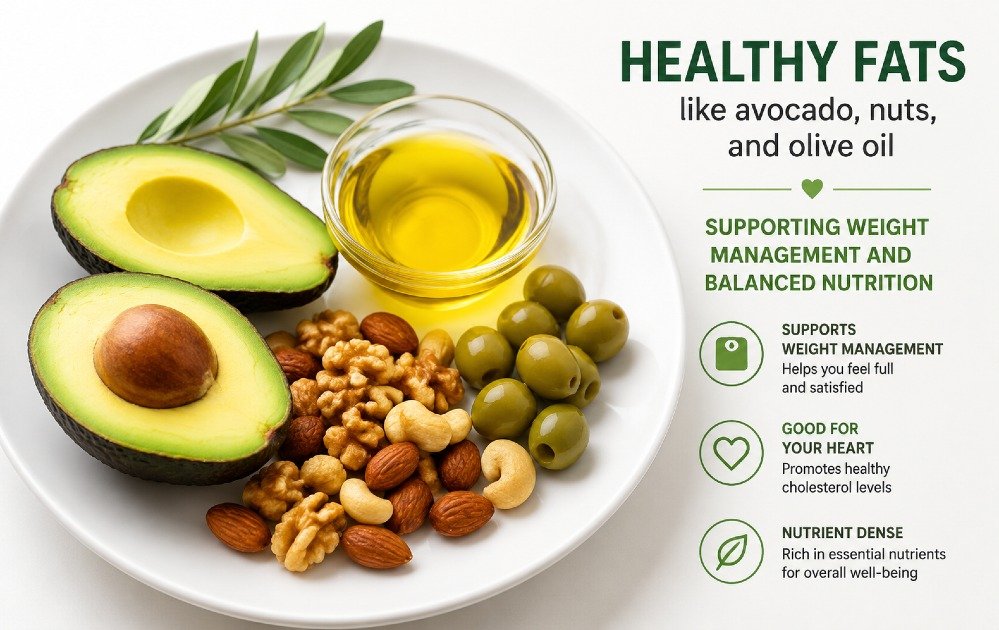
Beneficial fats help you stay fuller, curb cravings, maintain steady energy, and support long-term weight management by pairing unsaturated fats with protein and fiber.
Why it matters:
Many people avoid fats fearing weight gain, but the right choices may support weight management.
What works for me:
I support weight management by choosing unsaturated fats that increase fullness and help control portions.
How to start:
- Add avocado to lunch
- Include nuts as snacks
- Use olive oil in cooking
- Add seeds to salads
- Pair healthy fats with lean proteins
6. Help Reduce Inflammation
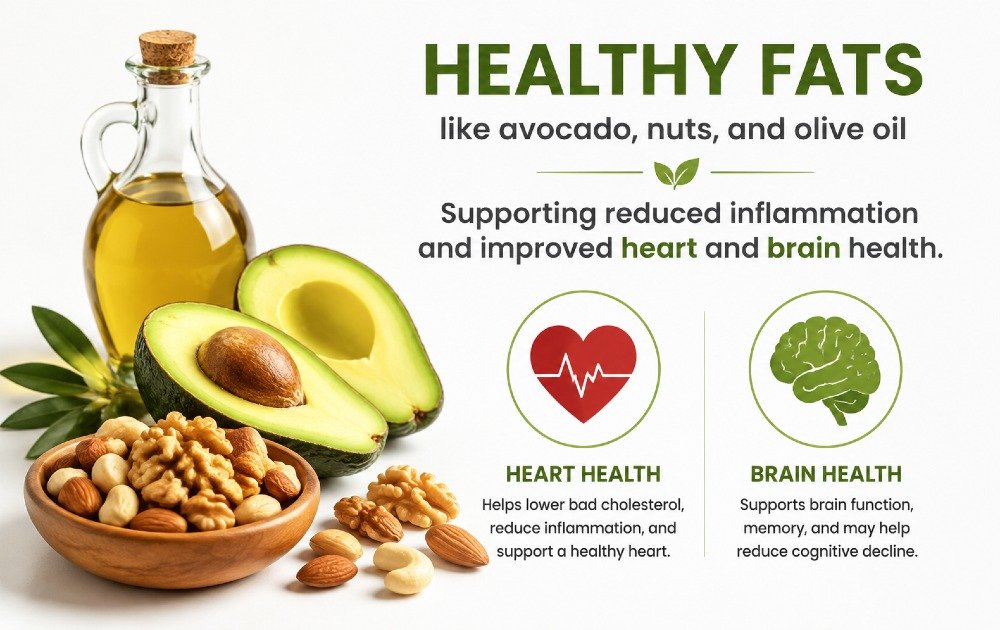
Omega-3-rich foods like salmon, walnuts, and flaxseeds may help support a balanced inflammatory response and overall wellness.
Why it matters:
Reducing chronic inflammation may support long-term health, overall wellness, and recovery.
What works for me:
I choose unsaturated fats to help reduce inflammation and support overall well-being.
How to start:
- Eat fatty fish regularly
- Add flaxseed to breakfast
- Use olive oil as your primary cooking oil
- Limit highly processed foods
- Include walnuts in snacks
7. Promote Healthy Skin

Beneficial fats support skin health by choosing nourishing fats that help maintain the skin barrier, hydration, and a healthy-looking appearance.
Why it matters:
Skin health starts from within, with nutrition supporting skin structure and hydration.
What works for me:
I support smooth, radiant skin by choosing unsaturated fats that help maintain moisture and elasticity.
How to start:
- Eat avocados regularly
- Consume omega-3-rich foods
- Stay hydrated
- Include nuts and seeds daily
- Prioritize whole-food nutrition
8. Support Eye Health
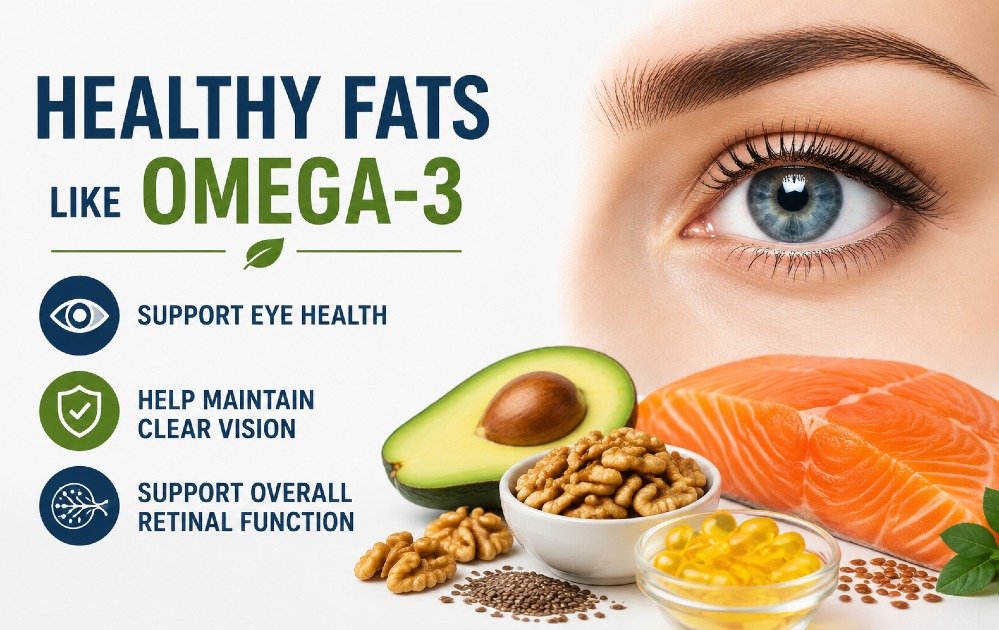
Omega-3-rich foods like salmon, sardines, walnuts, chia seeds, and flaxseeds support retinal function, clear vision, and long-term eye health.
Why it matters:
Vision relies on proper nutrition, with certain unsaturated fats supporting retinal function and eye health.
What works for me:
I support eye health by choosing unsaturated fats that help maintain clear vision and protect my eyes.
How to start:
- Eat salmon weekly
- Add chia seeds to breakfast
- Choose omega-3-rich foods consistently
- Include leafy greens with healthy fats
- Maintain a balanced diet
9. Support Healthy Aging
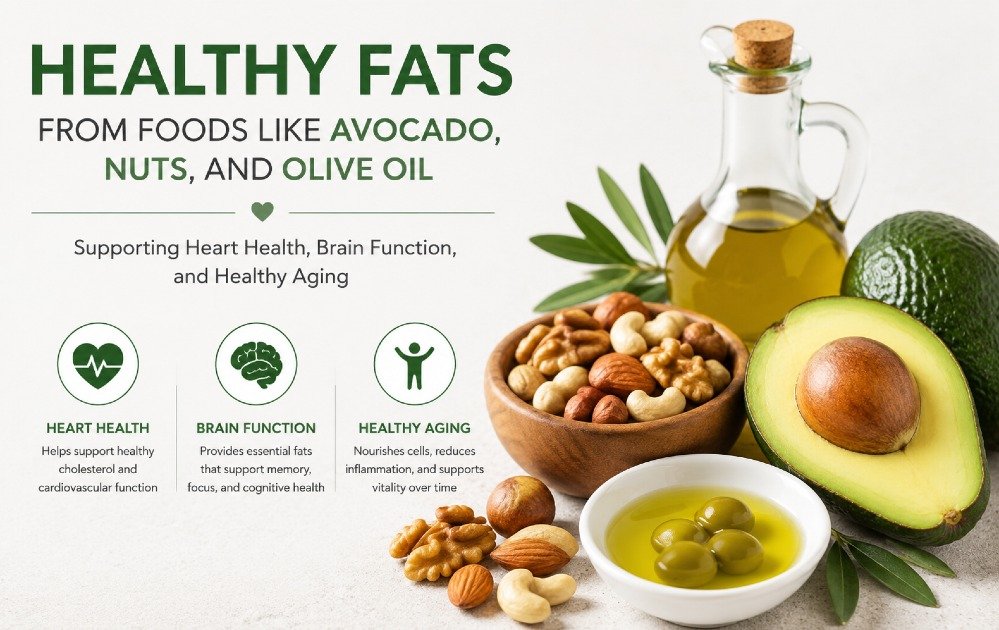
Choosing nourishing fat sources can support heart, brain, and cellular health while promoting long-term wellness and healthy aging.
Why it matters:
Healthy aging starts with good nutrition, regular movement, quality sleep, and supportive lifestyle habits, including nourishing fats.
What works for me:
I support healthy aging by choosing unsaturated fats that protect my cells and promote overall wellness.
How to start:
- Focus on whole foods
- Include healthy fats daily
- Prioritize nutrient-dense meals
- Stay physically active
- Follow a balanced eating pattern
Best Food Sources of Healthy Fats
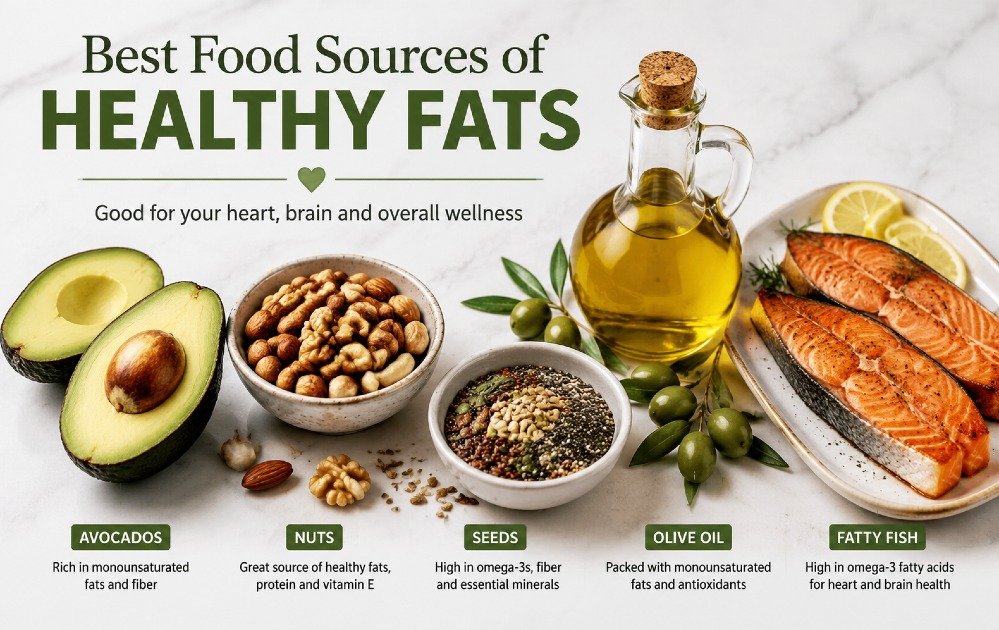
Choose avocados, olive oil, nuts, seeds, and fatty fish for nutrient-rich foods that deliver essential vitamins, minerals, antioxidants, and a more balanced diet.
Nutritious sources of healthy fats:
Plant-based sources:
- Avocados
- Olive oil
- Olives
- Chia seeds
- Flaxseeds
- Hemp seeds
- Walnuts
- Almonds
- Pecans
- Cashews
Animal-based sources:
- Salmon
- Sardines
- Mackerel
- Trout
- Herring
- Eggs
Foods to limit:
- Artificial trans fats
- Deep-fried foods
- Highly processed snacks
- Commercial baked goods
- Excessively processed fast food
Frequently Asked Questions
Are healthy fats good for weight management?
Healthy fats increase fullness, help curb cravings, and support sustainable weight management when included in a balanced diet.
What are the best sources of healthy fats?
Avocados, olive oil, nuts, seeds, salmon, sardines, and mackerel provide healthy fats and essential nutrients that support overall well-being.
How much healthy fat should I eat each day?
Choose healthy fat sources based on your age, activity level, and health goals while prioritizing balanced meals over strict fat tracking.
Can healthy fats support heart health?
Replacing unhealthy fats with heart-healthy fats, especially omega-3-rich foods, can support healthy cholesterol levels and cardiovascular function.
Do healthy fats provide energy?
It provides lasting energy to support daily activities, exercise, and overall physical performance.
Related Articles
Recap: Healthy Fats for Long-Term Wellness
Healthy fats support heart and brain health, balance hormones, boost steady energy, and promote long-term well-being.
Choose healthy fats like avocados, olive oil, nuts, seeds, and fatty fish to boost satisfaction and build a more balanced diet.
Your journey toward better wellness starts with the next meal—create meaningful improvements in your health.
Ready to Stop Missing Out on the Benefits of Healthy Fats?
Still avoiding fats because you think they’re the enemy?
Discover how this Omega-3 Supplement can provide essential nutrients that support your energy, brain health, heart, and overall well-being.