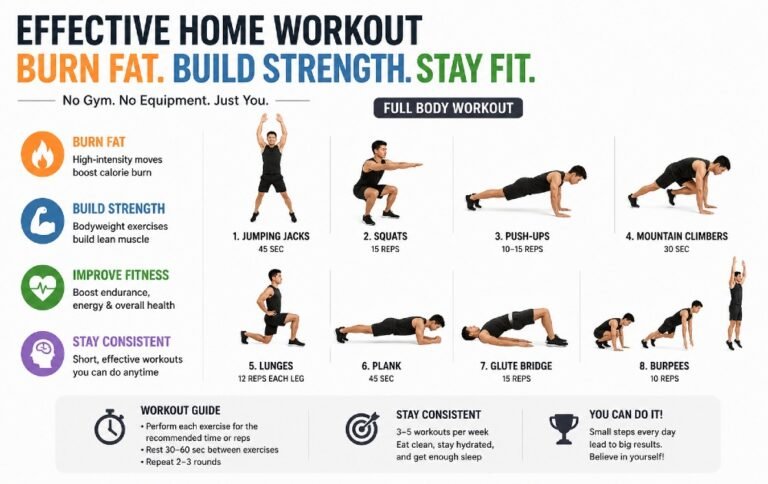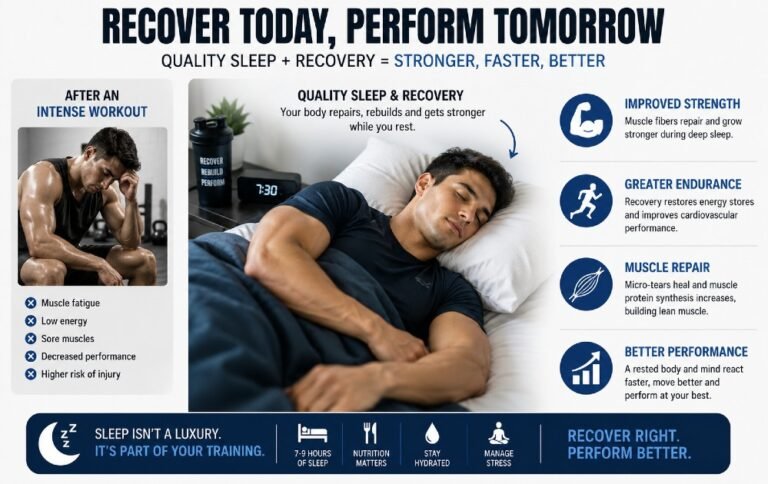

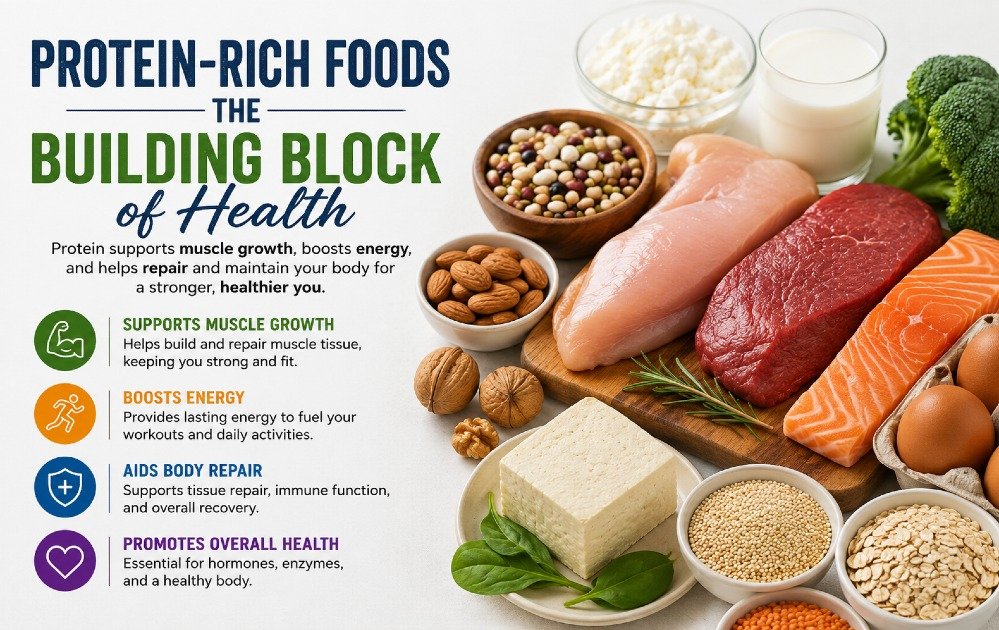
Still tired, losing strength, or not getting the results your healthy lifestyle deserves?
Protein powers strength, recovery, and performance—explore how balanced nutrition boosts energy, wellness, and disease prevention in our complete Nutrition Guide.
This guide reveals how this essential nutrient supports muscle health, recovery, and lifelong strength for a healthier, stronger body.
What Is Protein?
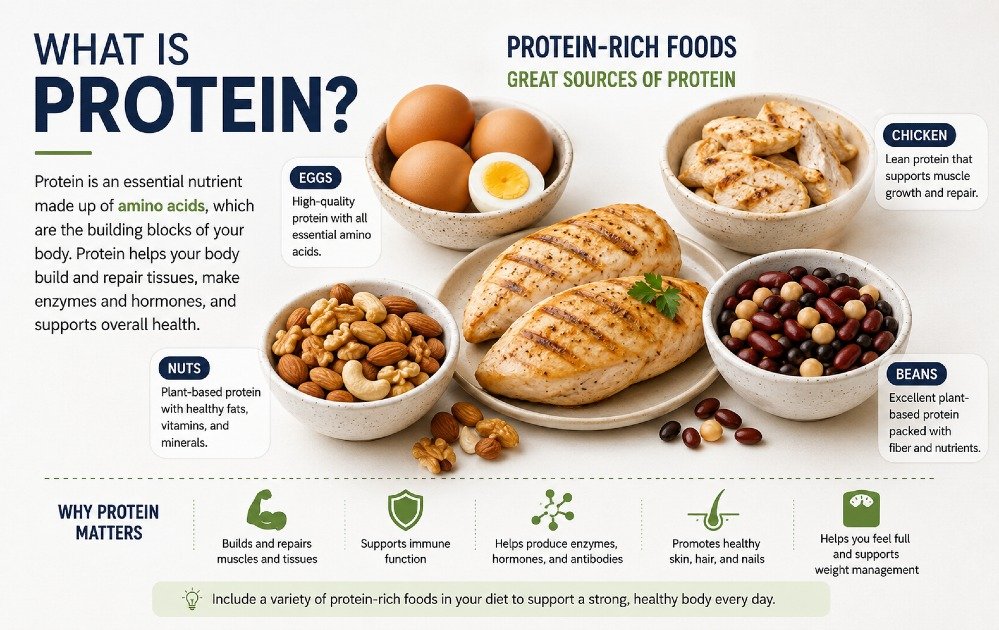
Protein is an essential macronutrient made of amino acids that build, repair, and maintain nearly every tissue in your body.
NIH highlights protein’s essential role in maintaining muscles, supporting immunity, regulating hormones, and promoting overall health.
Why it matters:
Without enough essential nutrients, your body struggles with muscle repair, hormone production, immunity, healthy skin, hair, nails, and recovery.
What works for me:
Quality sources in my meals help build and repair tissues, strengthen muscles, boost recovery, maintain energy, and support my overall health daily.
How to start:
- Include protein at breakfast
- Add protein-rich snacks between meals
- Choose quality lean sources regularly
- Combine protein with fiber-rich foods
- Spread intake throughout the day
7 Ways Protein Supports Body Functions, Energy, and Performance
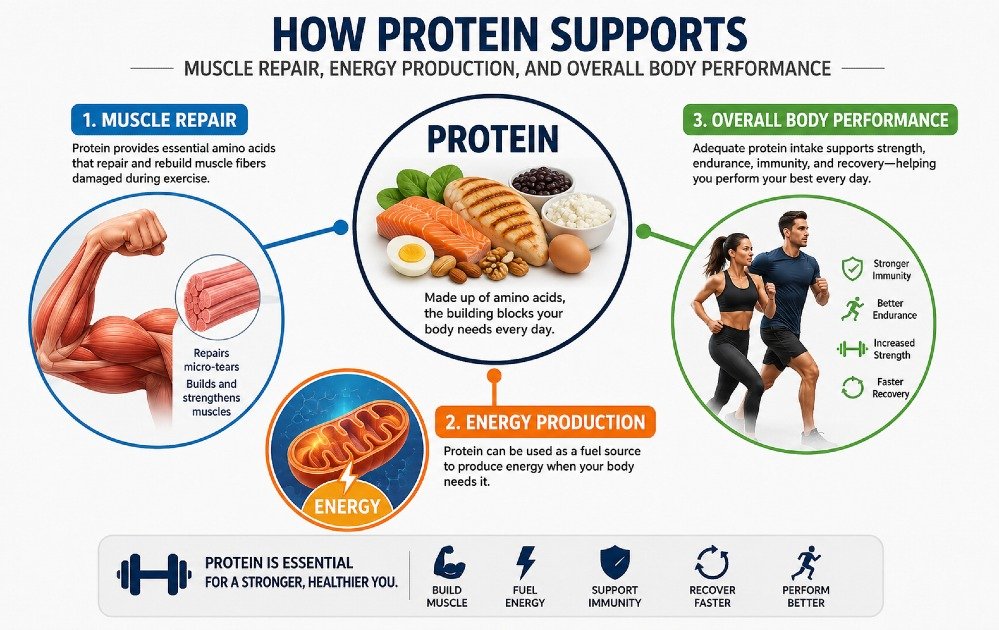
Still struggling with low energy, slow recovery, or stalled fitness progress?
Quality food sources fuels more than muscle growth—it supports repair, strength, hormones, immunity, metabolism, recovery, and healthy aging for lasting energy and well-being.
Discover seven ways how quality food sources do more than build muscle—supporting vital functions, steady energy, and peak performance from within.
1. Supports Muscle Growth and Maintenance
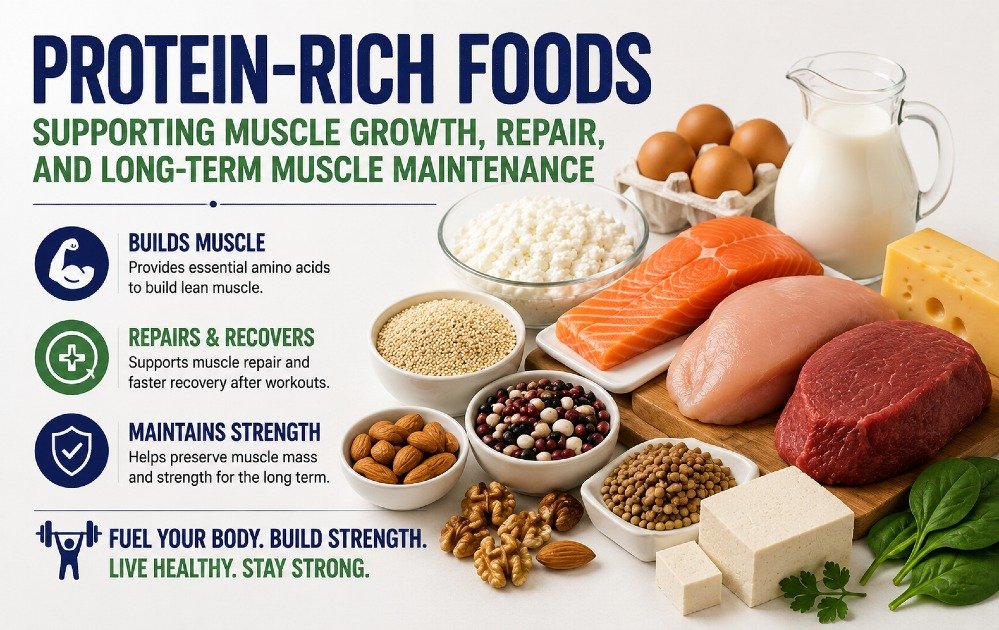
Amino acids help build, repair, and preserve muscle, supporting strength, mobility, recovery, and healthy aging when paired with regular strength training.
Why it matters:
Strong muscles support posture, mobility, metabolism, and healthy aging by providing the foundation for repair, growth, and daily function—not just athletic performance.
What works for me:
I prioritize this essential nutrient to support strong muscles, improve recovery, and maintain strength as I pursue better overall health and fitness.
How to start:
- Eat protein after workouts
- Include eggs, fish, poultry, or legumes in meals
- Strength train consistently
- Aim for balanced intake daily
- Prioritize whole-food sources
2. Helps Control Hunger and Cravings
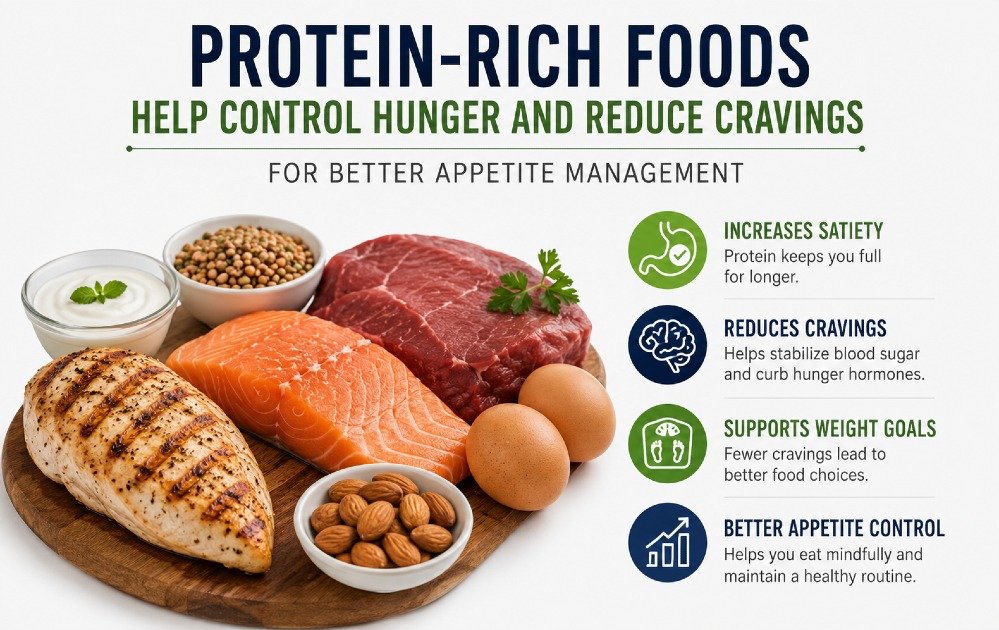
A protein-rich diet helps curb cravings, reduce snacking, and support lasting appetite control by keeping you fuller longer.
Why it matters:
Persistent hunger can derail diets, but choosing filling foods helps curb cravings and reduce unnecessary snacking.
What works for me:
I stay fuller longer and manage cravings more easily by choosing nourishing foods that support balanced energy and mindful eating.
How to start:
- Replace sugary breakfasts with quality rich food options
- Add Greek yogurt to snacks
- Include quality sources in every meal
- Pair protein with healthy fats
- Stay hydrated throughout the day
3. Supports Healthy Weight Management
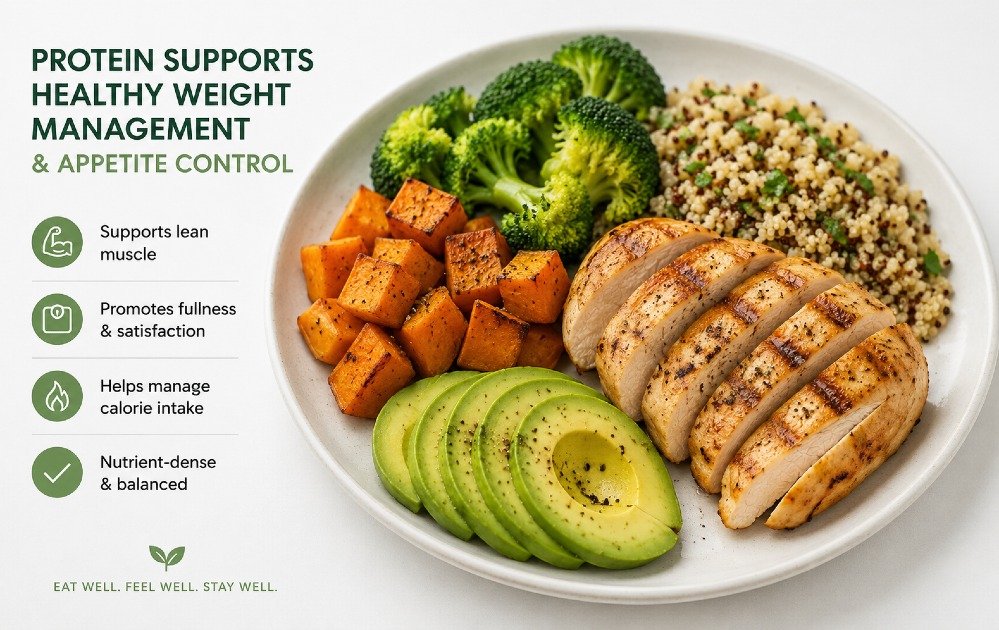
A higher intake of this essential nutrient boosts fullness, reduces overeating, preserves lean muscle, and supports lasting weight management without restrictive diets.
Why it matters:
A nutrient-dense diet can support weight goals by boosting fullness and helping maintain lean muscle during weight loss.
What works for me:
I add this nutrient to my meals daily to stay fuller, support balanced eating, and maintain healthy weight goals.
How to start:
- Build meals around protein first
- Choose lean meats and seafood
- Add beans and lentils regularly
- Avoid relying on processed snacks
- Track your intake for awareness
4. Enhances Recovery After Exercise
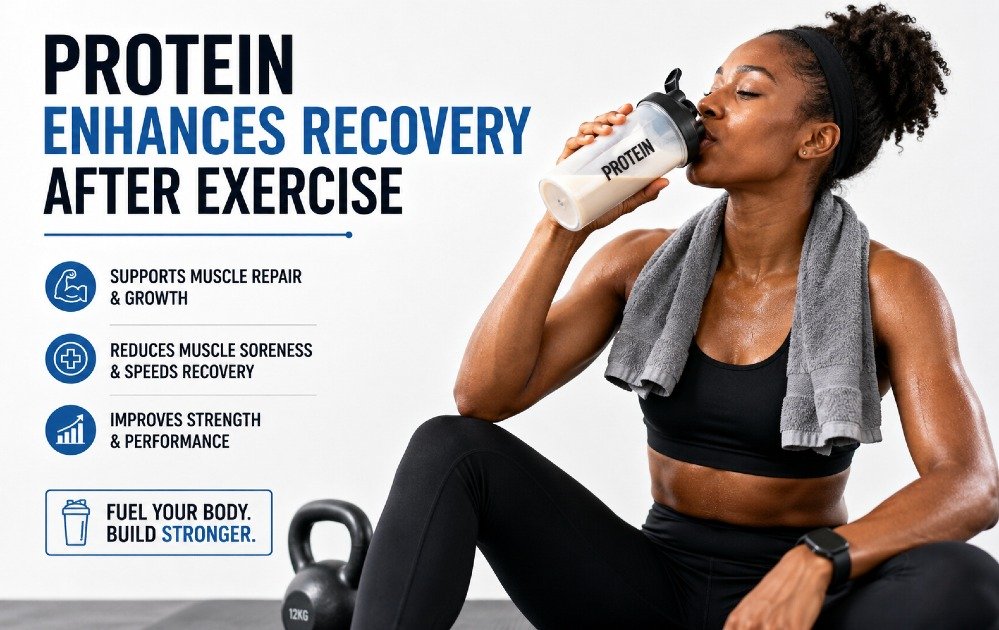
Regular exercise creates muscle stress that requires key nutrients for repair, rebuilding, and faster recovery, helping your body adapt and grow stronger.
Why it matters:
Exercise challenges muscles, while recovery provides the essential building blocks needed to repair, rebuild, and grow stronger.
What works for me:
I fuel my body with essential nutrients to speed recovery, rebuild strength, and restore energy after workouts.
How to start:
- Eat within a few hours after exercise
- Include complete proteins when possible
- Stay consistent with intake
- Prioritize sleep and hydration
- Combine nutrition with recovery days
5. Supports Healthy Aging
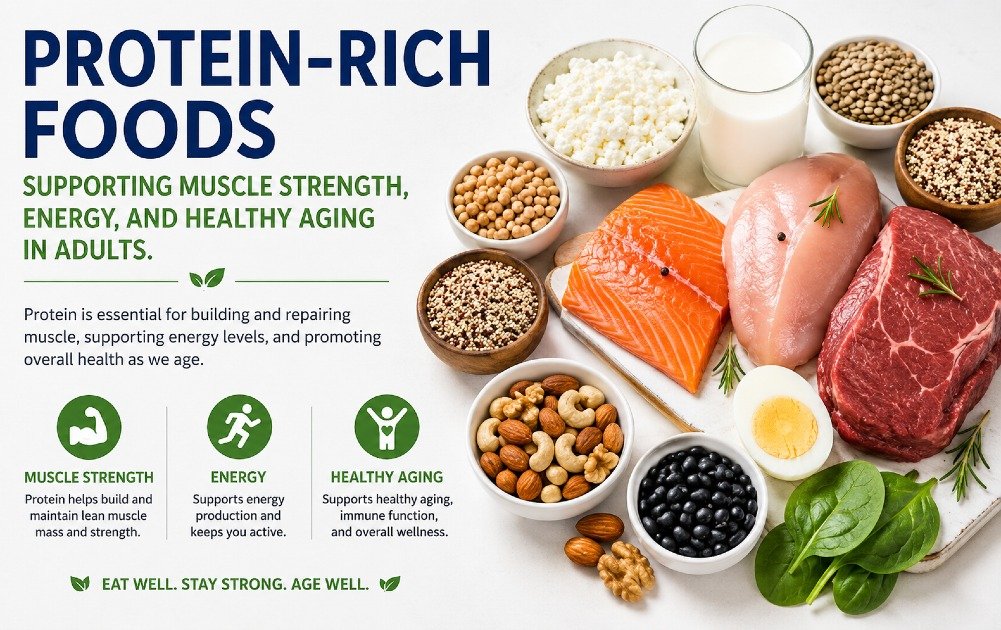
Aging makes muscle maintenance essential, and adequate intake combined with exercise helps preserve strength, mobility, independence, and quality of life.
Why it matters:
As we age, preserving muscle strength is essential for maintaining balance, mobility, and independence.
What works for me:
I fuel healthy aging with nutrient-rich foods that preserve strength, support muscle health, and sustain energy over time.
How to start:
- Include quality sources at every meal
- Strength train regularly
- Choose nutrient-dense foods
- Monitor appetite changes
- Prioritize overall nutrition quality
6. Strengthens Immune Function
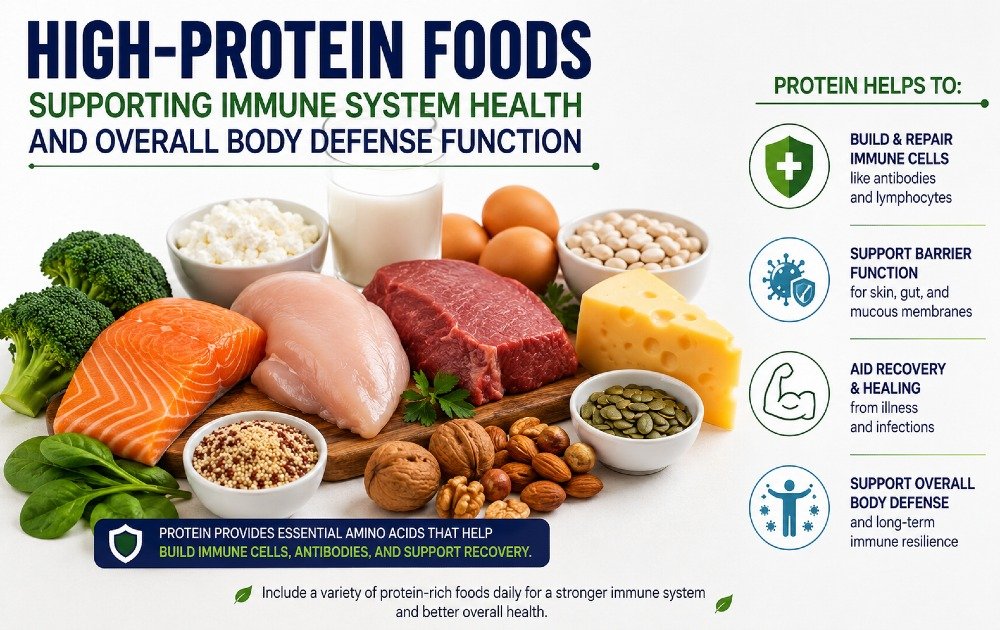
A balanced diet with key nutrients daily helps strengthen immune defenses, support recovery, and improve the body’s ability to fight illness.
Why it matters:
Your immune defenses rely on key nutrients to build antibodies and strengthen protection against illness.
What works for me:
I support immune health by choosing nutrient-rich foods that help my body stay strong, recover, and perform at its best.
How to start:
- Eat a variety of protein foods
- Include nutrient-rich whole foods
- Focus on consistent intake
- Avoid extreme restrictive diets
- Maintain healthy lifestyle habits
7. Helps Build Healthy Skin, Hair, and Nails
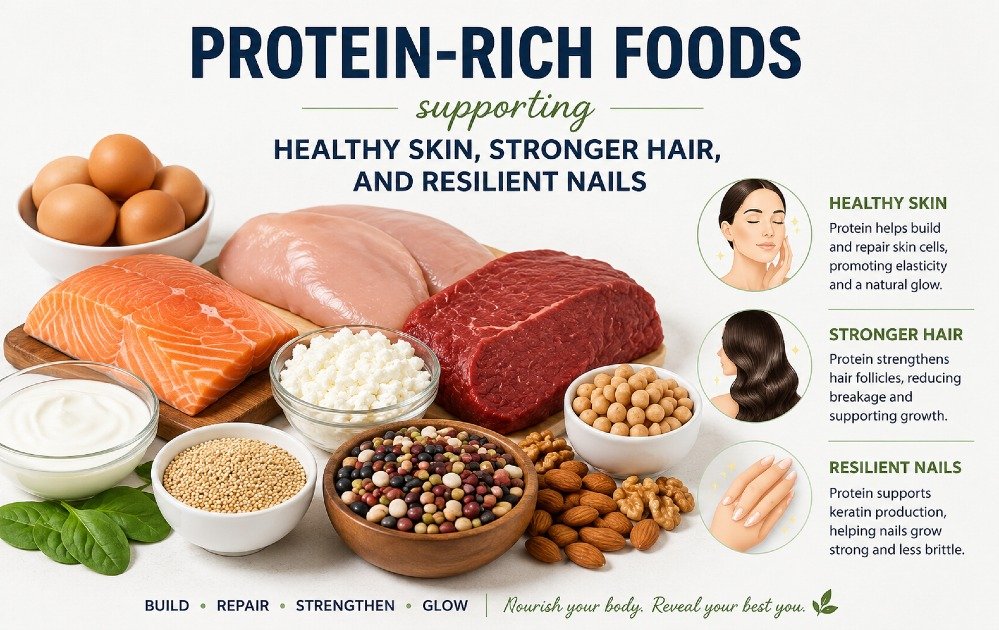
Adequate intake of essential nutrients supports collagen and keratin production, helping maintain skin renewal, stronger nails, and healthier-looking hair.
Why it matters:
Collagen, keratin, and essential body structures depend on amino acids for strength and support.
What works for me:
I support glowing skin, stronger hair, and healthy nails by adding this essential nutrient daily to help repair tissues and maintain a vibrant appearance.
How to start:
- Increase whole-food protein consumption
- Eat nutrient-rich foods
- Stay hydrated
- Limit highly processed foods
- Support overall dietary balance
Best High-Protein Foods to Add to Your Diet
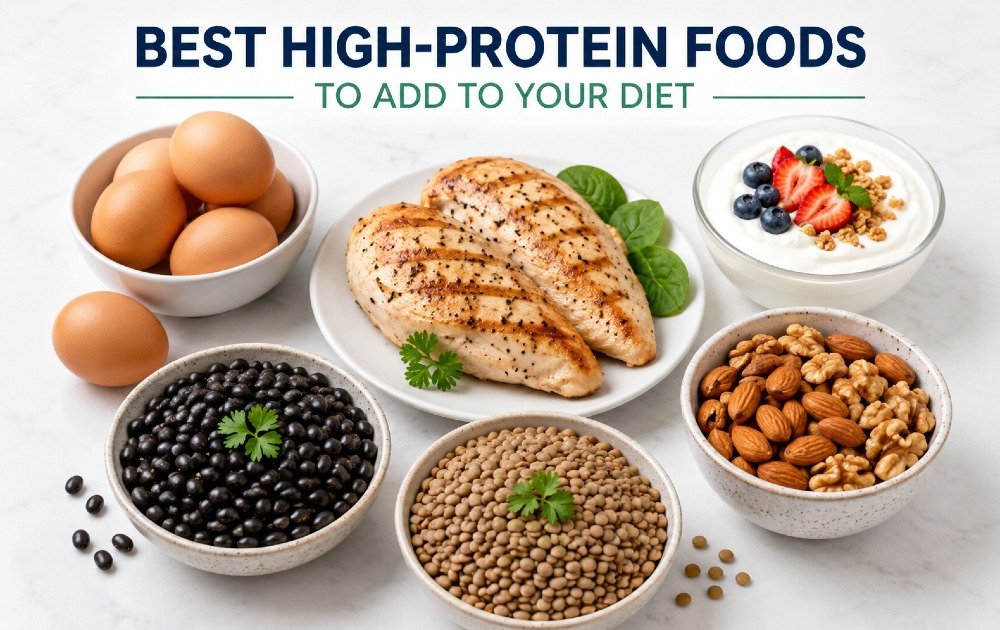
A variety of nutrient-rich foods like eggs, chicken, fish, Greek yogurt, lentils, beans, tofu, and tempeh can support a balanced diet and overall wellness.
Animal-based sources:
- Eggs
- Chicken breast
- Turkey
- Lean beef
- Fish
- Shrimp
- Greek yogurt
- Cottage cheese
- Milk
Plant-based sources:
- Lentils
- Chickpeas
- Black beans
- Edamame
- Tofu
- Tempeh
- Quinoa
- Hemp seeds
- Chia seeds
Why it matters:
Adding a variety of nutrient-rich foods delivers essential vitamins, minerals, and fiber to support overall health.
What works for me:
I choose nutrient-dense foods that fuel strength, energy, and lasting health every day.
How to start:
- Add beans to soups and salads
- Use tofu in stir-fries
- Keep hard-boiled eggs available
- Include seafood weekly
- Experiment with plant-based meals
How Much Protein Do You Need Daily?
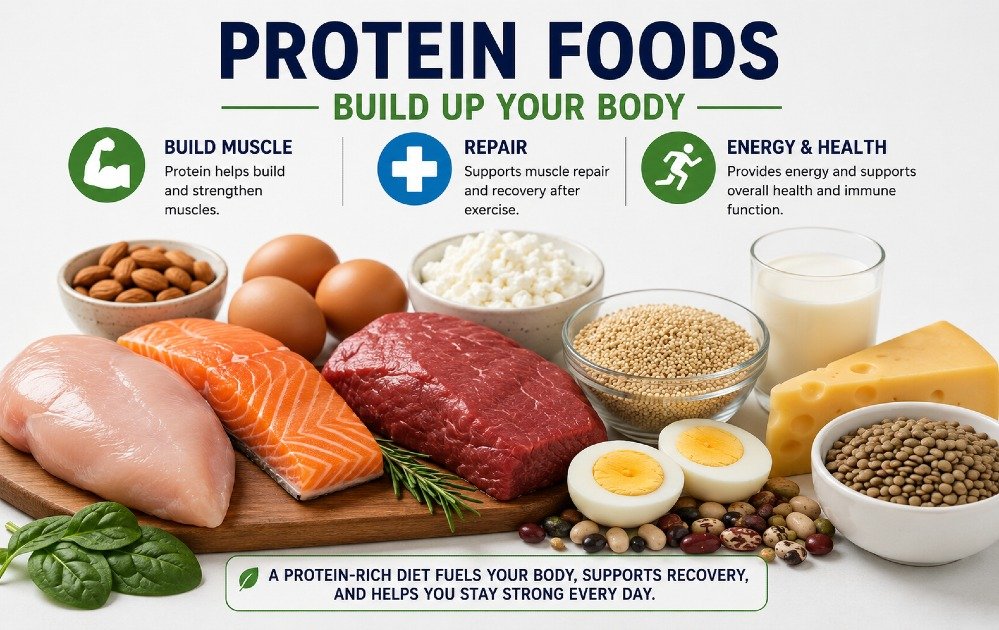
Your daily needs depend on your age, weight, activity level, and goals—getting enough throughout the day helps support muscle health, recovery, performance, and overall wellness.
Why it matters:
Your daily intake needs aren’t one-size-fits-all—they depend on your age, activity level, health, recovery, and body goals.
What works for me:
I fuel my body with the right daily amount to support strength, recovery, energy, and long-term health.
How to start:
- Estimate your daily needs
- Divide intake across meals
- Include quality rich snacks
- Track intake occasionally
- Adjust based on goals
Common Protein Mistakes to Avoid
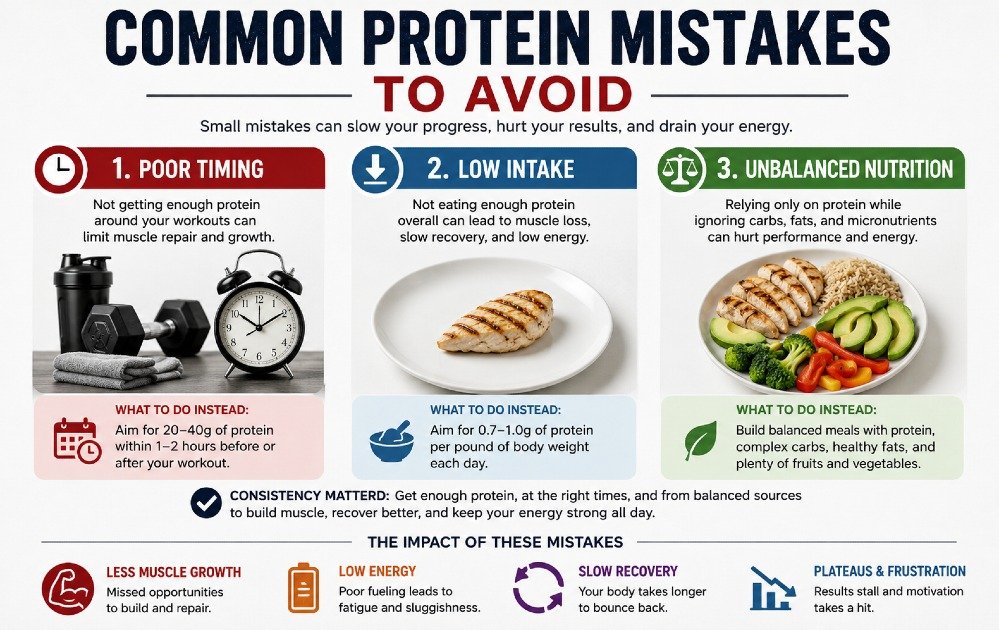
Even people who prioritize healthy eating can make protein mistakes that limit energy, recovery, and muscle health such as:
Eating Most of Your Protein at Dinner
Don’t save it all for dinner—spread your intake across every meal to maximize results.
- Add eggs or Greek yogurt to breakfast
- Include lean sources at lunch
- Choose quality rich snacks
- Make protein part of every meal
Relying on Protein Bars and Shakes
Don’t let convenience foods replace whole foods—choose natural sources for better nutrition.
- Chicken and turkey
- Fish and seafood
- Eggs and dairy
- Beans and lentils
- Tofu and tempeh
Overlooking Plant Proteins
Don’t overlook plant-based foods—mix a variety of sources to maximize nutrition.
- Lentils
- Chickpeas
- Black beans
- Edamame
- Quinoa
Signs You May Not Be Getting Enough Protein
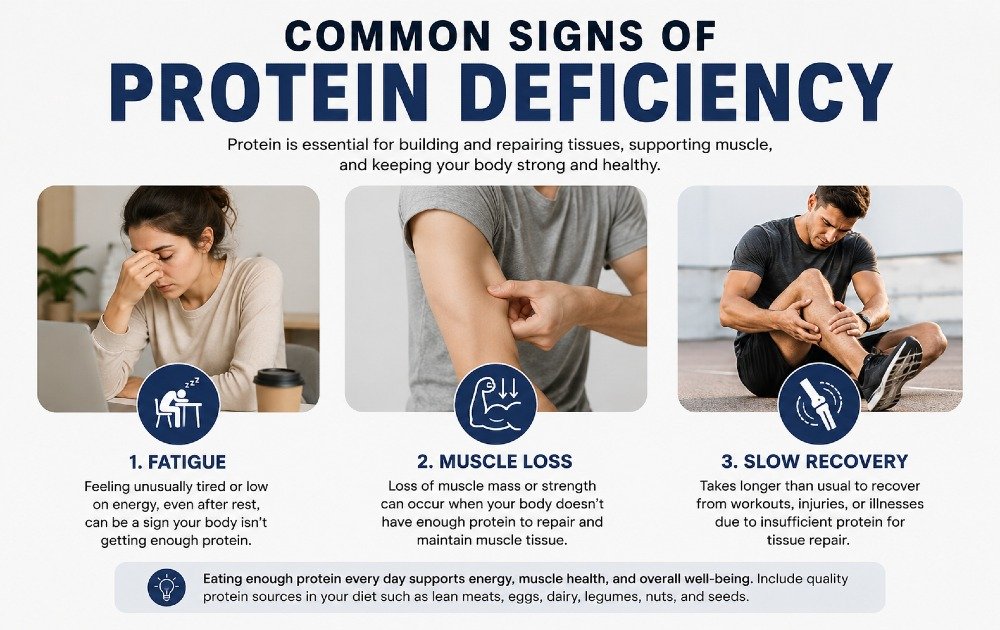
Protein deficiency can develop gradually, making the symptoms easy to miss.
Constant Hunger
Stay full longer by adding a quality food source to every meal and snack.
- Eat more protein with every meal.
- Increase fiber-rich foods.
- Include healthy fats in your diet.
- Avoid sugary snacks and refined carbs.
- Choose whole, minimally processed foods.
- Limit liquid calories and sugary drinks.
Slow Recovery After Exercise
Persistent soreness and slow recovery? Fuel your body with regular post-workout meals to recover faster.
- Eggs
- Fish
- Poultry
- Greek yogurt
- Beans and legumes
Loss of Strength or Muscle
Strength training plus enough daily intake helps prevent muscle loss over time.
- Eat enough high-quality protein at every meal.
- Do strength training 2–4 times per week.
- Increase resistance gradually as you get stronger.
- Eat enough calories to support muscle maintenance.
- Include healthy carbohydrates to fuel workouts.
- Get enough vitamin D and other key nutrients.
- Limit prolonged inactivity or bed rest.
Does Protein Timing Matter?
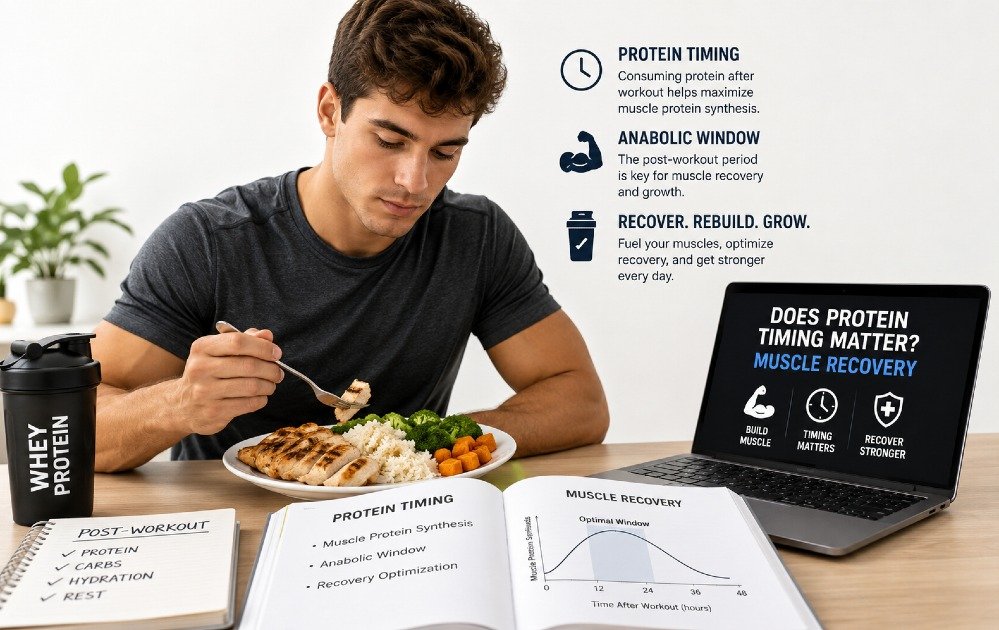
Protein timing can help, but consistency matters more than perfection.
Getting Enough Protein but Eating It All at Once
Stop loading one meal—spread your intake throughout the day for better results.
Include protein at:
- Breakfast
- Lunch
- Dinner
- Snacks
Skipping Protein After Exercise
Give your muscles the amino acids they need to recover faster by eating a high-amino-acid meal or snack within a few hours after exercise.
Good options include:
- Greek yogurt and fruit
- Smoothie
- Eggs and whole-grain toast
- Chicken with rice
Healthy Meal Planning for Better Protein Intake
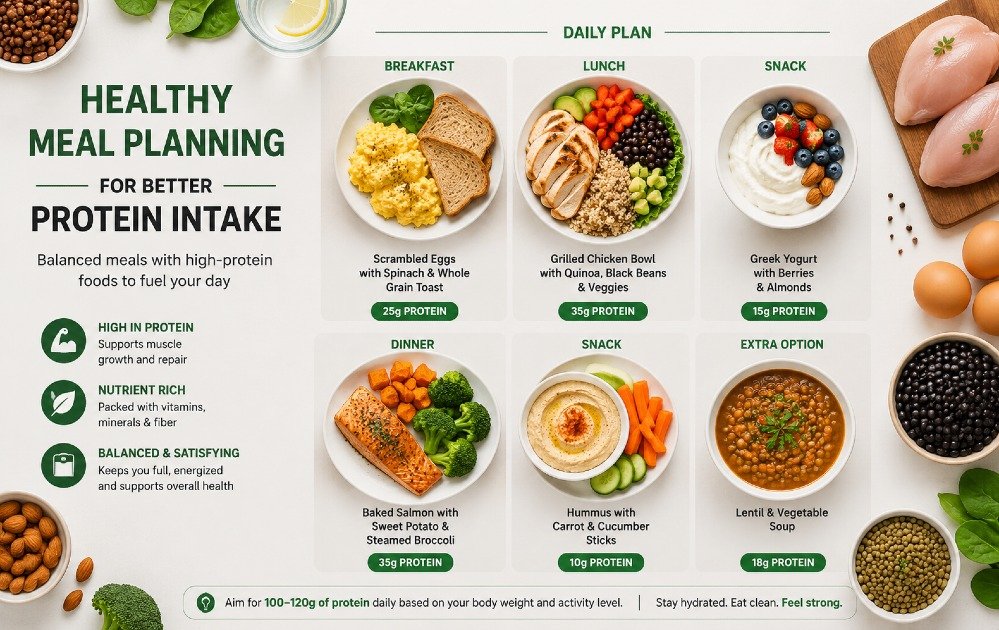
Meal planning is one of the simplest ways to ensure consistent protein intake and better nutrition.
Poor Food Choices Due to Lack of Planning
Stop empty-calorie meals—build every plate with these four essentials.
- Protein
- Vegetables
- Healthy carbohydrates
- Healthy fats
Simple High-Protein Meal Ideas
Breakfast:
- Greek yogurt with berries
- Vegetable omelet
- Cottage cheese and fruit
Lunch:
- Grilled chicken salad
- Turkey wrap with vegetables
- Lentil soup with whole-grain bread
Dinner:
- Baked salmon and vegetables
- Lean beef stir-fry
- Tofu and vegetable bowl
Snacks:
- Hard-boiled eggs
- Smoothie
- Mixed nuts
- Roasted chickpeas
Smart Ways to Increase Protein Naturally
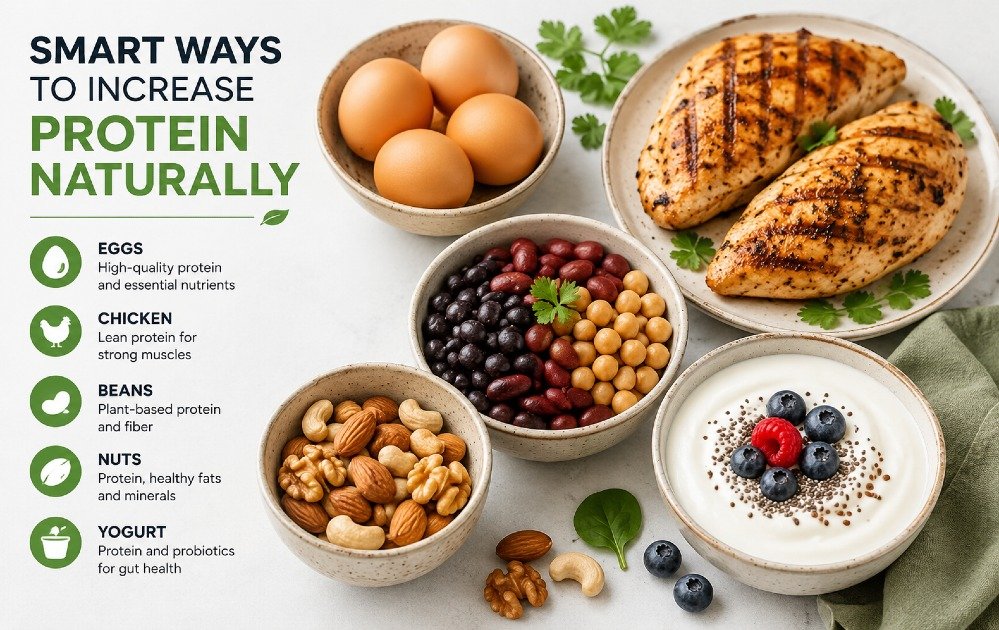
You don’t need a major diet change to eat more quality food. Small adjustments can make a noticeable difference.
Low-Protein Meals
Build every meal around a quality food source first to curb refined carbs and stay satisfied longer.
- Start the day with eggs or Greek yogurt
- Add chicken, fish, or beans to meals
- Include protein at every meal
- Choose nutrient-dense protein foods
Snacks That Don’t Keep You Full
Stop wasting calories—choose snacks that keep you satisfied longer.
- Hard-boiled eggs
- Cottage cheese
- Greek yogurt
- Roasted chickpeas
- Mixed nuts
Lack of Preparation
Busy days don’t have to ruin your diet—prep healthy staples ahead to stay on track.
- Cook chicken in batches
- Boil eggs for the week
- Portion healthy snacks
- Prepare bean-based meals in advance
Frequently Asked Questions
How much protein do I need each day?
Protein needs depend on your body, lifestyle, and goals, but adding quality sources to every meal helps support muscle strength, recovery, and overall health.
What are the healthiest protein sources?
Choose from nutrient-rich sources like poultry, fish, eggs, dairy, beans, lentils, tofu, nuts, and seeds for a balanced mix of animal and plant-based nutrition.
Can protein help with weight management?
Yes, it keeps you fuller longer, reduces overeating, and helps preserve lean muscle during weight loss.
Can I get enough protein from a plant-based diet?
Yes. Lentils, beans, chickpeas, tofu, tempeh, edamame, quinoa, nuts, and seeds deliver ample plant-based nutrients when included in a balanced diet.
Does protein timing matter?
Meeting your daily quality food sources matters most, while distributing intake across meals and after exercise supports muscle recovery and performance.
What are signs of low protein intake?
Frequent hunger, low energy, slow recovery, muscle loss, brittle nails, hair thinning, and reduced strength may signal underlying nutrient or health concerns.
Related Articles
Recap: Protein Deserves a Place in Every Healthy Diet
Protein is the foundation of lifelong health that supports the key functions your body needs.
Fuel your body with quality food sources and whole foods that powers muscle repair, immunity, hormones, and lasting energy.
Your journey to a healthier, stronger future starts with one smart choice—from muscle recovery to healthy aging, protein builds lasting health and strength.
Ready to Stop Missing Out on the Benefits of Protein?
Still tired, hungry, stuck, or struggling to reach your health goals?
Discover how this grass-fed whey protein powder can give your muscles the high-quality protein they need to recover faster, stay stronger, and support your long-term health.