
Feeling tired, inactive, stressed, or simply off track can make long-term health feel harder than it should.
The World Health Organization recognizes healthy eating, physical activity, adequate sleep, and meaningful social connection as important self-care practices that support health and well-being.
This guide explains practical wellness habits that support your physical, mental, and emotional health for a stronger health foundation.
Why Whole-Body Wellness Matters
Neglecting essential health habits can weaken energy, increase stress, and undermine long-term health.
Consistent wellness habits help protect your health as you age.
Poor daily routines can gradually affect sleep, mobility, mood, and overall well-being.
Whole-body wellness habits support better energy, stronger daily function, and healthier aging.
What Whole-Body Wellness Involves
Whole-body wellness combines nutritious eating, regular movement, quality sleep, stress management, and preventive care.
Lasting health depends on caring for your body and mind together.
Focusing on one area while neglecting others can leave important health needs unmet.
A well-rounded wellness routine supports physical strength, mental clarity, and overall health.
How to Build Whole-Body Wellness Habits
Build whole-body wellness through small, consistent routines that include healthy meals, daily movement, restful sleep, and regular health checks.
Simple daily choices can create a stronger foundation for long-term health.
Unrealistic routines are harder to maintain and can delay meaningful progress.
Sustainable wellness habits make healthy living more manageable and support lasting well-being.
10 Daily Wellness Habits That Strengthen Your Health for the Long Run
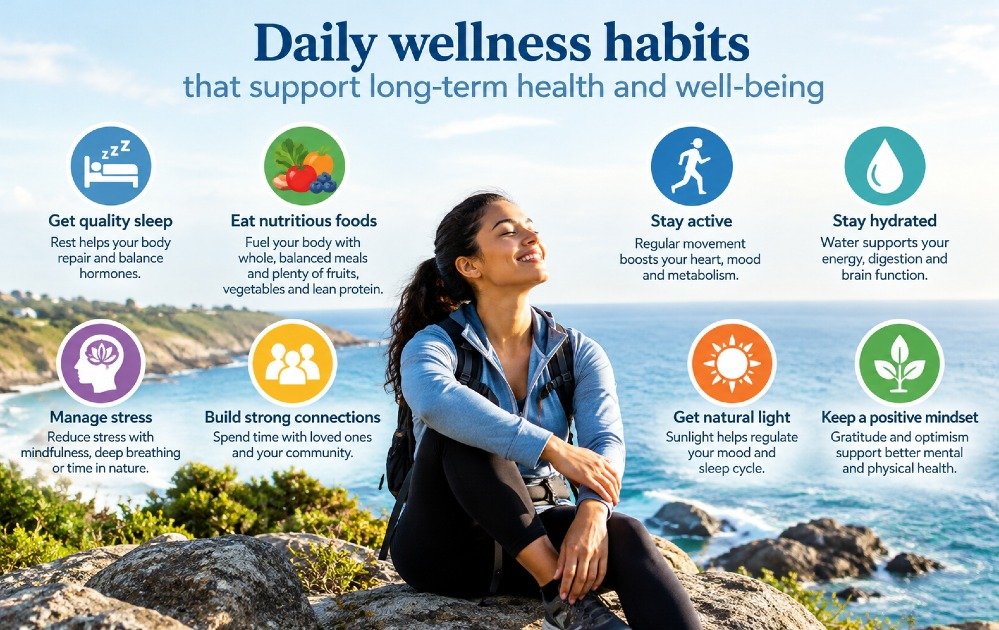
Feeling tired, overwhelmed, or stuck in unhealthy routines can make long-term health seem harder than it should be.
Discover how these ten practical daily habits can help you improve how you feel and build a stronger foundation for lasting health.
Build Your Day Around Nutrient-Dense Foods

Relying on low-nutrient foods can leave your daily nutrition lacking, but nutrient-dense choices help support energy, vitality, and whole-body wellness.
Why it matters:
Nutrient-dense foods deliver essential vitamins, minerals, protein, and fiber that support long-term health and healthy aging.
What works for me:
I build my meals around fruits, vegetables, lean proteins, and whole grains, using a meal-planning guide to make nutrient-dense choices easier and support whole-body wellness.
How to start:
- Add a fruit or vegetable to your next meal.
- Choose whole grains more often.
- Include a quality protein source with meals.
- Keep nutritious snacks available.
- Reduce highly processed foods when practical.
Make Movement Part of Your Normal Day

Struggling to stay active on a busy day? Small, consistent movements can improve your energy and support whole-body wellness.
Why it matters:
Sitting too long can limit daily activity, while regular movement supports mobility, heart health, and overall well-being.
What works for me:
I build movement into everyday routines by walking, stretching between tasks, and using a fitness tracker to monitor my steps and stay motivated toward better whole-body wellness.
How to start:
- Walk for 10–20 minutes after a meal.
- Stand and move regularly during long periods of sitting.
- Add strength exercises two days a week.
- Take the stairs when practical.
- Choose activities you genuinely enjoy.
Protect Your Sleep and Recovery
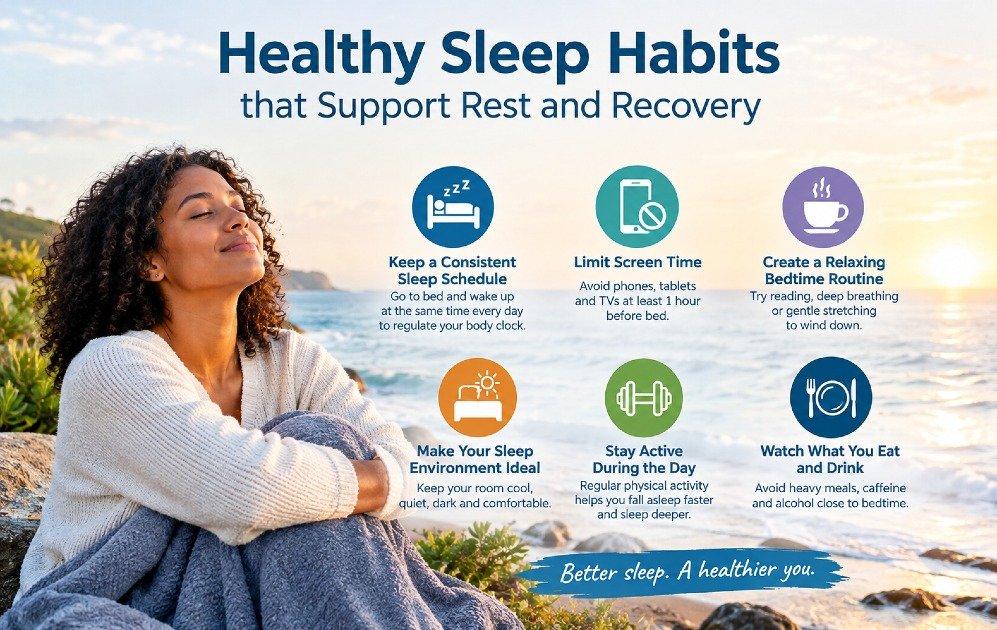
Poor sleep can leave you drained and slow recovery, but protecting your nightly rest supports energy, healing, and whole-body wellness.
Why it matters:
Quality sleep helps your body recover, supports mental clarity, and maintains the energy you need for daily life.
What works for me:
I protect my sleep schedule and track my nightly rest with a sleep tracker to identify patterns, improve recovery, and support whole-body wellness.
How to start:
- Keep your bedtime and wake time relatively consistent.
- Create a relaxing wind-down routine.
- Reduce stimulating activities close to bedtime.
- Keep your bedroom comfortable, dark, and quiet.
- Address persistent sleep problems with a healthcare professional.
Make Hydration a Daily Habit

Struggling to stay energized throughout the day? Consistent hydration is a simple step toward better whole-body wellness.
Why it matters:
Drinking enough water supports temperature regulation, digestion, and normal body function, helping you maintain daily wellness.
What works for me:
I keep a reusable smart water bottle nearby to track my intake, build a consistent hydration routine, and support whole-body wellness.
How to start:
- Drink water with meals.
- Carry a reusable water bottle.
- Drink more when you are physically active or exposed to heat.
- Pay attention to your body’s thirst signals.
- Ask a healthcare professional about fluid restrictions if you have a medical condition that affects hydration.
Practice Stress Management Before Stress Takes Over

Ignoring stress can disrupt your peace, sleep, and whole-body wellness, but practicing stress management early helps you regain control.
Why it matters:
Managing stress before it builds up supports emotional balance, better sleep, and long-term whole-body wellness.
What works for me:
I make time for daily deep breathing and guided meditation, using a meditation platform to stay consistent, calm my mind, and build healthier stress-management habits.
How to start:
- Take a few slow breaths when tension rises.
- Schedule short breaks during demanding days.
- Spend time outdoors when possible.
- Write down concerns instead of carrying every thought mentally.
- Protect boundaries around unnecessary commitments.
Strengthen Your Mental and Emotional Well-Being
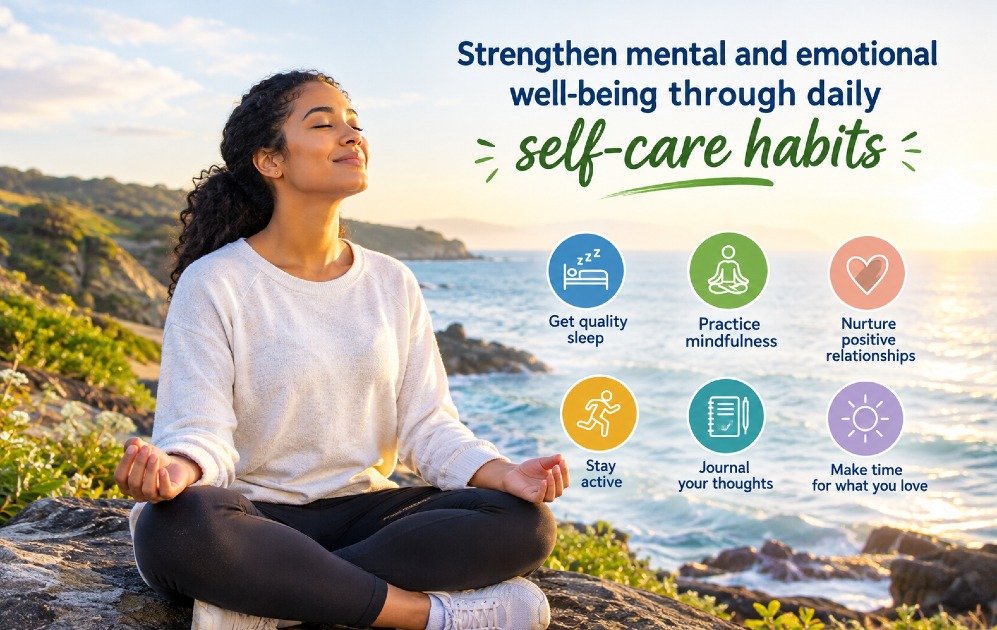
Ongoing stress and emotional strain can undermine your peace of mind, but small, consistent habits can strengthen mental resilience and support whole-body wellness.
Why it matters:
Strong mental and emotional well-being supports healthier relationships, better stress management, improved focus, and long-term wellness.
What works for me:
I prioritize daily mindfulness, restful sleep, and guided meditation with a meditation platform to manage stress, build emotional resilience, and strengthen whole-body wellness.
How to start:
- Schedule time for activities you genuinely enjoy.
- Stay connected with people who support you.
- Practice mindfulness, prayer, breathing, or reflection.
- Take breaks from constant digital stimulation.
- Seek professional support when emotional difficulties persist or interfere with daily life.
Maintain Strength, Mobility, and Balance

Losing strength, mobility, and balance can limit everyday independence, but consistent movement supports whole-body wellness and helps you stay active as you age.
Why it matters:
Maintaining muscle strength, flexible movement, and balance helps reduce fall risk, support daily activities, and preserve independence.
What works for me:
I prioritize strength exercises, gentle mobility routines, and balance practice, using a fitness tracker to monitor my activity and stay consistent with my whole-body wellness goals.
How to start:
- Add basic resistance exercises to your week.
- Practice gentle mobility movements.
- Work on balance safely.
- Increase activity gradually.
- Allow adequate recovery between demanding sessions.
Stay Consistent With Preventive Health
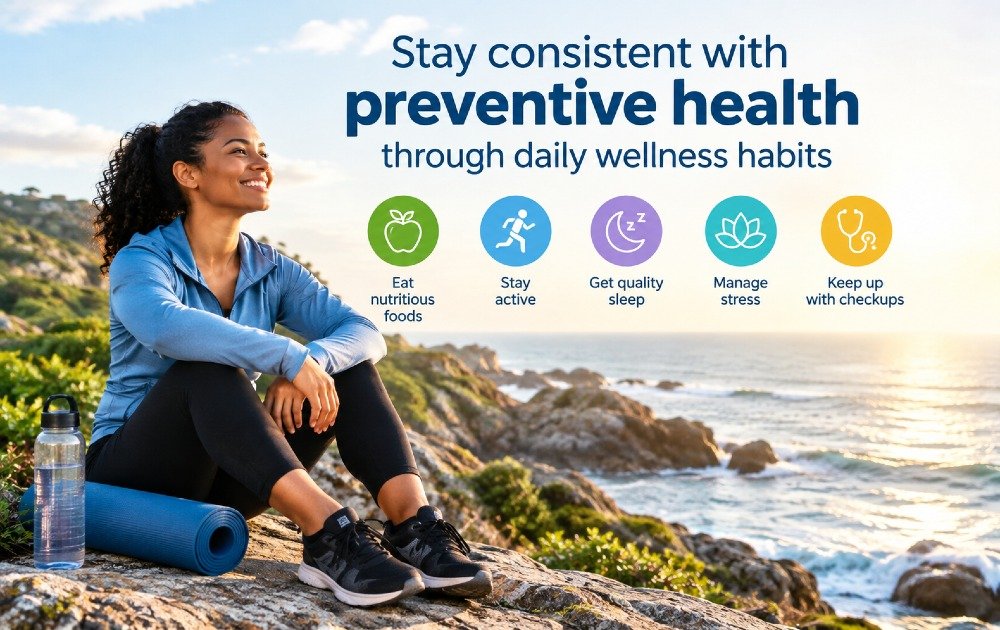
Neglecting routine checkups and daily health habits can allow preventable problems to grow, but consistent preventive care supports whole-body wellness and long-term health.
Why it matters:
Staying consistent with screenings, physical activity, nutritious meals, and quality sleep helps identify health risks early and supports healthier aging.
What works for me:
I make preventive health a priority by tracking my daily habits and checkups with a health and fitness tracker, helping me stay accountable and build lasting whole-body wellness.
How to start:
- Keep regular healthcare appointments.
- Know which screenings are appropriate for your age and risk factors.
- Stay informed about recommended vaccinations.
- Know important personal health measurements.
- Write down questions before appointments.
Build Strong Social Connections

Weak social connections can leave you feeling isolated, but meaningful relationships can strengthen whole-body wellness and emotional well-being.
Why it matters:
Strong social connections support emotional resilience, reduce loneliness, and encourage healthier habits as you age.
What works for me:
I prioritize regular check-ins, shared activities, and meaningful conversations, while using a guided wellness journal to strengthen my relationships and support whole-body wellness.
How to start:
- Call someone you have not spoken with recently.
- Schedule regular time with family or friends.
- Join a community or activity group.
- Share a healthy activity with someone else.
- Ask for support when you need it.
Track the Habits That Matter

Without tracking your daily habits, small choices can undermine your progress, but monitoring the right routines helps strengthen whole-body wellness.
Why it matters:
Tracking sleep, movement, hydration, and stress reveals patterns that help you make smarter health decisions and measure progress.
What works for me:
I track my daily wellness habits with a simple health journal and a fitness tracker to monitor my activity, sleep, and consistency, turning small actions into lasting whole-body wellness improvements.
How to start:
Choose three to five habits to monitor:
- Hours of sleep.
- Minutes of physical activity.
- Water intake.
- Fruit and vegetable servings.
- Stress level.
- Strength workouts.
- Preventive appointments.
- Daily recovery time.
How These 10 Habits Work Together
These ten habits work together to make whole-body wellness a practical, sustainable part of everyday life.
Neglecting one area of health can undermine progress in others, making long-term wellness harder to maintain.
Combining these habits helps you build stronger daily routines, improve overall well-being, and support long-term health.
A Simple Whole-Body Wellness Routine
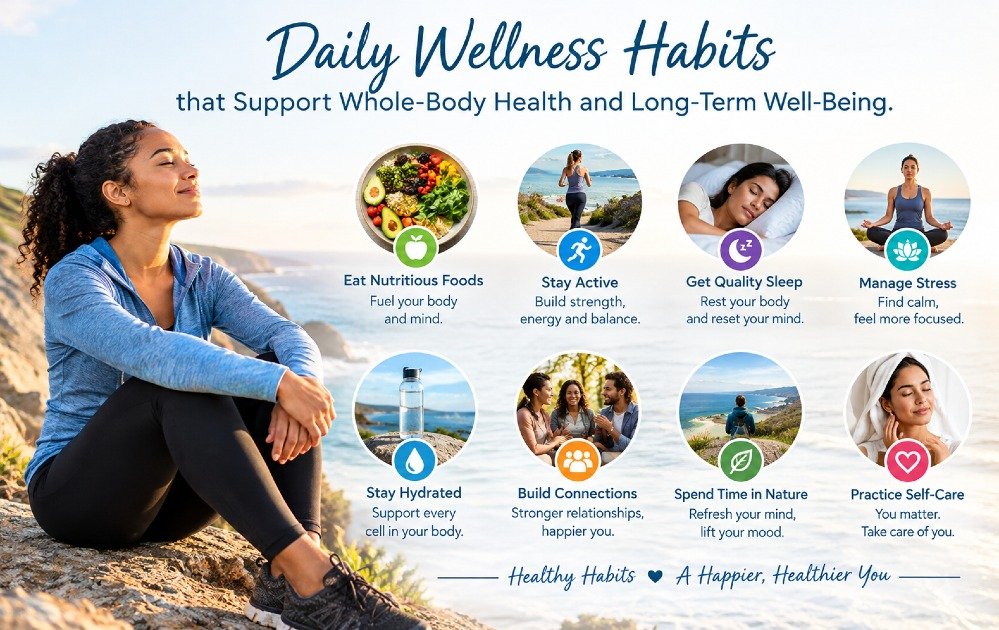
A simple whole-body wellness routine helps you build daily habits that support your physical, mental, and emotional health.
Neglecting daily wellness habits can disrupt energy, sleep, stress control, and long-term health.
A consistent whole-body wellness routine helps you improve daily energy, manage stress, sleep better, and support lasting health.
Frequently Asked Questions
What is whole-body wellness?
Whole-body wellness connects nutrition, movement, sleep, stress, mental health, relationships, preventive care, and healthy habits to help you build stronger, lasting health.
What are the best whole-body wellness habits for long-term health?
Build sustainable habits around nutritious eating, regular exercise, quality sleep, hydration, stress management, mental well-being, preventive care, social connection, strength, mobility, and progress tracking.
How can I start a whole-body wellness routine?
Start with 2–3 habits that meet your biggest needs, then build on your progress by adding one habit at a time.
Can whole-body wellness help with healthy aging?
Healthy aging supports strength, independence, mental well-being, and daily life through regular activity, nutritious eating, quality sleep, preventive care, and sustainable habits.
Do I need supplements for whole-body wellness?
Supplements can support your health but should not replace nutritious food, exercise, sleep, or preventive care—consult a healthcare professional before use, especially if you take medications or have a medical condition.
Recap: Make Whole-Body Wellness Your Long-Term Health Goal
Lasting health is not built by waiting for problems to appear—it is shaped by what you consistently do today.
Whole-body wellness means giving your nutrition, movement, sleep, stress, relationships, and preventive care the attention they need to support your health over time.
Make whole-body wellness a daily commitment, and give your future self a stronger, healthier foundation.
Your long-term health starts when the choices you make help you feel stronger, function better, and stay proactive as you age.
Ready to Track Your Health Progress?
Still struggling to stay consistent with your wellness goals and turn daily habits into lasting results?
Discover how this fitness tracker can help you monitor activity, sleep, and other key health trends so that you can make smarter choices and stay accountable.