
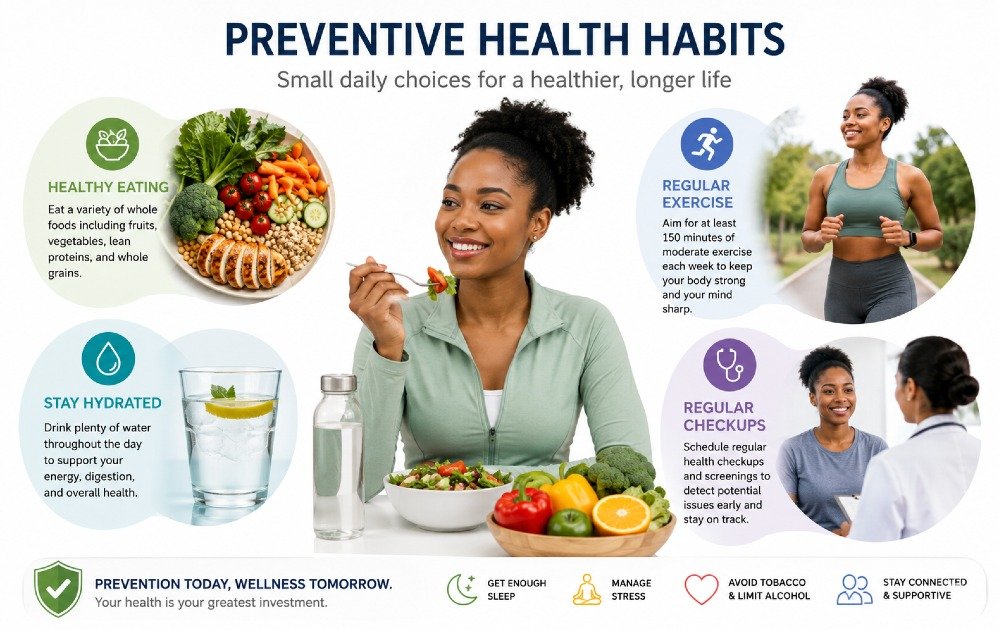
Still struggling to maintain your health despite your best efforts?
Harvard Health highlights that early prevention and action can be more effective than relying on treatment alone.
This guide reveals how preventive care protects your long-term health through simple, sustainable habits that support lasting wellness.
What Is Preventive Health?
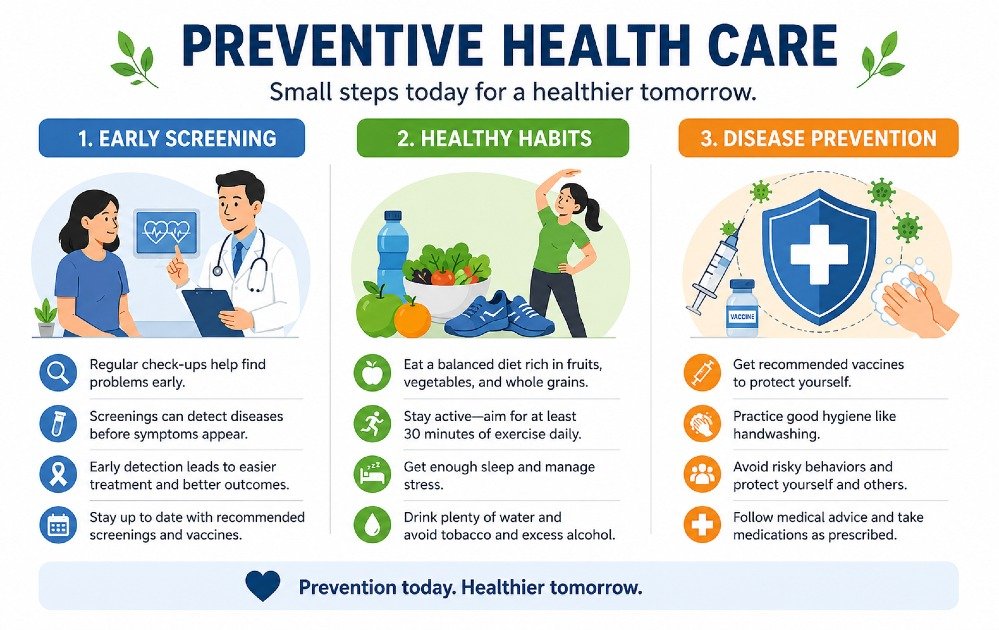
Preventive health reduces disease risk through healthy habits, early screenings, and proactive care before problems begin.
CDC reports that 70% of U.S. deaths stem from chronic diseases, but early screening and lifestyle changes can prevent many cases, cut heart disease risk by up to 80%, and improve survival.
Why it matters:
Preventive health helps you stay ahead of disease through early detection, screenings, vaccinations, and healthy habits before illness begins.
What works for me:
I’ve found that the most effective approach combines annual checkups, movement, balanced nutrition, and stress management to create lasting benefits for overall health and well-being.
How to start:
- Schedule a yearly physical exam
- Track your blood pressure and glucose levels
- Stay updated on vaccinations
- Begin a basic wellness routine (walking, hydration, sleep)
The Role of Early Detection in Preventive Health
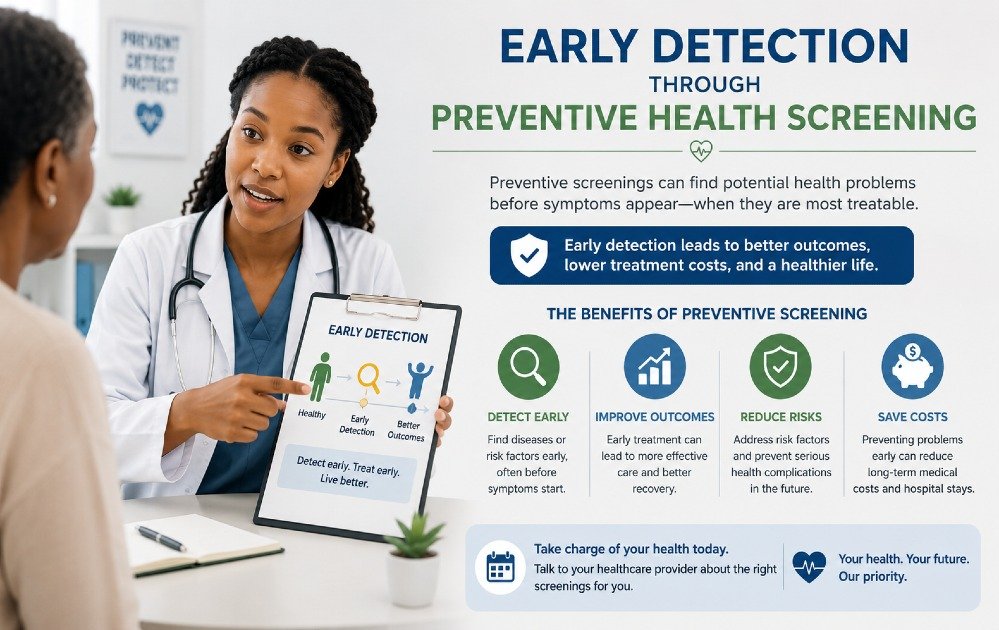
Regular screenings detect hidden health risks early, improving treatment outcomes and preventing serious complications from diabetes, hypertension, and cancer.
WHO confirms that detecting cancer early can significantly improve survival outcomes.
Why it matters:
Recognizing health concerns early, including cancer, diabetes, and heart disease, allows for timely action when treatment options are often more effective and manageable.
What works for me:
I prioritize regular screenings because they help me detect risks early, support effective treatment, and strengthen my mental health and preventive care before problems arise.
How to start:
- Get annual blood work (lipid panel, glucose)
- Schedule age-appropriate screenings (mammograms, colonoscopy, etc.)
- Monitor family history risks
- Use reminders for medical appointments
7 Ways Preventive Healthcare Builds a Stronger Body for the Future
Still waiting for health problems to appear before making changes?
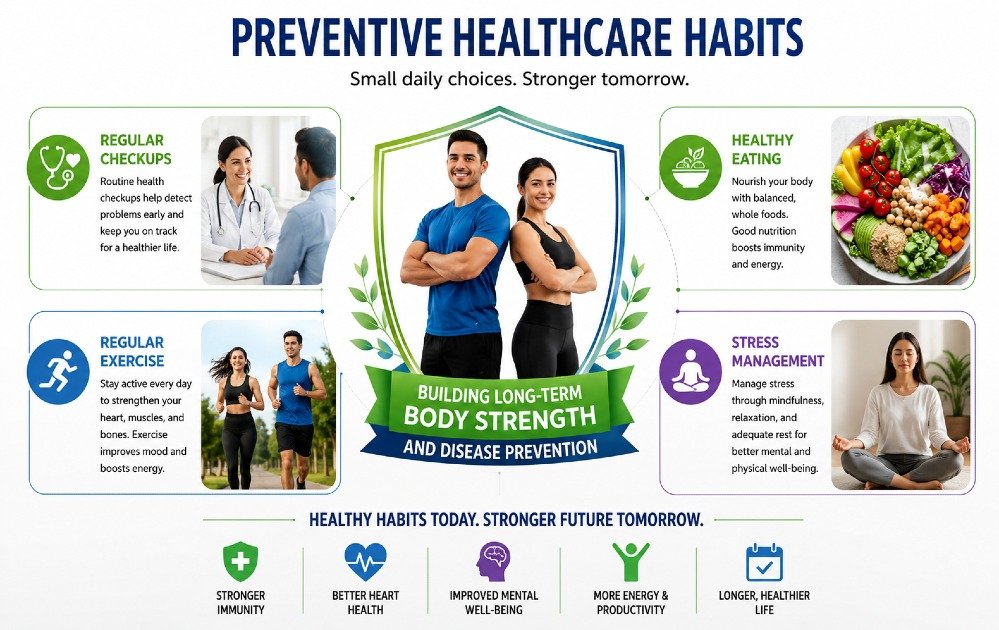
Preventive healthcare builds a stronger body through screenings, healthy habits, and consistent care.
Discover seven ways preventive healthcare strengthens your body, identifies risks early, and builds lasting health for the future.
1. Lifestyle Choices as the Foundation of Preventive Health

Daily choices like quality sleep, movement, hydration, stress management, and balanced nutrition build resilience, prevent chronic disease risks, and create lasting health.
Why it matters:
Your daily lifestyle choices—nutrition, exercise, sleep, and stress management—shape long-term health and influence disease risk.
What works for me:
My daily lifestyle choices power preventive health by reducing risks, boosting energy, and building a healthier future.
How to start:
- Walk 30 minutes daily
- Prioritize whole foods over processed foods
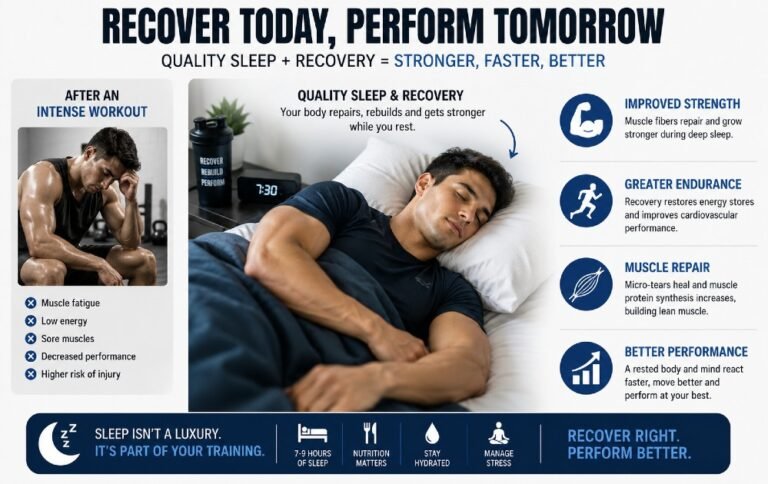
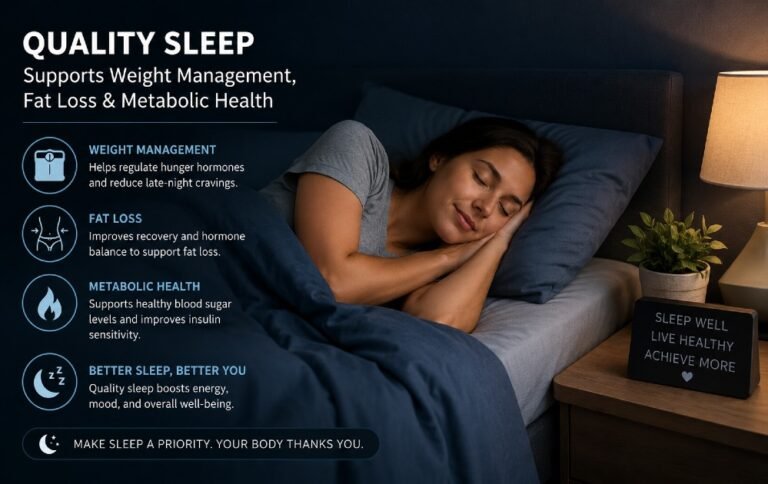
- Maintain 7–9 hours of sleep
- Reduce sugar intake gradually
2. Nutrition and Preventive Health
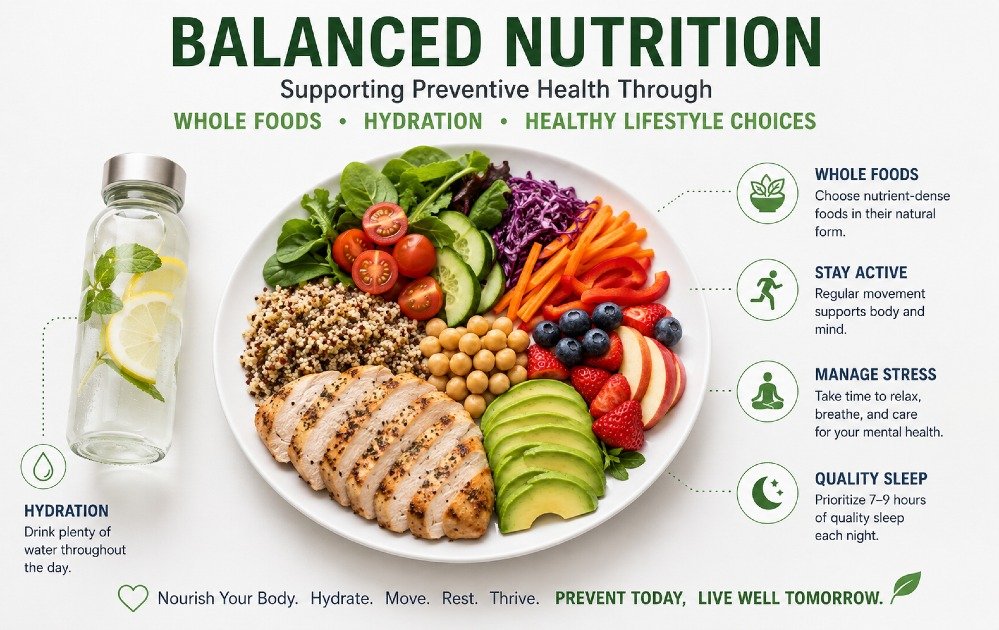
Smart nutrition choices fuel daily health, strengthen immunity, reduce disease risk, and protect long-term wellness through balanced, nutrient-rich foods.
Why it matters:
Food does more than fuel your body—it shapes inflammation, immunity, and your long-term health risks.
What works for me:
I believe nutrition is a cornerstone of preventive health, helping me protect my well-being, boost energy, strengthen my body, and build lasting habits for a healthier life.
How to start:
- Replace sugary drinks with water
- Add vegetables to every meal
- Choose whole grains over refined grains
- Include healthy fats (avocado, nuts, olive oil)
3. Exercise as a Preventive Health Tool
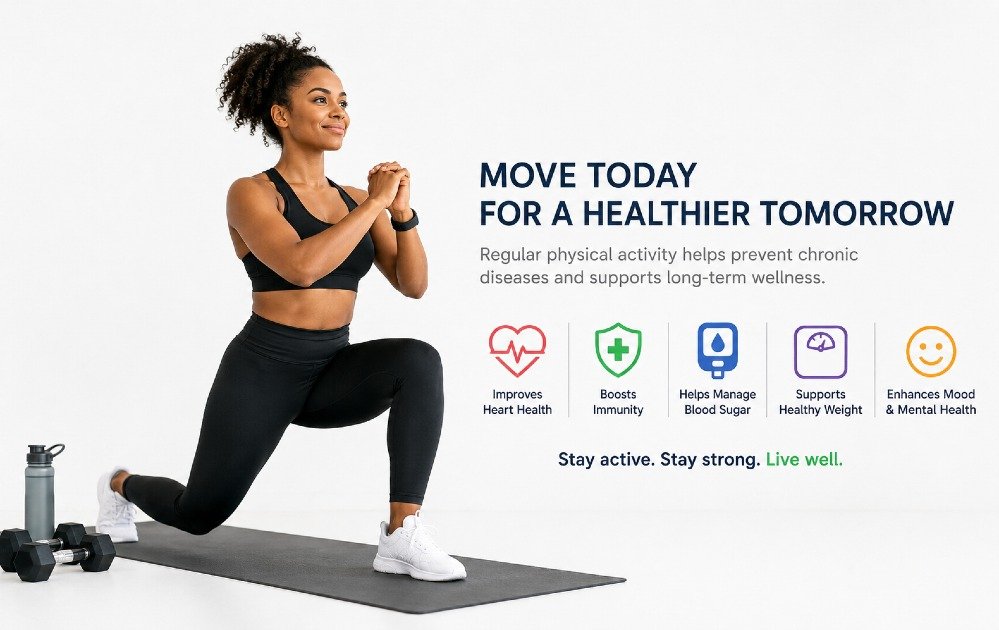
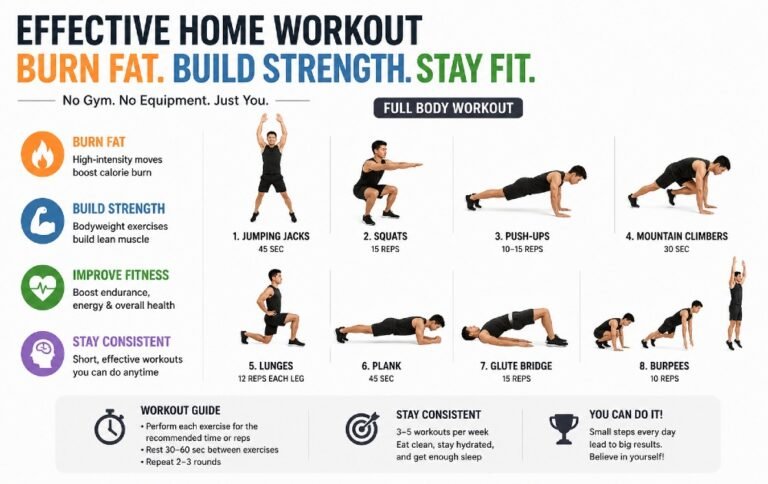
Regular exercise protects your health by strengthening the heart, boosting mood, improving sleep and energy, and reducing disease risk.
Why it matters:
Physical activity boosts heart health, metabolism, mental well-being, and protection against disease.
What works for me:
I use exercise to prevent disease, build strength, boost energy, and support lifelong health.
How to start:
- Start with 10–15 minute daily walks
- Add strength training twice a week
- Use stairs instead of elevators
- Stretch to improve mobility
4. Vaccinations and Immunity Protection
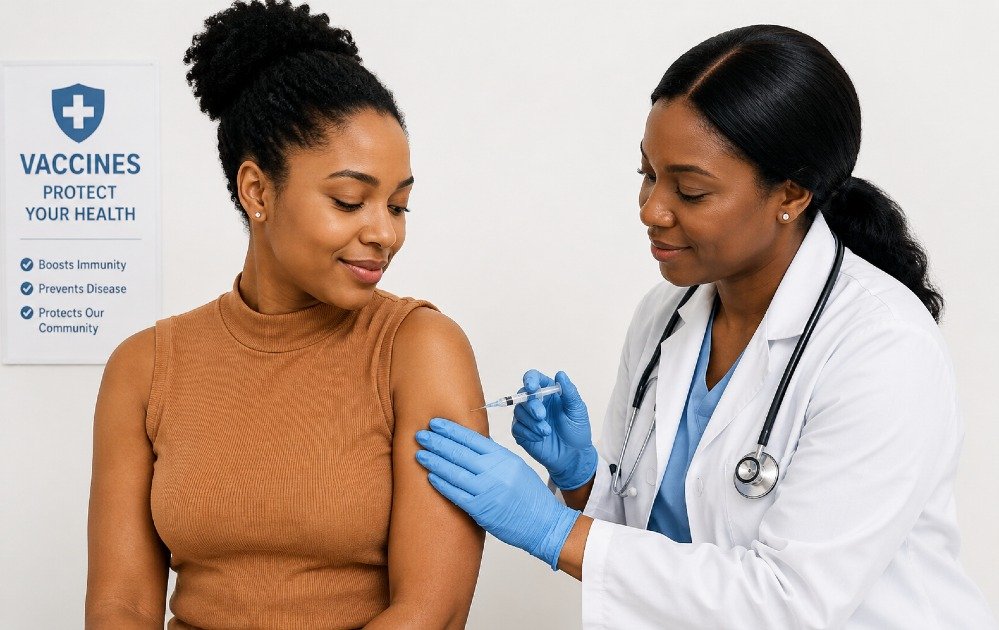
Vaccinations boost immunity, prevent serious infections, protect communities, and remain a proven tool for lifelong health protection.
Why it matters:
Vaccines protect individuals and communities by slowing the spread of disease.
What works for me:
I boost my immune protection with vaccinations to prevent serious illness and support lifelong wellness.
How to start:
- Check adult vaccine schedule
- Update flu and COVID vaccines as needed
- Discuss travel vaccines if applicable
- Keep vaccination records organized
5. Mental Health in Preventive Care

Manage stress, nurture relationships, sleep well, and support emotional wellness to strengthen immunity, improve health, and reduce long-term risks.
Why it matters:
Chronic stress can harm mental and physical health, increasing the risk of high blood pressure, heart disease, and weakened immunity.
What works for me:
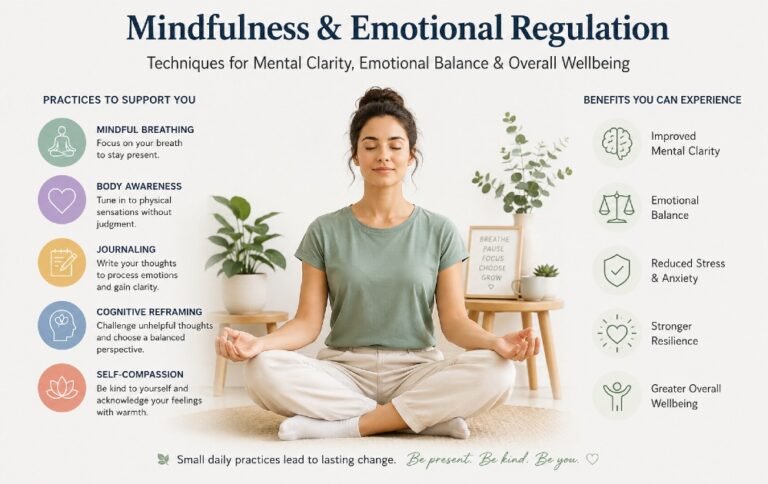
I prioritize mental health in preventive care to reduce stress, strengthen resilience, improve focus, and protect lifelong well-being.
How to start:
- Practice 5–10 minutes of mindfulness daily
- Limit screen time before bed
- Engage in hobbies that relax the mind
- Seek support when needed
6. Routine Health Checkups and Monitoring

Routine health checkups detect hidden risks early, track key health changes, and create personalized prevention plans that protect long-term wellness.
Why it matters:
Routine checkups catch hidden risks like high cholesterol and blood pressure early, helping protect your long-term health.
What works for me:
I prioritize routine health checkups to catch concerns early, stay informed, and protect my long-term health.
How to start:
- Schedule annual physical exams
- Track vital signs at home
- Maintain a personal health record
- Follow doctor recommendations consistently
7. Technology in Preventive Health
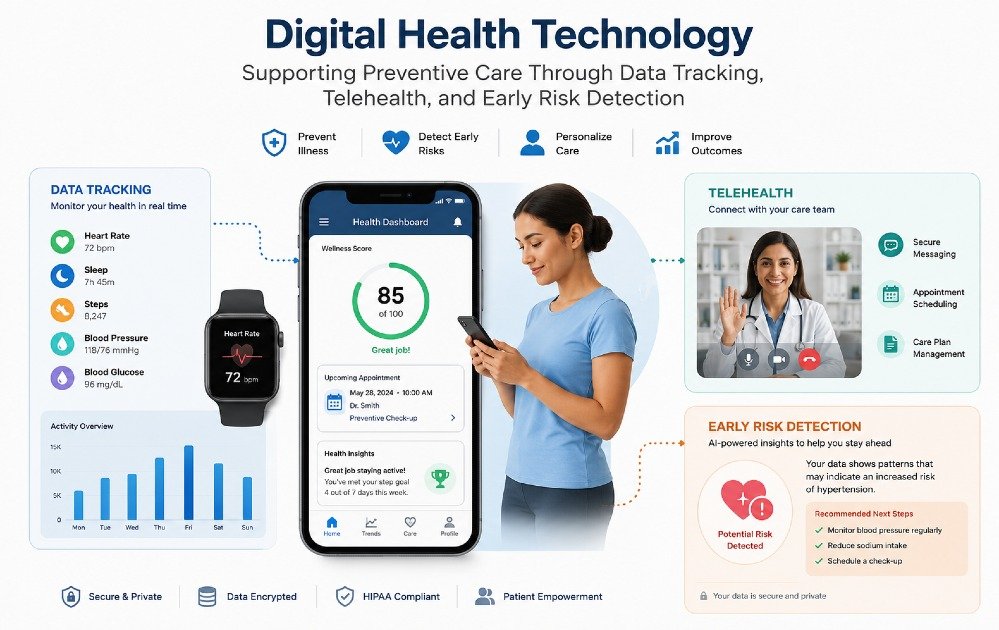
Technology advances preventive health with wearables, apps, and remote monitoring that provide real-time insights, detect risks early, and guide smarter health choices.
Why it matters:
Digital tools make it easier to track fitness, sleep, heart health, and nutrition.
What works for me:
I use preventive health technology to track wellness, make smarter decisions, and build daily habits that support lifelong health.
How to start:
- Use fitness trackers for steps and heart rate
- Track sleep patterns
- Use health apps for reminders
- Monitor hydration levels
Common Mistakes in Preventive Health
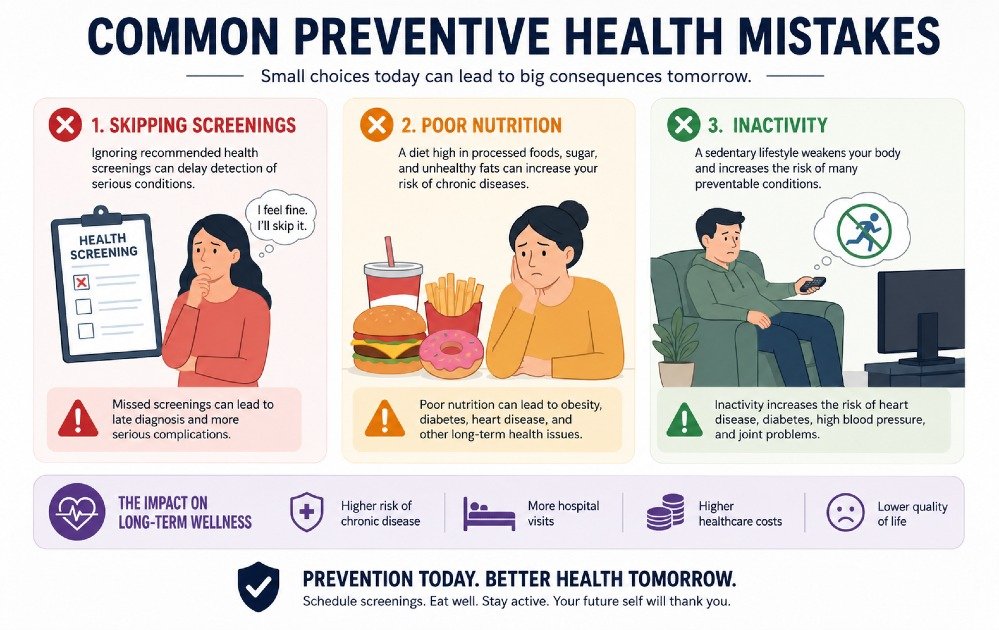
Consistent preventive health habits protect your future, but common mistakes can weaken results and raise long-term health risks.
Waiting for Symptoms to Appear
Feeling healthy doesn’t always mean you’re protected—routine screenings and wellness visits can catch silent conditions like high blood pressure, diabetes, and high cholesterol early.
What to do:
- Schedule annual health exams.
- Follow recommended screening schedules.
- Monitor blood pressure, cholesterol, and blood sugar.
- Keep track of your health records.
Overlooking Daily Health Habits
Preventive care goes beyond checkups—building healthy habits around nutrition, movement, sleep, and stress management protects long-term wellness.
What to do:
- Eat nutrient-rich foods.
- Stay physically active.
- Get adequate sleep.
- Manage stress effectively.
Inconsistent Health Practices
Many start healthy routines but succeed by building simple, sustainable habits that last.
What to do:
- Set realistic goals.
- Track your progress.
- Introduce changes gradually.
- Focus on consistency, not perfection.
Preventive Health Strategies
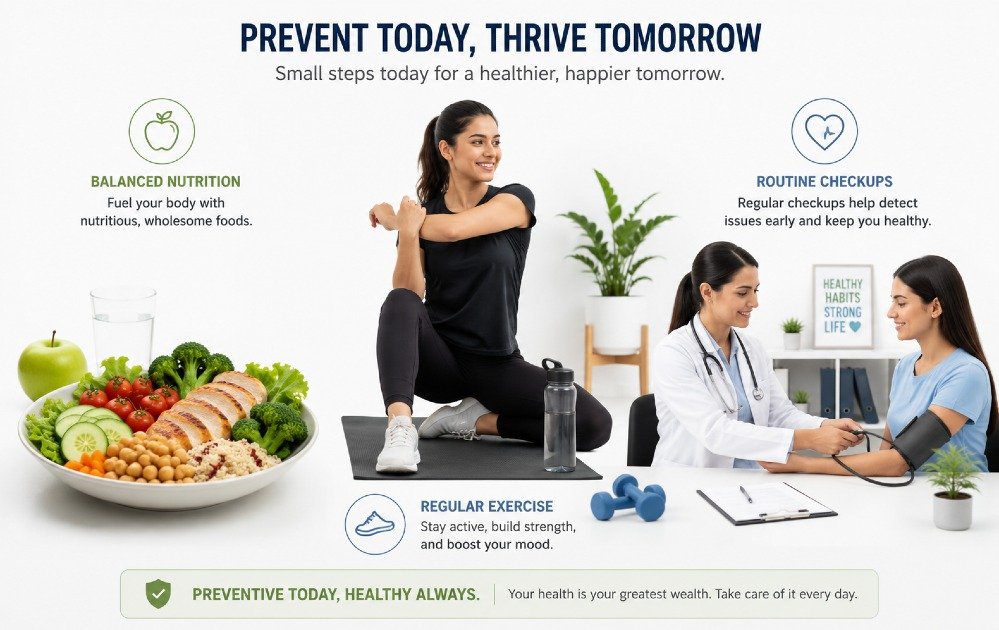
Preventive health starts with proactive strategies that reduce risks early, helping protect long-term wellness before disease develops.
Taking a Reactive Approach to Health
Many people wait for symptoms before seeking care—make prevention a priority to protect your long-term health.
What to do:
- Schedule routine health screenings.
- Stay current with vaccinations.
- Maintain a healthy weight.
- Exercise regularly.
- Follow a balanced diet.
- Manage stress.
- Avoid smoking and excessive alcohol use.
Limited Awareness of Personal Risk Factors
Understand how your family history, lifestyle, and health conditions shape your risks by knowing your health profile and tracking key indicators.
What to do:
- Review your family medical history.
- Discuss risk factors with your healthcare provider.
- Track blood pressure and cholesterol levels.
- Stay informed about common health conditions.
Chronic Disease Prevention
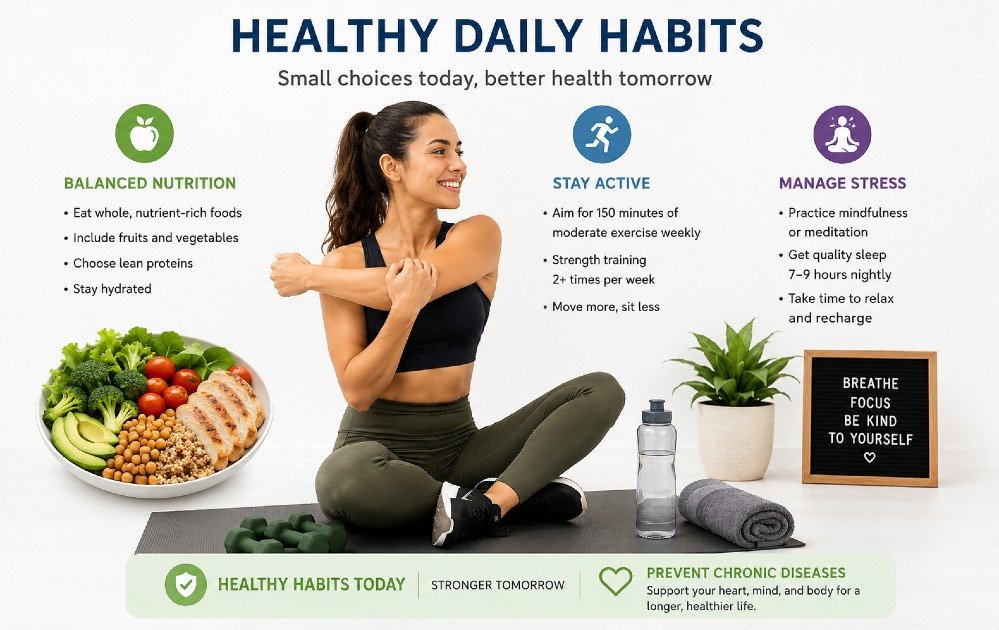
Many chronic diseases stem from daily habits. Preventing them starts with consistent, healthy choices.
Habits That Increase Disease Risk
Poor nutrition, inactivity, and chronic stress fuel preventable diseases—build healthy habits today to protect long-term health.
What to do:
- Eat more fruits and vegetables.
- Limit processed and sugary foods.
- Exercise regularly.
- Maintain a healthy weight.
- Prioritize quality sleep.
Undetected Health Conditions
Many chronic conditions hide silently—preventive screenings help detect risks early and protect your long-term health.
What to do:
- Blood pressure checks
- Cholesterol testing
- Blood glucose screening
- Recommended cancer screenings
- Annual wellness exams
Disease Prevention Habits
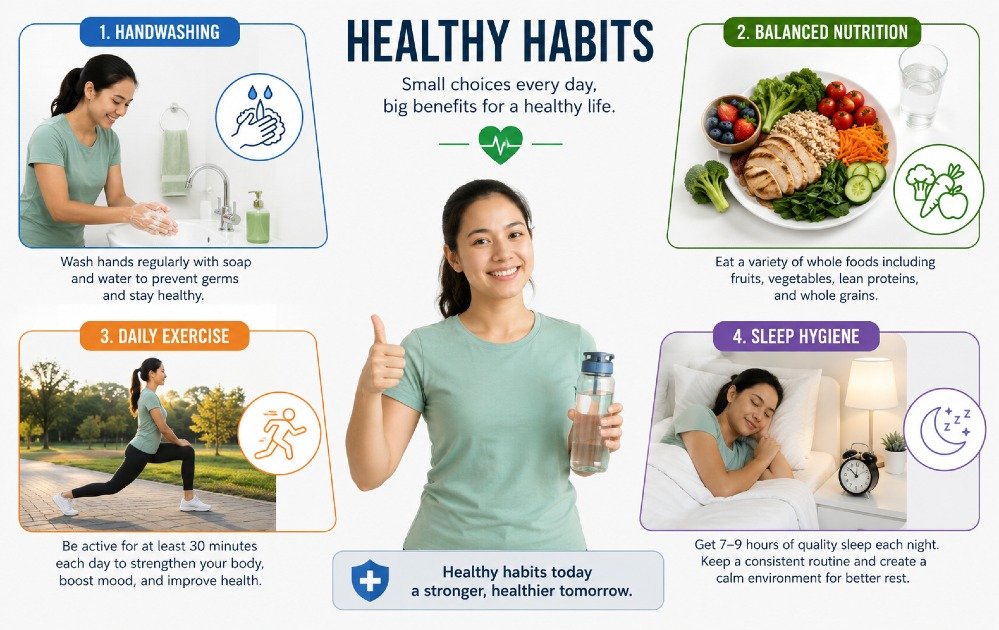
The healthy choices you make today can lower your risk of future disease and protect lifelong wellness.
Unhealthy Daily Routines
Break harmful habits today to strengthen your body’s defenses, reduce disease risk, and build lasting wellness.
What to do:
- Drink enough water daily.
- Eat balanced, nutrient-rich meals.
- Stay physically active.
- Maintain a consistent sleep schedule.
- Practice good hygiene.
Chronic Stress
Chronic stress can weaken immunity, heart health, sleep, and emotional balance—make daily stress management a priority.
What to do:
- Practice mindfulness or meditation.
- Spend time outdoors.
- Maintain supportive relationships.
- Create healthy work-life boundaries.
- Engage in activities you enjoy.
Neglecting Preventive Care
Even healthy individuals can overlook preventive care—pair strong lifestyle habits with routine screenings to protect long-term health.
What to do:
- Schedule annual checkups.
- Stay up to date on vaccinations.
- Follow recommended screening guidelines.
- Address health concerns promptly.
Frequently Asked Questions
What is preventive health and why does it matter?
Preventive health helps you stay healthier longer by reducing disease risk through healthy habits, routine screenings, vaccinations, and early action.
How often should I get preventive health checkups?
Annual wellness exams help most adults stay healthy, while your age, health history, and risk factors determine if you need additional screenings or more frequent checkups.
Can preventive health lower the risk of chronic disease?
Regular exercise, healthy eating, quality sleep, and routine screenings can significantly lower your risk of heart disease, type 2 diabetes, and high blood pressure.
What are the most important preventive health habits?
Stay active, eat well, sleep enough, manage stress, avoid tobacco, limit alcohol, and stay current with recommended health screenings.
Is preventive health only important for older adults?
Preventive health benefits every age by building healthy habits that reduce future health risks and support lifelong wellness.
Why is early detection important?
Many health conditions show no early symptoms, making early detection essential for better treatment and prevention.
Recap: Prevention Today Creates Better Health Tomorrow
Preventive health protects your future by helping you prevent chronic disease through healthy daily habits before problems begin.
Protect lasting health with early detection, regular screenings, and mental wellness—prevention is your strongest defense.
Your daily choices are the foundation of a healthier, more active future. Start with one habit today and deliver the greatest long-term results.
Ready to Take Control Before Health Problems Take Control of You?
Still waiting for a health scare before making a change? Your future health depends on the habits you choose today.
Discover how this fitness tracker turns every step, heartbeat, and workout into lasting progress—toward a healthier future.