

Still eating on autopilot while hoping your health will stay strong as you age?
The National Institute on Aging emphasizes that smart food choices and healthy eating can support healthier aging and help reduce the risk of certain health problems.
This guide explains eating patterns that can help you nourish your body, protect your long-term health, and make every year count.
Why Eating Patterns Matter
The right pattern can help reduce age-related health risks, preserve strength, and support healthier aging.
Poor eating habits can contribute to nutrient gaps, muscle loss, and increased risk of chronic disease as you age.
Your body’s nutritional needs change with age, making consistent, nutrient-rich food choices essential.
What Supports Healthy Aging
A healthy pattern includes fruits, vegetables, whole grains, protein-rich foods, and other nutrient-dense choices.
These foods help maintain muscle strength, support heart health, and provide essential nutrients for healthy aging.
How to Build Better Eating Patterns
Build meals around nutrient-rich foods, include protein regularly, and adjust portions to meet your changing needs.
These practical habits help you meet nutritional needs, maintain strength, and support long-term health as you age.
8 Eating Patterns That Help You Age Stronger and Stay Healthier

Are your daily food choices quietly making it harder to stay strong, active, and healthy as you age?
Aging does not have to mean accepting declining energy, muscle strength, or overall well-being.
Discover how these eight eating patterns can help you nourish your body, support strength, and make healthy aging a goal you can actively pursue.
Follow a Mediterranean-Style Eating Pattern

A restrictive or inconsistent pattern can undermine long-term wellness, but a Mediterranean-style offers a practical way to nourish your body and support healthy aging.
Why it matters:
A Mediterranean-style emphasizes vegetables, fruits, whole grains, legumes, nuts, fish, and olive oil to support heart health and overall well-being.
What works for me:
I build my eating pattern around colorful plant foods, fish, and olive oil, using a Mediterranean diet cookbook to plan simple, nourishing meals consistently.
How to start:
- Add vegetables to at least two meals each day.
- Replace some refined grains with oats, barley, brown rice, or whole-grain bread.
- Include beans or lentils several times each week.
- Choose fish or seafood regularly when appropriate for you.
- Use olive oil in place of butter for many everyday cooking needs.
Build Meals Around Protein-Rich Foods
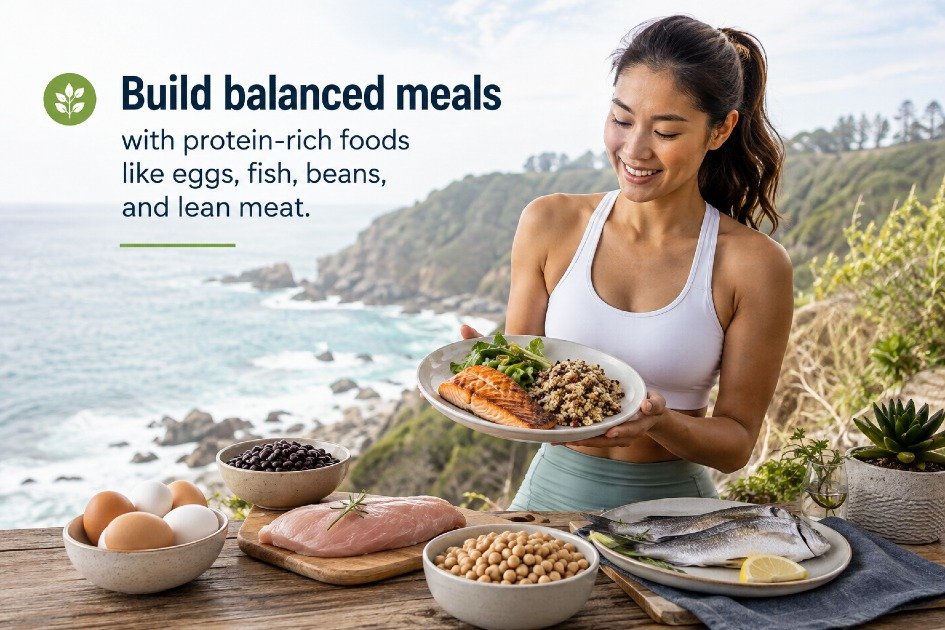
An eating pattern lacking protein-rich foods may leave meals less satisfying, but building meals around quality protein can support strength, fullness, and everyday wellness.
Why it matters:
Protein-rich foods provide essential building blocks for muscle maintenance and help make an eating pattern more satisfying as you age.
What works for me:
I build my meals around eggs, fish, beans, or Greek yogurt and use a digital food scale to guide portions and support a more consistent, protein-rich eating pattern.
How to start:
- Add eggs or Greek yogurt to breakfast.
- Include beans, lentils, chicken, fish, tofu, or another protein at lunch.
- Choose a protein source at dinner.
- Keep convenient protein-rich foods available.
- Ask your healthcare professional about your individual protein needs if you have kidney disease or another condition that affects dietary recommendations.
Emphasize Plants at Most Meals

A pattern low in plant foods may limit fiber and essential nutrients, but emphasizing plants at most meals can support long-term health.
Why it matters:
Plant-rich meals provide fiber, vitamins, minerals, and antioxidants that support digestion, heart health, and healthy aging.
What works for me:
I make plants the center of my eating pattern by adding vegetables, fruits, beans, and whole grains to most meals, using a meal-planning guide to stay
How to start:
- Add leafy greens to salads, soups, sandwiches, or bowls.
- Keep frozen vegetables available for quick meals.
- Add berries or another fruit to breakfast.
- Use beans or lentils in soups, salads, and grain bowls.
- Include nuts or seeds in appropriate portions.
Choose a DASH-Style Eating Pattern

A restrictive pattern can make heart-health goals harder to maintain, but a DASH-style pattern offers a practical path to better blood pressure and long-term wellness.
Why it matters:
The DASH pattern emphasizes fruits, vegetables, whole grains, and low-sodium foods to support healthy blood pressure and cardiovascular health.
What works for me:
I focus on building DASH-style meals with more fruits, vegetables, and whole grains, using a portion-control plate to make heart-healthy eating simpler and more consistent.
How to start:
- Compare sodium levels on similar packaged foods.
- Choose more fresh or minimally processed foods.
- Include potassium-rich foods when appropriate for your health needs.
- Prepare more meals at home.
Try a MIND-Style Eating Pattern
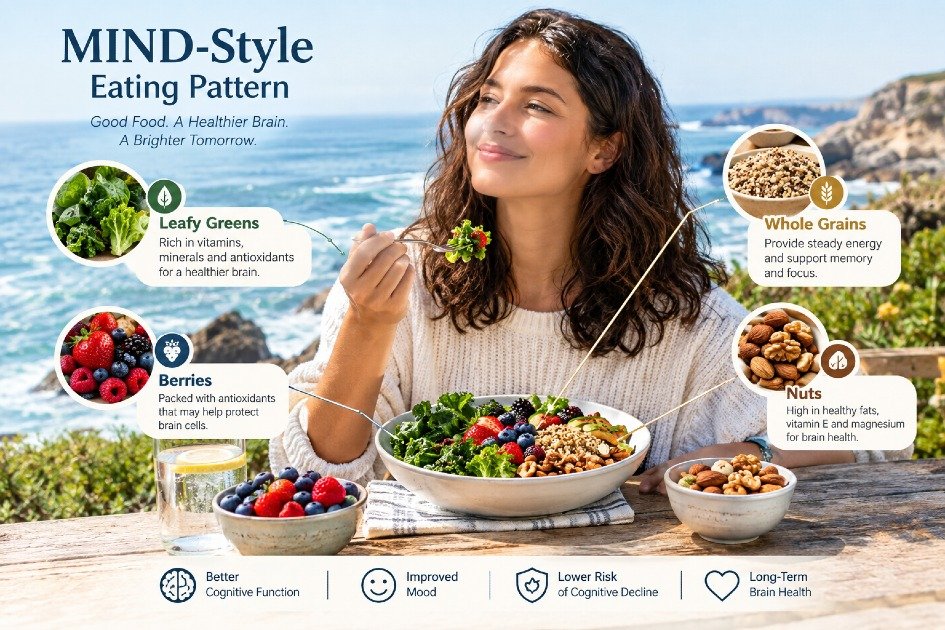
A poor eating pattern may affect long-term brain health, but the MIND-style offers a practical way to support cognitive wellness through everyday food choices.
Why it matters:
The MIND eating pattern emphasizes leafy greens, berries, whole grains, nuts, and other nutrient-rich foods associated with better brain health.
What works for me:
I focus on adding MIND-friendly foods to my meals and use a meal-planning journal to track my eating pattern, build consistency, and make brain-supportive choices easier.
How to start:
- Add leafy greens to one meal each day.
- Include berries when available and appropriate.
- Eat beans regularly.
- Choose whole grains more often.
- Include fish as part of your weekly meal rotation.
Practice a High-Fiber Eating Pattern
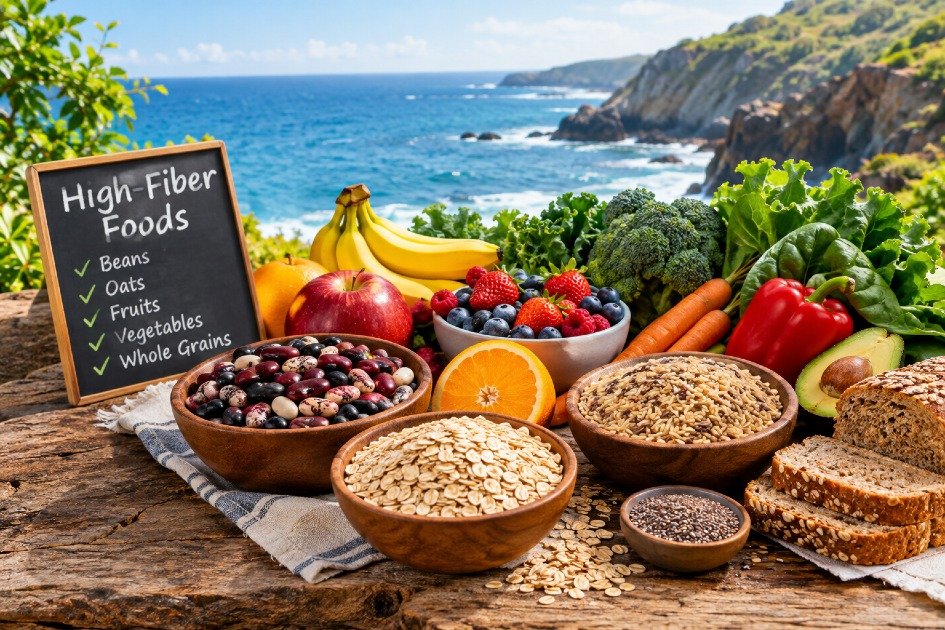
A low-fiber can leave you falling short on digestive regularity, but choosing fiber-rich foods helps support better daily wellness.
Why it matters:
A high-fiber supports digestive health, helps maintain bowel regularity, and promotes fullness for better appetite control.
What works for me:
I build my eating pattern around beans, oats, fruits, and vegetables, and use a fiber supplement when needed to help meet my daily fiber goals.
How to start:
- Choose oatmeal or another whole-grain breakfast.
- Add beans or lentils to soups and salads.
- Eat whole fruit instead of relying primarily on juice.
- Add vegetables to lunch and dinner.
- Increase fiber gradually while maintaining appropriate fluid intake.
Use a Balanced, Minimally Processed Eating Pattern

A diet high in ultra-processed foods can undermine healthy habits, but balanced, minimally processed foods help you make more nourishing choices every day.
Why it matters:
A balanced eating pattern provides essential nutrients and supports long-term health, energy, and healthy aging.
What works for me:
I prioritize whole foods, lean proteins, fruits, vegetables, and whole grains, using a meal-planning guide to organize nutritious meals and maintain consistent eating habits.
How to start:
- Build meals around recognizable whole or minimally processed foods.
- Keep nutritious snacks visible and convenient.
- Compare ingredient lists when buying packaged foods.
- Limit sugary beverages.
- Treat highly processed foods as occasional choices rather than the foundation of meals.
Practice a Consistent Meal Pattern

An inconsistent eating pattern can disrupt hunger cues and energy levels, but regular meals can help you build a more reliable daily routine.
Why it matters:
A consistent meal pattern supports predictable energy, appetite management, and better daily nutrition.
What works for me:
I plan my meals around regular times and use a meal-planning journal to track my eating pattern, stay consistent, and make healthier food choices.
How to start:
- Plan your main meals before the week begins.
- Prepare one or two ingredients ahead of time.
- Keep easy protein options available.
- Stock frozen vegetables and fruit for convenience.
- Adjust meal size and timing to your appetite and individual needs.
How to Combine These Eight Eating Patterns
Combining eight eating patterns into daily meals makes healthy aging simpler, more practical, and easier to sustain.
Following separate eating patterns can feel overwhelming, making it harder to maintain consistent, nutritious food choices as you age.
Combining all eight eating patterns into simple, varied meals helps meet nutrient needs, support healthy aging, and build sustainable eating habits.
Common Mistakes to Avoid
Common eating pattern mistakes can undermine healthy aging, but small, consistent changes can help protect your long-term health.
Poor food choices, skipped meals, and restrictive eating patterns can leave nutritional gaps and make healthy aging harder.
Avoiding these mistakes helps you build a nutritious eating pattern that supports muscle strength, maintains energy, and promotes healthier aging.
Frequently Asked Questions
What is the best eating pattern for healthy aging?
No single eating pattern fits everyone—choose a sustainable, nutrient-rich approach with plenty of plants, whole grains, protein, beans, nuts, and seeds while limiting excess sodium, added sugars, and saturated fat to support healthier aging.
What should I eat every day for healthy aging?
Vary your daily foods with vegetables, fruits, protein, whole grains, beans, nuts, seeds, and fluids to support your needs, and seek professional guidance if medications or chronic conditions affect your nutrition.
Can eating patterns for healthy aging help protect brain health?
Research links Mediterranean- and MIND-style eating patterns with cognitive health, while diet, exercise, heart health, sleep, and other habits may work together to support healthy cognitive aging without guaranteeing dementia prevention.
How much protein do older adults need?
Protein needs vary by body size, activity, and health, so choose appropriate sources throughout the day and seek personalized guidance when needed.
Can I eat dessert and still follow eating patterns for healthy aging?
Healthy eating is about making nutrient-dense foods your foundation while enjoying favorite treats in moderation—not eliminating them.
Recap: Eat Today for the Healthy Years Ahead
Aging well depends on the eating patterns you build today which can help support your energy, strength, nutrient intake, and long-term health as the years go by.
Choose more nutrient-dense foods, include a variety of fruits, vegetables, whole grains, and protein sources, stay hydrated, and make one healthier food shift at a time.
Start with your next meal to invest into a stronger, healthier future you want to live.
Ready To Make Every Meal Count?
Still relying on inconsistent eating habits that may hold back healthy aging?
Discover how this nutrition tracker can help you monitor meals, nutrients, and daily food choices so that you can make smarter decisions with confidence and a step toward a healthier, stronger you.