
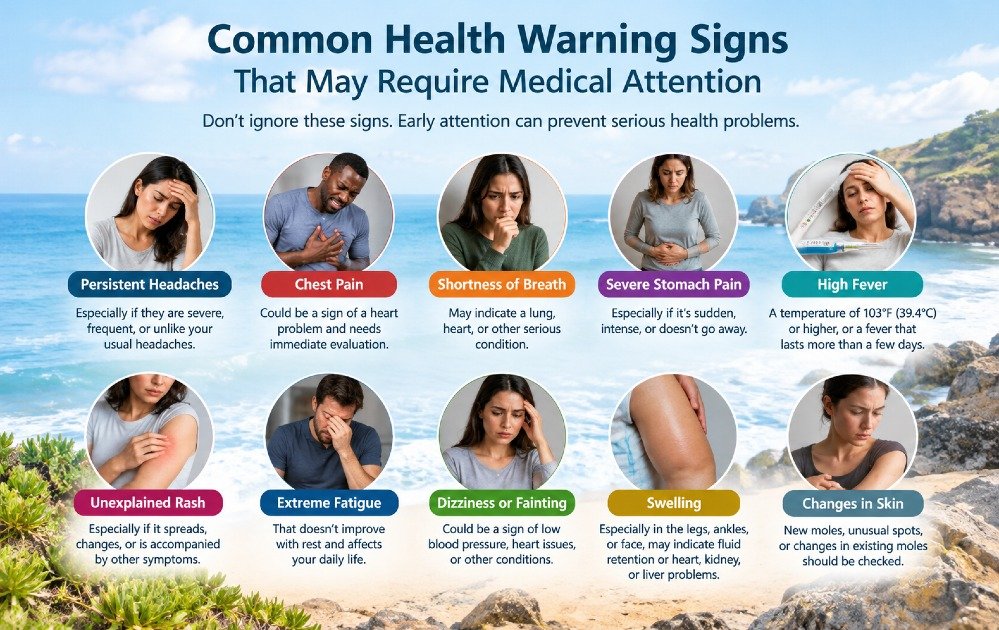
Ignoring health warning signs can delay treatment and worsen health problems, but recognizing changes early helps you take action and protect your health.
The CDC emphasizes that symptoms such as difficulty breathing, chest pain or pressure, confusion, severe weakness, or sudden neurological changes should not be dismissed.
This guide explains that knowing what to watch for can help you act sooner, ask better questions, and protect your health before a concern becomes more serious.
Why Health Warning Signs Matter
Unexplained symptoms may signal underlying health problems that need timely medical attention.
Recognizing health warning signs early helps you seek appropriate care before a condition becomes more serious.
What Health Warning Signs to Watch For
Persistent pain, unusual fatigue, unexplained weight loss, and sudden changes in vision or speech may indicate serious health concerns.
Knowing which symptoms to watch for helps you recognize potential problems and respond promptly.
How to Respond to Health Warning Signs
Ignoring persistent or sudden symptoms can delay diagnosis and necessary treatment.
Tracking symptoms, contacting a healthcare professional, and seeking emergency care for sudden severe symptoms can support safer, timely treatment.
8 Early Warning Signs You Should Never Overlook
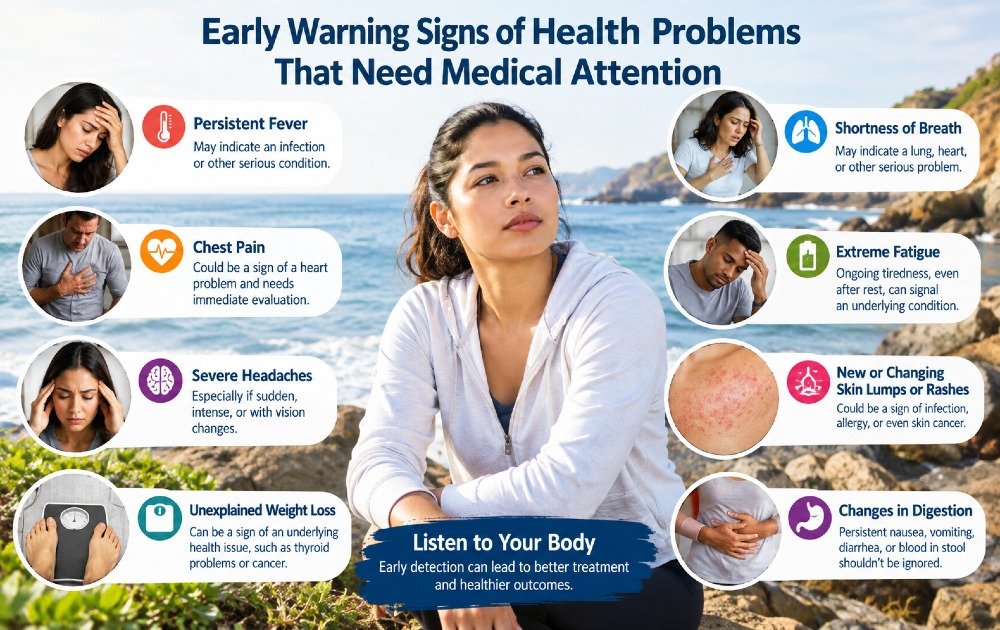
Still brushing off unusual fatigue, unexplained pain, sudden changes, or symptoms that keep returning?
Ignoring early warning signs can allow a health problem to progress before you recognize how serious it may be.
Discover how these eight signs can help you recognize concerning changes, seek appropriate care sooner, and take greater control of your health.
Chest Pain, Pressure, or Unusual Chest Discomfort
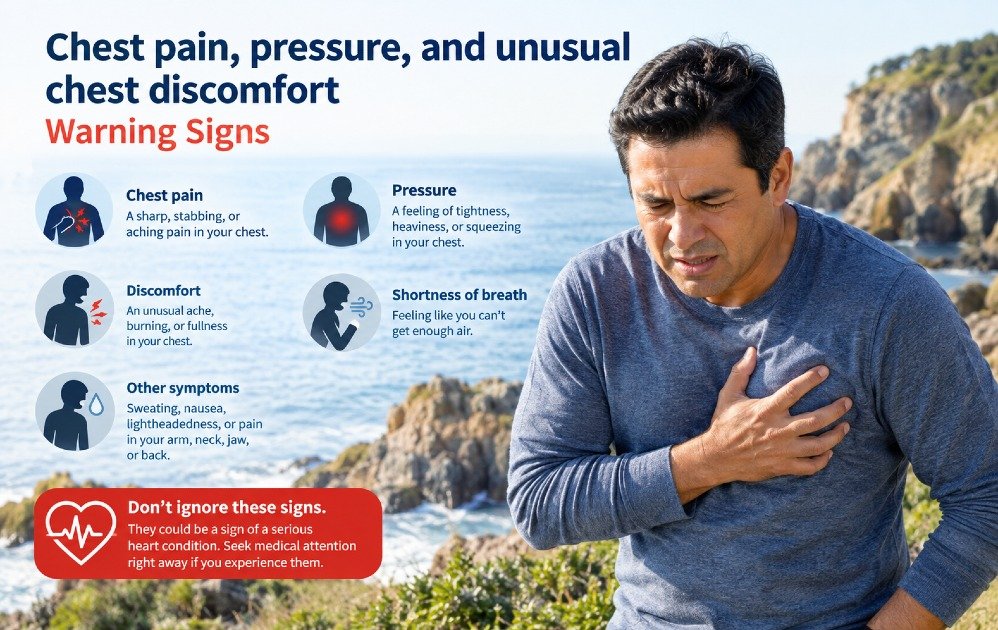
Chest pain, pressure, or unusual discomfort can signal serious health problems, making these healthy warning signs too important to ignore.
Why it matters:
Recognizing unusual chest symptoms early and seeking emergency care can help prevent life-threatening complications.
What works for me:
I prioritize prompt medical evaluation over self-diagnosis and use a heart-rate monitor to track heart activity trends without mistaking normal readings for proof that my heart is healthy.
How to start:
- Learn the major heart attack symptoms before you need to recognize them.
- Know your usual blood pressure readings.
- Record recurring symptoms, including when they start and what you were doing.
- Do not use an at-home reading to decide whether emergency chest symptoms are safe to ignore.
- Call 911 for suspected heart attack symptoms.
Sudden Weakness, Numbness, or Trouble Speaking
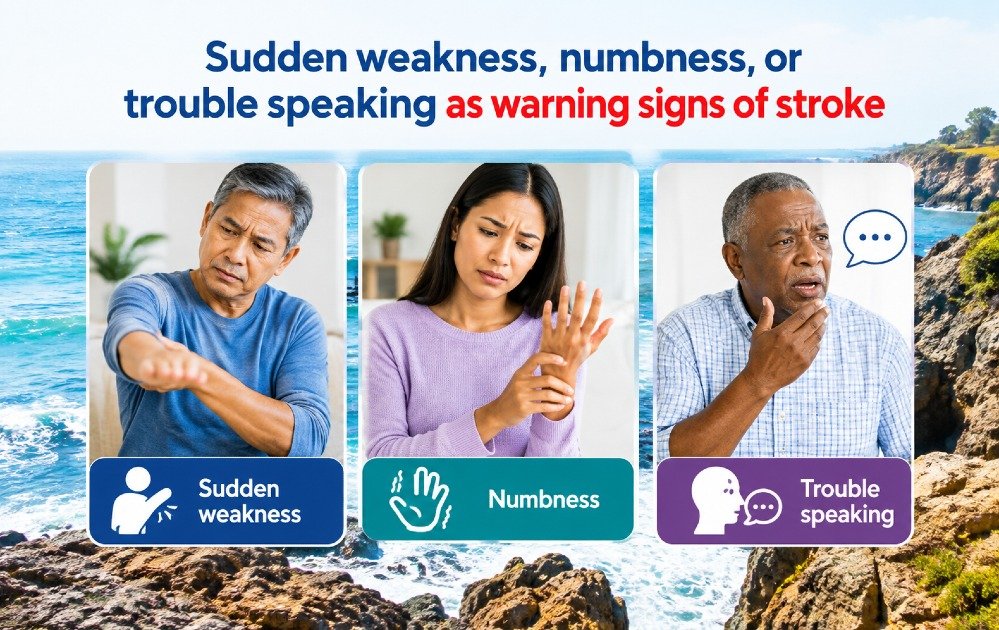
Sudden weakness, numbness, or trouble speaking are serious healthy warning signs that may signal a stroke and require immediate emergency care.
Why it matters:
Recognizing these symptoms early and calling 911 immediately can help reduce brain damage and improve the chance of recovery.
What works for me:
I take sudden symptoms seriously, act FAST, and prioritize emergency care over supplements or home remedies; a medical alert device can help summon assistance when needed.
How to start:
- Remember B.E. F.A.S.T.
- Note the time symptoms first appear.
- Call 911 immediately when stroke symptoms occur.
- Do not drive yourself to the hospital.
- Treat symptoms that disappear as important, not harmless.
Shortness of Breath That Is New or Unexplained
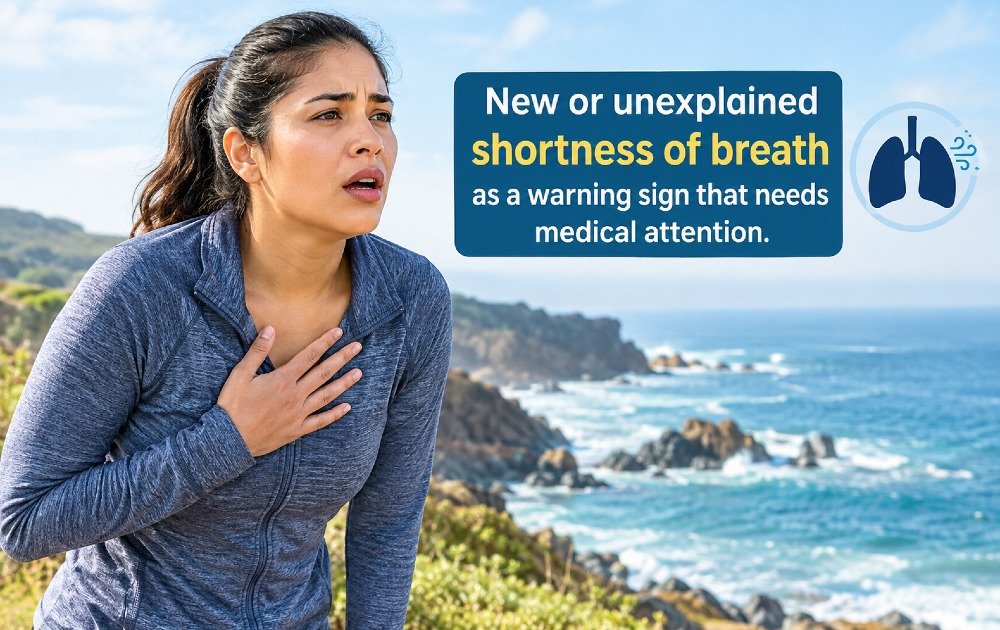
New or unexplained shortness of breath is one of the healthy warning signs you should never ignore, because early attention can protect your health.
Why it matters:
Unexplained breathlessness may signal a heart or lung problem, and sudden or severe breathing difficulty requires emergency medical care.
What works for me:
I prioritize prompt medical evaluation whenever breathlessness is new or unexplained, and I use a pulse oximeter as an additional tool to monitor oxygen levels—not as a substitute for medical care.
How to start:
- Notice when breathlessness occurs.
- Record whether activity, lying down, or rest triggers it.
- Pay attention to associated chest pain, dizziness, fever, cough, or swelling.
- Seek urgent care for severe or rapidly worsening breathing difficulty.
- Bring your symptom timeline to your appointment.
Unexplained Weight Loss

Unexplained weight loss without changes in eating or activity may signal underlying health problems, making early attention to healthy warning signs essential.
Why it matters:
Recognizing unexpected weight changes early can help identify potential medical conditions and prevent delays in diagnosis and treatment.
What works for me:
I track my weight, appetite, and eating habits with a digital body weight scale to spot unusual changes early, while seeking medical evaluation for unexplained weight loss rather than relying on tracking alone.
How to start:
- Track your weight consistently under similar conditions.
- Record appetite and major dietary changes.
- Note new digestive or other symptoms.
- Review medications and supplements with your healthcare professional.
- Schedule an evaluation when weight loss is persistent or unexplained.
A Persistent Change in Bowel or Bladder Habits
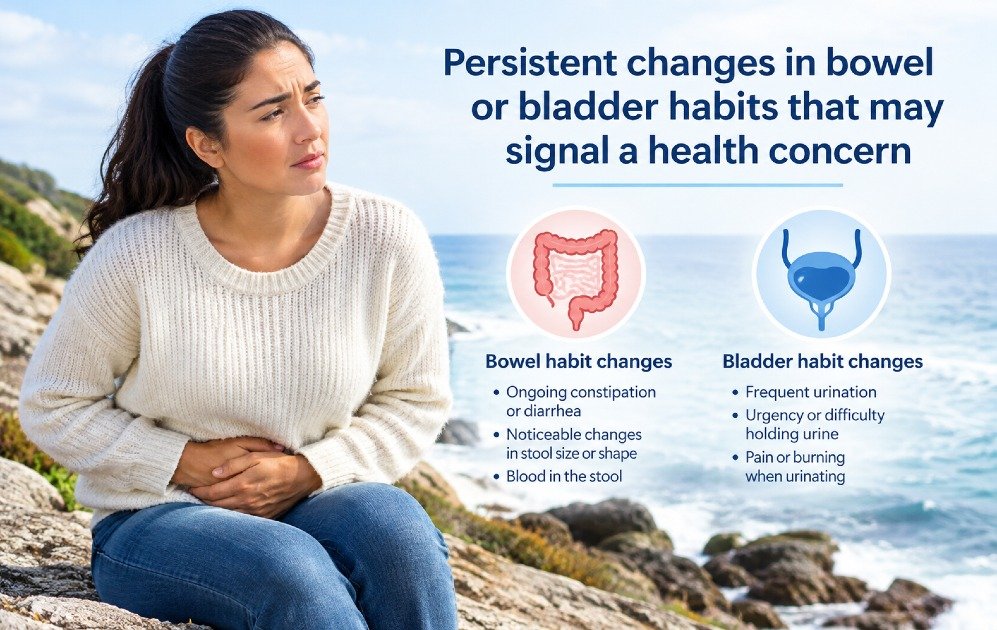
Persistent changes in bowel or bladder habits can be healthy warning signs of an underlying condition that deserves attention, not neglect.
Why it matters:
Ongoing changes in bowel movements or urination may signal a health problem, making early medical evaluation essential for timely care.
What works for me:
I track changes in my bowel and bladder habits, stay hydrated, and use a health journal to recognize patterns early, but I seek medical advice for persistent changes rather than relying on tracking alone.
How to start:
- Record persistent changes rather than relying on memory.
- Note visible blood or unusually dark stool.
- Track abdominal pain, fever, vomiting, or urinary pain.
- Review recent diet and medication changes.
- Contact a healthcare professional when symptoms persist or concern you.
A Severe or Sudden Headache Unlike Your Usual Headaches

A severe or sudden headache unlike your usual headaches can signal a serious medical emergency, making it one of the most important healthy warning signs to recognize.
Why it matters:
A sudden, extremely severe headache may indicate bleeding in the brain or another life-threatening condition requiring immediate emergency care.
What works for me:
I prioritize prompt medical evaluation over self-treatment and use a health device to record headache patterns, while remembering that no product replaces emergency care for a sudden, severe headache.
How to start:
- Record when the headache began.
- Describe whether it appeared suddenly or gradually.
- Note vision, speech, balance, weakness, fever, or confusion.
- Seek emergency help for sudden severe headaches with neurological symptoms.
- Discuss recurring or changing headaches with a healthcare professional.
Persistent Fever, Night Sweats, or Unexplained Fatigue
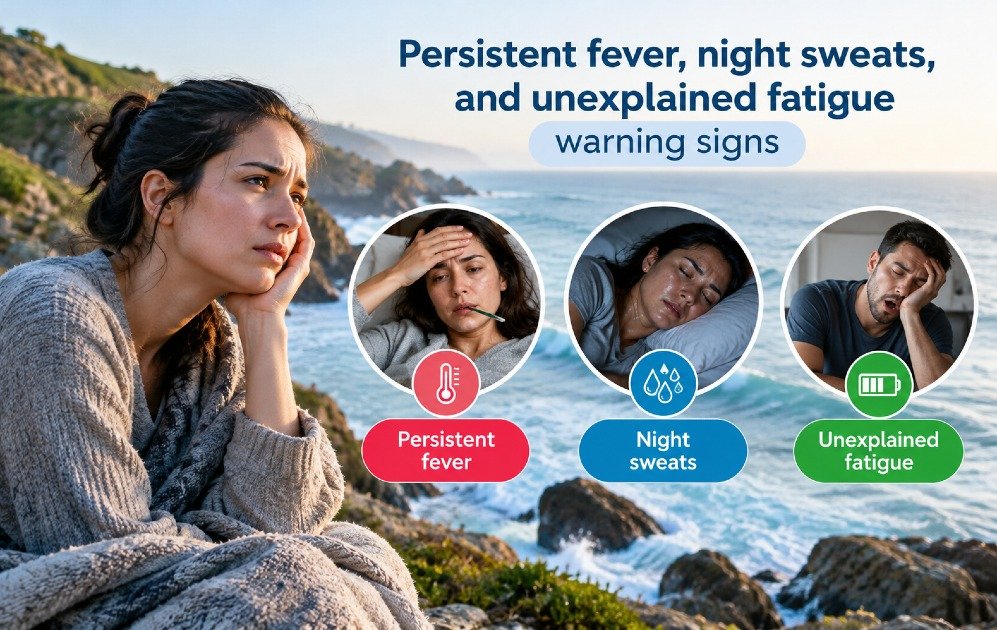
Persistent fever, night sweats, or unexplained fatigue are healthy warning signs you shouldn’t ignore, as they may signal an underlying condition that needs medical attention.
Why it matters:
Recognizing these symptoms early and seeking medical evaluation can help identify potential causes before complications develop.
What works for me:
I track unusual symptoms, monitor my temperature, and use a reliable digital thermometer to spot changes early while seeking prompt medical advice for persistent or worsening symptoms.
How to start:
- Track temperature when fever is present.
- Record sleep duration and energy levels.
- Note night sweats, weight changes, pain, or appetite changes.
- Review recent infections and medications.
- Arrange medical evaluation when symptoms persist or worsen.
Unexplained Bleeding, Fainting, or Major Changes in Your Health
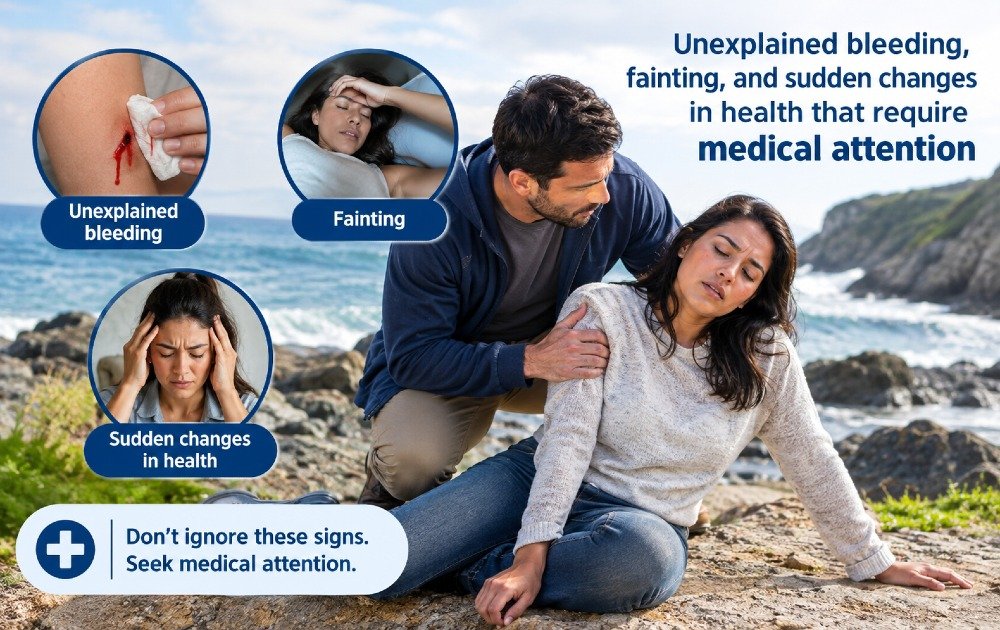
Unexplained bleeding, fainting, or sudden major health changes should never be ignored because they may signal a serious medical condition.
Why it matters:
Recognizing these healthy warning signs early and seeking prompt medical care can help prevent complications and protect your health.
What works for me:
I take unusual symptoms seriously, seek medical evaluation promptly, and use a health journal to track changes and prepare informed questions for my healthcare provider.
How to start:
- Keep an updated medication list.
- Record major new symptoms and their timing.
- Seek emergency help for heavy bleeding, fainting, severe confusion, or coughing or vomiting blood.
- Ask a healthcare professional about recurring symptoms.
- Bring relevant health records to appointments.
Health Warning Signs Are Information, Not a Diagnosis
Health warning signs are clues from your body, not proof of illness, and deserve attention rather than assumptions.
Misinterpreting health warning signs can cause unnecessary fear or delay medical care.
Recognizing health warning signs as clues helps you seek timely medical evaluation and make informed health decisions.
A Simple Personal Health-Tracking Routine
A simple personal health-tracking routine helps you monitor daily habits, recognize changes, and stay proactive about your health.
Without consistent tracking, subtle changes and potential health warning signs may go unnoticed until they become harder to manage.
Track daily habits and symptoms to spot health warning signs early, make informed lifestyle changes, and know when to seek medical advice.
When Health Warning Signs Require Emergency Help
Recognizing when health warning signs signal a medical emergency can help you act quickly and protect your life.
Ignoring severe or sudden symptoms can delay lifesaving treatment and increase the risk of serious complications.
Recognizing health warning signs early and calling 911 for emergencies can speed lifesaving treatment and reduce the risk of lasting harm.
Frequently Asked Questions
What are the most serious health warning signs?
Sudden chest pressure, severe breathing difficulty, stroke symptoms, uncontrolled bleeding, fainting, confusion, or neurological changes require immediate medical attention—if you suspect an emergency, seek help without delay.
When should I see a doctor about health warning signs?
Make an appointment for persistent, unexplained, recurring, or worsening symptoms—such as unexplained weight loss, fever, fatigue, or lasting bowel or bladder changes—to protect your health.
Can health warning signs disappear and still be serious?
Yes—stroke-like symptoms that disappear may signal a TIA and require urgent evaluation, especially when they affect the brain, heart, breathing, or consciousness.
How can I track health warning signs?
Track each symptom’s date, time, duration, severity, triggers, related symptoms, medications, and measurements to help your healthcare professional identify patterns.
Should I search online before seeing a doctor?
Use online health information to prepare questions—not self-diagnose, especially when symptoms are sudden, severe, or worsening.
Recap: Make Your Health a Priority
Ignoring unusual symptoms can turn a small concern into a bigger health problem.
Your body often gives you signals when something needs attention, and recognizing those warning signs early can help you take the right action.
Keep a record of persistent or unusual symptoms, discuss concerns with your healthcare provider, and seek emergency care when warning signs are severe or sudden.
Notice, track, and act on changes in your health instead of dismissing them. Your health deserves attention today—not after a problem becomes impossible.
Ready To Take Your Health Signals Seriously?
Ignoring subtle changes can leave you guessing about your health, but tracking key health trends can help you stay informed and take action sooner.
Discover how this smart health tracker makes it easier to monitor important metrics such as heart rate, activity, sleep, and daily wellness patterns in one place.