
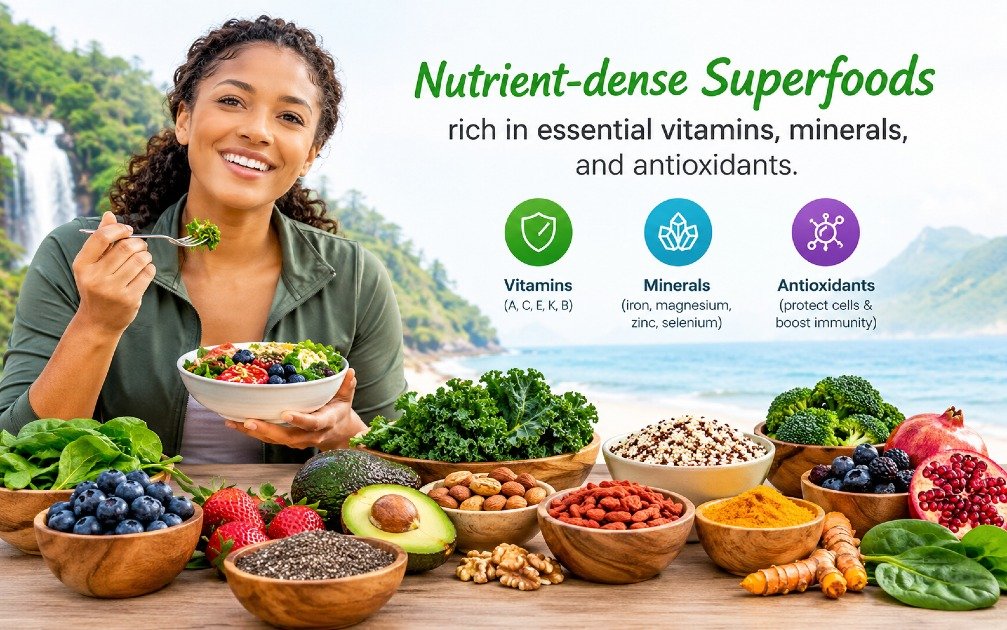
Still eating enough to feel full but not getting the nutrients your body needs?
The USDA recommends choosing a variety of nutrient-rich foods across the major food groups and making every bite count.
This guide explains how adding nutrient-dense superfoods to your routine can make each meal more nourishing and help you build a stronger foundation for long-term wellness.
Why Nutrient-Dense Superfoods Matter
Poor food choices can leave nutritional gaps that affect energy, immunity, and long-term health.
Nutrient-dense foods help fill nutritional gaps and support energy, immune function, and lasting wellness.
What Nutrient-Dense Superfoods to Choose
Different foods offer their own combination of essential vitamins, minerals, dietary fiber, and other health-supporting nutrients.
Berries, leafy greens, beans, nuts, seeds, and fatty fish provide valuable nutrients to support overall health.
How to Add Nutrient-Dense Superfoods to Your Diet
Unfamiliar foods and complicated meal planning can make healthier eating difficult to maintain.
Add nutrient-dense foods to everyday meals and snacks for a simple, practical way to improve nutrient intake.
10 Nutrient-Packed Foods for a Healthier Lifestyle
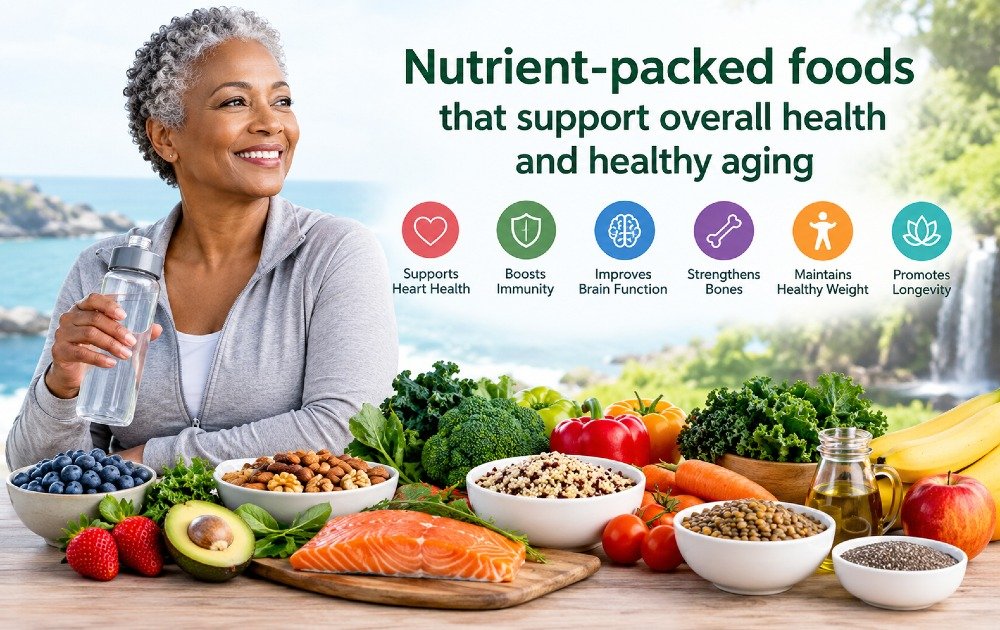
Eating well can feel complicated when everyday meals are filled with foods that provide plenty of calories but fewer essential nutrients.
Over time, poor food choices can make it harder to meet your body’s nutritional needs.
Discover how these ten nutrient-packed foods make it easier to add more vitamins, minerals, protein, fiber, and other beneficial nutrients to everyday meals.
Blueberries

Blueberries are a nutrient-dense fruit packed with antioxidants that support everyday wellness and make healthy eating easier.
Why it matters:
Their fiber, vitamins, and antioxidants help support heart health, brain function, and long-term wellness.
What works for me:
I add fresh or frozen blueberries to my daily meals and pair them with a blender to make quick, antioxidant-rich smoothies that support my wellness goals.
How to start:
- Add fresh or frozen blueberries to oatmeal.
- Mix them into plain yogurt.
- Add them to a smoothie.
- Keep frozen berries available for convenience.
- Choose unsweetened frozen berries when possible.
Spinach
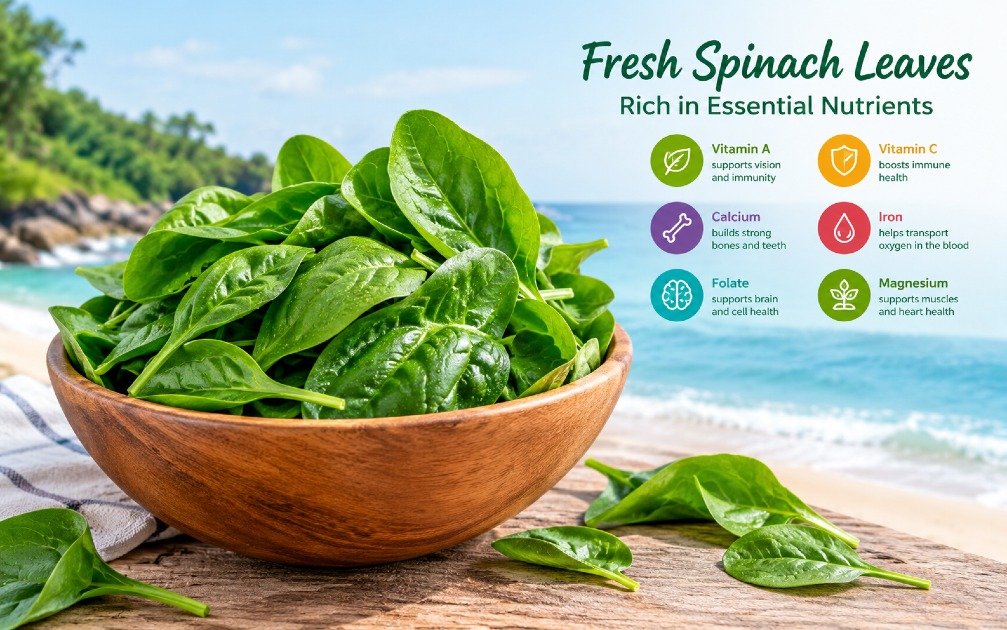
Spinach is a nutrient-dense leafy green that helps you add essential vitamins, minerals, and antioxidants to your daily meals.
Why it matters:
Its nutrients support healthy vision, normal immune function, and overall wellness.
What works for me:
I add fresh spinach to smoothies, eggs, and salads, and use a salad spinner to wash and dry it quickly for easy, consistent meals.
How to start:
- Add fresh spinach to eggs.
- Use baby spinach as a sandwich or salad base.
- Stir spinach into soups.
- Blend it into a fruit smoothie.
- Keep frozen spinach available for cooked meals.
Salmon

Salmon is a nutrient-dense food that delivers high-quality protein and omega-3 fatty acids to support heart health, brain function, and overall wellness.
Why it matters:
Eating salmon regularly can help meet essential nutrient needs while supporting muscle maintenance and cardiovascular health.
What works for me:
I include salmon in my weekly meals and use a reliable digital food thermometer to cook it safely, making healthy eating easier and more consistent.
How to start:
- Bake salmon with herbs and lemon.
- Pair it with roasted vegetables.
- Add cooked salmon to a grain bowl.
- Choose lower-sodium preparations when possible.
- Keep portions appropriate for your individual nutrition needs.
Lentils
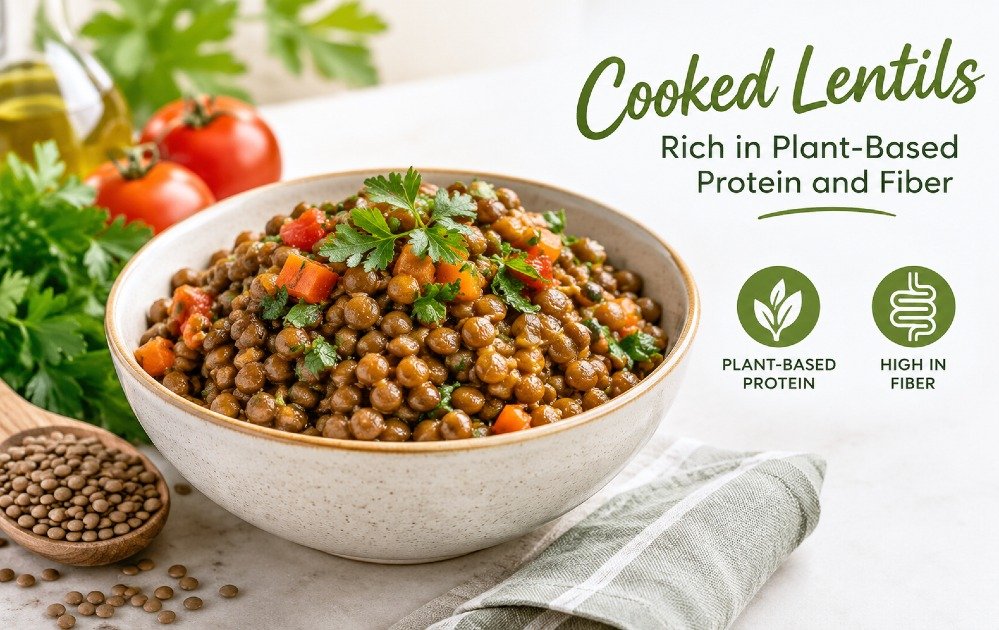
Lentils are a nutrient-dense, affordable source of plant protein and fiber that supports everyday nutrition and long-term wellness.
Why it matters:
Rich in protein, fiber, iron, and folate, lentils help support energy, digestive health, and overall well-being.
What works for me:
I add lentils to soups, salads, and stews for an easy nutrient-dense meal, using a meal prep food storage container to keep portions fresh and ready for busy days.
How to start:
- Make lentil soup.
- Add cooked lentils to salads.
- Pair lentils with whole-grain options such as brown rice to create a nourishing, plant-based meal.
- Season them with herbs and vegetables.
- Use canned lentils for convenience, checking the sodium content.
Eggs
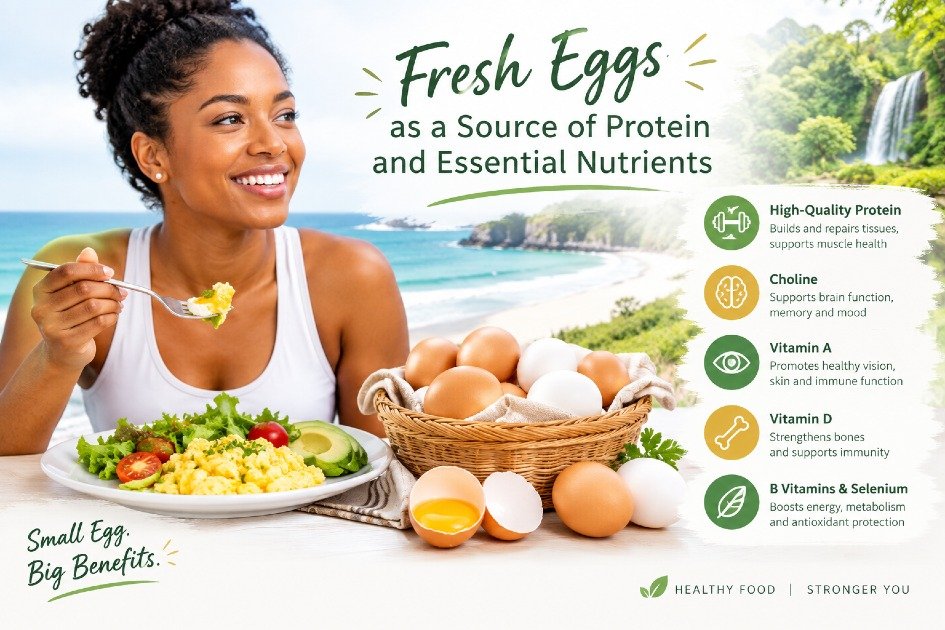
Eggs offer a valuable mix of complete protein and essential nutrients that help nourish the body and maintain daily well-being.
Why it matters:
Eating eggs can help maintain muscle strength, support brain function, and keep you satisfied longer.
What works for me:
I include eggs in my regular meals and use a reliable egg cooker to prepare quick, protein-rich breakfasts that support my wellness goals.
How to start:
- Scramble eggs with spinach and peppers.
- Add a boiled egg to a grain bowl.
- Pair eggs with whole-grain toast and fruit.
- Prepare several hard-boiled eggs ahead of time.
- Keep added salt modest if sodium intake is a concern.
Avocado
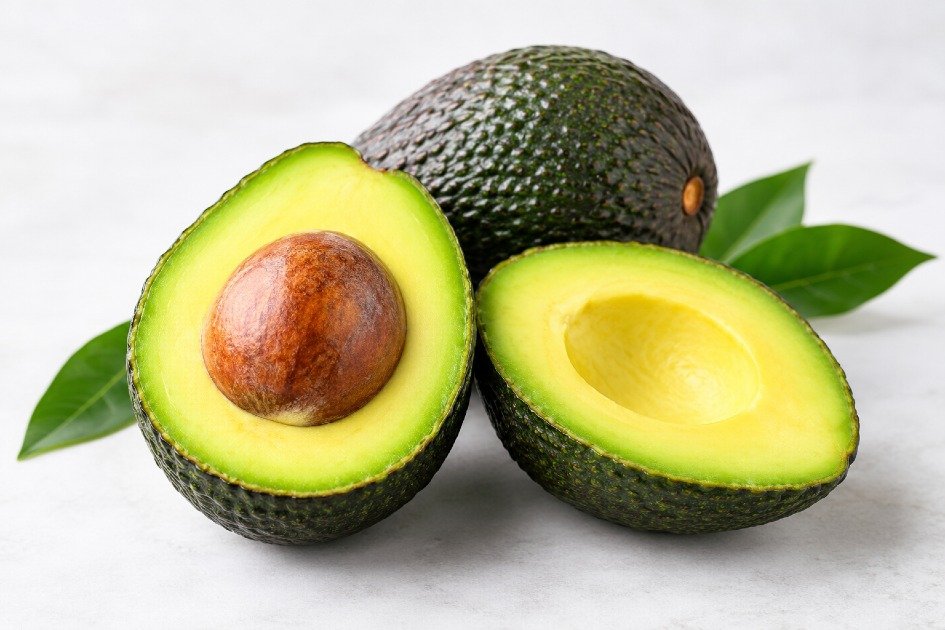
Avocados are a nutrient-dense fruit that helps you add fiber, vitamins, and heart-friendly monounsaturated fats to everyday meals.
Why it matters:
Their nutrients support heart health, digestion, and fullness, making avocados a smart addition to a wellness-focused eating pattern.
What works for me:
I add avocado to salads, whole-grain toast, or smoothies and use a digital kitchen scale to manage portions and build healthier meals consistently.
How to start:
- Add sliced avocado to eggs.
- Spread avocado on whole-grain toast.
- Add it to a bean bowl.
- Use it as a salad topping.
- Combine avocado with tomatoes and herbs for a simple side.
Greek Yogurt

Greek yogurt is a nutrient-dense food that delivers protein and essential nutrients to support stronger, healthier daily habits.
Why it matters:
Its protein and calcium support muscle maintenance and bone health, making Greek yogurt a practical addition to everyday meals.
What works for me:
I pair plain Greek yogurt with berries and nuts for a protein-rich snack, and use a portion-control bowl set to keep servings consistent and support my nutrition goals.
How to start:
- Add blueberries and walnuts.
- Mix in chia seeds.
- Use Greek yogurt as a base for a breakfast bowl.
- Choose plain varieties and add fruit for sweetness.
- Check labels for added sugars.
Sweet Potatoes

Sweet potatoes are a nutrient-dense food rich in fiber, vitamins, and antioxidants that support everyday wellness.
Why it matters:
Their fiber and beta-carotene support digestive health, healthy vision, and immune function.
What works for me:
I enjoy roasted sweet potatoes with meals and use an air fryer to prepare them with minimal added oil for a simple, nutritious option.
How to start:
- Roast sweet potato wedges.
- Add cooked sweet potato to grain bowls.
- Pair one with beans and vegetables.
- Use mashed sweet potato as a side dish.
- Season with herbs, cinnamon, or other spices instead of relying heavily on salt.
Chia Seeds
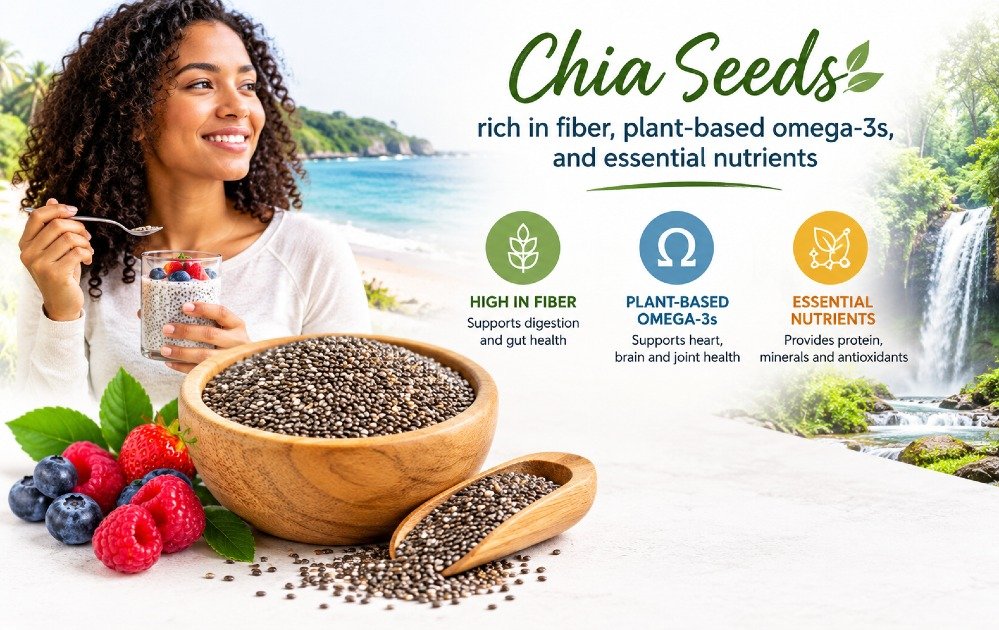
Chia seeds are a nutrient-dense addition to everyday meals, providing fiber, plant-based omega-3s, and essential minerals in a simple serving.
Why it matters:
Their fiber and healthy fats support digestive health, fullness, and heart health as part of a varied eating pattern.
What works for me:
I add chia seeds to yogurt, oatmeal, or smoothies and use a chia seed pudding jar to prepare convenient, nutrient-dense breakfasts ahead of time.
How to start:
- Add chia seeds to oatmeal.
- Mix them into plain yogurt.
- Make overnight oats.
- Sprinkle a small amount over a smoothie bowl.
- Increase fiber gradually and drink enough fluids throughout the day.
Walnuts
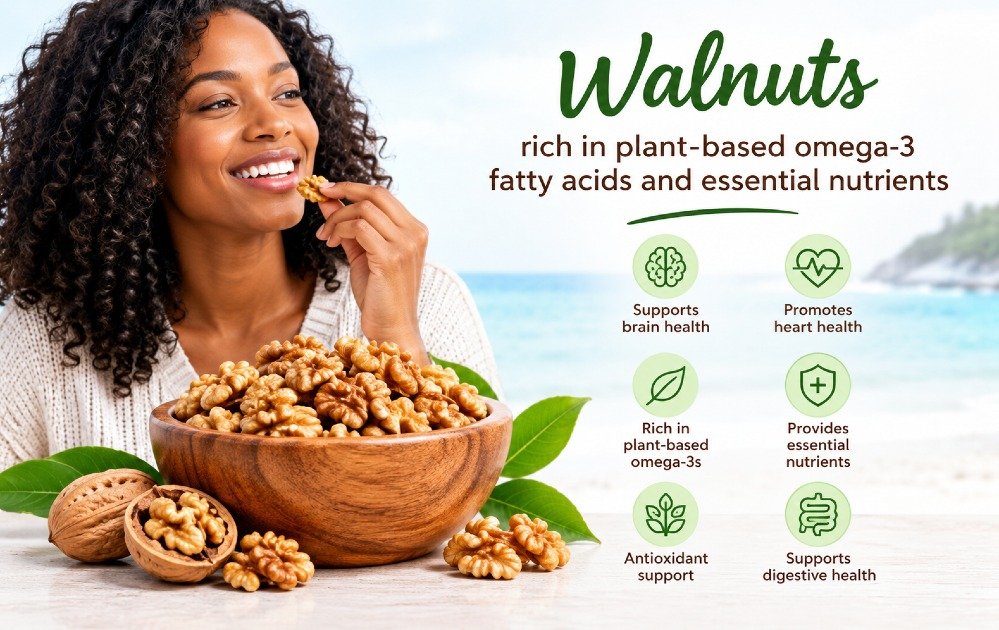
Walnuts are a nutrient-dense choice that provides plant-based omega-3 fats, fiber, and essential nutrients to support everyday wellness.
Why it matters:
Adding walnuts to your meals supports heart health and helps make nutritious eating simple and satisfying.
What works for me:
I add a handful of walnuts to oatmeal, yogurt, or salads and use a portion-control nut container to keep this heart-smart habit convenient at home or on the go.
How to start:
- Add chopped walnuts to oatmeal.
- Sprinkle them over plain Greek yogurt.
- Use them in salads.
- Keep portions moderate.
- Choose unsalted walnuts when possible.
What Makes a Food Nutrient-Dense?
Nutrient-dense foods deliver essential vitamins, minerals, and other beneficial nutrients relative to their calorie content.
Understanding what makes a food nutrient-dense helps you distinguish nourishing choices from foods that provide calories with fewer essential nutrients.
Choosing more nutrient-dense foods helps meet your nutritional needs, support overall health, and make healthier eating decisions.
Common Mistakes to Avoid
Common nutrition mistakes can limit the benefits of nutrient-dense foods and undermine your health goals.
Overlooking portion sizes, food quality, and added sugars can lead to poor nutritional choices.
Avoiding these mistakes helps you choose nutrient-dense foods wisely, improve nutrient intake, and build healthier eating habits.
Frequently Asked Questions
What are nutrient-dense superfoods?
Nutrient-dense superfoods—such as berries, leafy greens, seafood, legumes, eggs, nuts, seeds, and dairy—deliver more beneficial nutrients per calorie, but overall dietary quality and variety matter most.
What are the best nutrient-dense superfoods for everyday meals?
There is no single best food for everyone, but options like blueberries, spinach, salmon, lentils, eggs, avocado, Greek yogurt, sweet potatoes, chia seeds, and walnuts provide varied protein, fiber, vitamins, minerals, and other nutrients to support better health.
Can nutrient-dense superfoods help with healthy aging?
They support a nutrient-rich eating pattern that, alongside exercise, quality sleep, preventive care, and stress management, helps you age well and maintain lifelong health.
Are frozen fruits and vegetables as healthy as fresh foods?
Frozen fruits and vegetables offer a convenient, nutrient-rich choice—choose options without added sugar or high-sodium sauces.
Do I need expensive superfoods to eat well?
Affordable staples like lentils, beans, eggs, oats, spinach, sweet potatoes, frozen berries, and unsalted nuts can provide nutrient-rich meals without expensive powders or specialty foods.
Recap: Make Every Bite Count for Long-Term Health
A diet built on nutrient-dense foods can do more than improve today’s meals—it can help you build healthier habits that support your energy, strength, heart health, and overall well-being.
Start adding one nutrient-dense food to your meals each day. Choose variety and keep your meals practical.
The best time to improve your nutrition is not someday—it is your next meal. Make it count and build stronger health habits for years to come.
Ready To Make Every Bite Count?
Still relying on convenient foods that leave your nutrition goals behind?
Discover how this nutrition journal can help you monitor what you eat, identify nutritional gaps, and make smarter food choices.