
Still feeling overwhelmed, mentally drained, or stuck in a cycle of stress?
CDC explains that effective stress management plays a critical role in maintaining long-term health and wellness.
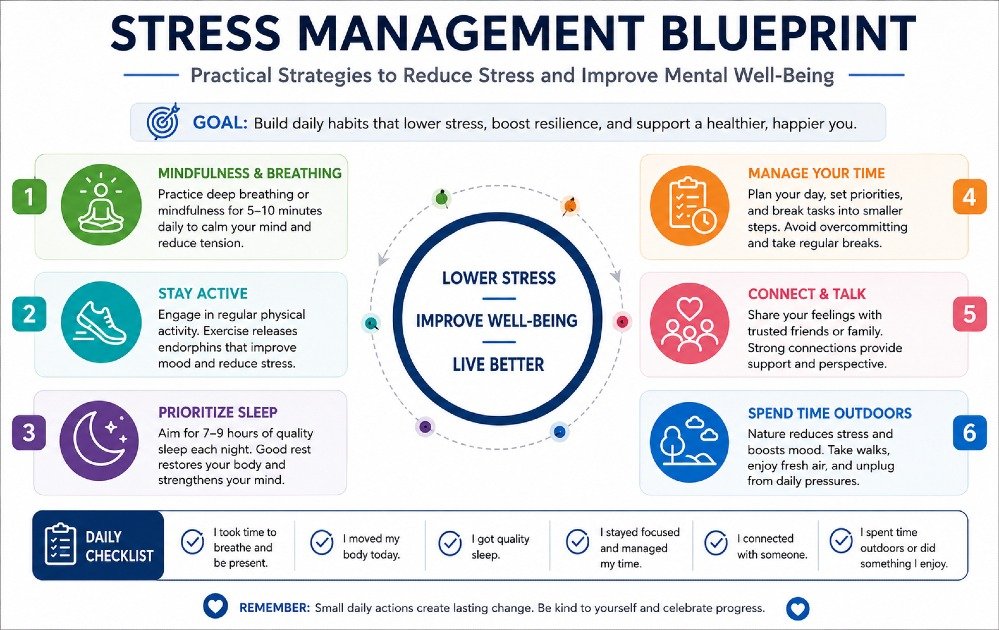
This guide explains proven stress management strategies that can help you regain control, restore balance, and build a calmer, healthier life.
Why Stress Management Matters More Than Ever

Stress is your body’s natural response to challenges, but when it becomes chronic, it can seriously impact your health.
Research shows chronic stress raises the risk of poor sleep, anxiety, heart disease, and more—making stress management essential for better physical and mental health.
What works for me:
I’ve learned that managing stress early with small daily habits works better than waiting until you’re overwhelmed.
How to start:
- Identify your biggest stress triggers.
- Track stressful situations for one week.
- Focus on one manageable change at a time.
- Prioritize consistency over perfection.
- Build healthy coping strategies into your routine.
8 Daily Stress Management Habits That Keep You Calm and Focused
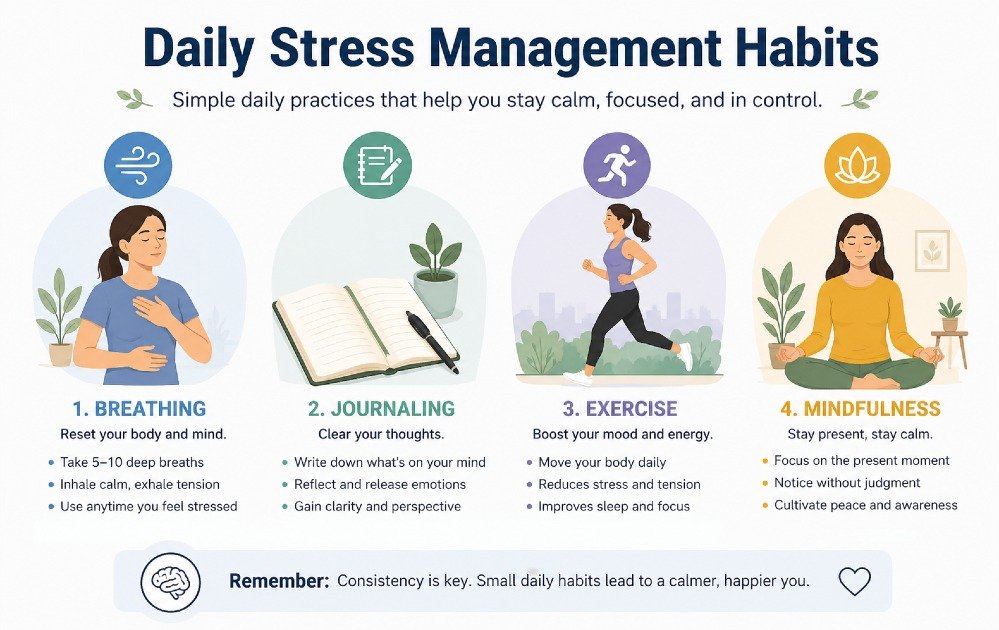
Stress is unavoidable, but unmanaged stress can drain your energy, disrupt sleep, reduce focus, and impact your well-being.
Discover twelve sustainable daily habits to help you stay focused and better equipped to manage life’s challenges for a long-term well-being.
1. Practice Mindful Breathing
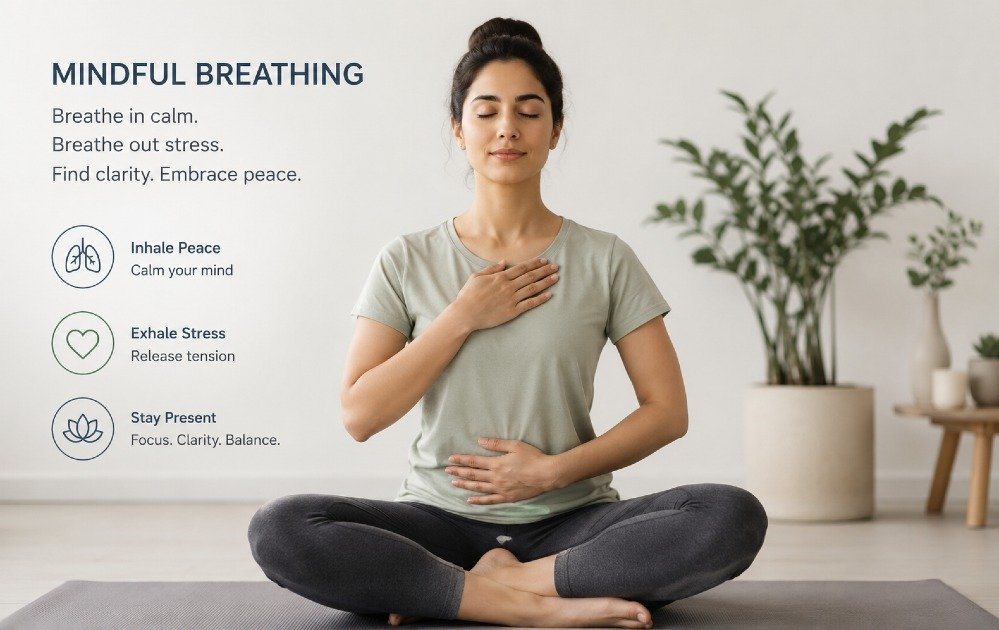
Mindful breathing calms your nervous system, lowers stress, sharpens focus, and builds emotional control in just a few minutes a day.
Why it matters:
Slow, controlled breathing calms your nervous system by signaling your body to shift from stress mode into relaxation.
What works for me:
I pause for a few minutes of slow breathing whenever tension builds to quickly reset my mind during a busy day.
How to start:
- Inhale through your nose for 4 seconds.
- Hold for 4 seconds.
- Exhale slowly for 6 seconds.
- Repeat for 3–5 minutes.
2. Improve Your Sleep Quality

Poor sleep fuels stress and brain fog, while consistent sleep habits restore energy, balance mood, and improve daily resilience and performance.
Why it matters:
Poor sleep and stress fuel each other, creating a cycle where stress disrupts rest and sleep loss heightens stress.
What works for me:
I’ve noticed that a regular sleep schedule helps me feel more balanced and less reactive to daily challenges.
How to start:
- Aim for 7–9 hours of sleep.
- Keep a consistent bedtime.
- Limit screen time before bed.
- Reduce caffeine late in the day.
- Create a relaxing evening routine.
3. Exercise to Release Stress Naturally
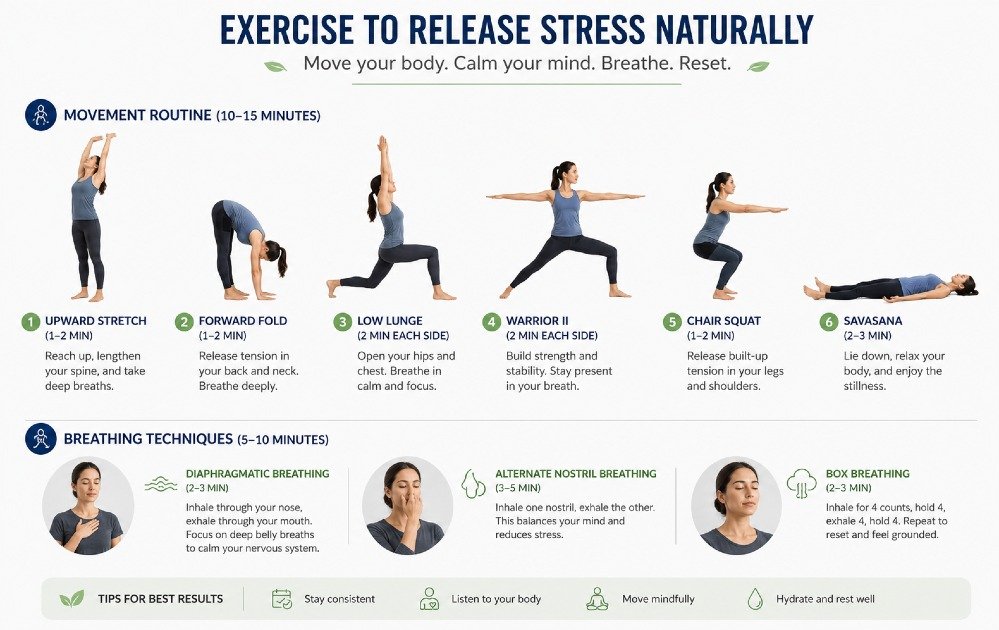
Exercise lowers stress, boosts mood, clears mental clutter, eases tension, and supports emotional balance and better sleep.
Why it matters:
Exercise is a powerful stress relief tool that boosts endorphins, lifts mood, and releases built-up body tension.
What works for me:
A short walk can reset my mind, reduce stress, boost focus and energy, and support the goal of 150 minutes of weekly moderate activity.
How to start:
- Try 30-minute brisk walks
- Cycling
- Swimming
- Yoga
- Strength training
- Dancing
4. Build a Daily Relaxation Routine

A daily relaxation routine with simple practices like stretching, reading, or quiet time reduces stress buildup, restores mental balance, and helps prevent burnout.
Why it matters:
Many people plan tasks but overlook recovery time—yet relaxation is essential for effective stress management, not a luxury.
What works for me:
I use 15 minutes of intentional downtime daily to maintain emotional balance during busy weeks.
How to start:
- Incorporate reading
- Gentle stretching
- Prayer
- Meditation
- Journaling
- Listening to calming music
5. Identify and Manage Stress Triggers
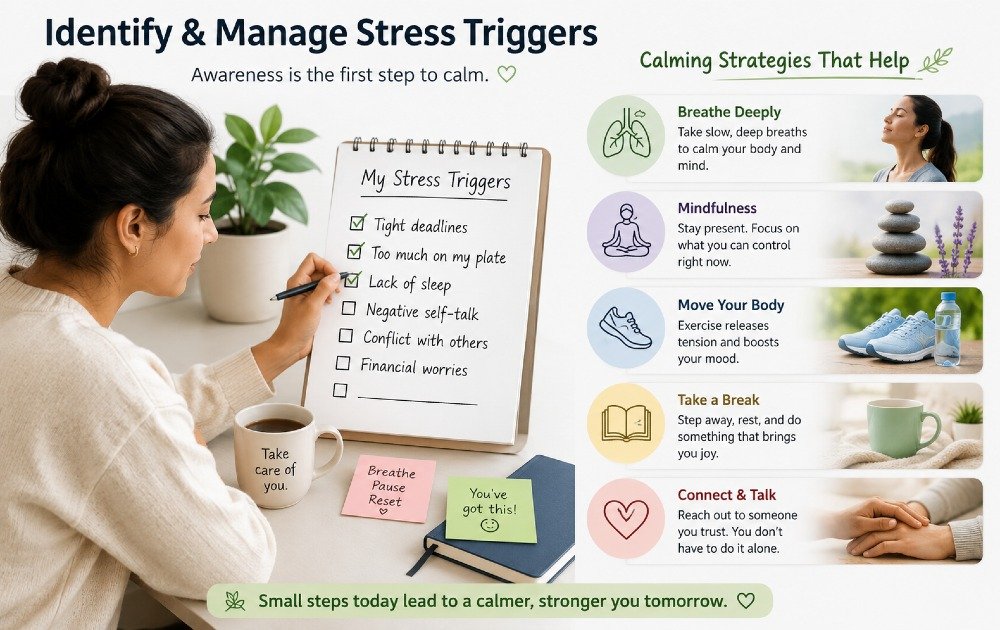
Identify your stress triggers to build awareness, set healthier boundaries, and respond calmly with greater emotional control.
Why it matters:
You can’t manage stress effectively without identifying its triggers—awareness is the first step toward lasting change.
What works for me:
Journaling helped me identify recurring triggers that increased my stress levels.
How to start:
- Ask yourself what situations create the most tension?
- Which people drain my energy?
- What tasks trigger overwhelm?
- What can I control?
- What must I accept?
6. Strengthen Social Connections

Strong relationships ease stress, build emotional support, and improve mental well-being by helping you process challenges and gain perspective.
Why it matters:
Strong relationships provide emotional support and protect against chronic stress during challenging times.
What works for me:
Talking with a trusted friend helps me gain perspective, reduce stress, and feel less alone.
How to start:
- Call a friend regularly.
- Join a support group.
- Participate in community activities.
- Spend quality time with family.
- Ask for help when needed.
7. Practice Healthy Time Management
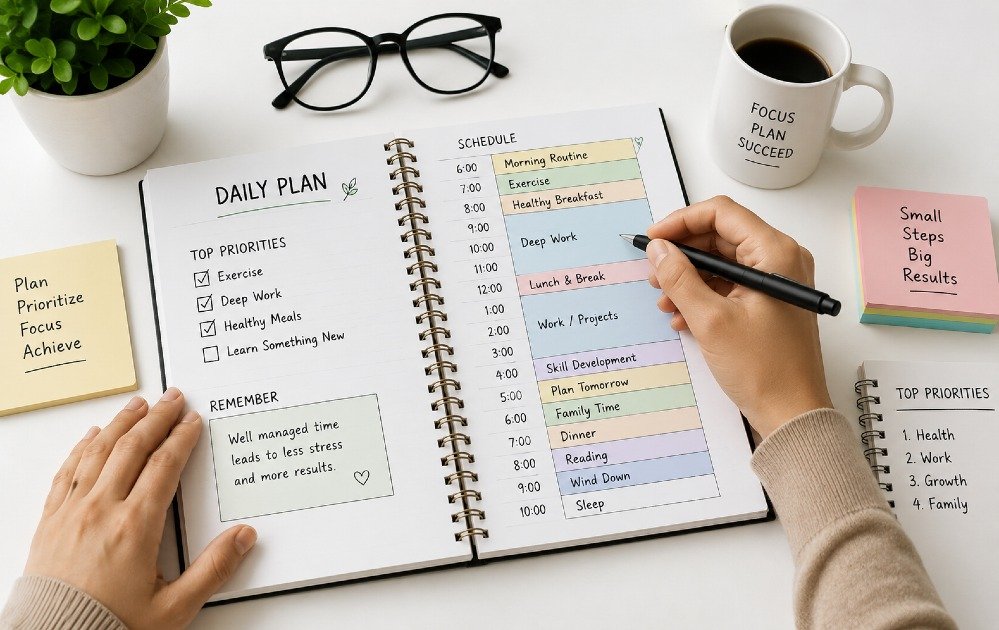
Poor time management fuels stress and overwhelm, while prioritizing tasks and setting boundaries creates structure, reduces pressure, and sharpens focus.
Why it matters:
Poor time management often fuels stress and overwhelm because the real issue is usually unclear priorities, not a lack of time.
What works for me:
Breaking big projects into smaller tasks makes goals feel easier to manage and less overwhelming.
How to start:
- Create daily priorities.
- Use a planner or calendar.
- Focus on one task at a time.
- Avoid overcommitting.
- Schedule breaks throughout the day.
8. Support Stress Management Through Nutrition

Balanced nutrition stabilizes blood sugar, boosts energy, and supports a calmer mood, clearer thinking, and better stress response.
Why it matters:
The right foods fuel energy, focus, mood, and emotional resilience, while poor nutrition can worsen stress symptoms.
What works for me:
Prioritizing whole foods over processed options boosts my energy and improves my mood.
How to start:
Focus on:
- Fruits and vegetables
- Lean protein
- Whole grains
- Healthy fats
- Adequate hydration
Limit:
- Excess sugar
- Highly processed foods
- Excessive caffeine
- Excess alcohol
Why Chronic Stress Deserves Your Attention
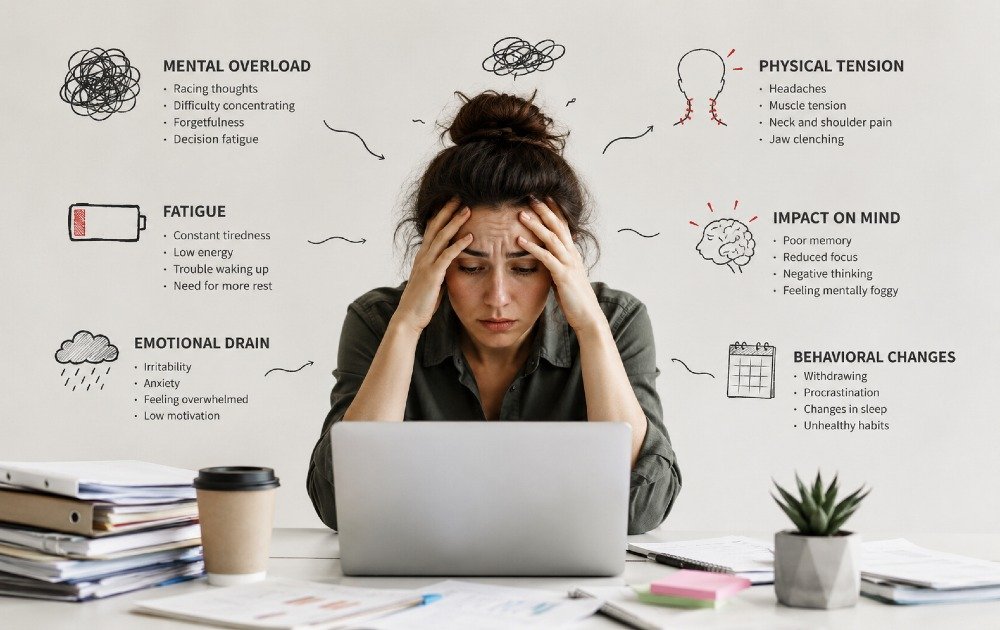
Chronic stress quietly drains your sleep, energy, focus, and health—spot it early and take control before it takes control of you.
Common signs include:
- Constant fatigue
- Headaches
- Poor sleep
- Irritability
- Difficulty concentrating
- Muscle tension
- Persistent worry
Focus on habits that support recovery and resilience:
- Maintain a regular sleep schedule
- Exercise consistently
- Prioritize important tasks
- Take short breaks during the day
- Practice deep breathing or mindfulness
- Reduce unnecessary commitments
- Stay connected with supportive people
Personal experience:
I prioritize stress management because it protects my health, sharpens my focus, and helps me live a calmer, more balanced life.
Stress Relief Techniques That Make a Difference
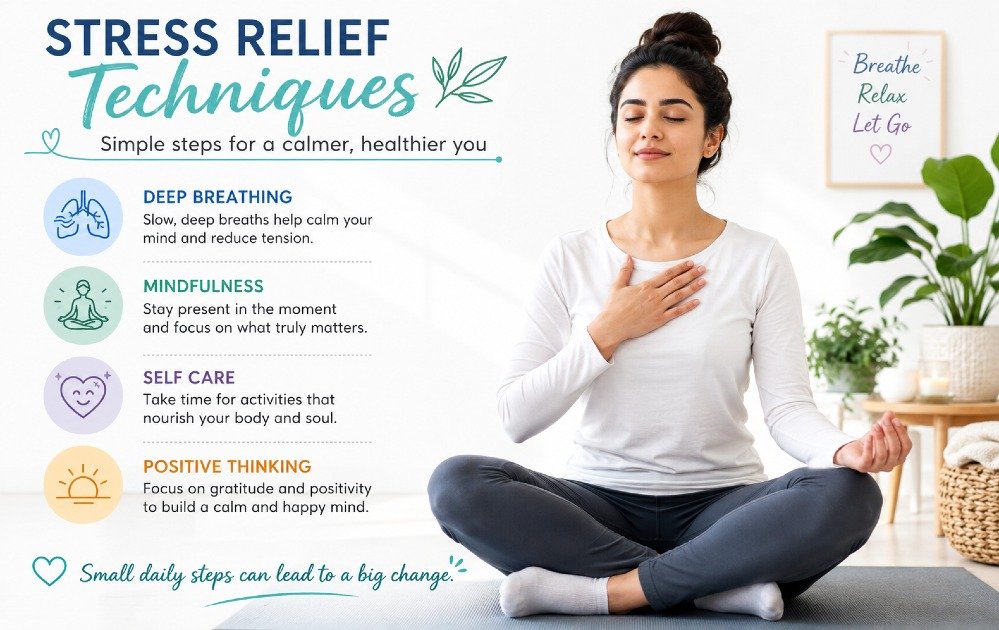
Don’t wait for stress to take control—simple stress relief techniques can ease tension, improve focus, and restore calm before it affects your daily life.
Slow your body’s stress response with this exercise:
- Inhale for 4 seconds
- Hold for 4 seconds
- Exhale for 6 seconds
- Repeat for several minutes
Boosts mood through:
- Walking
- Cycling
- Yoga
- Stretching
- Strength training
Mindfulness helps you stay present by observing:
- Guided meditation
- Mindful breathing
- Journaling
- Body scan exercises
Using stress relief techniques regularly can help:
- Lower stress levels
- Improve focus
- Reduce feelings of overwhelm
- Increase emotional control
- Support long-term well-being
Personal experience:
I use proven stress management techniques to reduce stress, sharpen focus, boost energy, and restore calm.
Stress and Mental Wellness
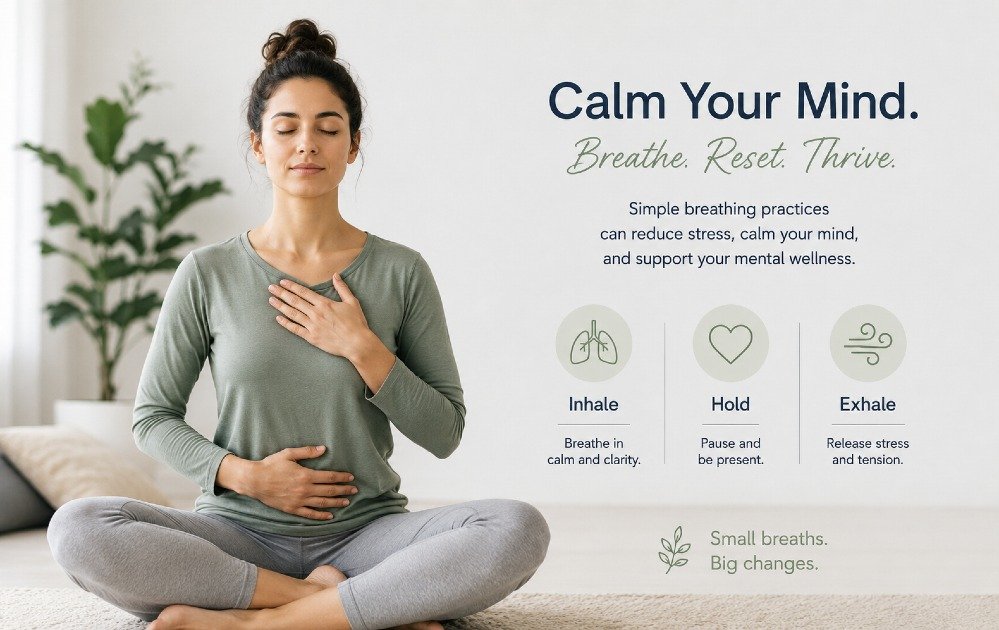
Stress affects your body and mind, making stress management essential for building resilience, emotional balance, and lasting mental wellness.
When stress remains high for long periods, it can contribute to:
- Mental fatigue
- Difficulty concentrating
- Reduced motivation
- Increased anxiety
- Feelings of burnout
Healthy habits to manage stress include:
- Getting enough sleep
- Exercising regularly
- Practicing gratitude
- Building supportive relationships
- Setting healthy boundaries
- Scheduling time to relax
- Seeking professional support when needed
Personal experience:
I strengthen my mental wellness through stress management practices that build resilience, focus, balance, and lasting well-being.
Stress and Emotional Well-Being
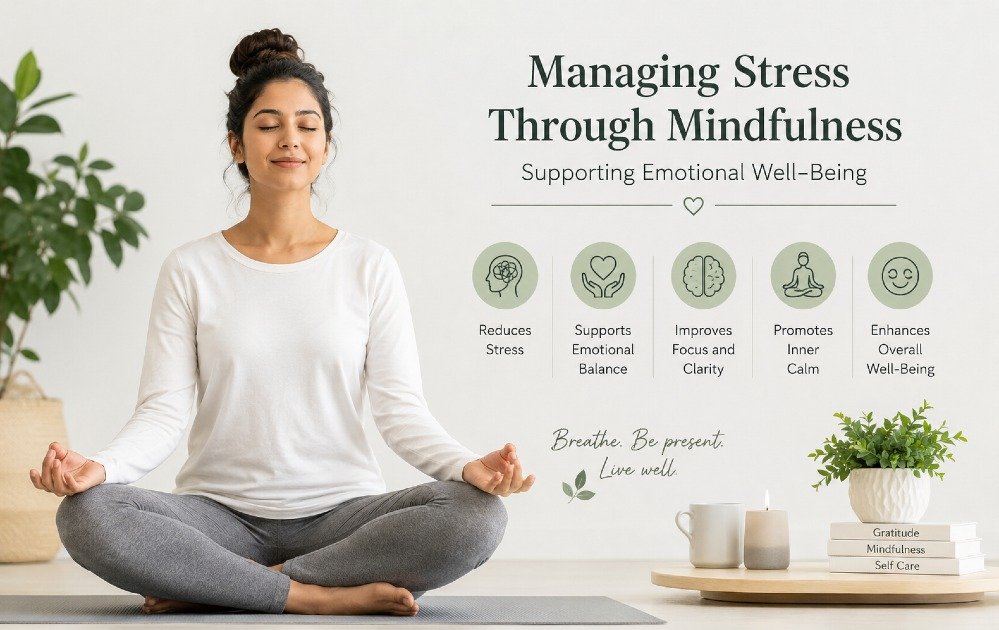
Chronic stress can disrupt emotions, relationships, and life satisfaction—making healthy daily habits essential for emotional well-being.
You may notice:
- Irritability
- Frustration
- Impatience
- Emotional exhaustion
- Feeling overwhelmed
Ask yourself:
- What am I feeling right now?
- What triggered this reaction?
- What do I need at this moment?
Prioritize self-care by:
- Walking outdoors
- Reading
- Spending time with loved ones
- Enjoying hobbies
- Practicing relaxation techniques
Learn to:
- Say no when necessary
- Limit unnecessary obligations
- Focus on what matters most
Personal experience:
I’ve learned that effective stress management builds resilience, protects my well-being, and helps me navigate challenges with greater calm, clarity, and balance.
Frequently Asked Questions
What is the most effective stress management strategy?
There is no one-size-fits-all solution. However, regular exercise, quality sleep, mindful breathing, balanced nutrition, and strong social connections consistently rank among the most effective stress management habits.
How can I reduce stress quickly when I feel overwhelmed?
Deep breathing, a short walk, stretching, or stepping away from a stressful situation can help calm your mind and lower tension within minutes. Simple techniques often work best when used consistently.
Can chronic stress affect physical health?
Yes. Chronic stress can contribute to sleep problems, headaches, digestive issues, fatigue, muscle tension, and other health concerns. Managing stress regularly supports both physical and mental well-being.
How do I know if my stress levels are too high?
Common warning signs include ongoing fatigue, irritability, poor sleep, difficulty concentrating, feeling overwhelmed, and a lack of motivation. If these symptoms persist, it may be time to strengthen your stress management habits or seek professional support.
How long does it take to see results from stress management habits?
Many people notice improvements within a few weeks of practicing healthy habits consistently. Better sleep, improved focus, and reduced stress often develop gradually over time.
Recap: Create a Healthier Relationship With Stress
The most effective stress management strategies are built on simple habits.
Prioritizing sleep, staying active, practicing mindfulness, setting boundaries, and making time to recover can significantly improve your ability to manage daily challenges.
The goal is not to eliminate stress. It is to develop the skills and habits that help you respond to it in a healthier way.
Ready to Break Free From Constant Stress and Mental Exhaustion?
You don’t need to keep pushing through endless stress until burnout takes over.
Discover how this guided meditation platform can calm your mind and you will regain control of your stress levels—one session at a time.