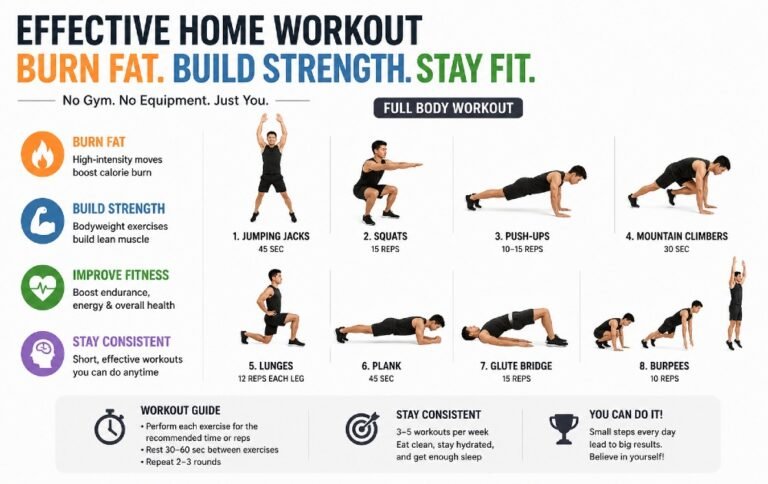


You’re eating healthier, yet your energy, weight, and overall health still aren’t improving.
Good nutrition is essential for preventive health, but lasting wellness requires a complete strategy—explore the complete disease prevention roadmap in our Preventive Health Guide.
This guide reveals powerful nutrition strategies that naturally strengthen immunity, reduce disease risk, and protect your long-term health.
Understanding Nutrition and Preventive Health

Smart nutrition choices fuel your body, prevent chronic disease, and build a strong foundation for lifelong health and preventive wellness.
According to the CDC, many chronic diseases—including heart disease, type 2 diabetes, and some cancers—are linked to lifestyle, making simple, sustainable daily habits your most powerful defense.
Why it matters:
Nutrition fuels every cell, and a balanced diet supports preventive health by reducing inflammation, strengthening immunity, improving metabolism, and protecting against chronic disease risk.
What works for me:
I’ve learned that understanding nutrition and preventive health helps me make smarter daily choices that support energy, wellness, and long-term health.
How to start:
- Add 1 extra vegetable serving to each meal
- Replace sugary drinks with water or herbal tea
- Choose whole foods over processed snacks
- Build meals around protein + fiber + healthy fats
- Keep healthy foods visible and accessible
5 Ways Nutrition and Preventive Health Support Lifelong Health
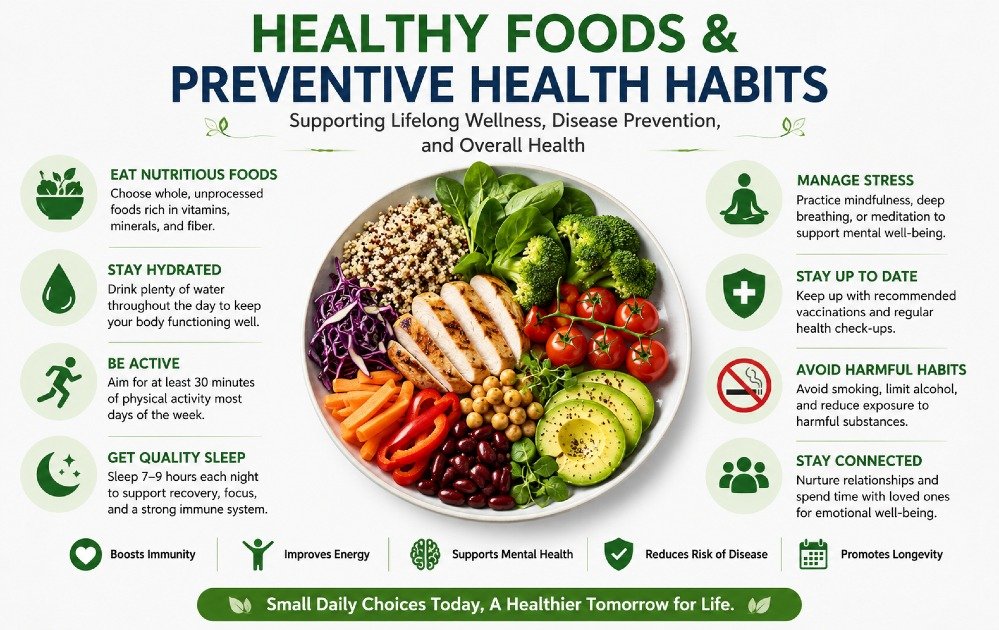
Are your daily meals protecting your health—or quietly increasing your future disease risk?
Food choices and preventive habits you make today can help prevent chronic disease, boost energy, strengthen immunity, sharpen focus, and support lifelong health.
Discover five powerful nutrition and preventive health strategies to build lasting habits that protect long-term wellness.
1. Building a Strong Preventive Nutrition Foundation

A nutrient-rich whole-food diet with simple, consistent habits can boost health, reduce disease risk, and create lasting results.
Why it matters:
A strong nutrition foundation fuels repair, immunity, and energy while making preventive health habits sustainable—not perfect.
What works for me:
I build a strong preventive nutrition foundation by using nutrition and preventive health strategies that support my energy, immunity, and long-term wellness.
How to start:
- Build meals using the “plate method”:
- ½ vegetables
- ¼ lean protein
- ¼ whole grains
- Plan meals ahead for 3–4 days
- Keep healthy snacks available (nuts, fruit, yogurt)
- Avoid skipping meals to prevent energy crashes
- Drink water consistently throughout the day
2. Key Nutrients That Support Disease Prevention
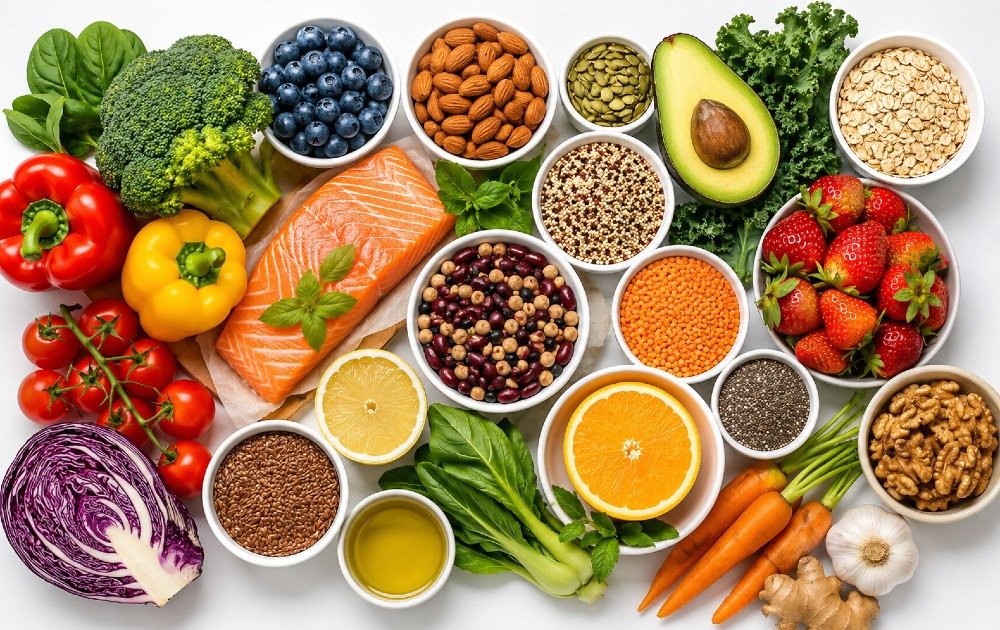
Essential nutrients from a variety of whole foods fuel immunity, heart health, healthy aging, and disease prevention by helping the body function at its best.
Why it matters:
Micronutrients fuel immunity, cell repair, and hormone balance—yet deficiencies can weaken your body before warning signs appear.
What works for me:
I focus on key nutrients that support disease prevention because I believe nutrition and preventive health are essential for building a stronger body, boosting immunity, and protecting long-term wellness..
How to start:
- Include leafy greens (spinach, kale) daily
- Eat fatty fish 2–3 times per week
- Add nuts and seeds for healthy fats
- Include colorful fruits for antioxidants
- Choose whole grains instead of refined carbs
3. Anti-Inflammatory Eating for Long-Term Health

Chronic inflammation can fuel health risks, but an anti-inflammatory diet rich in whole foods like vegetables, fruits, fish, nuts, seeds, and olive oil can reduce inflammation, boost wellness, and support healthy aging.
Why it matters:
Chronic inflammation fuels disease risk, but an anti-inflammatory diet helps reduce internal stress and support long-term health.
What works for me:
I use anti-inflammatory eating to support lasting health through mindful choices that strengthen my body and promote nutrition and preventive health.
How to start:
- Reduce processed and fried foods
- Add turmeric and ginger to meals
- Use olive oil instead of seed oils
- Eat berries regularly for antioxidants
- Limit refined sugar and white flour
4. Nutrition for Immune Strength and Protection
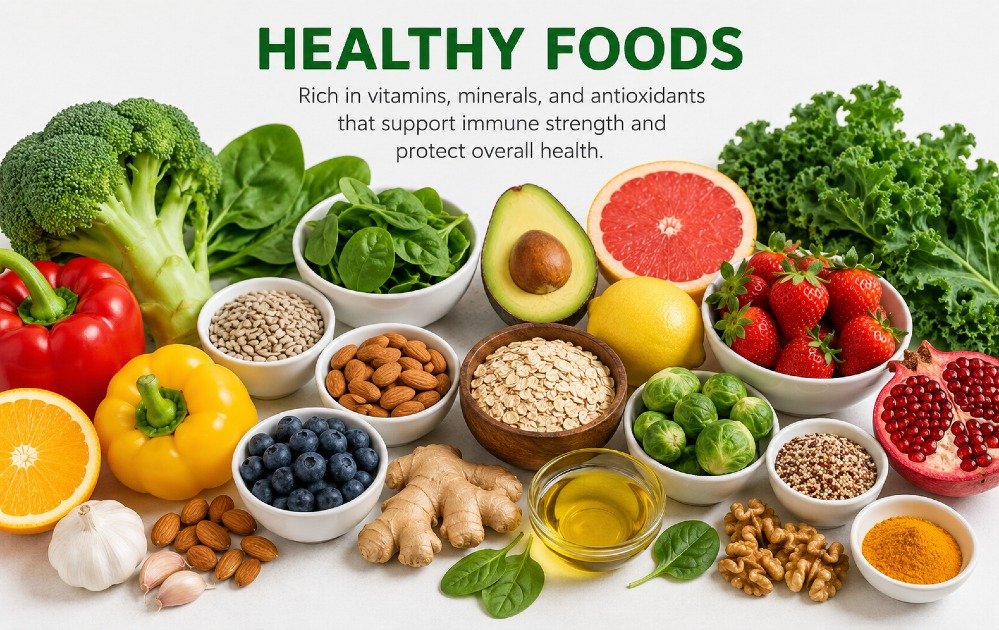
Proper nutrition fuels a stronger immune system by providing key nutrients, supporting gut health, maintaining hydration, and strengthening the body’s natural defenses against illness.
Why it matters:
Fueling your body with immune-boosting nutrients daily strengthens defenses, helps fight infections, and supports year-round resilience.
What works for me:
I strengthen my immune defenses by focusing on nutrition and preventive health, choosing nutrient-rich foods that support my body’s natural protection, resilience, and long-term wellness.
How to start:
- Eat citrus fruits, berries, and peppers
- Include yogurt or fermented foods
- Add garlic and onions for natural antimicrobial support
- Stay hydrated to support detox pathways
- Prioritize sleep alongside nutrition
5. Daily Meal Strategy for Preventive Health
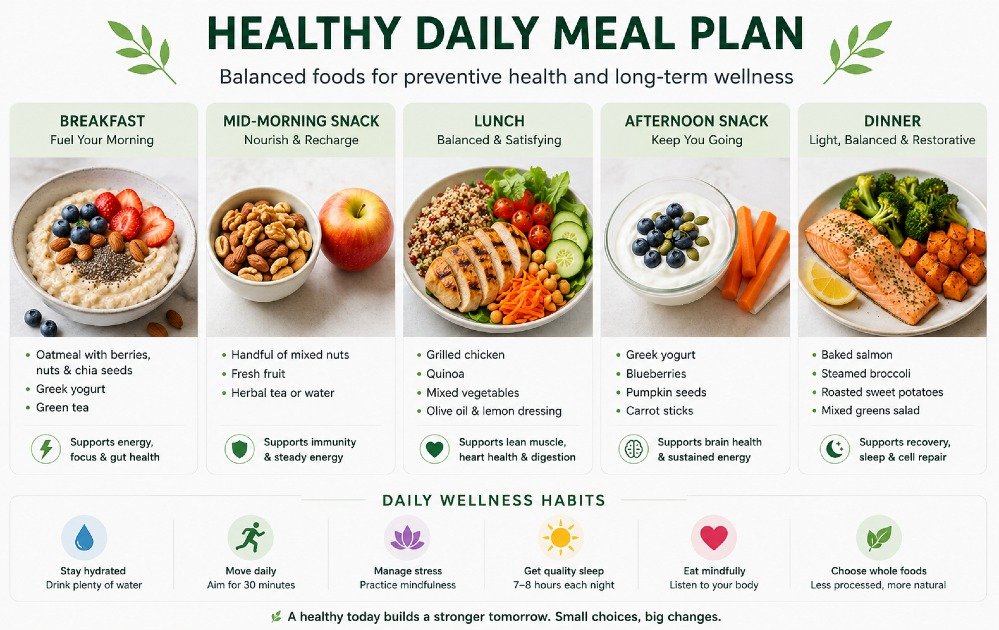
A simple meal plan built with vegetables, lean proteins, healthy fats, and whole grains makes preventive nutrition easier to sustain, supporting steady energy, balanced health, and consistent healthy choices.
Why it matters:
Even the best nutrition knowledge falls short without a simple daily structure that drives consistency.
What works for me:
I use a daily meal strategy that supports nutrition and preventive health by focusing on balanced, nutrient-rich foods that fuel my energy, strengthen my body, and help protect my long-term wellness.
How to start:
- Start your day with protein + fiber breakfast
- Include vegetables in at least two meals
- Keep healthy snacks within reach
- Avoid eating late heavy meals
- Prepare simple meals in advance
Common Nutrition Mistakes That Affect Preventive Health
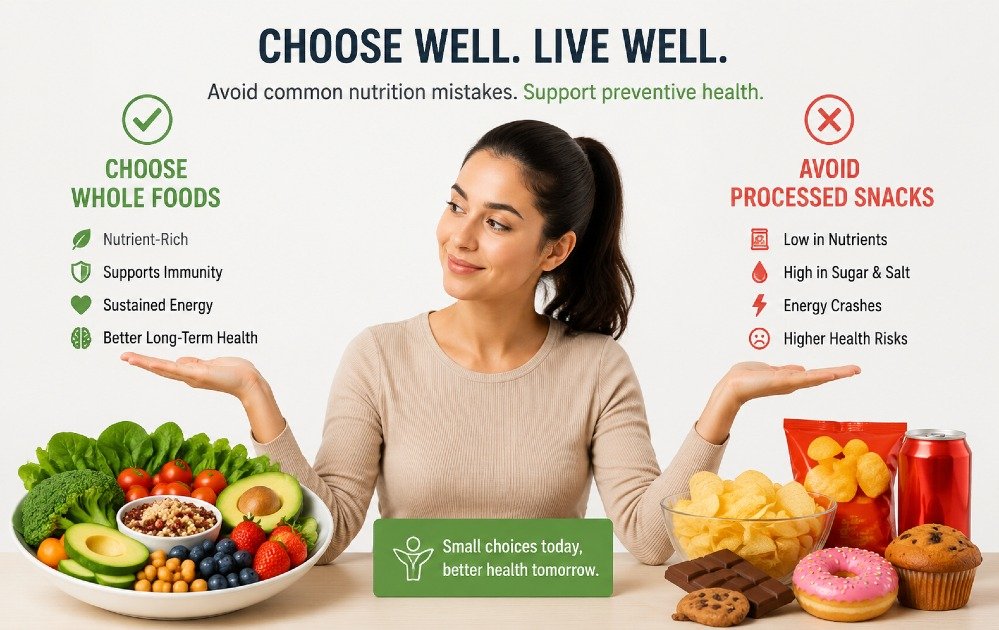
Avoiding common nutrition mistakes can strengthen preventive health by supporting energy, immunity, healthy aging, and long-term disease protection.
Why it matters:
Many people eat “healthy” yet overlook the key habits that drive lasting wellness.
What works for me:
I focus on improving my nutrition and preventive health by recognizing common nutrition mistakes, making smarter choices, and creating habits that support lifelong well-being.
How to start:
- Don’t rely on “low-fat” processed foods
- Avoid skipping vegetables in meals
- Reduce hidden sugar in drinks and sauces
- Stop extreme dieting cycles
- Focus on long-term consistency
The Best Nutrient-Dense Foods for Preventive Health
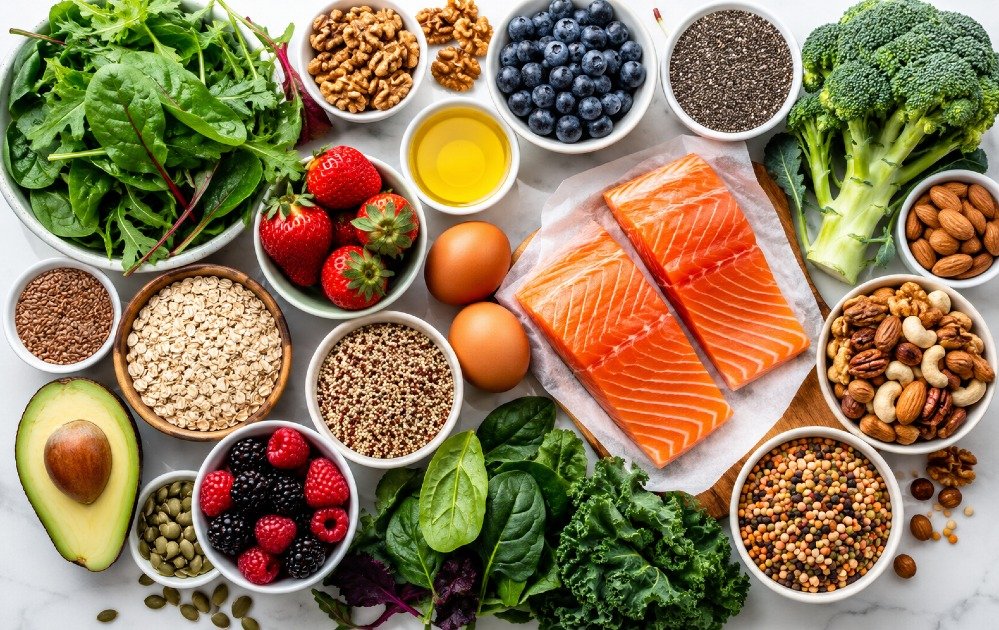
Many people eat enough calories but still lack essential nutrients—choosing nutrient-dense foods helps fill gaps, boost energy and immunity, support health, and lower chronic disease risk.
Top nutrient-dense foods include:
- Leafy greens such as spinach and kale
- Berries rich in antioxidants
- Fatty fish like salmon and sardines
- Nuts and seeds
- Beans and lentils
- Eggs
- Sweet potatoes
The Role of Gut Health in Preventive Wellness
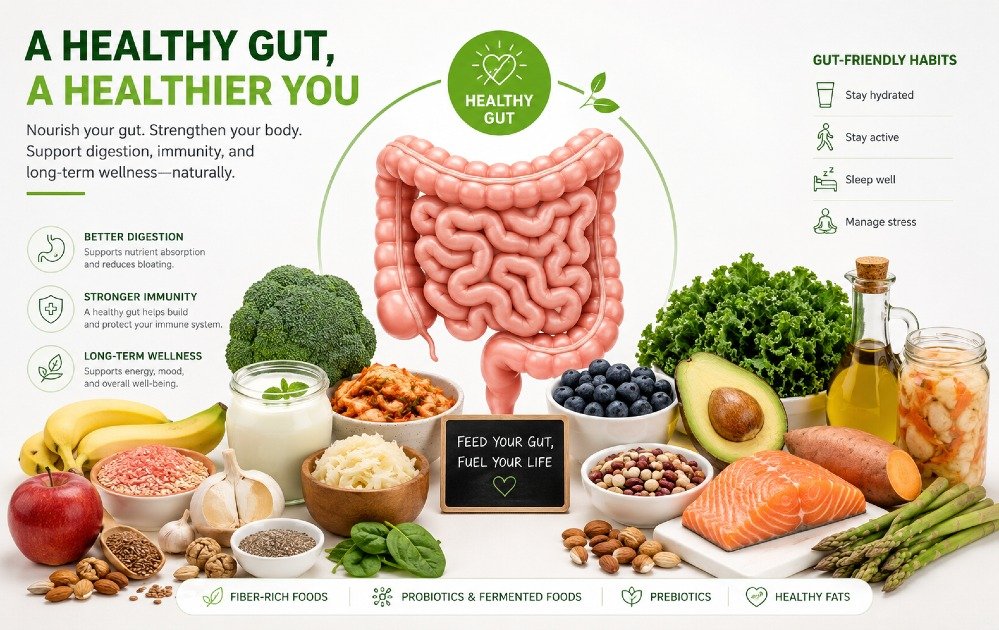
Poor gut health can disrupt digestion, immunity, inflammation control, and nutrient absorption, while nourishing the gut microbiome supports balance, overall health, and preventive wellness.
Ways to support gut health:
- Eat fiber-rich fruits and vegetables
- Include fermented foods such as yogurt and kefir
- Stay well hydrated
- Limit highly processed foods
- Add prebiotic foods like onions, garlic, and bananas
Creating a Balanced Diet for Lifelong Health

Restrictive diets rarely last—choosing nutrient-rich foods and a balanced approach creates sustainable health results over time.
Key components of a balanced diet:
- Fruits and vegetables
- Lean protein sources
- Whole grains
- Healthy fats
- Adequate water intake
Foods That Help Lower Inflammation and Support Heart Health
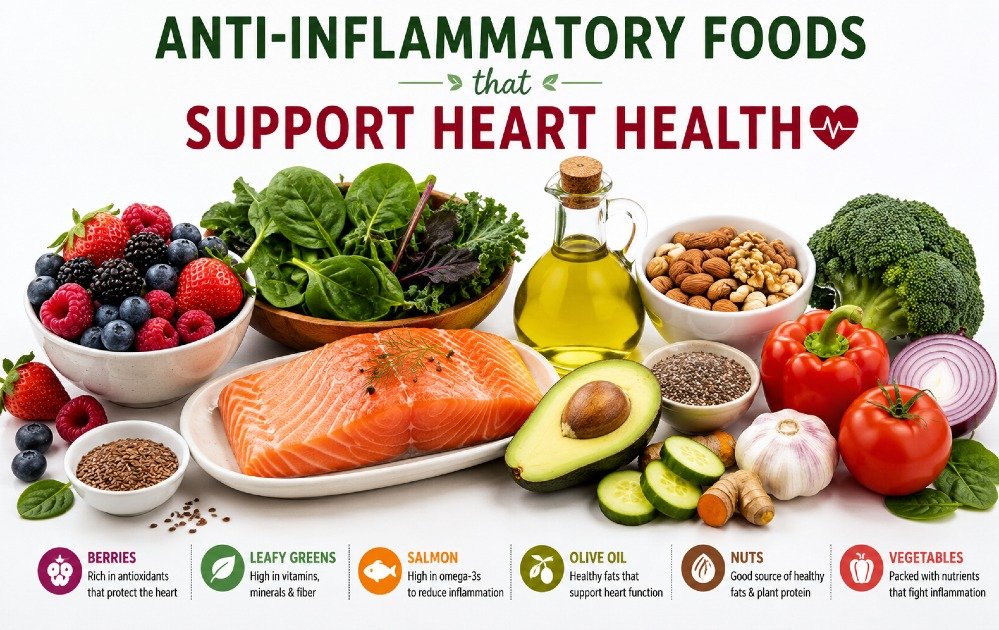
Chronic inflammation can harm heart health, but choosing anti-inflammatory foods consistently may help reduce risk and support lasting wellness.
Foods that support heart health include:
- Fatty fish
- Berries
- Leafy greens
- Walnuts and almonds
- Extra virgin olive oil
- Whole grains
- Beans and legumes
Nutrition Strategies for Healthy Aging and Disease Prevention

Aging changes nutritional needs—prioritizing nutrient-rich foods helps preserve strength, support healthy aging, and reduce chronic disease risk.
Effective nutrition strategies include:
- Include protein with every meal
- Eat a variety of colorful fruits and vegetables
- Prioritize calcium and vitamin D sources
- Choose healthy fats regularly
- Stay hydrated
- Maintain consistent meal patterns
Frequently Asked Questions
Can nutrition help prevent chronic diseases?
Healthy eating can lower the risk of heart disease, type 2 diabetes, obesity, and other chronic conditions by reducing key factors that contribute to disease.
What foods are most important for preventive health?
Fuel your body with nutrient-dense foods like vegetables, fruits, whole grains, legumes, nuts, seeds, lean proteins, and healthy fats to boost overall health and help prevent disease.
Why is gut health important for preventive wellness?
A healthy gut supports digestion, nutrient absorption, immunity, and inflammation control, playing a key role in whole-body health and long-term wellness.
Are supplements necessary for preventive health?
A balanced diet meets most nutrient needs, but supplements may help fill gaps or deficiencies—consult a healthcare professional before use.
How soon can healthy eating improve health?
Early improvements, such as increased energy and smoother digestion, may be felt within a few weeks, but meaningful long-term health gains develop through steady, sustainable nutrition habits.
Related Articles
Recap: Building Better Health Through Daily Nutrition
Fueling your body with nutrient-dense foods, gut-supporting habits, and an anti-inflammatory balanced diet can reduce disease risk.
Every healthy decision is an investment to shape your energy and immunity.
Your lifelong nutritional journey supports your health and prevents strategic weakness for a better tomorrow.
Ready to Fill Nutritional Gaps?
Still feeling tired, run down, or not at your best despite trying to eat healthy?
Discover how this daily multivitamin fills common nutrient gaps, strengthens your long-term wellness, and keeps you feeling your best.