
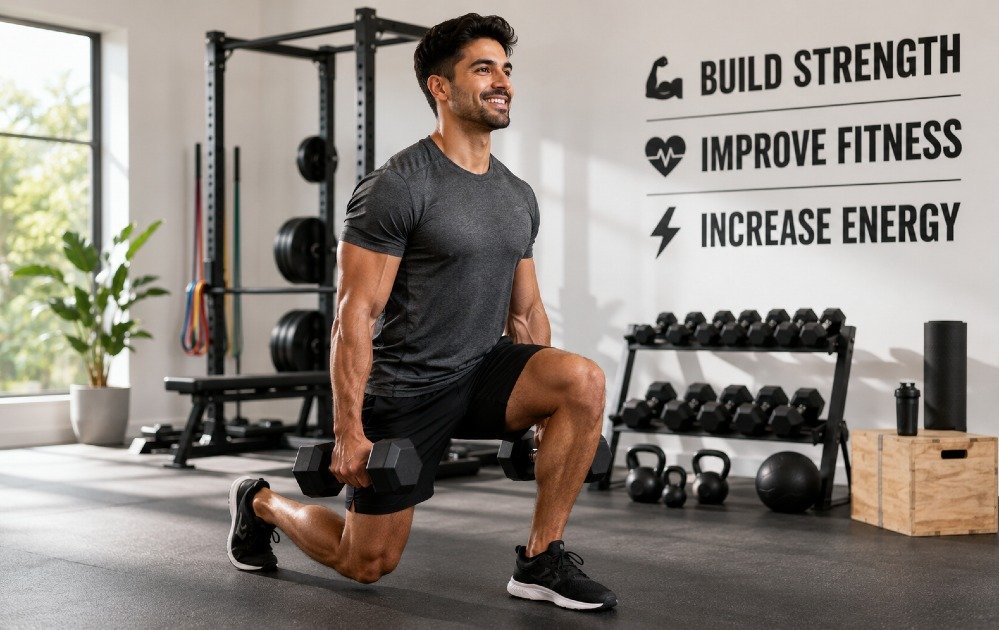
Still struggling to feel stronger, healthier, and more energized despite your efforts?
WHO recommends 150–300 minutes of moderate weekly exercise for adults to support better health and long-term wellness.
This guide explains how to build a sustainable exercise and fitness routine that boosts energy, supports weight control, strengthens your body, and improves mental well-being—without burnout.
Understanding Exercise and Fitness
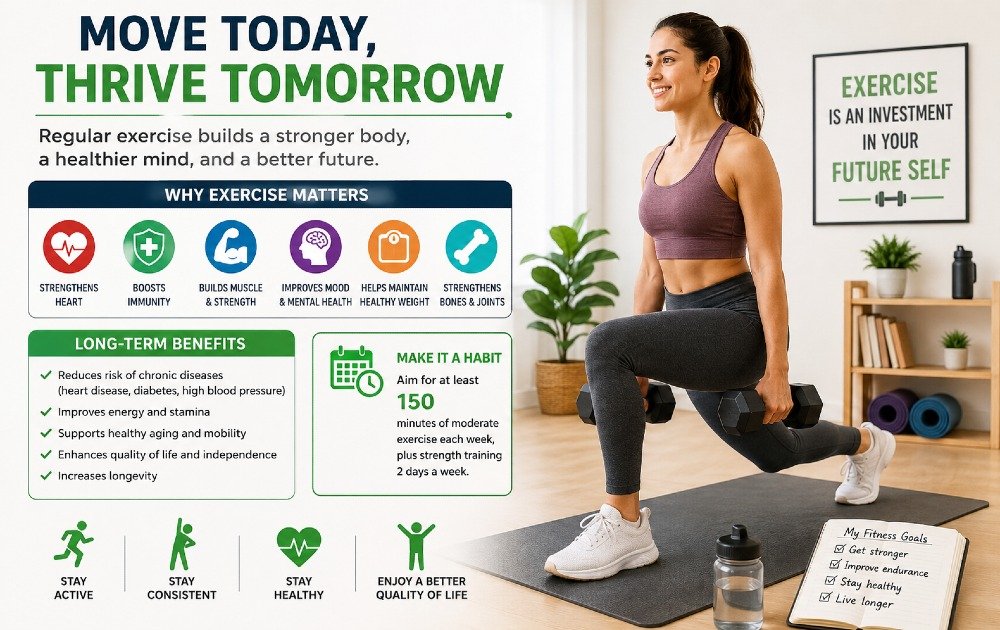
Exercise and fitness fuel a stronger, healthier life by improving heart health, strength, energy, mental clarity, weight control, and reducing chronic disease risks caused by inactivity.
CDC shows that regular physical activity can lower heart disease risk by up to 35%, boost brain health, improve blood sugar control, and reduce depression and anxiety symptoms.
Why it matters:
Exercise and fitness go beyond appearance—they strengthen your body, sharpen your mind, and support healthier aging by improving overall function.
What works for me:
Understanding exercise and fitness helps me build a stronger, healthier body by creating lasting habits that boost energy, strength, mobility, and overall well-being.
How to start:
- Start with simple movement goals, not intense workouts
- Walk daily for 10–20 minutes
- Focus on consistency, not intensity
- Track your progress in a journal or app
- Choose activities you actually enjoy
7 Ways Exercise and Fitness Boosts Energy Levels, Mental Clarity, and Long-Term Health
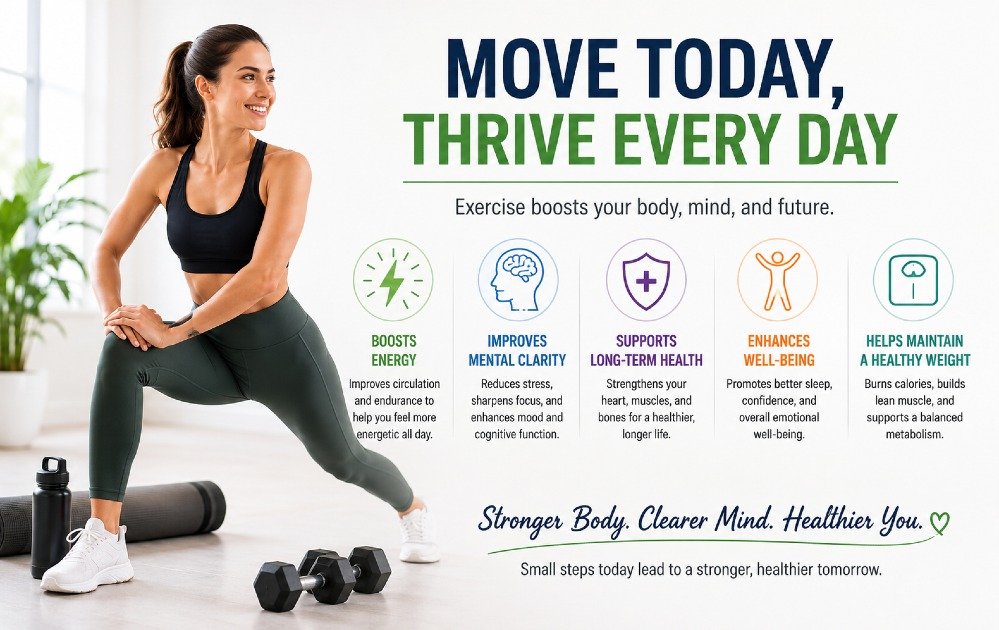
Still waking up exhausted, losing focus, and wondering why your energy keeps fading?
Regular exercise does more than build strength or support weight loss—it boosts energy, improves circulation, balances hormones, enhances brain function, and promotes better sleep.
Discover seven ways how exercise and fitness can recharge your body, sharpen your mind, and strengthen your foundation for lifelong health.
1. Building a Sustainable Fitness Routine That Actually Works
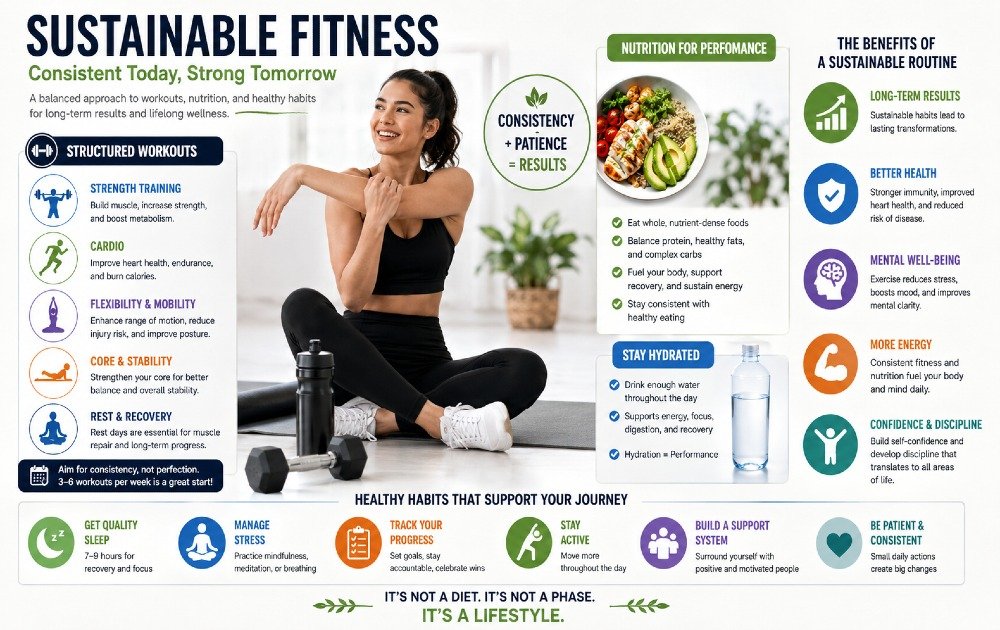
Build a sustainable fitness routine with realistic workouts, consistent habits, and balanced strength, cardio, and flexibility training for lasting results.
Why it matters:
Most people quit workouts not from lack of motivation, but from unrealistic plans—sustainable routines drive lasting fitness success.
What works for me:
I’ve learned that lasting exercise and fitness results come from consistent, realistic workouts that build strength, boost energy, and make healthy living sustainable.
How to start:
- Set a 3–4 day weekly workout schedule
- Combine strength training and light cardio
- Include rest days for recovery
- Keep workouts under 45 minutes initially
- Adjust intensity gradually every 2–3 weeks
Sample weekly fitness routine:
- Monday: Full-body strength training
- Tuesday: Walking or light cardio
- Wednesday: Rest or stretching
- Thursday: Strength + core workout
- Friday: Cardio (cycling, jogging, or home workout)
- Weekend: Active recovery (yoga, walking, mobility work)
2. Physical Activity and Weight Loss
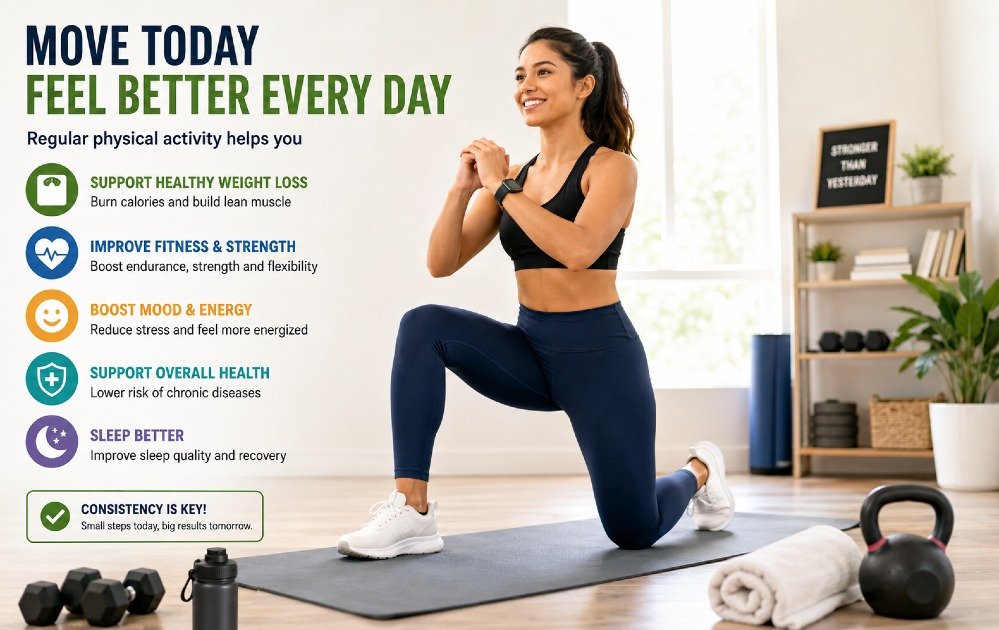
Sustainable weight loss comes from consistent movement, balanced nutrition, and strength training that boosts calorie burn, preserves muscle, and supports lasting fat loss.
Why it matters:
Exercise and fitness go beyond weight loss—they improve body composition, boost metabolism, and support lasting energy balance.
What works for me:
I use exercise and fitness to burn fat, preserve muscle, and accelerate healthy weight loss while boosting energy and strength.
How to start:
- Focus on full-body workouts instead of spot reduction
- Add resistance training 2–3 times weekly
- Increase daily steps (goal: 7,000–10,000)
- Avoid extreme calorie restriction
- Stay consistent with hydration and sleep
Effective activities for weight loss:
- Brisk walking
- HIIT workouts (short sessions)
- Resistance band training
- Bodyweight exercises (squats, push-ups, lunges)
3. Building Muscle Strength for Long-Term Health
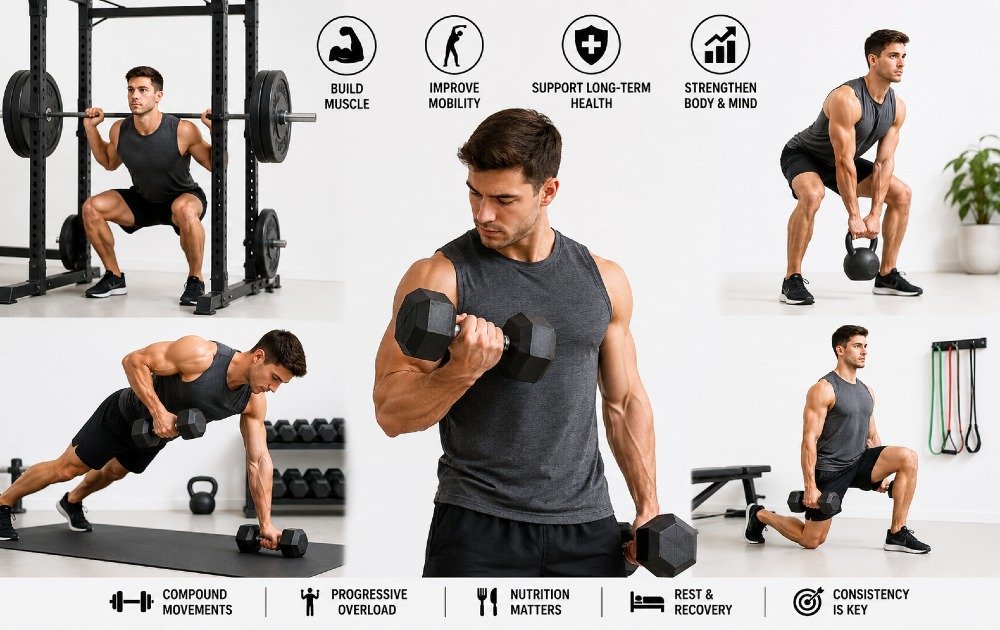
Build strength with regular resistance or bodyweight training to protect your joints, preserve bone density, prevent injuries, and stay active and independent as you age.
Why it matters:
Muscle strength is the overlooked key to better posture, faster metabolism, healthier joints, and lasting independence.
What works for me:
I prioritize exercise to build strength, protect my joints and bones, boost metabolism, and stay active, independent, and healthy for years.
How to start:
- Begin with bodyweight exercises
- Train major muscle groups 2–3 times per week
- Increase reps or resistance gradually
- Focus on proper form over speed
- Rest at least 48 hours between muscle groups
Simple strength exercises:
- Squats
- Push-ups
- Planks
- Glute bridges
- Resistance band rows
4. Cardiovascular Health and Fitness
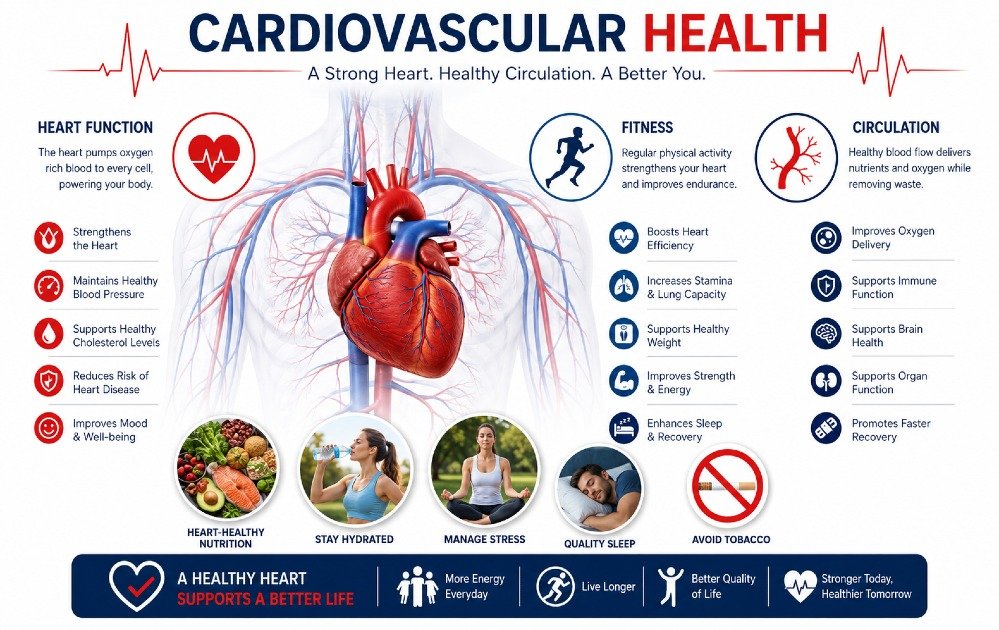
Cardio exercise strengthens your heart, boosts endurance, improves circulation, lowers blood pressure, and helps protect long-term fitness and energy.
Why it matters:
Strengthen your heart to boost energy, endurance, and long-term health.
What works for me:
I boost heart health, circulation, endurance, and energy through exercise and fitness for a stronger, more active life.
How to start:
- Walk briskly for 30 minutes daily
- Try cycling or swimming weekly
- Add short cardio bursts to strength workouts
- Track heart rate zones if possible
- Stay consistent rather than intense
5. Home Workouts for Fitness Anytime Without a Gym
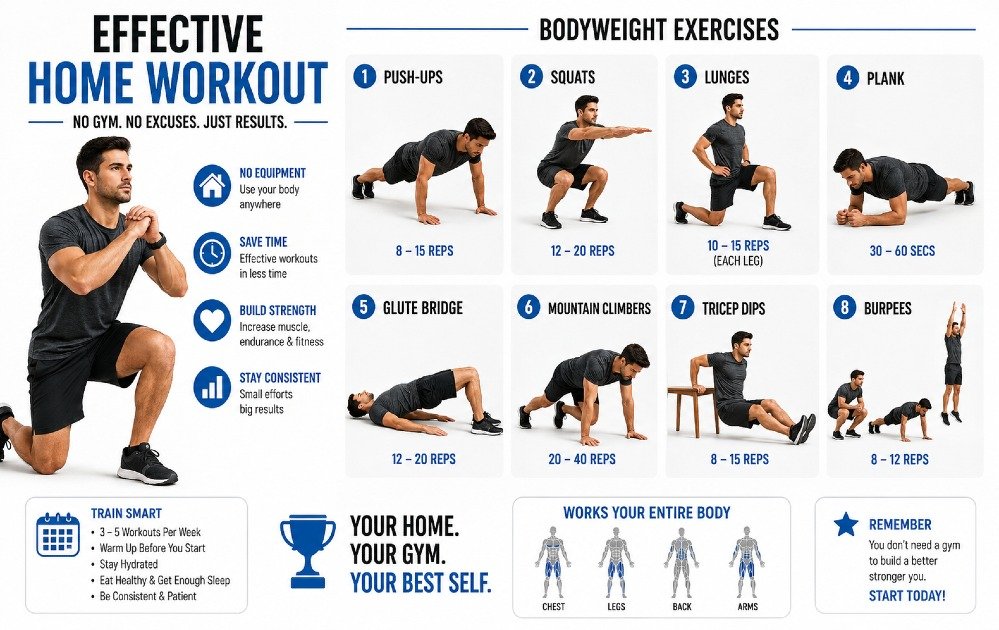
Home workouts build strength, endurance, and mobility with minimal equipment—saving time, removing barriers, and proving that consistent effort matters more than location.
Why it matters:
No gym? A structured home workout routine can still deliver powerful fitness results.e.
What works for me:
I stay fit with home workouts that build strength, boost energy, and keep me active anytime—without a gym.
How to start:
- Use bodyweight exercises
- Follow online workout programs
- Keep equipment simple (resistance bands, yoga mat)
- Schedule workouts like appointments
- Remove distractions during exercise
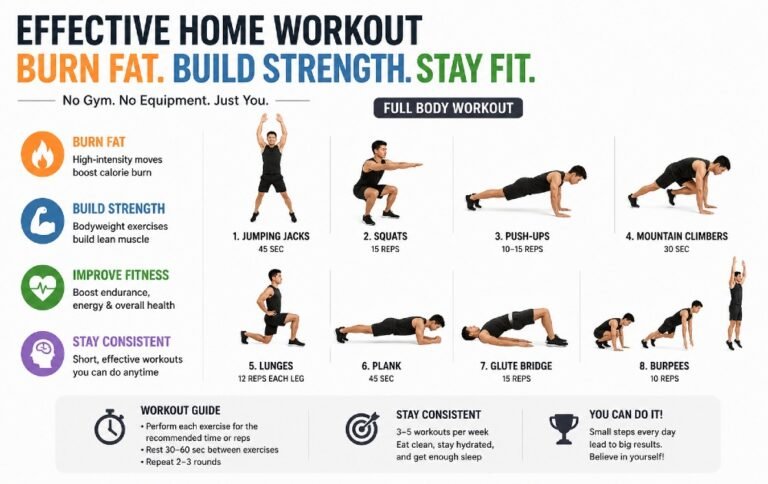
Quick home workout example (20 minutes):
- 15 squats
- 10 push-ups
- 20 mountain climbers
- 30-second plank
- Repeat 3–4 rounds
6. Mental and Emotional Benefits of Exercise and Fitness
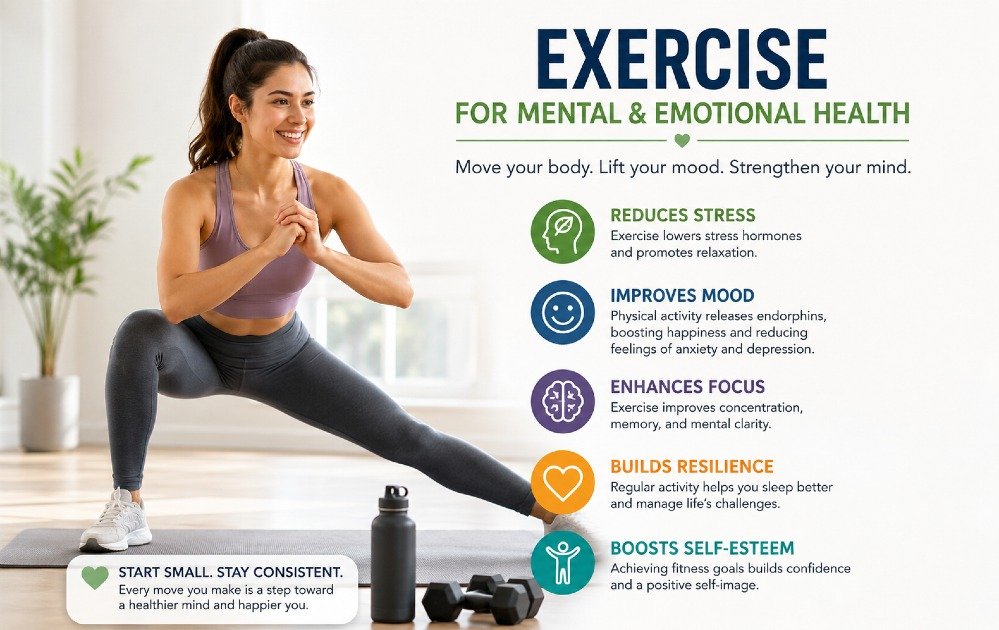
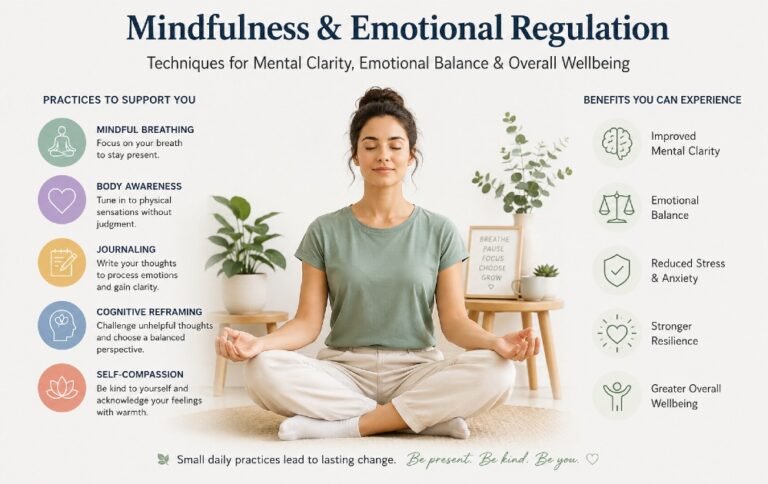
Exercise boosts mental health by lowering stress, improving mood, enhancing focus, supporting better sleep, and building emotional resilience through regular movement.
Why it matters:
Exercise is a powerful natural way to reduce stress, ease anxiety, and improve mood.
What works for me:
Exercise and fitness have helped me reduce stress, lift my mood, build confidence, and create a stronger, healthier mindset.
How to start:
- Walk during stressful moments
- Practice mindful breathing during workouts
- Combine exercise with music or nature
- Avoid overtraining when mentally exhausted
- Focus on how you feel, not just performance
7. Nutrition and Recovery as The Missing Piece of Fitness
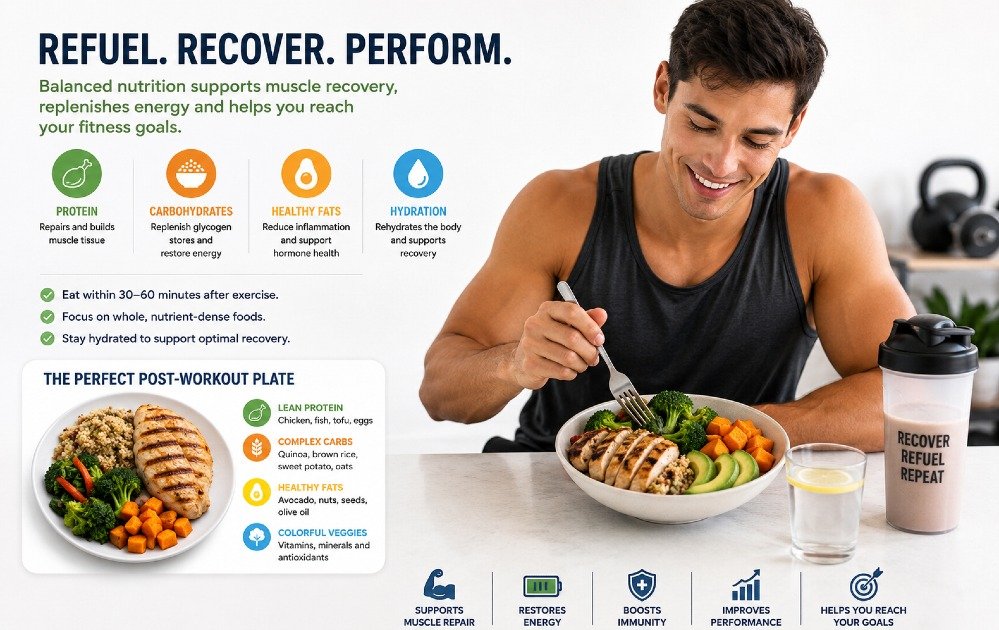
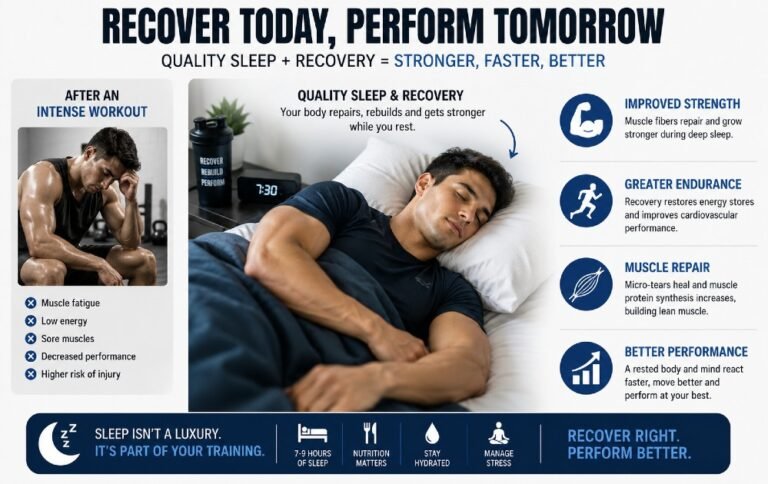
Building a stronger, healthier body requires more than consistent training—smart fueling, sufficient sleep, and hydration help maximize results, improve recovery, and sustain daily performance.
Why it matters:
Train smarter—proper recovery prevents fatigue, injury, and burnout while fueling growth, strength, and long-term consistency.
What works for me:
I’ve learned that proper nutrition and recovery are the keys to maximizing my workouts, rebuilding strength, boosting performance, and achieving lasting fitness results.
How to start:
- Prioritize 7–9 hours of sleep
- Eat protein-rich meals
- Stay hydrated daily
- Stretch after workouts
- Take at least 1–2 rest days weekly
Common Mistakes in Exercise and Fitness
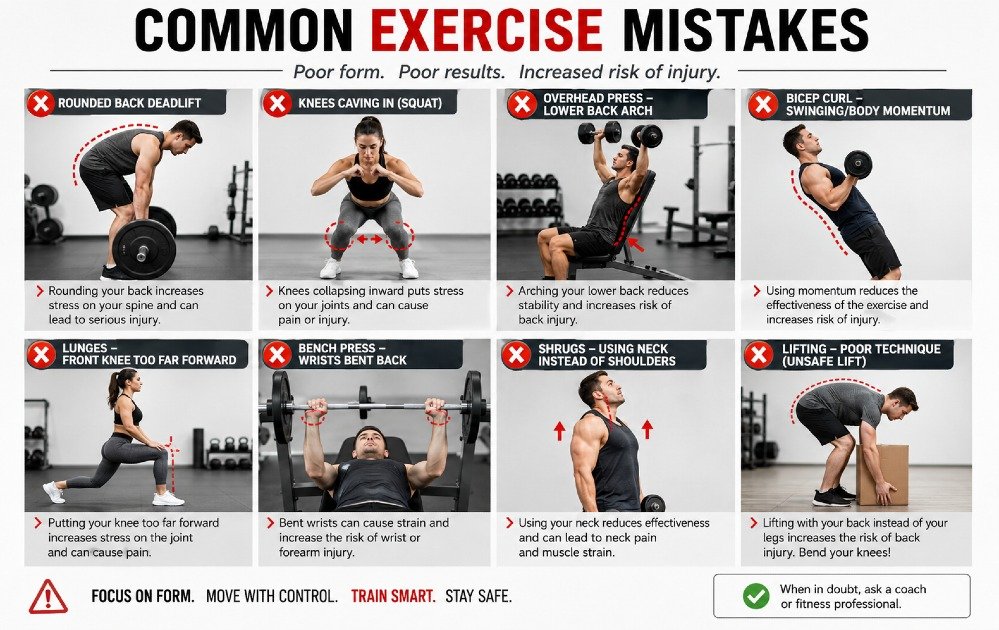
Avoid workout burnout, injuries, and slow progress by balancing intensity, recovery, strength training, and realistic goals for lasting results.
Why it matters:
Avoiding common mistakes saves time, reduces injury risk, and keeps your progress consistent long term.
What works for me:
I’ve learned that avoiding common fitness mistakes helps me build lasting habits, improve performance, prevent setbacks, and achieve better health results.
How to start:
- Don’t overtrain at the beginning
- Avoid skipping warm-ups and cooldowns
- Don’t rely only on motivation
- Track progress beyond weight (energy, strength, endurance)
- Stay consistent even on low-energy days
How Exercise Improves Sleep Quality and Recovery
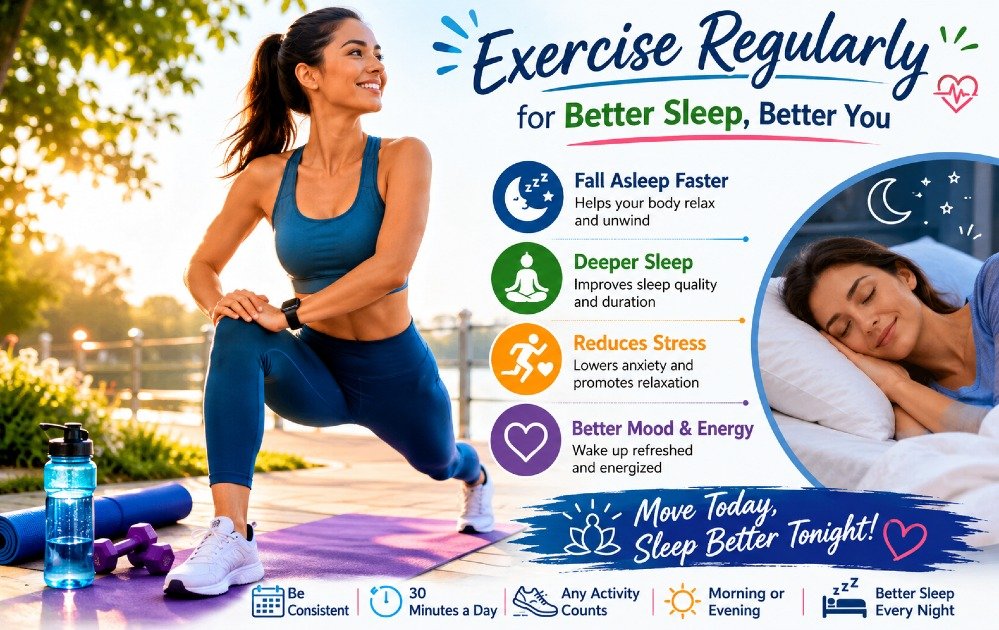
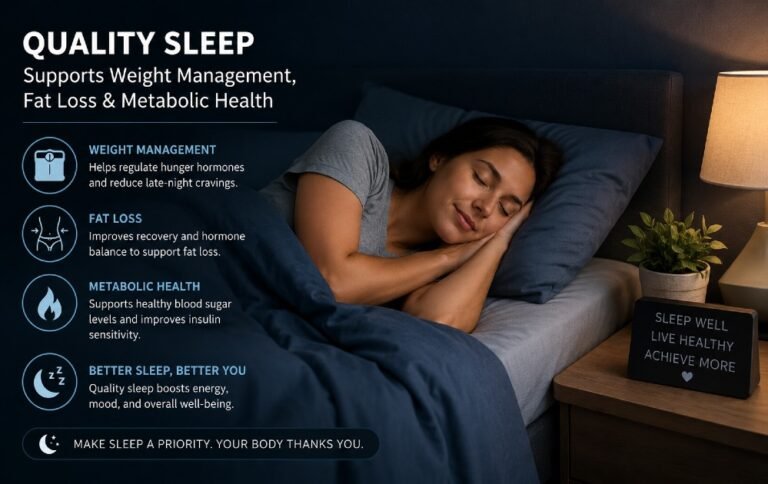
A sedentary lifestyle can disrupt sleep, while regular movement supports deeper rest, better recovery, and a healthier sleep-wake cycle.
Common issues include:
- Difficulty falling asleep
- Interrupted sleep cycles
- Waking up tired
- Slow physical recovery
Effective strategies include:
- 20–30 minutes of active movement that gently challenges your body
- Morning or early afternoon workouts
- Gentle stretching or yoga before bed
- Daily consistent movement
The Role of Exercise in Stress Reduction and Brain Function
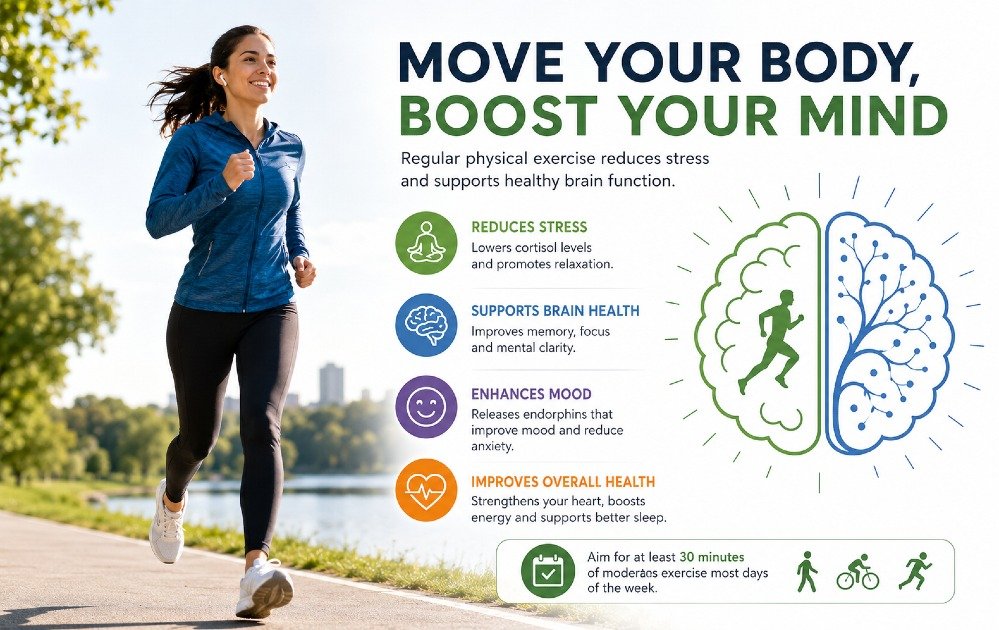
Chronic stress drains energy, focus, and emotional balance, but regular exercise helps regulate stress hormones and sharpen brain performance.
Common effects include:
- Poor concentration
- Irritability
- Mental fatigue
- Memory lapses
Effective strategies include::
- Regular cardio such as brisk walking or jogging
- Strength training 2–3 times weekly
- Mindful movement like yoga or Pilates
- Short movement breaks during long sitting periods
Beginner Fitness Guide for Sustainable Weight Management
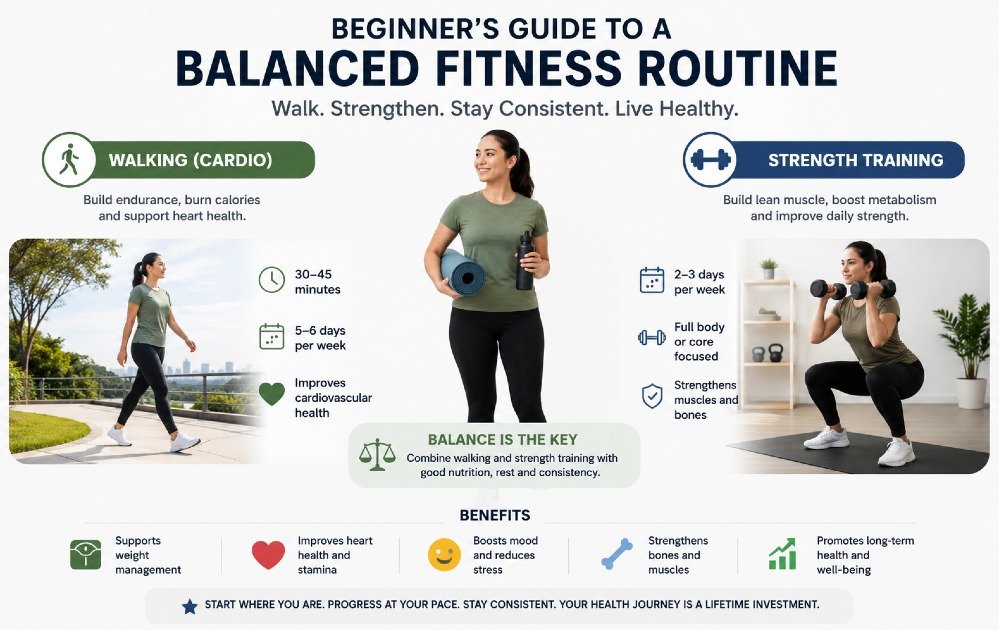
Many beginners quit fitness by chasing intense routines, but lasting results come from realistic goals, steady progress, and consistent habits.
Common challenges include:
- Starting too aggressively
- Lack of structure
- Low consistency
- Poor long-term adherence
Effective strategies include:
- Walk 20–30 minutes daily
- Add strength training 2–3 times per week
- Use basic full-body exercises (squats, push-ups, lunges)
- Increase activity gradually
- Pair exercise with balanced nutrition
Frequently Asked Questions
How often should I exercise to improve health?
Aim for 150+ minutes of weekly moderate activity through walking, strength training, or consistent movement to keep your body strong and active.
Can exercise increase energy levels?
Yes. Regular exercise boosts circulation, oxygen flow, and hormone balance to fight fatigue and increase natural energy.
What is the best exercise for beginners?
Start with walking, bodyweight exercises, or light strength training—consistency builds lasting results more than intensity.
How quickly will I see results from exercise?
Energy and mood often improve within days, while strength, endurance, and body composition gains build over weeks of consistent training.
Is exercise still necessary if I live a healthy lifestyle?
Exercise strengthens your heart, brain, muscles, and metabolism—making every healthy habit work better.
Recap: Building a Stronger Healthier and More Energized Life Through Fitness
Exercise isn’t about appearance—it’s about building lasting actions that transform your health.
Build a sustainable movement habit to boost energy, sharpen focus, and improve your overall well-being.
Let your exercise journey structure your fitness efforts to support steady workouts and build lasting strength.
Ready to Build Strength Energy and Lasting Fitness Habits?
Still struggling to stay active, running out of energy, or giving up on your fitness goals?
Discover how these adjustable dumbbells build strength faster, grow with your fitness goals, and make every workout count.