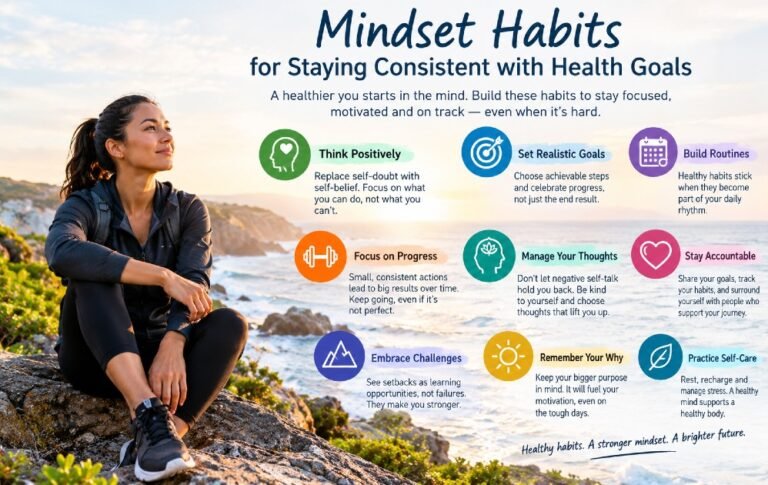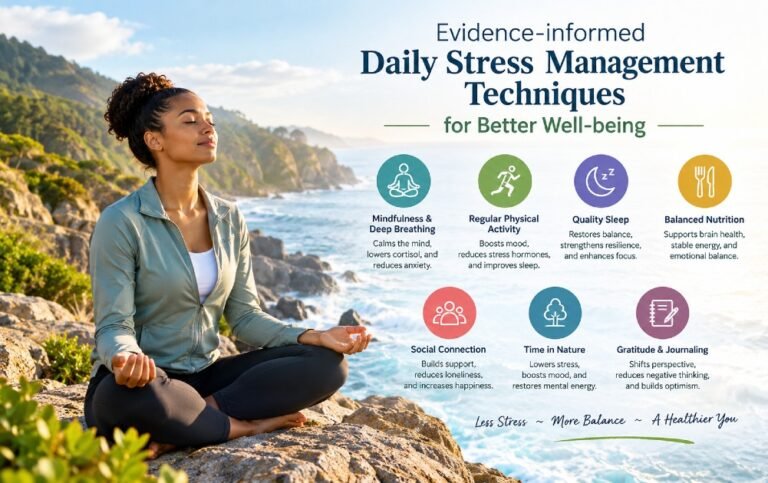

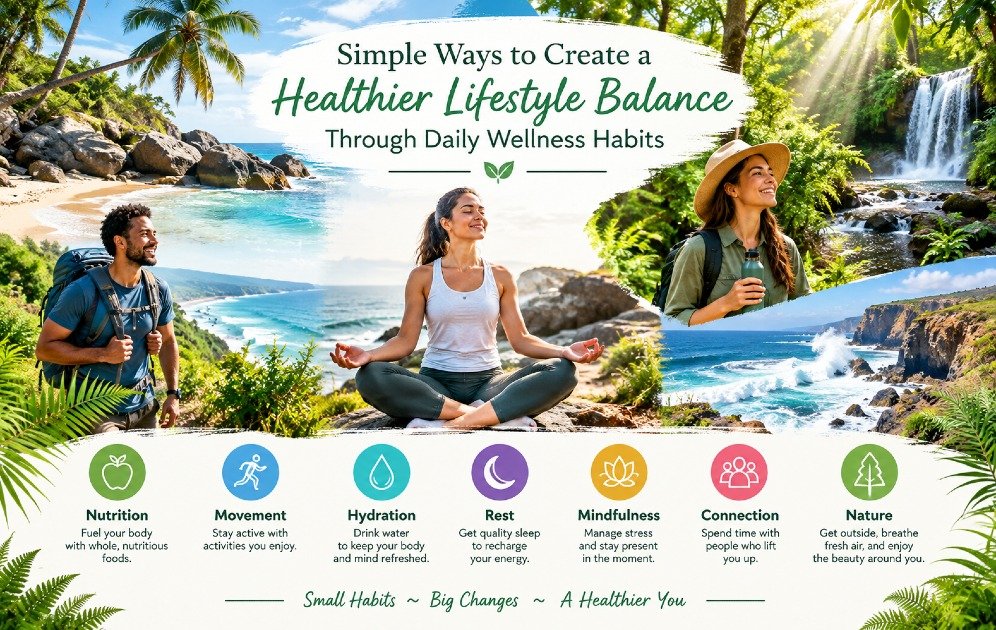
Constantly feeling pulled between work, family, health, and personal time can leave healthy habits pushed to the bottom of the list.
The CDC recognizes healthy eating, physical activity, adequate sleep, and stress management as key parts of supporting overall health.
This guide explains practical ways to help you protect your energy, strengthen your well-being, and build habits you can sustain for the long term.
Why Lifestyle Balance Matters
Poor lifestyle balance can increase stress, drain energy, and make healthy habits harder to maintain.
Improve energy, manage stress, and build sustainable habits that support long-term well-being.
What Lifestyle Balance Means
Neglecting rest, nutrition, movement, or personal needs can disrupt your overall well-being.
Understand which areas of your lifestyle need attention to create a healthier, more fulfilling routine.
8 Healthy Lifestyle Shifts That Make Balance Easier to Maintain
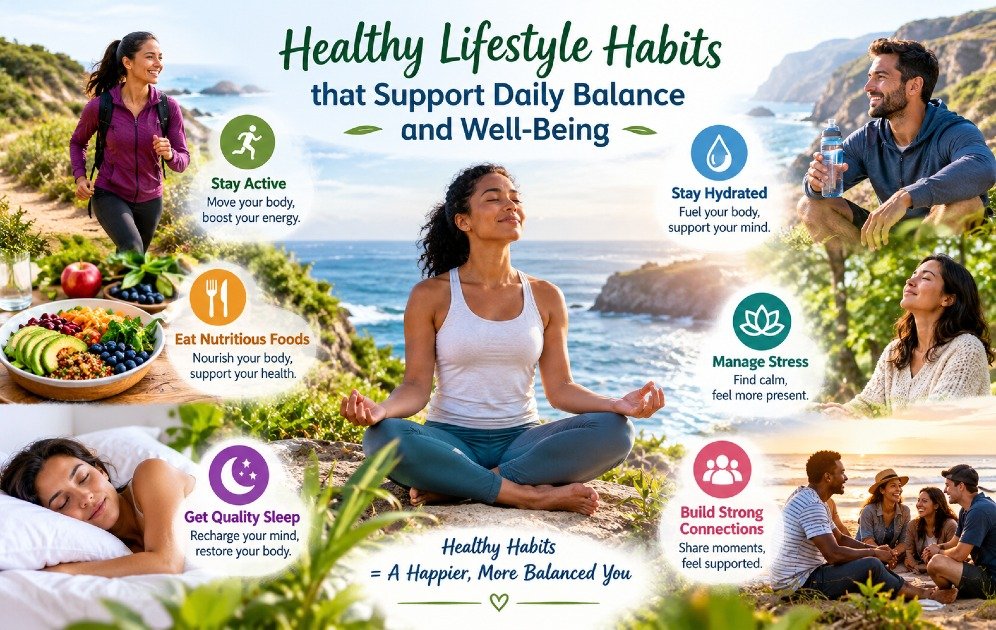
Feeling overwhelmed by healthy habits that seem impossible to maintain? When work, family, stress, poor sleep, and daily demands compete for your attention.
Healthy eating, regular movement, quality sleep, and stress management all work together to support lasting well-being.
Discover how these eight lifestyle shifts can help you simplify your routines, protect your energy, and create a healthier balance you can maintain.
Build Your Day Around Non-Negotiable Health Priorities
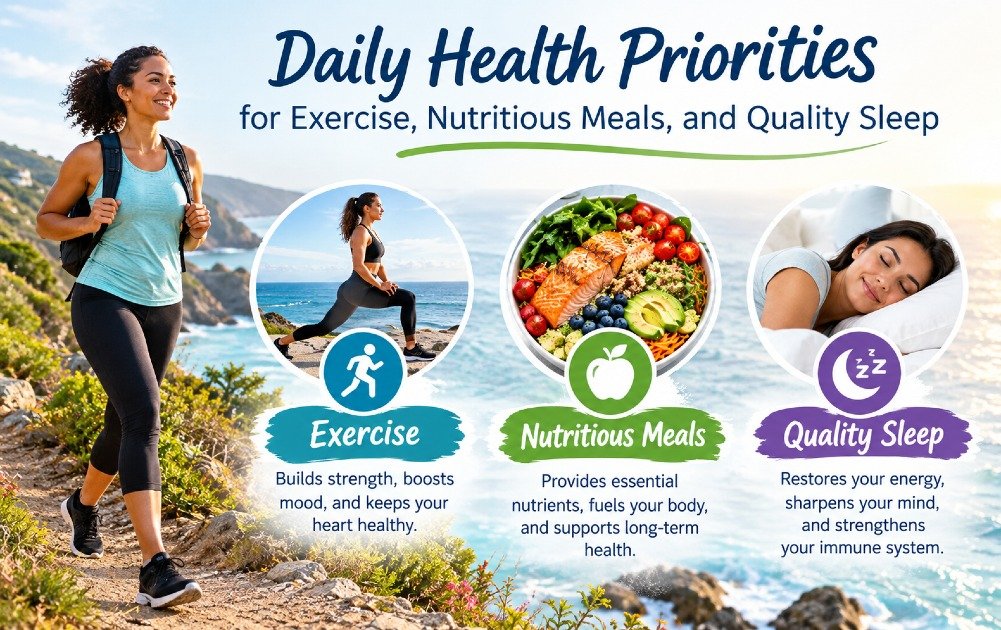
Busy days can push health aside, but setting non-negotiable priorities keeps lifestyle balance within reach.
Why it matters:
Protecting time for sleep, movement, nourishing meals, and recovery helps make lifestyle balance a daily practice, not an afterthought.
What works for me:
I write my top health priorities into a daily wellness planner, then build my schedule around them to stay consistent and protect my lifestyle balance.
How to start:
- Choose two health priorities for the next seven days.
- Put them into your daily schedule.
- Keep the first goal small enough to complete on busy days.
- Review your progress at the end of the week.
- Add another habit only when the first two feel manageable.
Create a Healthy Daily Routine You Can Maintain

An overly strict routine can quickly become another source of stress, while a flexible plan supports lifestyle balance and lasting healthy habits.
Why it matters:
A realistic daily routine creates structure for sleep, movement, nutrition, and recovery without overwhelming your schedule.
What works for me:
I keep my routine simple and flexible, using a daily wellness planner to track a few key habits and protect my lifestyle balance without chasing perfection.
How to start:
- Identify three daily habits that matter most.
- Attach each habit to something you already do.
- Create a shorter version for hectic days.
- Prepare simple meals and snacks ahead of time.
- Review your routine every Sunday.
Make Movement Part of Your Normal Day

Long hours of sitting can quietly crowd movement out of your day, but making simple activities part of your routine can support lifestyle balance and everyday health.
Why it matters:
Regular movement supports physical and mental well-being while helping you move more and sit less without disrupting your lifestyle balance.
What works for me:
I build movement into my normal day with short walks, stretch breaks, and a fitness tracker to keep my activity visible and my lifestyle balance on track.
How to start:
- Walk for 10 minutes after one meal.
- Stand and stretch during long work periods.
- Take short walking breaks during the day.
- Add two brief strength sessions each week.
- Choose activities you genuinely enjoy.
Protect Your Sleep Like an Important Appointment
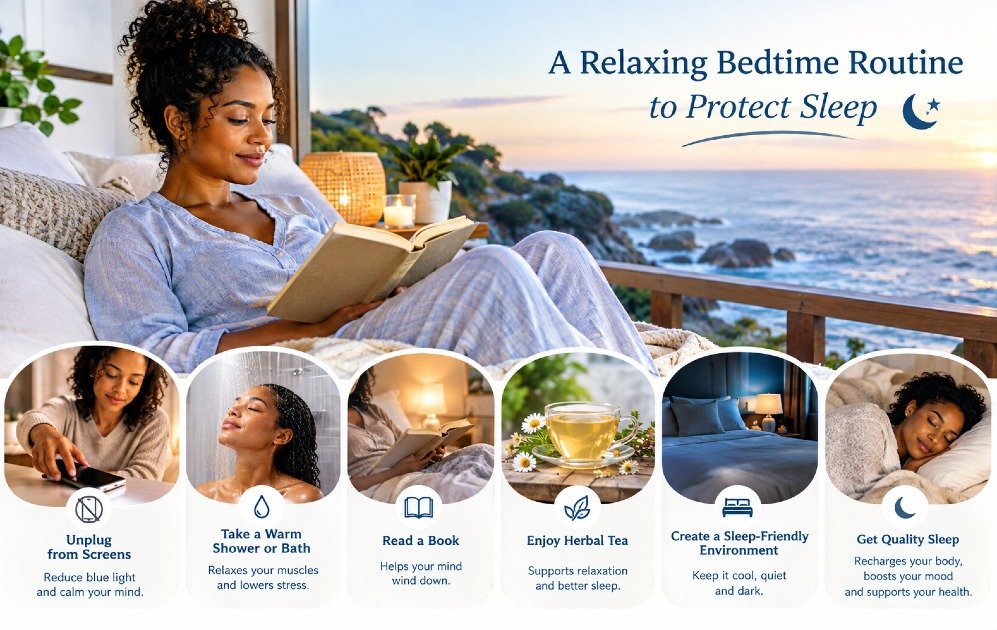
Poor sleep can quietly disrupt your energy, focus, and lifestyle balance, making a protected bedtime essential for better daily health.
Why it matters:
Treating sleep like an important appointment creates consistency that supports recovery, mental clarity, and a healthier lifestyle balance.
What works for me:
I protect my bedtime by setting a consistent sleep schedule and using a sleep tracker to monitor my sleep patterns and stay accountable.
How to start:
- Choose a regular bedtime.
- Keep your wake time relatively consistent.
- Reduce unnecessary screen time before bed.
- Keep the bedroom comfortable and quiet.
- Avoid filling the final minutes of the day with unfinished work.
Practice Mindful Eating Instead of Perfect Eating

Perfect eating can create unnecessary pressure, while mindful eating supports lifestyle balance by helping you make intentional food choices without guilt.
Why it matters:
Mindful eating strengthens awareness of hunger, fullness, and food choices, making lifestyle balance more realistic and sustainable.
What works for me:
I use a mindful eating journal to track hunger cues, emotions, and eating patterns, helping me build lifestyle balance without chasing perfection.
How to start:
- Plan three simple meals before the week begins.
- Keep nutritious snacks available.
- Add a fruit or vegetable to meals when possible.
- Eat slowly enough to notice hunger and fullness.
- Avoid labeling individual foods as “good” or “bad.”
Schedule Stress Management Before Stress Takes Over
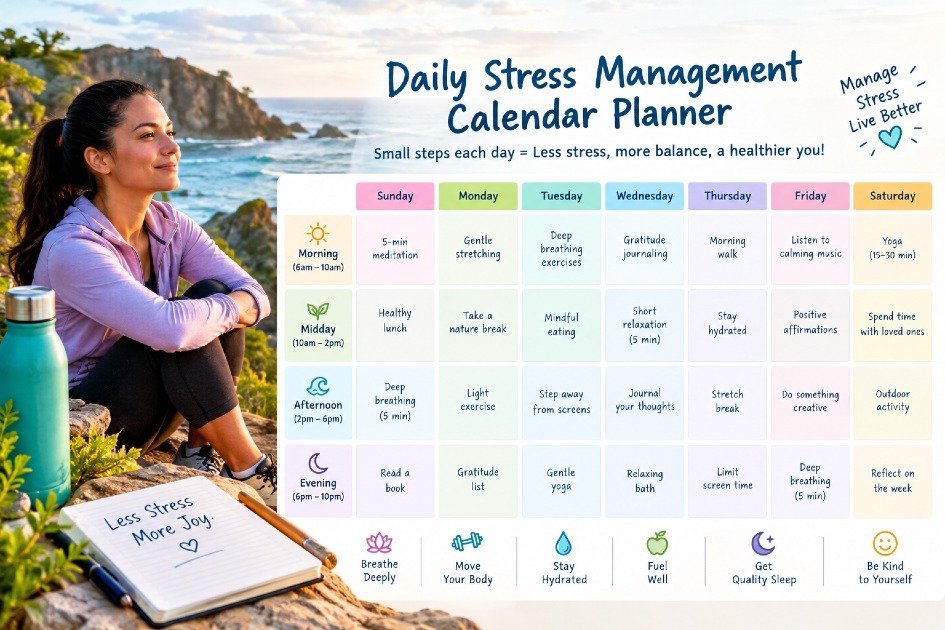
Unchecked stress can disrupt your focus, energy, and lifestyle balance, but scheduling time to manage it can keep daily pressure from becoming overwhelming.
Why it matters:
Making stress management part of your routine helps you respond earlier, protect your well-being, and maintain better lifestyle balance.
What works for me:
I schedule a few minutes each day to pause, breathe, and reset, using a guided meditation platform to make stress management a consistent part of my lifestyle balance.
How to start:
- Take five slow breaths before responding to stressful situations.
- Spend five minutes outside when your schedule allows.
- Write down your biggest concern instead of repeatedly thinking about it.
- Schedule short periods without notifications.
- Talk with someone you trust when stress becomes difficult to manage.
Set Boundaries Around Technology
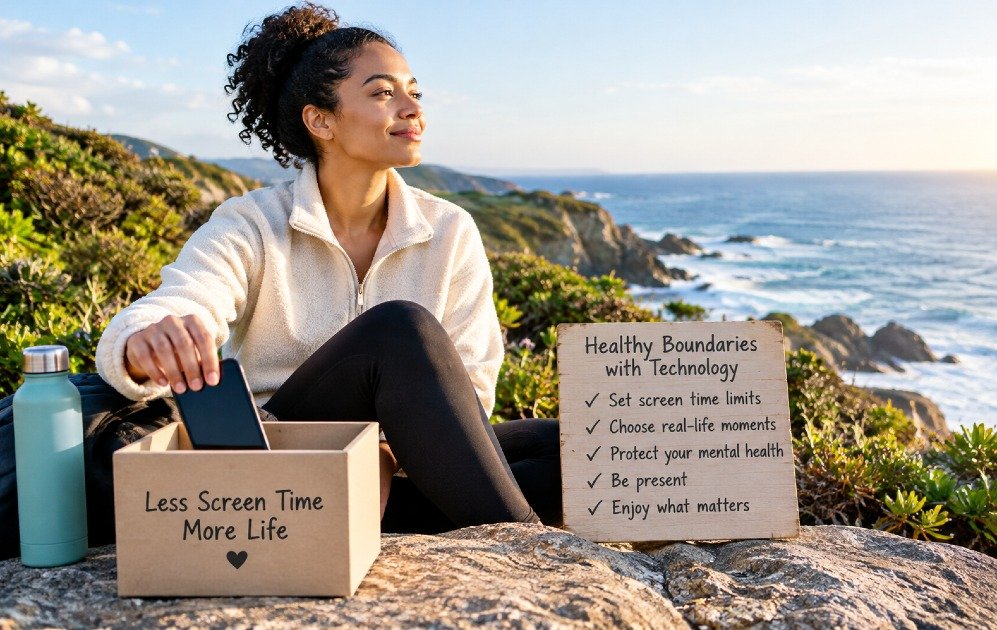
Constant notifications and screen use can disrupt focus, rest, and lifestyle balance, making intentional technology boundaries essential.
Why it matters:
Setting clear tech-free times protects sleep, attention, relationships, and the lifestyle balance technology should support.
What works for me:
I set daily screen-free periods and use a screen-time tracker to monitor my habits, helping me stay intentional with technology and protect my lifestyle balance.
How to start:
- Turn off nonessential notifications.
- Create phone-free meals.
- Avoid checking your phone during conversations.
- Establish a screen-free bedtime period.
- Remove apps that consistently create unnecessary distraction.
Make Time for Relationships and Enjoyment

Neglecting relationships and enjoyment can leave life feeling unbalanced, but making intentional time for both strengthens lifestyle balance and overall well-being.
Why it matters:
Meaningful connection and enjoyable activities reduce daily strain, strengthen emotional well-being, and make lifestyle balance more sustainable.
What works for me:
I schedule weekly connection and enjoyment time—and use a guided reflection journal to protect those priorities and stay intentional about my lifestyle balance.
How to start:
- Contact one person you care about each week.
- Schedule one enjoyable activity.
- Eat one meal without multitasking.
- Protect time for hobbies.
- Make room for laughter and relaxation.
How to Know If Your Lifestyle Is Becoming More Balanced
Recognizing small improvements in your daily habits helps you see whether your lifestyle balance is improving.
Without clear signs of progress, it is difficult to know whether your routines support your health, energy, and well-being.
Tracking better energy, restful sleep, manageable stress, and healthier routines helps you identify progress and build lasting lifestyle balance.
A Simple 7-Day Healthy Lifestyle Balance Challenge
A simple 7-day challenge helps you build healthier daily habits and create lasting lifestyle balance.
Busy schedules and inconsistent habits can disrupt lifestyle balance and affect your overall well-being.
Build a practical routine for better energy, reduced stress, and sustainable lifestyle balance in just seven days.
Frequently Asked Questions
What does a healthy lifestyle balance mean?
Healthy lifestyle balance means consistently combining nutritious eating, regular movement, quality sleep, stress management, meaningful relationships, responsibilities, and enjoyable activities to support lasting well-being.
How can I balance work and a healthy lifestyle?
Build a healthier lifestyle by prioritizing sleep, movement, simple meals, and healthy boundaries around your responsibilities.
How can I create a healthy lifestyle balance when I am very busy?
Start with one small habit—like a 10-minute walk, better bedtime, nutritious meal, or stress break—to build momentum without overwhelming your schedule.
Can I have a healthy lifestyle without exercising every day?
You don’t need a formal workout every day—walking, daily activities, active transportation, recreation, and planned exercise can all support a healthier lifestyle, with individual needs varying by health conditions or physical limitations.
How long does it take to create a healthier lifestyle balance?
There’s no universal timeline—focus on building sustainable habits through consistent repetition and adjustment, not a perfect schedule.
Recap: Create Balance Today, Track a Healthier Tomorrow
A healthier lifestyle balance starts when you stop chasing perfection and start making choices that support your body, mind, and daily life.
Improve your sleep, move more, eat with intention, manage stress, or create healthier boundaries. Track your progress over time, adjust what is not working, and keep building on every small win.
Start today, track your health, step toward a more balanced lifestyle, and make each choice move you closer to lasting wellness.
Ready To Build a Healthier Lifestyle Balance?
Still feeling like your health goals get pushed aside by a busy schedule?
Discover how this fitness tracker can help you monitor daily movement, sleep, and activity patterns so that you can make smarter adjustments and build healthier routines that last.