

Still feeling drained, weak, or worried about your long-term health?
Exercise and preventive health shows how consistent movement strengthens your heart, body, and mind, lowers disease risks, and supports lifelong wellness—explore the full prevention strategy in our Preventive Health Guide.
This guide reveals how exercise boosts mental well-being, supports metabolism, and helps prevent chronic disease as a key part of lasting health.
Why Exercise Is One of the Most Powerful Preventive Health Tools

Exercise is one of the most powerful ways to protect long-term health, lowering chronic disease risk while boosting heart health, strength, energy, mobility, and overall well-being.
CDC recommends regular physical activity to lower chronic disease risk while strengthening physical and mental well-being.
Why it matters:
Exercise is a cornerstone of preventive health, helping prevent disease, reduce health risks, and protect long-term wellness.
What works for me:
I make exercise a priority because exercise and preventive health work together to strengthen my body, lower disease risk, boost energy, and protect my long-term well-being.
How to start:
- Walk for 20–30 minutes daily
- Take movement breaks during work hours
- Choose activities you genuinely enjoy
- Focus on consistency rather than perfection
- Track progress to stay motivated
7 Ways Exercise and Preventive Health for Long-Term Disease Prevention

Could your everyday habits today be silently increasing your risk of chronic disease tomorrow?
Regular exercise lowers chronic disease risk by strengthening the body, improving heart health, supporting metabolism, and building long-term resilience.
Discover seven ways exercise supports preventive health by reducing disease risk, strengthening wellness, and protecting your future health.
1. Exercise and Heart Disease Prevention

Regular exercise strengthens your heart, improves circulation, lowers blood pressure and cholesterol, reduces inflammation, and helps prevent future heart disease.
Why it matters:
Regular exercise strengthens your heart, improves circulation, and lowers the risk of heart disease by supporting healthy cholesterol and blood pressure.
What works for me:
By making exercise and preventive health part of my routine, I strengthen my heart, lower my risk of heart disease, and support a longer, healthier life.
How to start:
- Walk briskly 150 minutes weekly
- Use stairs instead of elevators
- Add cycling or swimming
- Monitor your heart rate during exercise
- Gradually increase activity levels
2. How Physical Activity Helps Prevent Type 2 Diabetes
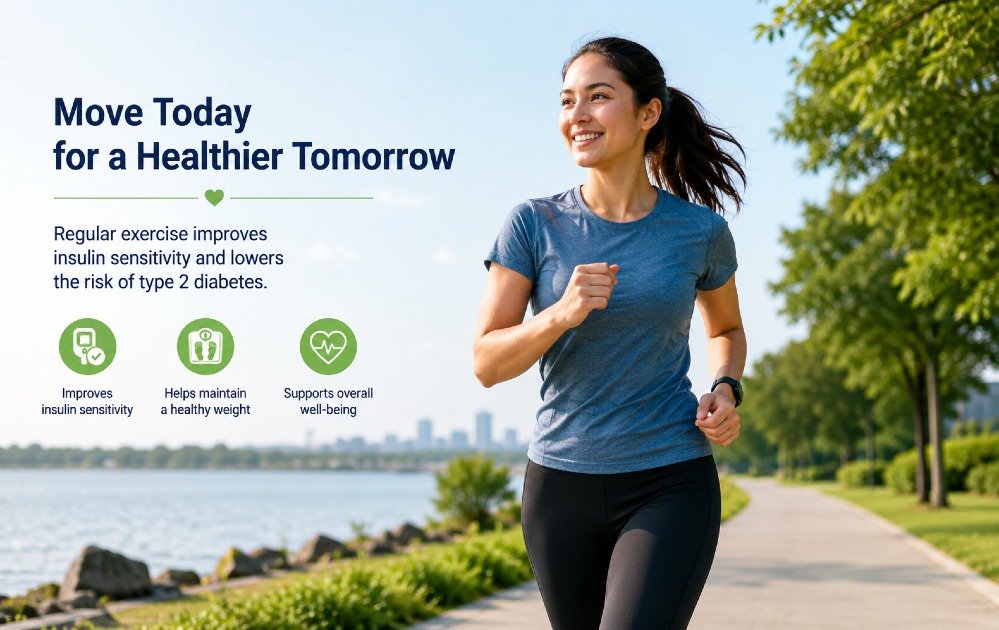
Regular exercise improves insulin sensitivity, balances blood sugar, supports healthy weight, and helps lower the risk of Type 2 diabetes.
Why it matters:
Exercise helps combat type 2 diabetes by improving insulin sensitivity, helping your cells use glucose more effectively.
What works for me:
Exercise and preventive health help me lower my risk of type 2 diabetes by improving blood sugar control, boosting insulin sensitivity, and supporting long-term metabolic health.
How to start:
- Walk after meals
- Include resistance training twice weekly
- Reduce prolonged sitting
- Stay active during weekends
- Monitor blood sugar if recommended by your healthcare provider
3. Exercise and Weight Management
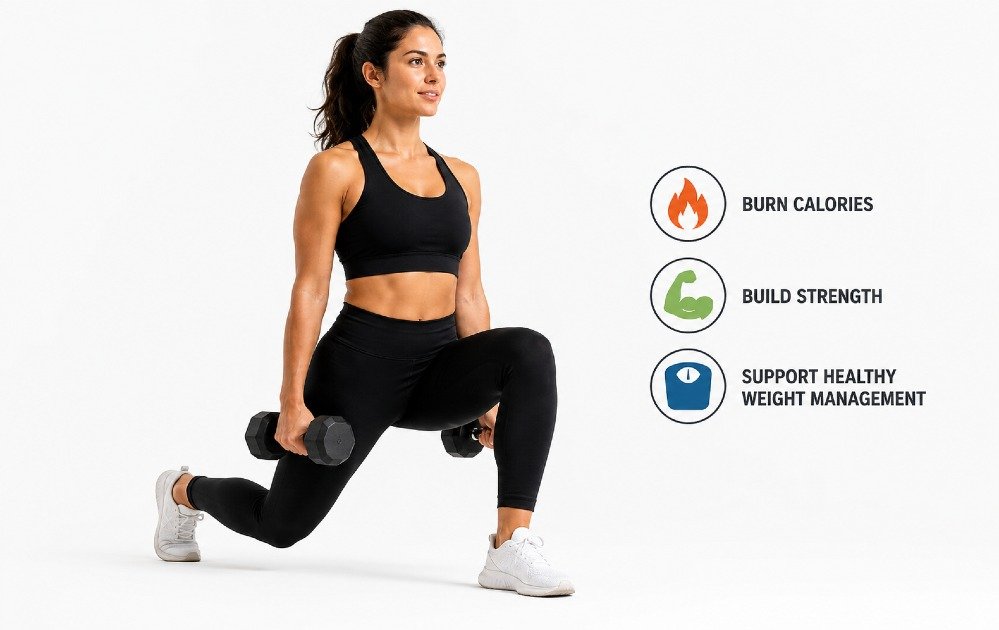
Exercise supports healthy weight management by burning calories, preserving muscle, boosting metabolism, and building habits that sustain long-term health.
Why it matters:
Excess weight raises chronic disease risk, while regular exercise supports healthy weight management by balancing energy and preserving muscle.
What works for me:
I use exercise and preventive health as a powerful approach to support weight management, improve my overall fitness, and build healthier habits that protect my long-term wellness.
How to start:
- Aim for daily movement
- Combine cardio and strength training
- Prioritize consistency
- Focus on lifestyle changes
- Track habits instead of obsessing over the scale
4. Mental Health Benefits of Exercise

Exercise strengthens your body and mind by lowering stress, boosting mood, improving sleep, sharpening focus, and reducing anxiety—even with simple activities like walking.
Why it matters:
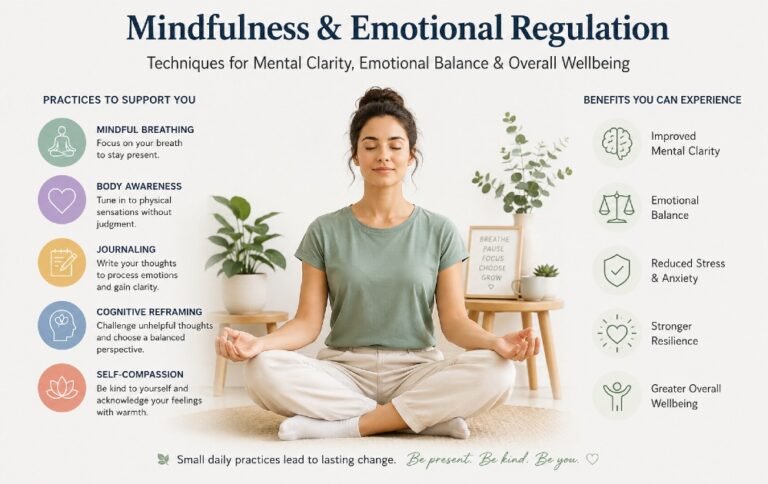
Preventive health goes beyond the body—exercise strengthens mental wellness, emotional resilience, and stress management.
What works for me:
I prioritize exercise and preventive health because regular movement helps me manage stress, boost my mental clarity, and build a healthier, more balanced life.
How to start:
- Take daily walks outdoors
- Try yoga or stretching
- Join group fitness classes
- Listen to music while exercising
- Schedule movement during stressful days
5. Strength Training and Healthy Aging

Strength training preserves muscle, mobility, balance, and independence as you age while supporting bone health and reducing fall risk for a stronger, more active life.
Why it matters:
Muscle loss increases with age, but proactive steps can help protect strength, mobility, independence, and quality of life.
What works for me:
I use strength training to support healthy aging by building strength, protecting mobility, and improving my long-term wellness through exercise and preventive health.
How to start:
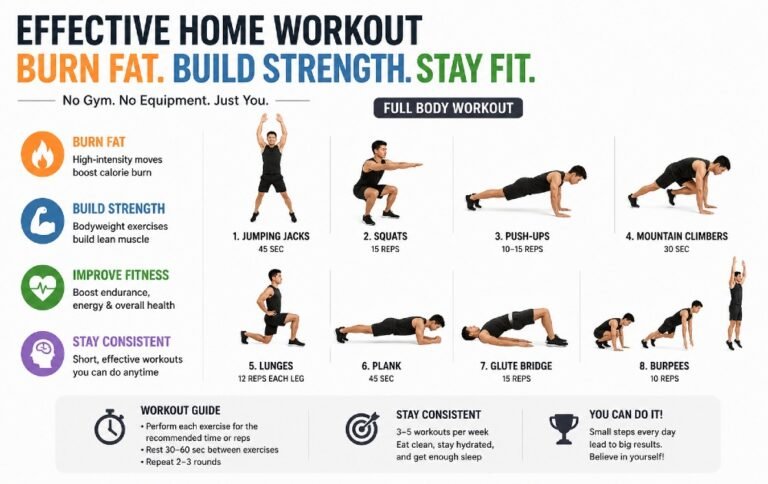
- Perform squats and lunges
- Use resistance bands
- Add light dumbbells
- Train major muscle groups twice weekly
- Focus on proper form
6. Exercise and Immune System Support

Regular exercise strengthens immune resilience by improving circulation, reducing inflammation, supporting recovery, and enhancing sleep and stress control.
Why it matters:
A strong immune system is your body’s first line of defense, and regular movement helps strengthen resilience and overall health.
What works for me:
I strengthen my immune defenses through exercise and preventive health, using regular movement to support my body’s natural protection, improve resilience, and promote long-term wellness.
How to start:
- Stay active year-round
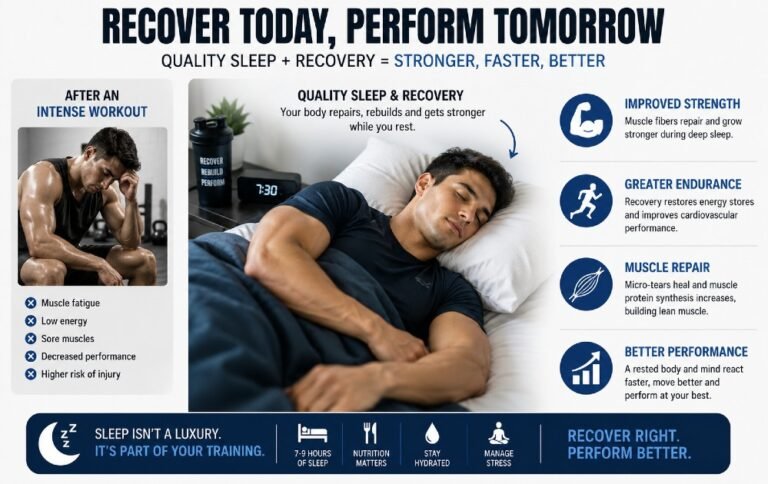
- Prioritize recovery
- Hydrate properly
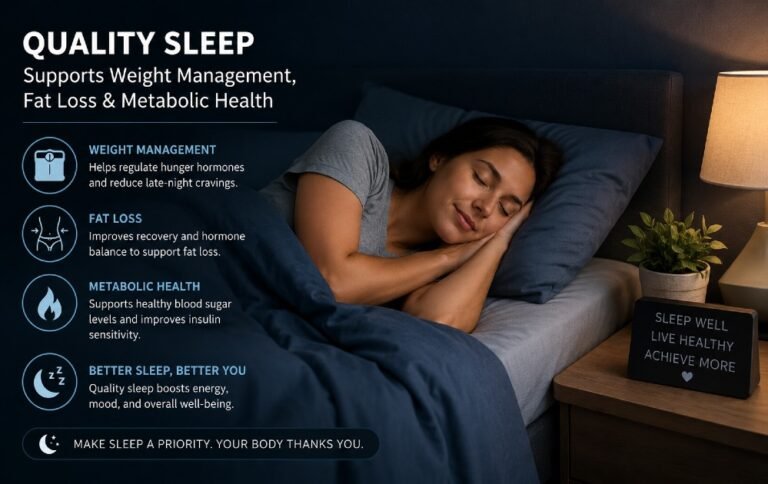
- Get adequate sleep
- Avoid overtraining
7. Building an Exercise Routine That Lasts
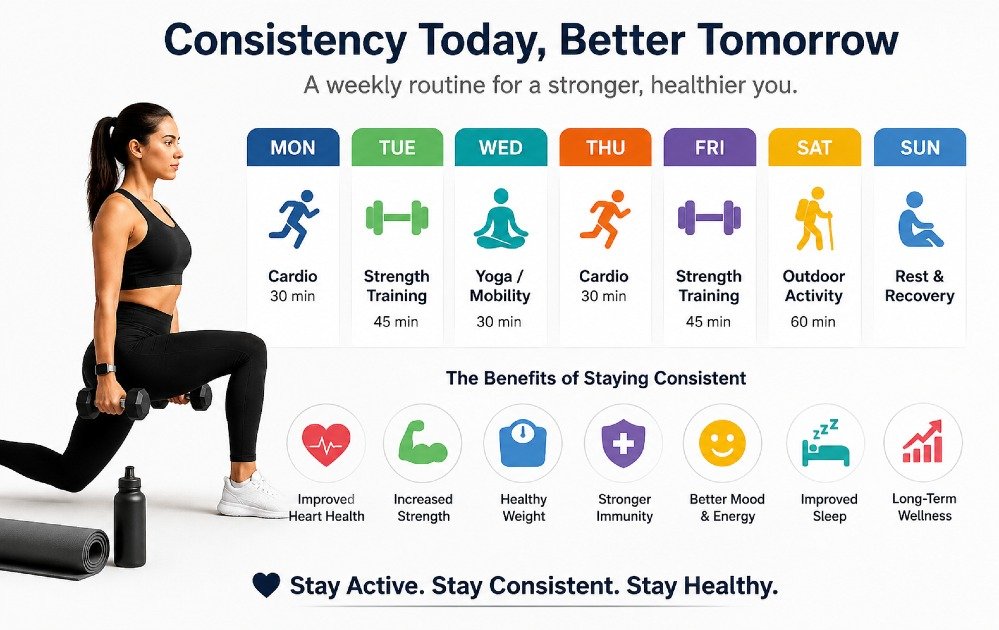
Build a sustainable exercise routine by choosing enjoyable activities, setting realistic goals, staying consistent, tracking progress, and making movement a natural part of daily life.
Why it matters:
The best exercise plan is one you can sustain, because consistency drives lasting preventive health benefits.
What works for me:
I build an exercise routine that lasts by creating consistent habits that support my energy, strength, and long-term wellness through exercise and preventive health.
How to start:
- Set realistic goals
- Schedule workouts like appointments
- Find accountability partners
- Celebrate small wins
- Create a flexible routine
Flexibility and Mobility for Injury Prevention and Longevity
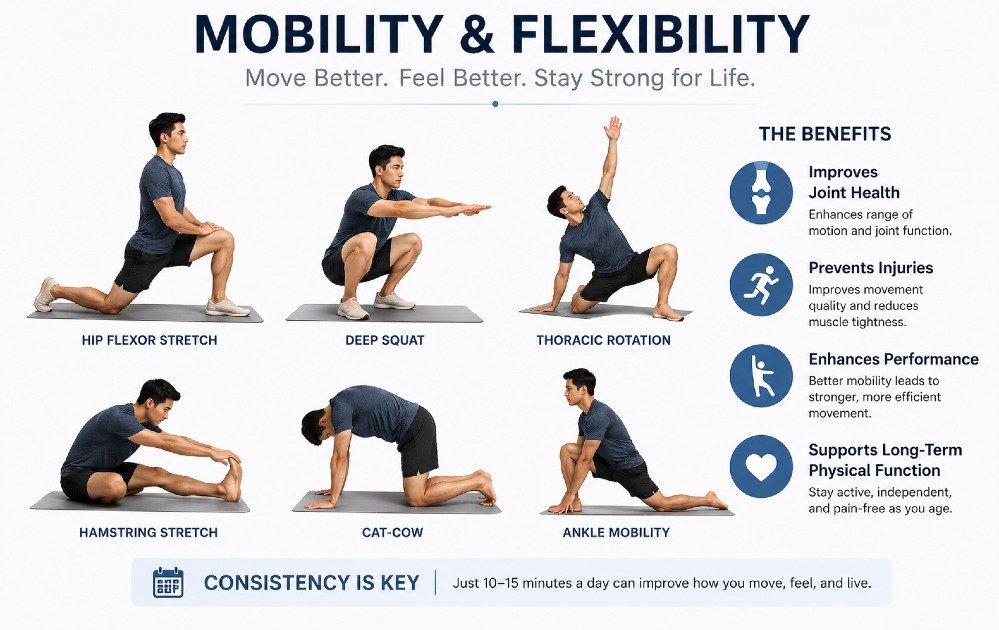
Neglecting flexibility and mobility can cause stiffness, poor posture, and injuries, while targeted movement keeps joints healthy and your body moving efficiently.
Practical options include:
- Daily stretching for tight muscle groups
- Mobility work for hips, shoulders, and spine
- Yoga or guided stretching routines
- Light dynamic warm-ups before workouts
Low-Impact Exercises for Beginners and Seniors

High-impact workouts can feel intimidating, but low-impact exercise helps beginners and older adults build fitness safely while reducing joint strain and long-term health risks.
Effective options include:
- Brisk or steady walking
- Swimming or water-based exercise
- Stationary cycling
- Chair-based strength movements
- Tai chi for balance and control
Weekly Exercise Plans for Preventive Health
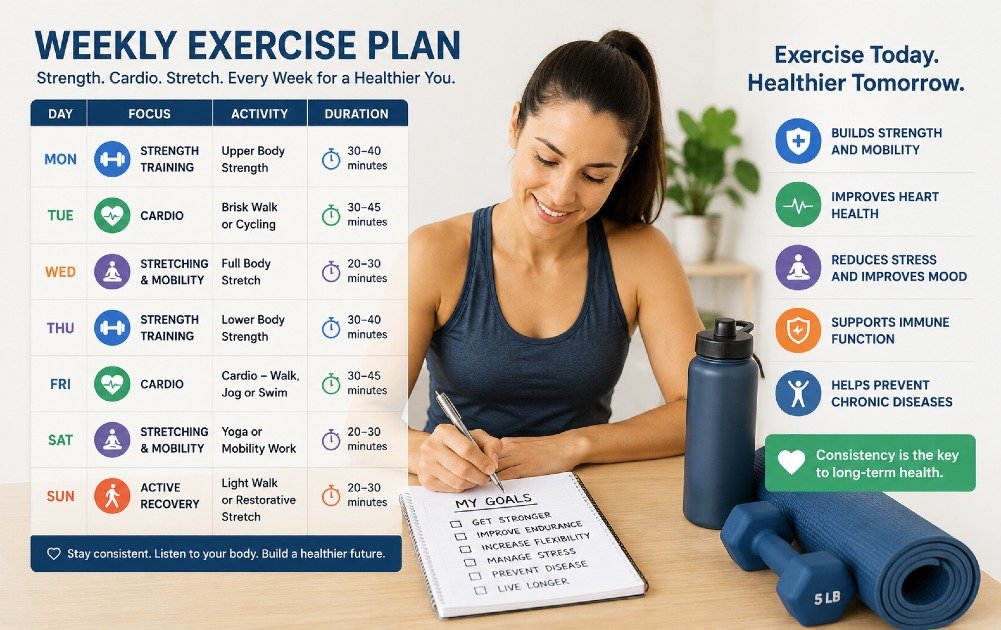
A structured weekly exercise routine builds consistency, maximizes results, and strengthens long-term health benefits.
Example structure:
- 3 days cardio (walking, cycling, swimming)
- 2 days strength training
- 1–2 days mobility or flexibility work
- 1 rest or recovery day
Key habits:
- Keep sessions 20–40 minutes
- Schedule workouts in advance
- Start small and progress gradually
- Focus on consistency over intensity
Frequently Asked Questions
How much exercise is needed for preventive health?
Aim for 150 minutes of weekly activity—like walking or cycling—plus twice-weekly strength training to build lasting health and protection.
Can light exercise still improve long-term health?
Low-intensity movement like walking and stretching boosts circulation, supports heart health, and reduces disease risk—consistency matters more than intensity.
What type of exercise is best for disease prevention?
A balanced routine combining cardio, strength, and mobility builds a stronger heart, preserves muscle and bone, and reduces injury risk for lasting health.
How soon do exercise benefits appear?
Better sleep, mood, and energy can improve within weeks, while lasting disease prevention builds through consistent activity over time.
Is it too late to start exercising?
Health benefits start at any age—small increases in daily movement can build strength, improve mobility, and support better metabolic health over time.
Related Articles
Recap: Exercise and Preventive Health for a Stronger Future
Exercise is a powerful preventive health tool that lowers disease risk, boosts heart and mental health, strengthens the body, and helps you stay independent as you age.
Daily choices—like walking, strength training, and staying active—build lasting health benefits.
Over time, your exercise journey becomes an investment in a healthier future with quality of life in measurable ways.
Ready to Build a Healthier Future Before Problems Begin?
Still waiting for a warning sign before taking care of your health?
Discover how this fitness tracker helps you track your daily movement, monitor your progress, build healthier exercise habits, stay motivated, and turn your wellness goals into measurable results.