


Feeling overwhelmed or anxious? Ignoring early mental stress could increase your risk of burnout and chronic illness.
Protect your long-term health by preventing stress, anxiety, and burnout early—explore how mental health and preventive care are essential to lasting wellness in our Preventive Health Guide.
This guide reveals why mental health is essential to preventive care and how daily habits build resilience while reducing long-term disease risk.
Understanding Mental Health as a Core Part of Preventive Care

Prioritizing mental health early helps prevent chronic stress and build a healthier, stronger future.
WHO defines mental health as the foundation of preventive care, empowering people to manage stress, thrive daily, and live healthier lives.
Why it matters:
Managing stress protects your heart, sleep, and immunity, lowering disease risk and making mental health essential to preventive care.
What works for me:
I prioritize mental health and preventive care because protecting my emotional well-being helps me stay healthier, more resilient, and prevents stress from becoming burnout or illness.
How to start:
- Schedule regular “mental check-ins” with yourself
- Notice early stress signals (irritability, fatigue, brain fog)
- Prioritize emotional recovery like physical rest
- Reduce exposure to unnecessary stress triggers
- Build awareness of your emotional baseline
5 Ways Mental Health and Preventive Care Supports Long-Term Wellness

Could the stress and anxiety you brush aside be silently affecting your health and well-being over time?
Improve mental wellness with proactive habits that manage stress, strengthen resilience, and nurture emotional balance through sleep, exercise, mindfulness, and supportive connections.
Discover five ways mental health and preventive care can strengthen resilience and protect lifelong well-being.
1. Stress Management as a Preventive Health Tool

Manage stress consistently to sleep better, strengthen immunity, build resilience, and reduce your risk of chronic disease.
Why it matters:
Chronic stress traps your body in fight-or-flight, fueling inflammation and weakening immunity—making early stress management a powerful form of preventive healthcare.
What works for me:
I understand that stress is an unavoidable part of life, but the way I manage my response helps protect my mental well-being and supports my preventive health journey.
How to start:
- Practice 5–10 minutes of deep breathing daily
- Take short breaks during work hours
- Use mindfulness techniques before stressful tasks
- Limit multitasking to reduce cognitive overload
- Spend time in quiet, screen-free environments
2. Emotional Awareness and Early Intervention
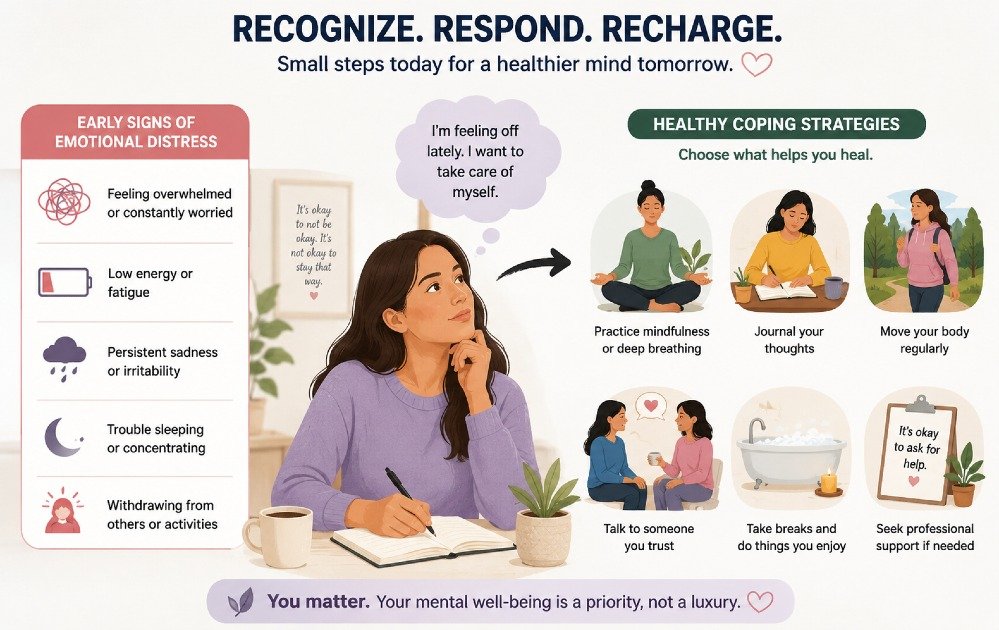
Emotional awareness helps you spot early mental shifts, take action sooner, and build lasting mental wellness.
Why it matters:
Mental health struggles often start with subtle signs like fatigue or irritability—recognizing them early helps prevent deeper challenges.
What works for me:
I prioritize early mental health and preventive care to manage stress, strengthen resilience, and protect my overall well-being before challenges escalate.
How to start:
- Track your mood daily using a journal or app
- Identify emotional triggers and patterns
- Talk openly with trusted friends or professionals
- Normalize seeking support early
- Reflect weekly on emotional changes
3. Lifestyle Habits That Strengthen Mental Resilience
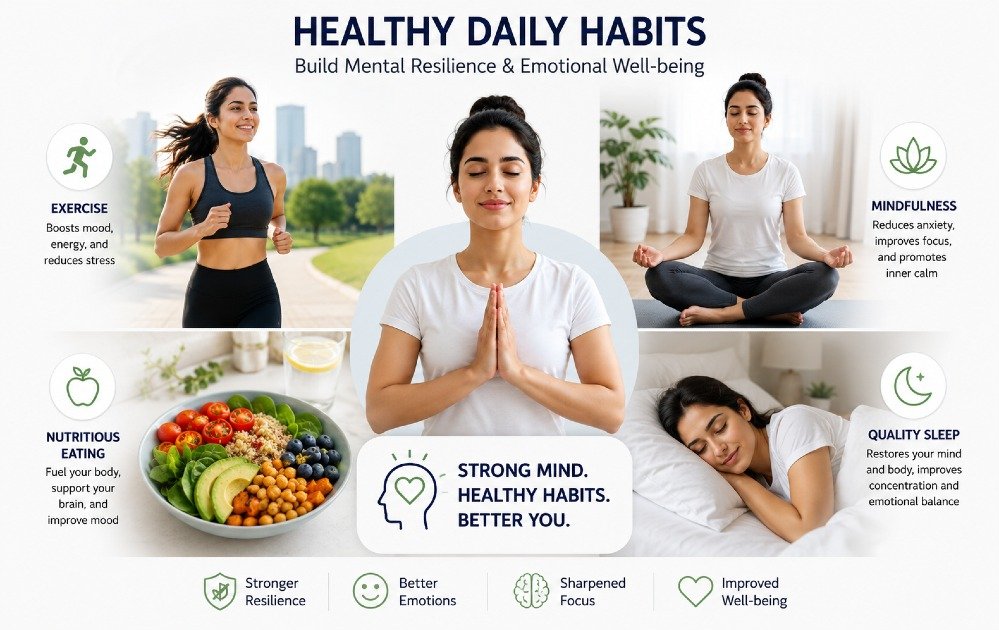
Exercise, balanced nutrition, and quality sleep build mental resilience, reduce stress, and support lasting emotional well-being.
Why it matters:
Your daily habits—sleep, nutrition, movement, and connection—can protect mental health by building emotional resilience before challenges arise.
What works for me:
I’ve learned that consistent habits strengthen my mental health and preventive care, building lasting emotional resilience without major lifestyle changes.
How to start:
- Maintain a consistent sleep schedule (7–9 hours)
- Eat nutrient-rich foods that support brain health
- Create a daily rhythm of activity with 20–30 minutes of purposeful movement.
- Stay socially connected, even through short conversations
- Reduce excessive screen time, especially before bed
4. Mindfulness and Emotional Regulation Techniques

Mindfulness sharpens focus, lowers stress, and improves emotional control by helping you handle challenges with clarity.
Why it matters:
Mindfulness anchors the present, eases anxiety, builds emotional resilience, and supports lifelong mental well-being.
What works for me:
I use brief, intentional pauses to protect my mental health and support preventive care by resetting my emotions without lengthy meditation sessions.
How to start
- Practice 3–5 minutes of mindful breathing daily
- Focus on one task at a time
- Use grounding techniques during stress (5-4-3-2-1 method)
- Take mindful walks without distractions
- Observe thoughts without judgment
5. Social Connection as a Protective Mental Health Factor

Strong social connections boost mental health, reduce stress, build resilience, and support lifelong well-being.
Why it matters:
Strong social connections protect mental health by reducing stress, building resilience, and making social well-being a key part of preventive care.
What works for me:
I strengthen my mental health and preventive care by nurturing meaningful connections that reduce stress, provide support, and protect emotional well-being.
How to start:
- Schedule regular check-ins with friends or family
- Join community groups or wellness classes
- Engage in shared activities (walking, hobbies)
- Limit toxic or draining relationships
- Prioritize quality over quantity in relationships
Early Signs of Mental Health Challenges You Should Never Ignore

Ignoring early mental health warning signs can deepen their impact, while early action helps prevent greater challenges.
Common warning signs include:
- Persistent sadness or low mood
- Increased irritability
- Ongoing anxiety or excessive worry
- Difficulty concentrating
- Changes in sleep patterns
- Loss of interest in usual activities
- Withdrawing from family and friends
Daily Habits That Protect Mental Health and Prevent Burnout
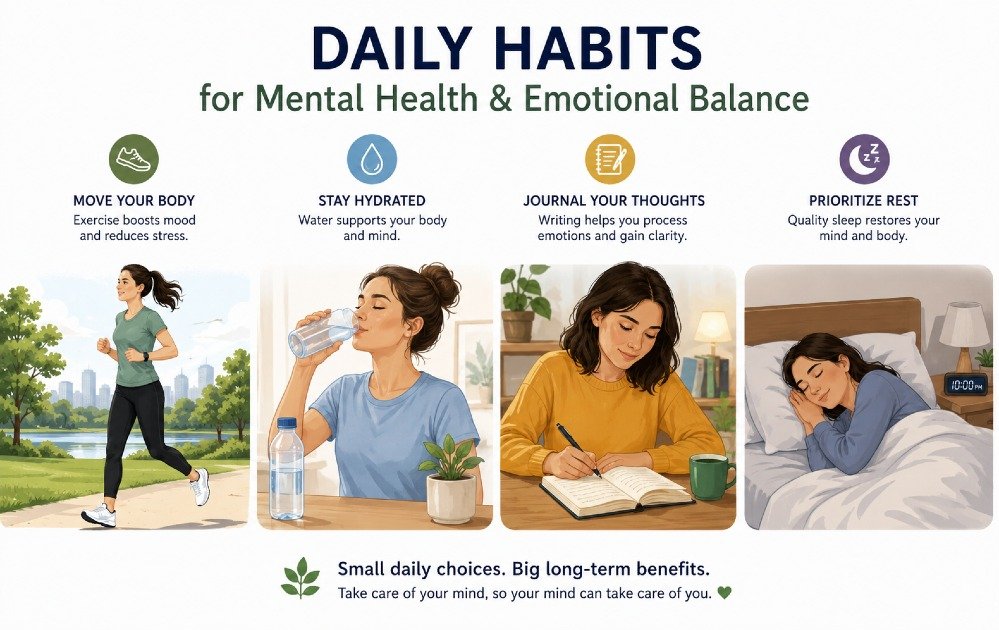
Chronic stress and poor recovery can drive burnout, but daily mental wellness habits can reduce stress, restore balance, and strengthen resilience.
Helpful habits include:
- Setting boundaries between work and personal life
- Taking regular breaks during the day
- Spending time outdoors
- Maintaining social connections
- Practicing gratitude
- Limiting unnecessary screen time
The Connection Between Sleep and Mental Health

Poor sleep can impair mood, focus, and emotional balance while raising anxiety, depression, and stress risks—making quality sleep vital for mental health protection.
Ways to improve sleep:
- Follow a consistent sleep schedule
- Limit screen use before bed
- Create a comfortable sleep environment
- Reduce late-day caffeine intake
- Establish a calming bedtime routine
How Physical Activity Improves Mental Health Naturally

A sedentary lifestyle can drain energy, increase stress, and affect mood, while regular movement strengthens physical and mental well-being.
Simple ways to stay active:
- Take daily walks
- Practice yoga or stretching
- Ride a bicycle
- Participate in recreational activities
- Add movement breaks throughout the day
Nutrition and Mental Health Support

The right diet fuels brain function, stabilizes mood, boosts energy, and provides essential nutrients for sharper focus and better mental well-being.
Foods that support mental wellness:
- Fatty fish
- Leafy green vegetables
- Whole grains
- Nuts and seeds
- Berries
- Beans and legumes
Healthy Coping Strategies for Everyday Mental Wellness

Healthy coping strategies help protect your mental health by turning daily stress into manageable challenges.
Healthy coping strategies include:
- Practicing mindfulness or meditation
- Writing in a journal
- Talking with trusted friends or family
- Spending time outdoors
- Participating in enjoyable hobbies
- Seeking professional support when needed
Frequently Asked Questions
What is preventive mental health care?
Protect your emotional well-being and reduce future mental health risks with preventive care strategies like healthy habits, stress management, quality sleep, exercise, social support, and timely support.
Why is early mental health care important?
Take action early to prevent mental health challenges from worsening, build stronger coping skills, and improve emotional resilience.
What are the initial clues that your emotional and mental well-being may be affected?
Recognize early signs of stress, anxiety, mood changes, sleep problems, and withdrawal to take action and get the support you need.
Can lifestyle habits improve mental well-being?
Build stronger mental health and emotional balance through regular exercise, healthy nutrition, quality sleep, stress management, and meaningful relationships.
How can I create a daily routine that supports a healthier mindset?
Build lasting health through consistent habits—prioritize sleep, movement, nourishing foods, stress management, social connections, and daily recovery practices.
Related Articles
Recap: Building Mental Strength Through Prevention
Your mind deserves preventive care for lifelong emotional well-being.
Build habits and resilience to manage stress and overcome challenges before problems arise.
Prioritize your mental journey and build a stronger, clearer, and more balanced life for years to come.
Ready to Build a Calmer Mind Stress and Burnout Take Over?
Still experiencing racing thoughts, emotional overload, and unable to slow down?
Discover how this guided meditation platform can reduce daily tension, improve focus, and nurture a healthier mindset for long-term well-being.