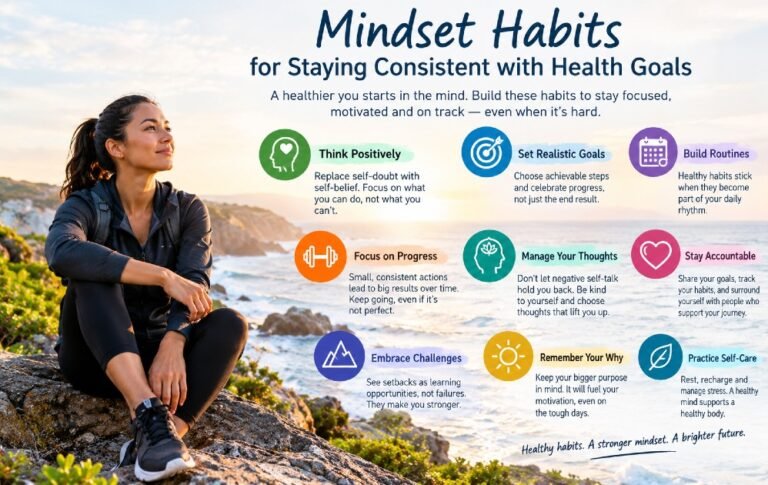

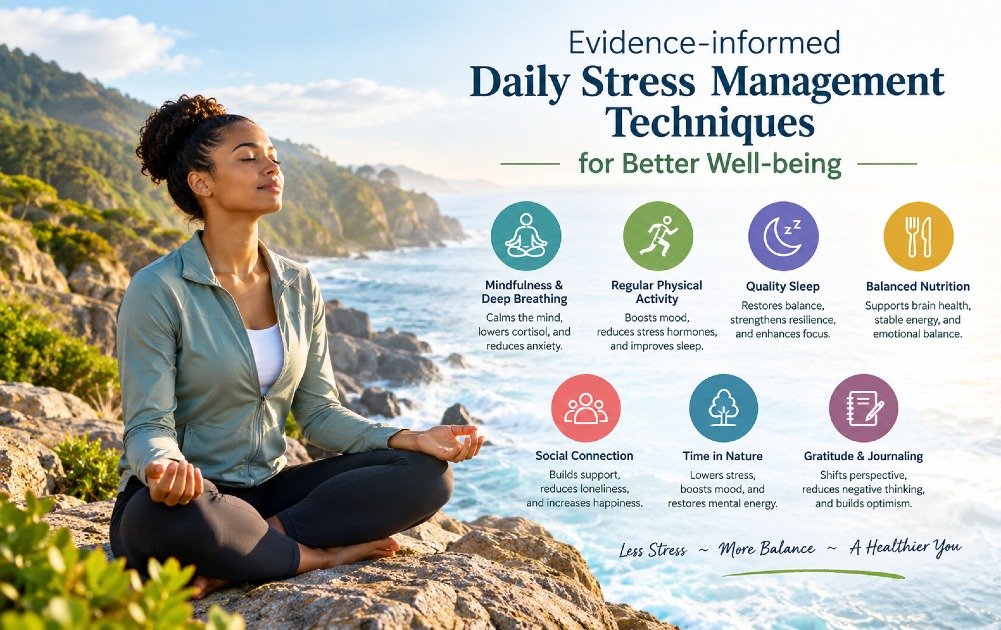
Still carrying daily stress long after the stressful moment has passed? When stress becomes constant, it can affect sleep, mood, and overall well-being.
NIH supports practical approaches such as relaxation techniques, mindfulness, physical activity, and stronger social support.
This guide gives you practical strategies to reduce stress, regain control, and build a calmer daily routine.
Understand the Impact of Daily Stress
Unmanaged daily stress can disrupt sleep, affect mood, and make everyday responsibilities harder to manage.
Understanding your stress triggers helps you choose practical ways to protect your emotional well-being and improve daily functioning.
Identify Effective Stress Management Strategies
Not every stress-relief method works equally well, making reliable, evidence-informed approaches important.
Choosing proven stress management strategies helps you build healthier coping habits and respond to daily challenges with greater confidence.
12 Proven Strategies to Manage Stress and Improve Well-Being
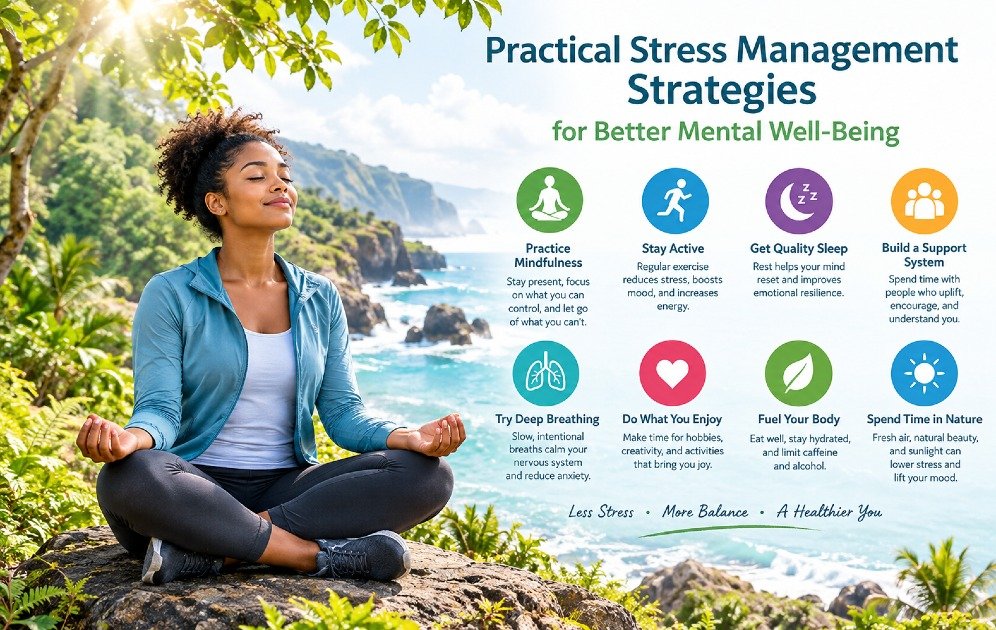
Feeling overwhelmed, constantly tense, or mentally drained can make everyday life harder than it needs to be.
When stress becomes ongoing, it can affect sleep, focus, mood, energy, and overall health.
Discover how these twelve proven strategies help you manage stress and improve well-being to calm your mind, strengthen healthy habits, and regain control of your daily health.
Start With Slow, Controlled Breathing

When stress rises, slow, controlled breathing can help you regain calm and make stress management strategies easier to practice.
Why it matters:
Controlled breathing can slow your breathing rate and help your body shift from a heightened stress response toward relaxation.
What works for me:
I start with five minutes of slow, controlled breathing using a guided breathing platform to stay consistent and make this simple practice part of my daily stress management strategies.
How to start:
- Inhale slowly through your nose.
- Exhale gradually and comfortably.
- Repeat for several breathing cycles.
- Practice when you feel calm so the technique feels familiar during stressful moments.
- Use breathing before difficult conversations, meetings, appointments, or bedtime.
Build Short Mindfulness Breaks Into Your Day

A busy day can leave your mind running nonstop, but short mindfulness breaks can create space to reset, refocus, and manage stress.
Why it matters:
Brief mindfulness pauses can support calm, focus, and emotional well-being, making them practical stress management strategies for demanding days.
What works for me:
I take 3–5 minutes to pause, breathe, and refocus between tasks, using a guided mindfulness tool makes the habit easier to maintain.
How to start:
- Spend two to five minutes focusing on your breathing.
- Notice sounds without judging them.
- Pay attention to physical sensations while walking.
- Eat one meal without scrolling through your phone.
- When your mind wanders, gently return your attention to the present.
Move Your Body Every Day

Sitting too much can leave you feeling drained, while daily movement can support energy, mood, and overall health.
Why it matters:
Daily movement is one of the simplest stress management strategies for supporting better sleep, reducing anxiety, and protecting long-term health.
What works for me:
I make movement part of my daily routine by walking, stretching, and tracking my steps with a fitness tracker, turning small activities into consistent progress.
How to start:
- Walk for 10–20 minutes.
- Stretch between long periods of sitting.
- Take the stairs when practical.
- Try a short home workout.
- Schedule movement as an appointment rather than waiting for motivation.
Protect Your Sleep Routine

Protecting your sleep routine helps prevent daily stress, fatigue, and poor recovery from taking control of your health.
Why it matters:
A consistent sleep schedule can support better sleep quality, mood, focus, and recovery while complementing effective stress management strategies.
What works for me:
I protect my bedtime with a consistent wind-down routine and use a sleep tracker to monitor my patterns and stay accountable.
How to start:
- Keep your bedtime and wake time reasonably consistent.
- Reduce stimulating screen activity before bed.
- Create a quiet wind-down period.
- Keep your bedroom comfortable and dark.
- Address persistent sleep problems with a healthcare professional.
Identify Your Biggest Stress Triggers
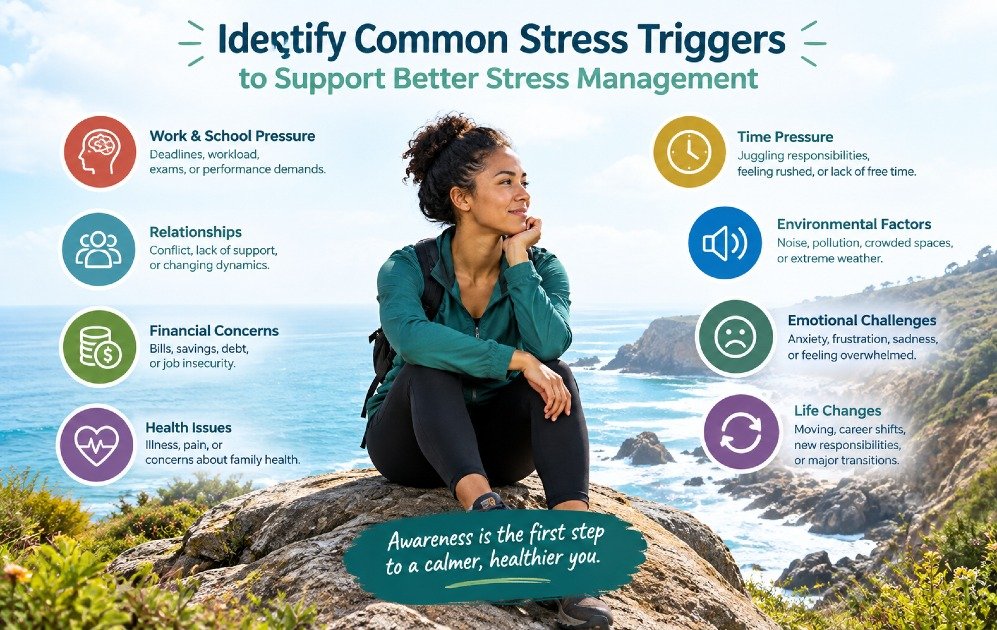
Unrecognized stress triggers can quietly drain your energy, focus, and well-being before you realize what is happening.
Why it matters:
Identifying your triggers helps you choose targeted stress management strategies before stress begins controlling your day.
What works for me:
I track my daily stress triggers with a stress tracker to spot patterns early and make practical changes that help me stay calmer and more in control.
How to start:
Create a simple three-column journal:
- Trigger: What happened?
- Response: What did I think, feel, or do?
- Next step: What could I handle differently?
Set Healthier Daily Boundaries

Without healthy boundaries, daily demands can quietly drain your time, energy, and peace, making stress management strategies essential.
Why it matters:
Setting healthier daily boundaries helps protect your energy, reduce unnecessary stress, and create more space for what truly matters.
What works for me:
I use clear daily limits, intentional breaks, and a stress tracker to recognize stress patterns early and stay consistent with healthier boundaries.
How to start:
- Give yourself time before answering nonurgent requests.
- Stop treating every message as an emergency.
- Set reasonable work and personal limits.
- Communicate when you are unavailable.
- Learn to say no without excessive justification.
Reduce Constant Digital Stimulation
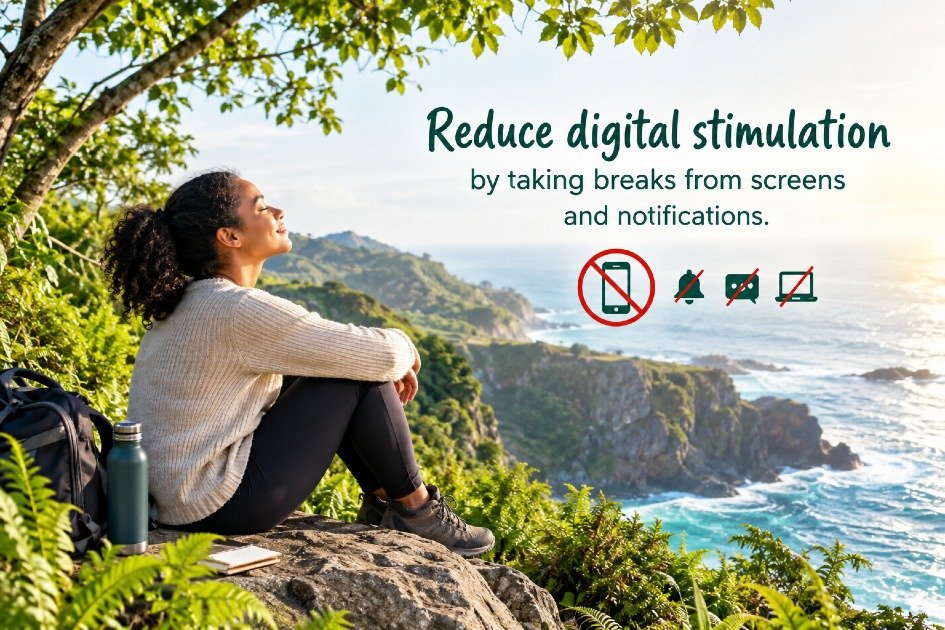
Constant digital stimulation can keep your mind switched on, making it harder to focus, relax, and recharge.
Why it matters:
Reducing screen-driven distractions is one of the practical stress management strategies that can support better focus, calmer evenings, and healthier mental recovery.
What works for me:
I use scheduled screen-free breaks and a digital wellness timer to limit distractions, reset my attention, and make daily stress management strategies easier to maintain.
How to start:
- Turn off unnecessary notifications.
- Avoid checking your phone during meals.
- Create a short phone-free period each evening.
- Take breaks from upsetting news cycles.
- Keep your phone away during focused tasks.
Stay Connected With Supportive People

Feeling disconnected can make stress harder to manage, but supportive relationships can strengthen emotional well-being and resilience.
Why it matters:
Staying connected with people who care about you can ease stress, reduce loneliness, and support better mental and physical health.
What works for me:
I make regular time to check in with supportive people and use a guided meditation platform alongside my stress management strategies to stay grounded and connected.
How to start:
- Call someone you trust.
- Schedule regular time with supportive friends.
- Join a community or faith-based group.
- Tell someone when you are having a difficult day.
- Ask directly for the type of support you need.
Use Journaling to Clear Mental Clutter

When racing thoughts pile up, journaling can help clear mental clutter and create space for calmer, more focused thinking.
Why it matters:
Writing down worries and priorities can support emotional clarity and become one of the simplest stress management strategies for a calmer mind.
What works for me:
I start my day by writing what is weighing on my mind, then use a guided journal to turn those thoughts into clear priorities and practical action.
How to start:
Try answering these questions:
- What is stressing me today?
- What part of this situation can I control?
- What can wait until tomorrow?
- What is one action I can take today?
- What went well today?
Challenge Unhelpful Thought Patterns
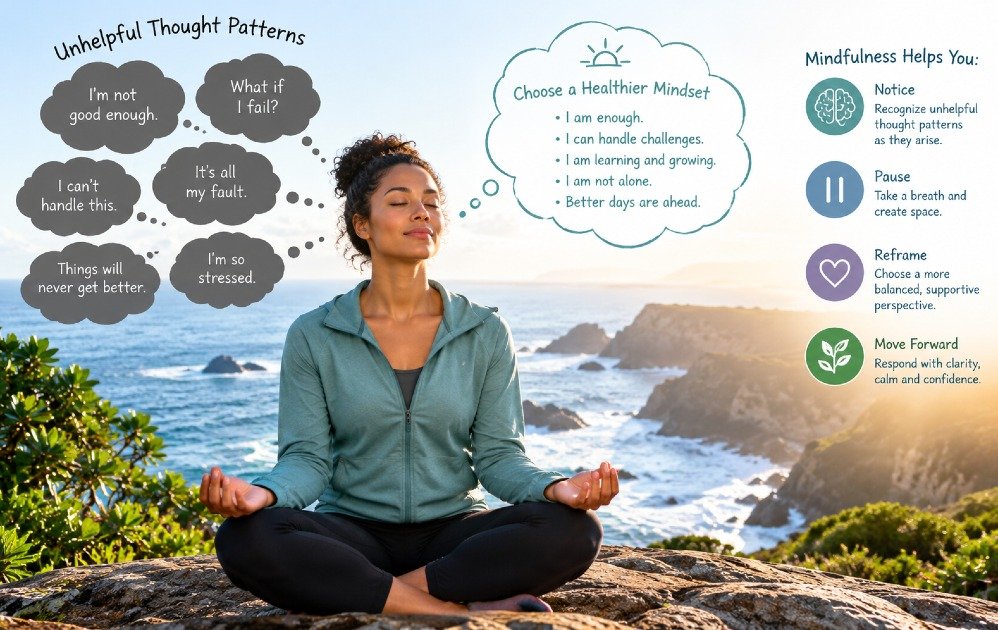
Unhelpful thoughts can increase stress and hold you back, but recognizing them is the first step toward healthier thinking.
Why it matters:
Challenging negative thought patterns can strengthen emotional resilience and make stress management strategies more effective.
What works for me:
I challenge stressful thoughts by pausing, reframing them realistically, and using a guided mindfulness platform to support my daily stress management strategies.
How to start:
When you notice a stressful thought, ask:
- What evidence supports this thought?
- What evidence does not support it?
- Am I assuming the worst?
- What would I tell a friend in this situation?
- What practical action can I take?
Schedule Deliberate Recovery Time

When every day is packed with demands, skipping recovery can leave stress building faster than your body can reset.
Why it matters:
Scheduling deliberate recovery time gives you space to unwind, restore energy, and make stress management strategies part of your routine.
What works for me:
I schedule 10–15 minutes of quiet recovery each day for deep breathing, stretching, or meditation, and I use a guided breathing tool to make that time easier to protect.
How to start:
Protect 10–15 minutes for one low-pressure activity:
- Take a short outdoor walk.
- Stretch or practice gentle movement.
- Read something unrelated to work.
- Sit quietly without your phone.
- Practice meditation, prayer, or reflection.
Know When to Ask for Professional Support
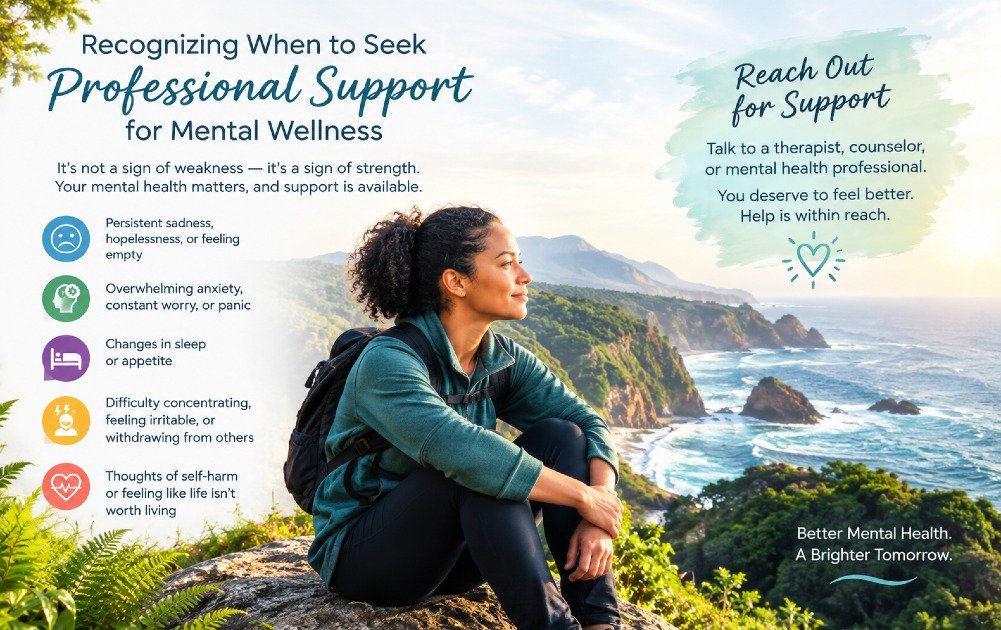
When stress starts affecting your daily life, knowing when to ask for professional support can protect your mental and emotional well-being.
Why it matters:
Recognizing when stress management strategies are no longer enough helps you seek the right support before persistent stress worsens.
What works for me:
I use stress management strategies to recognize my limits, track what triggers me, and seek professional guidance when I can no longer manage it alone, while using a stress management journal to organize my thoughts and patterns.
How to start:
Consider reaching out to a healthcare professional if:
- Stress consistently interferes with daily activities.
- You cannot manage normal responsibilities.
- Sleep problems persist.
- Anxiety or worry becomes difficult to control.
- Your symptoms continue or worsen despite healthy coping efforts.
How to Combine These Stress Management Strategies
Combining stress management strategies helps you build a practical routine for managing daily stress and protecting your well-being.
Using one stress management strategy may not address every stress trigger or emotional challenge.
Combining stress management strategies helps you respond to stress more effectively, improve emotional balance, and maintain long-term well-being.
Frequently Asked Questions
What are the most effective stress management strategies for daily life?
Effective stress management combines exercise, quality sleep, relaxation, mindfulness, social connection, journaling, healthy boundaries, and trigger awareness, with the right mix depending on what works best for you.
How can I manage stress quickly during a busy day?
Pause, breathe slowly, step away, walk, stretch, or connect with someone supportive to build effective stress-management habits.
Can exercise really help with stress?
Physical activity can ease tension and support emotional well-being through simple movements like walking, stretching, cycling, or dancing.
How do I know when daily stress has become a bigger problem?
Pay attention when persistent or worsening stress disrupts daily life, relationships, sleep, work, or normal activities, and seek professional help rather than relying only on self-care.
Should I use several stress management strategies at the same time?
Start with two or three realistic habits, build consistency, and add more only when they become easy to maintain.
Recap: Take Control of Daily Stress Before It Controls Your Health
Daily stress may be unavoidable, but letting it build without a plan doesn’t have to be.
Evidence-informed strategies such as mindful breathing, movement, quality sleep, relaxation, and meaningful connection can help you respond to stress more effectively.
Choose one stress-management habit and practice it consistently for the next seven days. Create a healthier response to stress and support greater well-being over time.
Start today, manage stress with purpose, and make your well-being a daily priority.
Ready To Make Daily Stress Easier To Manage?
Still carrying daily stress into every part of your day? You can build a calmer routine and feel more in control, one intentional reset at a time.
Discover how this guided meditation platform can make stress relief easier, calm your mind, reset your focus, and make daily stress easier to manage.