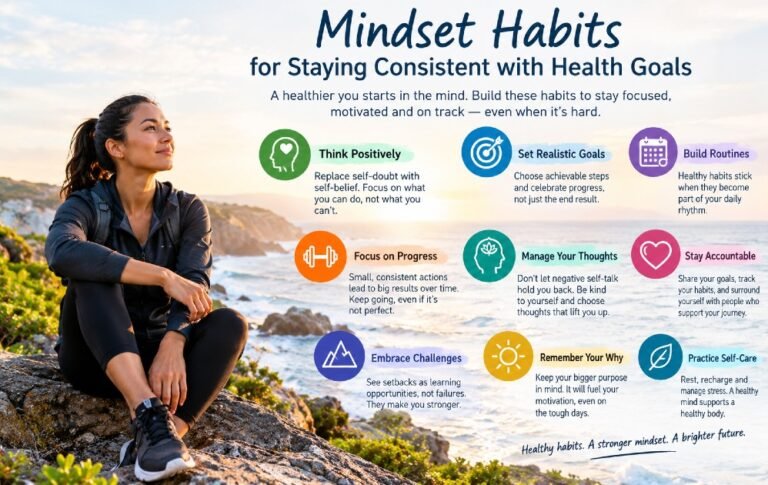


When low energy, persistent stress, or unhealthy routines disrupt daily life, taking care of your health and maintaining overall well-being can become increasingly challenging.
The CDC also emphasizes starting small when building healthy habits, making them easier to sustain.
This guide shares practical, easy-to-follow habits that help you feel more energized, think more clearly, and support your well-being each day.
Why Healthy Habits Matter
Consistent daily well-being becomes harder to sustain when healthy routines are missing.
A packed schedule and unpredictable daily habits can make personal well-being easy to put off.
Simple healthy habits create structure, making daily wellness easier to maintain.
What Healthy Habits to Build
Lasting wellness grows from daily choices that build physical strength and support emotional balance.
Neglecting sleep, movement, nutrition, and stress management can affect daily health.
Prioritizing these essentials supports better energy, focus, and overall well-being.
How to Make Daily Wellness Easier
Build healthy habits by adding small, manageable actions to your daily routine.
Complicated routines can be difficult to follow consistently.
Lasting wellness takes shape through everyday habits that work with your lifestyle and support better health as the years go by.
12 Wellness Strategies for More Energy and Balance

When your energy is low, your mind feels overloaded, or your daily rhythm is disrupted, even routine responsibilities can become exhausting. Neglecting sleep, physical activity, nourishing meals, stress relief, and adequate recovery can gradually undermine your energy and overall well-being.
The CDC highlights regular movement and restful sleep as essential habits for supporting physical health, emotional well-being, and overall quality of life.
Discover how these twelve wellness strategies give you practical ways to start—and keep moving toward a healthier, more energized you.
Start Your Morning With a Simple Health Routine

A simple morning routine can turn small healthy habits into consistent daily actions that support your energy and well-being.
Why it matters:
How you start your morning can shape your energy, focus, hydration, movement, and health choices throughout the day.
What works for me:
I start my morning with water, light movement, and a few quiet minutes of planning, using a smart water bottle to make hydration one of my easiest healthy habits.
How to start:
- Drink water after waking.
- Get natural light early in the day.
- Spend 5–10 minutes stretching or walking.
- Choose your three most important priorities.
- Avoid immediately checking stressful notifications.
Build Meals Around Nutrient-Dense Foods

Build meals around nutrient-dense foods to make healthy habits easier and give your body more of the nutrients it needs.
Why it matters:
Choosing nutrient-dense foods helps you get more nutritional value from each meal while supporting consistent healthy habits.
What works for me:
I build each meal around whole, nutrient-dense foods and use a smart meal-planning tool to make healthy habits easier to maintain.
How to start:
- Add a vegetable or fruit to most meals.
- Include a reliable protein source.
- Keep nutritious snacks visible and accessible.
- Prepare a few key ingredients ahead of time to make weekday cooking quicker and less stressful.
- Limit reliance on highly processed convenience foods.
Drink Water Regularly Throughout the Day

Making water a regular part of your day, from the first hours of morning to the evening, helps sustain energy, sharpen focus, and maintain overall well-being.
Why it matters:
Waiting until you feel thirsty can make hydration easy to overlook, while consistent water intake helps your body function at its best.
What works for me:
I keep a smart water bottle nearby and use reminders to make regular hydration an effortless part of my healthy habits.
How to start:
- Keep water beside your workspace.
- Drink water with meals.
- Carry a reusable bottle when leaving home.
- Use reminders if you frequently forget.
- Choose water more often instead of sugary beverages.
Move More During the Day

Sitting too long can quietly push movement aside, but small bursts of activity can turn ordinary moments into healthy habits.
Why it matters:
Making movement a regular part of your day can help you sleep more soundly, improve your mood, care for your heart, and maintain well-being over time.
What works for me:
I use a fitness tracker to monitor my daily step count and remind myself to move throughout the day.
How to start:
- Walk during a phone call.
- Take short movement breaks during work.
- Walk after meals when practical.
- Stretching while watching television.
- Schedule longer workouts when your calendar allows.
Protect Your Sleep Schedule

An irregular sleep routine can drain your energy, weaken concentration, and make it more difficult to stick with healthy daily habits.
Why it matters:
Maintaining steady bedtimes and wake-up times can promote more restorative sleep, sustain daytime energy, support emotional well-being, and strengthen overall health.
What works for me:
I protect my sleep schedule by keeping a consistent bedtime, limiting late-night screens, and using the Oura Ring to track my sleep patterns and reinforce healthy habits.
How to start:
- Keep your bedtime and wake time consistent.
- Create a relaxing pre-bed routine.
- Keep the bedroom comfortable and quiet.
- Reduce stimulating screen activity before bed.
- Avoid letting late-night tasks regularly replace sleep.
Take Short Stress-Management Breaks

Persistent stress can drain your mental clarity and leave you with less energy to manage daily demands. Taking brief pauses throughout the day helps you regain mental clarity before tension becomes overwhelming.
Why it matters:
Brief stress-management breaks support healthy habits by giving your mind and body regular opportunities to pause, recover, and refocus.
What works for me:
I set aside 2–5 minutes to slow my breathing, loosen up with a few stretches, or take a short walk. A guided meditation platform makes it easier for me to maintain this calming wellness habit, even when my schedule is full.
How to start:
- Take a five-minute break between demanding tasks.
- Practice slow, controlled breathing.
- Step outside when possible.
- Write down what is causing immediate stress.
- Talk with someone you trust.
Create a Digital Wellness Boundary

Excessive screen time can push everyday wellness practices aside, leaving less time for quality sleep, mental clarity, regular physical activity, and meaningful self-care.
Why it matters:
Setting intentional limits on screen time helps preserve your daily focus, emotional well-being, personal connections, and quality of sleep.
What works for me:
I set daily screen-free periods and use a digital wellness tracker to monitor my screen habits, helping me stay focused on healthier routines and real-life priorities.
How to start:
- Turn off nonessential notifications.
- Keep your phone away during meals.
- Establish a screen-free period before bed.
- Avoid checking every notification immediately.
- Use your device to support, rather than replace, healthy routines.
Plan Tomorrow Before You Finish Today

Finishing today without a plan for tomorrow can create unnecessary stress and make healthy habits harder to maintain.
Why it matters:
Spend a few minutes each evening deciding what deserves your attention tomorrow.
What works for me:
I write tomorrow’s top priorities before bed and use a simple planner to stay focused, organized, and consistent with my healthy habits.
How to start:
- Choose tomorrow’s top three priorities.
- Prepare clothing or work materials.
- Plan breakfast or lunch.
- Check important appointments.
- Jot down pending responsibilities before bedtime to give your mind a break from remembering them overnight.
Make Time for Meaningful Social Connection

Busy schedules can quietly push meaningful relationships aside, but making time for social connection is one of the healthy habits that supports overall well-being.
Why it matters:
Strong social connections can reduce isolation, support mental and physical health, and help you build healthier, longer-lasting relationships.
What works for me:
I schedule regular walks and check-ins with people I value, using a fitness tracker to stay active, accountable, and connected through healthy habits.
How to start:
- Call someone you care about.
- Schedule regular time with supportive people.
- Share a healthy activity with a friend.
- Join a community activity.
- Ask for help when you need it.
Keep Your Environment Working for You

When your surroundings work against your goals, even simple healthy habits become harder to maintain.
Why it matters:
A thoughtfully organized space makes healthier choices more convenient, helping positive routines fit naturally into everyday life and remain consistent over time.
What works for me:
I make healthy choices easier by organizing my daily surroundings, keeping essential items within reach and using a smart water bottle to stay consistent with my hydration routine.
How to start:
- Keep nutritious foods visible.
- Place your water bottle where you work.
- Keep exercise equipment accessible.
- Remove unnecessary distractions from your workspace.
- Prepare tomorrow’s essentials before bedtime.
Track Progress Without Obsessing Over Perfection
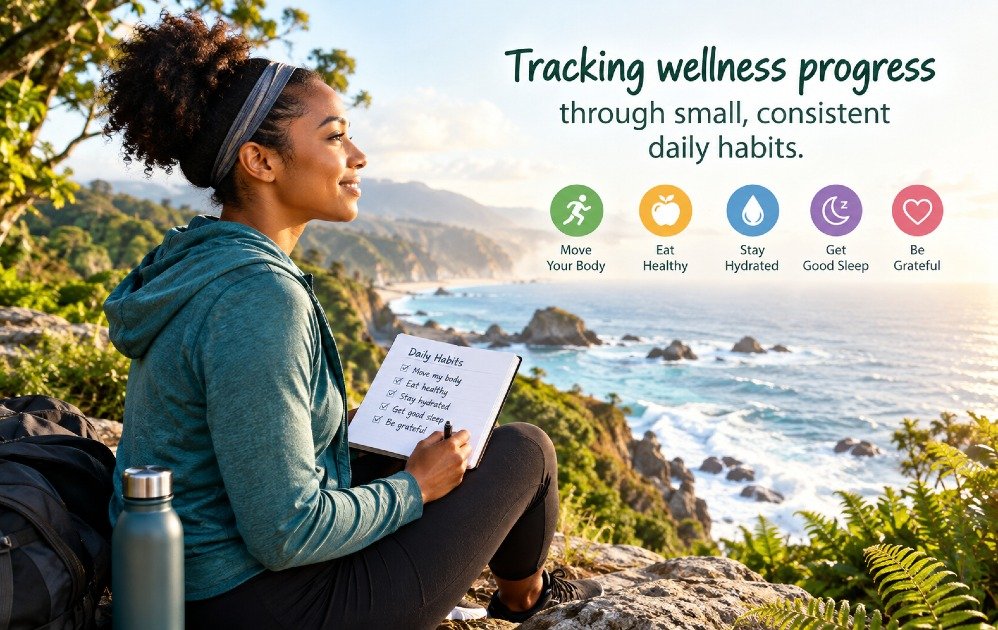
Tracking every detail can turn healthy habits into pressure, but meaningful progress comes from noticing what improves—not demanding perfection.
Why it matters:
Simple progress tracking helps you recognize patterns, stay consistent, and adjust healthy habits before small setbacks become excuses.
What works for me:
I use a basic fitness tracker to monitor one or two habits that matter most, measure steady improvement, and stay consistent without chasing perfection.
How to start:
- Track only one to three habits initially.
- Review your progress once a week.
- Look for patterns rather than perfect numbers.
- Use setbacks as information.
- Adjust your routine when something consistently does not work.
Choose Consistency Over Perfection

Perfection can make healthy habits feel impossible, but consistency turns small daily choices into lasting progress.
Why it matters:
Choosing consistency over perfection helps you stay committed, recover from setbacks, and build healthy habits you can maintain.
What works for me:
I strengthen my daily wellness routine by building one realistic habit at a time and using my Fitbit Inspire 3 to track progress, maintain consistency, and recognize meaningful improvements without striving for perfection.
How to start:
- Restart at the next opportunity.
- Avoid labeling one setback as failure.
- Focus on the habit you can control today.
- Celebrate small improvements.
- Strengthen your current healthy habit through regular practice before introducing another wellness activity into your daily schedule.
A Simple Daily Wellness Checklist
A simple daily wellness checklist helps you turn healthy habits into practical routines that support your overall well-being.
Busy schedules can make healthy habits difficult to maintain without a clear, manageable daily plan.
A daily wellness checklist helps you build consistent routines around drinking enough water, choosing nourishing foods, staying physically active, managing stress, and getting restorative sleep to sustain your energy and support long-term well-being.
Frequently Asked Questions
What healthy lifestyle practices should you prioritize first to build a stronger foundation for everyday wellness?
Begin with one or two manageable habits, such as daily movement, restful sleep, nourishing meals, adequate water intake, stress relief, or meaningful social interaction. Choose practices that suit your routine and contribute to your overall well-being.
How long does it take to develop healthy habits?
Habit formation has no fixed timeline—focus on making behaviors easier to repeat consistently based on your circumstances.
How can you safeguard your health when daily demands leave little time for personal care?
Make the habit small enough to fit your daily routine, so that you can maintain healthier choices even when life gets busy.
How can I rebuild my healthy routine when daily habits start to slip?
Don’t start over—identify what disrupted the habit, make one adjustment, and get back on track.
Do I need wellness products to build healthy habits?
Choose products that solve a specific problem and support your daily habits—not create another expense.
Recap: Build Habits That Make Your Health Easier
Making time for personal well-being can be difficult when healthy choices feel like another task on an already full schedule.
Choose one manageable step toward better health, whether that means maintaining steady energy, adding movement to your routine, eating more nourishing foods, improving sleep, or finding healthier ways to handle stress.
Make healthy living easier today so you can protect your well-being for the years ahead.
Ready To Make Your Healthy Habits Count?
Set one meaningful health goal, track your progress, and turn small, steady actions into lasting habits for a healthier life.
Discover how this fitness tracker can help you monitor steps, activity, sleep, and other key trends in one place.