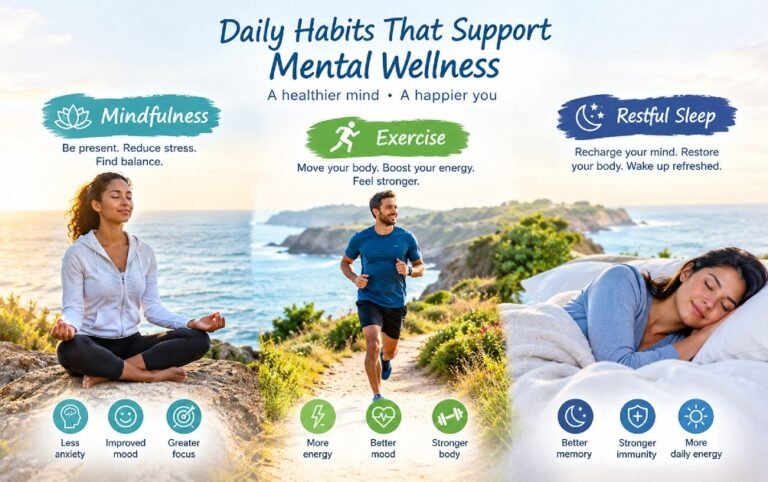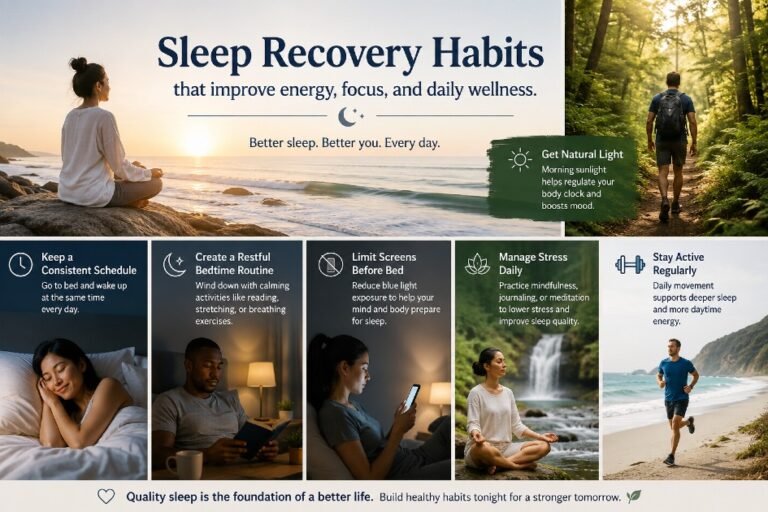

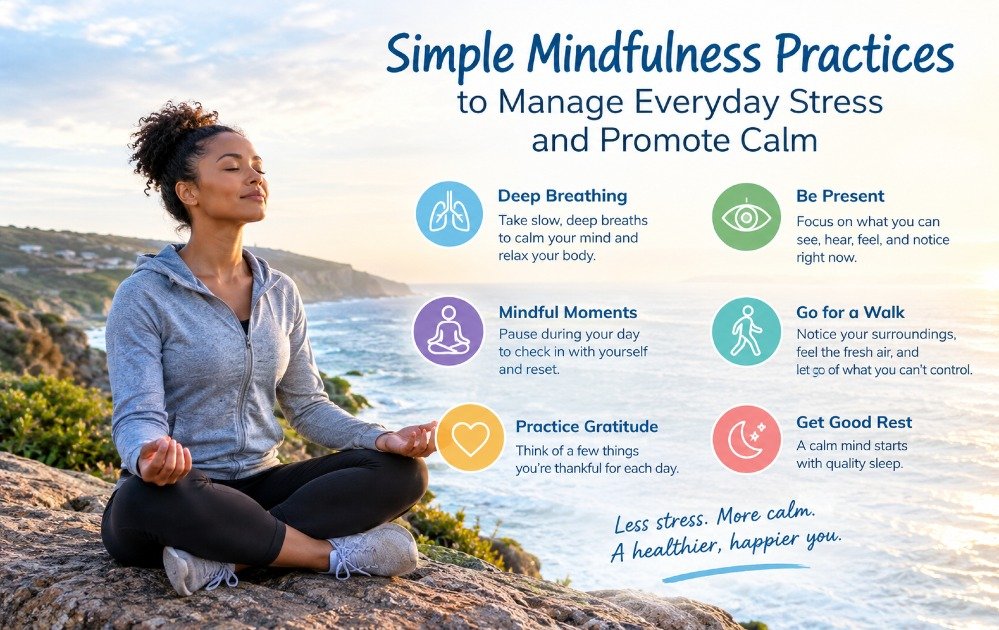
Ongoing pressure can leave your thoughts unsettled, making it difficult to stay focused, enjoy the present, and feel in control of your daily life.
Harvard Health reports that mindfulness may help people manage stress more effectively by encouraging a calmer, more deliberate response to everyday pressures.
This guide explains how to create one mindful moment at a time.
Reduce Daily Stress
Unmanaged daily stress can affect mental wellness, concentration, and emotional well-being.
Mindfulness practice helps calm the mind, improve focus, and support healthier responses to everyday stress.
Practice Mindful Moments
Rushing through daily routines can make it harder to recognize stress and stay present.
Settle into a comfortable position, breathe gently, and observe your thoughts in the moment to recognize early signs of stress before they become more difficult to manage.
Build a Daily Mindfulness Routine
A consistent daily routine can prevent stress from building up, create space for recovery, and help you maintain emotional steadiness and a calmer mindset throughout the day.
Practicing mindfulness for a few minutes daily helps you manage stress, regain focus, and build emotional resilience.
10 Mindfulness Techniques to Reduce Everyday Stress and Restore Inner Peace
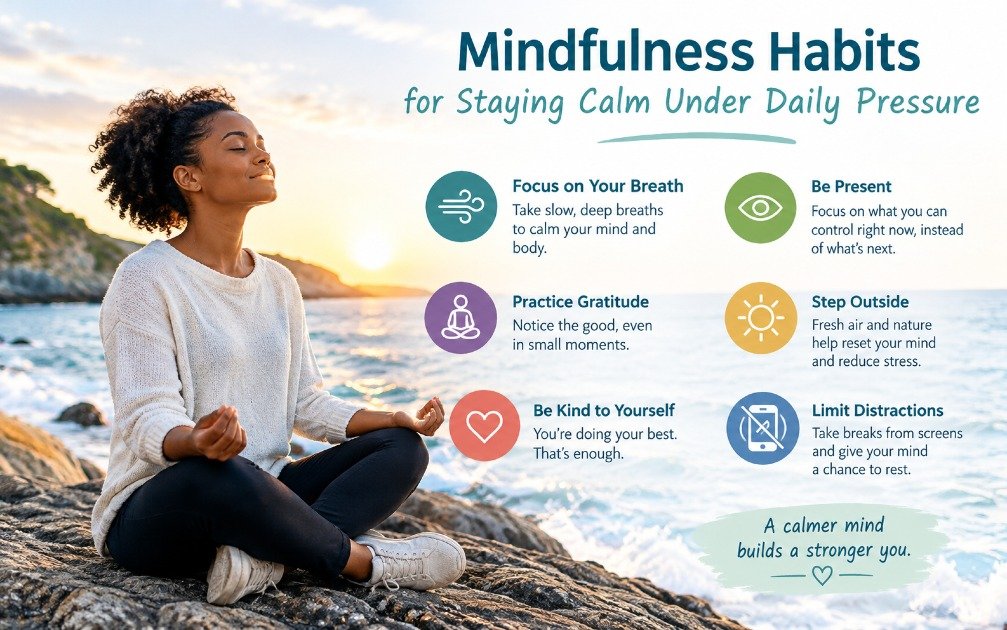
Ongoing daily demands can leave you mentally overloaded, easily distracted, and tense, even when there is no obvious problem to explain how you feel.
When stress fills your daily life, maintaining a sense of calm can become increasingly difficult.
Explore ten mindfulness techniques to ease daily tension, strengthen self-awareness, and bring greater calm and purpose to your daily life.
Practice One-Minute Mindful Breathing
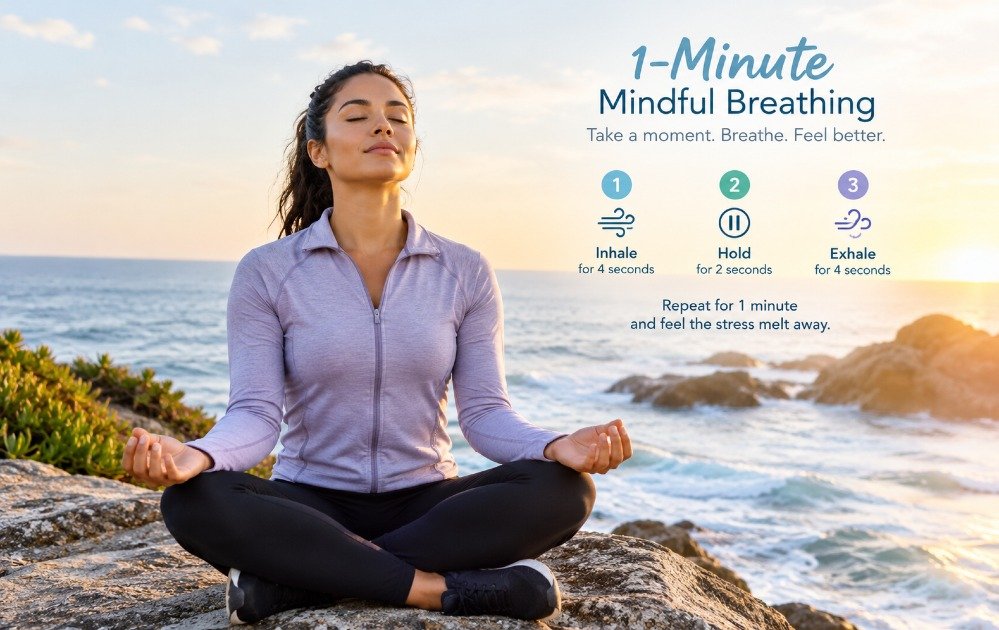
One minute of mindful breathing can interrupt daily stress and create a calmer starting point for mindfulness practices.
Why it matters:
Short, consistent breathing pauses can help you slow down, refocus, and build a practical mindfulness practice.
What works for me:
When stress starts to rise, I take one minute to breathe slowly and steady my attention using this guided meditation platform.
How to start:
- Sit comfortably and relax your shoulders.
- Take one natural breath.
- Notice the inhale from beginning to end.
- Notice the exhale from beginning to end.
- Repeat for one to three minutes.
Try a Five-Senses Grounding Practice
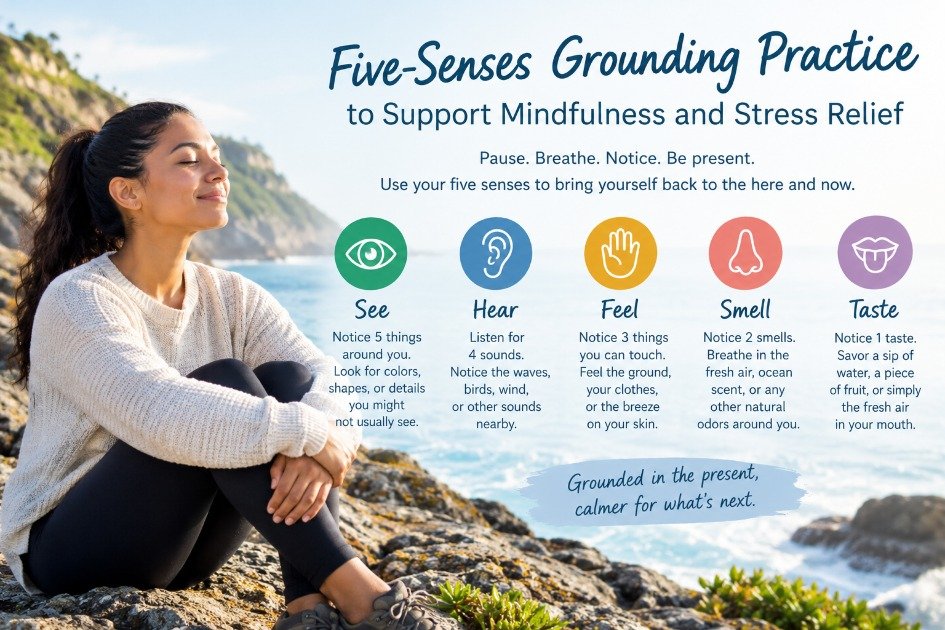
When stress pulls your attention away, five-senses grounding brings you back to the present through simple mindfulness practices.
Why it matters:
Engaging your five senses can interrupt racing thoughts and create a practical reset when stress feels overwhelming.
What works for me:
I use a five-senses grounding exercise alongside guided meditation to quiet mental distractions, focus on the present moment, and build a more consistent mindfulness routine.
How to start:
Notice:
- 5 things you can see
- 4 things you can physically feel
- 3 things you can hear
- 2 things you can smell
- 1 thing you can taste
Take a Mindful Walking Break

A mindful walking break turns a few quiet minutes outdoors into one of the simplest mindfulness practices for resetting your mind and refocusing.
Why it matters:
Sitting too long can leave you mentally drained, while mindful walking helps you pause, reconnect with the present moment, and return with clearer focus.
What works for me:
I dedicate 10 minutes to a mindful walk, focusing on my breathing and noticing the sights and sounds around me using my fitness tracker to stay consistent.
How to start:
- Walk for five to ten minutes.
- Notice each step.
- Feel your feet make contact with the ground.
- Observe your breathing without forcing it.
- Notice sounds, sights, and temperature.
Practice Mindful Eating

Rushed meals can disconnect you from hunger and fullness, but mindfulness practices help you eat with greater awareness and intention.
Why it matters:
Mindful eating helps you recognize when you are hungry or satisfied, slow down to appreciate each meal, and make more intentional food choices.
What works for me:
I make mealtimes more intentional by using a mindful eating platform that encourages greater awareness of my food choices.
How to start:
- Put your phone away for the first few minutes.
- Look at your food before taking the first bite.
- Notice the aroma and texture.
- Chew slowly enough to recognize the flavor.
- Pause occasionally and check your hunger level.
Use a Mindful Body Scan

Stress can make you overlook how your body feels, but a mindful body scan helps you notice tension and reconnect with the present.
Why it matters:
A body scan can help you notice early signs of physical stress, allowing you to ease tension before it intensifies.
What works for me:
I start with a few quiet minutes of body scanning from head to toe, using a guided meditation platform to stay focused and turn mindfulness practices into a consistent habit.
How to start:
- Begin with your feet.
- Slowly move your attention upward.
- Notice pressure, warmth, tightness, or relaxation.
- Slowly guide your awareness from your legs to your abdomen and chest, then through your shoulders, neck, facial muscles, and the top of your head.
- Finish with several natural breaths.
Practice Mindful Listening

Mindful listening involves giving someone your full attention, putting distractions aside, and considering their perspective before responding thoughtfully.
Why it matters:
Practicing mindful listening strengthens connection, reduces misunderstandings, and supports healthier relationships.
What works for me:
I pause, put distractions aside, and use a guided meditation platform to train myself to listen with greater presence.
How to start:
- Put down your phone during important conversations.
- Let the other person finish speaking.
- Notice your impulse to interrupt.
- Listen for the meaning behind the words.
- Take one breath before responding.
Try a Mindful Pause Before Responding
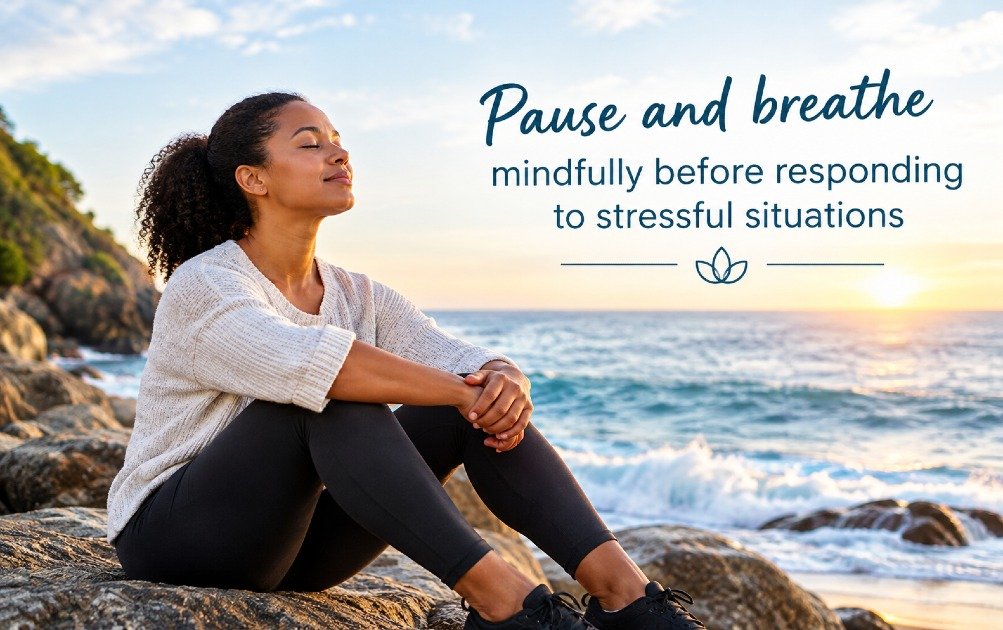
A mindful pause can stop an emotional reaction from becoming a response you later regret.
Why it matters:
Practicing mindfulness practices before responding creates space to think clearly, communicate calmly, and choose your words with intention.
What works for me:
I take a few slow breaths before responding, using a mindfulness platform to help me pause, reset, and respond with greater clarity.
How to start:
Try this four-step sequence:
- Stop.
- Breathe.
- Notice what you feel.
- Choose your response.
Keep a Two-Minute Mindfulness Journal
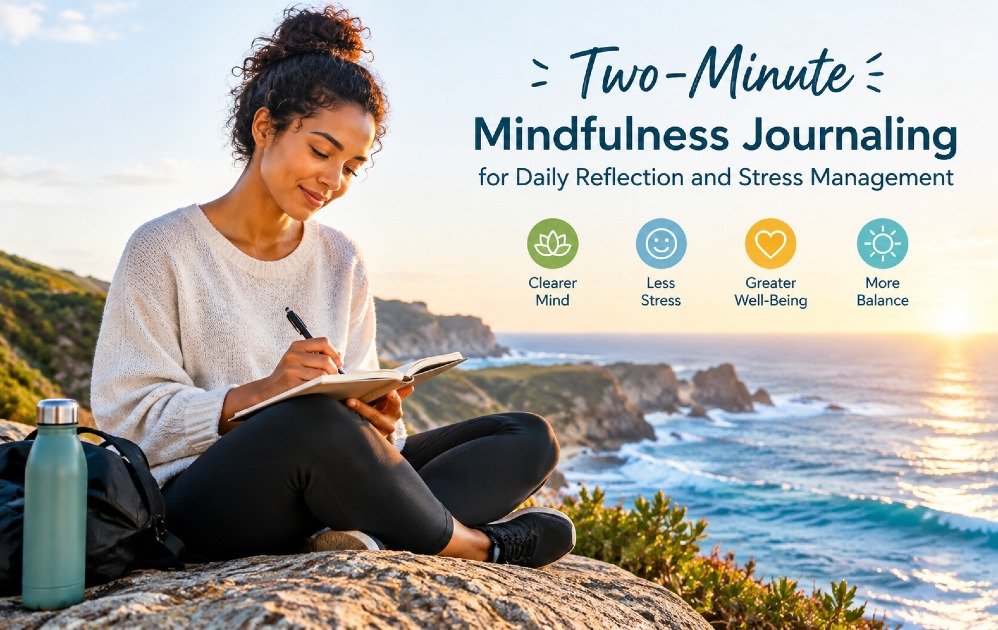
A two-minute journal can turn simple mindfulness practices into a daily habit that clears mental clutter and builds self-awareness.
Why it matters:
Brief daily reflection helps you notice stress patterns, refocus your thoughts, and respond to life with greater intention.
What works for me:
I spend two minutes writing what I feel, what matters today, and one thing I’m grateful for, using a guided mindfulness journal to keep my mindfulness practices simple and consistent.
How to start:
At the end of the day, write:
- What stressed me today?
- How did I respond?
- What could I do differently tomorrow?
Practice Mindful Technology Breaks

Constant screen time can drain your focus and calm, but intentional breaks can make mindfulness practices easier to maintain.
Why it matters:
Regular technology breaks can reduce digital distractions, restore focus, and create space for greater mental clarity.
What works for me:
I step away from my devices for short, scheduled breaks and use a mindfulness platform to reset my attention before returning refreshed.
How to start:
- Turn off nonessential notifications.
- Put your phone away during meals.
- Take a 10-minute screen-free break.
- Avoid immediately checking your phone after waking.
- Create a short screen-free period before bed.
End the Day With a Three-Minute Mindfulness Practice
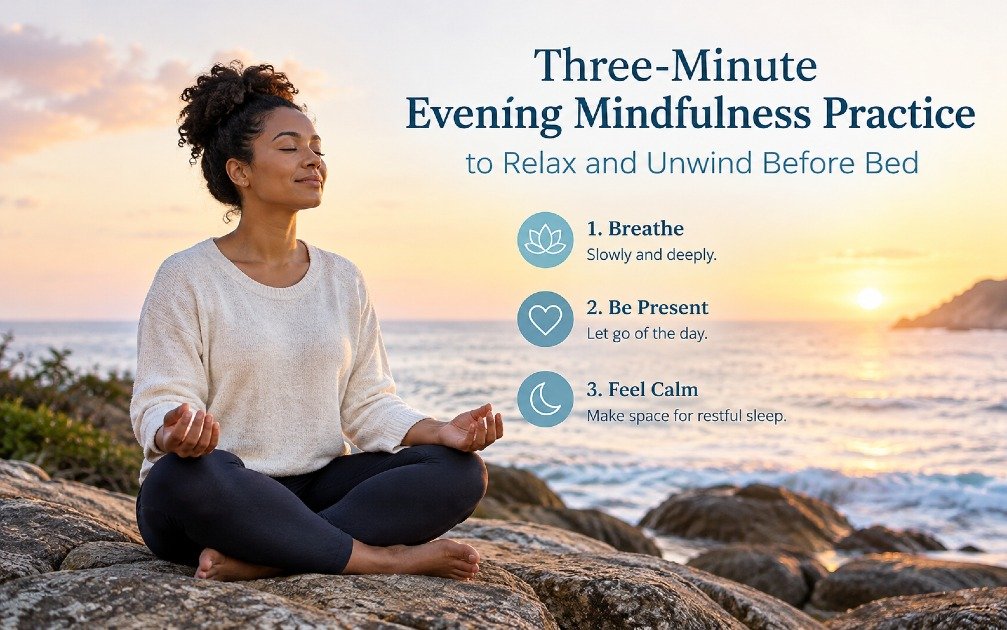
A busy day can leave your mind racing, but mindfulness practices can help you slow down and end the day with greater calm.
Why it matters:
Three minutes of focused mindfulness can create a simple pause that helps release daily tension and prepare your mind for rest.
What works for me:
I end my day with three minutes of mindful breathing using a guided meditation platform, helping me settle my thoughts and transition into a calmer evening.
How to start:
Try this three-minute sequence:
- Minute 1: Notice your breathing.
- Minute 2: Scan your body for tension.
- Minute 3: Notice one thing you appreciated today.
How to Make Mindfulness Practices Stick
Mindfulness practices become lasting habits when simple, consistent actions fit naturally into your daily routine.
Inconsistent routines and unrealistic expectations make mindfulness practices difficult to maintain.
Small, repeatable mindfulness practices build consistency, ease daily stress, and support lasting emotional well-being.
When Mindfulness Feels Difficult
Mindfulness can feel difficult when stress, distractions, or racing thoughts make it hard to stay present.
Unrealistic expectations and pressure to quiet every thought can make mindfulness practices feel frustrating rather than calming.
Starting with brief, judgment-free mindfulness practices helps you manage distractions, ease stress, and build greater calm and focus over time.
Frequently Asked Questions
What are the best mindfulness practices for everyday stress?
The best practice is one you can repeat, such as mindful breathing, walking, body scans, grounding, mindful eating, journaling, or brief tech breaks.
How long should I practice mindfulness each day?
Start with just 1–5 minutes—short, consistent mindfulness practices can fit easily into your daily routine.
Can mindfulness practices reduce stress and anxiety?
Research suggests mindfulness may ease stress and anxiety for some people, but results vary and it should not replace professional mental health care when needed.
What should I do if I cannot stop my thoughts during mindfulness?
Don’t fight wandering thoughts—notice them, then gently return your attention to your breath, body, surroundings, or chosen focus, knowing mind-wandering is a normal part of mindfulness.
Can I practice mindfulness without meditating?
Mindfulness can happen during everyday activities by intentionally focusing on the present moment, not a specific posture.
Recap: Make Calm a Daily Health Habit
Daily stress can easily become normal if you never pause to reset. But simple mindfulness practices can help you slow down, refocus, and respond to pressure with greater awareness instead of reacting automatically.
Spend 5–10 minutes each day practicing mindfulness through focused breathing, mindful walking, quiet reflection, or simply bringing your attention back to the present moment.
Start today, keep the practice realistic, and build it into your routine. A calmer mind can become the foundation for healthier choices, better self-care, and a more balanced life.
Ready To Make Calm Your Daily Habit?
Still letting daily pressure steal your peace?
Discover how this guided mindfulness platform can help you build moments of calm—so that you can respond to stress with greater control and confidence.