
Feeling mentally exhausted before the day even begins? Struggling to focus, sleep properly, or quiet the constant noise in your mind?
Daily stress can drain your energy, focus, and peace of mind, but simple healthy habits can help you feel calmer, sleep better, and manage life with more balance.
This guide explains simple stress relief habits to help you feel calmer, clearer, more balanced, and in control again.
Why Healthy Stress Relief Habits Matter
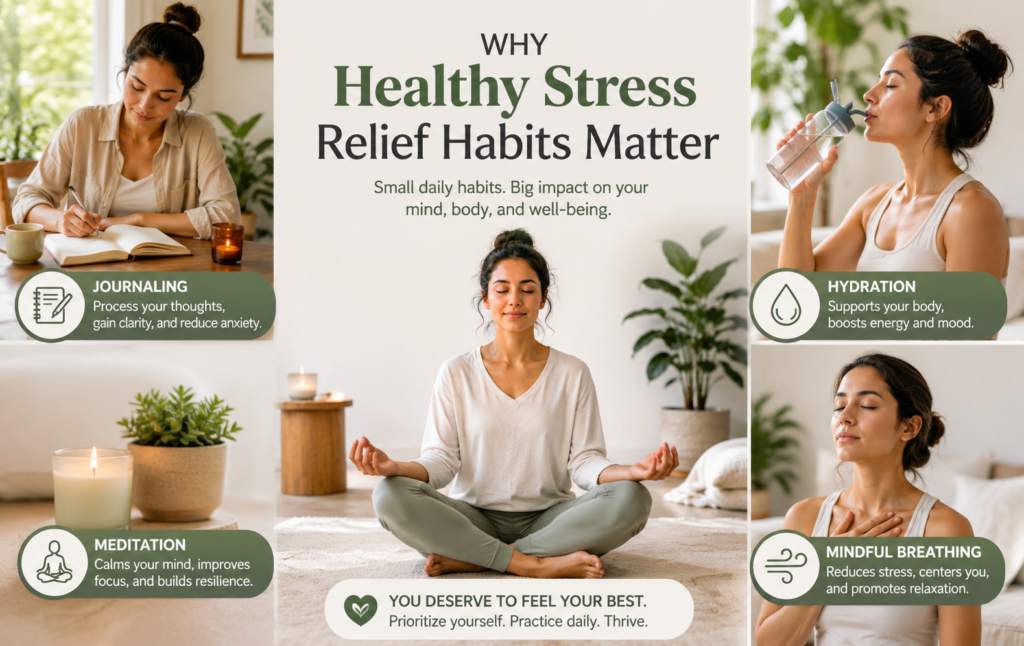
Ignoring stress for too long can disrupt your sleep, drain your energy, damage relationships, and lead to burnout.
Common signs of unmanaged stress include:
- Constant fatigue
- Irritability or mood swings
- Trouble sleeping
- Poor concentration
- Muscle tension and headaches
- Anxiety and mental exhaustion
Healthy stress habits are one of the best investments in your long-term well-being.
APA highlights that unchecked long-term stress harms both mental and physical well-being.
Top 10 Best Stress Relief Habits for Everyday Life
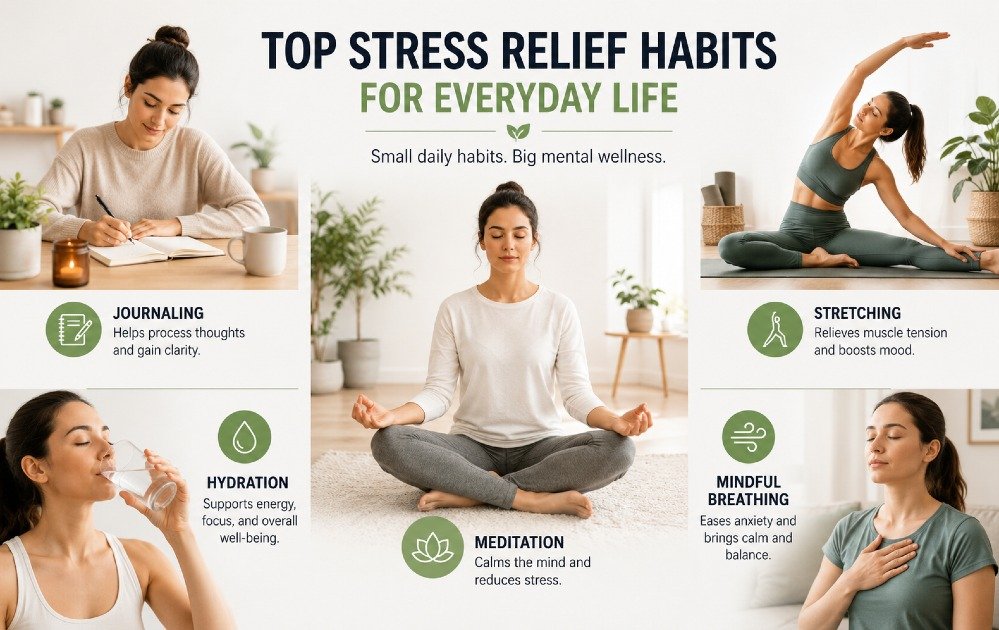
Stress can sap your energy, disrupt sleep, and make daily life feel overwhelming. Consistent habits that support stress management, movement, and rest can improve focus, increase resilience, enhance sleep quality, and promote a greater sense of balance and wellbeing.
Discover ten practical stress-relief habits for everyday life that fit real schedules and support lasting mental clarity, emotional balance, and better physical health.
1. Stop Checking Your Phone First Thing in the Morning
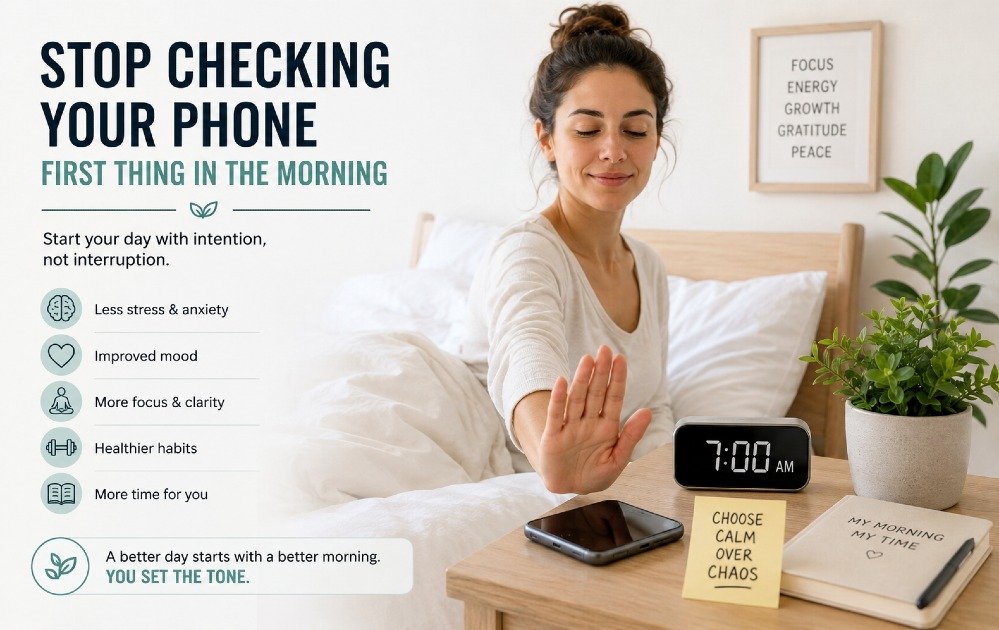
Checking messages, emails, and social apps first thing in the morning overwhelms the brain and pulls you straight into reactive thinking instead of a calm, focused start to the day.
What to do:
Create a slower, more intentional morning routine.
- Drink water before checking your phone
- Stretch for a few minutes
- Practice deep breathing
- Journal briefly
- Sit quietly while drinking coffee or tea
Core advantage:
A calm morning creates mental clarity and helps you feel more focused throughout the day.
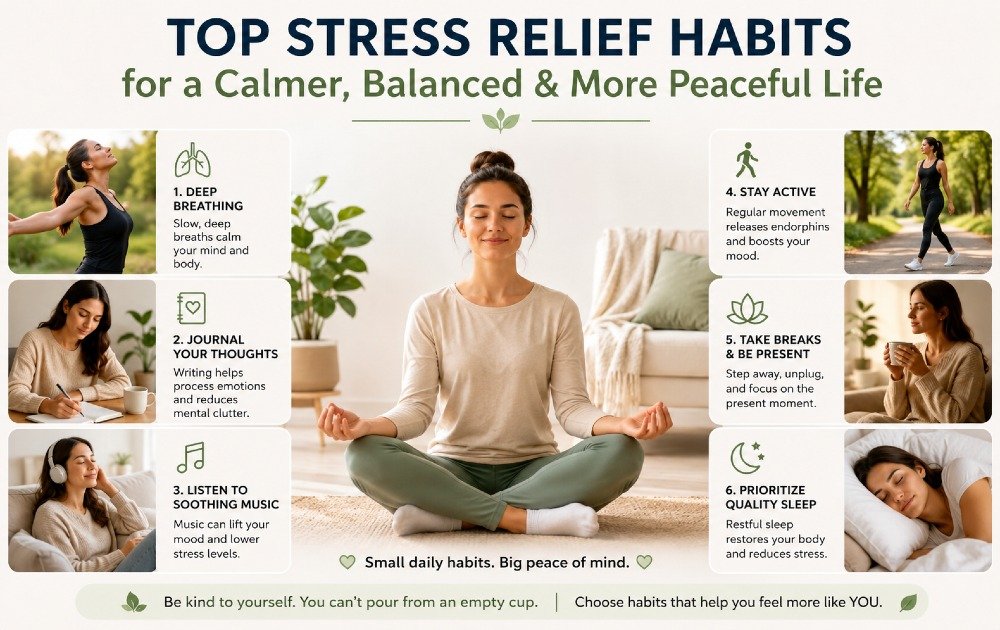
2. Move Your Body Every Day

Stress builds up physically as much as mentally. Sitting for long hours increases tension, fatigue, and mental fog.
What to do:
You don’t need intense workouts to feel better.
- Walking outdoors
- Yoga
- Cycling
- Stretching
- Strength training
- Dancing
Core advantage:
Regular exercise eases stress, lifts mood, and supports a more positive mindset.
CDC highlights the essential of movement to human health.
3. Use Deep Breathing to Calm Your Nervous System
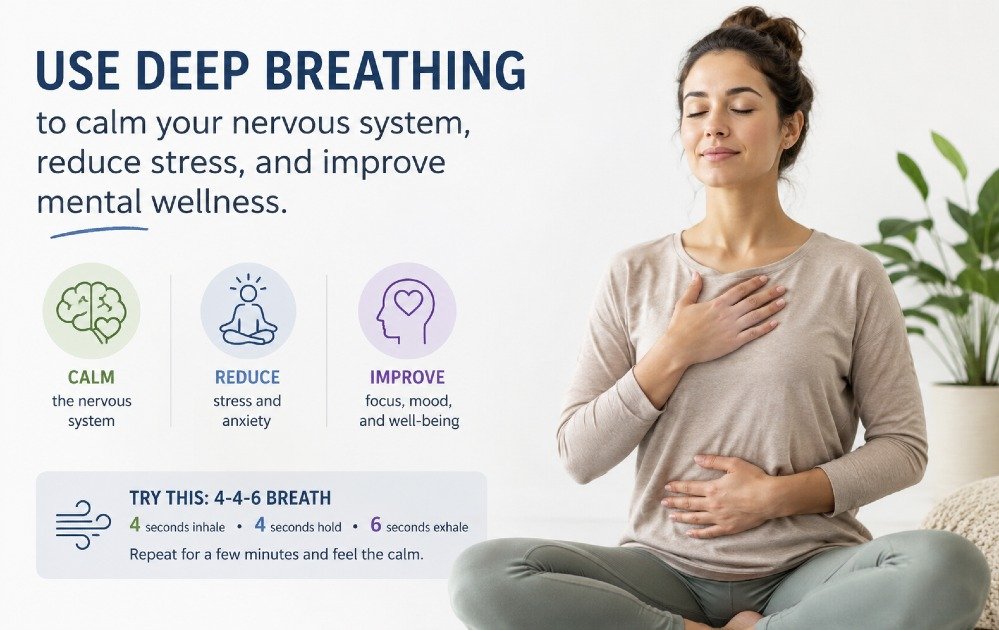
Stress causes shallow breathing, which keeps your body tense and alert.
What to do:
Spend 2–5 minutes on this.
- Inhale for 4 seconds
- Hold for 4 seconds
- Exhale slowly for 6 seconds
Core advantage:
Controlled breathing slows your heart rate, relaxes muscle tension, and signals your body to calm down.
4. Reduce Your Caffeine Intake
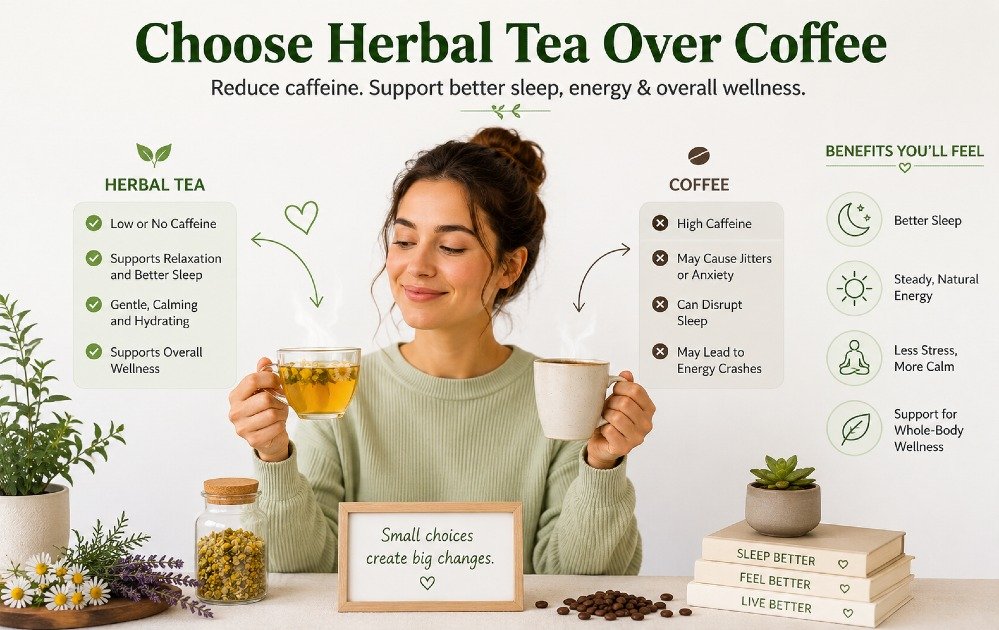
Too much caffeine can increase nervousness, restlessness, and poor sleep quality.
What to do:
- Sip herbal tea
- Take decaf coffee
- Drink lemon water
- Take magnesium-based drinks
Core advantage:
Reducing caffeine often leads to steadier energy levels and fewer feelings of anxiety throughout the day.
5. Spend More Time Outdoors

Indoor routines and constant screen use can wear you down. Stepping outside helps refresh your mind and renew your energy.
What to do:
- Take a morning walk
- Sit outdoors during breaks
- Exercise in a park
- Garden regularly
- Walk after dinner
Core advantage:
Natural environments help lower stress hormones while improving mood and focus.
I feel a real difference after just a few minutes outside.
6. Create a Relaxing Night Routine

Poor nighttime habits often lead to restless sleep, which increases stress the next day.
What to do:
- Turn off screens earlier
- Read instead of scrolling
- Take a warm shower
- Dim your lights
- Listen to calming music
Core advantage:
Quality sleep improves emotional stability, mental clarity, and resilience to stress.
7. Learn to Protect Your Time and Energy
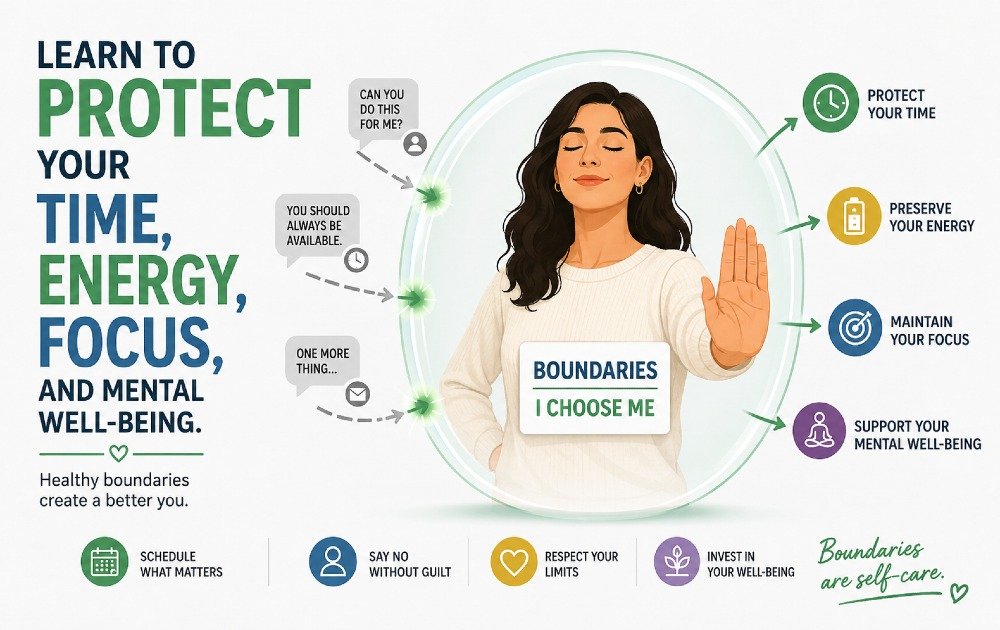
Overcommitting leaves little time for rest and recovery.
What not to do:
- Say yes to every request
- Attend every event
- Solve everyone’s problems
Core advantage:
Setting boundaries reduces burnout and helps you reclaim your time while supporting long-term mental well-being.
8. Start Journaling for Mental Clarity
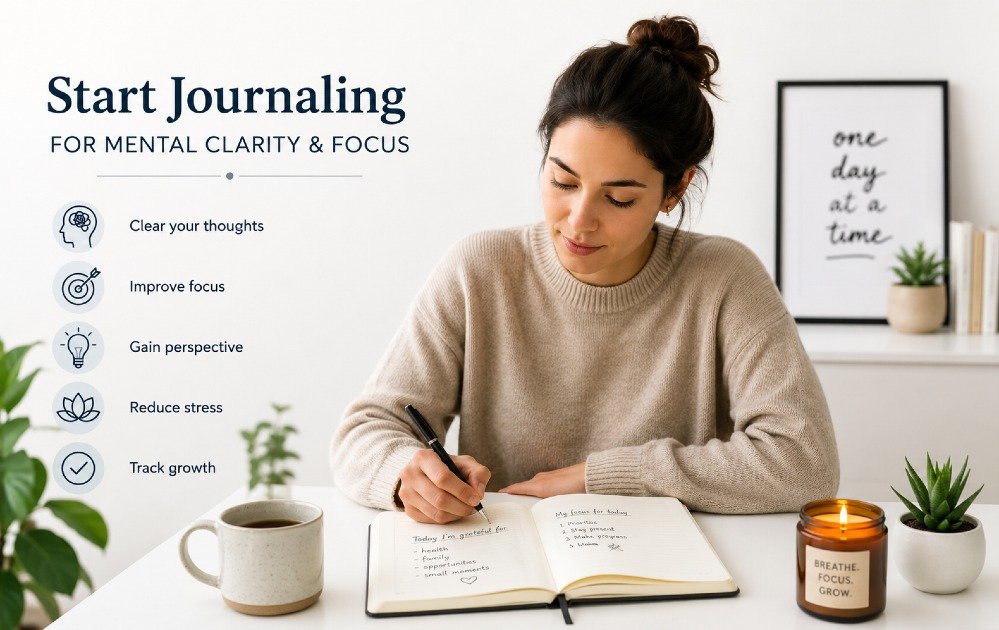
Stress often feels heavier when thoughts stay trapped in your mind.
What to do:
- Gratitude
- Daily challenges
- Personal goals
- Stress triggers
- Positive moments
Core advantage:
Writing things down clears mental clutter and helps organize your thoughts more effectively.
9. Reduce Social Media Overload
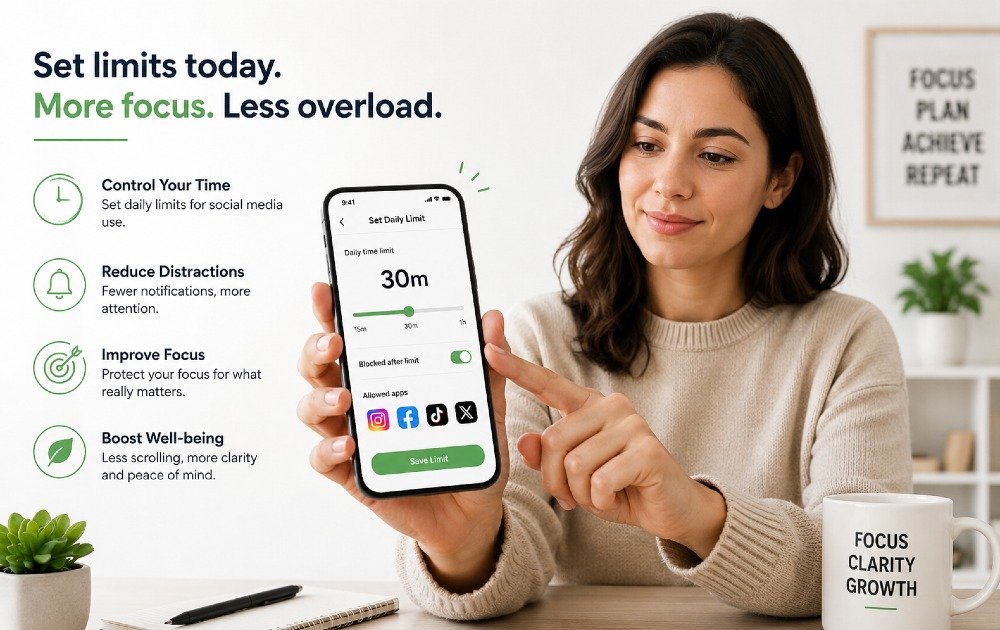
Constant scrolling exposes you to comparison, negativity, and nonstop information.
What to do:
- Set daily screen limits
- Unfollow stressful accounts
- Take short social media breaks
- Avoid screens before bed
Core advantage:
Reducing digital overload improves focus, emotional balance, and mental calmness.
10. Stay Connected to Supportive People

Isolation often makes stress feel worse. Healthy relationships provide emotional support and stability.
What to do:
Spend time with people who:
- Encourage you
- Listen without judgment
- Support your growth
- Bring positivity into your life
Core advantage:
Strong relationships improve emotional resilience and help you cope with stress more effectively.
Best Foods That Support Natural Stress Relief

Your diet directly affects your mood, energy, and stress levels.
Some foods naturally support brain health and emotional balance.
Stress-reducing foods to include:
- Fatty fish rich in omega-3s
- Leafy greens
- Bananas
- Dark chocolate in moderation
- Nuts and seeds
- Oats and whole grains
- Yogurt and fermented foods
Harvard Health Publishing highlights nutrient-rich foods as a stabilizer to improve mood and stress response and help stabilize mood and improve stress response.
Simple Daily Stress Relief Routine
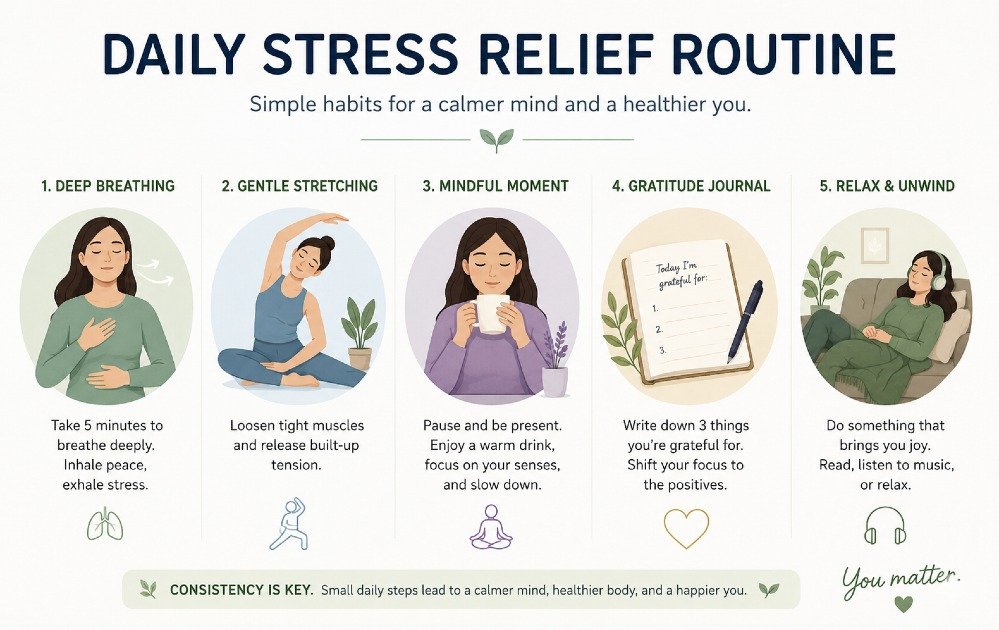
If you feel overwhelmed, keep your routine simple and realistic.
Morning:
- Drink water
- Avoid social media immediately
- Stretch or walk
- Practice deep breathing
Afternoon:
- Take movement breaks
- Eat balanced meals
- Spend a few minutes outdoors
Evening:
- Reduce screen time
- Journal briefly
- Follow a calming nighttime routine
Steadiness matters more than perfection.
Common Stress Relief Mistakes to Avoid
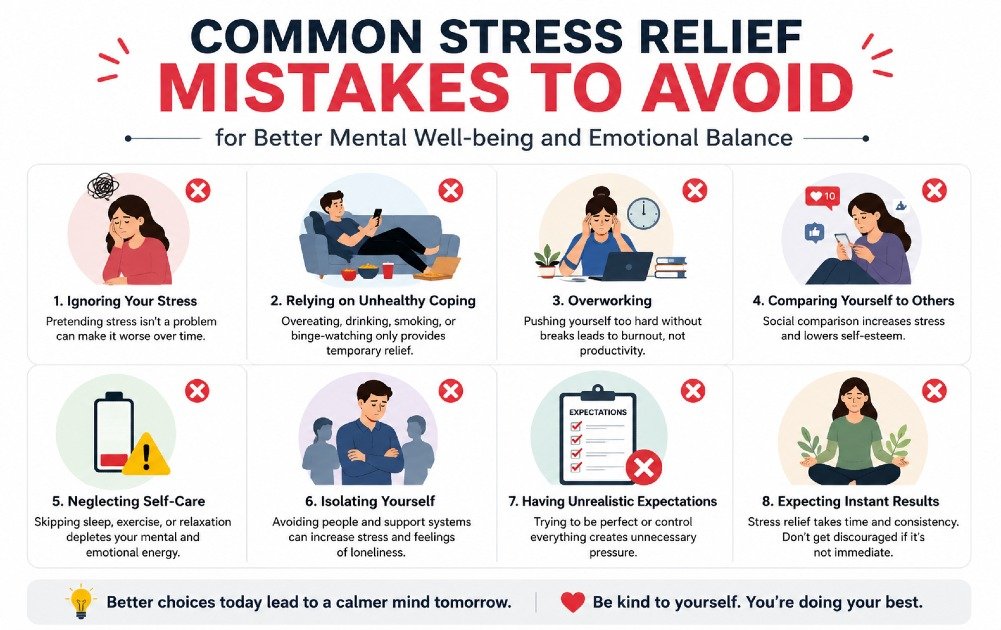
Some habits quietly increase stress without you realizing it.
Mistakes to avoid:
- Doomscrolling late at night
- Skipping meals
- Overworking without breaks
- Sleeping too little
- Ignoring emotional exhaustion
- Using distractions instead of real recovery
Healthy stress management requires intentional daily habits.
How to Reduce Stress Naturally
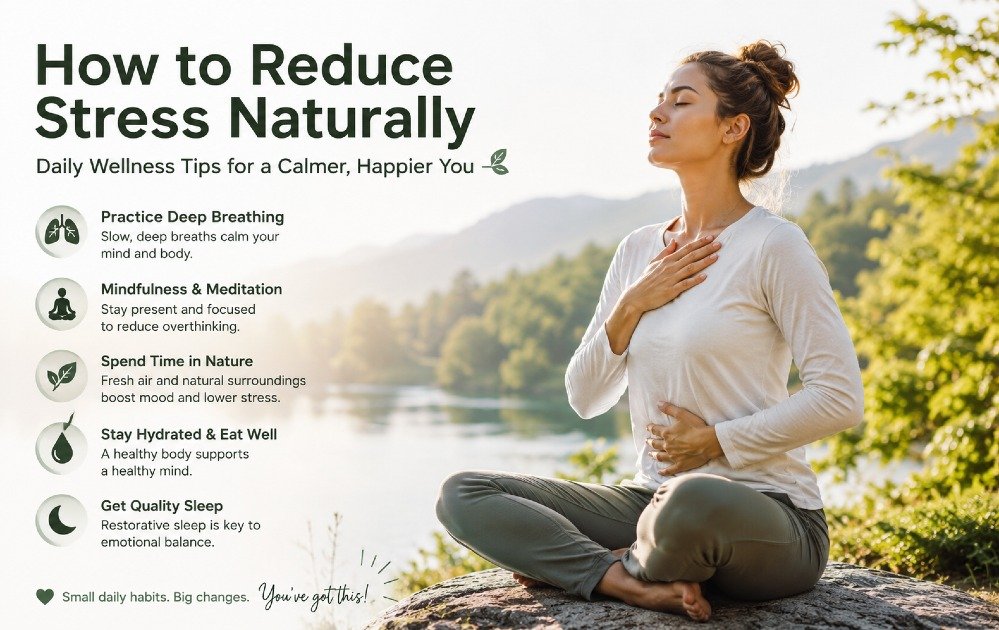
Continuous stress and limited recovery time can leave you mentally drained and physically fatigued.
Focus on daily habits that help your nervous system slow down and recover.
Simple ways to reduce stress:
- Take short walks during the day
- Practice deep breathing exercises
- Limit screen time before bed
- Spend time outdoors regularly
- Prioritize consistent sleep
- Create quiet breaks during busy hours
Core advantage:
These habits help lower stress levels, improve focus, and support a calmer, more balanced mindset.
Mental Wellness Habits That Improve Emotional Health
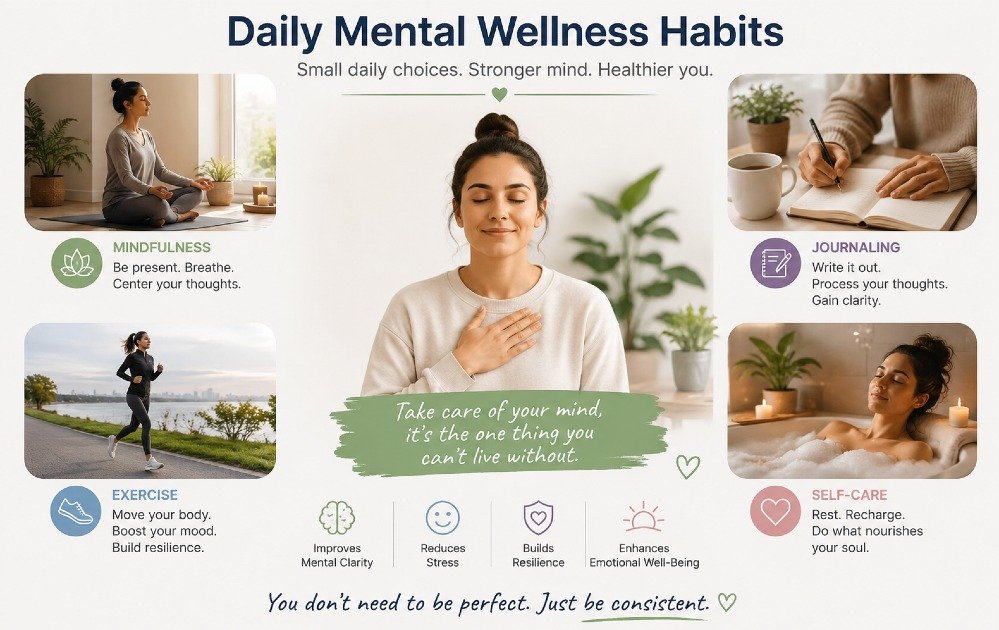
Many people prioritize productivity while neglecting mental recovery. Over time, this imbalance increases emotional fatigue and burnout.
Build routines that support mental wellness as consistently as physical health.
Healthy mental wellness habits:
- Avoid checking your phone immediately after waking up
- Journal your thoughts or goals
- Practice gratitude daily
- Set healthier personal boundaries
- Make time for hobbies and relaxation
- Stay connected to supportive people
Core advantage:
Strong mental wellness habits improve emotional resilience, mental clarity, and overall well-being.
Anxiety Relief Habits for Everyday Life
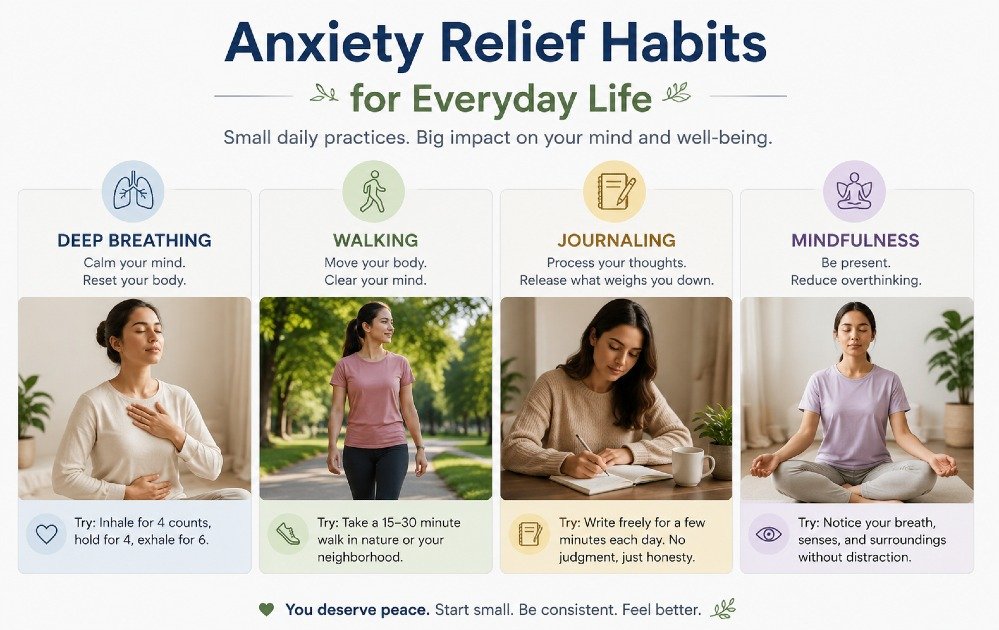
Anxiety often increases when the mind stays overstimulated, overwhelmed, or constantly distracted.
Simple calming routines can help regulate your nervous system and reduce anxious thinking naturally.
Effective anxiety relief habits:
- Practice slow breathing daily
- Reduce caffeine intake
- Limit doomscrolling and excessive news exposure
- Exercise regularly, even light movement helps
- Listen to calming music or guided meditation
- Follow a relaxing nighttime routine
Core advantage:
These habits can help quiet racing thoughts, improve sleep quality, and create a greater sense of emotional stability.
Frequently Asked Questions
What are the best daily habits for stress relief?
Daily habits like exercise, quality sleep, mindful breathing, reduced screen time, and outdoor time help lower stress, improve emotional balance, and create a calmer mind.
How can I calm my mind naturally?
Clear your mind and boost focus with mindfulness, journaling, restorative breaks, calming music, and quality sleep.
Can stress affect physical health?
Yes. Prolonged stress can harm sleep, digestion, focus, and overall health while increasing fatigue, headaches, and burnout risk.
How long does it take to feel less stressed?
Notice early progress within days, while lasting benefits come from consistent healthy habits.
Does exercise help reduce stress?
Yes. Regular movement reduces stress, lifts mood, and relieves tension—even brief walks or gentle stretches can create meaningful benefits.
What foods may support stress relief?
Nutrient-rich foods like leafy greens, berries, nuts, seeds, fatty fish, and herbal teas help support a balanced stress response and promote calm.
Why do stress relief habits sometimes fail?
Lasting change comes from simple, sustainable habits—not trying to change everything at once.
Recap: Creating a Calmer Life
Stress is a normal part of life, but feeling overwhelmed shouldn’t be.
Prioritizing rest, movement, and recovery can improve focus, reduce stress, and support overall well-being.
The daily choices you practice each day shape your energy, focus, mood, and overall well-being.
Ready to Build Better Stress Relief Habits?
Still struggling to feel calm, take control of your mood, energy, or focus— you just need better stress relief habits that actually work.
Discover how this quality weighted blanket can calm your nervous system, improve sleep, and make it easier to wake up feeling mentally lighter, more rested, and ready to handle the day with less tension.