
You’ve tried eating better, sleeping more, and cutting back on caffeine—but you still feel stressed, tired, or unbalanced.
Modern life strains your nervous system, turning minor stress into fatigue, poor sleep, and tension. Essential oils provide a simple, natural way to restore balance without complex routines or high costs.
This guide explains how to use essential oils effectively, which essential oils truly work and how to use them daily for lasting wellness benefits.
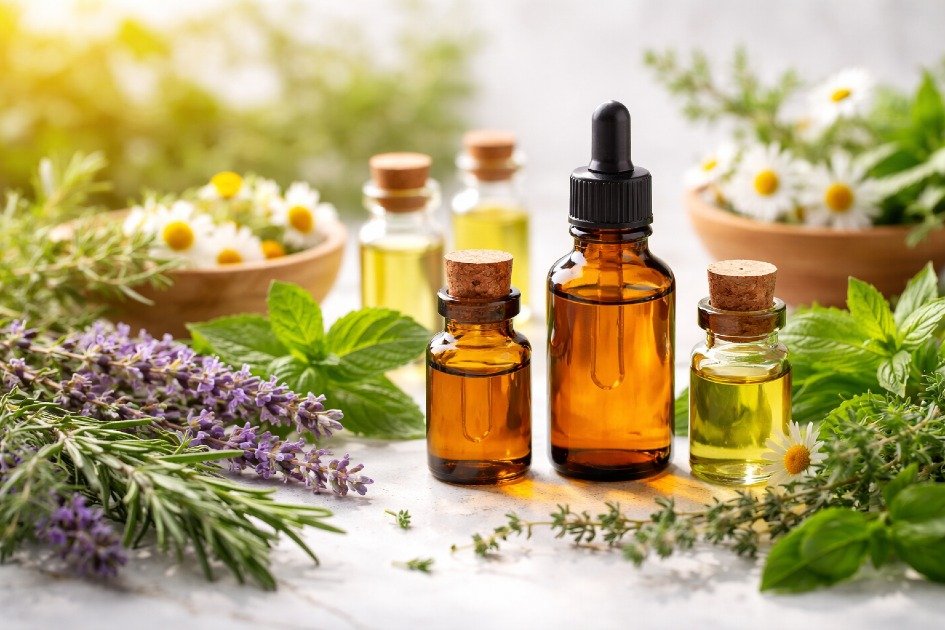
What Are Essential Oils
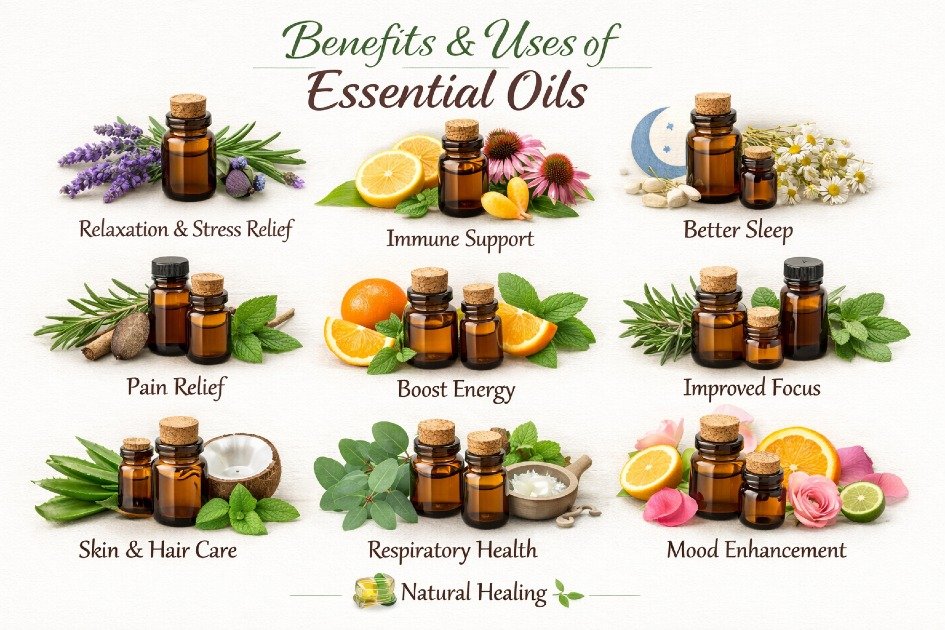
Essential oils are potent plant extracts that preserve natural aroma and benefits, yet many wellness options remain costly, complex, and difficult to sustain.
Essential oils are fast, accessible, and natural.
Core advantages:
- Immediate sensory impact through smell and absorption
- Supports mood, sleep, and relaxation
- Easy to use daily
According to the NIH, aromatherapy can help reduce stress and improve overall well-being.
How Essential Oils Can Transform Your Health, Mood, and Daily Life
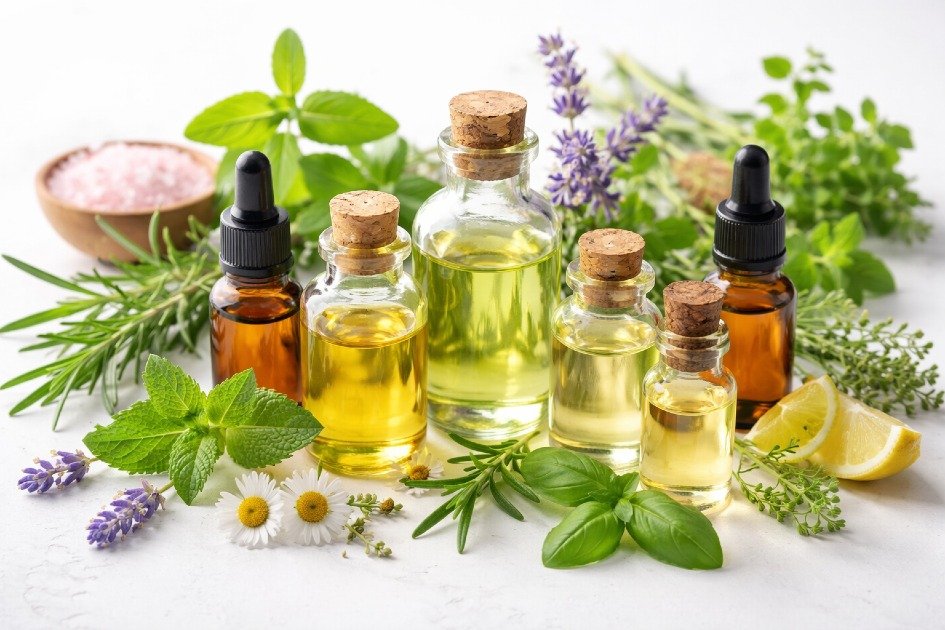
Everyday stress, low energy, and mental fatigue leave many people feeling drained. Temporary fixes like caffeine or screen breaks help only briefly.
Essential oils provide a practical, natural way to support your body and mind.
Core advantages:
- Stress and Anxiety Relief: Lavender and chamomile promote calm and relaxation
- Enhanced Focus and Energy: Peppermint and rosemary stimulate alertness
- Better Sleep: Diffusing certain oils at night can improve sleep quality
- Emotional Balance: Ylang-ylang and frankincense help stabilize mood and boost positivity
Tip:
Consistent use—through diffusers, diluted topical application, or baths—maximizes their benefits over time.
Are Essential Oils Necessary in Daily Care?
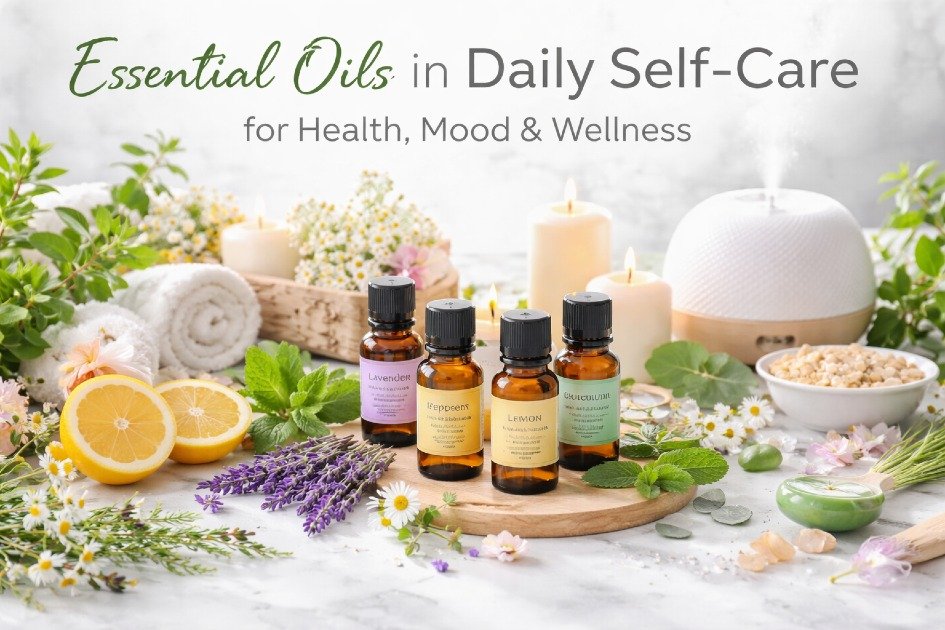
With countless wellness products available, it’s natural to wonder if essential oils are truly necessary.
They are not mandatory, but essential oils offer a safe, natural, and convenient way to enhance daily well-being.
Core advantages:
- Reduce everyday stress
- Improve focus and mental clarity
- Support healthy sleep routines
- Create a calm, uplifting environment
Tip:
Even a small daily routine—like diffusing a calming oil in the evening or applying a diluted oil after a shower—can noticeably improve mood and overall wellness.
9 Practical Ways Essential Oils Support Health, Mood, and Daily Life
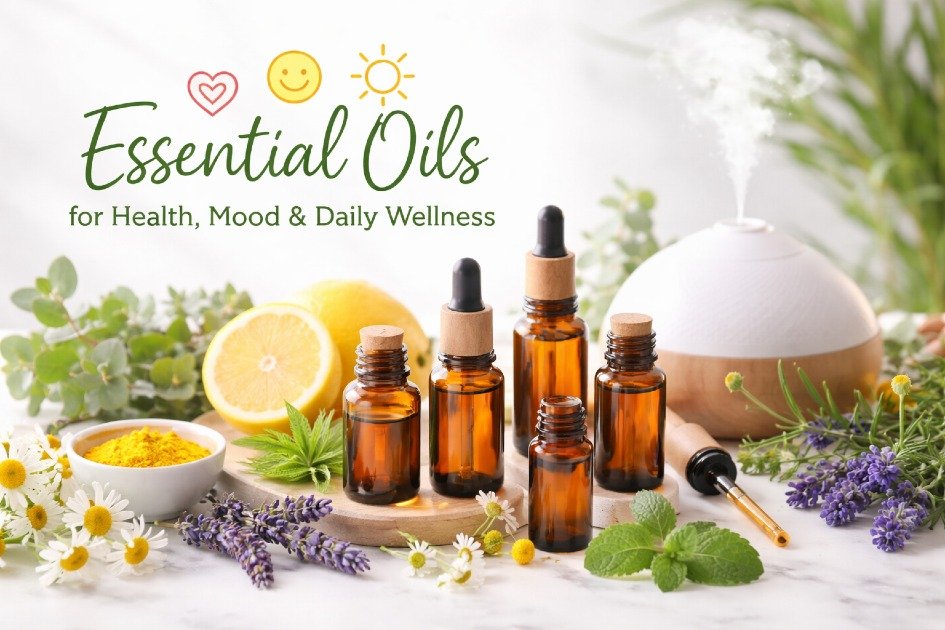
Essential oils work best when you choose the right blends and use them consistently over time.
Using oils incorrectly can reduce their benefits. When used properly, they support safer, more effective results for both mental and physical wellness.
Discover nine essential oils known to support mood, sharpen focus, and promote daily well-being.
1. Lavender Oil – Calm Your Mind and Sleep Better
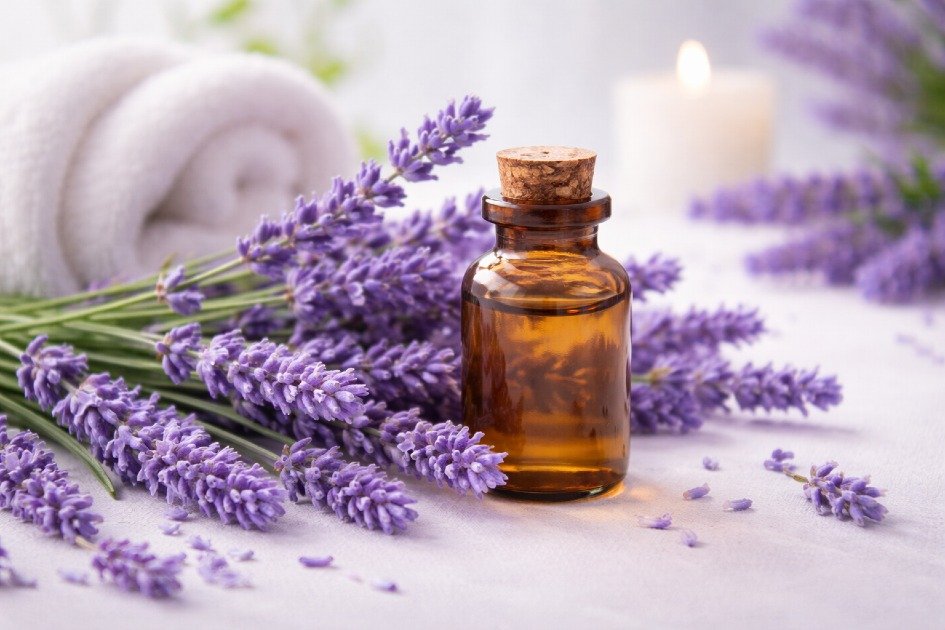
Lavender oil is widely used for anxiety, stress relief, and better sleep.
It promotes deep relaxation, calmer mood, and reduces feelings of nervous tension.
Core advantages:
- Improves sleep quality
- Reduces anxiety
- Eases tension
How to use:
- 3–5 drops in a diffuser before bed
- Diluted application to wrists or temples
- Add to a warm bath
2. Peppermint Oil – Boost Energy and Focus
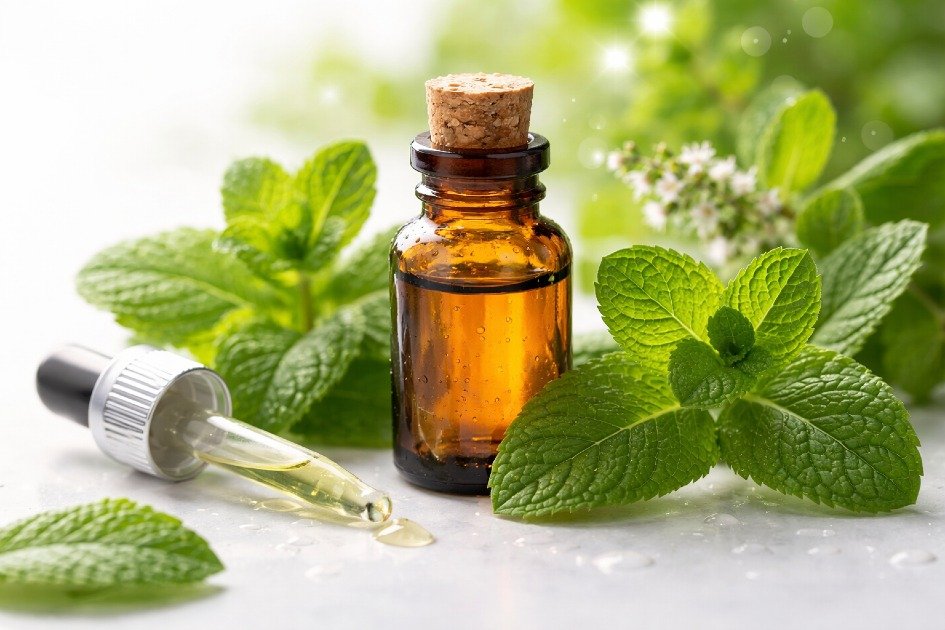
Peppermint oil is commonly used to help with midday fatigue and brain fog.
It refreshes and invigorates.
Core advantages:
- Increases alertness
- Enhances mental clarity
- Relieves tension headaches
How to use:
- Inhale directly for a quick boost
- Dilute and apply to temples
- Diffuse while working
3. Eucalyptus Oil – Clear Breathing and Focus
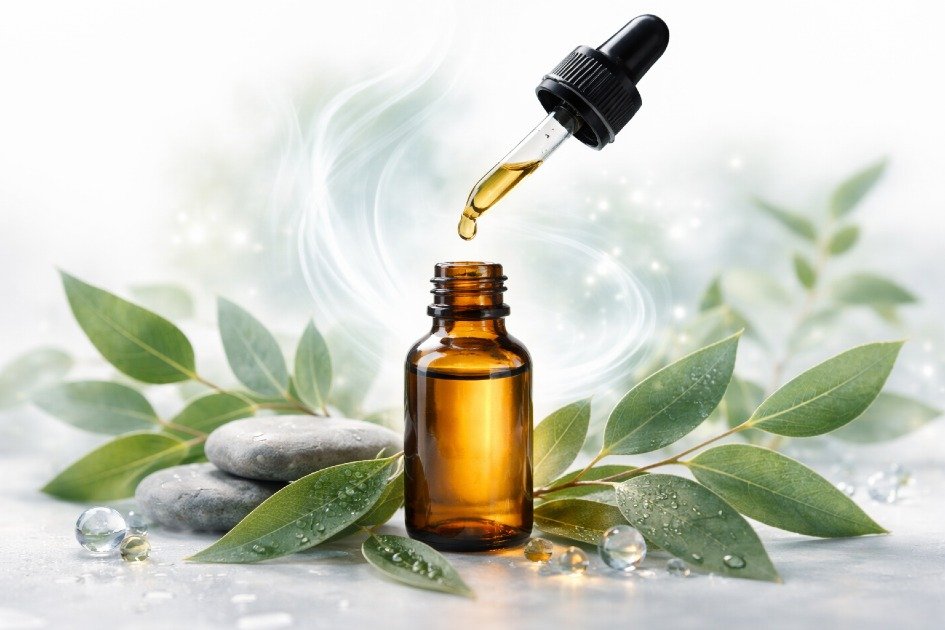
Eucalyptus is commonly used for both congestion relief and mental fatigue support.
It opens airways and clears the mind.
Core advantages:
- Supports respiratory health
- Enhances focus
- Clears mental fog
How to use:
- Steam inhalation
- Diffuse during cold or allergy season
- Add to showers for a spa-like effect
4. Tea Tree Oil – Natural Skin and Immune Support
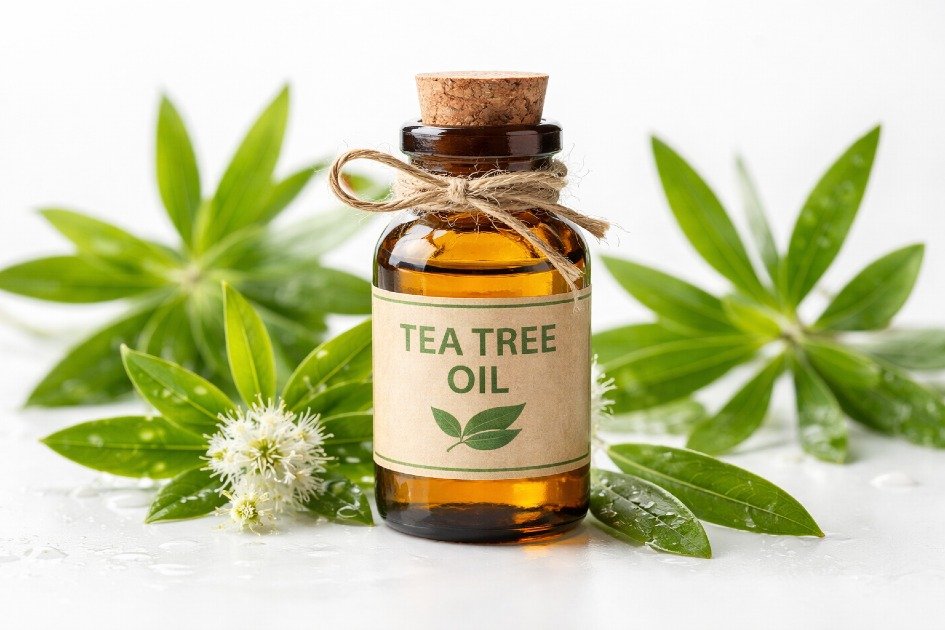
Tea Tree Oil is commonly used for acne, skin irritation, and minor skin infections.
It has natural antibacterial and antifungal properties.
Core advantages:
- Clears blemishes
- Supports skin healing
- Promotes hygiene naturally
How to use:
- Spot treat acne (diluted)
- Add to your skincare routine
- Mix into DIY cleaning solutions
5. Lemon Oil – Uplift Mood and Freshen Your Space
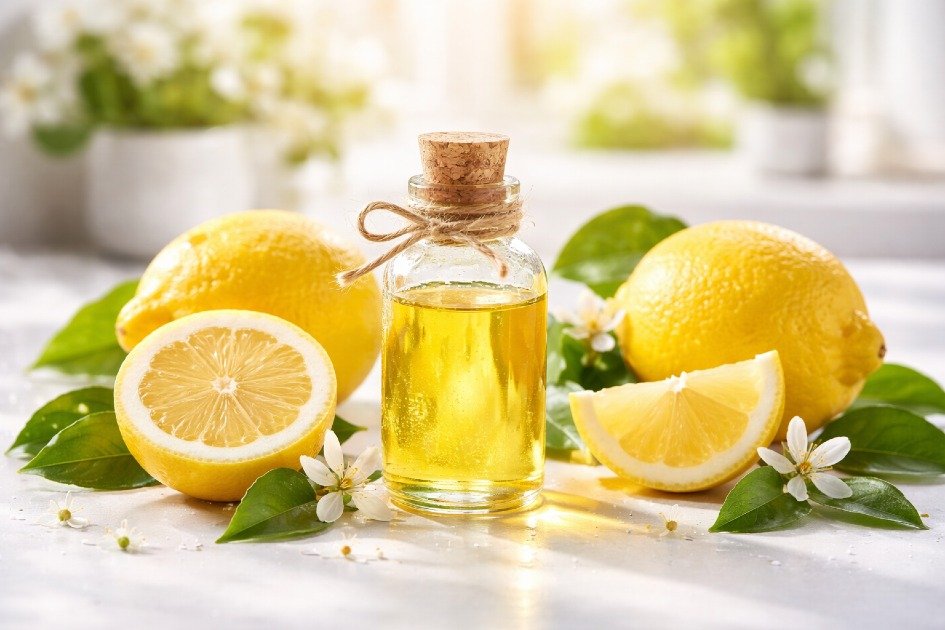
Lemon oil is often used to help create a fresher, more uplifting atmosphere and may support a more positive mood.
It provides a fresh, energizing scent.
Core advantages:
- Enhances positivity
- Acts as a natural cleaner
- Supports mental clarity
How to use:
- Diffuse in the morning
- Add to homemade cleaning sprays
- Inhale for a quick mood lift
6. Frankincense Oil – Grounding and Emotional Balance
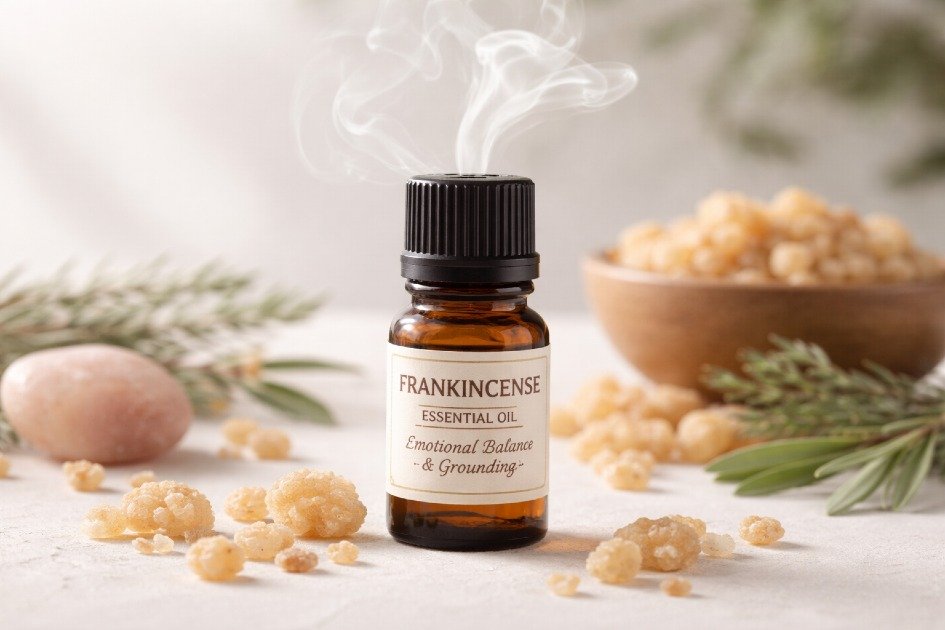
Frankincense essential oil is often used to support emotional balance, relaxation, and a calmer state of mind during periods of chronic stress.
It encourages calmness and mindfulness.
Core advantages:
- Supports meditation
- Reduces stress and tension
- Promotes emotional stability
How to use:
- Diffuse during meditation
- Dilute and apply to chest or neck
- Use during yoga
7. Rosemary Oil – Boost Memory and Focus
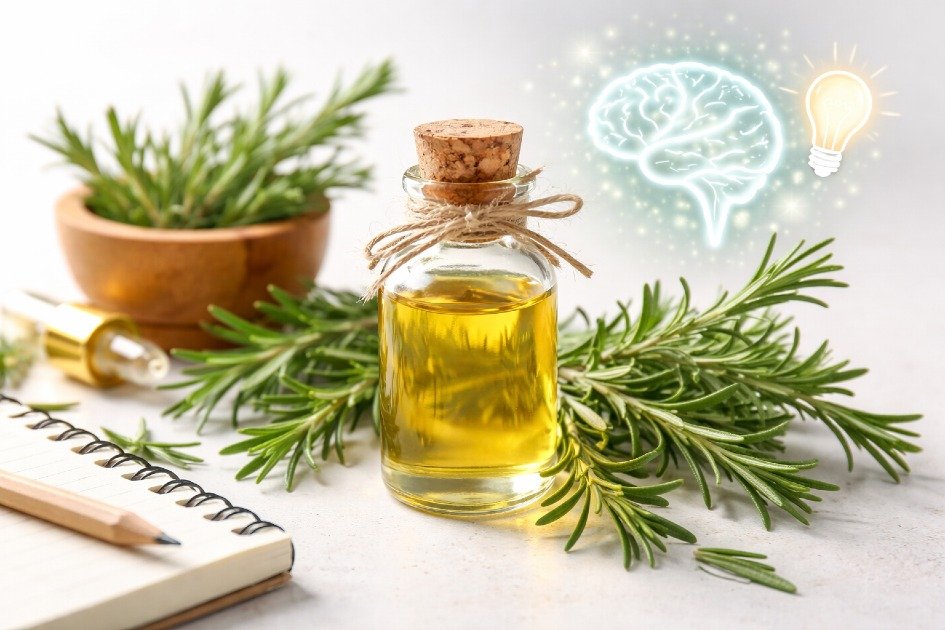
Rosemary oil is often associated with mental clarity, focus, and memory support.
It stimulates brain function.
Core advantages:
- Improves memory retention
- Enhances focus
- Supports mental performance
How to use:
- Diffuse while studying or working
- Inhale before important tasks
8. Chamomile Oil – Gentle Relaxation
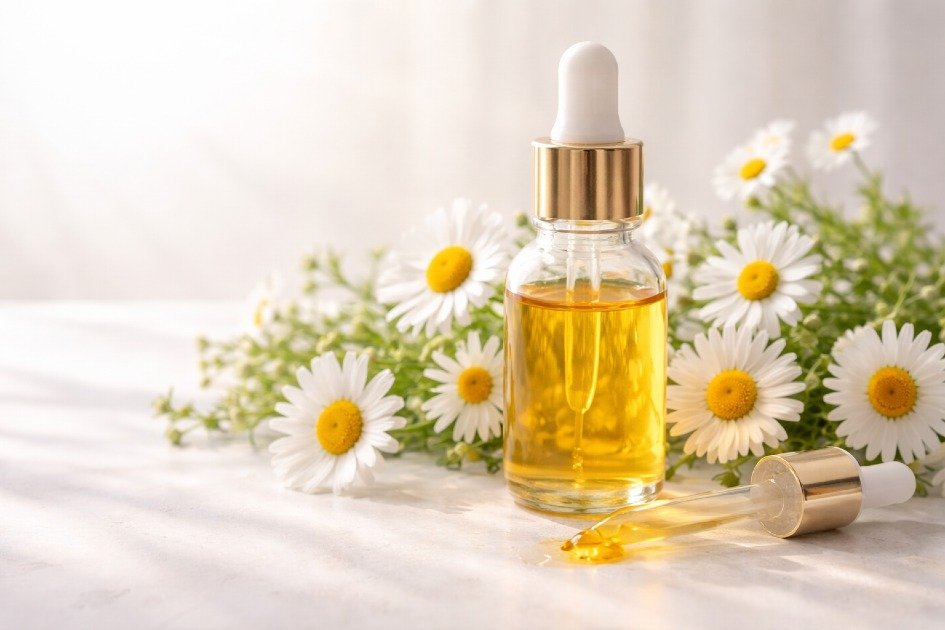
Chamomile oil is commonly used to support relaxation, ease restlessness, and promote better sleep in a gentle, calming way.
It calms the mind and body.
Core advantages:
- Reduces anxiety
- Improves sleep quality
- Eases nervous tension
How to use:
- Diffuse at night
- Add to bath before bed
9. Ylang-Ylang Oil – Uplift Mood and Calm Stress
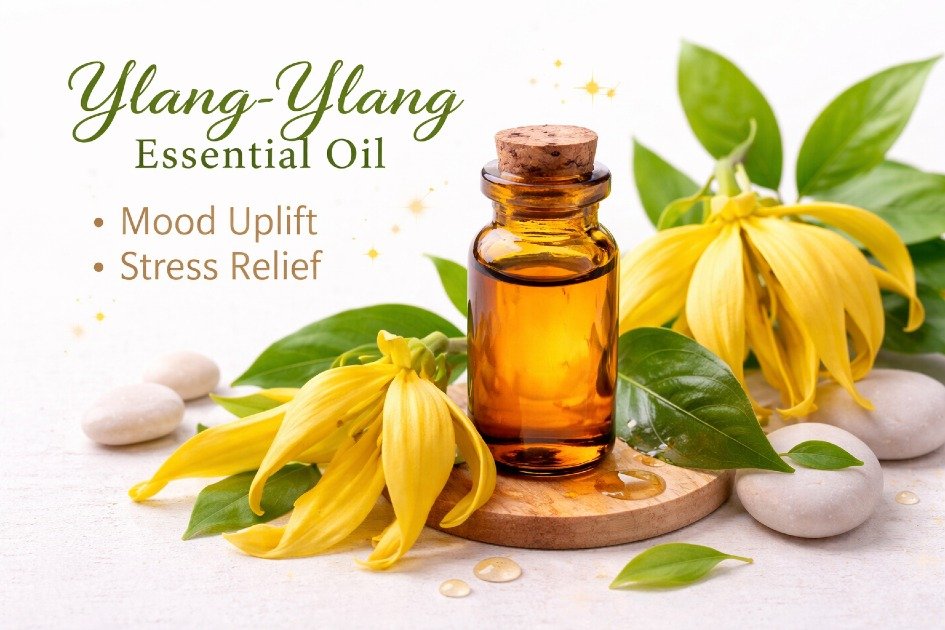
Ylang-ylang oil is often used to support emotional wellness, especially during periods of emotional burnout, stress, tension, or low mood.
It relaxes while uplifting your mood.
Core advantages:
- Boosts confidence
- Reduces stress
- Supports emotional balance
How to use:
- Diffuse during relaxation time
- Blend with carrier oil for massage
Essential Oils Safety Tips
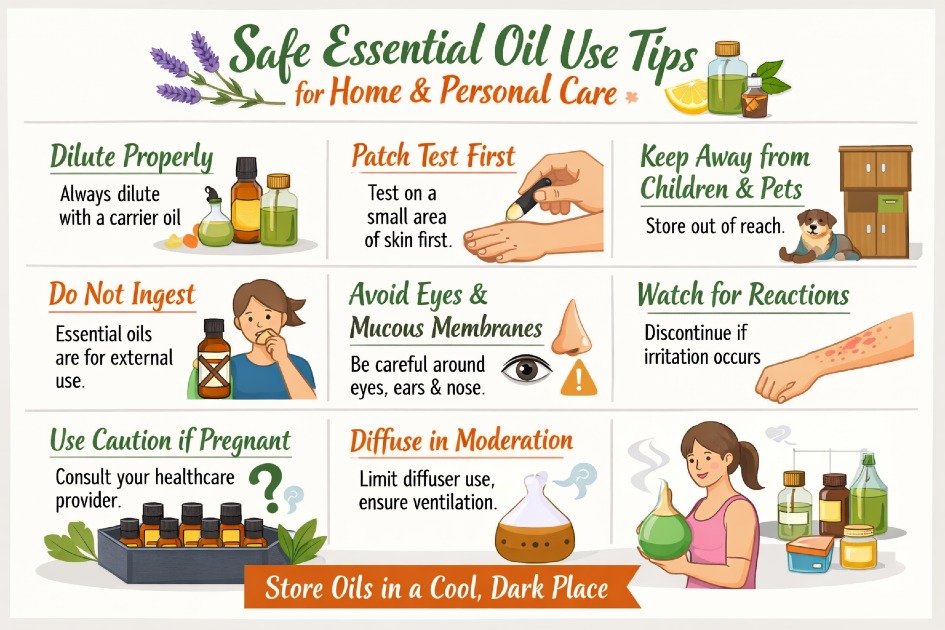
Essential oils are powerful—use them wisely.
Key Guidelines:
- Always dilute with a carrier oil
- Avoid sensitive areas and eyes
- Choose high-quality, pure oils
- Do a patch test before use
Choosing the Right Oils
Not all oils are created equal.
Look for:
- 100% pure essential oils
- No synthetic additives
- Third-party tested products
A beginner-friendly essential oils starter kit can simplify your routine.
Building a Simple Daily Routine
You don’t need to overcomplicate it.
- Morning: Lemon or peppermint for energy
- Afternoon: Rosemary for focus
- Evening: Lavender or chamomile for relaxation
- Weekly Reset: Eucalyptus steam or diffuser session
Consistency beats complexity.
Natural Anxiety Remedies

Anxiety can leave you feeling tense, restless, and overwhelmed. Many people rely on quick fixes that only mask symptoms without addressing root causes.
Use natural remedies to support your nervous system and mental health.
Core advantages:
- Herbal teas like chamomile or lemon balm promote calm and relaxation.
- Mindful breathing exercises reduce heart rate and stress hormones.
- Regular movement, even light exercise or walking, releases endorphins that counter anxiety naturally.
Tip:
Combine natural remedies for better results—for instance, a warm cup of chamomile tea while practicing deep breathing can create a powerful calming effect.
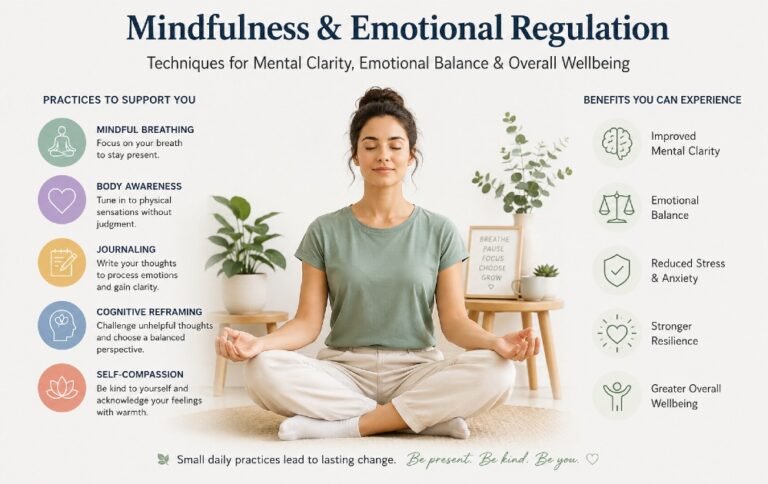
Natural Ways to Calm the Mind
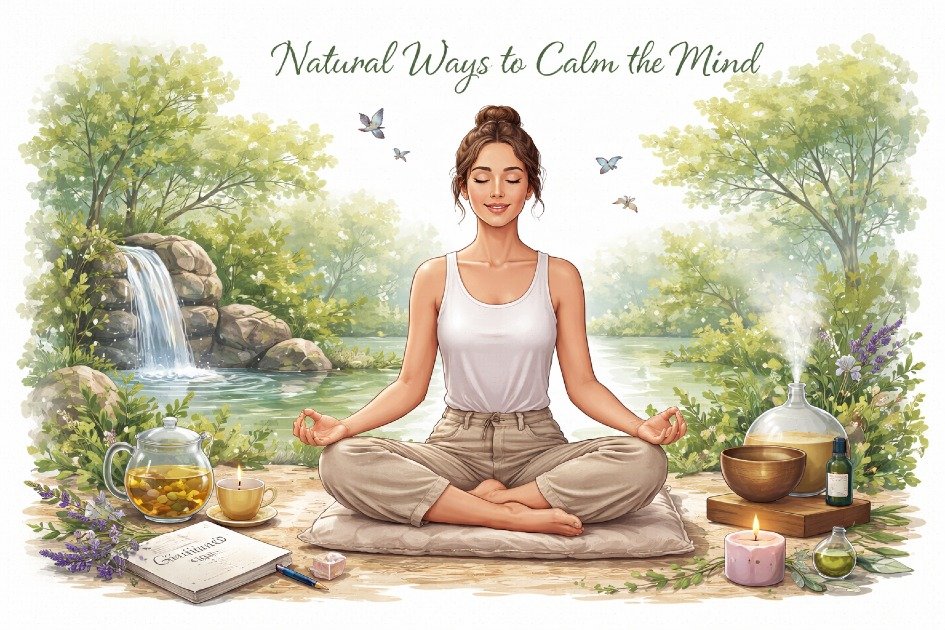
A racing mind makes it hard to focus, relax, or sleep. Stressful thoughts can spiral, keeping anxiety alive even in “safe” environments.
Adopt simple, daily practices to quiet mental chatter and restore balance.
Core advantages:
- Meditation or guided imagery helps rewire the brain for calm.
- Journaling your thoughts reduces mental clutter and clarifies emotions.
- Mindful breaks during the day prevent stress buildup and improve focus.
Tip:
Spend 5–10 minutes at your desk practicing box breathing (inhale 4 counts, hold 4, exhale 4, hold 4) to instantly calm the mind.
Essential Oils for Stress Relief
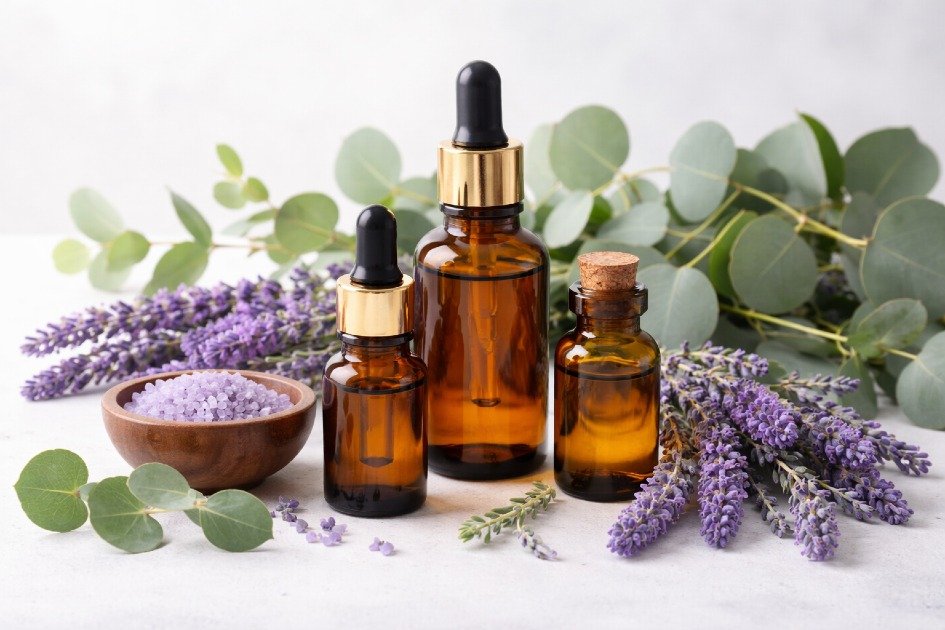
Chronic stress can trigger anxiety, tension headaches, poor sleep, and irritability. Many conventional remedies are temporary or have side effects.
Essential oils offer a natural, sensory approach to stress management.
Core advantages:
- Lavender oil promotes relaxation and improves sleep quality.
- Peppermint oil refreshes and boosts mental clarity.
- Eucalyptus oil opens airways and helps clear mental fog.
- Ylang-Ylang oil uplifts mood and reduces emotional tension.
How to use:
- Diffuser: Add 3–5 drops to create a calming environment.
- Topical application: Dilute with a carrier oil and apply to wrists temples or neck
- Baths: Combine a few drops with warm water for a relaxing soak.
Tip:
Consistency matters. Using essential oils daily as part of your routine amplifies benefits over time.
Frequently Asked Questions
Are essential oils safe for daily use?
Yes, when diluted and used properly. Avoid overuse and follow guidelines.
How long until I notice results?
Some benefits are immediate, like relaxation. Others, like better sleep, show up with consistent use.
Can oils replace medication?
No. Essential oils support wellness, but don’t replace professional treatment.
What’s the best way to use them?
Diffusing is easiest; topical application (diluted) is also effective.
Do essential oils really work?
Yes—especially for stress relief, mood support, and sleep when used consistently.
Recap: Better Energy, Clearer Thinking, and a Calmer Mindset.
Essential oils become reliable tools for improving mood, focus, and overall well-being when used consistently.
If stress, low energy, or poor sleep affect your day, you don’t need a complicated solution.
Focus on:
- Lavender or chamomile in the evening to support better sleep
- Peppermint or rosemary during the day to improve focus
Run a diffuser to create a calm, steady environment.
A few simple habits can create steady, noticeable improvements.
Ready to Transform Your Life, One Drop at a Time
Still struggling to feel your best every day—reduce stress, improve sleep, and support emotional balance
Discover how the right essential oils can help you feel calmer, sleep deeper, boost your energy, and create healthier daily habits starting today.