
You’re tired. You’ve wrestled with rules, fears, and thoughts about food that feel impossible to escape. Maybe you’ve tried to “just eat normally,” only to feel stuck, frustrated, or ashamed.
Eating disorders are serious mental health issues shaped by both emotional struggles and physical factors. But there is a path forward — one that leads to healing, freedom, and a healthier relationship with food.
This guide explains what eating disorders are, why they develop, and the clear steps you can take to regain control of your life.
What Is an Eating Disorder?
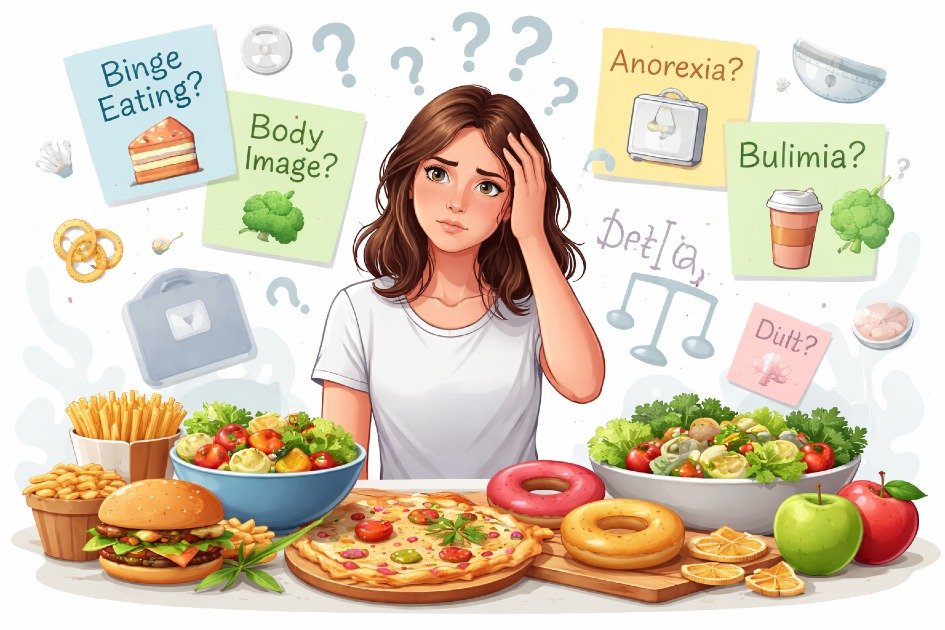
Eating disorders are mental health conditions that are not short-term phases but reflect deliberate decisions and consistent ways of living.
Misunderstanding these conditions creates shame and isolation, delaying care.
Common Types of Eating Disorders:
- Anorexia Nervosa – extreme food restriction and an intense fear of gaining weight.
- Bulimia Nervosa – cycles of bingeing and purging
- Binge Eating Disorder – frequent uncontrolled overeating
- Other Specified Feeding or Eating Disorders (OSFED)
According to the NIMH, they’re serious health conditions.
Understanding that eating disorders are medical conditions helps reduce stigma and encourages seeking the right support.
6 Proven Strategies for Lasting Eating Disorder Recovery

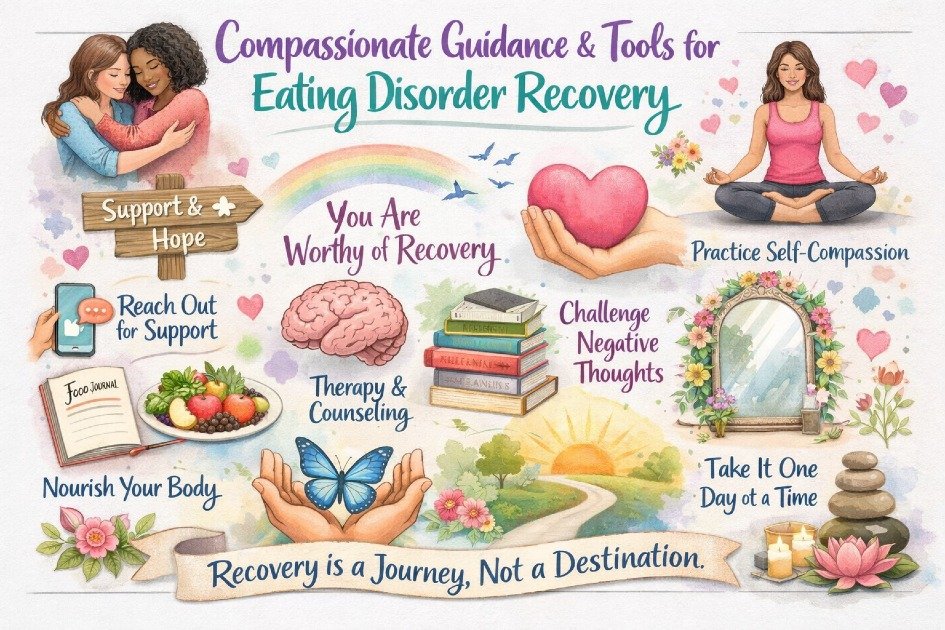
Recovery from an eating disorder isn’t about willpower. It’s a structured process built on proven psychological, behavioral, and nutritional principles that address both the mind and body.
A common mistake is trying to “eat normally” without guidance or structure. This often leads to cycles of restriction, anxiety, and relapse.
Discover six practical strategies that can ease food anxiety, rebuild body trust, and support lasting recovery.
1. Early realization of an eating disorder
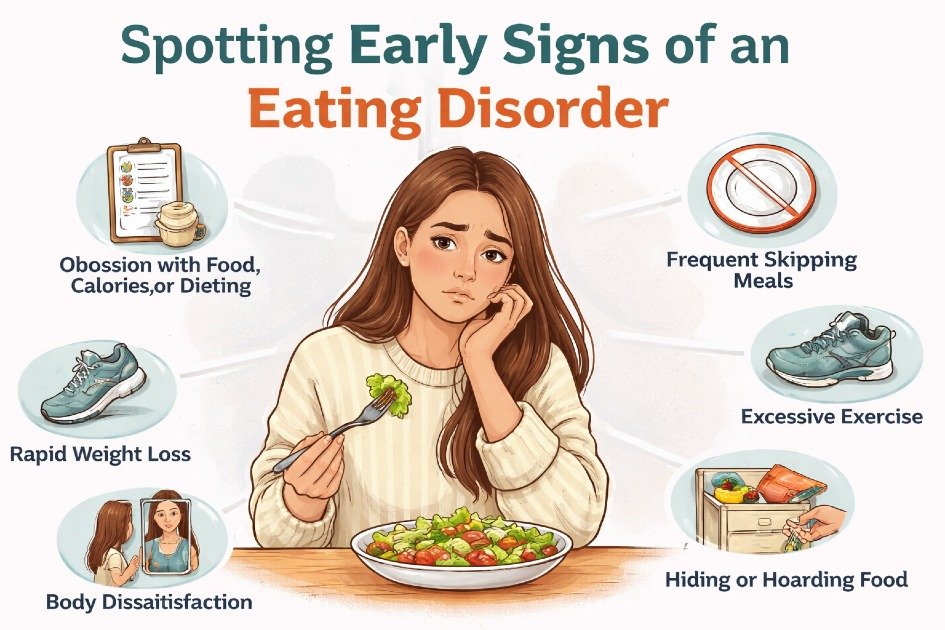
Identifying it early can speed up recovery and improve treatment outcomes.
Emotional & Behavioral Signs:
- Persistent worry about food, calories, or body shape
- Skipping meals or eating alone
- Feeling guilt or shame after eating
Physical Signs:
- Noticeable weight fluctuations
- Chronic fatigue
- Digestive issues
Thought Patterns:
- “I don’t deserve to eat.”
- “If I slip up, I’ve failed.”
Action steps:
- Avoid self-diagnosis; seek professional assessment
- Track behaviors and triggers
- Reach out to someone you trust
Early awareness significantly improves recovery outcomes.
2. Understanding the Root Causes
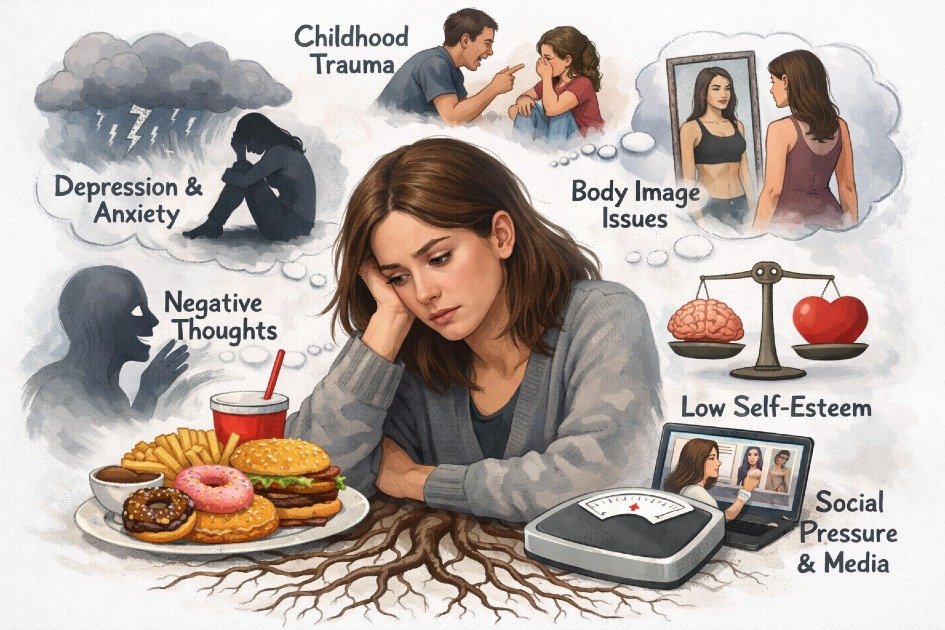
Eating disorders are rarely just about food. They usually arise from emotional, psychological, or environmental triggers.
Common contributors:
- Emotional trauma or stress
- Perfectionism and control tendencies
- Self-worth tied to appearance
- Social pressure or comparison
How they manifest:
- Food becomes a way to cope or control
- Rules around eating create safety in uncertainty
- Thoughts and habits tighten, making change feel impossible
Focus on emotional regulation before forcing behavioral changes.
- Journal your feelings
- Identify triggers
- Practice self-compassion
This lays the foundation for long-term healing.
3. The Stages of Recovery
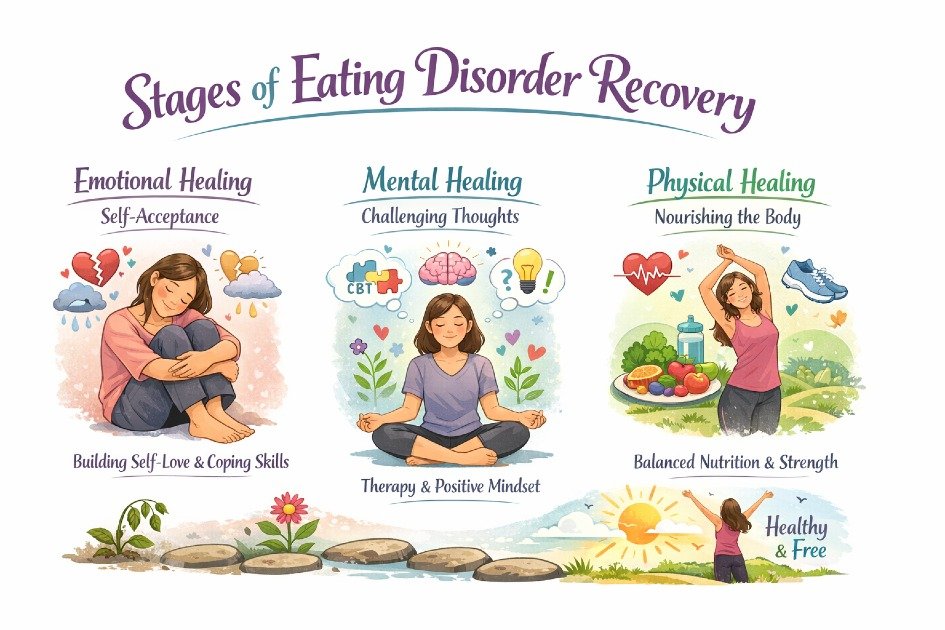
Recovery isn’t linear, but it is achievable.
Stage 1: Stabilization
- Problem: Body and mind overwhelmed
- Solution: Build routine with professional support
- Benefit: Reduces chaos and prepares for therapeutic work
Stage 2: Understanding & Rebuilding
- Problem: Food thoughts dominate your inner life
- Solution: Therapy (CBT, DBT, ACT)
- Benefit: Replace fear-driven thinking with balanced choices
Stage 3: Integration & Life Beyond the Disorder
- Problem: Old patterns still trigger discomfort
- Solution: Strengthen coping skills and self-awareness
- Benefit: Freedom from rigid food thinking and emotional resilience
Recovery isn’t about perfection; it’s about choice over compulsion.
4. Daily Strategies That Support Recovery
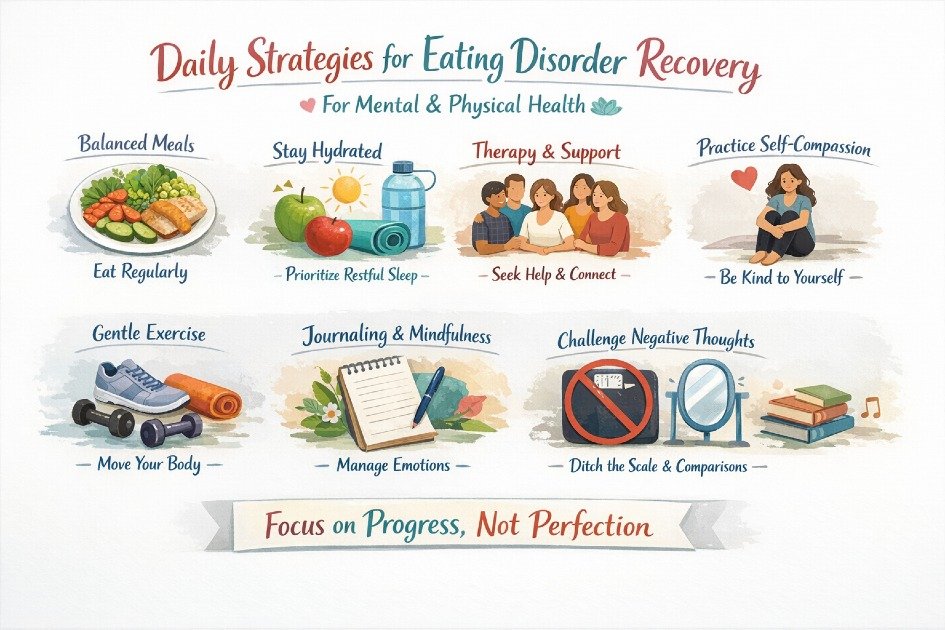
1. Structured Eating:
- Eat regular meals and snacks
- Avoid skipping or extreme restriction
- Focus on balance, not dieting
Tools like The Eating Disorder Recovery Journal help you create a structured routine without rigid dieting pressure.
2. Emotional Check-Ins:
- Ask: “What am I feeling?” and “What triggered this?”
- Respond with curiosity, not judgment
- Builds self-compassion and reduces reactive behaviors
3. Enjoyable Movement:
- Move for pleasure, not punishment
- Gentle exercises build body trust and confidence
- Example: Walking, stretching, yoga, or dance
4. Support Networks
- Therapy and peer support groups
- Shared recovery experiences reduce shame
- Consistent accountability encourages progress
5. Positive Self-Talk
- Replace “I failed” with “I’m learning and making progress”
- Reframes your mindset, reinforcing growth and self-compassion
5. Healing Relationships While Recovering

Eating disorders affect others too, but recovery can strengthen bonds.
Challenges:
- Loved ones feel helpless
- Tension around food
- Miscommunication about progress
Solutions:
- Open, compassionate conversations
- Meal support with loved ones
- Education about eating disorders for family and friends
Healthy communication reduces conflict and builds connection.
6. When to Seek Immediate Help
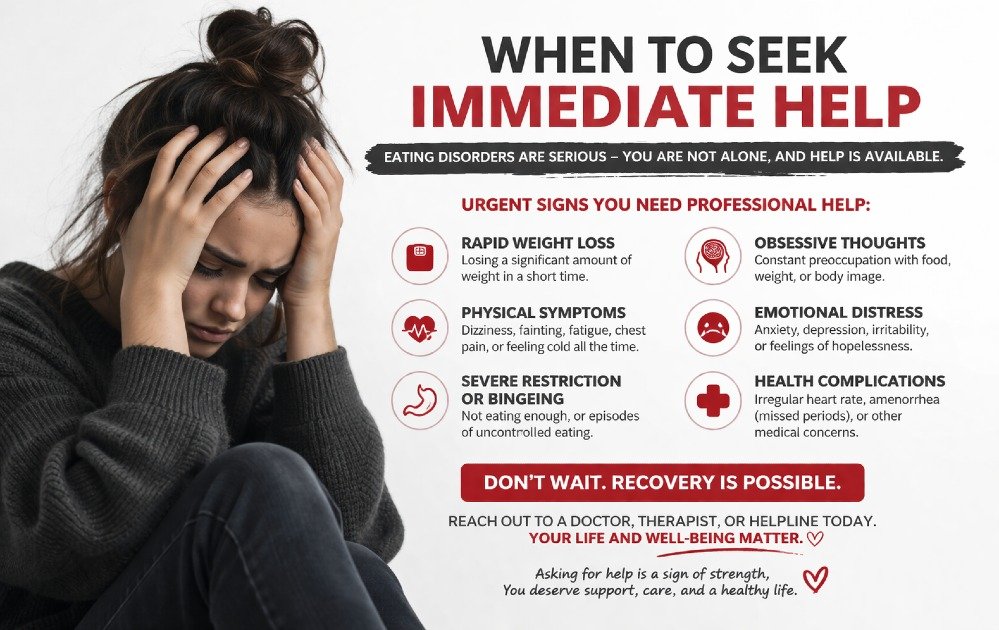
Seek urgent care if you notice:
- Fainting, dizziness, or heart irregularities
- Rapid or extreme weight loss
- Thoughts of self-harm
Safety is the first step toward recovery. Call emergency services or a crisis line if needed.
Emotional Eating Solutions
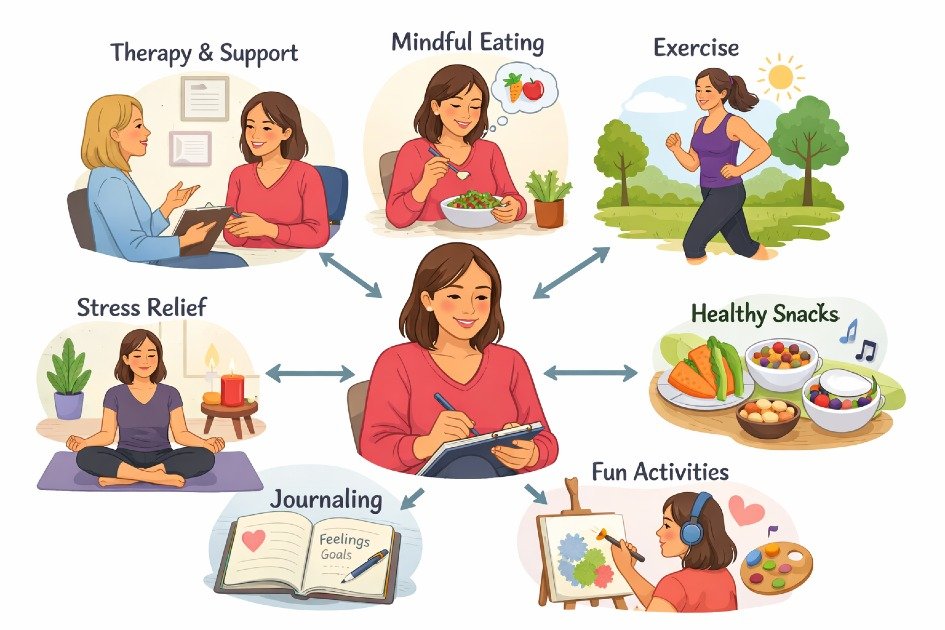
Emotional eating happens when stress, boredom, sadness, or even celebration triggers eating, often outside of physical hunger.
To overcome emotional eating:
- Track triggers: Journal the emotions that spark the urge to eat.
- Mindful eating: Pause before reaching for food, breathe, and ask, “Am I physically hungry?”
- Healthy alternatives: Replace eating with activities that soothe, like a walk, journaling, or a warm bath.
- Balanced meals: Regular, nourishing meals stabilize blood sugar and reduce impulsive eating.
Core advantages:
- Reduces guilt and shame associated with eating.
- Builds awareness of emotional patterns
- Creates healthier coping mechanisms that last beyond recovery
Coping Strategies for Food Anxiety

Food anxiety can make eating stressful, trigger restrictive habits, or cause panic around certain foods. It often leads to avoidance or obsessive thoughts about food, disrupting daily life.
To gain coping strategies:
- Gradual exposure: Start by incorporating feared foods in small, controlled ways.
- Relaxation techniques: Deep breathing, meditation, or guided imagery before meals calms nerves.
- Positive self-talk: Swap limiting thoughts such as “I can’t eat this” with a more supportive mindset like “This food supports my health and well-being.”
- Support networks: Eat with trusted friends or recovery groups to ease anxiety about food and make meals feel safer and more comfortable.
Core advantages:
- Helps restore a natural, relaxed relationship with food
- Reduces stress and panic associated with meals
- Builds confidence and self-trust over time
Therapy for Eating Disorders

Eating disorders are complex mental health conditions. Attempting to manage them alone often results in relapse, feelings of shame, or an unfinished recovery process.
Optimize your care with:
- Cognitive Behavioral Therapy (CBT): Focuses on challenging distorted thoughts about food, weight, and self-image.
- Dialectical Behavior Therapy (DBT): Teaches emotional regulation and mindfulness to manage triggers.
- Family-Based Therapy (FBT): Involves loved ones to support meals and recovery at home.
- Individual counseling: Personalized guidance to address underlying trauma, anxiety, or perfectionism.
Core advantages:
- Provides structured support and accountability
- Teaches lifelong skills to manage stress and cravings
- Encourages sustainable recovery and emotional resilience
Frequently Asked Questions
What qualifies as an eating disorder?
A diagnosable condition where food, weight, and body thoughts cause harmful behaviors that disrupt daily life.
Can full recovery happen?
Yes. Recovery varies per person, but consistent support and treatment make lasting healing possible.
What sets disordered eating apart from an eating disorder?
Disordered eating involves irregular behaviors that may not meet clinical criteria, while eating disorders are persistent, diagnosable, and psychologically distressing.
Are eating disorders only about appearance?
No. They often stem from emotional coping, trauma, or anxiety, not just how someone looks.
How can I support someone without enabling harmful behaviors?
Be compassionate, encourage professional help, and focus on care rather than commenting on weight or food choices.
Recap: Take the First Step Toward Healing
Struggling with an eating disorder is not a sign of failure but an indication that support and guidance are needed.
By:
- Understanding triggers
- Building structured eating habits
- Strengthening emotional awareness
- Practicing self-compassion
- Connecting with supportive networks
…you can rebuild how you relate to food and yourself.
Recovery begins the moment you choose to take a courageous step forward today.
Ready to Improve Your Relationship with Food
You don’t need to overhaul everything at once. Start small, stay consistent, and build from there.
Start rebuilding trust with yourself today through this Eating Disorder Recovery Journal. Take small, meaningful steps toward a calmer mind, healthier habits, and lasting emotional healing.