
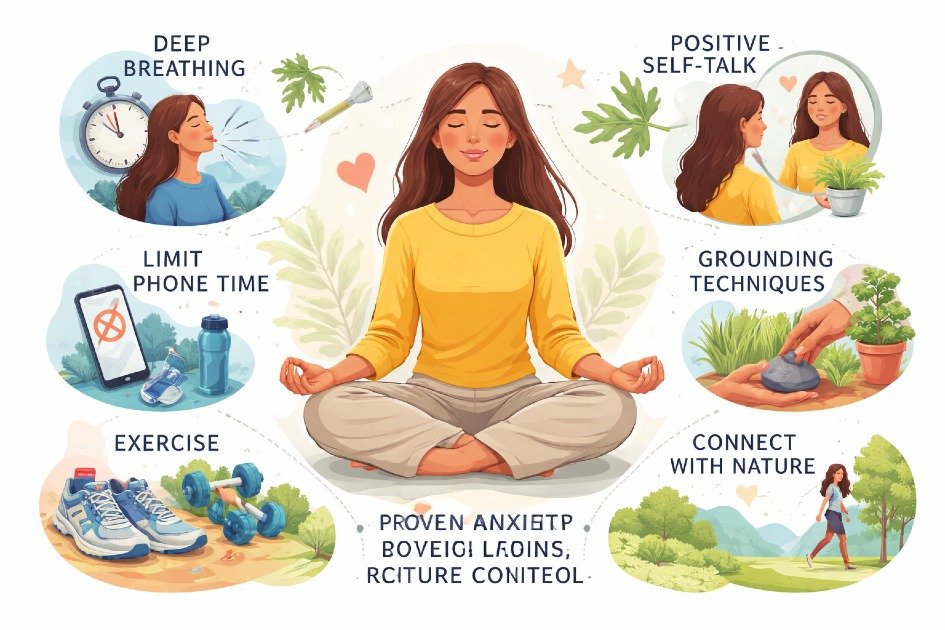
Your mind races. Your chest tightens. You replay conversations and imagine worst-case scenarios—sometimes even when nothing seems “wrong.”
Living with anxiety can feel like a mental trap, but you are not stuck in your own mind
This guide explains proven strategies to calm your thoughts, regain control, and feel like yourself again.
Why Anxiety Feels Overwhelming
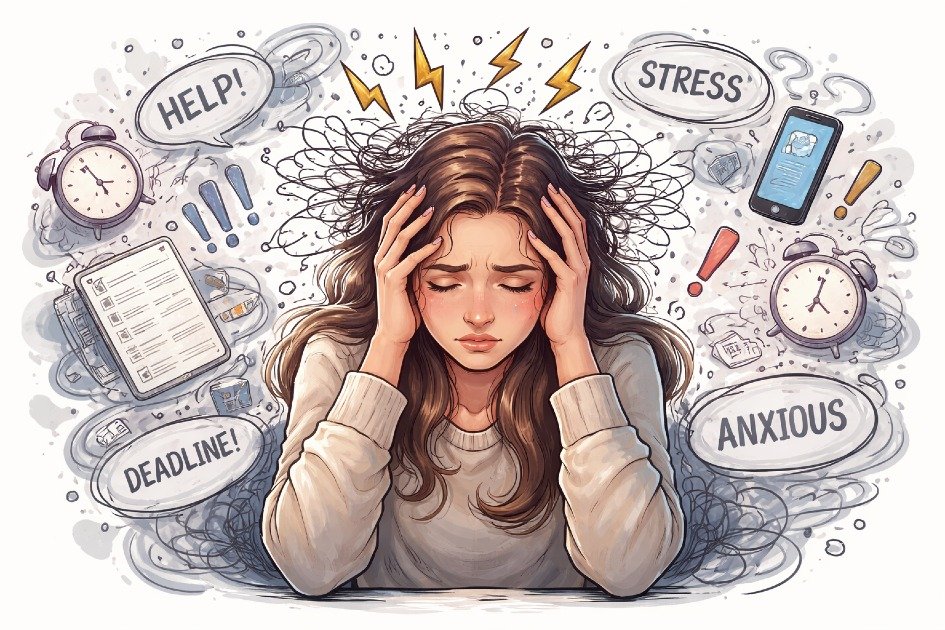
It isn’t a sign of weakness. It’s your brain on high alert, trying to protect you.
When that system stays “on,” it produces:
- Persistent worry
- Physical tension or restlessness
- Trouble concentrating
- Headaches, fatigue, or digestive issues
Understanding that your brain reacts to perceived threats, not actual danger, is key.
Tip: Spot the pattern and weakens, making it easier to control.
What Are Anxiety Strategies?
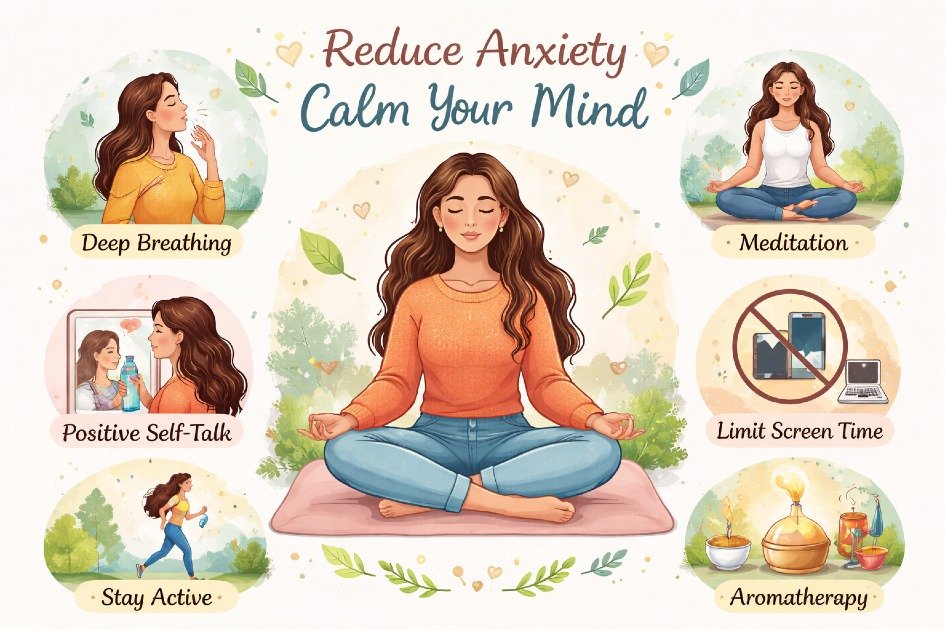
They are proven tools that help you control stress and racing thoughts by improving how your mind and body respond, not just hiding symptoms
Common strategies include:
- Breathing techniques that regulate your nervous system
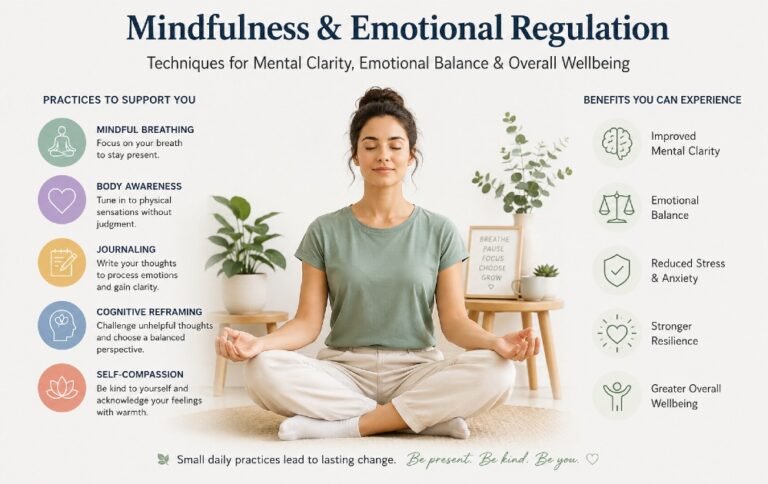
- Mindfulness and meditation to increase awareness and control of thoughts
- Structured routines that reduce uncertainty
- Cognitive techniques that challenge negative thinking
PMC highlights that consistent use of these methods can rewire your stress response, making you less reactive over time.
How Anxiety Strategies Calm Your Mind and Restore Control
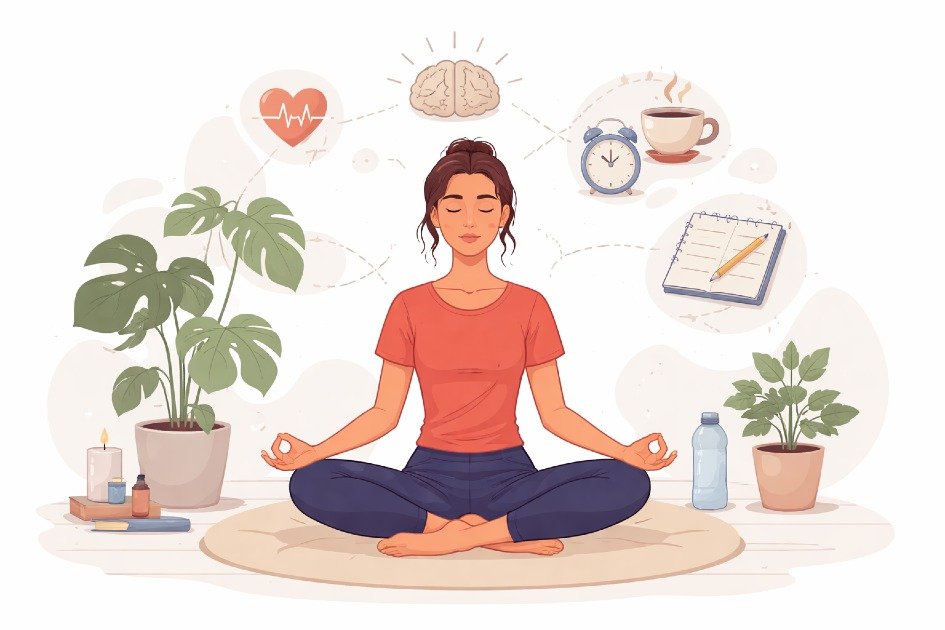
It can feel overwhelming and unpredictable. It disrupts focus, creates physical tension, and fuels constant overthinking.
Strategies help break stress patterns and restore calm state:
- Breathing exercises slow your heart rate and signal safety to your body
- Mindfulness helps you observe thoughts without getting pulled into them
- Daily structure reduces decision fatigue and mental overload
Tip: With consistent practice, you stay focused, steady, and in control, choosing clear, intentional responses over automatic reactions.
Why Anxiety Strategies Are Essential for Mental Health
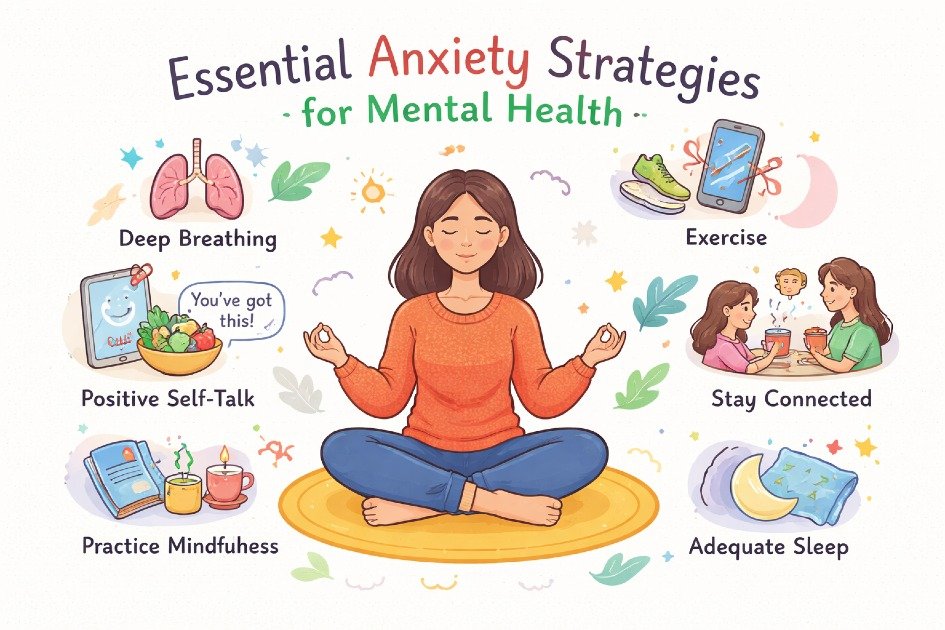
Unchecked anxiety fuels chronic stress, disrupts sleep, and wears down your mind and body, and ignoring it or masking it with quick fixes only deepens the damage.
Make anxiety management part of your routine to manage stress better:
- Prevents escalation into panic or burnout
- Improves resilience in challenging situations
- Supports mental clarity and emotional balance
Core advantage:
These strategies create a dependable way to manage stress, protect your mental health, and keep you calm, focused, and in control under pressure.
7 Proven Strategies to Reduce Anxiety and Regain Mental Clarity
Anxiety is more than brief worry—it’s a constant strain that affects focus, sleep, and everyday life.
Discover seven proven strategies to calm your mind, reduce stress, and regain clear control when practiced consistently
1. Control Your Breathing
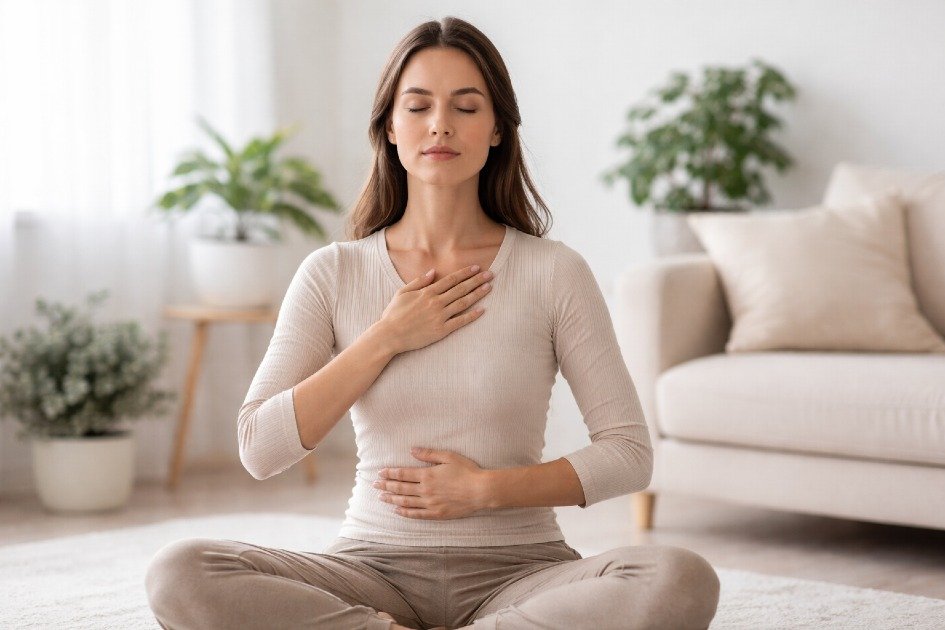
Shallow, rapid breathing keeps your body in panic mode.
Take slow, deep breaths:
- Inhale for 4 seconds
- Hold for 4 seconds
- Exhale for 6 seconds
Repeat for 2–5 minutes.
Core advantage: Signals your nervous system that you’re safe, reducing anxiety instantly.
2. Name Your Anxiety
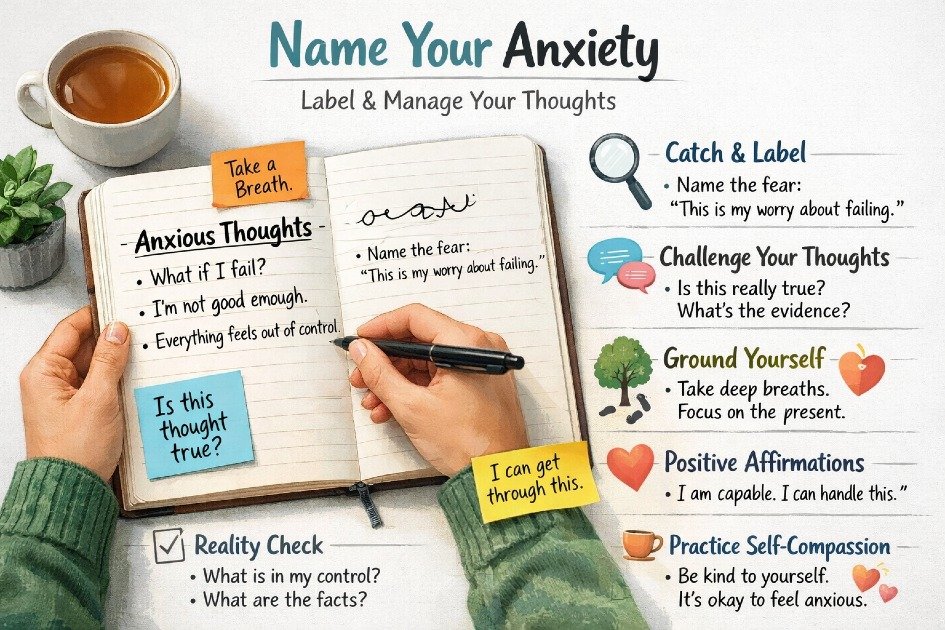
Your thoughts spiral without control.
Label your emotions:
- “This is anxiety.”
- “This is fear, not reality.”
Core advantage: Creates mental distance and prevents you from being trapped in a cycle of worry.
3. Move Your Body
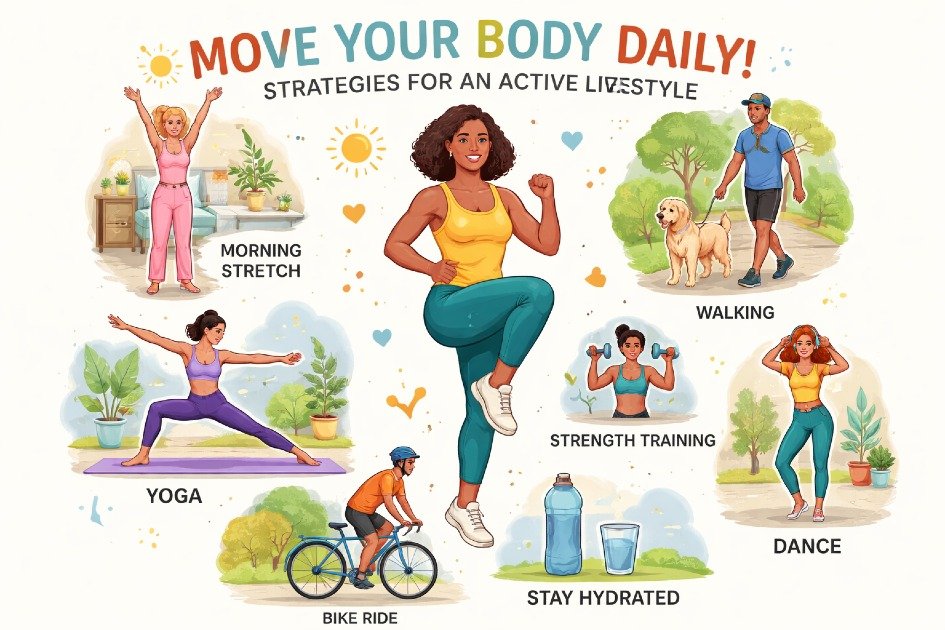
Anxiety creates physical tension.
Simple movement relieves it:
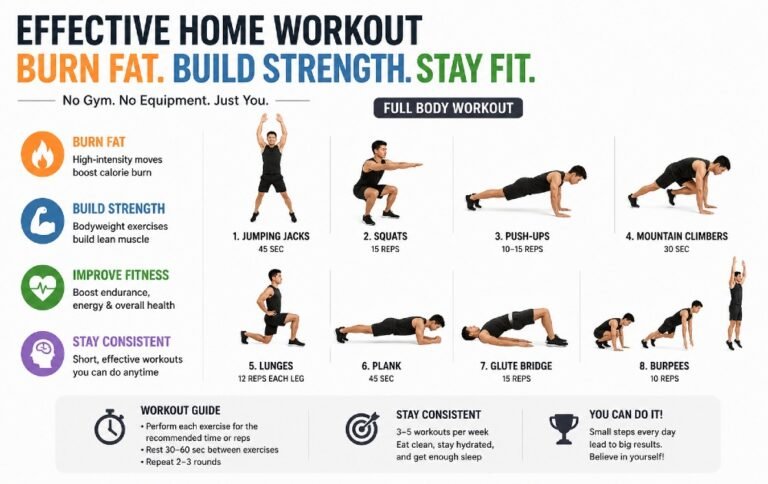
- Walking or stretching
- Strength training
- Yoga
Even 10 minutes can make a difference.
Core advantage: Burns stress hormones and naturally calms your mind.
4. Reduce Stimulants

Caffeine and sugar amplify anxiety.
Limit or replace:
- Coffee, especially after noon
- Energy drinks
- Sugary snacks
Instead, enjoy:
- Herbal teas
- Water
- Whole foods
Core advantage: Stabilizes your nervous system, lowering anxiety spikes.
5. Create a Simple Routine
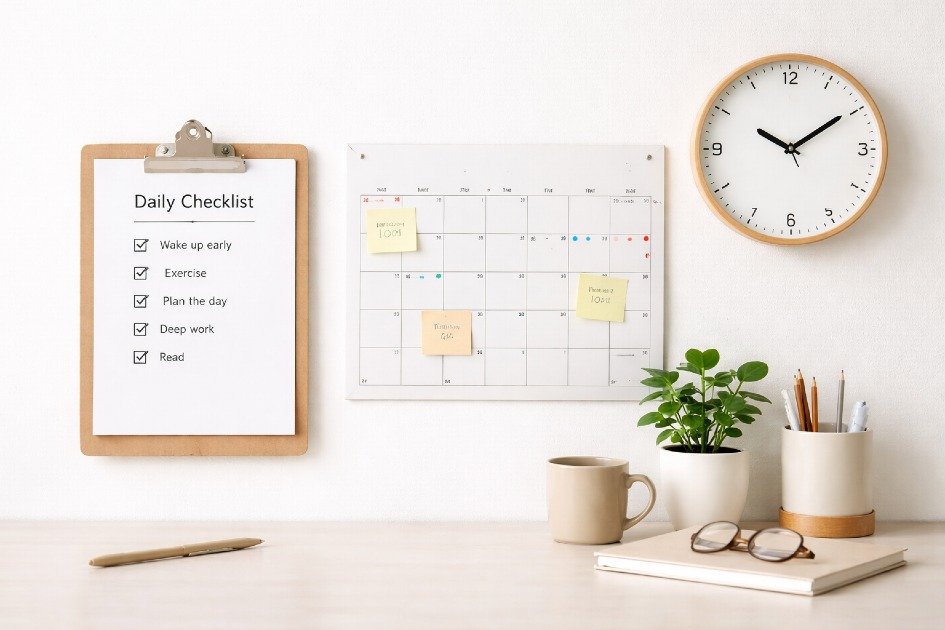
Uncertainty fuels anxiety.
Add structure to your day:
- Fixed wake-up and bedtimes
- Scheduled meals and breaks
- Small daily rituals
Core advantage: Predictability reduces mental stress and improves focus.
6. Challenge Negative Thoughts
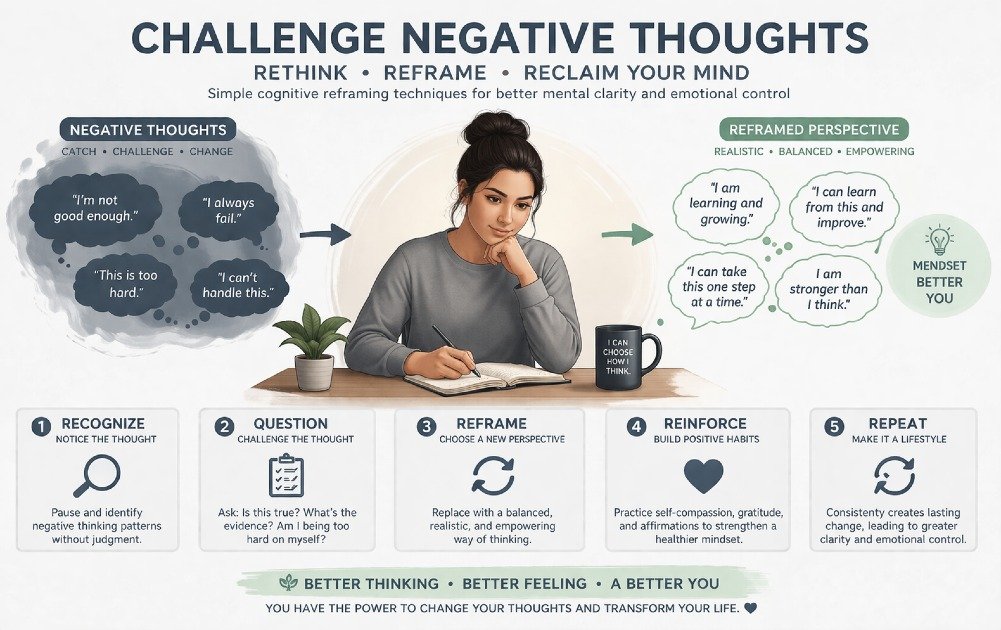
Anxiety magnifies worst-case scenarios.
Question your thoughts:
- “Is this really true?”
- “What’s the evidence?”
- “What’s a more realistic outcome?”
Core advantage: Replaces fear with logic, giving you mental clarity.
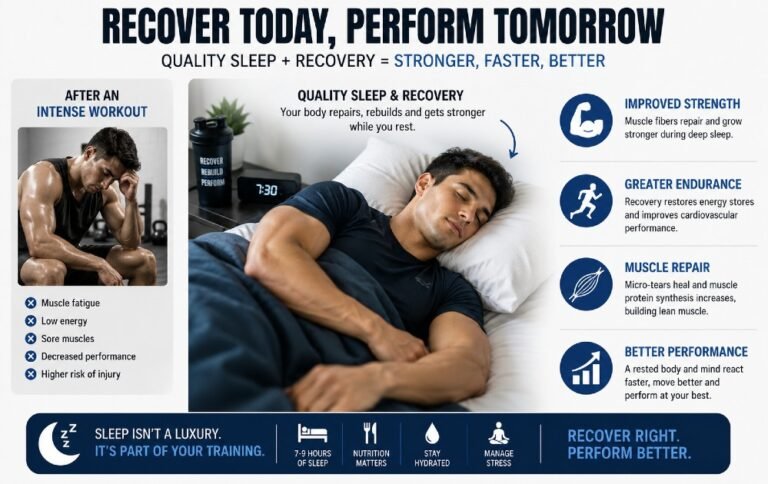
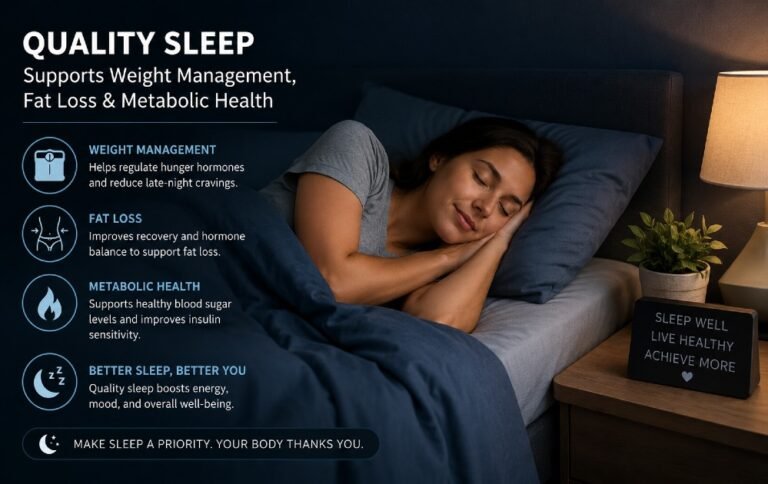
7. Prioritize Sleep
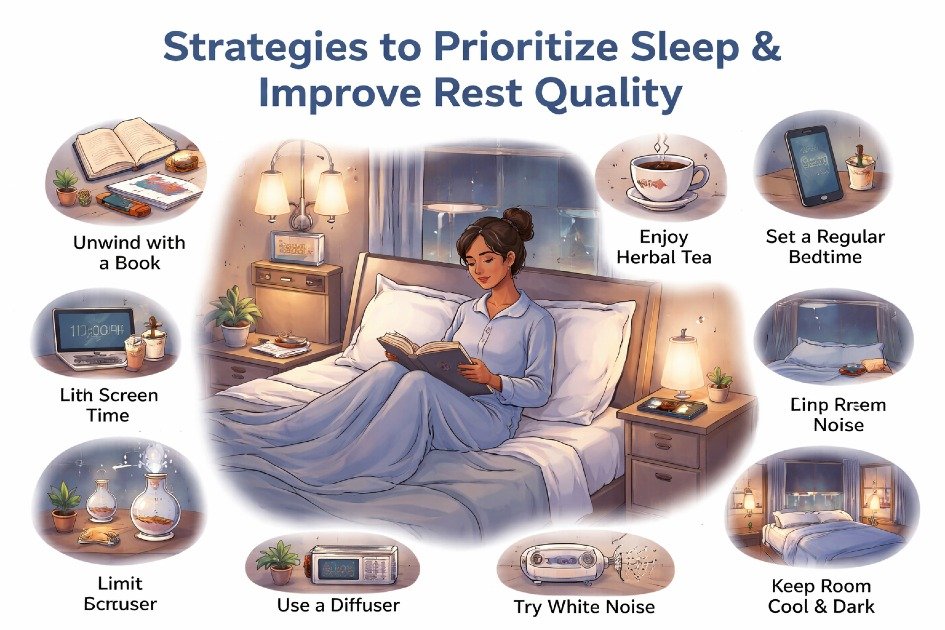
Poor sleep intensifies anxiety.
Build a calming bedtime routine:
- Go to bed at the same time
- Avoid screens before bed
- Keep your room dark and cool
Core advantage: Better sleep equals better emotional control.
Daily Habits That Prevent Anxiety Spikes

Small, consistent habits are more effective than occasional bursts of effort.
Try this daily structure:
- Morning: Deep breathing or journaling
- Midday: Short walk or stretch
- Evening: Limit screen time and reflect on wins, not worries
Why it works: These routines train your brain to stay calm instead of reactive.
When to Seek Professional Help
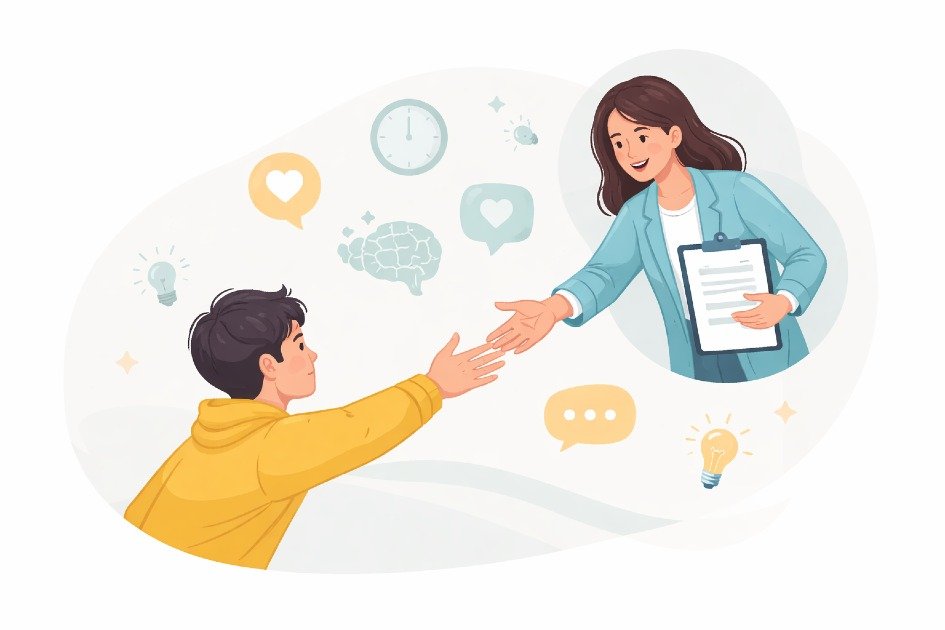
Some anxiety requires more than self-help strategies.
Signs you need support:
- Anxiety interferes with daily life
- Frequent panic attacks
- Constant overwhelm
Where to start: Trusted sources like the National Institute of Mental Health provide guidance and treatment options.
NIMH highlights anxiety disorders as fear or worry that get worse over time.
Core advantage: Professional help provides clarity, tools, and faster progress.
Tools That Support Anxiety Management
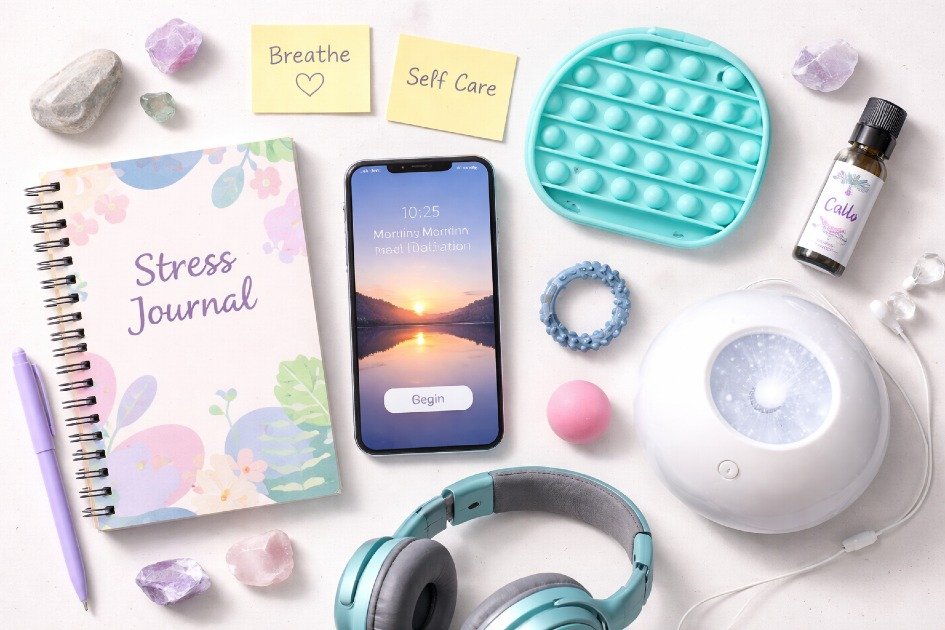
In addition to habits, certain tools can make consistency easier:
- Guided journals for tracking anxiety
- Meditation apps or devices
- Blue-light blocking glasses to improve sleep
Why it helps: Tracks triggers, organizes thoughts, and reinforces positive habits—making anxiety management simpler and more effective.
Daily Habits for Mental Calm
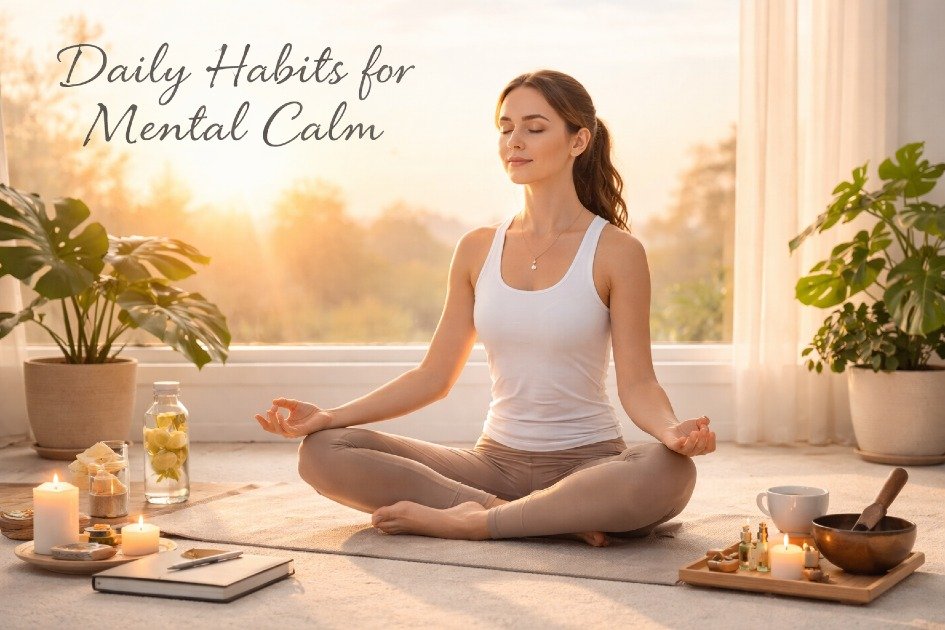
A chaotic schedule and constant mental chatter keep your mind on high alert. Even small tasks can feel overwhelming, leaving you tense, irritable, or exhausted.
Simple daily habits that steady your routine:
- Morning grounding: Start your day with 5 minutes of deep breathing, gentle stretching, or mindful journaling.
- Movement breaks: Take short walks, stretch, or practice yoga mid-day to release tension.
- Evening wind-down: Disconnect from screens an hour before bed, reflect on your wins, and practice gratitude.
- Hydration & nutrition: Eat balanced meals and drink water regularly to support stable energy and mood.
Core advantage:
These habits train your brain to stay calm, focused, and resilient even in stressful moments. Over time, they reduce triggers and improve emotional balance.
How to Manage Anxiety Naturally

Prescription solutions and quick fixes may not address the root cause of anxiety. Relying on them alone can leave you feeling dependent and frustrated.
Natural strategies that strengthen:
- Breathing exercises: Slow, deep breaths signal safety to your nervous system and lower stress hormones.
- Mindfulness meditation: Even 10 minutes a day can reduce racing thoughts and bring clarity.
- Physical activity: Daily exercise, from walking to yoga, helps regulate stress hormones.
- Limit stimulants: Reduce caffeine and sugar intake, which can amplify anxiety symptoms.
- Connect socially: Talk with trusted friends or family—human connection naturally lowers stress levels.
Core advantage:
Managing anxiety naturally allows you to feel grounded, in control, and resilient—without relying solely on medications or external fixes.
Tips to Reduce Stress and Worry
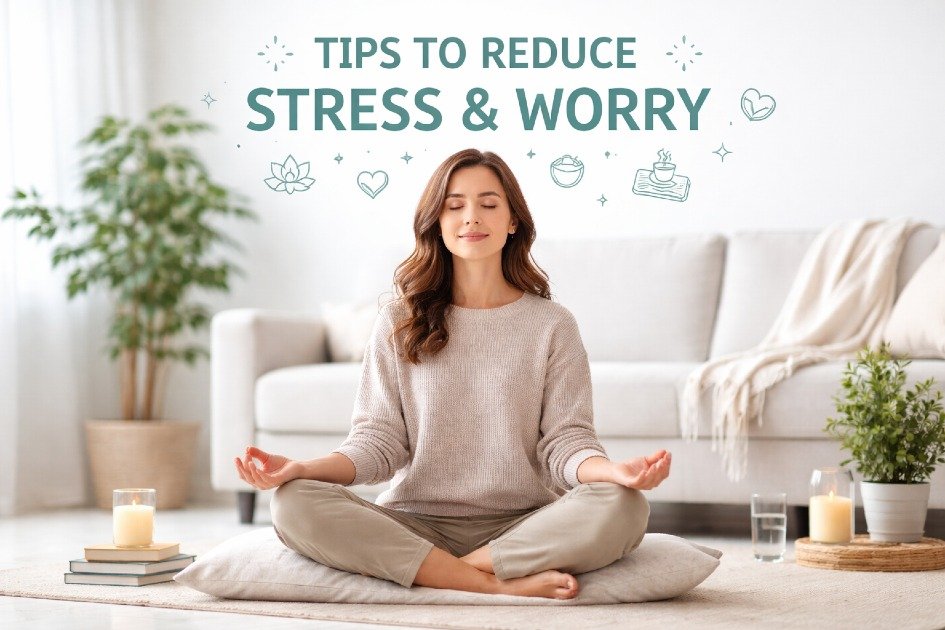
Stress accumulates from work, responsibilities, and daily life pressures. Worrying intensifies it, creating a cycle that feels impossible to break.
Implement actionable strategies:
- Prioritize tasks: Focus on one thing at a time rather than juggling multiple responsibilities.
- Question your negative thoughts: “Check if they are true” and “What’s a realistic outcome?”
- Schedule “worry time”: Set aside 10–15 minutes to process concerns, then shift focus to productive activity.
- Practice gratitude: Journaling 3 things you’re grateful for reduces mental clutter and stress.
- Nature exposure: Spend time outside—fresh air and greenery help regulate mood and reduce tension.
Core advantage:
Using these tips consistently lowers cortisol levels, reduces racing thoughts, and creates space for clarity, focus, and emotional calm.
Frequently Asked Questions
What triggers anxiety?
Stress, lack of sleep, caffeine, and overthinking are common triggers. Awareness is key.
Can anxiety go away naturally?
Yes. Exercise, sleep improvement, and thought management can significantly reduce symptoms over time.
How long does it take to calm anxiety?
- Breathing: minutes
- Exercise: same day relief
- Habit change: weeks of consistency
Is anxiety a mental illness or just stress?
Anxiety exists on a spectrum. Occasionally it is normal. Chronic, intense anxiety may require professional support.
What’s the fastest way to reduce anxiety?
Deep breathing, grounding your senses, and movement provide immediate relief.
Recap: Calm Your Mind Fast and Restore Control
Anxiety can feel overwhelming, but it doesn’t have to control your life. You don’t need to eliminate stress—you need to manage how you respond to it.
Focus on simple, consistent action:
- Start with one strategy, such as deep breathing or a short walk
- Practice it daily at the same time
- Use a journal to track triggers and progress
- Add another method once it becomes routine
Over time, these small actions lead to real change. You think more clearly, stay calmer, and manage stress with more control.
Ready to Live Freely, Confidently, and Fully Again
You don’t need perfect conditions to feel calm. You need reliable habits that support your mind every day.
Take back control of your mind and feel calmer, clearer, and more grounded with this breathwork that helps quiet anxiety before it takes over.
The sooner you act, the sooner you begin to feel calmer, think clearly, and take back control of your life.