
You have enough sleep, yet wake up tired, struggle to focus, and feel emotionally flat.
Burnout doesn’t appear overnight. It develops gradually from constant stress, poor recovery, and ongoing mental strain.
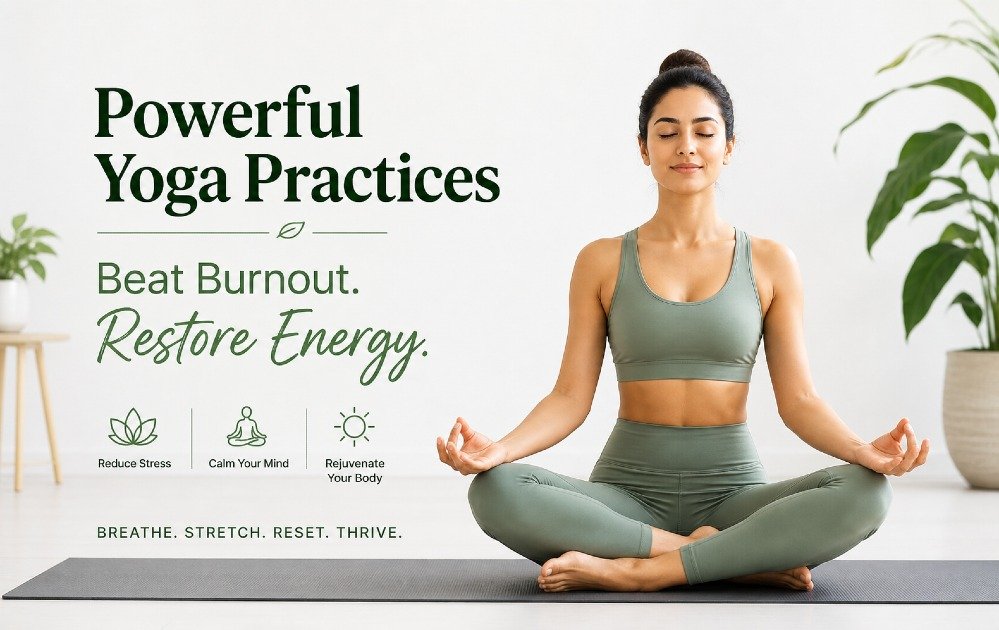
This guide explains how yoga will help you recover through effective practices.
Why Burnout Happens and How Yoga Helps
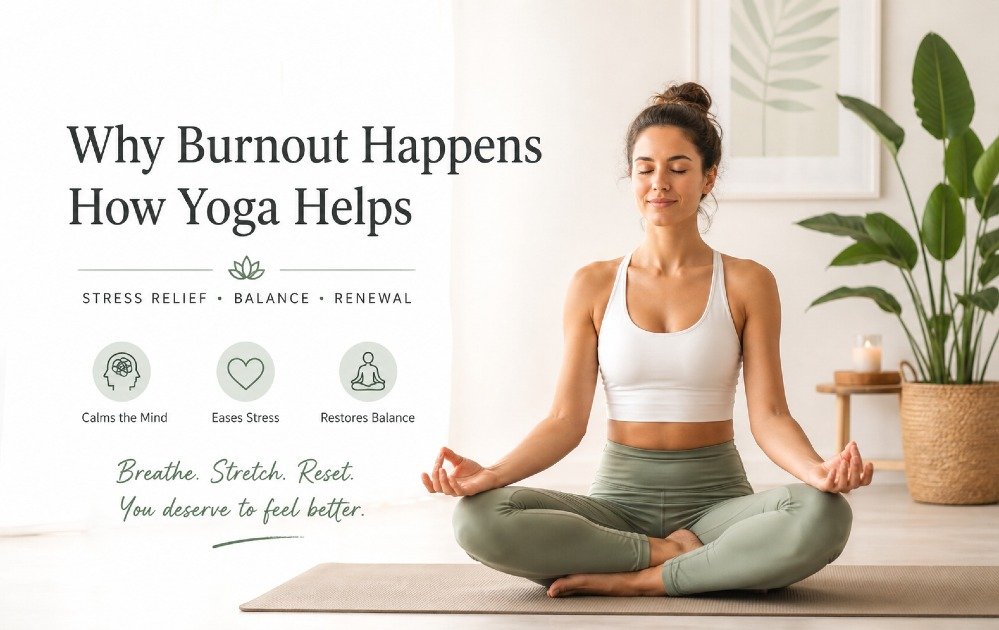
Burnout is not just tiredness, it is long-term stress that keeps the body stuck in survival mode.
Common signs include:
- Ongoing exhaustion, even after sleep
- Mental fog and poor concentration
- Irritability or emotional numbness
- Loss of motivation
Yoga helps shift the body from stress to recovery by:
- Lowering cortisol levels
- Improving breathing and oxygen flow
- Activating the parasympathetic nervous system
- Reconnecting mind and body awareness
Core advantage:
It helps your body respond less intensely to stress and recover faster from it.
7 Proven Yoga Practices for Recovery and Restoration
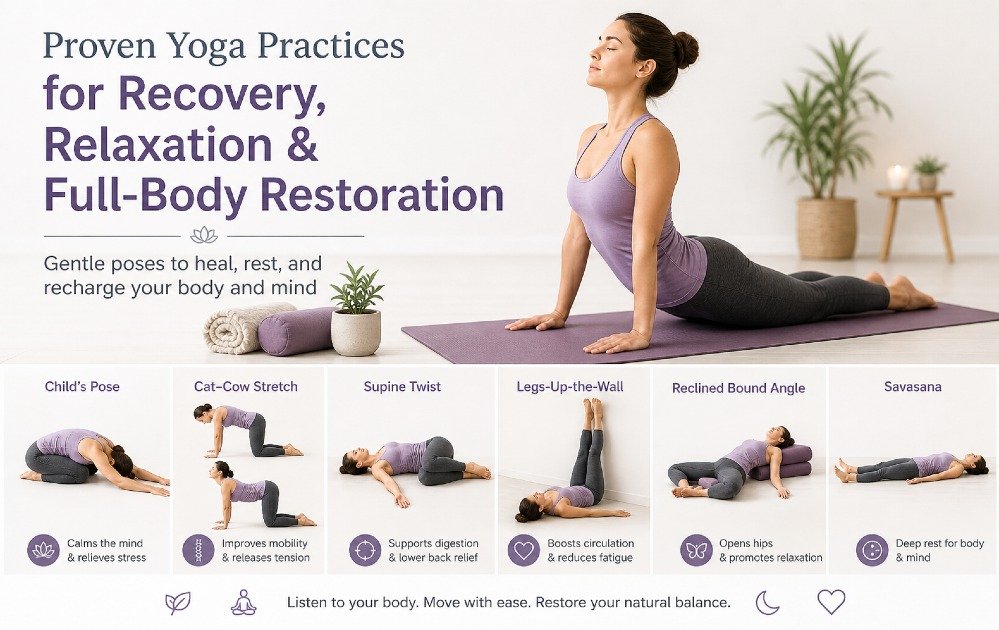
Burnout goes beyond simple fatigue, involving long-term stress. Rest alone won’t resolve it.
Structured yoga uses controlled movement, breathing, and focus to calm the nervous system and support true restoration.
Discover seven targeted practices to reduce burnout, restore energy, and support nervous system balance.
1. Gentle Flow to Calm the Nervous System

Chronic stress keeps your body tense and reactive.
Slow movement helps signal safety to your nervous system.
Try this simple flow:
- Child’s Pose (2–3 minutes)
- Cat-Cow (1–2 minutes)
- Seated Forward Fold (2 minutes)
- Legs-Up-The-Wall (5–10 minutes)
Core advantages:
- Reduces physical and mental tension
- Promotes relaxation quickly
- Helps regulate stress response
Use this routine in the evening to unwind.
2. Breathwork to Quickly Reduce Stress
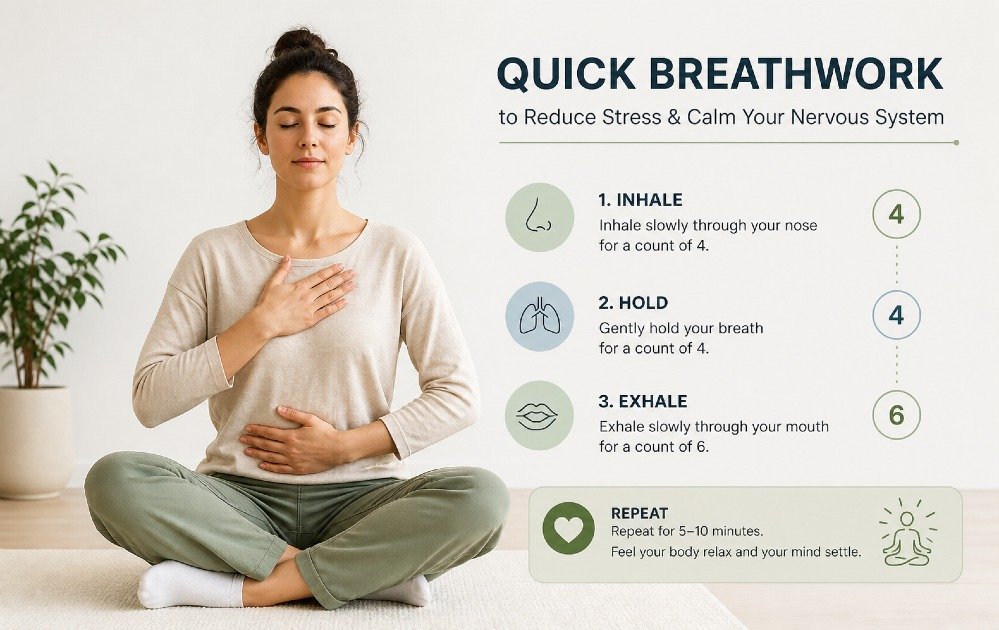
Shallow breathing keeps the body in a stressed state.
Use simple pranayama techniques to reset your breathing pattern:
- Box breathing (4–4–4–4)
- Alternate nostril breathing
- Deep belly breathing
Core advantages:
- Lowers heart rate
- Reduces anxiety
- Improves focus within minutes
Even a few minutes daily is effective.
3. Mindful Yoga for Mental Clarity
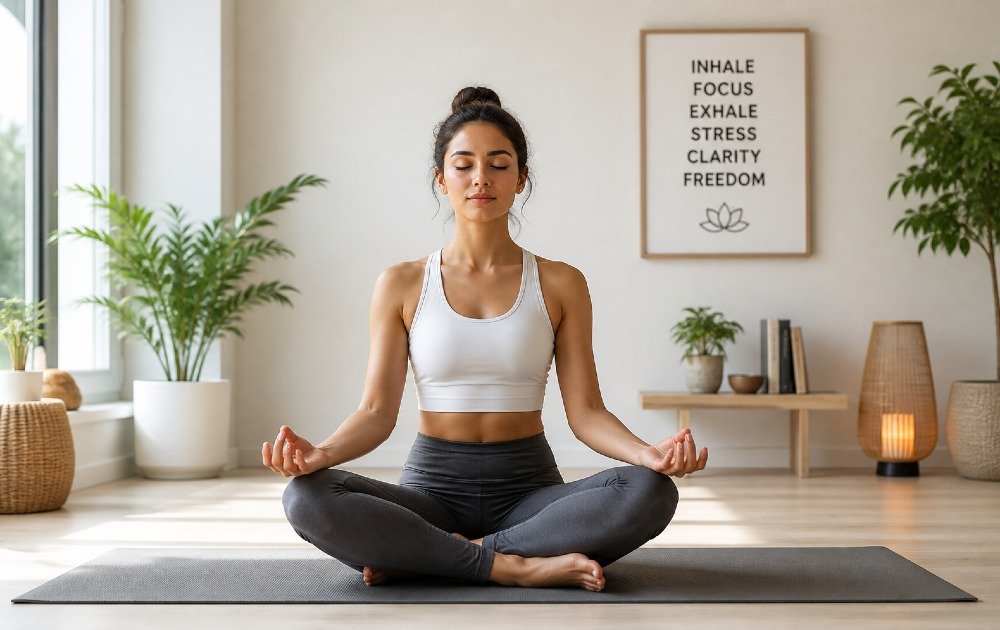
Burnout creates mental overload and scattered thinking.
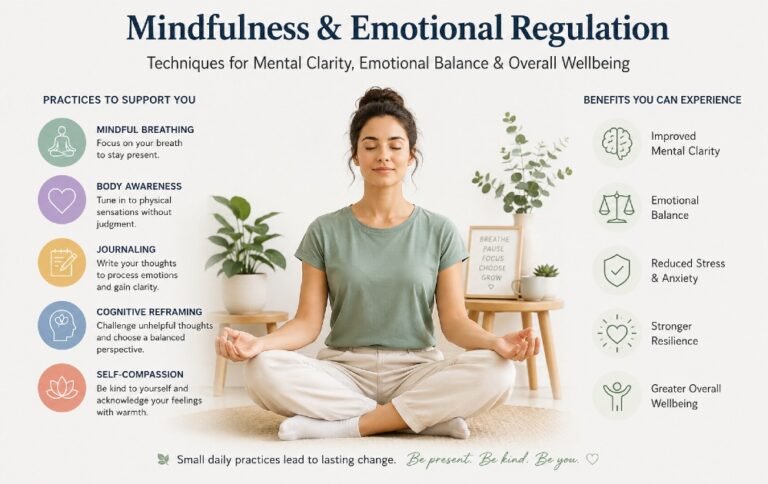
Combine movement with mindfulness.
During practice:
- Focus on your breath
- Notice physical sensations
- Observe thoughts without reacting
Core advantages:
- Improves focus and awareness
- Reduces mental noise
- Builds emotional stability over time
Harvard Health highlights how yoga boosts mental health.
4. Restorative Yoga for Deep Recovery

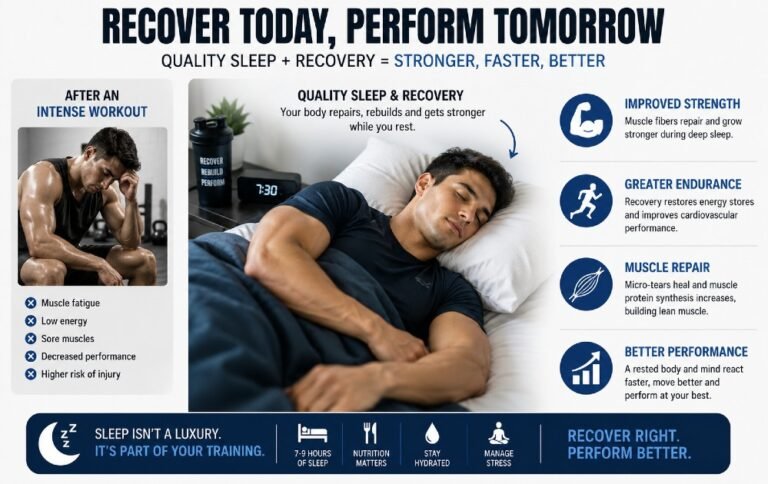
Sleep alone may not fully restore energy.
Restorative Yoga supports deep physical and mental recovery.
Key poses:
- Supported Bridge Pose
- Reclining Bound Angle Pose
- Savasana (Corpse Pose)
Core advantages:
- Deep relaxation
- Nervous system recovery
- Reduced physical fatigue
Use props like pillows or bolsters for comfort.
5. Morning Yoga for Natural Energy

Burnout often makes mornings feel heavy and slow.
A short morning flow helps activate energy naturally:
- Sun Salutations (3 rounds)
- Standing Forward Fold
- Warrior II
- Upward Dog
Core advantages:
- Boosts circulation
- Improves mood
- Enhances daily energy levels
6. Body Scan Meditation to Release Tension
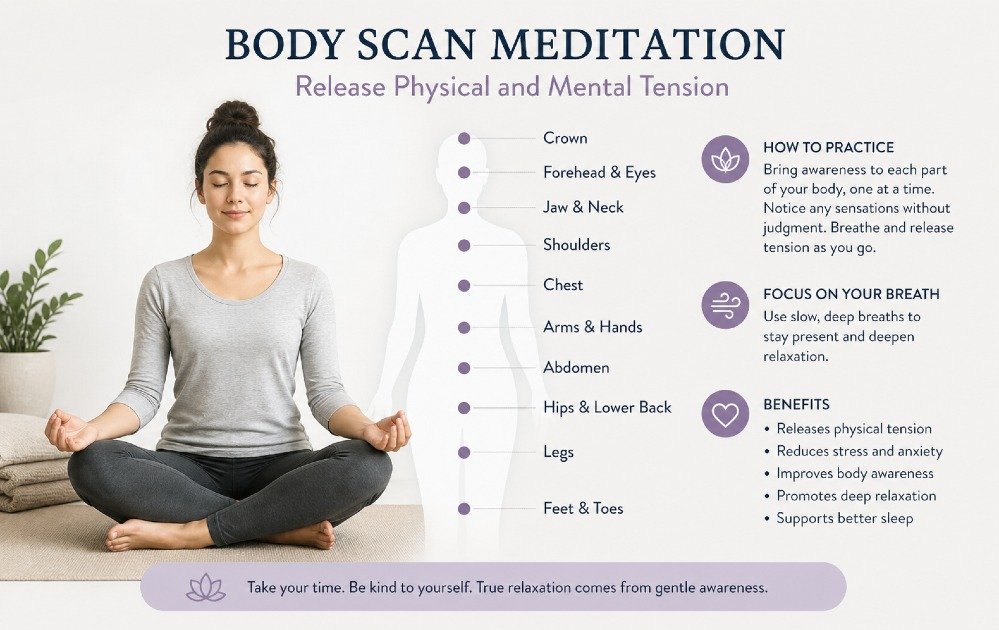
Stress accumulates silently in the body.
A body scan brings awareness and release.
Steps:
- Lie down comfortably
- Move attention through the body
- Relax each area consciously
Core advantages:
- Reduces hidden tension
- Improves relaxation
- Supports better sleep
7. Consistency Over Intensity
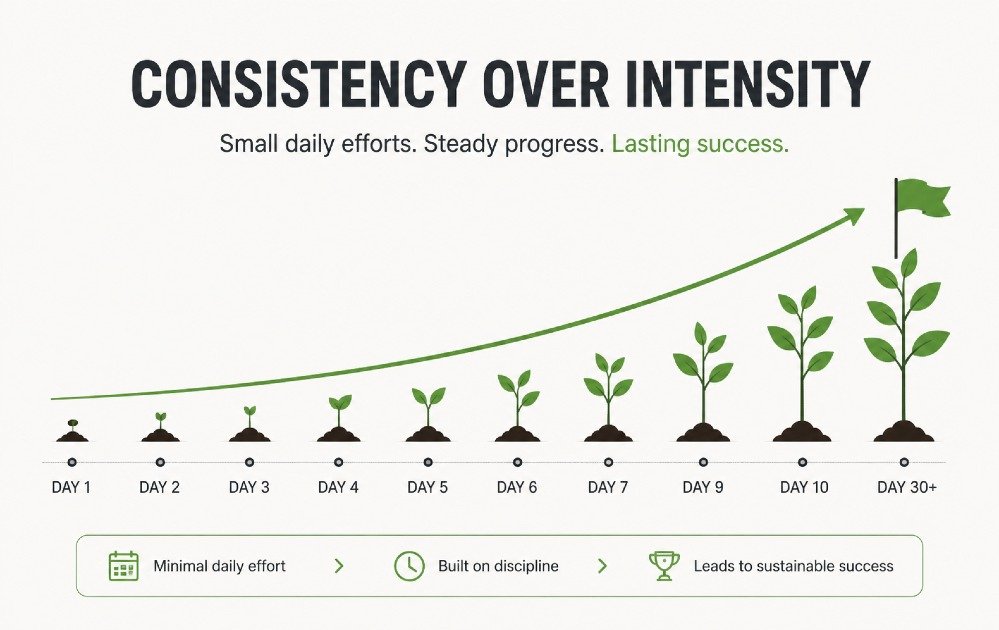
Most people overdo it early and lose consistency.
Start small and stay consistent:
- 10–15 minutes daily
- Focus on gentle movement and breathing
- Avoid pressure or perfection
Core advantages:
- Sustainable recovery
- Reduced risk of burnout relapse
- Long-term emotional balance
You don’t need equipment, but a few tools can improve consistency:
- A non-slip yoga mat for stability
- A bolster or cushion for restorative poses
- A guided meditation app for structure
Yoga for Stress Relief
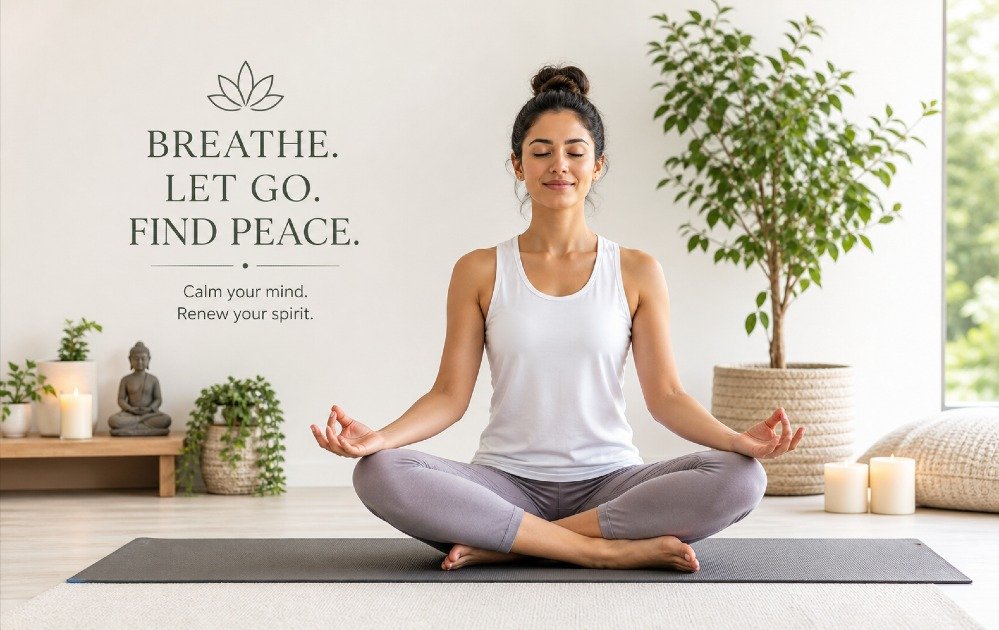
Ongoing stress keeps your mind active and your body tense. You struggle to switch off, which leads to irritability, poor focus, and mental fatigue.
Yoga works by slowing your pace and regulating your breath. This signals safety to your nervous system.
Effective practices:
- Child’s Pose to reduce tension
- Seated Forward Fold to calm the mind
- Slow Sun Salutations with controlled breathing
- Gentle stretching with full breath awareness
Move slowly. Control your breathing. Avoid intensity.
Core advantages:
- Less mental noise
- Better emotional control
- Improved focus
- A steady, calmer state throughout the day
Regular practice helps you reset your baseline.
I practice for 10–15 minutes in the evening to release daily stress.
Restorative Yoga for Fatigue
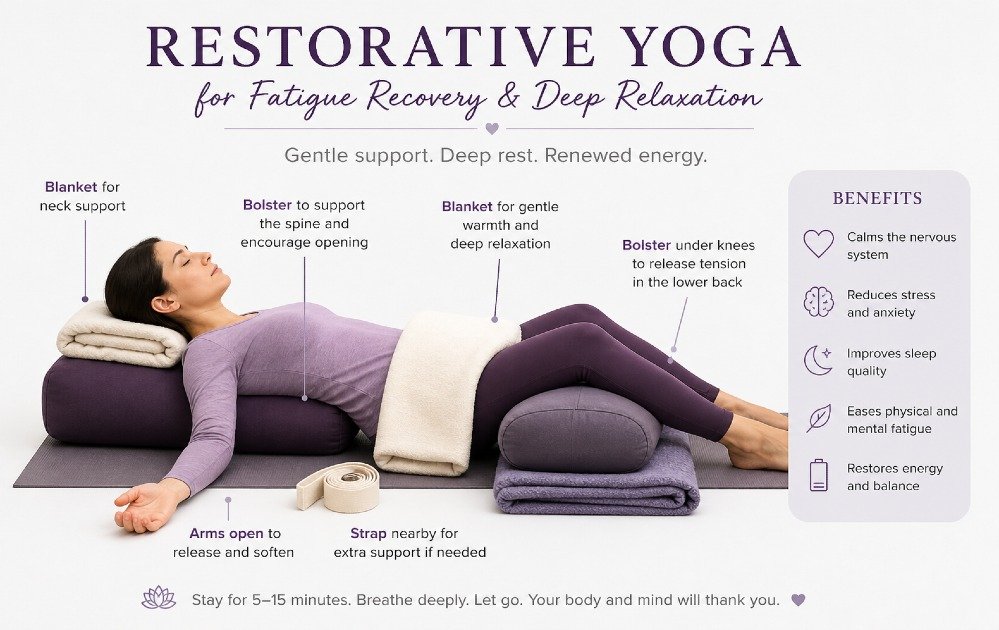
Burnout-related fatigue doesn’t improve with rest alone. Your body stays in a stressed state, which blocks full recovery.
Restorative yoga focuses on stillness and support. You hold passive poses that allow the body to recover.
Key poses:
- Supported Bridge Pose
- Reclining Bound Angle Pose
- Legs-Up-The-Wall
- Savasana with full support
The goal is complete relaxation, not effort.
Core advantages:
- Deeper, more effective rest
- Reduced physical heaviness
- Improved sleep quality
- A steady return of energy
This approach helps the body shift into repair mode.
I stay in each pose for 5–10 minutes using pillows or cushions for support.
Yoga Breathing Exercises for Anxiety
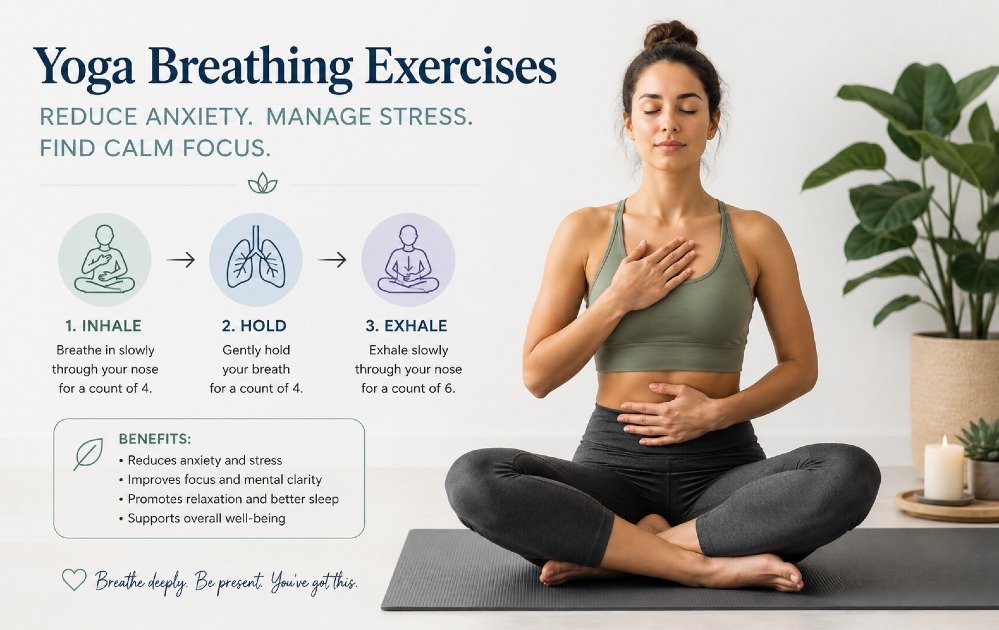
Anxiety often starts in the body—tight chest, shallow breathing, and a racing heart. This pattern reinforces mental stress.
Yoga breathing exercises regulate your nervous system by slowing your breath.
Effective methods:
- Box breathing (equal inhale, hold, exhale, hold)
- Alternate nostril breathing for balance
- Deep belly breathing to reduce tension
- Extended exhale breathing to calm the body
A longer exhale helps reduce stress faster.
Core advantages:
- Lower heart rate
- Reduced physical tension
- Clearer thinking
- Greater control during stressful moments
Breathwork creates fast, measurable changes.
I practice daily, not just during anxiety to improve results.
Frequently Asked Questions
Can Yoga help reduce burnout?
Yes, it helps ease burnout by calming the nervous system and lowering long-term stress, which can drain energy, focus, and emotional balance.
Which type of Yoga works best for stress and fatigue?
Gentle, recovery-focused styles are usually the most effective for burnout.
Helpful options include:
- Restorative Yoga
- Hatha Yoga
- Yin Yoga
- Breath-focused mindfulness practices
These methods support calm, balance, and lasting energy restoration without intense physical strain.
How often should you practice Yoga for burnout recovery?
You do not need long or difficult sessions to benefit.
Most people see improvement with:
- 10–20 minutes daily
- 3–5 sessions per week
Regular practice builds steady energy and stronger stress resistance.
Is Yoga for burnout suitable for beginners?
Yes. Many effective burnout-recovery practices are beginner-friendly because they focus on:
- Breathing control
- Gentle movement
- Stretching
- Relaxation techniques
You do not need advanced flexibility or experience to get results.
How long does it take for Yoga to improve energy levels?
Some people notice calm after one session, but lasting improvements in energy, focus, and stress control come with consistent practice over time as the nervous system gradually stabilizes.
Recap: Sustainable Energy Recovery Through Yoga Practice
Burnout fades when you calm the nervous system, lower stress, and rebuild energy through steady habits like Yoga.
Yoga reduces burnout through gentle movement, deep breathing, and mindfulness that calm stress and restore energy.
Consistent daily practice matters more than intense workouts or flexibility.
Over time, these habits build lasting results through better focus, balanced energy, and stronger resilience.
Ready to Start Your Yoga Recovery Routine Today
You don’t need a perfect routine—you just need a starting point to reset how your body responds to stress through structured yoga practice.
Start using this meditation platform today to calm mental overload, restore depleted energy, and accelerate recovery from burnout so that your yoga practice feels lighter, more consistent, and sustainable again.