
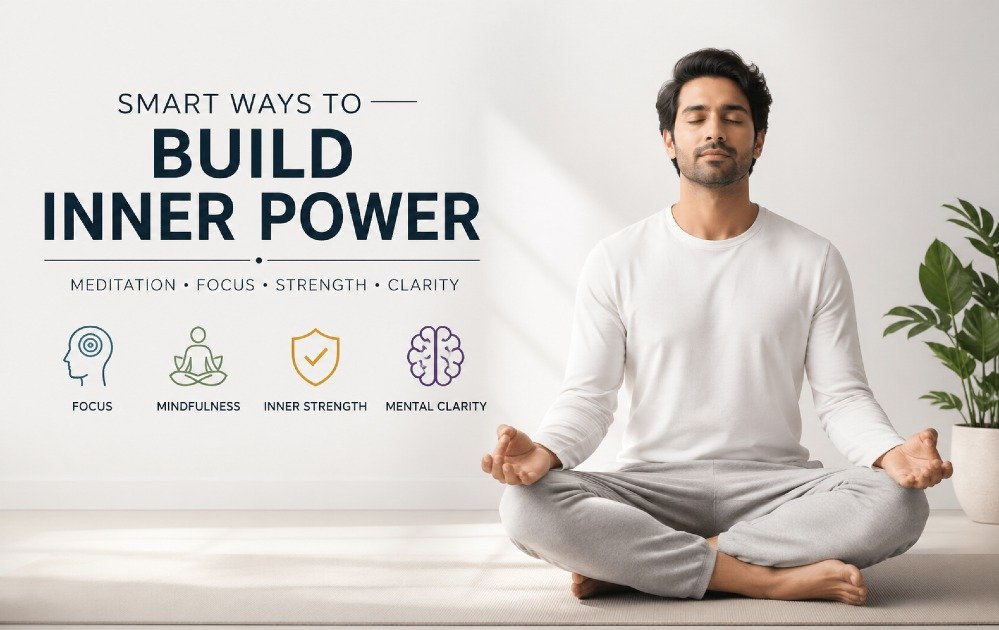
Most people don’t struggle because they lack motivation. They struggle because their mind is constantly overloaded.
Over time, this mental struggle—too many thoughts, too many distractions, too much stress—affects focus, sleep, productivity, and even emotional stability.
This guide explains how meditation changes your brain, improves your performance, and helps you regain control of your mental state.
7 Meditation That Improves Mental Clarity, Stress Control, and Performance
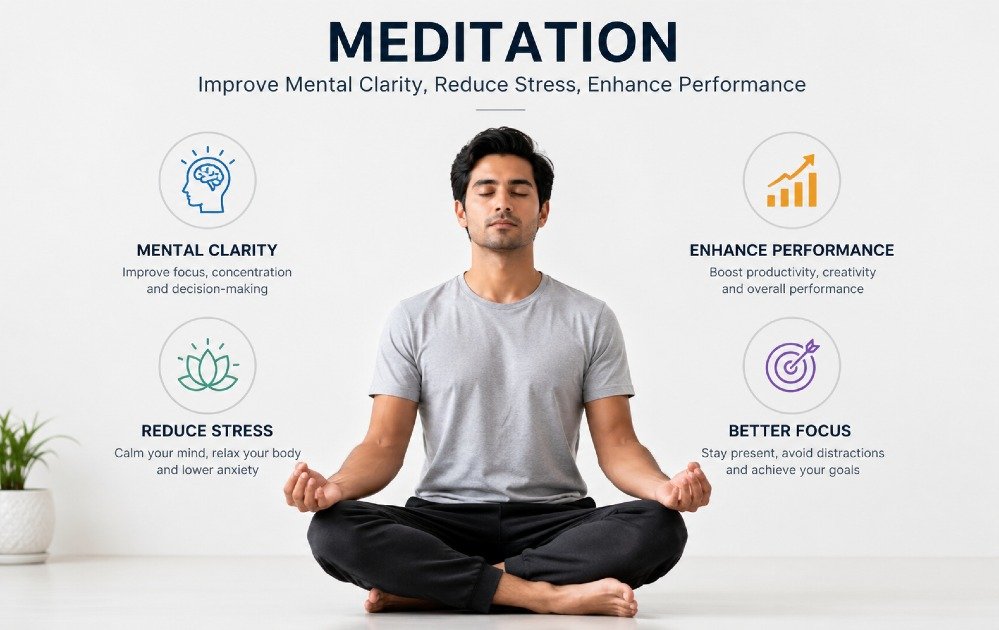
Meditation is a proven mental practice that improves focus, lowers stress, and strengthens emotional balance through regular training.
It is not about emptying the mind. It trains you to observe thoughts calmly, which improves focus, reduces stress, and sharpens mental clarity.
Discover seven practical terms why it produces measurable changes in focus, stress management, and daily performance.
1. Reduces Stress at the Root
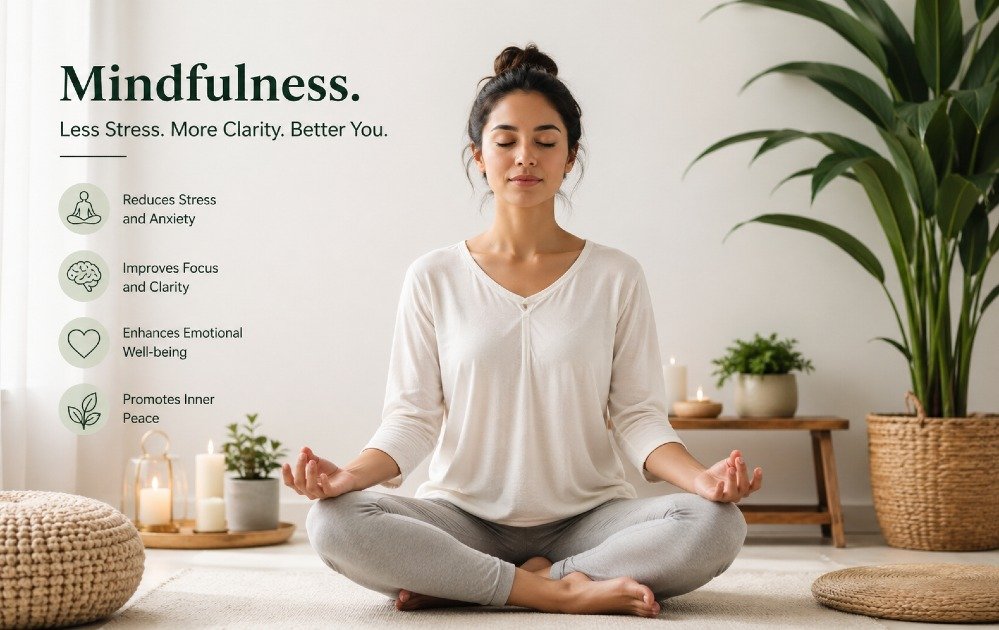
Stress often grows in silence through constant pressure, overthinking, and mental overload. If left unchecked, it can drain energy, shorten patience, and lead to burnout.
Meditation directly reduces stress by calming your nervous system. It lowers cortisol levels and shifts your body from “fight or flight” into a recovery state.
How to apply it:
- Sit quietly for 5–10 minutes
- Focus only on your breath
- When your mind drifts, gently return attention
Core advantages:
- A calmer mind
- Lower anxiety levels
- Better emotional balance throughout the day
2. Sharpens Focus and Mental Performance
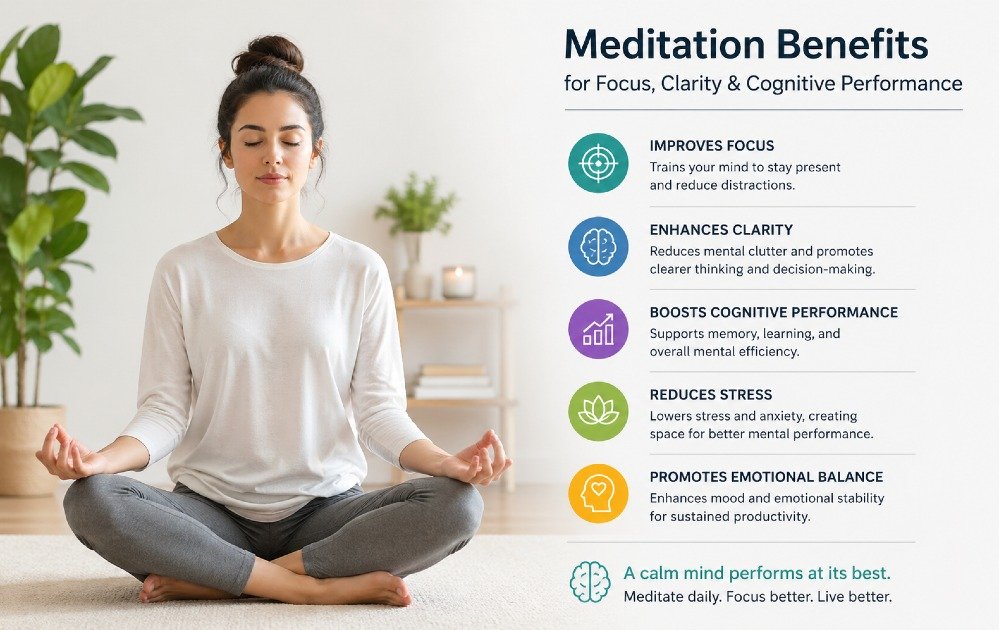
Most people can’t focus deeply anymore. Attention is constantly pulled in multiple directions.
Meditation trains your brain to stay anchored in the present moment. Each time you bring your attention back, you strengthen mental control.
How to apply it:
- Focus on breathing or a single point of attention
- Expect distraction—then return to focus
- Repeat consistently
Core advantages:
- Improved concentration
- Better productivity
- Faster decision-making
- Reduced mental fatigue
This is mental training, not relaxation alone.
NCBI highlights how mindfulness improves attention.
3. Improves Emotional Control
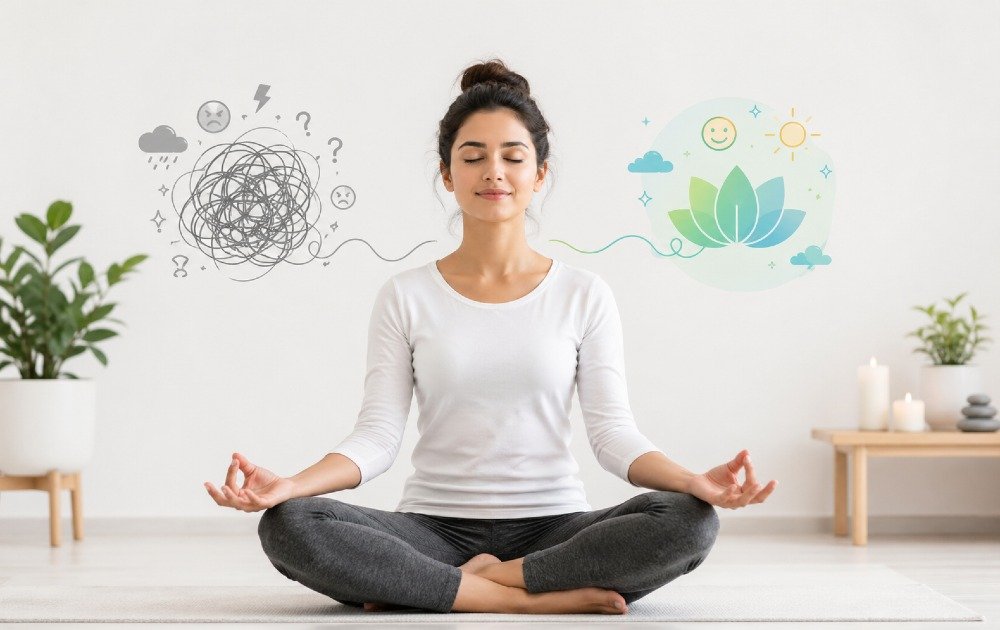
Emotions often take control before logic steps in—especially under stress.
Meditation builds awareness between stimulus and reaction. You begin to observe emotions instead of reacting automatically.
Core advantages:
- Fewer impulsive reactions
- Better communication
- Stronger emotional stability
How to apply it:
- Notice emotions without judgment
- Label them internally (“anger,” “stress,” “fear”)
- Allow them to pass without resistance
This simple shift changes how you handle pressure in daily life.
4. Improves Sleep Quality Naturally
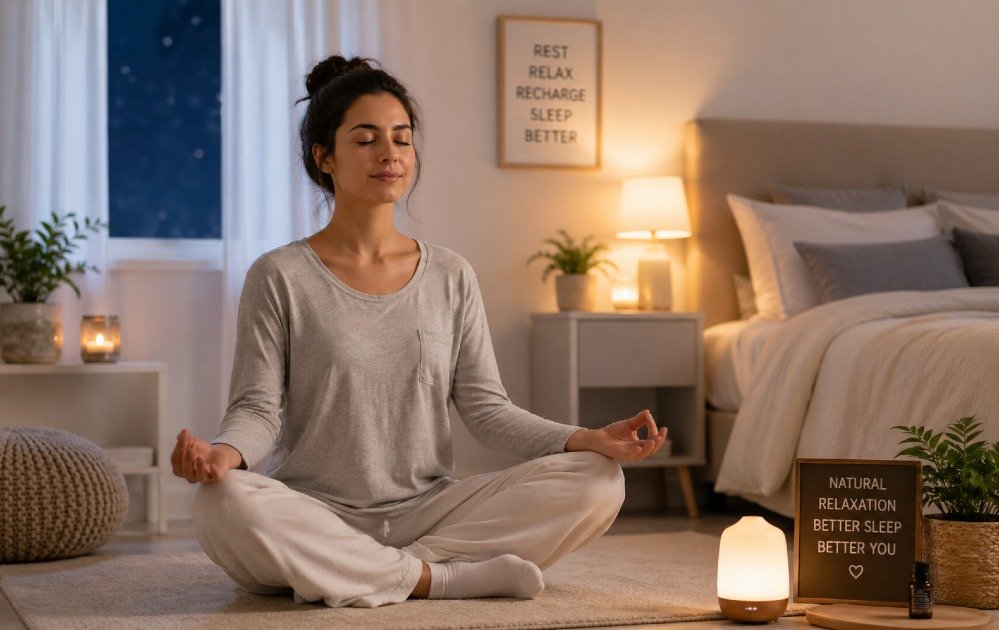
Many people feel exhausted but still can’t fall asleep because their mind stays active.
Meditation slows brain activity and prepares your nervous system for rest.
How to apply it:
- Meditate for 5–10 minutes before bed
- Slow your breathing intentionally
- Avoid screens immediately afterward
Core advantages:
- Faster sleep onset
- Deeper, uninterrupted sleep
- Better energy during the day
5. Supports Physical Health
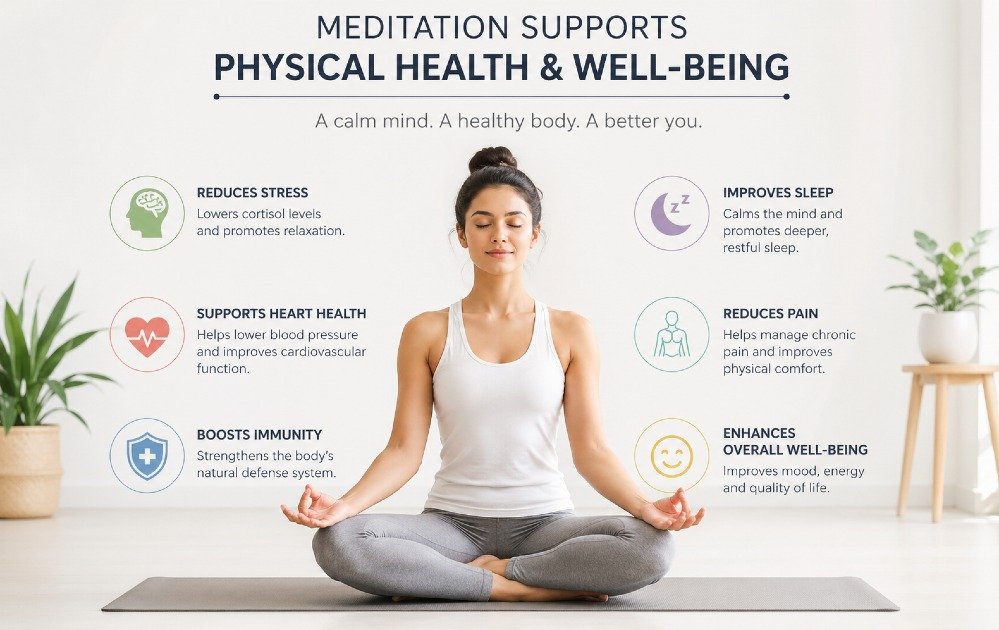
Chronic stress affects both mental and physical health, increasing fatigue, inflammation, and lowering immune defense.
Meditation activates the body’s relaxation response, which supports healing and recovery.
Core advantages:
- Lower blood pressure
- Stronger immune response
- Reduced stress-related inflammation
Harvard Medical School confirms that meditation positively impacts both mental and physical health.
6. Builds Self-Awareness and Confidence
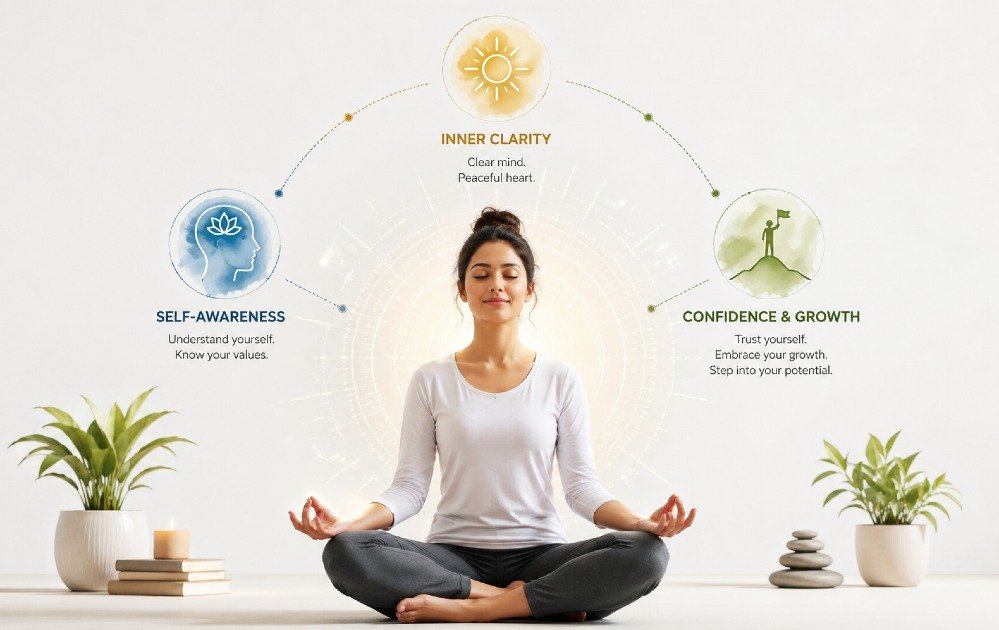
Without awareness, people repeat the same thoughts, habits, and decisions without understanding why.
Meditation creates mental space. You begin spotting your own habits and thought patterns.
How to apply it:
- Observe thoughts during meditation
- Notice recurring patterns
- Question limiting beliefs without judgment
Core advantages:
- Better self-control
- Clearer decision-making
- Increased confidence in choices
Self-awareness is where real change begins.
7. Builds Long-Term Mental Strength
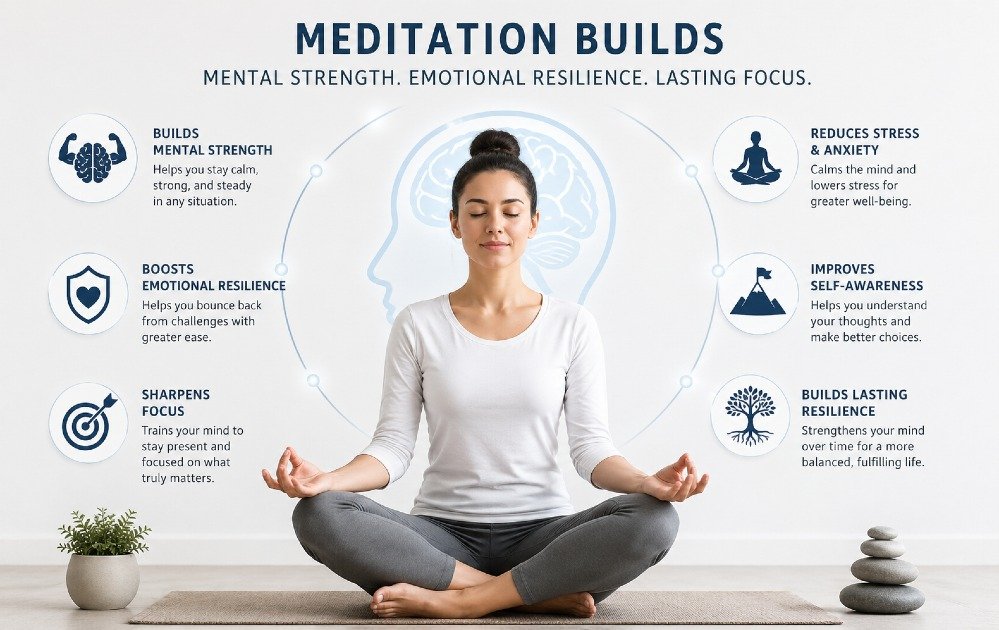
Most people rely on short-term motivation, which disappears under pressure.
Meditation strengthens mental discipline over time by training consistency and awareness.
Core advantages:
- Greater resilience under stress
- Stronger emotional endurance
- Improved adaptability in challenges
Even short daily sessions build long-term mental stability.
Effective Meditation Techniques for Beginners
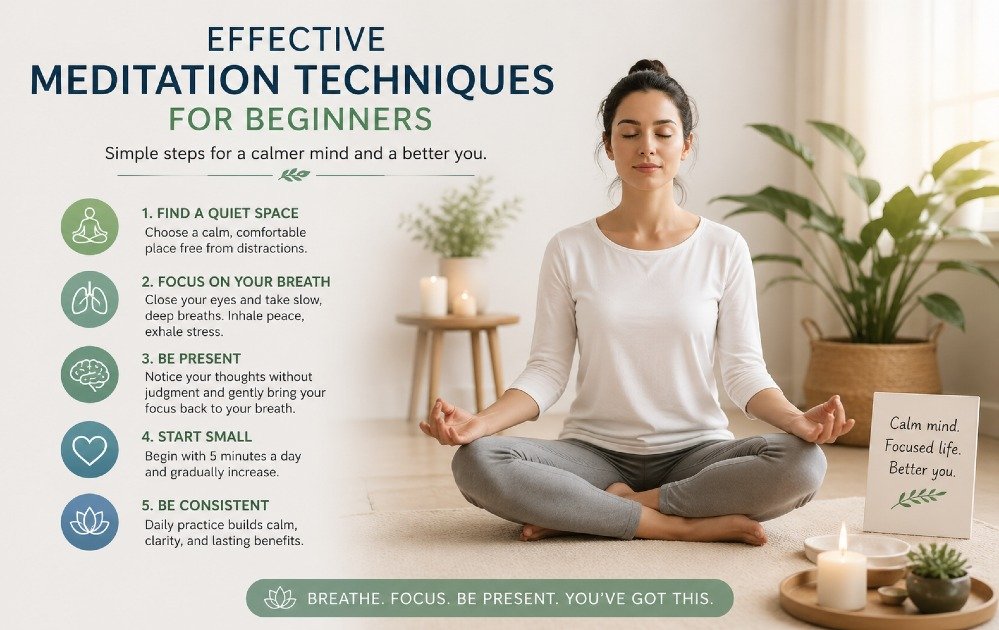
1. Mindfulness Meditation
- Focus on breathing
- Stay present
- Observe thoughts without reacting
2. Guided Meditation
- Follow structured audio instructions
- Ideal for beginners who need direction
3. Body Scan Meditation
- Move attention through the body
- Release physical tension step by step
Consistency outweighs length. Just 5 minutes a day becomes powerful when repeated daily.
Common Mistakes to Avoid
- Trying to “stop thoughts completely”
- Expecting instant results
- Practicing inconsistently
- Judging your experience
Meditation is not about perfection. It’s about training awareness.
Anxiety and Stress
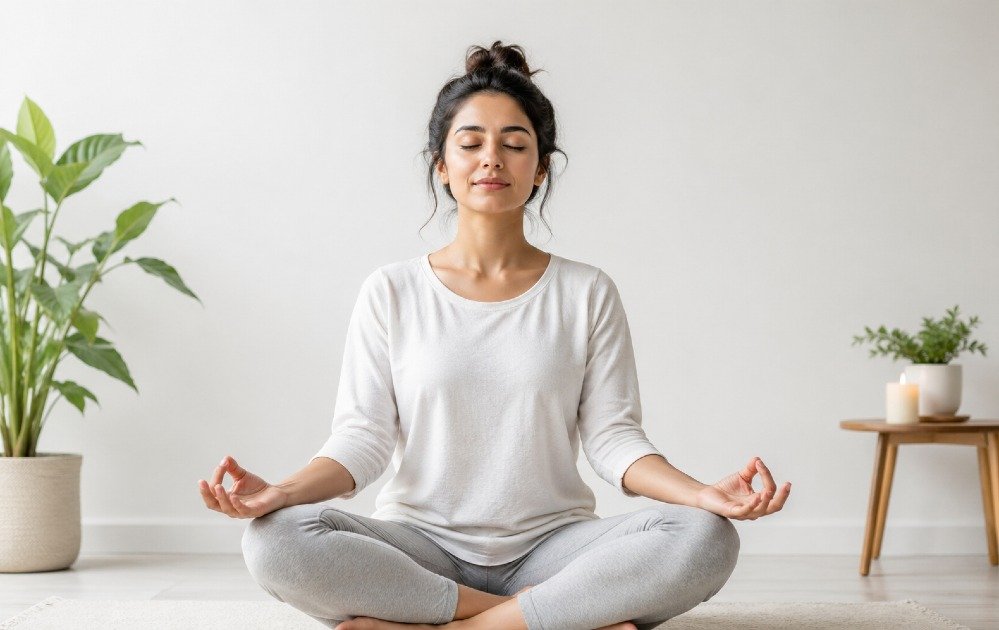
Anxiety feeds on nonstop mental overload. Racing thoughts, tension, and constant worry keep your body stressed, leaving you mentally drained and unfocused.
Meditation for anxiety and stress helps break the cycle of overthinking. It helps you observe thoughts calmly so your body can recover from stress.
How to apply it:
- Sit comfortably and focus on steady breathing
- Inhale for 4 seconds, exhale for 6 seconds
- Notice anxious thoughts without engaging
- Gently return your focus to your breath
Tools like Headspace or Calm can help you stay consistent.
Core advantages:
- Reduced anxiety levels
- Lower daily stress
- Greater emotional control
Meditation doesn’t remove stress. It changes how you respond to it.
Guided Meditation for Sleep

Your body is drained while your mind keeps racing. Screen time and constant mental stimulation can make falling asleep harder.
Guided sleep meditation quiets an overactive mind and helps the body relax for deeper, more natural sleep.
Simple routine:
- Turn off screens 20–30 minutes before sleep
- Dim the lights
- Use a 10-minute guided meditation
How to apply it:
- Play a guided session before bed
- Lie down and follow the instructions
- Focus on breathing and body relaxation
- Let the voice guide your attention
Core advantages:
- Fall asleep faster
- Sleep more deeply
- Wake up more refreshed
Regular practice works better than rare long sessions.
How Meditation Improves Focus
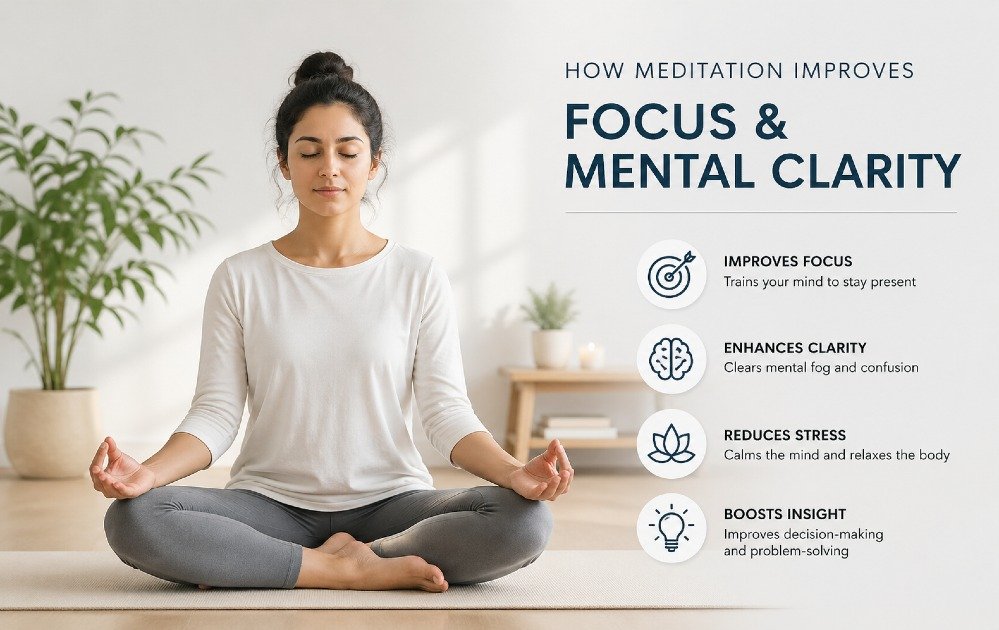
Frequent distractions reduce focus, drain mental energy, and lower productivity.
Meditation enhances focus by training attention. Every time you refocus, your concentration becomes stronger.
Simple practice:
- Start with 5 minutes per day
- Practice before work or study sessions
- Avoid multitasking right after meditating
How to apply it:
- Choose a single focus point (breath, sound, or word)
- Notice when your mind drifts
- Bring your attention back without frustration
- Repeat daily
Core advantages:
- Stronger concentration
- Better productivity
- Reduced mental fatigue
- Clearer thinking
Focus is built through practice. Meditation trains it directly.
Frequently Asked Questions
How long should I meditate each day?
You don’t need long sessions to benefit from meditation.
Daily 5–10 minute sessions deliver better results than long, inconsistent practice.
Can improve:
- Focus and concentration
- Stress management
- Emotional control
- Sleep quality
What is the best time to meditate?
The best time is the one you can stick to consistently.
Many people prefer:
- Morning: for focus and mental clarity
- Evening: for relaxation and better sleep
Choose a routine that fits naturally into your day.
Can meditation reduce anxiety and stress?
Meditation helps calm the nervous system and reduce mental overload.
It helps you manage thoughts calmly, improving emotional balance and reducing everyday stress.
What if my mind keeps wandering during meditation?
Wandering thoughts are normal. Meditation is about calmly refocusing your attention each time your mind drifts.
That process is what strengthens awareness and concentration.
Is guided meditation good for beginners?
Guided meditation for sleep, relaxation, and focus is especially useful for beginners.
A guided session gives you clear direction, making it easier to stay focused and consistent.
It can help you:
- Relax more easily
- Improve sleep quality
- Stay engaged during meditation
- Build a daily habit faster
Recap: Train Your Mind to Improve How You Think and Perform
Meditation is a skill that improves with steady, consistent practice rather than occasional effort.
It changes how you manage stress, focus your attention, and respond under pressure.
Train it daily—and everything else in your life becomes easier to manage.
You don’t fix an overwhelmed mind with more effort—you fix it with stillness. Meditation sharpens the mind that shapes your life.
Ready to Train your mind
You don’t need experience or a complicated routine to begin. You need a structure that will carry you on into every part of your life.
Start strengthening your inner resilience and mental clarity today by using this guided meditation platform that helps you calm mental noise, sharpen focus, and build lasting emotional balance you can feel in daily life.