

Feeling stiff, off-balance, or constantly stressed can make everyday movement feel harder than it should.
The NCCIH reports that research suggests yoga may support balance and help manage stress.
This guide explains how yoga poses can help you move with greater confidence, release tension, and build a calmer daily routine.
Why Yoga Poses for Flexibility Matter
Yoga poses can improve flexibility, strengthen balance, and ease everyday stress through gentle, mindful movement.
Limited flexibility, poor balance, and daily stress can affect mobility, comfort, and overall well-being.
Regular yoga practice can improve mobility and stability while promoting relaxation, helping you move more comfortably and manage everyday stress.
9 Powerful Yoga Poses for Better Flexibility, Balance, and Relaxation

Feeling stiff, unsteady, or too tense to fully relax can make everyday movement harder than it should be.
Yoga combines purposeful movement, breathing, and focused poses that may support flexibility, balance, stress management, and overall well-being.
Discover how these nine poses offer a practical way to loosen tight muscles, improve body control, and create moments of calm.
Cat-Cow Stretch
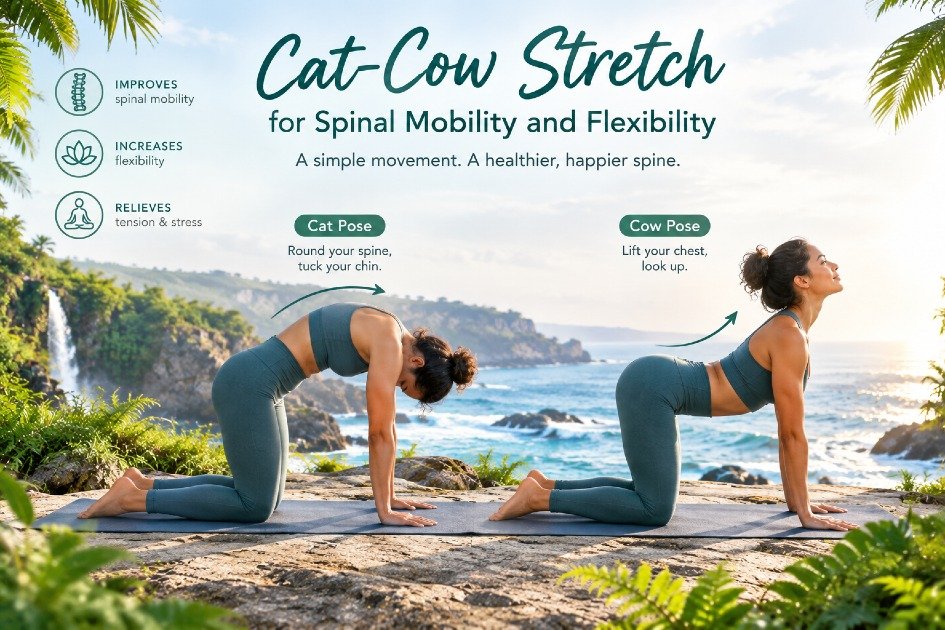
Cat-cow Stretch is one of the simplest yoga poses for improving spinal mobility, easing stiffness, and building a more flexible daily routine.
Why it matters:
Regular cat-cow movements help loosen the back, improve spinal flexibility, and encourage controlled breathing.
What works for me:
I practice cat-cow slowly with a supportive yoga mat to ease back stiffness, improve mobility, and stay consistent with my daily yoga routine.
How to start:
- Perform 6–10 slow cycles.
- Move at the pace of your breathing.
- Keep your movements controlled.
- Avoid forcing your neck into either direction.
- Place a folded towel beneath your knees if the floor feels uncomfortable.
Downward-Facing Dog
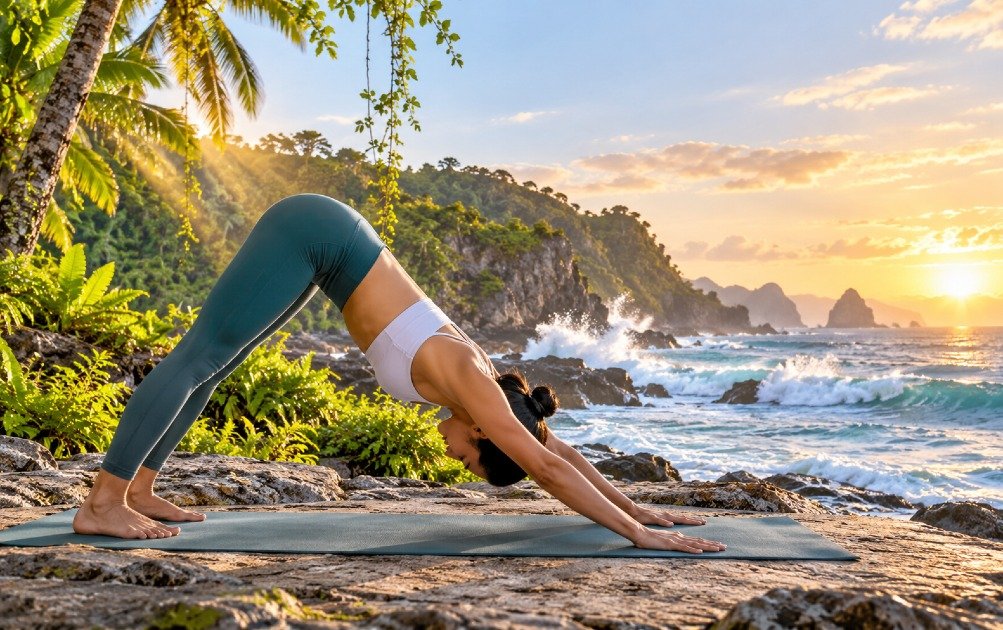
Downward-facing dog is one of the foundational yoga poses that helps stretch tight muscles, improve mobility, and build full-body strength.
Why it matters:
This pose supports flexibility, shoulder strength, and body awareness, making everyday movement feel easier.
What works for me:
I practice downward-facing dog with a nonslip yoga mat for better stability, controlled breathing, and a comfortable stretch; a quality yoga mat can help make my routine safer and more consistent.
How to start:
- Keep a gentle bend in your knees if the backs of your thighs feel tight during the stretch.
- Press through your hands.
- Lengthen your spine.
- Keep your neck relaxed.
- Hold for 15–30 seconds or move gently in and out of the pose.
Low Lunge

Low lunge is one of the most effective yoga poses for opening tight hips, stretching the hip flexors, and improving mobility.
Why it matters:
Practicing low lunge regularly can ease stiffness, improve flexibility, and support smoother everyday movement.
What works for me:
I hold a low lunge gently on each side and use a yoga mat for stability and comfort as I build flexibility and improve mobility.
How to start:
- Step one foot forward slowly.
- Keep your front foot stable.
- Maintain a comfortable upright position.
- Do not force your hips toward the floor.
- Hold for 20–30 seconds before switching sides.
Standing Forward Fold
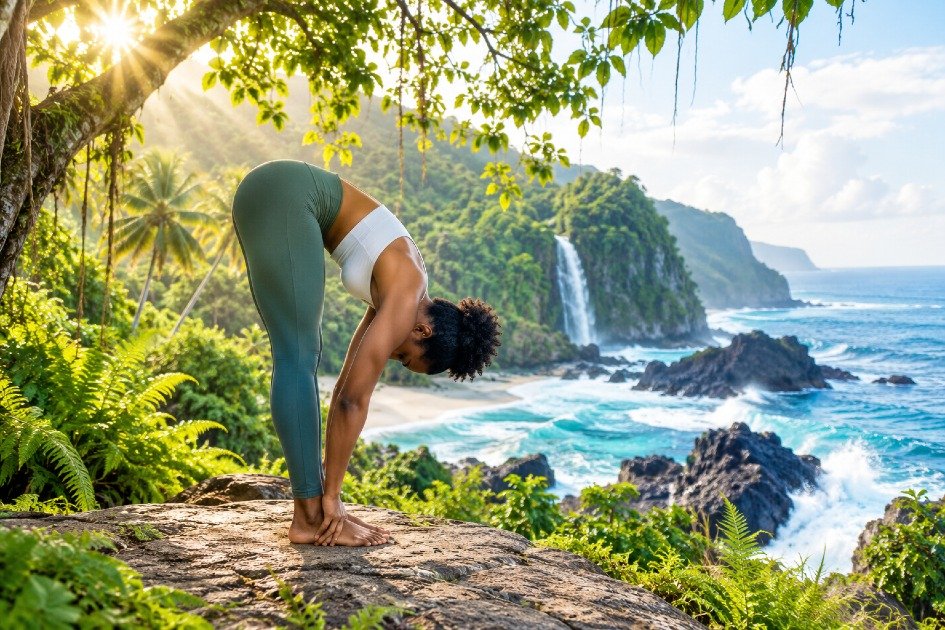
Standing forward fold is one of the simplest yoga poses for stretching tight hamstrings, releasing tension, and improving flexibility.
Why it matters:
Regular practice may improve flexibility, ease muscle stiffness, and support relaxation when performed with proper form.
What works for me:
I ease into standing forward fold with soft knees and controlled breathing, using a yoga strap to support a comfortable stretch without forcing my reach.
How to start:
- Begin with slightly bent knees.
- Hinge from your hips.
- Let your arms hang naturally.
- Relax your neck.
- Hold for 15–30 seconds.
Triangle Pose
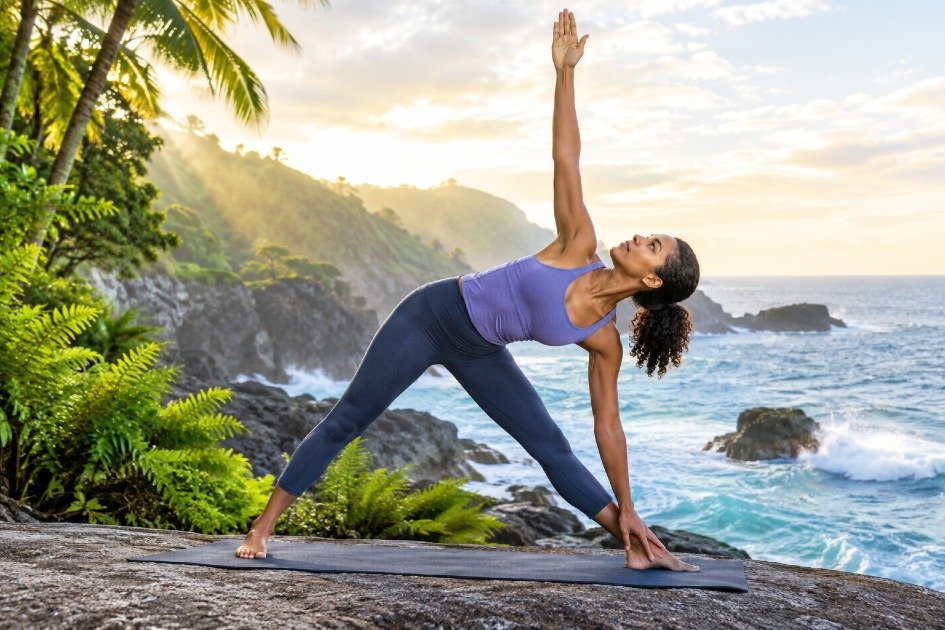
Triangle pose is one of the most effective yoga poses for building flexibility, improving balance, and stretching the body with control.
Why it matters:
Triangle pose strengthens the legs, opens the hips, and stretches the sides of the body, supporting better mobility and posture.
What works for me:
I use triangle poses with a yoga mat and yoga blocks to deepen my stretch safely, improve balance, and build a consistent yoga routine.
How to start:
- Keep your front knee comfortable.
- Use a block if you cannot reach the floor easily.
- Avoid collapsing your chest toward the ground.
- Keep your breathing slow.
- Practice both sides equally.
Tree Pose
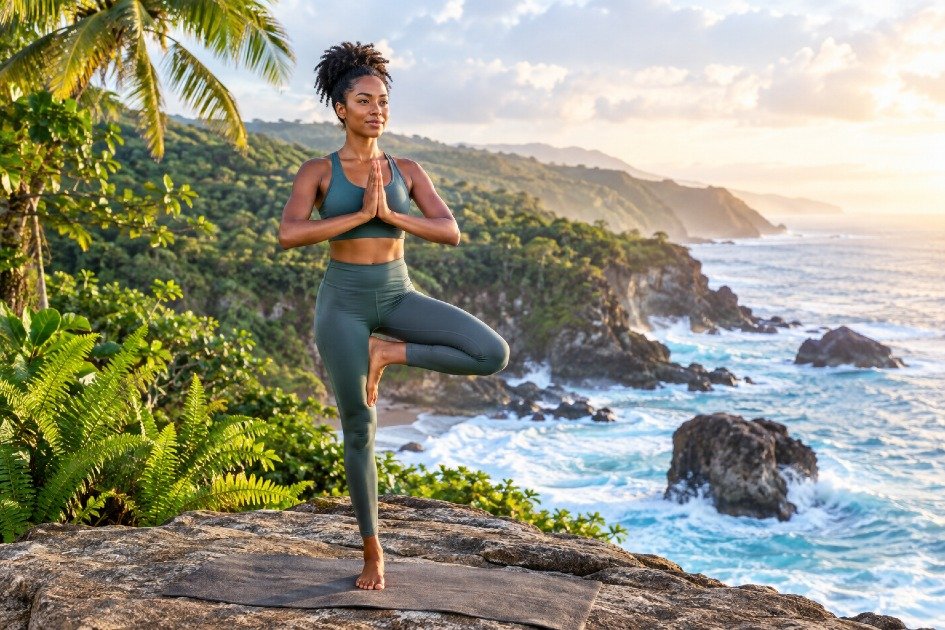
Tree pose is one of the simplest yoga poses for improving balance, building stability, and strengthening your mind-body connection.
Why it matters:
Practicing tree pose regularly can improve coordination, strengthen your legs, and support better balance as you age.
What works for me:
I practice tree pose near a wall for support and use a non-slip yoga mat to build confidence, improve stability, and maintain a consistent yoga routine.
How to start:
- Start with your foot low on the leg.
- Keep your gaze fixed on one stable point.
- Use a wall for support.
- Hold for 10–20 seconds.
- Switch sides.
Seated Forward Fold
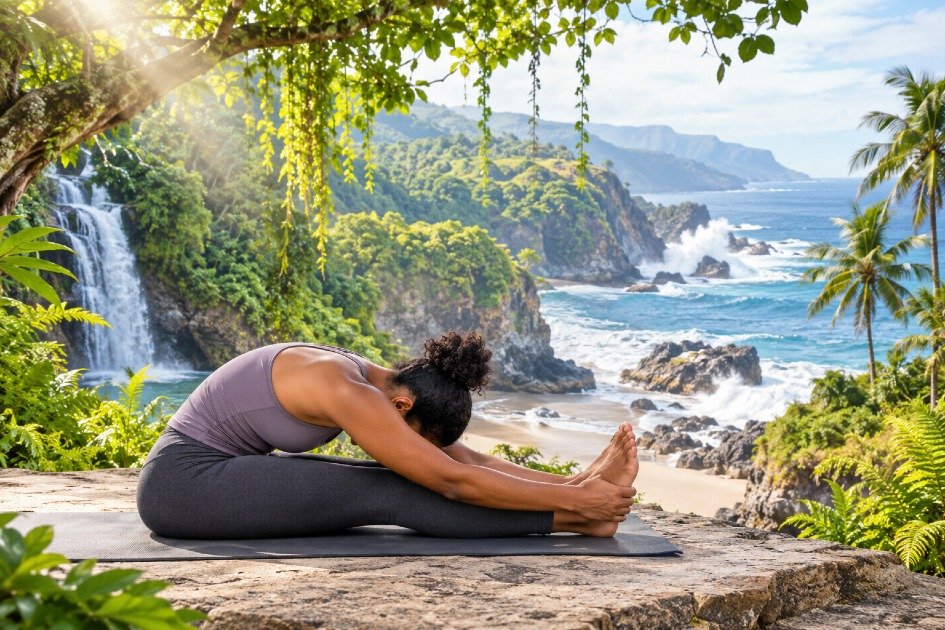
Tight hamstrings and back stiffness can limit comfortable movement, but the seated forward fold gently stretches these areas and helps build flexibility through a simple yoga practice.
Why it matters:
This pose gently stretches the hamstrings and back, supporting flexibility and mindful relaxation when practiced comfortably.
What works for me:
I use a yoga strap to ease into the seated forward fold without forcing the stretch, making my routine more comfortable and controlled.
How to start:
- Sit tall before moving forward.
- Keep your knees slightly bent.
- Reach comfortably toward your shins, stopping where the stretch feels manageable rather than straining to touch your feet.
- Breathe slowly.
- Stay for 20–30 seconds.
Figure-Four Stretch
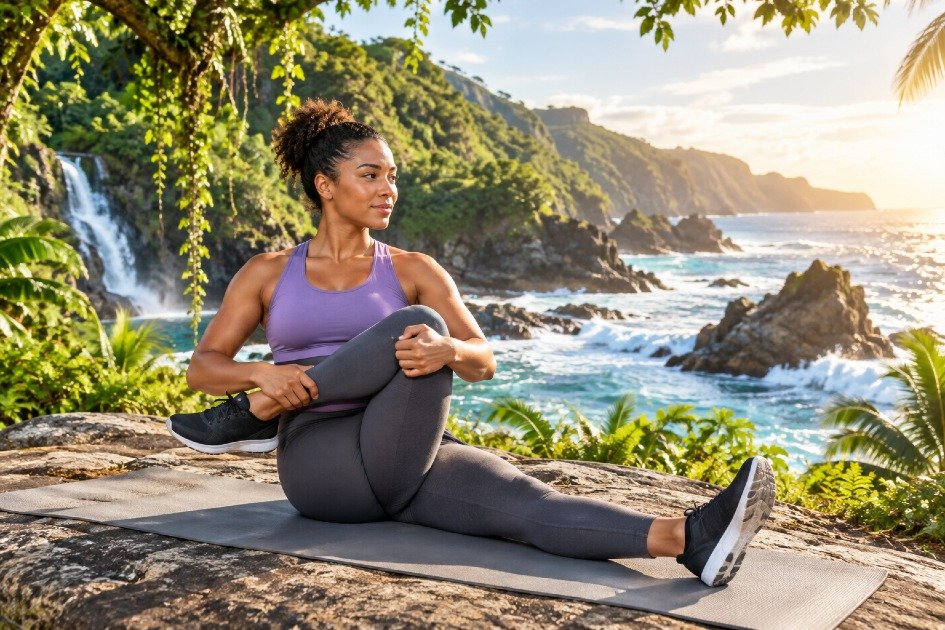
The figure-four stretch eases tightness around the hips while supporting greater flexibility and smoother movement.
Why it matters:
Among useful yoga poses, the figure-four stretch targets the hips and glutes to support mobility and more comfortable movement.
What works for me:
I ease into the figure-four stretch regularly, using a yoga strap for gentle support and a deeper hip stretch without straining my body.
How to start:
- Keep your head and shoulders relaxed.
- Avoid pulling aggressively on your leg.
- Keep the ankle supported.
- Breathe slowly.
- Hold for 20–30 seconds per side.
Child’s Pose
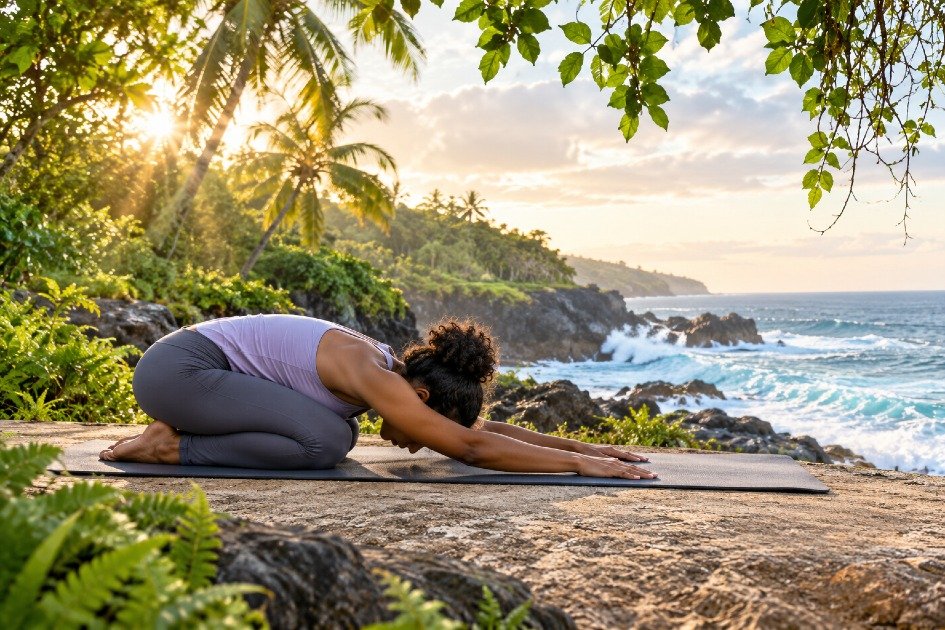
Child’s pose is one of the gentlest yoga poses for releasing tension, easing stiffness, and creating a moment of calm.
Why it matters:
This restorative pose encourages relaxation, gentle stretching, and mindful breathing to support everyday well-being.
What works for me:
I use child’s pose with a supportive yoga bolster under my chest or hips to improve comfort, relax more deeply, and make my yoga routine easier to maintain.
How to start:
- Choose a comfortable knee position.
- Place a pillow or bolster under your torso if needed.
- Relax your shoulders.
- Breathe slowly through the practice.
- Stay for 30–60 seconds if comfortable.
Common Mistakes to Avoid With Yoga Poses for Flexibility
Common mistakes with yoga poses can limit flexibility and increase injury risk, but proper technique helps you move with greater ease.
Forcing stretches, ignoring alignment, holding your breath, and skipping warm-ups can strain muscles and joints.
Avoiding these mistakes helps you practice yoga poses safely, improve flexibility, increase mobility, and build lasting confidence in your movements.
How to Build a Simple Yoga Flexibility Routine
Create a beginner-friendly yoga sequence with gentle poses that increase flexibility, support easier movement, and relieve everyday stiffness.
Limited flexibility can make everyday movements harder and leave muscles feeling tight.
A consistent yoga routine helps improve flexibility, increase range of motion, and make daily movements easier.
How to Use Yoga for Stress Relief
Yoga offers a simple way to ease daily stress through gentle movement, mindful breathing, and focused attention.
Ongoing stress can increase tension, disrupt sleep, and affect emotional well-being.
Gentle yoga poses and slow breathing can help release tension, calm the mind, improve sleep, and support stress management.
How Often Should You Practice Yoga to Build Flexibility and Move With Greater Ease?
How often you practice yoga poses can determine how effectively you improve flexibility, ease stiffness, and move with greater comfort.
Inconsistent yoga practice may slow flexibility gains and make it harder to maintain a comfortable range of motion.
Practicing yoga poses two to three times weekly can gradually improve flexibility, ease stiffness, and support smoother, more comfortable movement.
Make Your Yoga Routine More Comfortable
Make your yoga routine more comfortable with simple adjustments, supportive props, and yoga poses that suit your body.
Poor alignment, stiffness, and unsupported poses can cause discomfort and make yoga harder to maintain.
Adapt yoga poses with blocks, cushions, or gentle variations to ease physical tension, support comfortable movement, and create a yoga practice you can maintain consistently.
Frequently Asked Questions
Which beginner-friendly yoga movements help improve flexibility safely and naturally?
Begin with cat-cow, low lunge, standing forward fold, figure-four stretch, and child’s pose to gradually improve flexibility with movements you can adapt to your comfort level.
Can yoga build flexibility while strengthening balance at the same time?
Yoga can improve balance and lower-body flexibility in older adults, especially when routines combine stretching movements with poses like Tree Pose.
How Long Should You Maintain Yoga Positions to Improve Flexibility?
Hold most static stretches for 15–30 seconds, increasing gradually only while comfortable—never force a deeper stretch to extend the hold.
Can yoga poses for flexibility help with stress?
Yoga may help ease perceived stress, but benefits vary and it should not be viewed as a guaranteed treatment for stress or mental health conditions.
How often should I do yoga for flexibility?
Start with three short sessions weekly and build gradually—consistency and recovery make your routine sustainable.
Recap: Make Yoga a Long-Term Health Habit
Ignoring flexibility, balance, and daily stress can gradually make movement feel harder and recovery slower.
Practice yoga for 10–15 minutes, 3–5 days a week, and focus on progress. Build greater mobility, steadier balance, and a calmer mind with the practice you choose to keep.
Start where your body is today, move with control, and make each session a step toward stronger, more flexible, and more relaxed living.
Ready To Move Better, Balance Stronger, and Stress Less?
Still struggling with stiffness, poor balance, or daily stress? Yoga improves flexibility, balance, and relaxation over time.
Discover how this yoga mat can make each pose easier to position, helping you practice with greater stability and confidence.