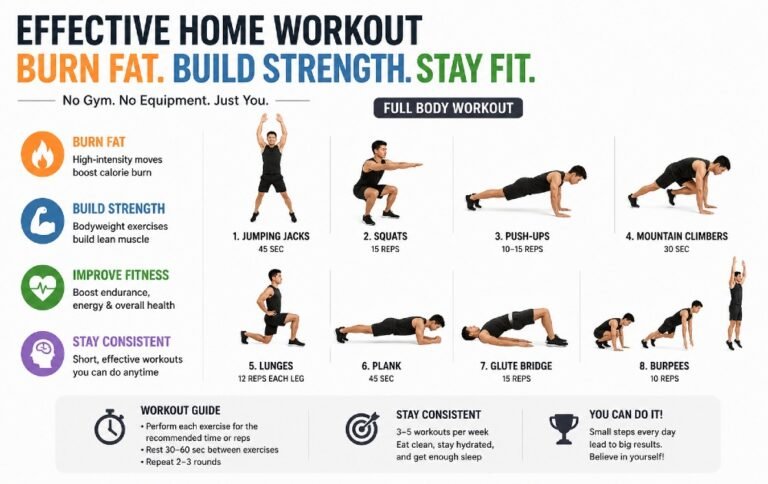

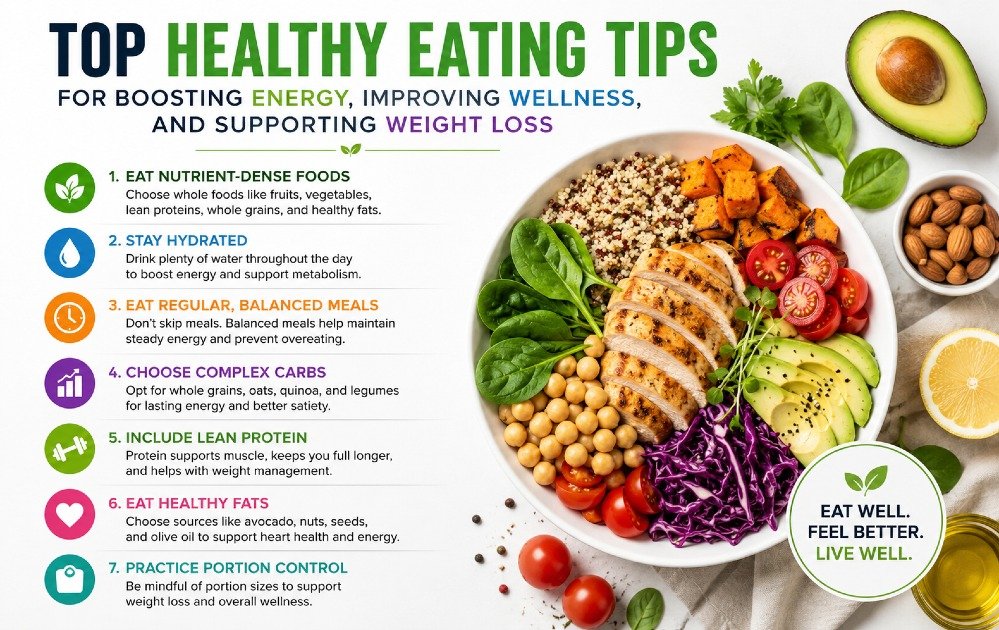
Still feeling tired, sluggish, and frustrated with stubborn weight gain no matter how hard you try?
It may be what you eat—not how much. Simple, healthy food choices can boost energy, improve wellness, strengthen immunity, and support lasting weight loss without restrictive diets.
This guide explains realistic healthy eating tips that are easy to follow and built for long-term success.
Why Healthy Eating Matters
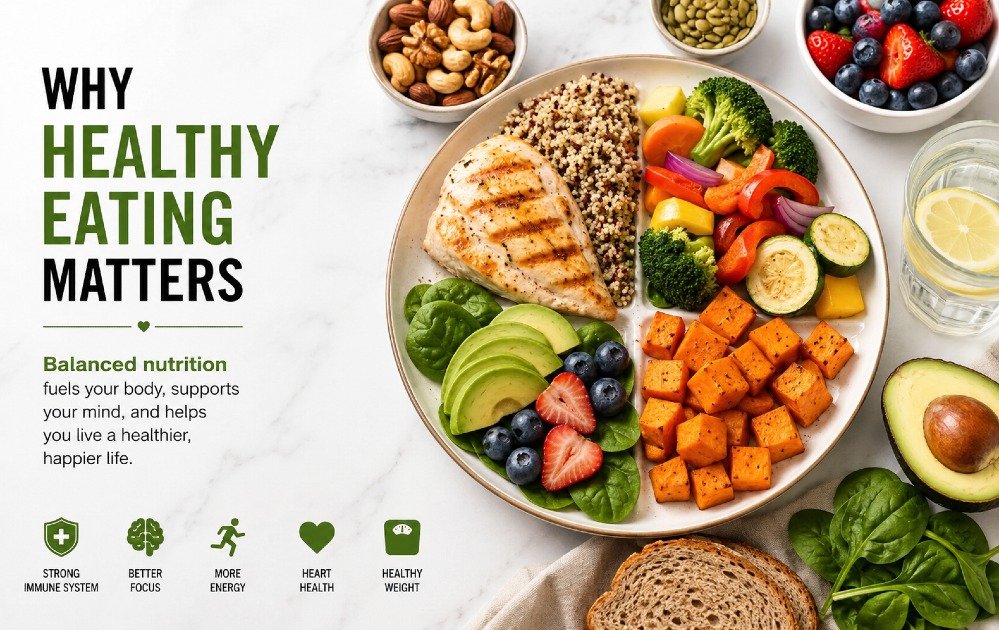
What you eat affects nearly every part of your health.
A balanced diet helps support:
- Steady energy levels
- Better focus and concentration
- Healthy digestion
- Weight control
- Heart health
- Strong immunity
- Improved mood
Poor eating habits trigger energy crashes and health problems, while healthy eating means making smarter food choices—not eating less.
Top 10 Healthy Eating Tips That Improve Digestion, Energy, and Overall Wellness
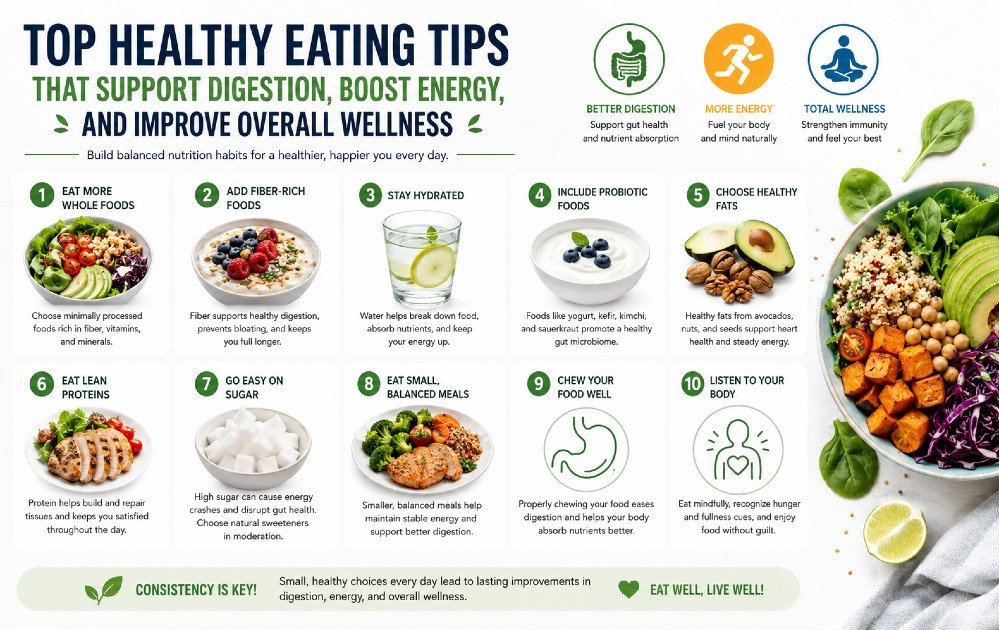
Your eating habits may be draining your energy and health if you feel tired, bloated, or sluggish.
Discover ten healthy eating tips to boost energy, improve digestion, support gut health, manage weight, and build lasting habits for overall well-being.
1. Focus on Whole Foods First
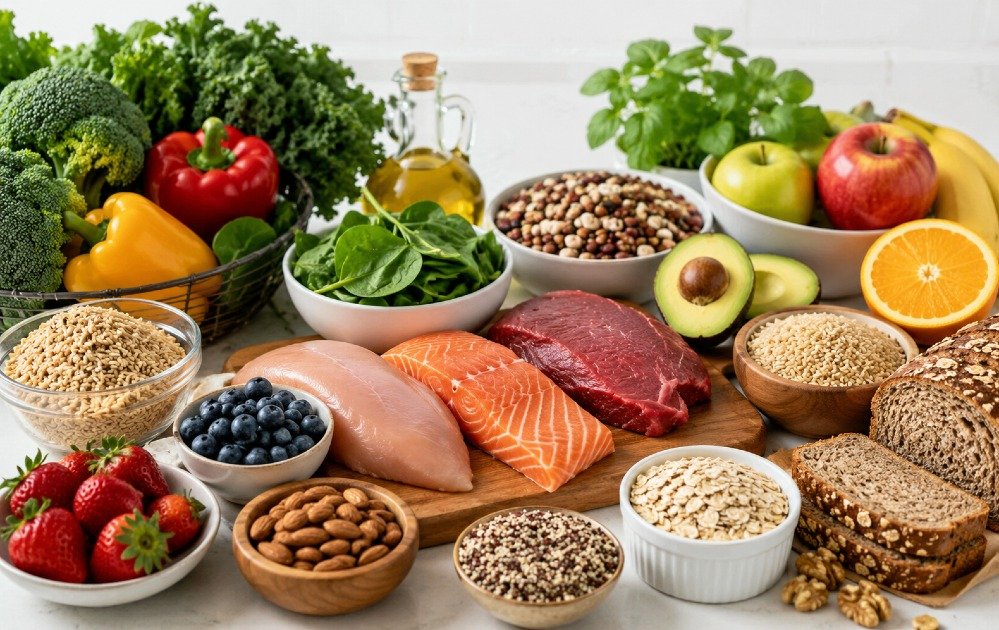
Boost your health by choosing more whole, natural foods packed with nutrients and free from unnecessary sugars, unhealthy fats, and artificial ingredients.
Add more:
- Fruits
- Vegetables
- Whole grains
- Lean protein
- Beans
- Nuts and seeds
Limit:
- Sugary snacks
- Fast food
- Soda
- Highly processed meals
Personal experience:
I find that whole foods help me stabilize blood sugar, curb cravings, support digestion, and keep me energized and satisfied for longer.
2. Include Protein in Every Meal
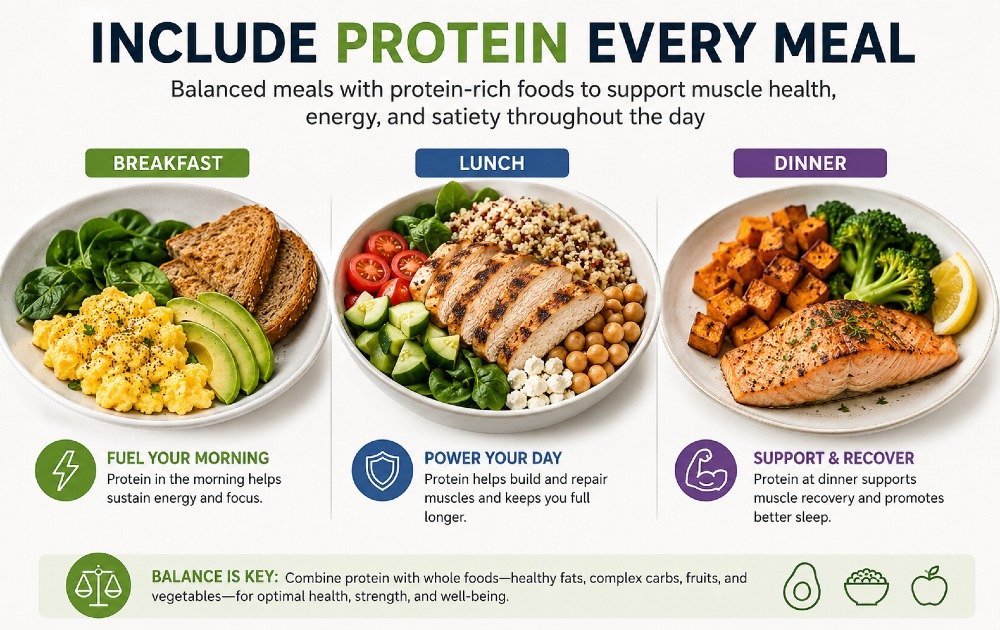
Constant hunger could be a sign you’re not getting enough protein, which helps keep you full while supporting muscle health, metabolism, and recovery.
Healthy protein sources:
- Eggs
- Greek yogurt
- Chicken
- Fish
- Tofu
- Lentils
- Cottage cheese
Build balanced meals with:
- Protein (Grilled chicken)
- Fiber-rich carbs (brown rice)
- Healthy (fats avocado)
- Vegetables (roasted vegetables)
Personal experience:
I find that balanced meals keep me satisfied, prevent overeating, and help me avoid afternoon energy crashes.
3. Drink More Water Daily
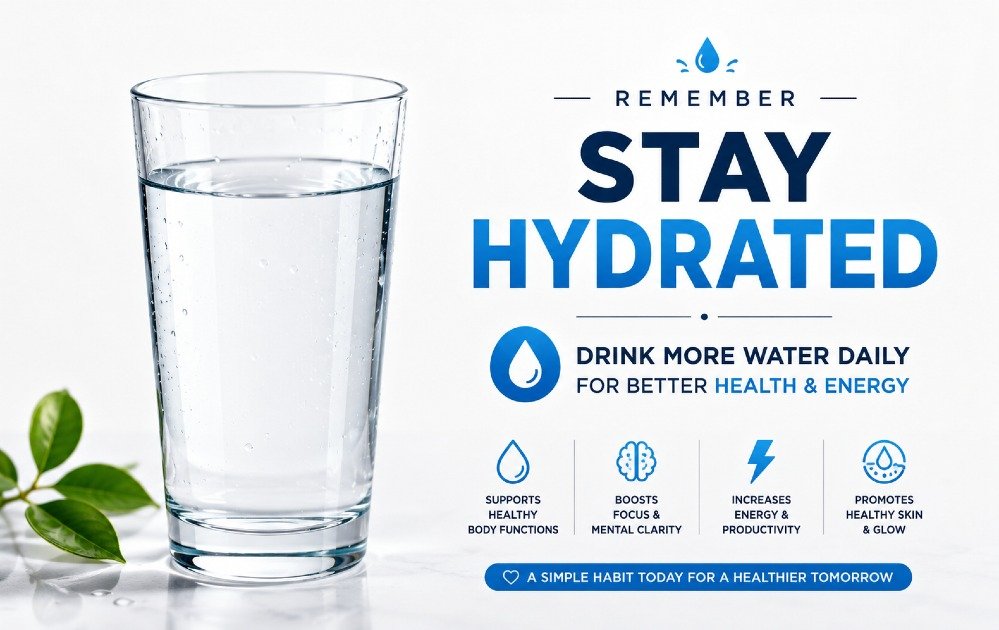
Always tired, hungry, or battling headaches? Dehydration could be the hidden cause.
Simple hydration tips:
- Drink water before meals
- Carry a reusable bottle
- Replace sugary drinks with water
- Add lemon or fruit for flavor
Core advantages:
- Digestion
- Energy production
- Brain function
- Appetite control
Personal experience:
Drinking more water daily boosted my energy and focus, stabilized my mood, cleared my skin, reduced headaches and crashes, and became a simple habit that keeps my mind and body performing at their best.
4. Stop Skipping Breakfast

Skipping breakfast can drain your energy, trigger overeating, and reduce focus, while a balanced breakfast fuels your body and mind.
Healthy breakfast ideas:
- Oatmeal with berries and nuts
- Eggs with whole-grain toast
- Greek yogurt with fruit
- Protein smoothies
Personal experience:
I start my day with a nutrient-rich breakfast that curbs cravings and keeps me energized and productive all morning.
5. Practice Portion Control Without Extreme Dieting
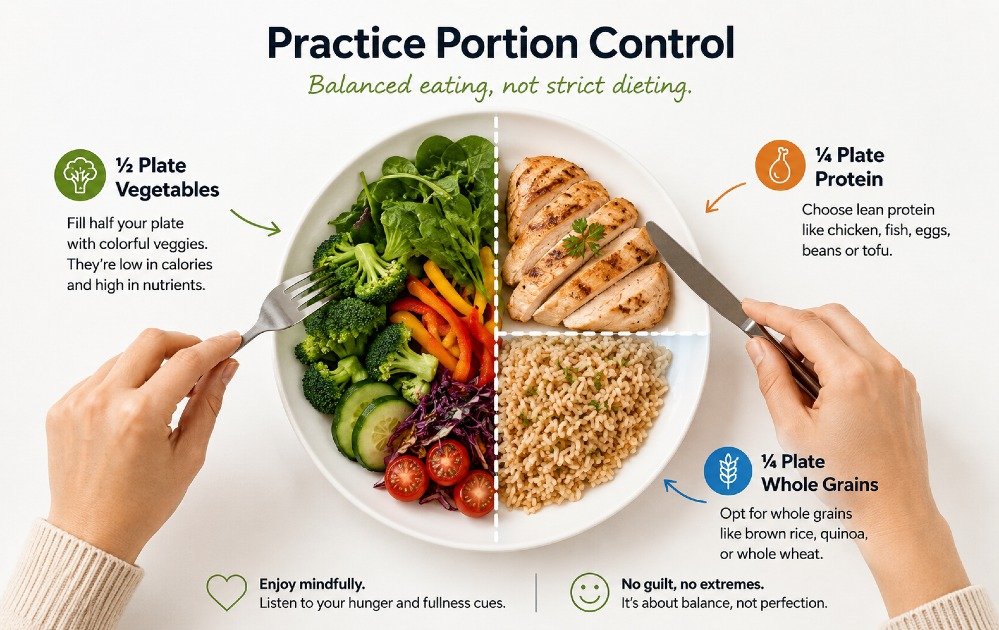
Make healthy eating sustainable by choosing balanced portions and listening to your hunger cues instead of cutting out entire food groups.
Easy portion control tips:
- Use smaller plates
- Eat slowly
- Avoid distracted eating
- Stop eating when comfortably full
Personal experience:
I rely on mindful eating to reduce overeating without feeling restricted at meals.
6. Eat More Fiber for Better Digestion
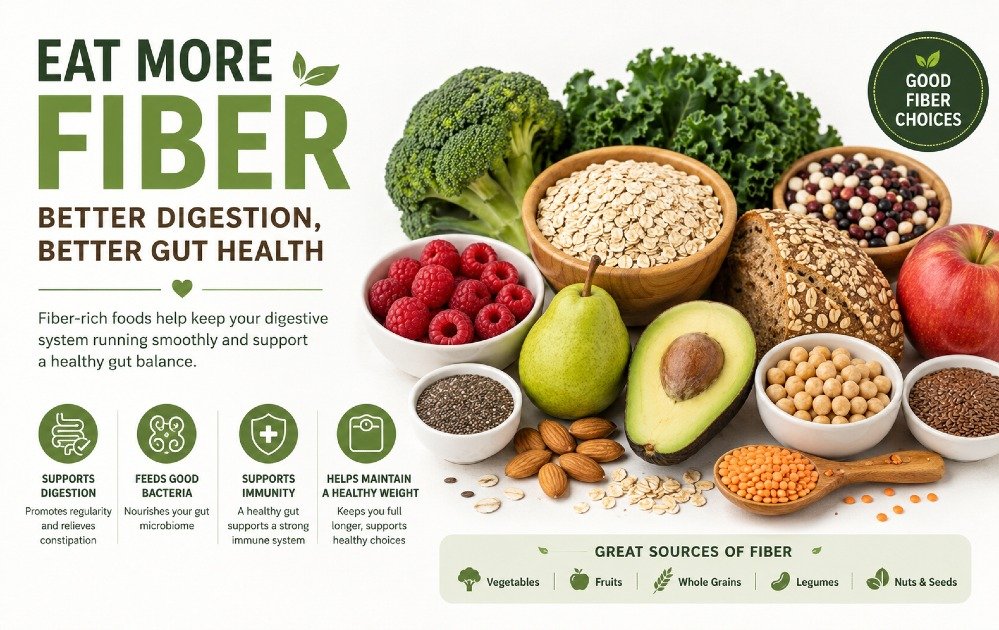
Fiber supports healthy digestion, controls hunger, and stabilizes blood sugar—yet most people still fall short.
High-fiber foods:
- Oats
- Fruits
- Vegetables
- Beans
- Chia seeds
- Whole grains
Core advantages:
- Improve digestion
- Support heart health
- Reduce cravings
- Keep you fuller longer
Personal experience:
I increased my daily fiber intake and quickly experienced smoother digestion, reduced bloating, better regularity, longer-lasting fullness, and a more balanced gut all day.
7. Reduce Added Sugar
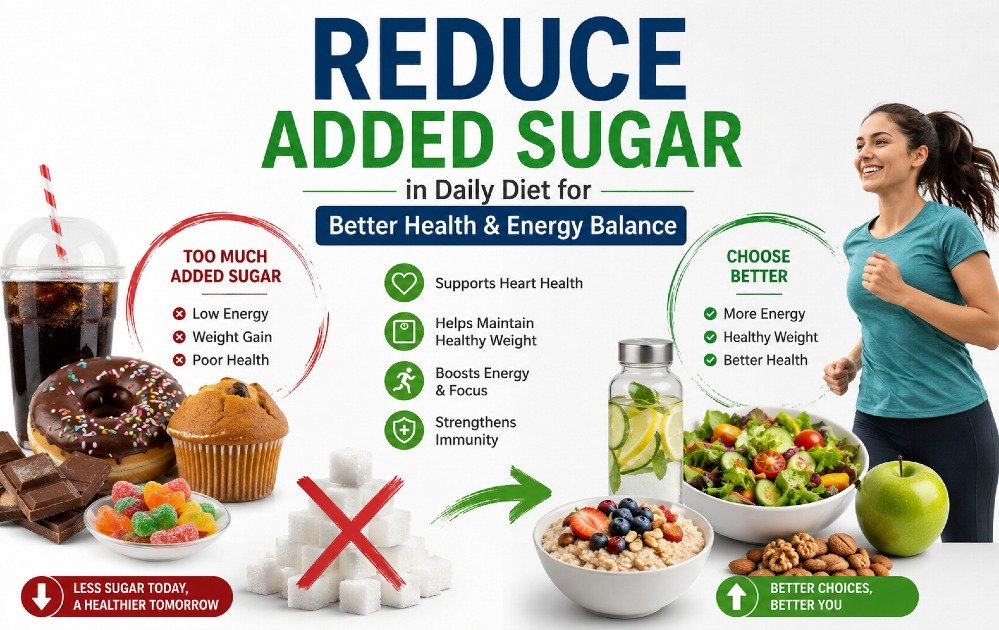
Too much hidden sugar can trigger energy crashes, cravings, and weight gain.
Common hidden sugar sources:
- Flavored coffee drinks
- Granola bars
- Salad dressings
- Yogurt
- Sauces
- Packaged snacks
Smarter ways to cut back:
- Read nutrition labels
- Choose unsweetened drinks
- Eat fruit instead of candy
- Reduce sugary snacks gradually
Personal experience:
I cut sugar to curb cravings and maintain steady energy throughout my day.
8. Plan Meals Ahead of Time
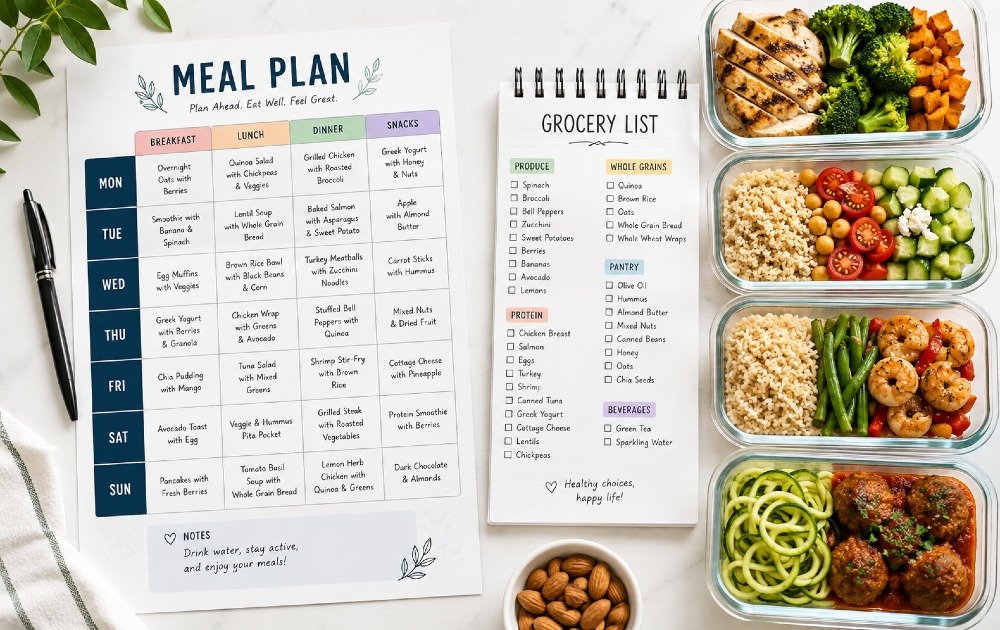
Healthy eating is easier with a plan—without one, busy days often lead to fast food and unhealthy choices.
Simple meal prep ideas:
- Cook proteins in batches
- Prepare vegetables ahead of time
- Keep healthy snacks available
- Create a weekly grocery list
Core advantages:
- Save time
- Reduce stress
- Prevent unhealthy impulse eating
- Keep nutrition goals on track
Personal experience:
I plan meals ahead to avoid last-minute unhealthy choices, control portions and energy, eat better consistently, save money, reduce waste, and stay aligned with my nutrition goals before the day starts.
9. Choose Better Snacks
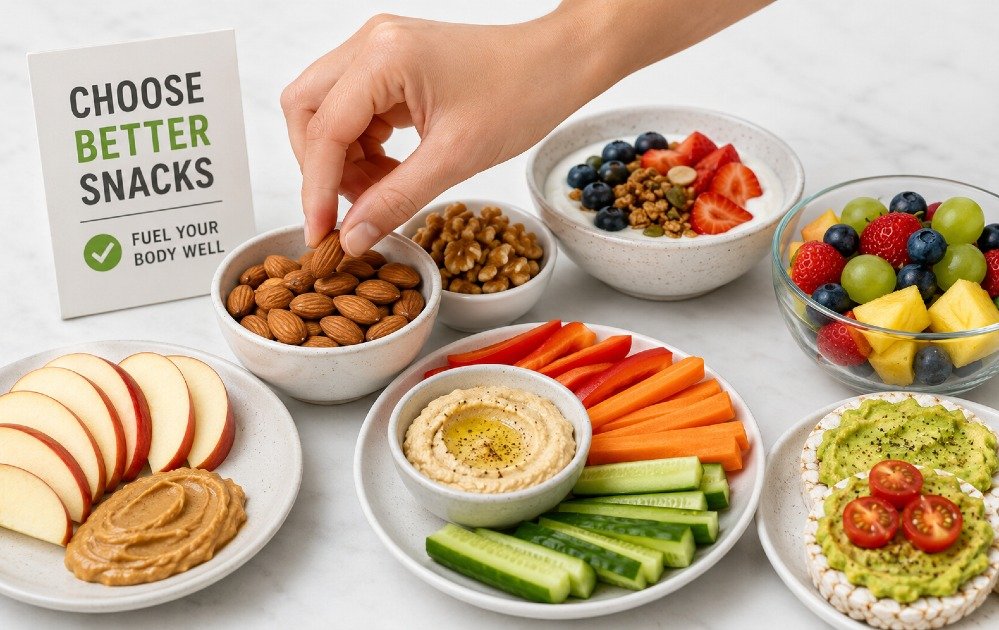
Snacking is not unhealthy when you choose foods that actually support your energy and hunger levels.
Healthy snack ideas:
- Apple slices with peanut butter
- Greek yogurt
- Mixed nuts
- Hummus and vegetables
- Boiled eggs
Avoid constantly snacking on:
- Chips
- Candy
- Sugary pastries
- Energy drinks
Personal experience:
I rely on balanced snacks to stay full and focused between meals.
10. Focus on Consistency, Not Perfection
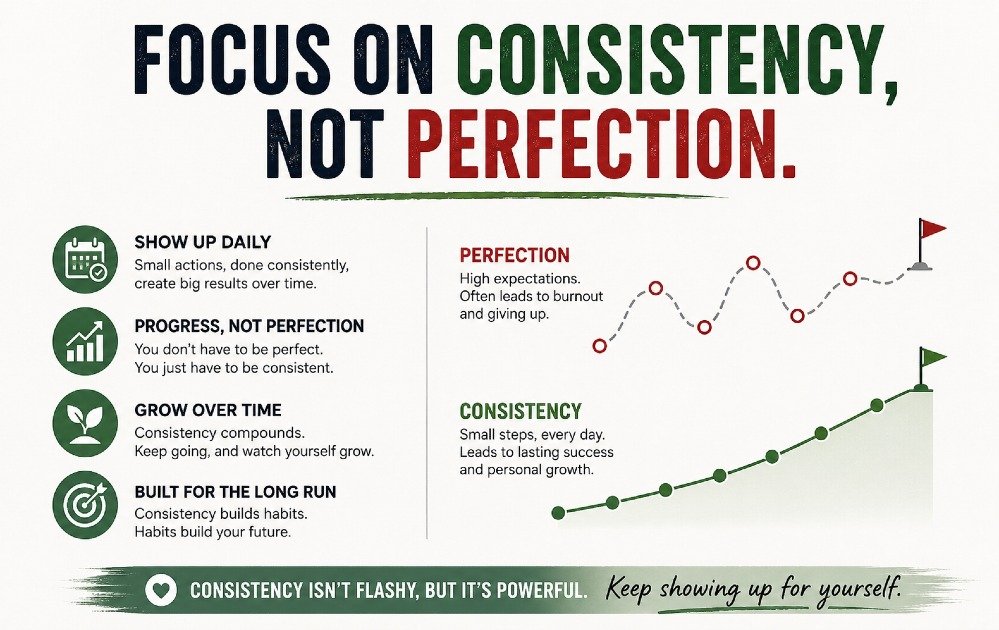
Many people quit healthy eating after a single setback, thinking they’ve failed, but real results come from consistency—not perfection—over time.
To stay consistent:
- Focus on progress, not perfection
- Make small, manageable changes
- Enjoy occasional treats without guilt
- Build habits you can maintain long term
- Get back on track after setbacks
Personal experience:
Consistency is what built my sustainable healthy eating habits—improving digestion, stabilizing energy, and supporting long-term wellness by focusing on steady healthy choices over perfection.
Common Healthy Eating Mistakes to Avoid
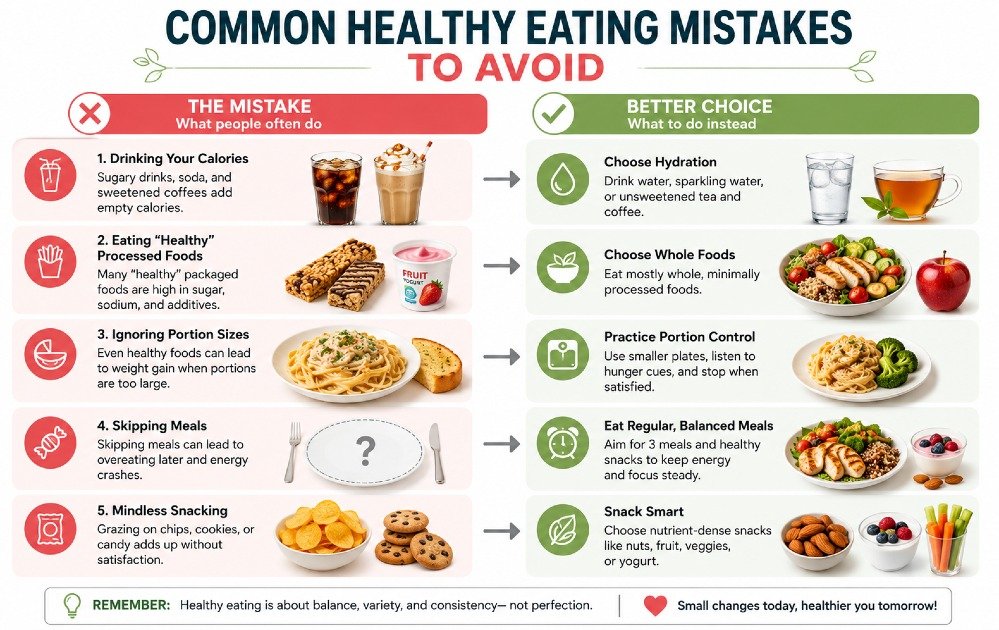
Even healthy intentions can backfire when hidden nutrition mistakes go unnoticed—identify and correct the habits that may be undermining your health goals.
Common mistakes include:
- Skipping meals and overeating later
- Relying on processed “healthy” foods
- Drinking sugary beverages regularly
- Eating too quickly
- Following restrictive fad diets
- Not drinking enough water
- Eating too little protein or fiber
Core advantage:
Avoiding these mistakes helps control appetite, improve digestion, reduce cravings, and makes healthy eating easier to sustain.
Best Foods to Keep in Your Kitchen
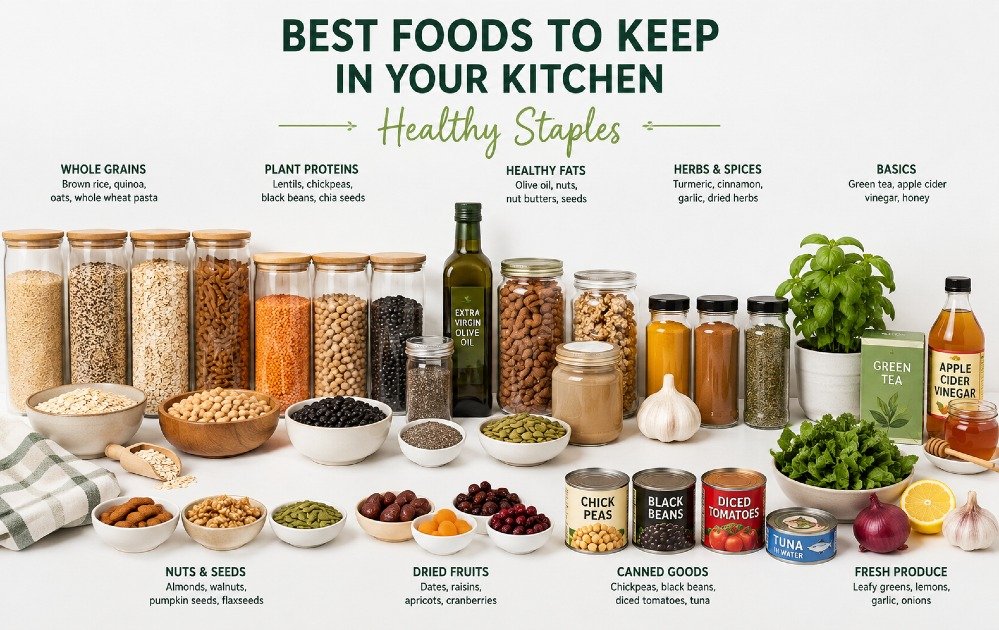
Stocking nutritious foods makes healthy eating much easier.
Protein sources:
- Eggs
- Chicken
- Fish
- Greek yogurt
- Beans
Healthy carbohydrates:
- Brown rice
- Oats
- Sweet potatoes
- Quinoa
- Whole grains
Healthy fats:
- Avocados
- Olive oil
- Nuts
- Seeds
Fruits and vegetables:
- Spinach
- Broccoli
- Apples
- Blueberries
- Bell peppers
Nutrition Tips for Better Health
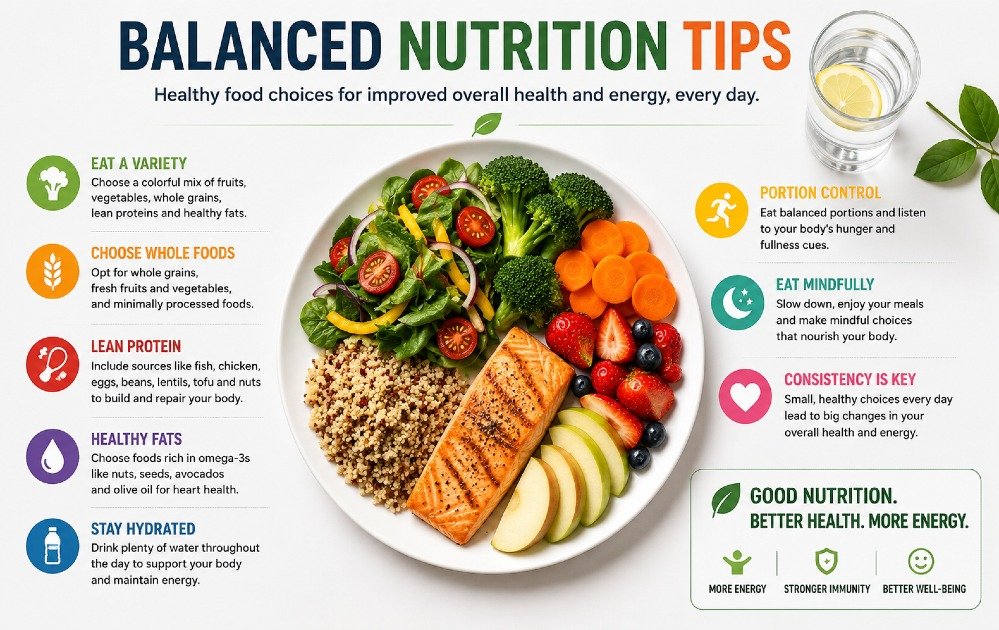
Good nutrition isn’t complicated—simple, balanced, nutrient-dense foods deliver lasting energy and stronger overall health.
Practical nutrition tips include:
- Fill half your plate with vegetables
- Choose whole foods whenever possible
- Include lean protein with every meal
- Include nutrient-rich fats from sources like nuts, seeds, and avocados.
- Drink water throughout the day
- Limit added sugars
- Choose whole grains over refined carbohydrates
Core advantage:
These habits support digestion, boost energy and immunity, promote long-term health, and reduce dependence on highly processed foods.
Best Healthy Eating Habits for Long-Term Success
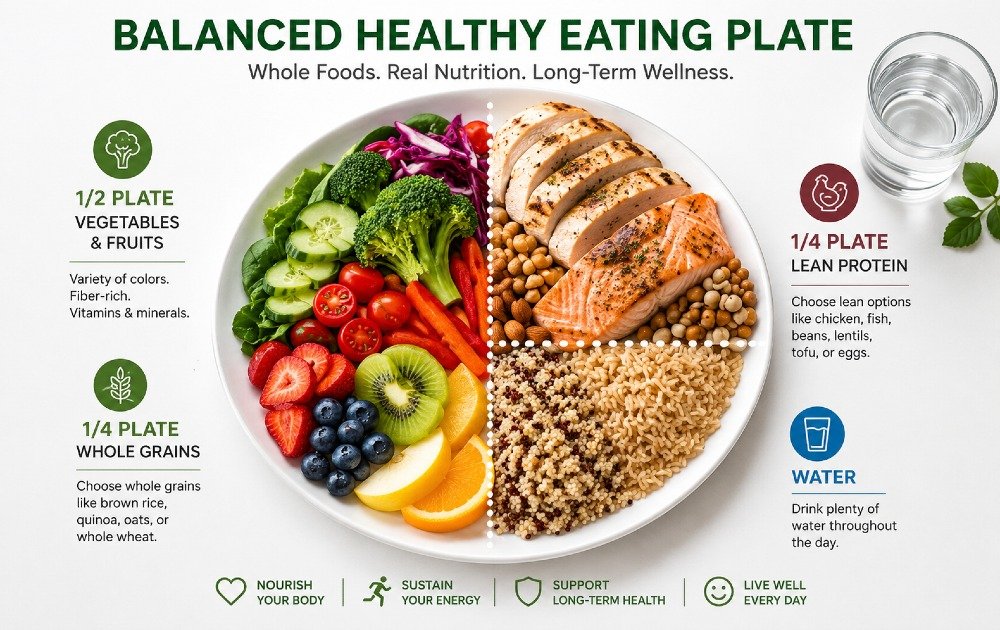
Healthy eating becomes effortless when daily routines and habits make nutritious choices simple and sustainable.
Effective healthy eating habits include:
- Eating balanced meals consistently
- Keeping healthy snacks available
- Practicing mindful eating
- Reading nutrition labels
- Preparing more meals at home
- Drinking water before meals
- Paying attention to hunger and fullness cues
Core advantage:
Strong daily habits reduce decision fatigue, make healthy eating effortless, and over time support healthy weight, higher energy, and overall wellness.
Healthy Meal Planning Made Simple
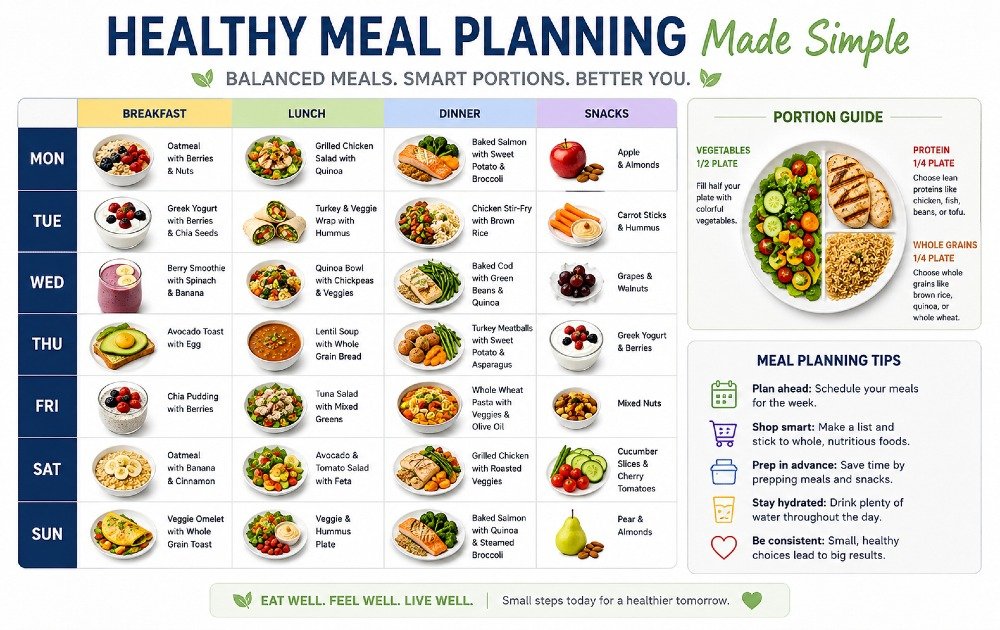
Without planning, busy schedules lead to convenience-driven unhealthy food choices, while meal planning keeps you prepared and eliminates last-minute decisions.
Simple meal planning strategies:
- Create a weekly meal schedule
- Prepare ingredients ahead of time
- Cook proteins and vegetables in batches
- Keep nutritious snacks readily available
- Shop with a grocery list
- Build meals around whole foods
Core advantage:
Healthy meal planning saves time, reduces stress, cuts food waste, and makes healthy eating easier all week.
NIH highlights the challenge of healthy eating and the benefit that comes with it.
Frequently Asked Questions
What is the best healthy eating habit to start with?
Eat more whole foods and fewer processed foods to improve nutrition, support digestion, and maintain steady energy throughout the day.
Can healthy eating help with weight loss?
Healthy eating supports weight loss by controlling hunger, reducing cravings, and providing nutrient-dense, filling foods that make it easier to maintain a healthy weight.
What are some practical ways to maintain a healthy diet while managing a hectic schedule?
Preparation is key—plan meals, keep healthy snacks on hand, and shop with a grocery list to make healthy choices effortlessly during busy weeks.
How soon can you notice changes after starting a healthy eating routine?
Many people see improved energy and digestion within weeks, while consistent habits drive lasting results like weight loss and better overall health over time.
Do I let go of the foods I enjoy eating?
Healthy eating is about balance, not restriction—enjoying favorite foods occasionally helps you maintain long-term habits.
Recap: Healthy Choice Begets Healthy Eating
Healthy eating is built when repeated daily to boost energy, improve digestion, and deliver lasting wellness.
The challenge is staying organized and making those choices regularly.
One positive step leads to meaningful improvements in your health, energy, and quality of life.
Ready to Make Healthy Eating Simpler and More Sustainable?
Still struggling to stay consistent with healthy eating without feeling restricted, overwhelmed, or “off track” every other day?
These portion control plates can make balanced eating simple, helping you manage portions naturally, maintain steady energy throughout the day, and support sustainable healthy weight loss without overthinking every bite.