

You take a painkiller, and it works—temporarily. Then the pain returns because the root cause is not fixed.
This pattern is common with chronic pain, headaches, back issues, and joint discomfort. Painkillers can offer quick relief, but the results fade while the risk of side effects and dependence grows.
This guide explains how acupuncture offers a different approach. Instead of masking pain, it supports the body’s natural ability to heal and restore balance.
9 Ways Acupuncture Is Increasingly Used as an Alternative to Painkillers

Pain care is moving beyond quick fixes toward approaches that target how the body interprets pain.
Unlike painkillers that simply block signals, acupuncture is used in modern care to help the body manage pain more naturally by supporting its own pain-relief chemicals and how the brain processes discomfort.
Discover nine practical ways acupuncture is used in pain management and why it is often considered over medication.
1. Treats the Root Cause, Not Just the Pain
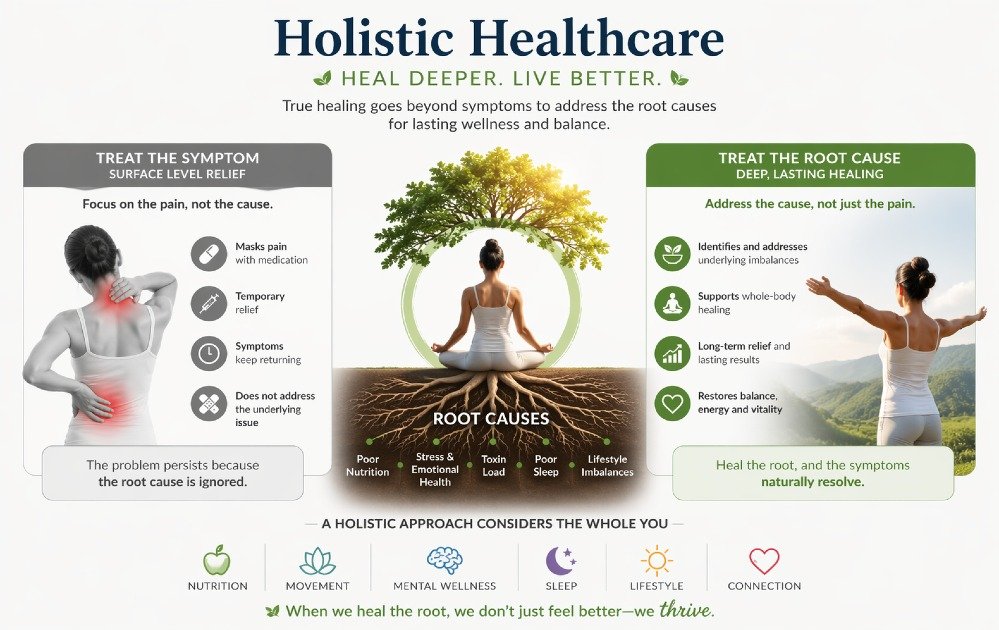
Painkillers block pain signals but do not fix what is causing the pain.
Acupuncture stimulates specific points in the body to improve circulation, nerve function, and internal balance.
Core advantages:
- Addresses underlying causes of pain
- Supports natural healing processes
- Reduces recurring discomfort over time
Instead of temporary relief, it focuses on long-term improvement.
2. No Risk of Dependency
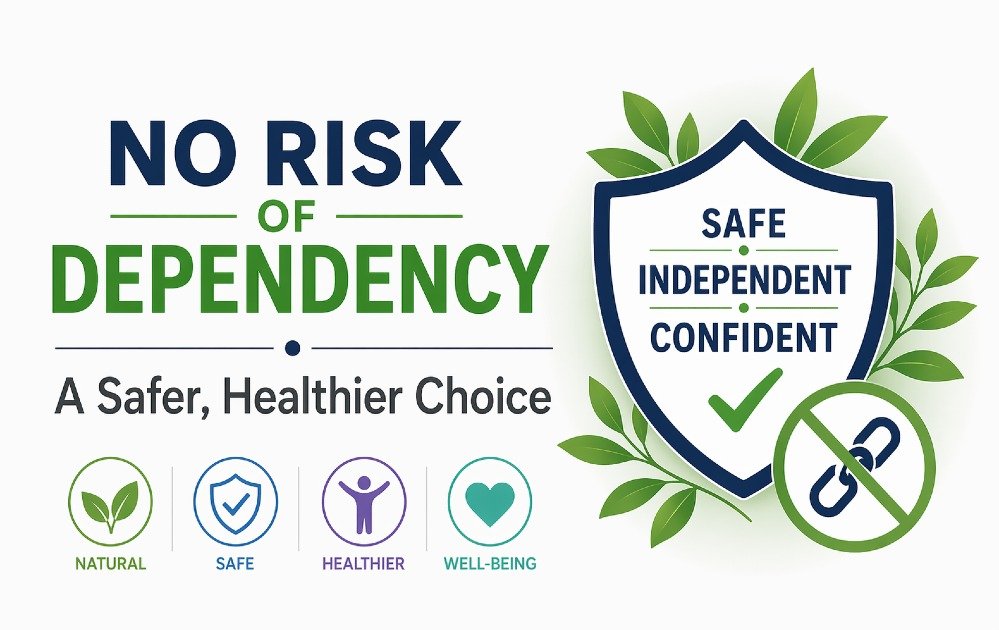
Many pain medications, especially opioids, carry a risk of dependency when used long-term.
Acupuncture does not involve drugs or chemicals.
Core advantages:
- No addiction risk
- Safe for ongoing use
- No withdrawal effects
This makes it a safer option for long-term pain management.
3. Fewer Side Effects
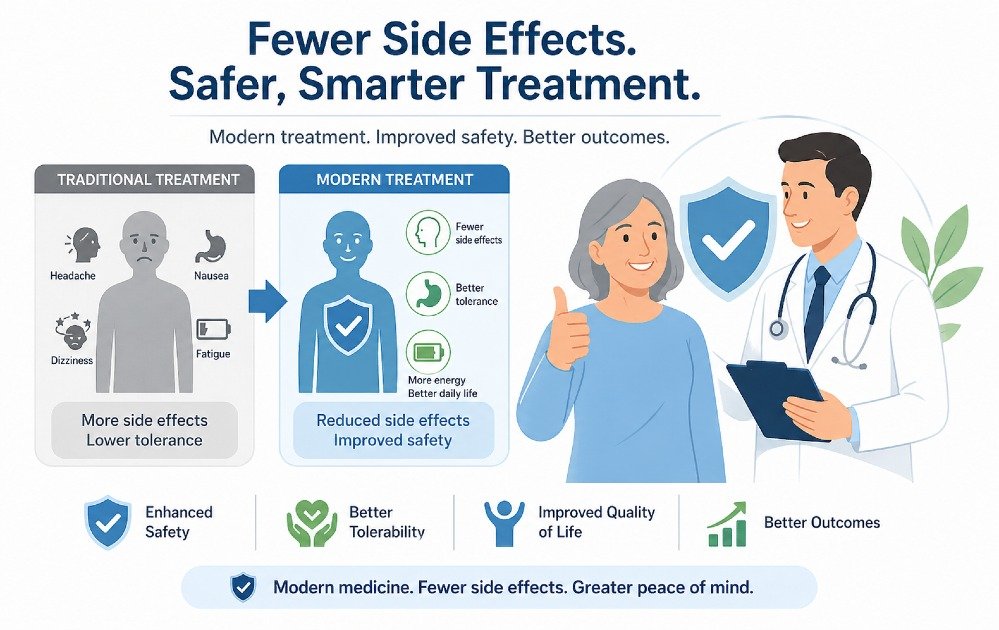
Painkillers can cause stomach irritation, drowsiness, liver strain, and other long-term health issues.
Acupuncture uses fine, sterile needles and is generally well tolerated when performed by a trained professional.
Core advantages:
- Minimal side effects
- No chemical stress on the body
- Suitable for sensitive individuals
4. Stimulates Natural Pain Relief
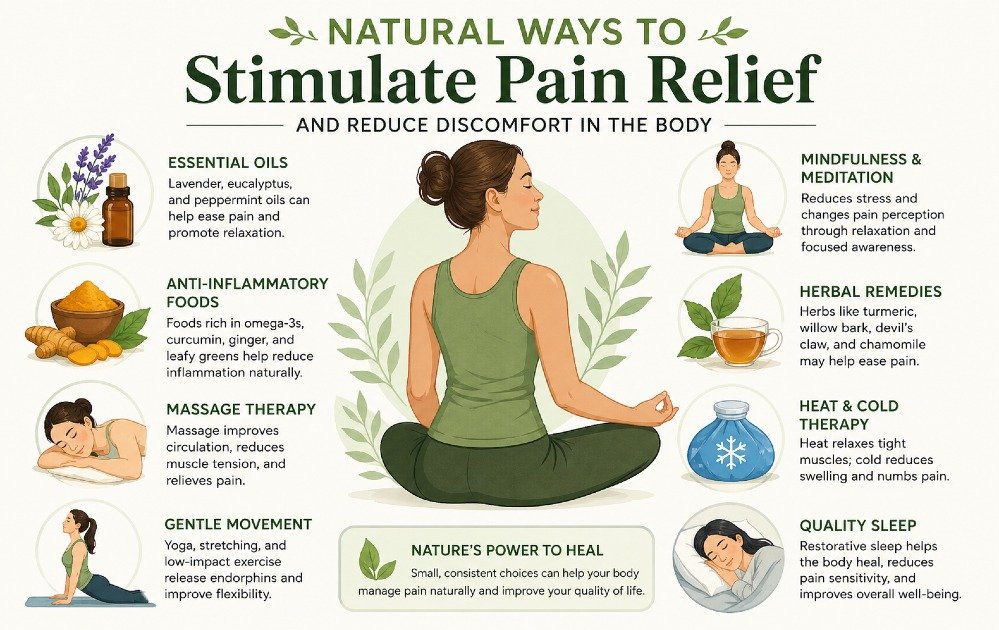
Painkillers suppress pain signals artificially.
Acupuncture encourages the body to activate its own pain-relief system by releasing endorphins, the body’s natural painkillers.
Core advantages:
- Natural pain control
- Longer-lasting relief
- Improved overall well-being
5. Supports Whole-Body Health

Pain medication focuses on isolated symptoms.
Acupuncture supports multiple systems, including the nervous, circulatory, and hormonal systems.
Core advantages:
- Better sleep quality
- Reduced stress levels
- Improved energy and digestion
It works beyond pain relief by improving overall function.
6. Effective for Chronic Pain
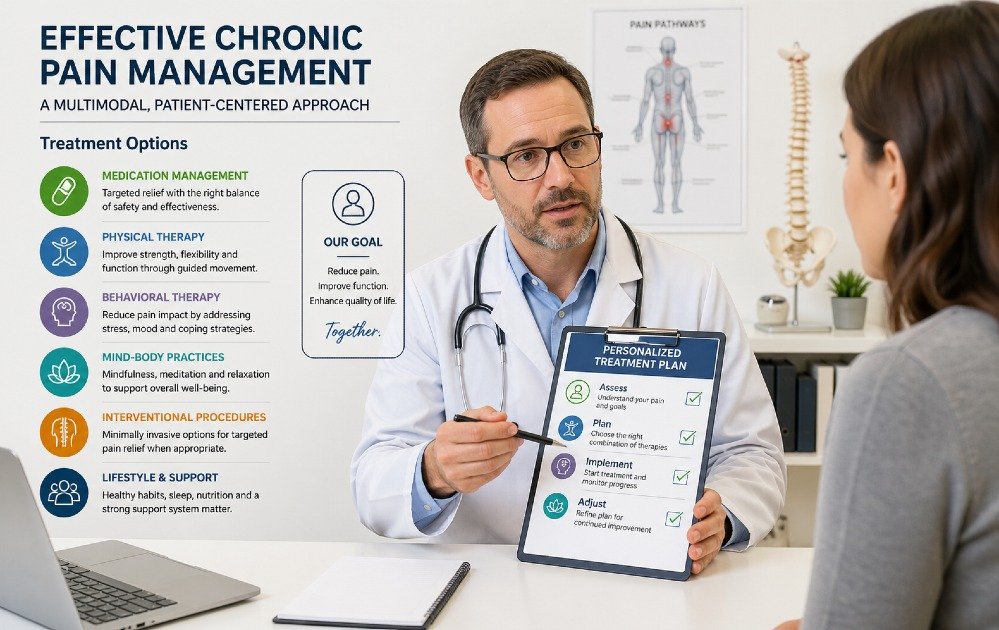
Chronic pain often becomes less responsive to medication over time.
Acupuncture is commonly used for:
- Lower back pain
- Migraines and tension headaches
- Arthritis
- Neck and shoulder pain
Treatment is tailored to each person’s condition, allowing for more targeted care.
Core advantages:
- Gradual, consistent improvement
- Reduced severity of long-term pain
7. Reduces Inflammation Naturally

Inflammation is a major cause of persistent pain.
Acupuncture helps improve blood flow and regulate inflammatory responses in the body.
Core advantages:
- Reduced swelling
- Faster recovery
- Improved mobility
This makes it useful for both injuries and chronic conditions.
8. Supports Mental and Emotional Balance
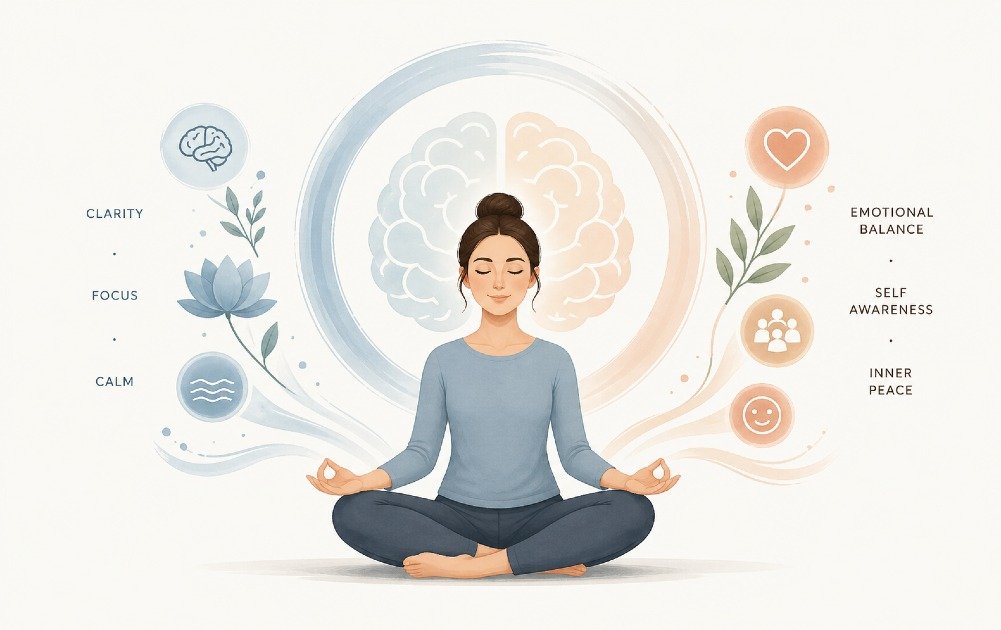
Chronic pain often affects mental health, leading to stress, anxiety, or fatigue.
Acupuncture helps regulate the nervous system and promotes relaxation.
Core advantages:
- Reduced stress and anxiety
- Improved emotional balance
- Calmer mental state after treatment
It supports both physical and emotional recovery.
9. More Cost-Effective Over Time

While acupuncture requires upfront sessions, it can reduce long-term reliance on medications and repeated treatments.
Core advantages:
- Fewer prescriptions over time
- Reduced long-term healthcare costs
- Less dependency on daily medication
For many people, it becomes a more sustainable long-term option.
Natural Pain Management Methods
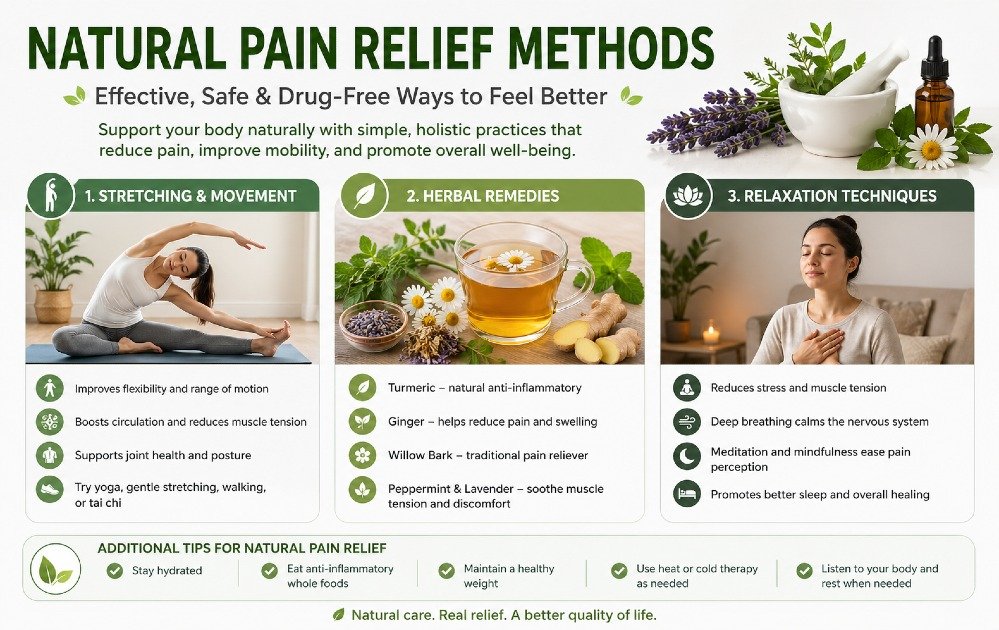
Medication can lead to side effects and reduced effectiveness over time.
Natural pain management methods focus on restoring how the body functions. They support healing instead of blocking symptoms.
Core advantages:
- Less reliance on medication
- Better long-term results
- Improved overall health
Effective options include:
- Acupuncture: Improves circulation and reduces pain signals
- Physical therapy: Builds strength and corrects movement
- Heat and cold therapy: Eases inflammation and muscle tension
- Mind-body practices: Yoga and breathing reduce stress-related pain
- Massage therapy: Relieves tight muscles and improves blood flow
Combining methods often delivers stronger, longer-lasting results.
Chronic’s Pain Natural Treatment
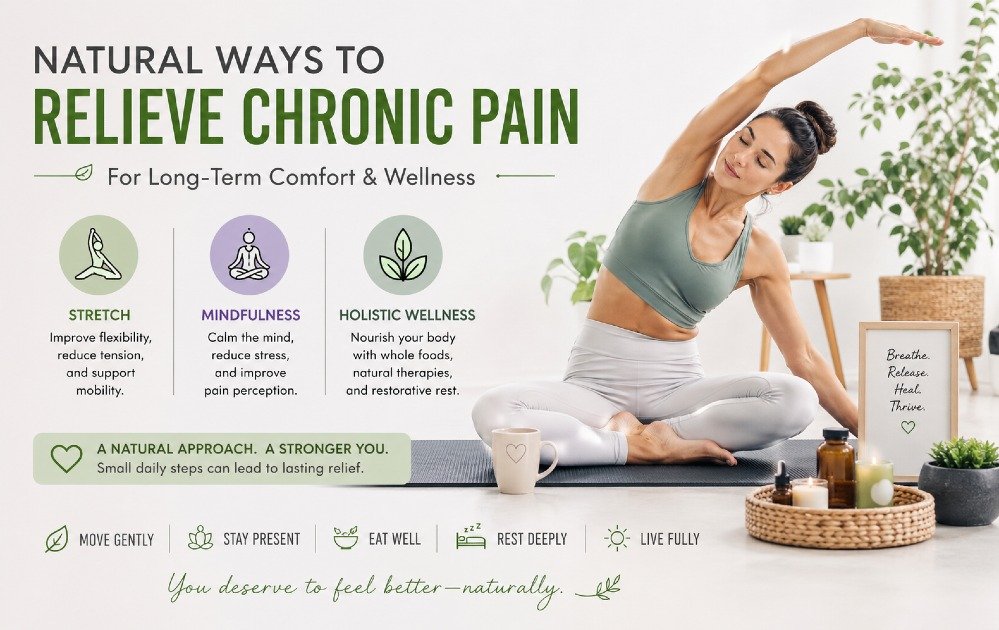
Chronic pain does not go away easily. The body can adapt to medication, making it less effective over time.
A chronic pain natural treatment plan focuses on consistent care and addressing underlying issues.
Core advantages:
- Sustainable pain control without dependency
- Better mobility and daily function
- Improved quality of life
NIH highlights acupuncture as an effective chronic pain management.
A strong plan includes:
- Regular acupuncture to regulate pain response
- Anti-inflammatory nutrition to reduce internal stress
- Targeted movement like stretching or low-impact exercise
- Quality sleep to support recovery
- Stress management to prevent flare-ups
My chronic back pain improves when acupuncture is combined with core strengthening and posture correction.
Endorphin Release Acupuncture
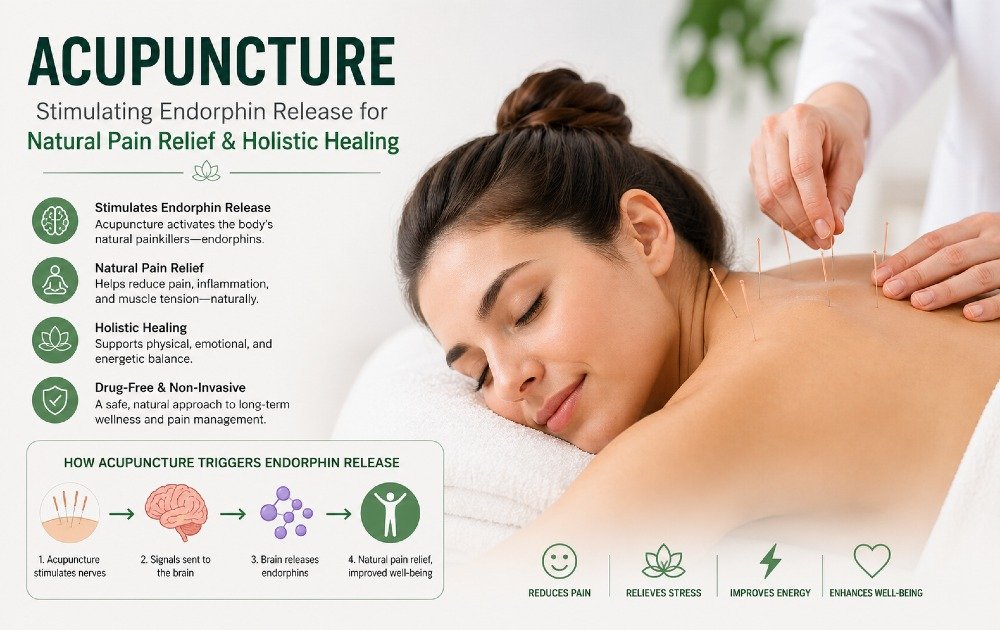
Most treatments override pain signals instead of improving the body’s response to pain. Endorphins regulate pain, not just block it.
Acupuncture activates the body’s internal pain-control system by triggering the release of endorphins—natural chemicals that reduce pain and improve mood.
Core advantages:
- Effective, drug-free pain relief
- Longer-lasting results
- Reduced stress and improved well-being
What happens during treatment:
- Needles stimulate specific nerve pathways
- The brain releases endorphins
- Blood flow increases in targeted areas
- Muscles relax and tension decreases
Frequently Asked Questions
Does acupuncture really work better than painkillers?
It depends on your goal. Painkillers are designed for fast, short-term relief, while Acupuncture focuses on long-term improvement by supporting how your body processes pain.
Many people find acupuncture more effective for chronic conditions because it targets underlying issues rather than masking symptoms.
How long does it take to see results?
Some people notice relief after the first session. However, for chronic pain, results typically build over several sessions over a few weeks.
Consistency matters. The more regularly you follow treatment, the more stable and lasting the results tend to be.
Is acupuncture safe compared to pain medication?
Yes, when performed by a licensed practitioner, acupuncture is considered very safe with minimal side effects.
In contrast, long-term use of certain painkillers may carry risks such as:
- Digestive issues
- Liver strain
- Dependency (in some cases)
Can acupuncture replace painkillers completely?
Not always. It depends on the condition and severity of pain.
However, many people use acupuncture to:
- Reduce their reliance on medication
- Improve overall pain control
- Support recovery alongside other treatments
Always consult a healthcare professional before making changes to prescribed medication.
What types of pain respond best to acupuncture?
Acupuncture is commonly used for:
- Chronic back and neck pain
- Migraines and tension headaches
- Joint pain and arthritis
- Muscle tension and sports injuries
It works especially well for long-term, recurring pain conditions.
Recap: A Smarter Approach to Lasting Pain Relief
Painkillers can be helpful, but they are not designed for long-term solutions. They often manage symptoms without addressing the cause.
Acupuncture offers a different path by:
- Supporting the body’s natural healing systems
- Reducing inflammation
- Improving how pain is processed
Acupuncture is a practical option worth considering if your goal is to move beyond short-term fixes and take control of your pain in a more balanced way.
Ready to Take the First Step Toward Natural Pain Relief
You don’t need to rely on quick fixes forever. Start exploring a more sustainable approach to pain management.
Ease stubborn pain naturally and feel the difference daily with this supportive mat designed to help your body relax, recover, and move with lasting comfort.
Your body already has the ability to heal—sometimes it just needs the right support.