

Feeling exhausted even after resting, losing motivation, or simply running on empty? Ignoring these warning signs can turn ongoing stress into deeper exhaustion, detachment, and reduced effectiveness.
The World Health Organization recognizes energy depletion and exhaustion as key features of burnout.
This guide teaches you how to recognize the signs early and taking practical steps to recover can help you regain your energy, focus, and sense of well-being.
Understand the Causes of Burnout
Ongoing pressure, overwhelming responsibilities, and too little recovery time can sap your vitality and undermine your physical and emotional well-being.
Understanding the causes helps you set boundaries, reduce stress, and protect your well-being.
Recognize the Signs of Burnout
Persistent exhaustion, irritability, reduced motivation, and difficulty concentrating may signal that stress is taking a toll.
Spotting burnout warning signs early allows you to take timely action before persistent exhaustion disrupts your everyday activities and well-being.
Recover From Burnout With Practical Steps
Ignoring burnout can deepen exhaustion and make everyday responsibilities harder to manage.
Prioritizing rest, setting healthy boundaries, and seeking support can rebuild your energy and help you regain emotional balance.
10 Ways to Recognize Warning Signs and Reclaim Your Energy
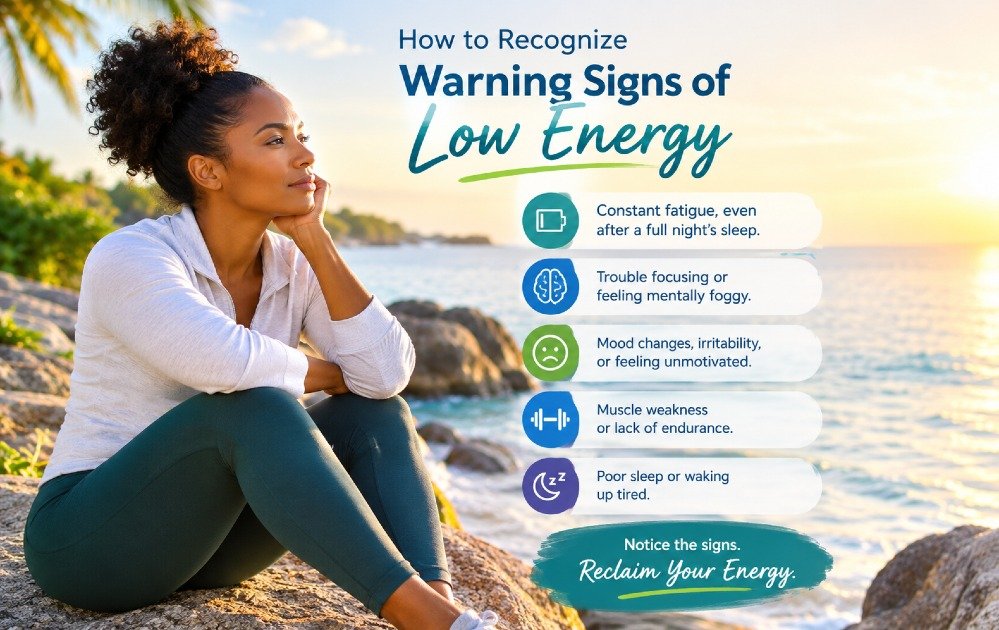
Feeling tired or mentally scattered may seem like a normal response to a demanding schedule. However, ongoing fatigue, increased irritability, difficulty focusing, and pulling away from others may indicate that your body and mind need care and recovery.
Discovering these ten signs early will help you identify what is draining your energy, make healthier adjustments, and rebuild your physical and mental capacity.
Constant Physical and Mental Exhaustion

Constant physical and mental exhaustion can drain your energy, weaken focus, and signal signs of burnout that should not be ignored.
Why it matters:
Recognizing persistent fatigue early helps you address stress, protect your well-being, and regain control of your daily life.
What works for me:
I prioritize restorative sleep, daily relaxation, and a guided meditation platform to manage stress, restore mental clarity, and build healthier routines.
How to start:
- Set a consistent bedtime and wake time.
- Schedule short breaks during demanding days.
- Reduce unnecessary commitments temporarily.
- Choose gentle movement instead of forcing intense workouts.
- Give yourself permission to recover before reaching complete exhaustion.
You Feel Irritable or Easily Frustrated

Feeling irritable or easily frustrated can signal rising stress and possible signs of burnout, but small, consistent changes can help restore calm.
Why it matters:
Persistent irritability can strain relationships, disrupt focus, and signal that your mind and body need rest.
What works for me:
I use a guided meditation platform for five minutes of daily mindfulness to manage frustration, reset my mood, and build emotional resilience.
How to start:
- Pause before responding to stressful situations.
- Take several slow breaths.
- Step away when a conversation becomes overwhelming.
- Identify recurring triggers.
- Protect a short period of quiet time each day.
You Lose Motivation and Interest

Losing motivation and interest can signal emotional exhaustion, but recognizing the signs of burnout early can help you regain focus and direction.
Why it matters:
Ignoring the signs of burnout can deepen fatigue, reduce productivity, and make everyday activities feel overwhelming.
What works for me:
I rebuild my motivation by setting small daily goals, protecting my recovery time, and using a guided mindfulness platform to manage stress and restore mental clarity.
How to start:
- Choose one priority for the day.
- Break large tasks into smaller steps.
- Schedule one enjoyable activity.
- Celebrate completion rather than perfection.
- Remove nonessential tasks temporarily.
Your Concentration and Productivity Decline

When your concentration fades and productivity drops, it may signal excessive stress or signs of burnout—but small, consistent changes can help you regain focus.
Why it matters:
Spotting burnout in its early stages helps preserve mental stamina, sharpen concentration, and sustain productivity without exhausting yourself.
What works for me:
I use a daily focus routine with short breaks and a guided meditation platform to manage stress, sharpen concentration, and stay productive.
How to start:
- Turn off unnecessary notifications.
- Work on one priority at a time.
- Use short focused work periods.
- Take regular mental breaks.
- Write your top priorities in a daily planner so you can organize important tasks and monitor your progress throughout the day.
You Become Cynical or Emotionally Detached

When stress goes unchecked, you may become cynical or emotionally detached, making it harder to connect with others and recognize signs of burnout.
Why it matters:
Recognizing these changes early helps protect your emotional well-being, rebuild meaningful connections, and prevent prolonged burnout.
What works for me:
I make time for daily mental breaks, mindful breathing, and guided meditation to regain emotional balance, manage signs of burnout, and reconnect with myself using a guided meditation platform.
How to start:
- Identify the responsibilities draining you most.
- Separate essential tasks from optional ones.
- Discuss realistic workload changes when appropriate.
- Protect time away from work.
- Reconnect with meaningful activities outside your job.
Your Sleep Pattern Changes

Changes in your sleep pattern may signal stress, disrupted routines, or signs of burnout, but small changes can help restore restful nights.
Why it matters:
Persistent sleep changes can affect mood, energy, and focus, making early action essential for long-term wellness.
What works for me:
I maintain a consistent bedtime, limit evening screen time, and use a sleep tracker to monitor my rest and build healthier sleep habits.
How to start:
- Keep a consistent sleep schedule.
- Reduce stimulating activities before bed.
- Write tomorrow’s priorities down before bedtime.
- Keep the bedroom comfortable, dark, and quiet.
- Use calming activities such as reading or gentle breathing.
Your Eating Habits Change

When stress and signs of burnout disrupt your eating habits, small, intentional changes can help you regain control and nourish your body.
Why it matters:
Changing eating habits can improve energy, support overall wellness, and help you manage stress before unhealthy patterns take hold.
What works for me:
I plan simple, nutrient-rich meals and use a meal-planning journal to track my eating habits, reduce stress-driven choices, and stay consistent with my health goals.
How to start:
- Keep easy-to-prepare foods available.
- Avoid regularly skipping meals.
- Drink water throughout the day.
- Include protein and fiber-rich foods in meals.
- Prepare simple meals ahead of demanding days.
You Withdraw From People

Withdrawing from people may seem easier than explaining your exhaustion, but it can be one of the signs of burnout that deserves attention.
Why it matters:
Recognizing social withdrawal early helps you address emotional exhaustion, protect your well-being, and rebuild meaningful connections.
What works for me:
I set small social goals, protect my quiet time, and use a guided meditation platform to manage stress and reconnect with others at my own pace.
How to start:
- Contact one trusted person.
- Tell them honestly that you feel overwhelmed.
- Schedule a short, low-pressure activity.
- Accept practical help when someone offers it.
- Stay connected even when you do not feel particularly social.
You Experience More Physical Stress Symptoms

Ongoing head pain, tight muscles, and persistent exhaustion can indicate burnout, reminding you to slow down, prioritize rest, and give your body time to recover.
Why it matters:
Ignoring physical stress symptoms can worsen exhaustion, disrupt sleep, and make everyday tasks harder.
What works for me:
I manage stress with daily relaxation, restorative sleep, and a guided meditation platform to ease tension and support recovery.
How to start:
- Record when symptoms appear.
- Notice whether they follow stressful situations.
- Prioritize regular meals and sleep.
- Use gentle movement to release tension.
- Speak with a healthcare professional about persistent or unexplained symptoms.
You Feel Like You Are No Longer Performing at Your Best

When you no longer perform at your best, persistent stress and exhaustion may be warning signs of burnout that deserve your attention.
Why it matters:
Recognizing signs of burnout early helps you protect your energy, improve focus, and regain control of your well-being.
What works for me:
I prioritize daily breaks, restful sleep, and guided mindfulness with a guided meditation platform to manage stress, restore focus, and perform at my best.
How to start:
- Identify the tasks consuming the most energy.
- Reduce unnecessary multitasking.
- Schedule recovery between demanding activities.
- Ask for realistic adjustments when possible.
- Seek professional support if symptoms persist.
How to Recover From Burnout
Burnout can leave you physically depleted, mentally scattered, and struggling to stay motivated, but spotting its early warning signs can help you take meaningful steps toward recovery.
Understanding how to recover from burnout matters because prolonged stress can affect your emotional well-being, sleep, and daily functioning.
Restore your energy, improve sleep, and rebuild emotional balance with practical recovery habits that help you manage stress and regain control of your well-being.
Frequently Asked Questions
What are the most common signs of burnout?
Burnout can show up as exhaustion, irritability, low motivation, poor focus, sleep or appetite changes, emotional detachment, reduced effectiveness, withdrawal, and physical stress symptoms, with signs varying by person.
How do I know if I’m burned out or just physically and mentally drained?
Persistent exhaustion, cynicism, low motivation, or detachment despite rest may signal burnout and warrant professional support if daily life is affected.
Can burnout cause sleep problems?
Sleep changes—trouble falling asleep, frequent waking, unusual sleep patterns, or unrefreshing sleep—can signal burnout, but persistent problems may have other causes.
How do I know If I’m facing burnout or just need time to recharge?
Burnout recovery can take months or years, so focus on sustainable changes and strong support rather than expecting an immediate turnaround.
Can burnout turn into depression?
Burnout and depression can overlap but differ—burnout is work-related stress, while depression is a medical condition requiring professional assessment and treatment.
Recap: Reclaim Your Energy and Protect Your Well-Being
Burnout can quietly drain your energy, focus, motivation, and quality of life—but recognizing the signs gives you the power to respond before exhaustion becomes your normal.
Recover by setting healthier boundaries, prioritizing restorative sleep, taking meaningful breaks, moving your body, managing daily stress, and asking for support when you need it. Protect your energy every day, not only when you feel depleted.
Start today, reclaim your energy, create a healthier rhythm, and make sustainable well-being part of your everyday life.
Ready To Reclaim Your Energy and Recover From Burnout?
Pushing past constant fatigue can deepen exhaustion, but consistent recovery habits can help restore your energy, improve your well-being, and help you feel like yourself again.
Discover how investing in this sleep tracker can turn your nightly data into a refreshing day, help you monitor your sleep patterns, understand your recovery, and make smarter changes that support lasting energy.