
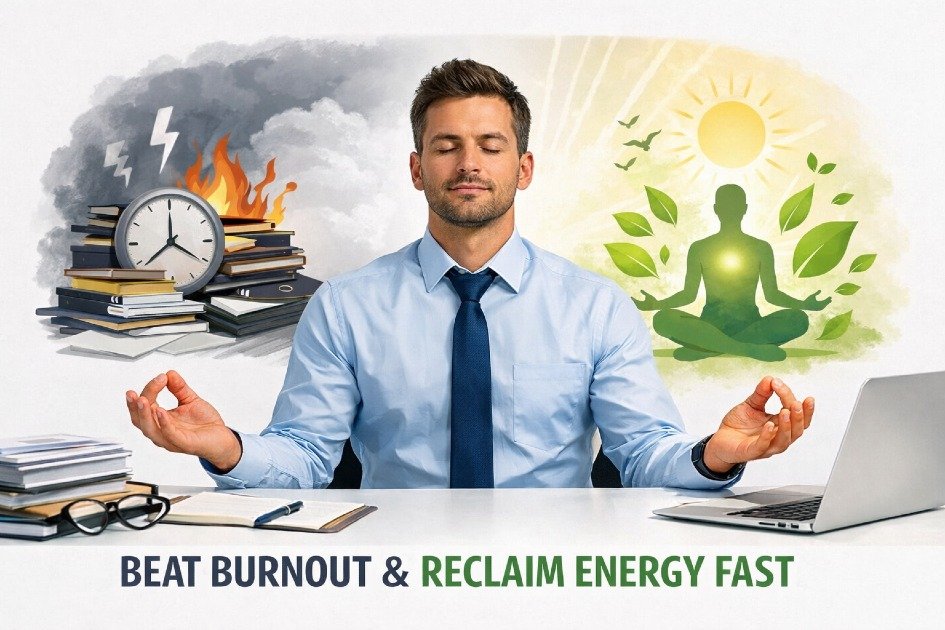
You’re tired—but rest doesn’t fix it. Work feels heavier, focus fades, and motivation disappears. That’s not just stress, that’s burnout and pushing harder won’t solve it.
It builds when stress goes unmanaged for too long. To recover, you need to restore energy, reset priorities, and rebuild structure—not just take random breaks.
This guide explains how to recognize burnout and sharpen focus.
What Is Burnout?

It is deep emotional, mental, and physical exhaustion driven by long-term stress, often resolved through smarter implementation.
Common signs:
- Constant fatigue
- Low motivation
- Brain fog or poor focus
- Irritability
- Reduced performance
WHO identifies burnout as a result of chronic workplace stress that isn’t properly managed.
Why it doesn’t go away:
- You ignore early warning signs
- You rely on willpower instead of recovery
- Your routine drains more than it restores
It’s not a motivation issue—it’s a system issue.
Why Reclaiming Energy after Burnout Matters

Energy is the foundation of focus, creativity, and overall performance. When you’re burned out, your mind and body operate below capacity. Decisions become harder, productivity drops, and even personal relationships can suffer.
Restoring energy is essential for:
- Sharper focus and productivity: Regained energy allows you to think clearly and work efficiently.
- Better emotional balance: You feel calmer, less reactive, and more in control.
- Sustainable performance: Instead of short bursts, you maintain consistent energy throughout the day.
- Improved quality of life: Reconnecting with your energy helps you enjoy work, relationships, and personal time.
By recognizing energy drains, setting boundaries, and practicing intentional recovery, you regain the clarity and vitality needed to thrive.
7 Proven Strategies to Beat Burnout and Restore Lasting Energy

Burnout doesn’t appear overnight, and it isn’t solved with quick fixes. Without addressing the underlying causes—like energy drains, overload, and poor recovery—burnout will persist.
Discover seven proven ways to boost energy, sharpen focus, and stay productive without burnout.
1. Find the Real Source
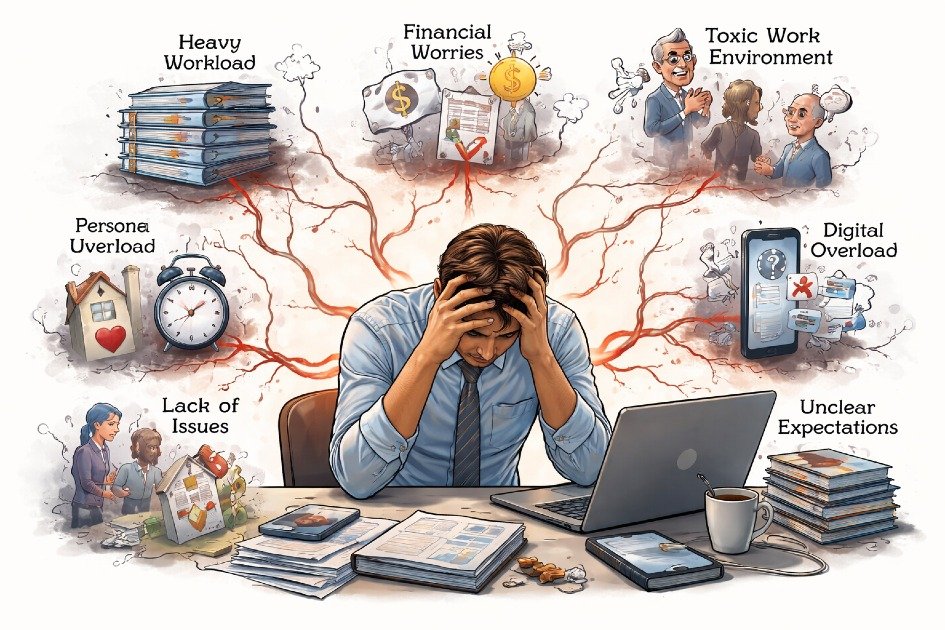
Most people guess what’s causing their burnout—and miss the real triggers.
Audit your energy daily.
Ask:
- What drains me most?
- What consistently stresses me?
- When do I feel mentally depleted?
Track your day and label activities:
- Energy-giving
- Energy-draining
Core advantage:
Stop guessing and fix the real problem through smarter execution.
2. Make Rest Non-Negotiable

You see rest as something earned, not essential, when better results come from using it wisely.
Build rest into your schedule.
Focus on:
- 7–9 hours of sleep
- Short breaks during work
- Time away from screens
Practical approach:
- Work in 60–90 minute focus blocks
- Take 5–10 minute breaks between sessions
Core advantage:
Your energy stabilizes, and mental fatigue drops.
3. Set Boundaries Without Apologizing

Burnout often comes from overcommitment.
Protect your time and energy.
Examples:
- Stop checking messages after work hours
- Decline non-essential tasks
- Limit interruptions
Simple script:
- “I can’t take this on right now.”
Core advantage:
You regain control and prevent overload.
4. Reduce Your Workload

You’re doing too much—and not all of it matters.
Prioritize high-impact work.
Use the 80/20 rule:
- A small portion of tasks drives most results
Action steps:
- Choose your top 3 priorities daily
- Delegate or eliminate low-value tasks
Core advantage:
Less stress, better output.
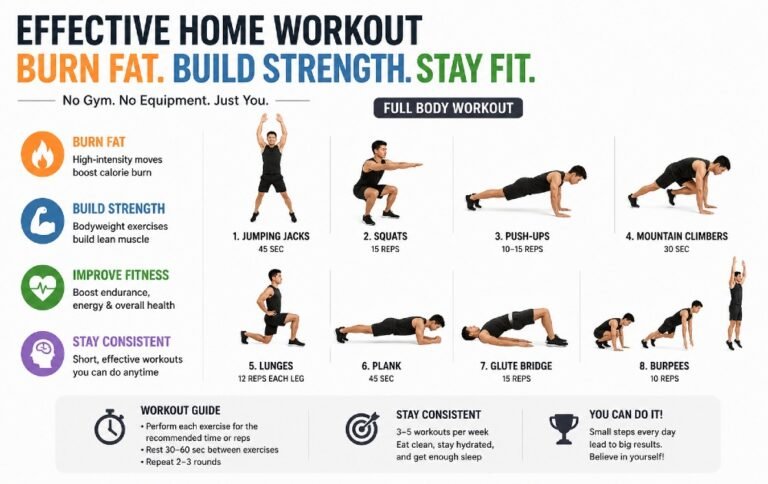
5. Use Movement to Restore Energy

Mental exhaustion worsens when you stay inactive.
Move your body consistently.
Start simple:
- Walk daily
- Stretch between tasks
- Do light strength training
Why it works:
Movement reduces stress hormones and improves focus.
Resistance bands set – can make it easier to stay consistent.
Core advantage:
More energy, better mood, clearer thinking.
6. Reconnect With Meaning

Burnout disconnects you from purpose.
Realign your actions with what matters.
Ask:
- “Why does this work matter?”
- “What matters most for me to have more of?”
Small changes:
- Spend time on meaningful activities
- Stay connected with supportive people
- Track small wins
Core advantage:
You replace emptiness with direction.
7. Build a Simple Recovery Routine
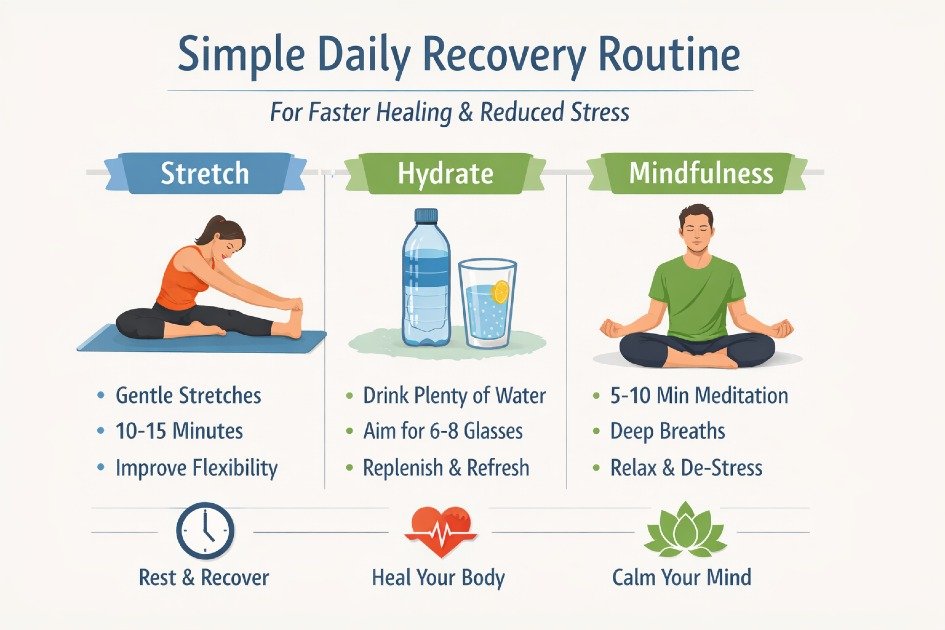
Without structure, burnout keeps returning.
Create a daily reset routine.
Example:
- Morning: quiet time or journaling
- Midday: walk or stretch
- Evening: disconnect from screens
A daily reflection journal – can help you stay consistent.
Core advantage:
You create a system that supports long-term energy.
Recognizing Signs

Burnout often develops gradually, making it easy to mistake for normal stress or fatigue. Ignoring the signs can lead to serious mental and physical health issues.
Key Signs to Watch For:
- Persistent fatigue: Feeling exhausted even after rest.
- Loss of motivation: Tasks that once excited you feel burdensome.
- Mental fog: Trouble concentrating, forgetfulness, or slowed thinking.
- Emotional changes: Irritability, cynicism, or detachment.
- Reduced performance: Struggling with productivity or making more mistakes.
Core advantage:
Recognizing burnout early allows you to act before it impacts your health, relationships, or career.
How to Overcome and Recover

When burnout takes hold, pushing through with sheer willpower often backfires, increasing fatigue and stress.
Take deliberate steps to restore energy and clarity:
- Prioritize rest: Commit to quality sleep and regular breaks.
- Set boundaries: Say no to non-essential tasks and protect personal time.
- Focus on priorities: Tackle what truly matters; delegate or delay the rest.
- Move your body: Light exercise, walking, or stretching reduces stress.
- Reconnect with purpose: Engage in activities that feel meaningful.
Tip:
If constant emails drain you, schedule dedicated focus periods without interruptions.
Core advantage:
These strategies restore energy, reduce stress, and help you regain control of your day.
Recovery Tips

Recovery isn’t a one-off solution. Without structure, burnout can return quickly.
Build a sustainable recovery routine:
- Daily energy check-ins: Track what drains or fuels you.
- Consistent short breaks: Use techniques like the Pomodoro method.
- Mindfulness or journaling: Reflect on stress triggers and small victories.
- Support networks: Lean on friends, family, or colleagues.
- Professional help: Consult a therapist if burnout is severe.
Core advantage:
A structured approach prevents relapse, supports long-term wellbeing, and keeps your energy balanced.
Frequently Asked Questions
How long does burnout recovery take?
It depends on severity. Mild burnout may improve in weeks. Deeper burnout can take months. Consistency matters more than speed.
Can burnout go away without changes?
No. If you don’t address the cause, it usually returns.
Is burnout the same as depression?
Not exactly. Burnout is often work-related. Depression affects all areas of life. If symptoms persist, seek professional help.
What helps the fastest?
Focus on:
- Sleep
- Reducing workload
- Setting boundaries
These deliver the quickest relief.
Does exercise really help?
Yes. Even light movement improves mood, energy, and focus.
Recap: Regain Control and Restore Your Energy
Burnout isn’t a personal failure—it’s a signal that your current routine isn’t sustainable.
When stress consistently outweighs recovery, your energy, focus, and motivation decline. The answer isn’t to push harder. It’s to fix the system that caused the burnout.
The strategies in this guide work because they address the root causes:
- Identify and reduce energy drains
- Make rest a priority, not an afterthought
- Set firm boundaries to protect your time
- Focus on high-impact work
- Build consistent recovery habits
These are not quick fixes. They are practical, repeatable actions that restore balance and prevent burnout from returning.
Ready to Reclaim Your Energy
You don’t need to work harder—just implement smarter. Pick one strategy from this guide and apply it today.
Reclaim your focus, clear mental overload, and rebuild your energy daily with this reflection journal designed to help you break free from burnout before it drains your life further.