
Still eating for today while overlooking what your body may need for the years ahead? As we age, getting enough nutrients becomes increasingly important, while calorie needs may decline.
The National Institute on Aging highlights the value of choosing foods rich in essential nutrients and maintaining consistent, health-supporting eating habits as we grow older.
This guide highlights nutrient-rich choices that can help you build stronger daily eating habits and make every meal work toward a healthier future.
Why Longevity Foods Matter
Poor food choices may limit nutrient intake and increase the risk of age-related health problems.
Choosing nutrient-rich longevity foods helps support healthy aging and maintain overall health as you grow older.
What Are Longevity Foods
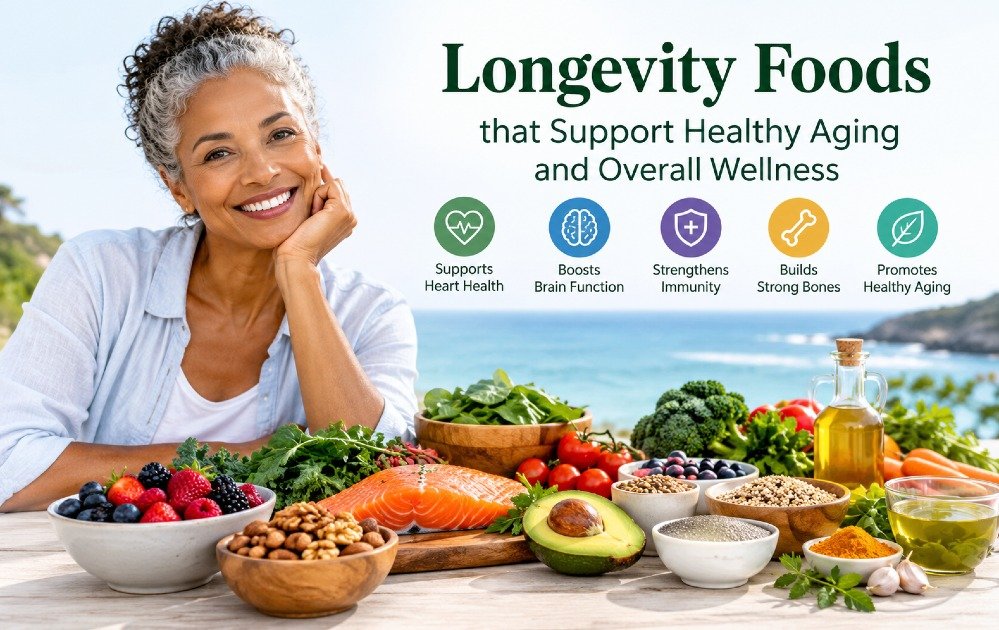
Longevity foods are nourishing choices such as fresh fruits, vegetables, whole grains, beans, and nuts that help maintain lasting health and support healthy aging.
Eating a diverse range of these foods supplies essential nutrients that help protect heart function, preserve muscle strength, and promote healthy aging.
9 Nutrient-Rich Foods to Help You Age Strong

Aging can make it harder to maintain muscle, energy, and overall strength—especially when everyday meals lack the nutrients your body needs.
Your age may change, but your ability to nourish your body can remain strong.
Discover how these nine nutrient-rich foods provide essential nutrients that can help support muscle, bone, heart, and overall health as you age.
Berries

Vibrant berries deliver essential vitamins, dietary fiber, and protective plant compounds that help maintain overall well-being.
Why it matters:
Berries provide natural antioxidants, fiber, and vital vitamins that help protect heart health, support healthy aging, and contribute to overall well-being.
What works for me:
I add fresh or frozen berries to my daily meals and pair them with a quality berry-rich antioxidant supplement when appropriate to support my long-term wellness goals.
How to start:
- Add berries to oatmeal or overnight oats.
- Mix them with plain yogurt and nuts.
- Keep frozen berries available for quick smoothies.
- Choose whole berries more often than fruit-flavored products with added sugar.
- Wash fresh berries thoroughly before eating.
Leafy Green Vegetables
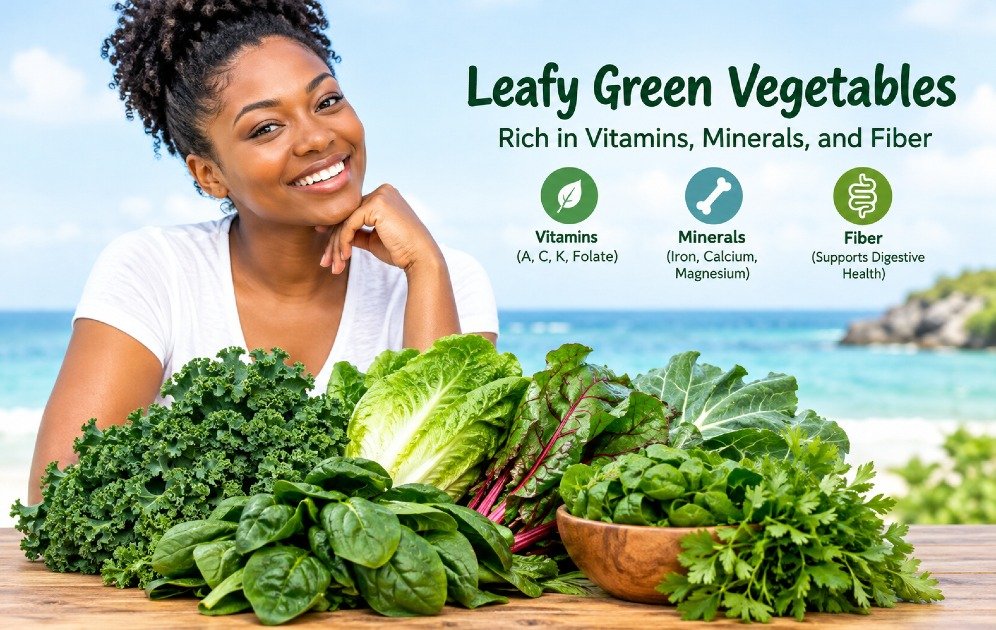
Skipping leafy greens can mean missing essential nutrients that support healthy aging, making them valuable longevity foods.
Why it matters:
Leafy greens deliver vital vitamins, minerals, and fiber that help protect heart health, encourage regular bowel movements, and promote long-term wellness.
What works for me:
I make spinach and kale regular parts of my meals, using a reliable vegetable spiralizer to simplify preparation and maintain this nutritious habit.
How to start:
- Add spinach to eggs.
- Toss kale into soups and stews.
- Build lunch around a large green salad.
- Add chopped greens to beans or whole grains.
- Keep washed greens ready in the refrigerator.
Beans and Lentils
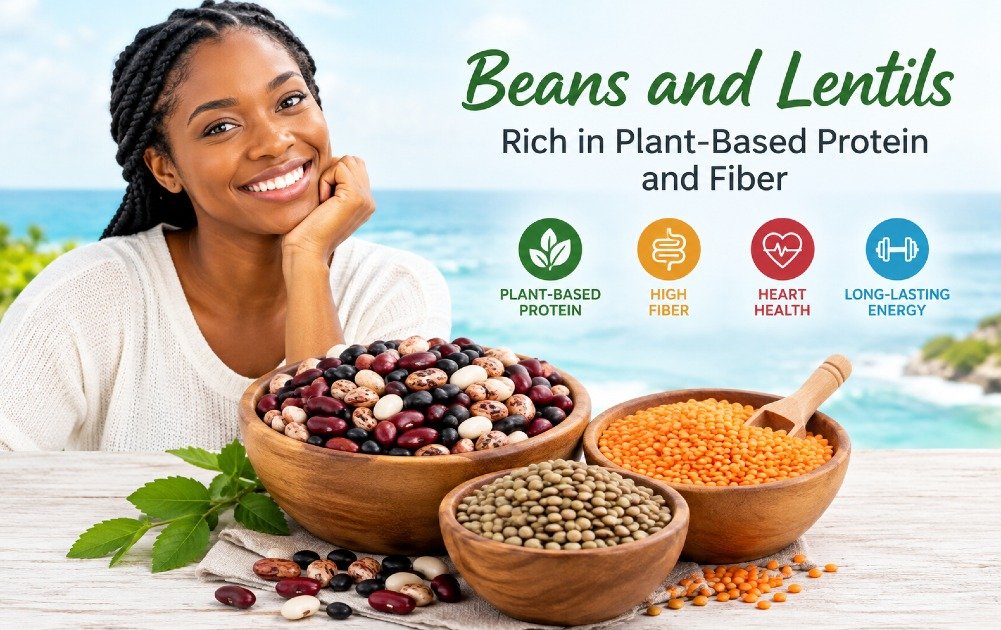
Beans and lentils offer a budget-friendly way to nourish your body, sustain daily energy, and support healthy aging.
Why it matters:
Plant-based foods provide protein, fiber, and vital minerals that help maintain smooth digestion, promote cardiovascular health, and nourish the body over time.
What works for me:
I add beans and lentils to soups, salads, and meals each week, using a meal-planning cookbook to create simple, nutritious recipes that support healthy aging.
How to start:
- Add lentils to vegetable soup.
- Use black beans in tacos or grain bowls.
- Add chickpeas to salads.
- Choose lower-sodium canned beans when convenience matters.
- Rinse canned beans to reduce some of the added sodium.
Oats and Other Whole Grains

Oats and other whole grains provide fiber and essential nutrients that make everyday meals smarter choices for long-term health.
Why it matters:
Making whole grains a regular part of your meals helps maintain digestive function, supports cardiovascular wellness, and provides essential nutrients for healthy aging.
What works for me:
I add oats and whole grains to my daily meals and use a whole-grain cookbook to discover simple, nutritious recipes that support long-term wellness.
How to start:
- Start breakfast with oatmeal.
- Replace some white rice with brown rice.
- Try barley in soups.
- Use quinoa in salads or grain bowls.
- Check labels for whole-grain ingredients when buying bread or cereal.
Fatty Fish

Fatty fish rank among the most valuable foods for healthy aging, supplying omega-3s that support cardiovascular health, brain function, and long-term well-being.
Why it matters:
Rich in omega-3 fatty acids, fatty fish help support cardiovascular health and make nutritious meals a practical investment in long-term wellness.
What works for me:
I include salmon or sardines in my weekly meals and use a quality omega-3 supplement when needed to help support my heart and overall wellness.
How to start:
- Add salmon to dinner once or twice a week.
- Try canned salmon in a salad.
- Use trout instead of processed meat for some meals.
- Pair fish with vegetables and whole grains.
- Compare labels when choosing canned seafood, particularly for sodium.
Walnuts and Other Nuts

Walnuts and other nutrient-dense nuts supply essential nutrients that help maintain heart health and support healthy aging over time.
Why it matters:
Eating different types of nuts regularly supplies protein, dietary fiber, and nourishing fats that help maintain heart health and promote lasting well-being.
What works for me:
I add a handful of walnuts or mixed nuts to my daily meals and pair the habit with a quality nut storage container to keep my longevity foods fresh and ready to enjoy.
How to start:
- Add walnuts to oatmeal.
- Sprinkle almonds over yogurt.
- Keep unsalted nuts available for snacks.
- Add chopped nuts to salads.
- Choose varieties without large amounts of added salt or sugar.
Extra-Virgin Olive Oil
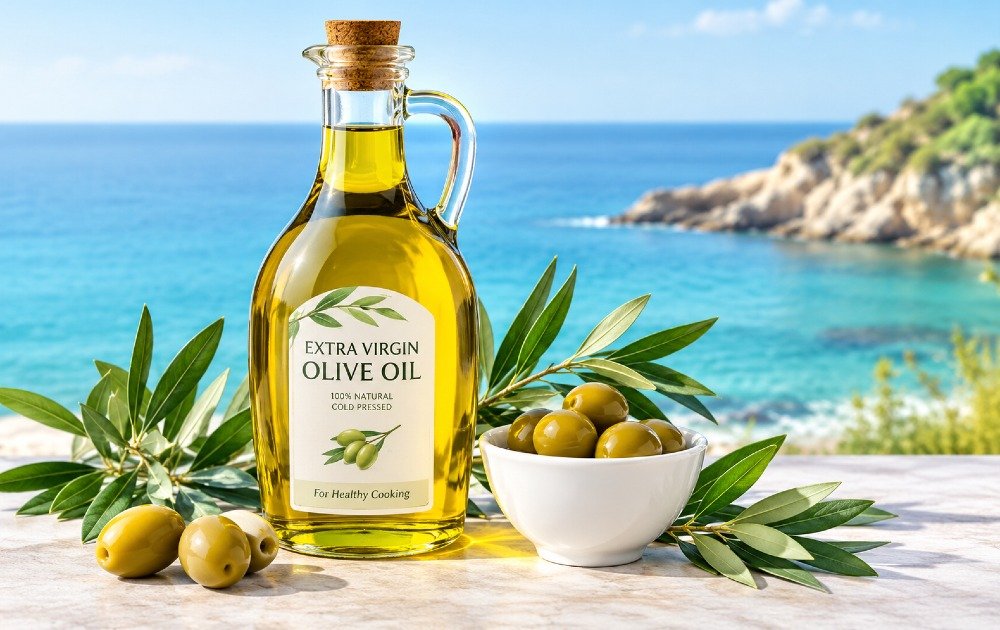
Extra-virgin olive oil is one of the simplest longevity foods to add to your daily routine, offering flavorful nourishment that supports long-term health.
Why it matters:
Rich in monounsaturated fats and antioxidant compounds, extra-virgin olive oil can support heart health and help reduce oxidative stress as you age.
What works for me:
I drizzle extra-virgin olive oil over vegetables and salads for an easy daily upgrade, and a quality extra-virgin olive oil makes this longevity food simple to enjoy consistently.
How to start:
- Use olive oil in homemade salad dressings.
- Drizzle a small amount over roasted vegetables.
- Use it when sautéing vegetables.
- Pair it with herbs, lemon, or vinegar.
- Store it away from excessive heat and light.
Cruciferous Vegetables
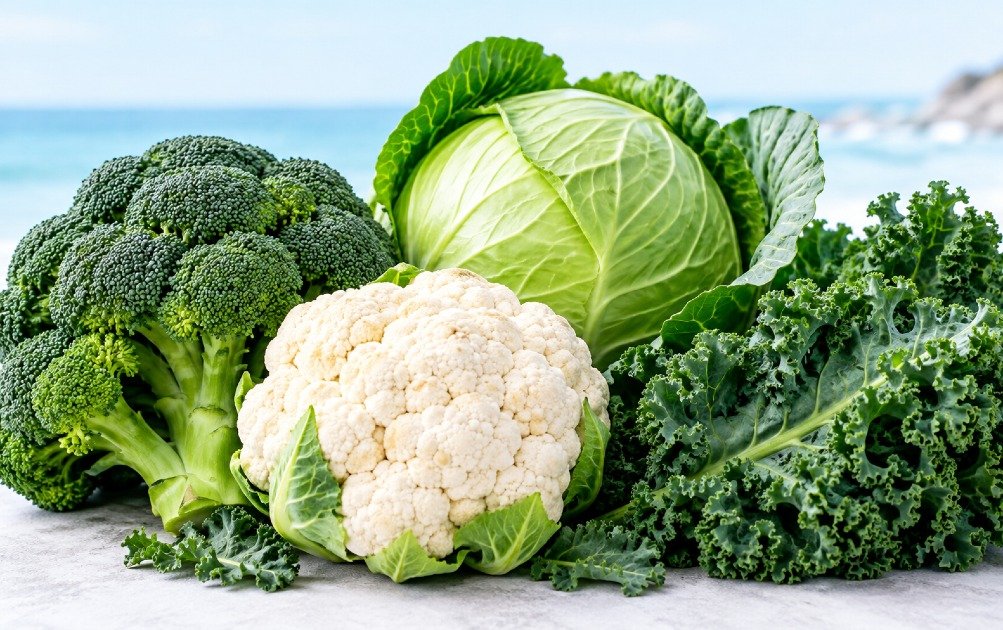
Skipping cruciferous vegetables may mean missing valuable nutrients that support long-term health and make these foods essential longevity foods.
Why it matters:
Broccoli, cabbage, and cauliflower provide fiber, vitamins, and protective plant compounds that support overall wellness and healthy aging.
What works for me:
I add broccoli or cabbage to my weekly meals and use a vegetable steamer to make preparation easier and keep nutritious longevity foods on my plate.
How to start:
- Roast broccoli with olive oil and herbs.
- Add cauliflower to grain bowls.
- Steam Brussels sprouts as a quick side.
- Add cabbage to soups and stir-fries.
- Mix several vegetables together rather than relying on one variety.
Plain Yogurt and Fermented Dairy Foods

Plain yogurt and fermented dairy foods are simple longevity foods that support everyday nutrition and help make healthy aging more achievable.
Why it matters:
Their protein, calcium, and beneficial live cultures can support muscle strength, bone health, and digestive wellness as you age.
What works for me:
I choose plain, unsweetened yogurt with live cultures and pair it with fruit for a nourishing daily habit, using a yogurt maker to prepare homemade servings with control over ingredients.
How to start:
- Choose plain yogurt and add fresh fruit.
- Add nuts for texture and protein.
- Use yogurt as a base for a simple breakfast bowl.
- Compare nutrition labels for added sugar.
- Choose fortified options when appropriate for your nutritional needs.
How to Build a Longevity-Focused Plate
Build a longevity-focused plate with nutrient-rich longevity foods that support healthy aging and long-term wellness.
Poor food choices can limit nutrient intake and increase the risk of chronic diseases as you age.
Combine colorful vegetables, fruits, whole grains, and quality proteins to support overall health and reduce chronic disease risk.
Common Mistakes to Avoid When Choosing Longevity Foods
Choosing longevity foods can be confusing when misleading health claims overshadow evidence-based nutrition.
Common mistakes, such as following food trends, ignoring nutrient quality, and overlooking individual needs, can undermine healthy aging goals.
Choose evidence-based longevity foods rich in essential nutrients and suited to your needs to support healthy aging and long-term wellness.
Frequently Asked Questions
What are the best longevity foods for healthy aging?
There’s no official list of “best” longevity foods, but choosing nutrient-dense foods like berries, leafy greens, beans, whole grains, fish, nuts, olive oil, and yogurt can support healthy aging as part of an overall healthy eating pattern.
Can longevity foods actually make you live longer?
No single food guarantees longevity; a whole-food diet, regular activity, quality sleep, genetics, medical care, social connection, and other lifestyle factors all shape long-term health.
What are the best longevity foods after age 50?
After 50, choose nutrient-rich foods—protein, vegetables, fruits, whole grains, beans, seafood, nuts, and dairy or fortified alternatives—while limiting added sugar, sodium, and saturated fat.
How often should I eat longevity foods?
You don’t have to follow a rigid meal plan; include a range of nutrient-rich foods throughout the week to support your nutritional needs, rather than eating the same foods every day.
Are frozen fruits and vegetables good longevity foods?
Yes—frozen fruits and vegetables can be healthy, convenient choices when free of added sugar, sauces, and excess sodium, and the American Heart Association recognizes fresh, frozen, and canned options as part of a healthy eating pattern.
Recap: Make Every Meal Count for the Years Ahead
Aging well is not about finding one miracle food—it is about making better choices. Build your plate around nutrient-rich foods such as vegetables, fruits, whole grains, beans, nuts, seeds, and quality protein, while limiting foods high in added sugar, sodium, and highly processed ingredients.
These choices can support the physical, mental, and cognitive health you want to protect as the years pass.
Start by making one longevity-supporting food choice at your next meal. Choices repeated over time can become the foundation for stronger health, greater vitality, and a more active future.
Ready To Make Every Bite Count?
Still wondering whether your daily food choices are truly supporting healthy aging?
Track your daily movement, heart rate, sleep patterns, and other wellness indicators with this fitness tracker to monitor your progress, build consistent habits, and stay focused on your long-term health goals.