
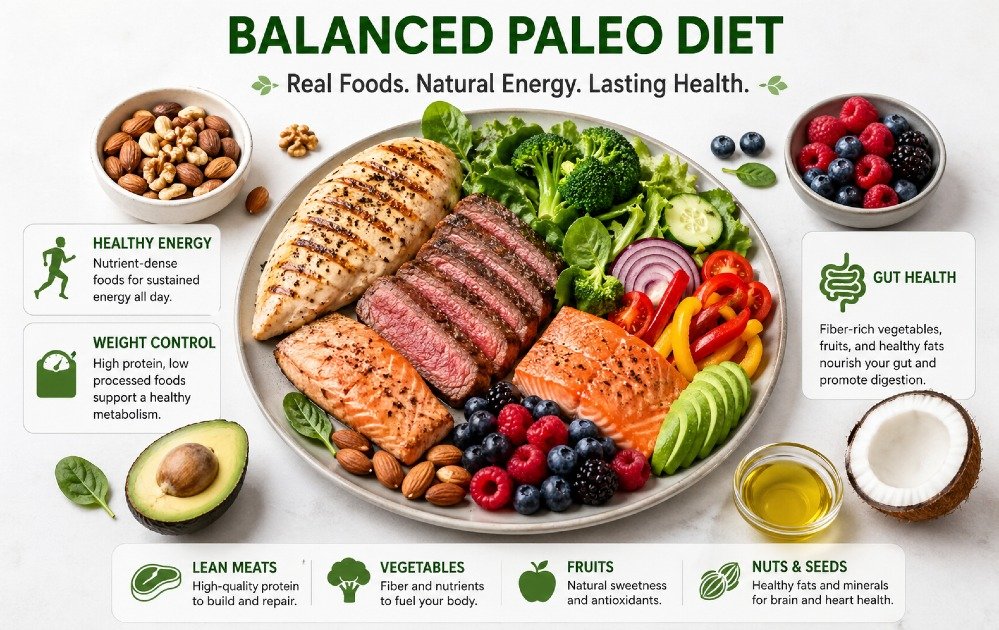
You may be eating “healthy” yet still dealing with low energy, bloating, or stubborn weight. That gap usually comes from one issue—modern diets rely heavily on processed foods your body doesn’t recognize well.
Paleo diet helps improve digestion, stabilize energy, and support healthy weight management without complicated rules.
The guide explains how Paleo approach simplifies eating by focusing on whole, natural foods.
9 Proven Paleo Principles for Sustainable Gains

Low energy, weight changes, and digestive issues often stem from poor food quality and unhealthy eating habits, not lack of effort. Processed foods, excess sugar, and inconsistent meals can slow metabolism and disrupt gut health over time.
The Paleo approach centers on eating whole, minimally processed foods while limiting ingredients linked to inflammation and digestive strain.
Discover nine practical Paleo strategies based on real food, balanced meals, and sustainable habits.
1. Focus on Whole, Unprocessed Foods
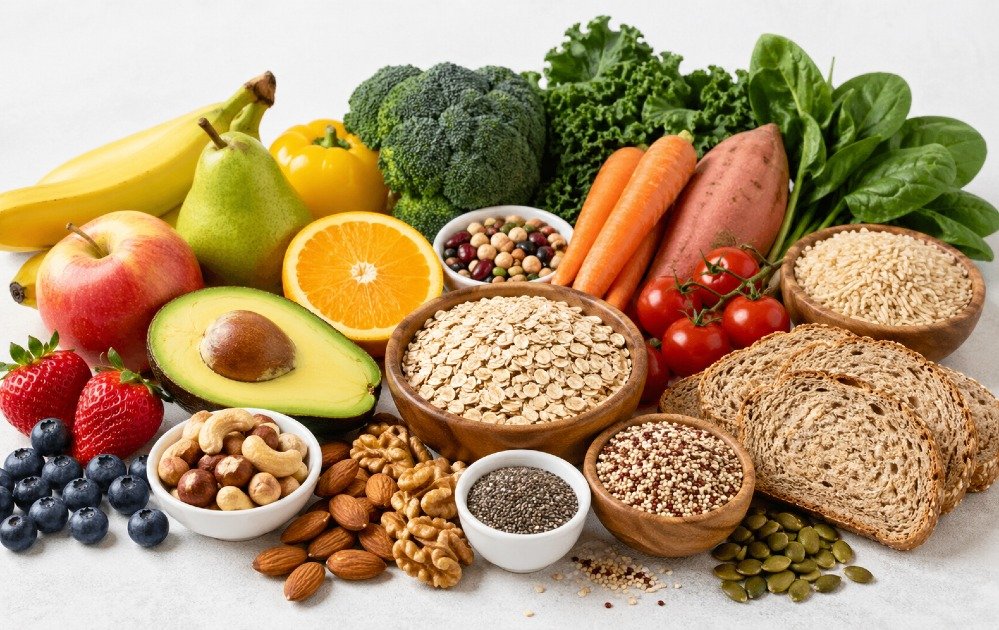
Packaged foods often contain hidden sugars, additives, and preservatives that disrupt digestion and energy levels.
Build meals around simple, whole ingredients:
- Fresh vegetables
- Fruits
- Meat and fish
- Nuts and seeds
Core advantages:
- Better digestion
- Fewer cravings
- More stable energy
If it comes with a long ingredient list, avoid it.
NCBI highlights whole, unprocessed food consumption as key nutrients improving the health system.
2. Choose High-Quality Protein Sources
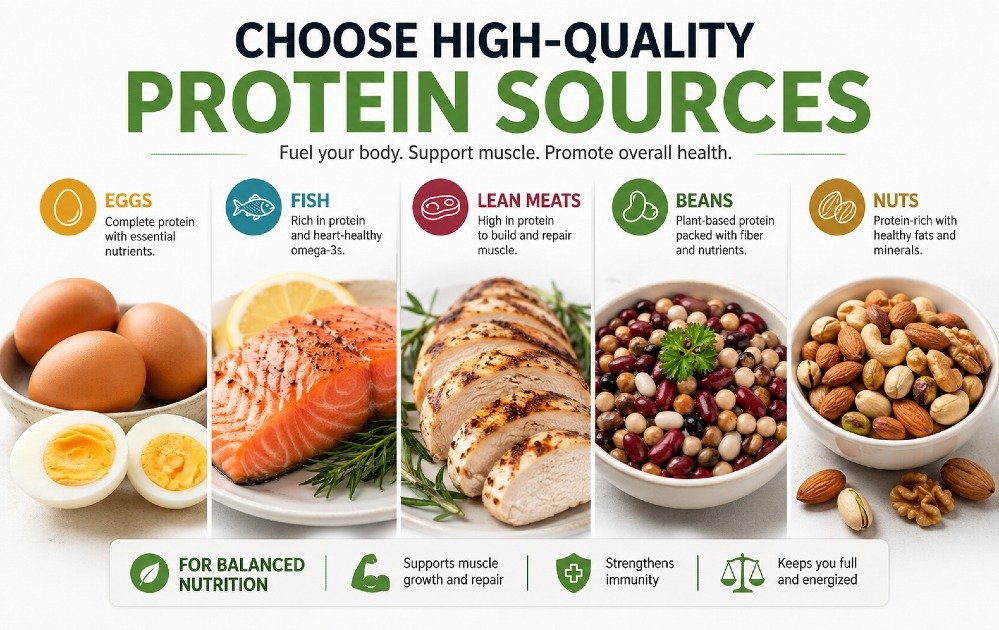
Low-quality protein can contain hormones, fillers, and excess sodium.
Choose:
- Grass-fed beef
- Wild-caught fish
- Free-range poultry
- Pasture-raised eggs
Core advantages:
- Stronger muscle recovery
- Improved metabolism
- Longer-lasting fullness
3. Include Healthy Fats Without Fear
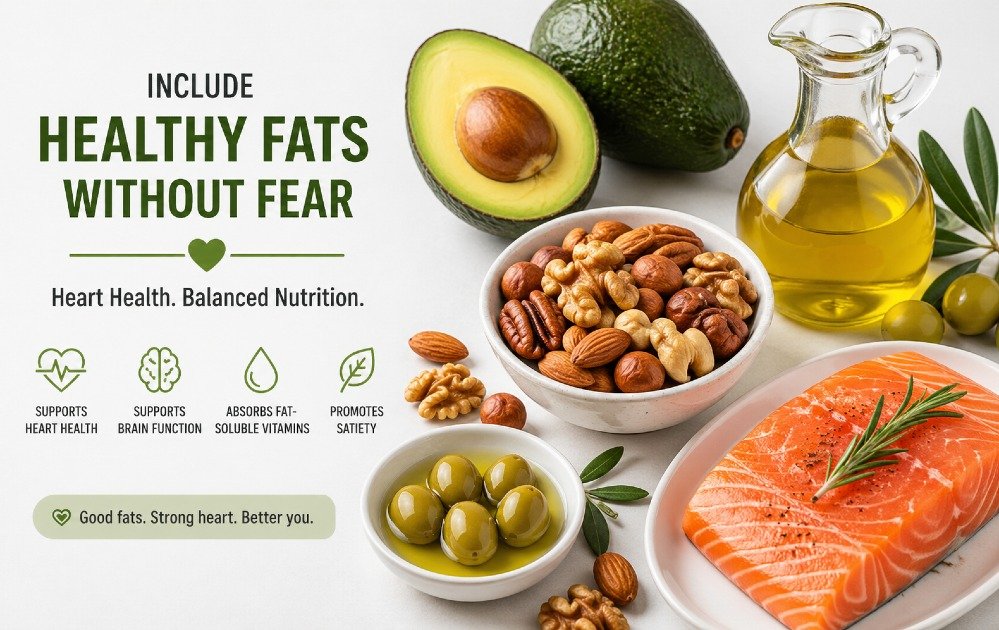
Many diets still wrongly promote low-fat eating, which often leads to cravings and low energy.
Add natural fats such as:
- Avocados
- Olive oil
- Nuts and seeds
- Coconut products
Core advantages:
- Steady energy levels
- Better hormone balance
- Reduced hunger spikes
4. Remove Refined Sugar Completely
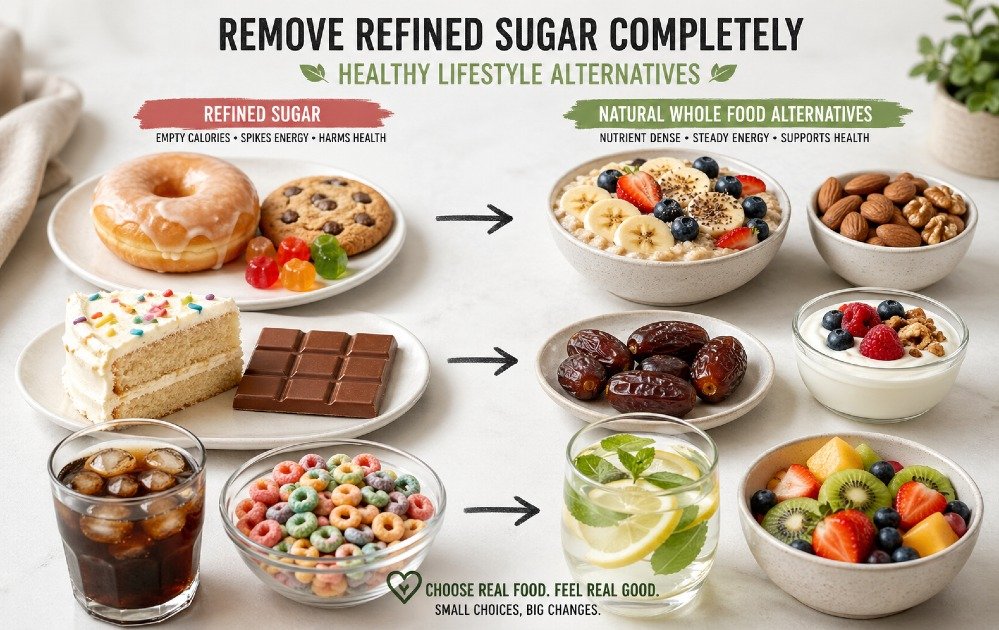
Refined sugar causes energy crashes, inflammation, and constant cravings.
Replace sugary foods with:
- Whole fruits
- Small amounts of natural sweet foods (like dates, occasionally)
Core advantages:
- Stable blood sugar
- Improved mood
- Reduced cravings
5. Make Vegetables the Core of Your Diet

Many diets lack fiber and essential micronutrients.
Prioritize vegetables such as:
- Leafy greens
- Broccoli, cauliflower, and Brussels sprouts
- Color-rich vegetables
Core advantages:
- Improved gut health
- Stronger immunity
- Better digestion
6. Plan Your Meals in Advance
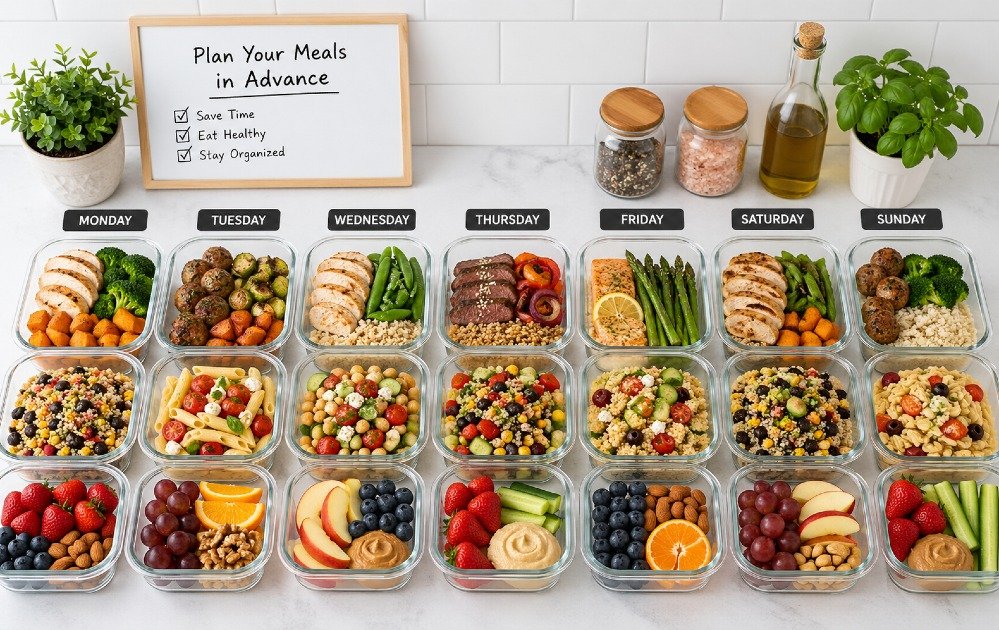
Without planning, it’s easy to rely on fast food or processed meals.
Prepare ahead by:
- Cooking proteins in bulk
- Prepping vegetables
- Storing simple snacks
Core advantages:
- Better consistency
- Less stress
- Fewer poor food choices
7. Stay Properly Hydrated

Dehydration often feels like fatigue or hunger.
Drink:
- Water
- Herbal teas
- Unsweetened electrolyte drinks
Core advantages:
- Improved focus
- Better digestion
- Reduced unnecessary snacking
8. Avoid Processed “Paleo” Products
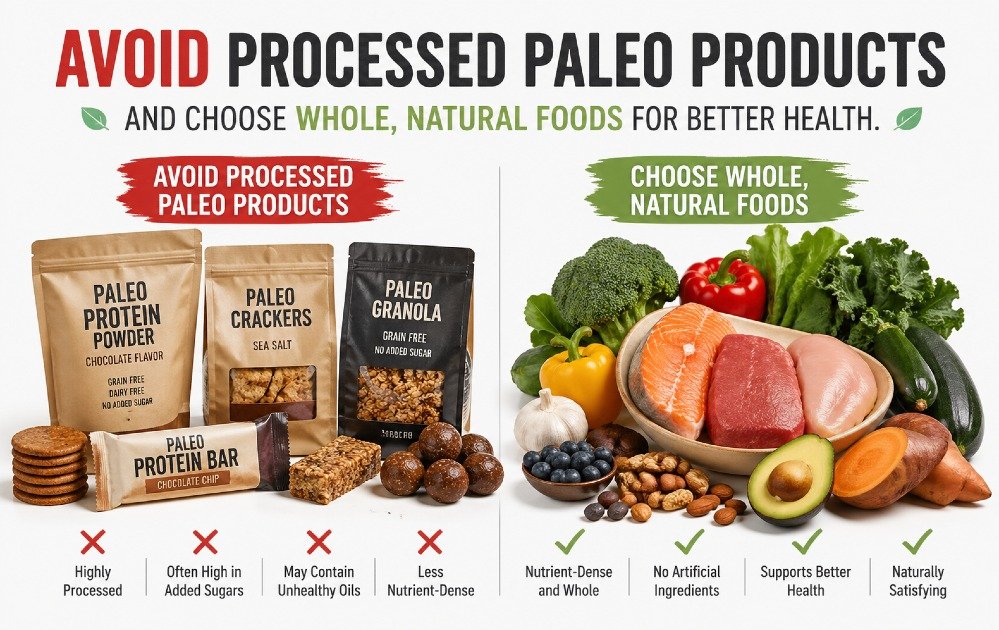
Not all Paleo-labeled foods are truly healthy.
Stick mostly to whole foods and treat packaged items as occasional use only.
Core advantages:
- Better gut health
- Faster progress
- Cleaner eating habits
9. Listen to Your Body’s Feedback

Rigid diets fail when they ignore individual responses.
Pay attention to:
- Energy levels
- Sleep quality
- Digestion
- Cravings
Adjust your intake based on how you feel.
Core advantages:
- Long-term sustainability
- Personalized nutrition
- Better overall results
Anti-Inflammatory Diet Plan That Delivers Results
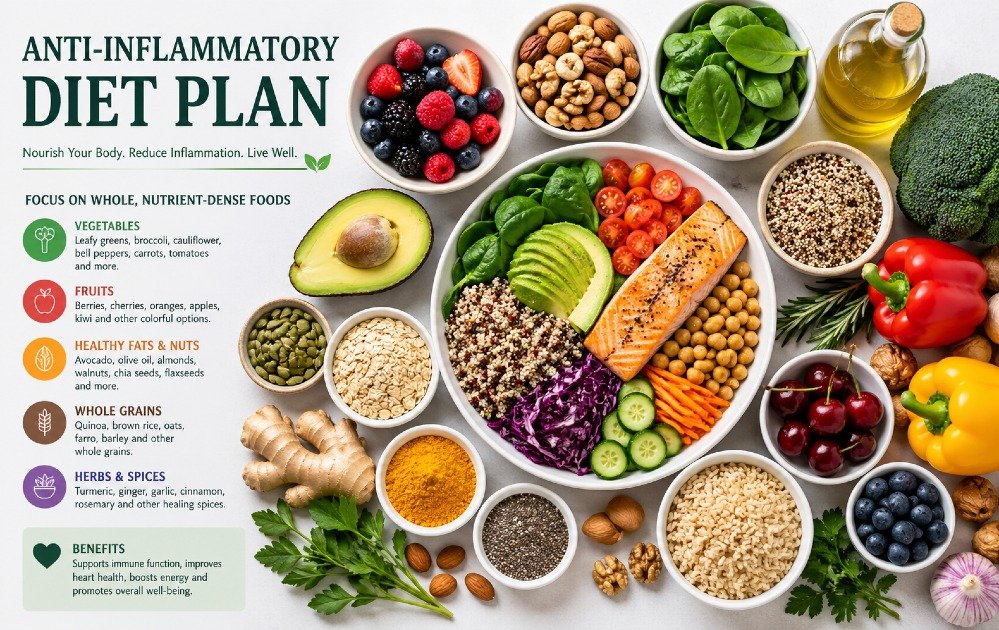
Many diets quietly promote inflammation through:
- Refined sugar
- Processed foods
- Industrial oils
- Excess refined carbs
This can lead to:
- Joint discomfort
- Fatigue
- Digestive issues
- Weight gain
Base your diet on whole, nutrient-dense foods.
Eat more of:
- Leafy greens (spinach, kale)
- Fatty fish (salmon, sardines)
- Healthy fats (olive oil, avocado)
- Berries
- Nuts and seeds
Cut back on:
- Refined sugar
- Packaged snacks
- Seed oils
- Artificial ingredients
Simple daily structure:
- Breakfast: Eggs with vegetables
- Lunch: Grilled chicken salad with olive oil
- Dinner: Fish with roasted vegetables
Core advantages:
- Lower inflammation
- Better recovery
- Steadier energy
- Stronger immune response
Small, consistent changes reduce inflammation quickly.
Gut Health Diet Tips for Better Digestion
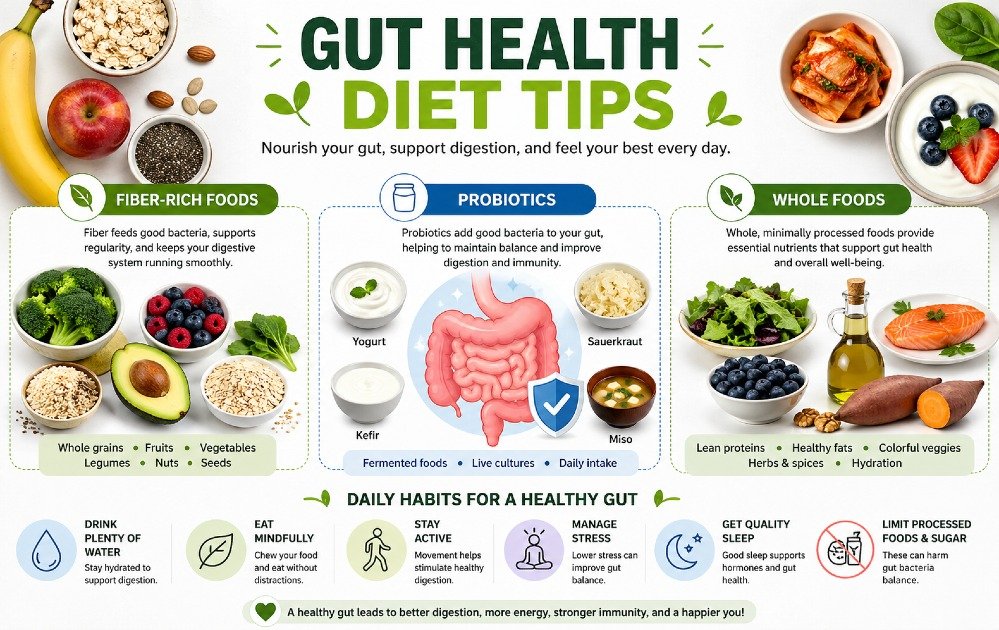
Poor gut health affects:
- Digestion
- Energy
- Focus
- Cravings
Common causes include processed foods, low fiber intake, and poor eating habits.
Support your gut with targeted nutrition and habits.
Add:
- Fiber-rich vegetables (broccoli, carrots)
- Fermented foods (sauerkraut, kimchi)
- Bone broth
- Whole fruits
Daily habits:
- Eat slowly
- Chew thoroughly
- Stay hydrated
- Avoid overeating
Limit:
- Sugar
- Artificial sweeteners
- Refined grains
Core advantages:
- Reduced bloating
- Improved digestion
- Better nutrient absorption
- More consistent energy
Gut improvements often show within a few days of cleaner eating.
Simple Paleo Meal Plan Ideas That Work Long-Term
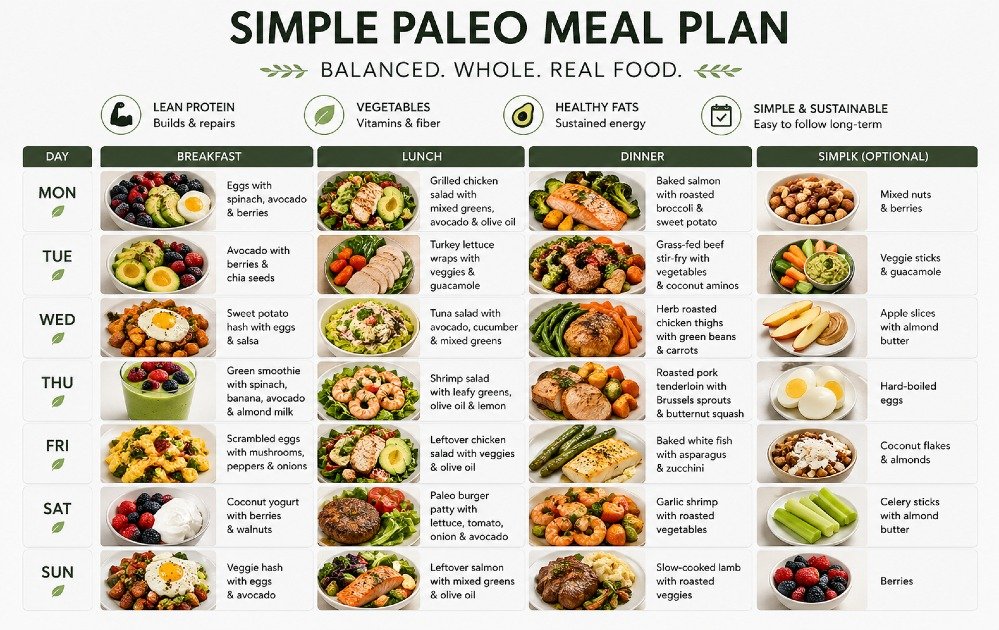
Complex meal plans lead to inconsistency and burnout.
Keep meals simple, repeatable, and easy to prepare.
Breakfast:
- Eggs with spinach and avocado
- Smoothie with berries and almond milk
- Boiled eggs with fruit
Lunch:
- Grilled chicken salad
- Turkey lettuce wraps
- Leftover protein with vegetables
Dinner:
- Baked salmon with broccoli
- Beef stir-fry with vegetables
- Chicken with sweet potatoes and greens
Snacks:
- Nuts
- Apple with almond butter
- Carrots with guacamole
Core advantages:
- Easier consistency
- Less decision fatigue
- Sustainable eating habits
I rotate a small set of meals weekly to stay consistent.
Frequently Asked Questions
Is the Paleo diet effective for long-term weight control?
Yes. When followed consistently, the Paleo diet can support sustainable weight control.
It works mainly by removing processed foods that encourage overeating and blood sugar spikes.
How it helps:
- Whole foods naturally improve satiety
- Protein and healthy fats reduce hunger
- Stable blood sugar lowers cravings
You tend to eat less without strict restriction, making weight control easier to maintain.
Does the Paleo diet improve energy levels?
Yes, many people experience more stable energy on a Paleo-style diet.
The main issue with modern diets is the cycle of sugar spikes followed by energy crashes.
Paleo helps by:
- Eliminating refined sugar and processed carbs
- Focusing on nutrient-dense whole foods
- Supporting steadier blood sugar levels
Steady energy and sharper focus all day.
Can Paleo improve gut health?
It can, especially when it prioritizes whole foods and fiber-rich vegetables.
Many digestive issues are linked to processed foods, additives, and low fiber intake.
Gut-supportive Paleo habits:
- Eating more vegetables and fiber
- Avoiding processed and artificial foods
- Including fermented foods like kimchi or sauerkraut
Better digestion, reduced bloating, and improved nutrient absorption.
What are common mistakes beginners make on Paleo?
Most issues come from poor execution, not the diet itself.
Typical mistakes include:
- Relying too much on packaged “Paleo” snacks
- Not eating enough vegetables
- Skipping meals or undereating
- Expecting fast results without consistency
Focus on simple whole foods first, then refine your routine over time.
How quickly can you see results on a Paleo diet?
Results vary, but many people notice changes fairly quickly when they stay consistent.
Typical timeline:
- Digestion improvements: a few days to 1 week
- Energy improvements: 1–2 weeks
- Weight changes: 3–4 weeks
Do you need to follow Paleo strictly to see benefits?
No. You don’t need a strict or perfect Paleo approach.
Even partial changes can make a meaningful difference.
Effective starting points:
- Reduce processed foods
- Increase whole food intake
- Cut back on refined sugar
Small, consistent improvements still support better long-term health.
Recap: Diet That Deliver Results
The Paleo approach works because it focuses on what matters—real food, consistent habits, and removing processed ingredients that disrupt your body.
This diet is nutrient-dense, natural ingredients your body can use efficiently to support better energy, digestion, and long-term weight control.
This is not a short-term fix. It’s a sustainable way to eat food that supports better appetite control, weight balance, and reliable energy
Ready to Support Your Gut
You don’t need to overhaul everything at once. Start by replacing one processed meal today with a simple whole-food Paleo option and build from there.
Turn these Paleo diet strategies into real daily results by starting with a Paleo meal prep starter kit that simplifies clean eating, supports steady energy, helps with healthy weight control, and promotes better gut balance without the guesswork.