

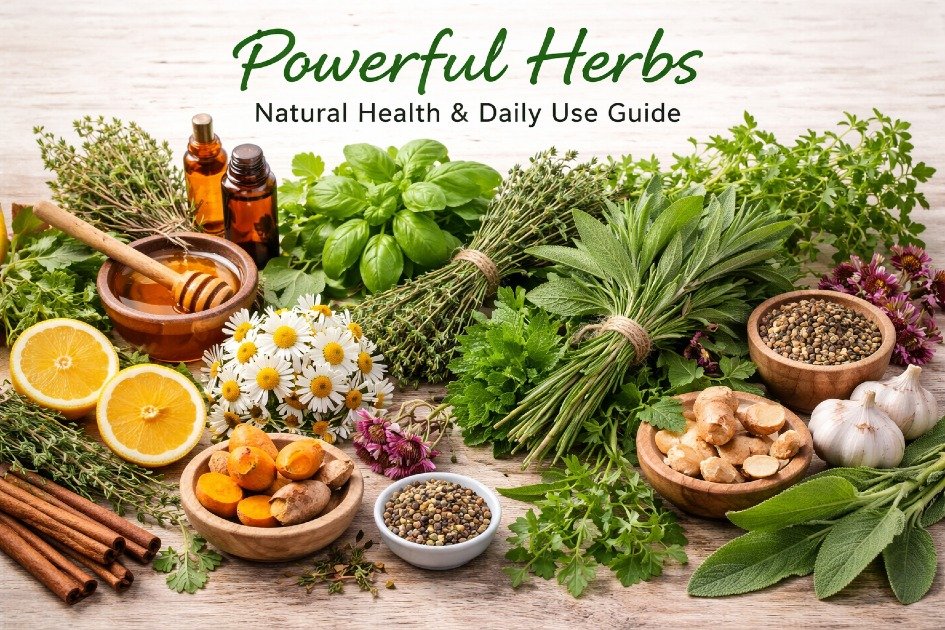
Imagine feeling more energized, balanced, and resilient — without relying on synthetic pills. If you’ve struggled with bloating, stress, low immunity, or fatigue, you’re not alone.
Nature’s herbs offer a proven, gentle way to restore your body effectively
This guide explains high-impact herbs, how they work, and simple ways to use them daily — even if you’re new to herbal health.
Understanding Herbs
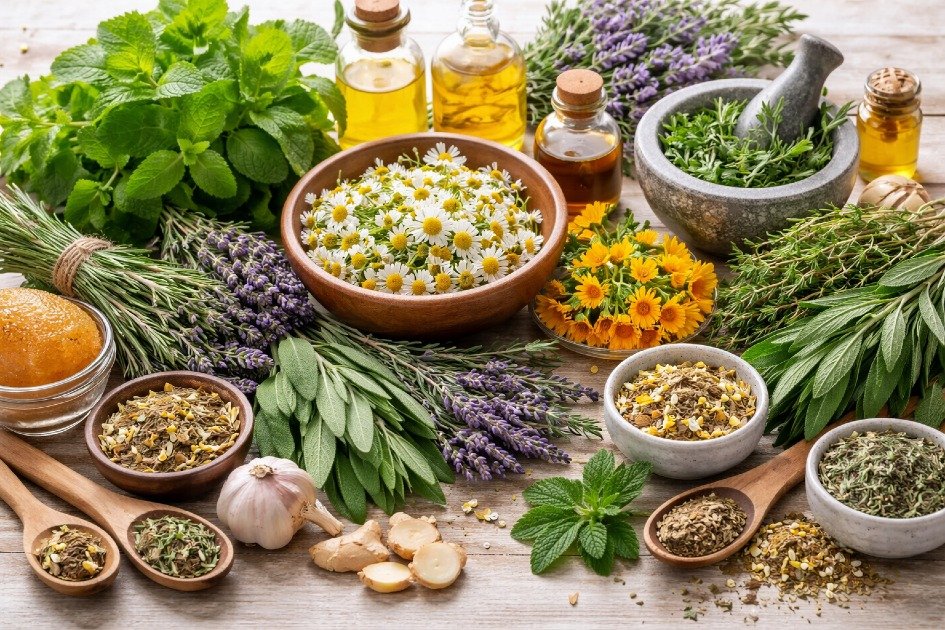
They are natural plants used for healing and support. They work with the body to promote balance, helping digestion, immunity, stress relief, and sleep without masking symptoms.
Different herbs target different systems:
- Turmeric supports joints and reduces inflammation
- Ginger soothes digestion and improves circulation
- Peppermint eases stomach discomfort and enhances focus
How to Use Herbs to Unlock Nature’s Healing
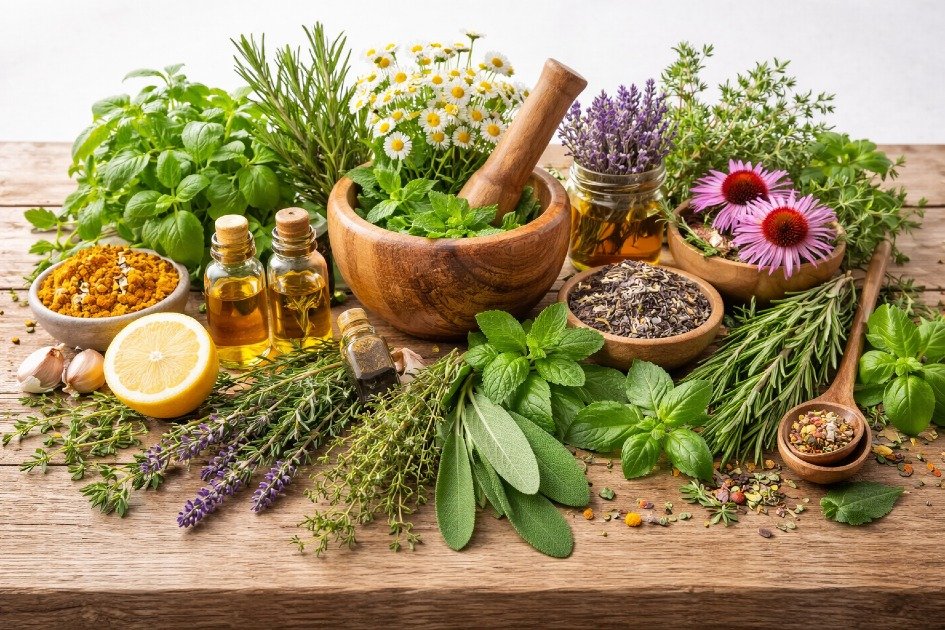
They work best when used consistently and in forms that fit your lifestyle.
Simple, practical approaches include:
- Herbal teas: Ideal for digestion, relaxation, or immunity
- Cooking: Fresh or powdered herbs add flavor and health benefits
- Supplements: High-quality extracts provide consistent, targeted support
- Infusions & tinctures: Concentrated forms for stress relief or liver support
- Aromatherapy: Inhaling rosemary or peppermint can boost alertness and mental clarity
Tip: Start with one or two herbs that align with your health goals. Daily, small doses compound into lasting results.
Do Herbs Still Matter?
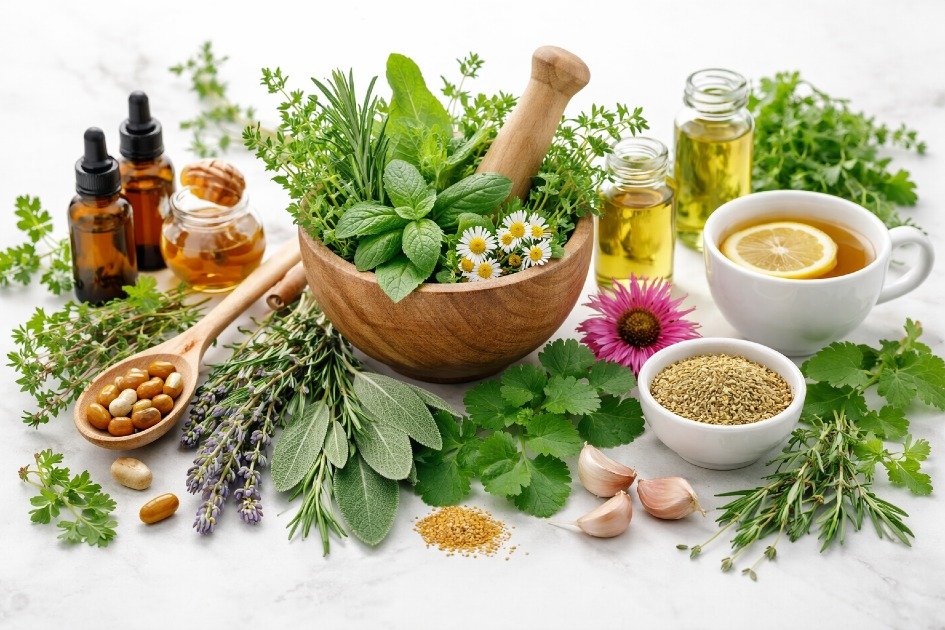
Modern life pushes our bodies harder than ever: stress, processed foods, screen fatigue, and toxins.
Herbs remain relevant because they are:
- Potent yet gentle
- Rich in phytonutrients
- Affordable and widely available
- Foundational to well-being, not just symptom relief
We’ll focus on herbs that truly deliver results — whether your goal is better digestion, calmer nerves, sharper focus, or stronger immunity.
Why Daily Use Matters

Herbs are most effective as part of a consistent routine.
Regular use allows their natural compounds to support your body steadily, helping to:
- Maintain digestion and nutrient absorption
- Strengthen immunity and resilience
- Reduce daily stress and improve mood
- Support restful sleep and recovery
Herbs aren’t a quick fix—they are daily allies for long-term health. When used thoughtfully, they harness your body’s natural ability to heal and maintain balance.
12 Proven Herbs to Support Health Daily
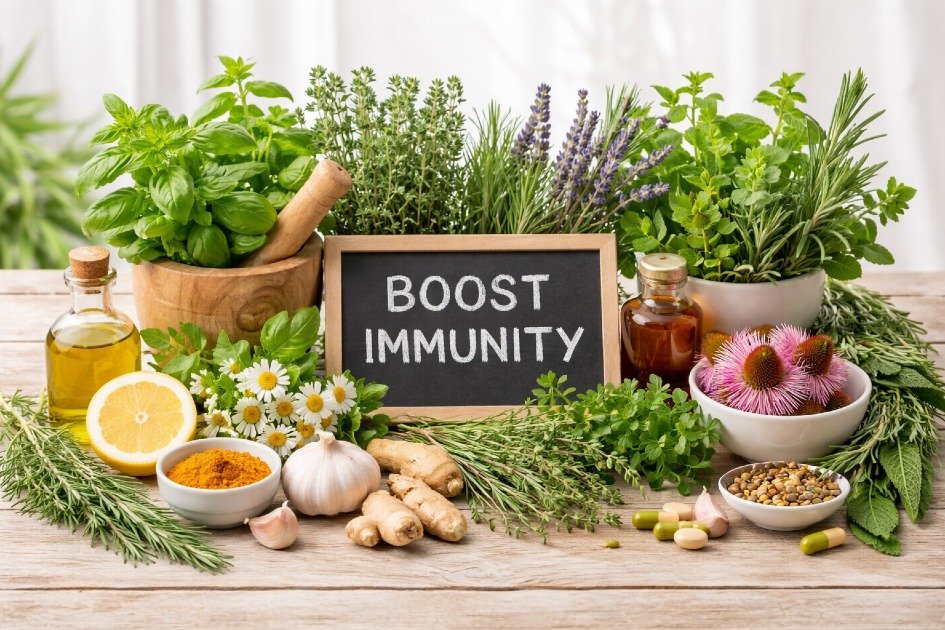
Herbs have long supported health, and modern science backs their value. Compounds like curcumin in turmeric and bioactive oils in ginger help strengthen the body’s natural systems, offering gentle, effective daily support.
Many people make the mistake of overcomplicating herbal use or expecting instant results. Others choose herbs at random, without understanding their effects. The key is consistent use with clear intention.
Discover twelve powerful herbs that support digestion, immunity, stress relief, and lasting wellness naturally.
1. Turmeric — Nature’s Anti-Inflammatory Powerhouse

Chronic inflammation leads to joint pain, digestive issues, skin flare-ups, and fatigue.
Turmeric contains curcumin, a powerful anti-inflammatory and antioxidant.
Core advantages:
- Reduces joint discomfort
- Supports liver detox
- Boosts immunity
How to use:
- Stir ½–1 tsp turmeric into warm milk or tea
- Add to soups, stews, or curries
- Take Turmeric Curcumin with Bioperine
Tip: Pair with black pepper for better absorption.
2. Ginger — Supports Gut and Strengthens Immunity
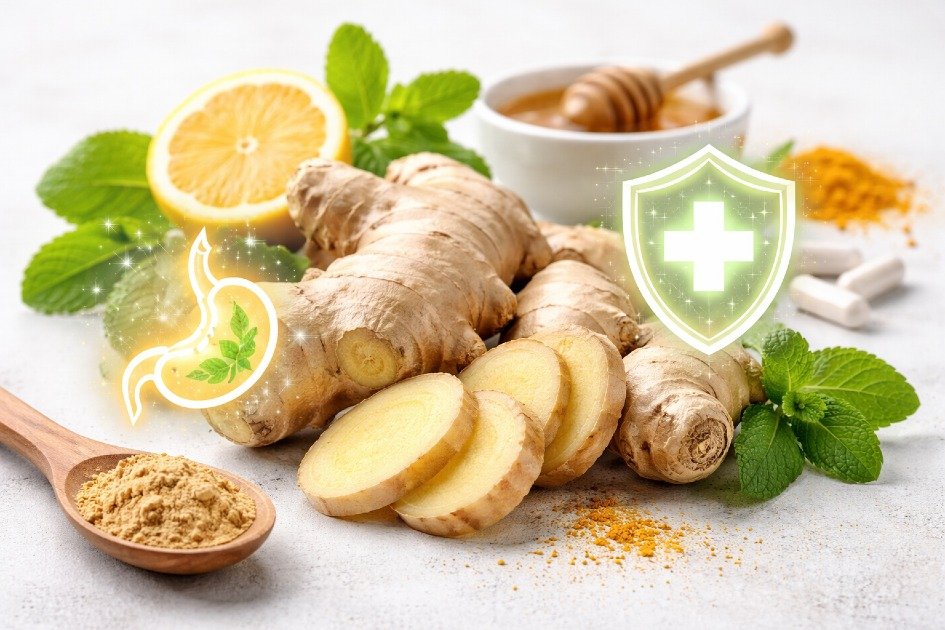
Bloating, nausea, and seasonal colds are common disruptions.
Ginger eases digestive spasms and supports immune health.
Core advantages:
- Relieves indigestion and nausea
- Fights free radicals
- Improves circulation
Usage:
- Fresh ginger tea with honey and lemon
- Grated ginger in smoothies or stir-fries
3. Peppermint — Digestive Comfort and Mental Clarity
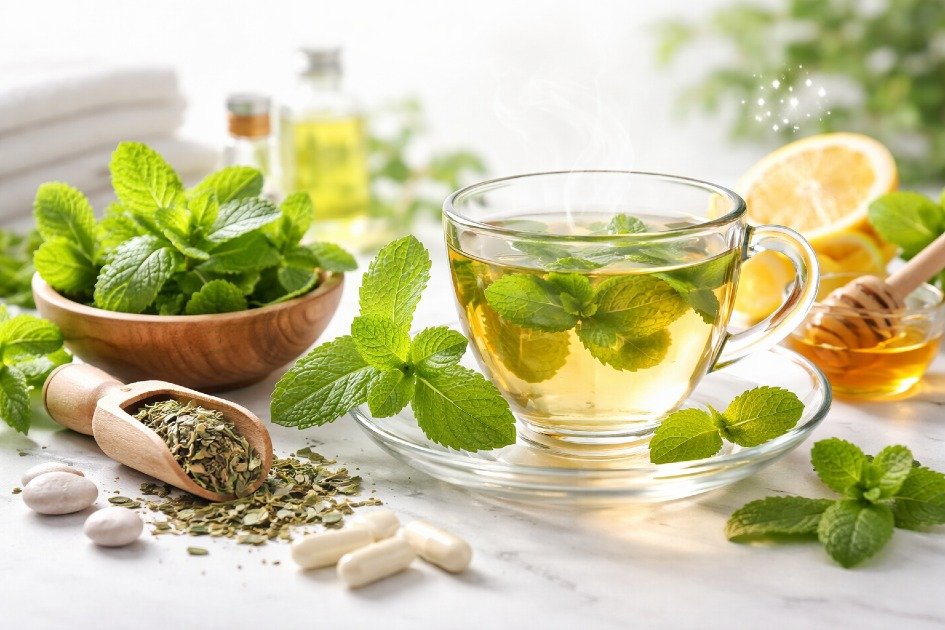
Post-meal discomfort, bloating, or sluggish digestion.
Peppermint relaxes GI muscles and encourages smooth digestion.
Core advantages:
- Eases bloating and gas
- Refreshing and cooling
- Enhances focus when sipped as tea
Usage:
- Peppermint tea after meals
- Fresh leaves in water or smoothies
- Aromatic peppermint essential oil
4. Ashwagandha — Stress Relief and Energy Balance

Chronic stress causes fatigue, poor sleep, and hormonal imbalance.
Ashwagandha supports the body in handling stress more effectively.
Core advantages:
- Reduces perceived stress
- Supports adrenal balance
- Improves sleep quality
Usage:
- Daily adaptogen blend
- Powder mixed in smoothies or warm drinks
Tip: Avoid late-night doses if it energizes you.
5. Holy Basil (Tulsi) — Calm and Stress Relief

Anxiety, racing thoughts, or mood swings.
Tulsi supports a healthy stress response and mental calm.
Core advantages:
- Promotes emotional balance
- Enhances immunity
- Supports relaxation
Usage:
- Daily Tulsi tea
- Infuse fresh leaves in hot water with honey
6. Chamomile — Sleep and Digestive Aid

Difficulty falling asleep or feeling refreshed.
Chamomile gently relaxes the mind and soothes digestion.
Core advantages:
- Encourages restful sleep
- Supports digestion
- Promotes relaxation
Usage:
- Chamomile tea 30 minutes before bed
- Combine with lavender for deeper calm
7. Rosemary — Memory and Circulation Support
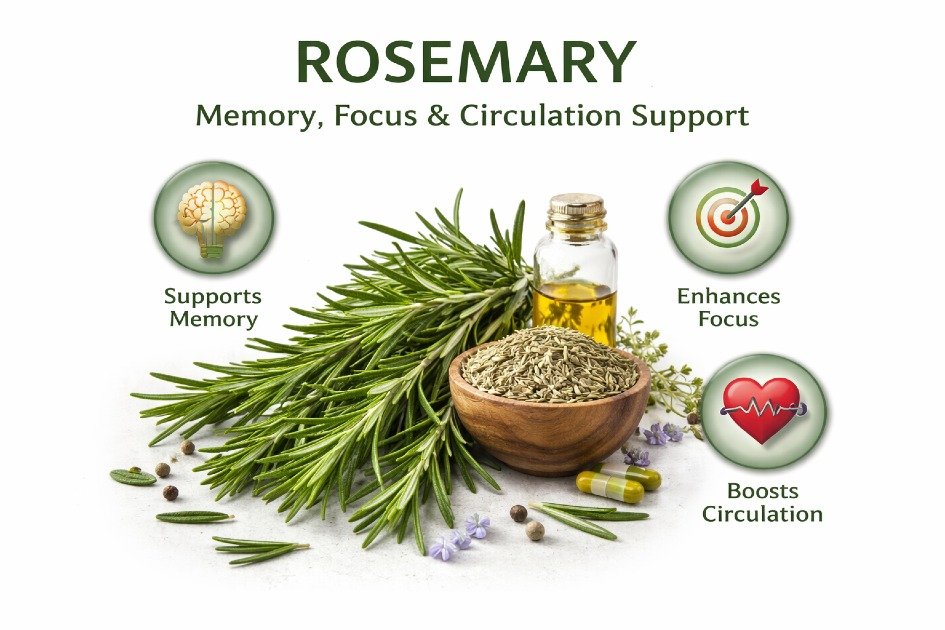
Foggy thinking or low mental energy.
Rosemary’s antioxidants support brain function and circulation.
Core advantages:
- Boosts focus and recall
- Improves blood flow
- Adds flavorful aroma
Usage:
- Fresh rosemary in cooking
- Aromatic inhalation during work or study
8. Cinnamon — Blood Sugar Support and Natural Sweetness

Blood sugar swings can sap energy and trigger cravings.
Cinnamon helps balance glucose while adding flavor.
Core advantages:
- Supports stable blood sugar
- Boosts metabolism
- Natural, calorie-free sweetness
Usage:
- Sprinkle on oatmeal or yogurt
- Stir into coffee or tea
- Use Ceylon cinnamon for daily use
9. Dandelion — Liver and Digestive Support
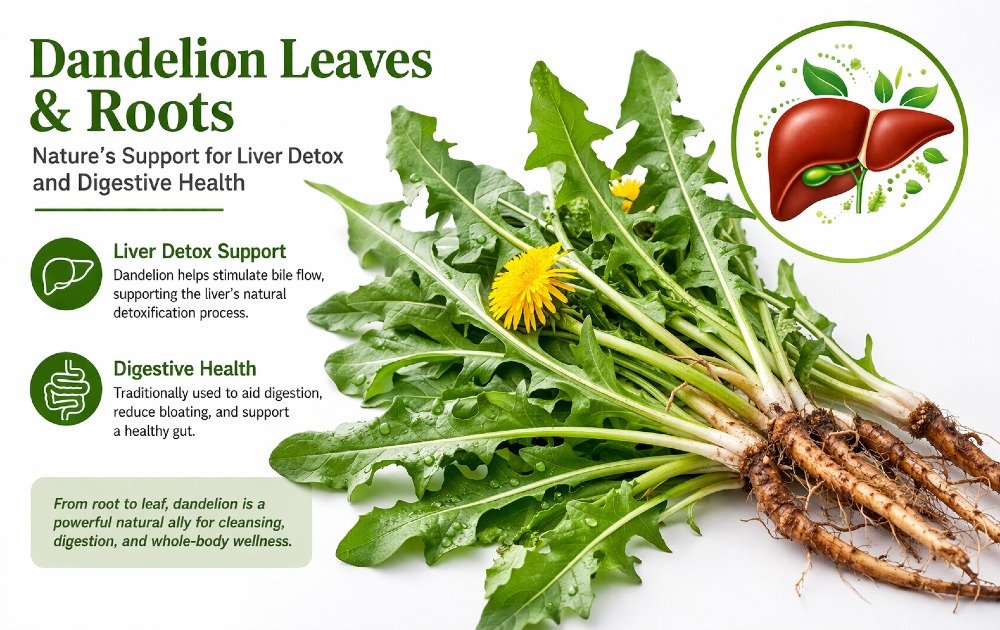
Heavy digestion or bloating.
Dandelion promotes liver function and mild detoxification.
Core advantages:
- Supports bile flow
- Enhances liver health
- Mild diuretic
Usage:
- Dandelion root tea after meals
- Fresh greens in salads
10. Echinacea — Immune Resilience Herb
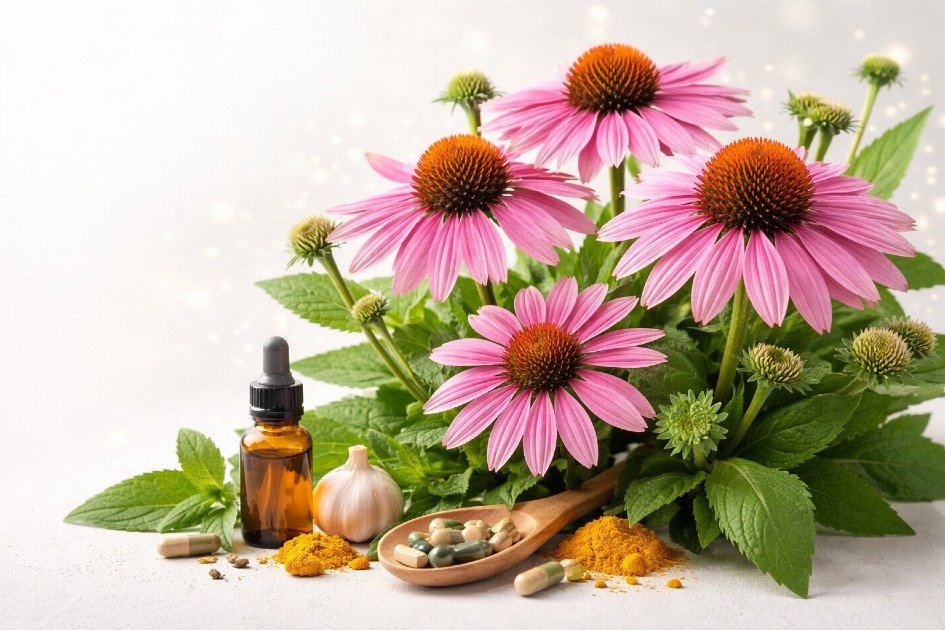
Seasonal colds and immune dips.
Echinacea encourages immune activation.
Core advantages:
- Supports healthy immune response
- May shorten mild illness duration
Usage:
- Tea or tincture during cold season
- Combine with vitamin C for extra support
11. Valerian — Calm Sleep Naturally
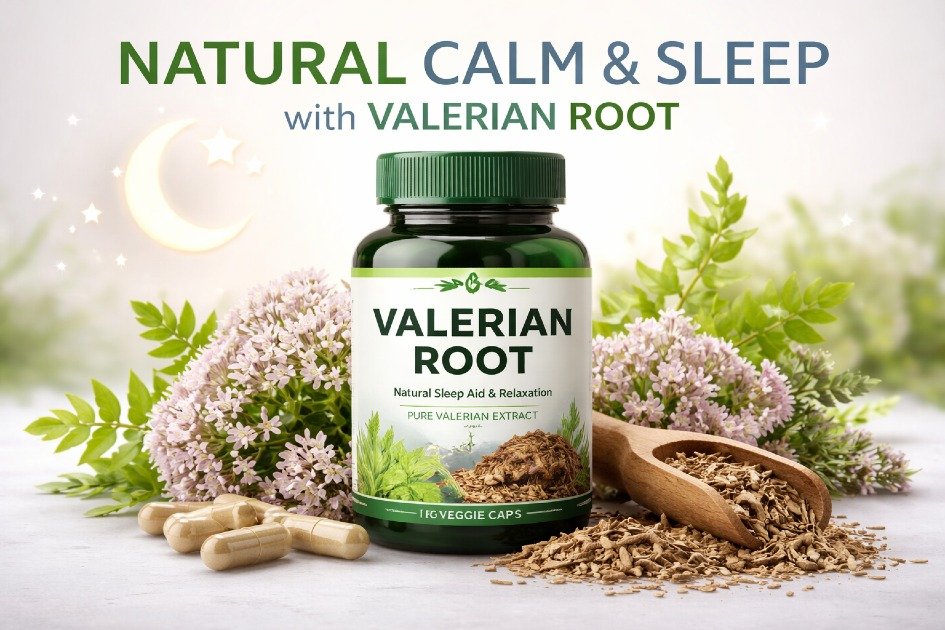
Restless nights affect energy and focus.
Valerian gently supports sleep onset and depth.
Core advantages:
- Promotes deeper sleep
- Calms a racing mind
Usage:
- Valerian tea 45–60 minutes before bed
- Valerian root formula for sleep quality
12. Lemon Balm — Mood and Digestive Soother

Anxiety and nervous tension.
Lemon balm promotes calm and supports digestion.
Core advantages:
- Natural calming effect
- Aids mild digestive upset
- Pleasant flavor
Usage:
- Lemon balm tea midday or evening
- Fresh leaves in water
How to Use Herbs at Home
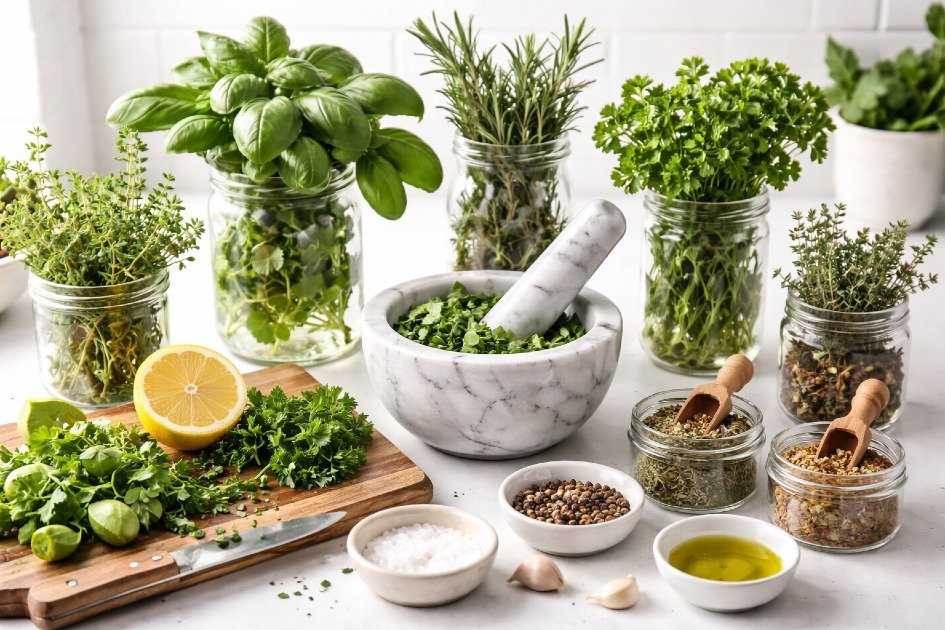
Most people know herbs are beneficial but don’t know how to use them correctly. They overthink it and never start.
You don’t need complex formulas. The most effective approach is to build herbs into what you already do every day.
Simple, effective ways to use herbs at home:
- Herbal teas: Steep chamomile, ginger, or peppermint for 5–10 minutes
- Cooking: Add turmeric, cinnamon, or rosemary to everyday meals
- Infused water: Use fresh mint or lemon balm for light, refreshing support
- Powders: Mix herbs like ashwagandha into smoothies or warm drinks
- Tinctures: Use liquid extracts for fast, concentrated benefits
- Aromatherapy: Inhale peppermint or rosemary to support focus
When herbs fit into your routine, you don’t have to “remember” them. Over time, you’ll notice:
- Smoother digestion
- More stable energy
- Less reliance on processed solutions
Key insight: Keep it simple. One daily habit is enough to start seeing results.
Best Herbs for Overall Health
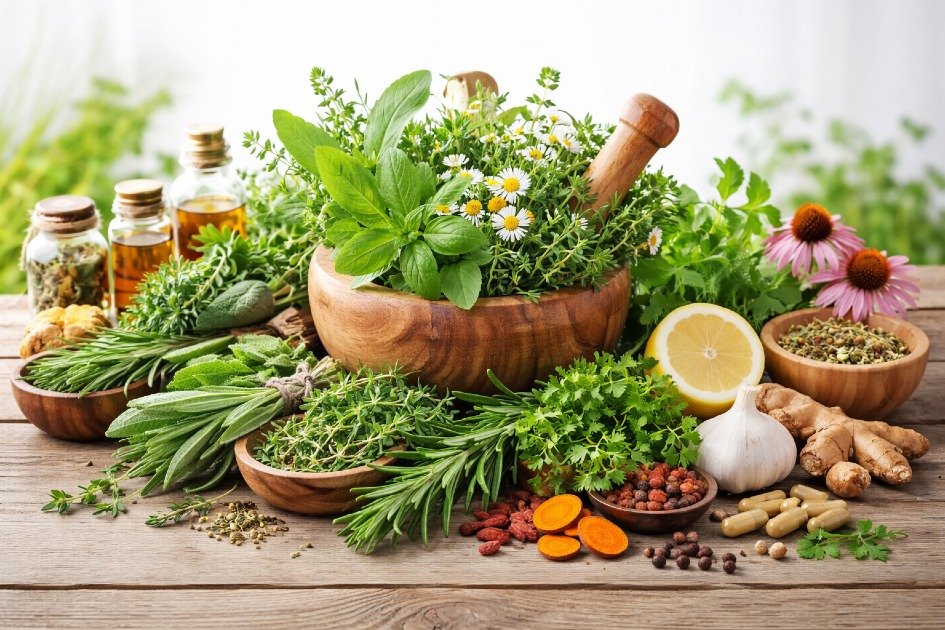
With so many herbs available, people often pick randomly or try too many at once—then see little benefit.
Stick to herbs that support multiple systems in the body. This gives you the most impact with the least effort.
Top herbs for overall health:
- Turmeric: Supports inflammation control and joint health
- Ginger: Improves digestion and strengthens immunity
- Ashwagandha: Helps the body manage stress and maintain energy
- Peppermint: Relieves bloating and supports gut function
- Cinnamon: Helps regulate blood sugar and reduce cravings
- Holy Basil (Tulsi): Promotes calm and immune balance
- Lemon Balm: Supports mood and relaxation
These herbs support the systems that matter most:
- Digestion: Better nutrient absorption
- Stress response: More emotional balance
- Immunity: More consistent defense
Tip: Start with 2–3 herbs that match your main goal. More is not better—consistency is.
Daily Herbal Wellness Routine

Using herbs occasionally won’t deliver real benefits. Without a routine, progress stays minimal.
A repeatable routine removes guesswork and builds momentum.
Easy daily herbal routine:
- Morning:
- Add turmeric and cinnamon to tea or coffee
- Supports metabolism and reduces inflammation
- Midday:
- Drink peppermint or ginger tea after meals
- Aids digestion and reduces bloating
- Afternoon:
- Use rosemary aroma or lemon balm tea
- Improves focus and reduces stress
- Evening:
- Sip chamomile or valerian tea
- Supports relaxation and sleep quality
With daily use, you’ll begin to experience:
- Steady energy throughout the day
- Less digestive discomfort
- Better sleep and mental clarity
Tip: Small actions, repeated daily, create lasting change.
Frequently Asked Questions
Are herbs safe daily?
Yes, teas like peppermint and chamomile are safe daily. Stronger supplements should be introduced gradually.
How do I pick the right herb?
Focus on one goal at a time (sleep, digestion, stress) and monitor how your body responds.
Can herbs interact with medications?
Some can affect blood thinners, blood sugar meds, or other prescriptions. Consult your doctor for safety.
Which is better: Tea or supplements?
Teas are gentle and ritualistic; supplements give precise doses when needed.
How soon will I see results?
Digestive herbs work within days; stress or sleep herbs may take 1–2 weeks. Consistency matters most.
Recap: Build a Simple Herbal Routine
Herbs aren’t quick fixes but steady, natural support for your body. With consistent daily use, they aid digestion, reduce stress, strengthen immunity, and improve sleep over time.
How to get started:
- Choose 1–2 herbs based on your current goal (stress, digestion, sleep)
- Use them at the same time each day
- Keep your routine simple and repeatable
- Pay attention to how you feel over the next few weeks
You don’t need a complex plan. Stay consistent. Let the results build.
Ready to Transform Your Health with Herbs?
Exhausted by health struggles? Discover a better way—without complexity.
Unlock natural energy, stronger immunity, and daily wellness support with this Herbaly Wellness Collection and start feeling healthier from the inside out.