
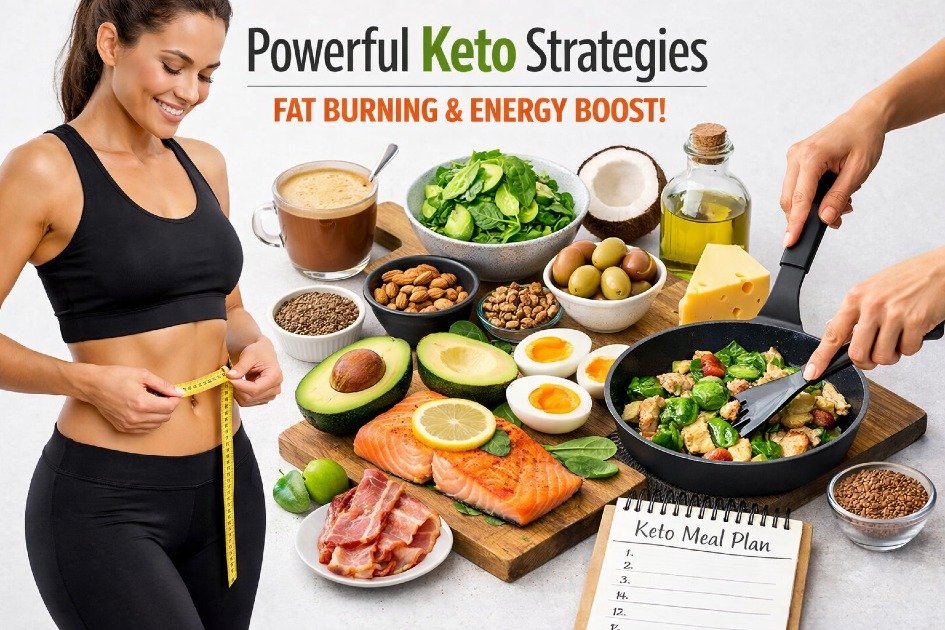
You started Keto for a reason—fat loss, better energy, fewer cravings. But instead, you feel tired, stuck, and frustrated.
It’s not the diet failing but the approach. Keto works when applied properly, and most issues come from missing key basics.
This guide explains through the noise and gives you clear, practical strategies you can apply immediately to get results.
What Is Keto?
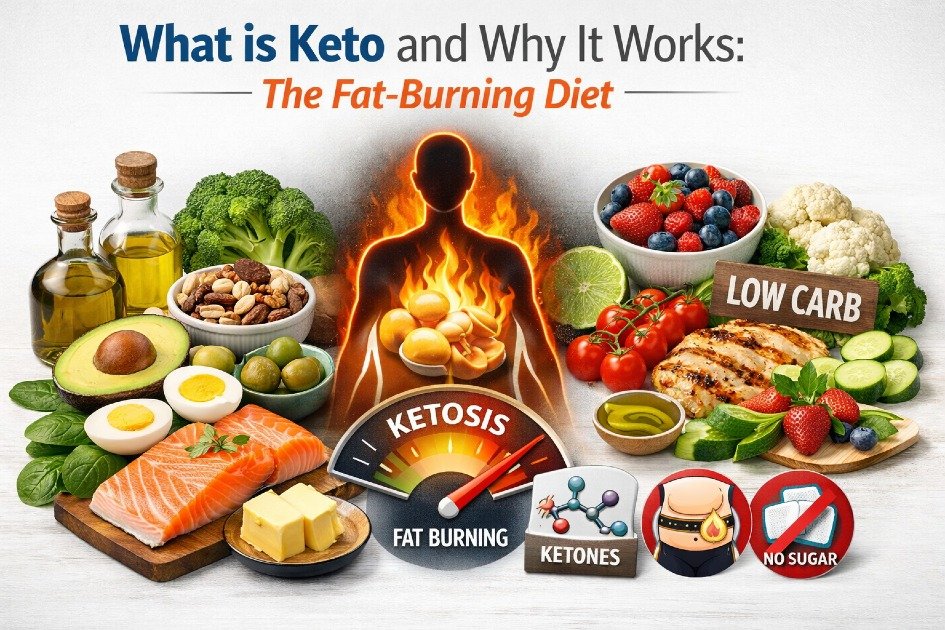
It shifts your body from burning carbs to burning fat. This state is called ketosis.
Traditional diets rely on cutting calories. That often leads to hunger, low energy, and inconsistency.
Keto changes how your body fuels itself:
- Low carbs (under 50g daily)
- High healthy fats
- Moderate protein
Core advantages:
- Stable energy
- Reduced cravings
- Efficient fat burning
What Are Keto Strategies?
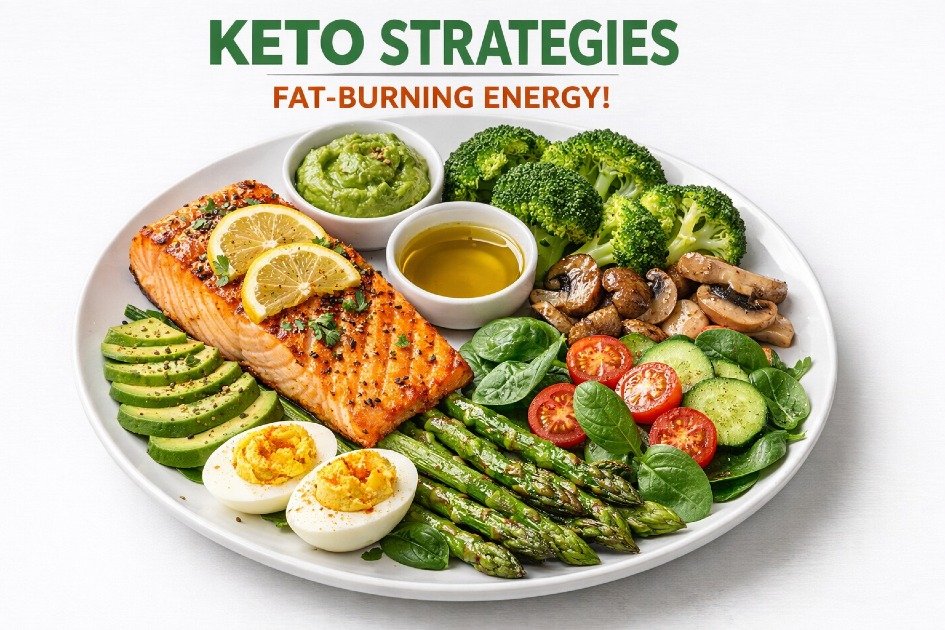
Keto strategies are structured methods that optimize fat burning and energy by controlling what, how much, and when you eat—not just cutting carbs.
Key effective components:
- Tracking macros (carbs, fats, protein)
- Prioritizing whole, nutrient-dense foods
- Maintaining electrolyte balance and hydration
- Planning meals and snacks for consistency
- Timing intake to support fat burning and energy
These strategies practicalize, sustainable lifestyle.
How the Strategies Help Burn Fat
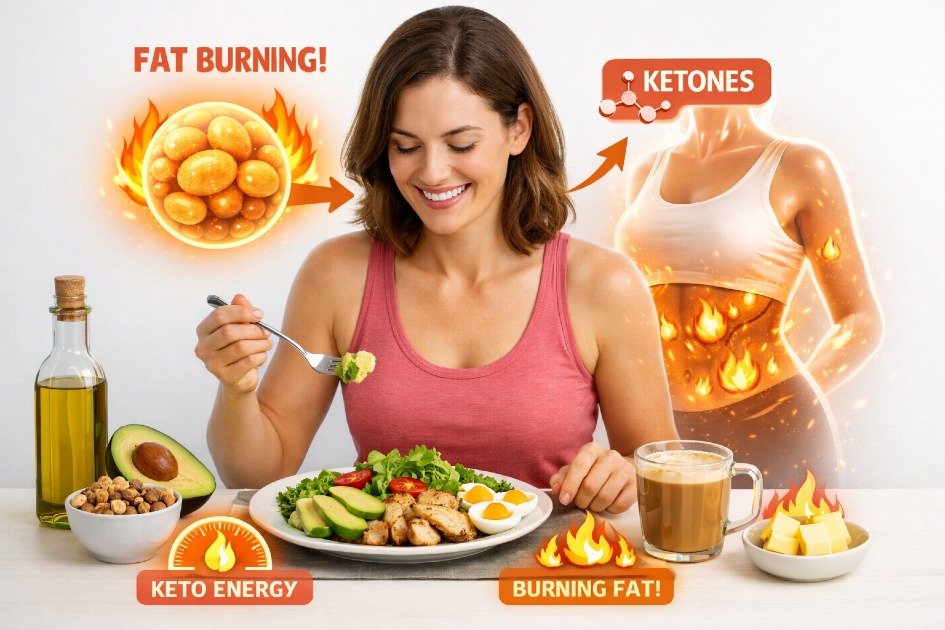
The goal is to switch your body from burning carbs to burning fat. Well-structured strategies ensure this process is efficient and consistent.
Ways they support fat loss:
- Maintain ketosis: Keeps your body in a fat-burning state.
- Control insulin levels: Low insulin encourages stored fat to be used for energy.
- Avoid hidden carbs: Prevents interruptions in fat metabolism.
- Balance fats and protein: Preserves muscle while promoting fat loss.
Tip: A day with eggs, avocado, and salmon provides healthy fats for energy, moderate protein to maintain muscle, and minimal carbs to stay in ketosis—supporting consistent fat loss.
Why the Strategies Are Necessary for Health
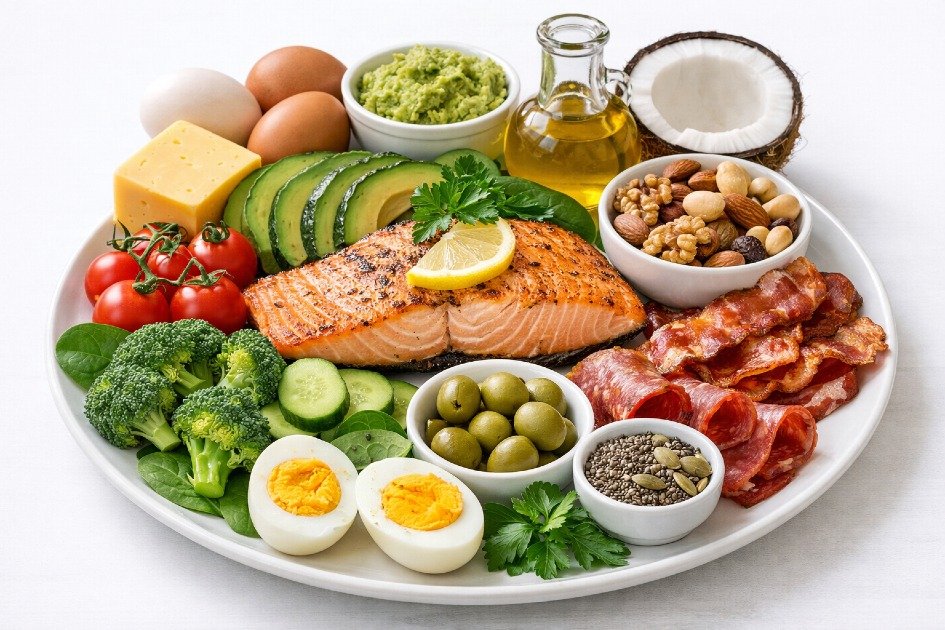
It isn’t just about losing weight—it’s about metabolic health, energy stability, and long-term wellness. Without strategy, low-carb eating can lead to fatigue, nutrient gaps, and inconsistent results.
Health benefits:
- Stable energy levels: Avoids blood sugar spikes and crashes.
- Better appetite control: Reduces cravings naturally.
- Enhanced cognitive function: Healthy fats fuel the brain efficiently.
- Sustainable results: Supports long-term adherence without deprivation.
These strategies transform a diet into a science-backed approach that supports fat loss, energy, and overall health—making it effective and sustainable.
9 Proven Principles for Effective Keto Fat Loss and Energy
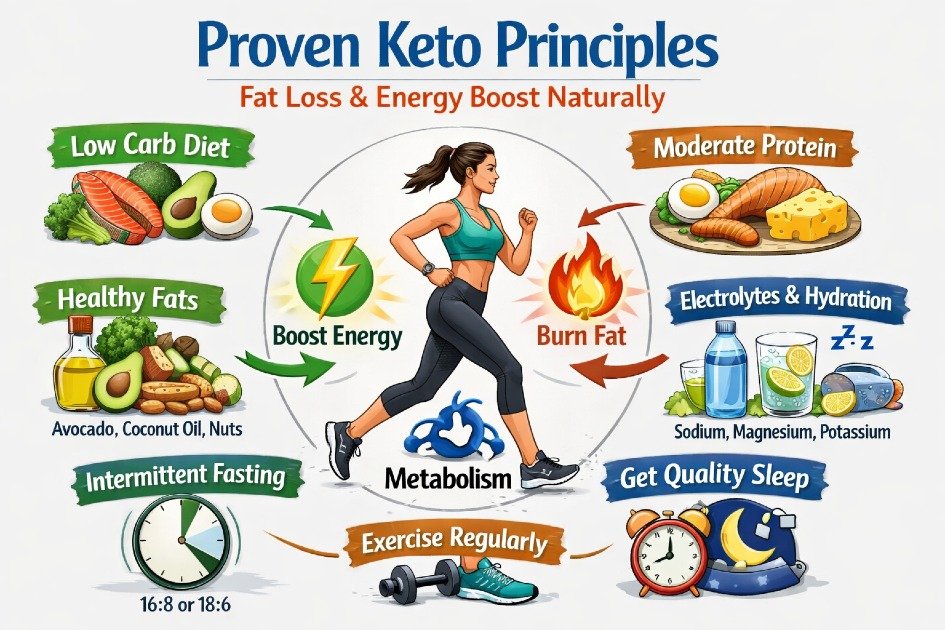
Many people start keto for fat loss and stable energy but see results stall because the issue isn’t the diet, it’s how it’s followed, since true fat burning in ketosis depends on consistent, precise habits.
Hidden carbs, too much fat, and poor electrolyte balance can stall results and drain energy, making it seem ineffective when better execution is the real fix.
Discover seven proven strategies to burn fat efficiently, sustain energy, and simplify your approach through smarter execution.
1. Master Your Macros
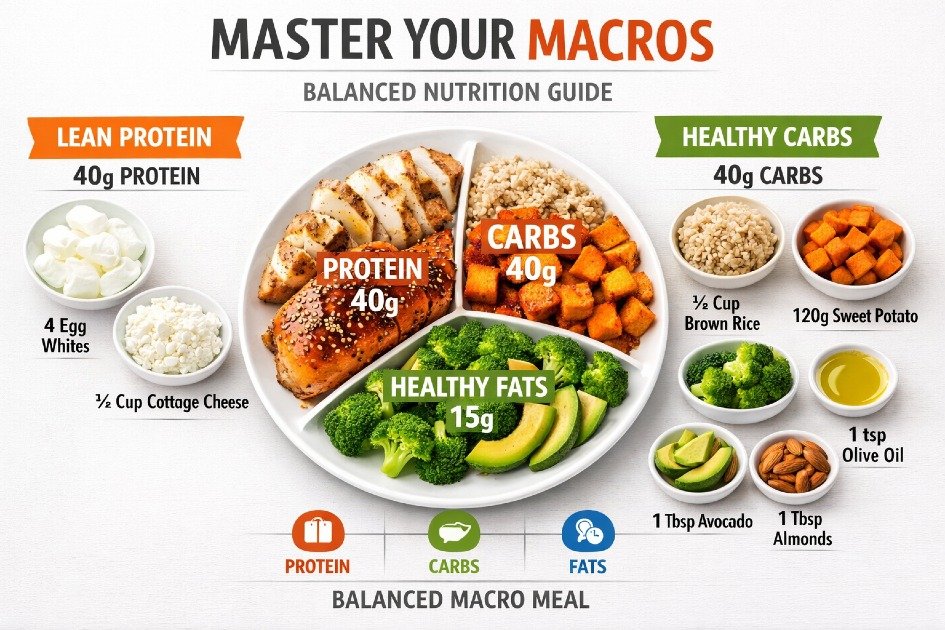
Guessing your food intake leads to stalled results.
Track your macros with intention.
Target range:
- 70–75% fat
- 20–25% protein
- 5–10% carbs
Tips:
- Use a tracking app daily
- Prioritize whole foods
- Watch hidden carbs in sauces and dressings
Core advantage:
You enter and maintain ketosis faster, leading to consistent fat loss.
2. Prevent the “Keto Flu” Early

Fatigue, headaches, and irritability often appear in the first week.
Replenish electrolytes.
Focus on:
- Sodium
- Potassium
- Magnesium
Simple fixes:
- Add salt to meals
- Drink bone broth
- Eat avocados and leafy greens
Core advantage:
You stay energized and avoid early burnout.
3. Choose Quality Fats
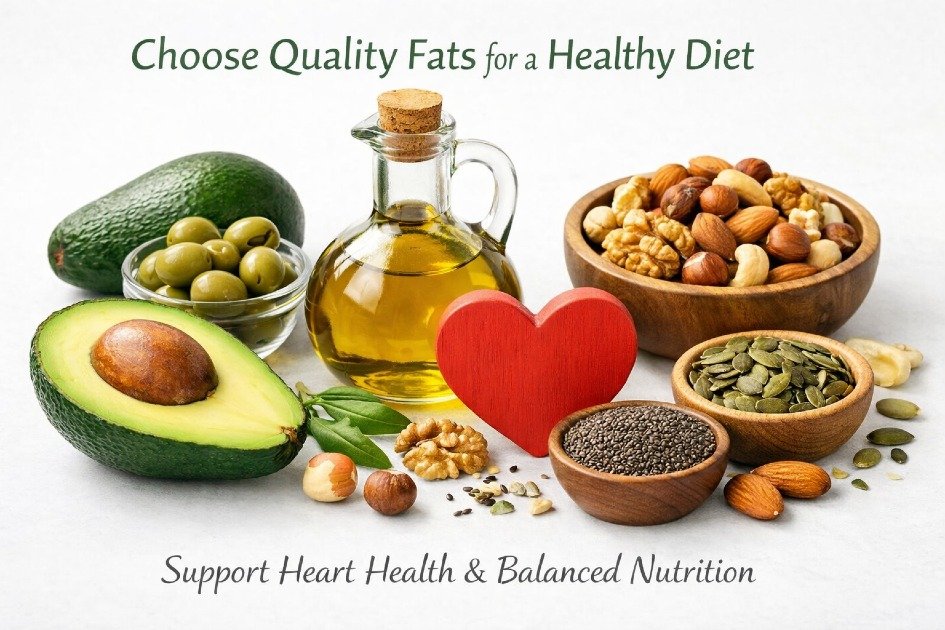
Not all fats support your health or results.
Prioritize clean, nutrient-dense sources.
Best options:
- Avocados
- Olive oil
- Grass-fed butter
- Nuts and seeds
- Fatty fish
Avoid:
- Trans fats
- Highly processed oils
Core advantage
You improve fat loss, brain function, and overall health.
4. Control Protein Intake
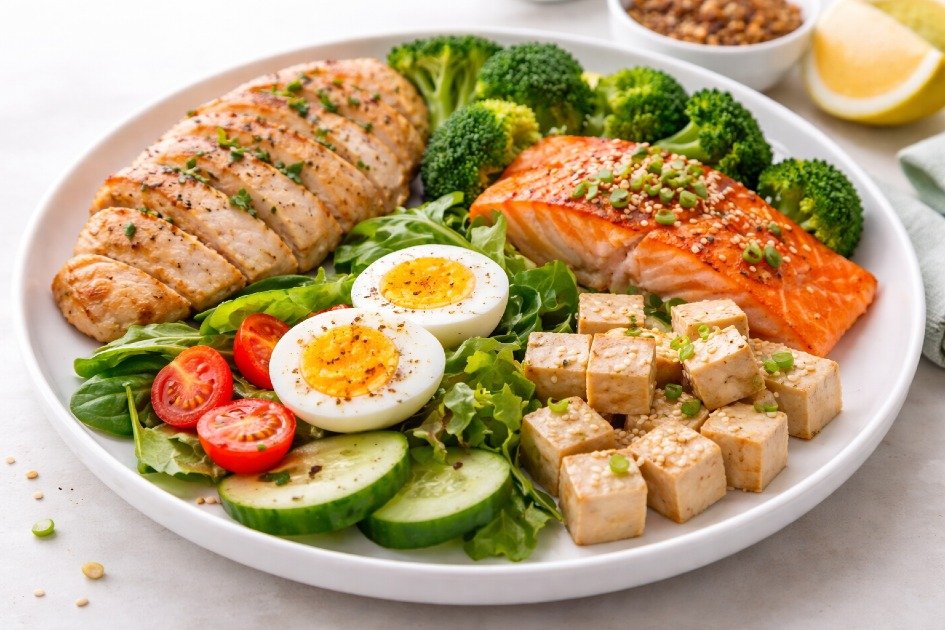
Too much protein can slow ketosis.
Keep protein moderate.
Guideline:
- 0.6–1.0g per pound of lean body mass
Smart Strategy:
- Balance protein with healthy fats
- Avoid building meals around protein alone
Core advantage:
You preserve muscle while maximizing fat burning.
5. Use Intermittent Fasting to Speed Progress
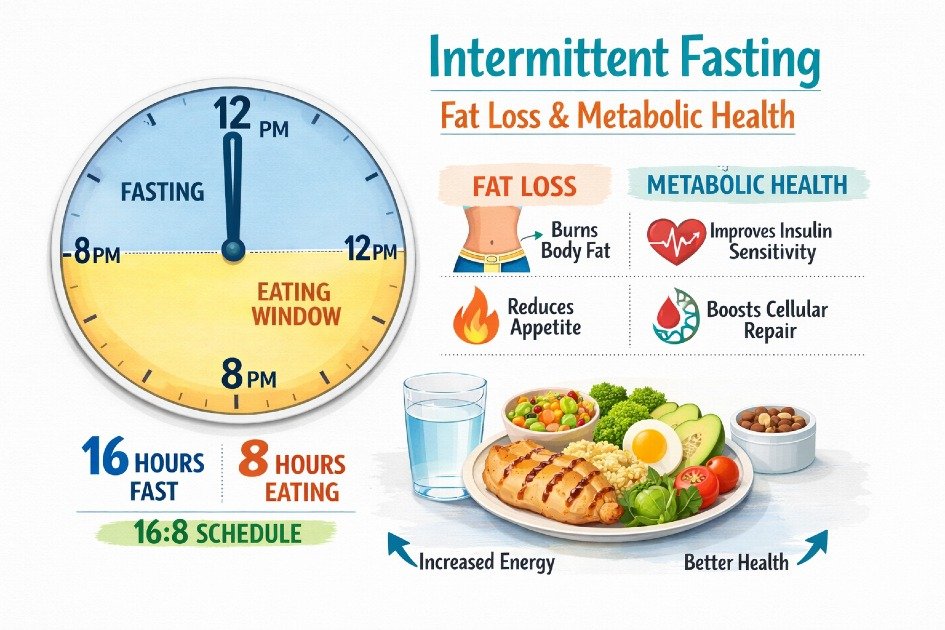
Even on Keto, overeating can stall results.
Add intermittent fasting.
Simple approach:
- 16:8 schedule (16 hours fasting, 8 hours eating)
Why it works:
- Increases fat burning
- Improves insulin sensitivity
Core advantage:
You break plateaus without extreme restriction.
6. Eliminate Hidden Carbs
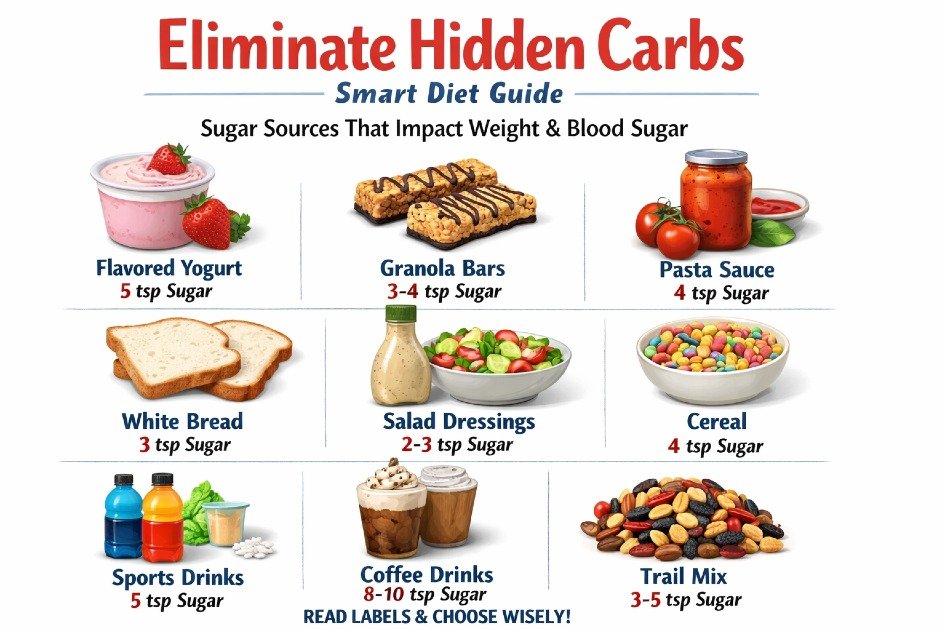
“Low-carb” doesn’t always mean Keto-friendly.
Common Sources:
- Sauces and dressings
- Protein bars
- Flavored yogurts
- Sugar-free products
Read labels carefully.
- Focus on net carbs
- Limit artificial sweeteners
Core advantage:
You stay in ketosis and avoid unnecessary setbacks.
7. Stay Consistent
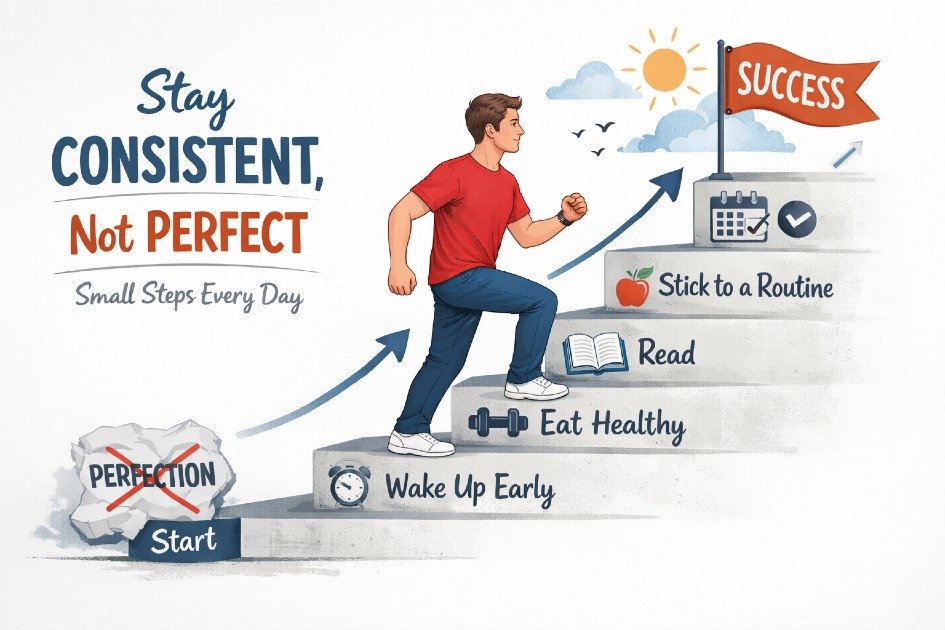
Many people quit after small mistakes.
Focus on consistency.
Practical Mindset:
- One off-meal doesn’t ruin progress
- Return to your routine immediately
- Track long-term trends
Core advantage:
You build habits that deliver lasting results.
Simple 1-Day Meal Plan
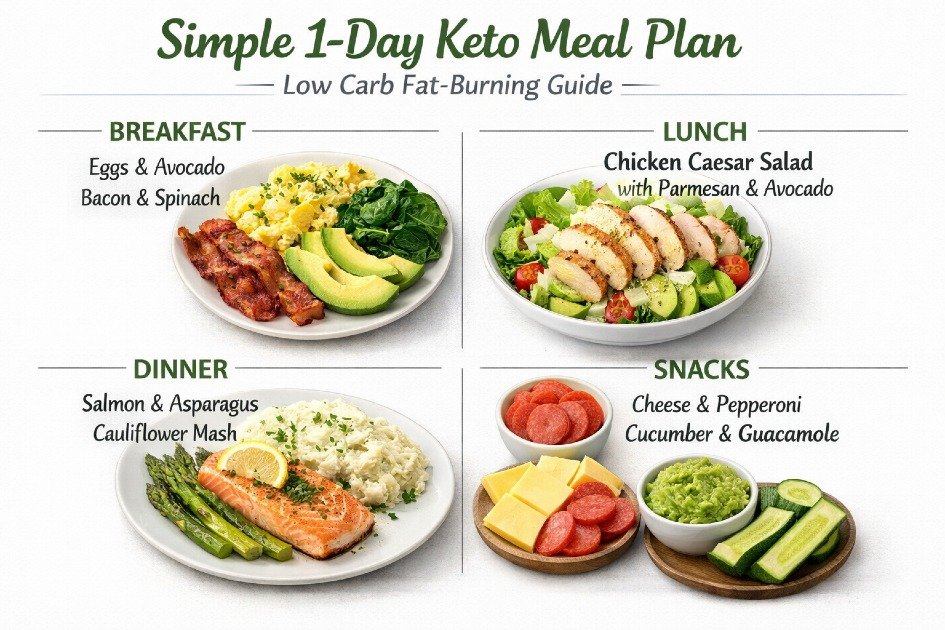
Breakfast
- Eggs cooked in butter
- Avocado
- Coffee or tea
Lunch
- Grilled chicken salad with olive oil
Dinner
- Salmon with roasted vegetables
- Cauliflower mash
Snacks (optional)
- Nuts
- Cheese
- Olives
Tools That Make the Process Easier
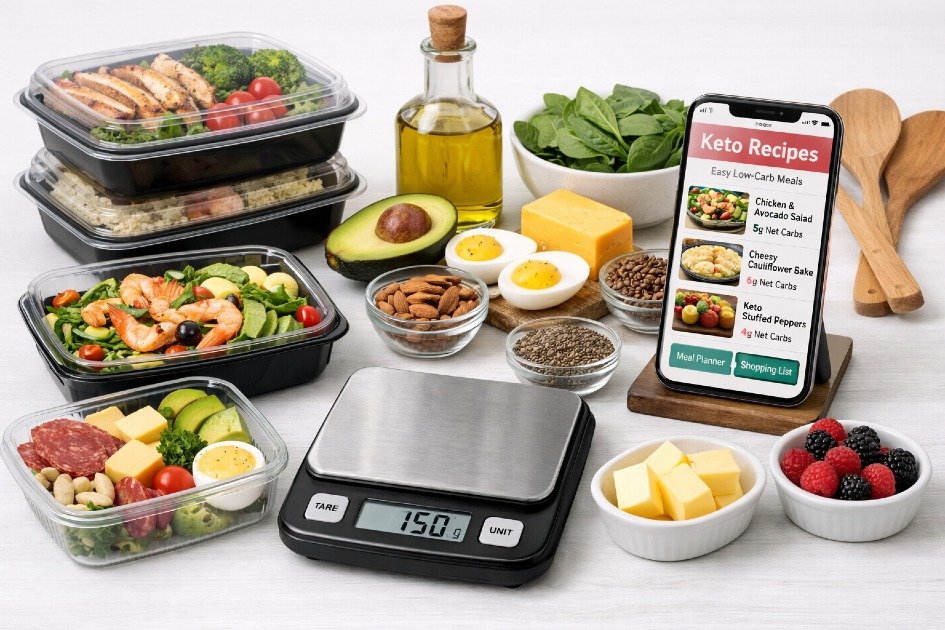
It doesn’t have to feel complicated.
The right tools can simplify everything:
- Meal planning guides
- Electrolyte support
- Ready-to-use recipes
These can help you stay consistent—especially in the first 30 days.
NCBI highlights ketogenic diets, as forcing the body into ketosis.
Keto Lifestyle Tips
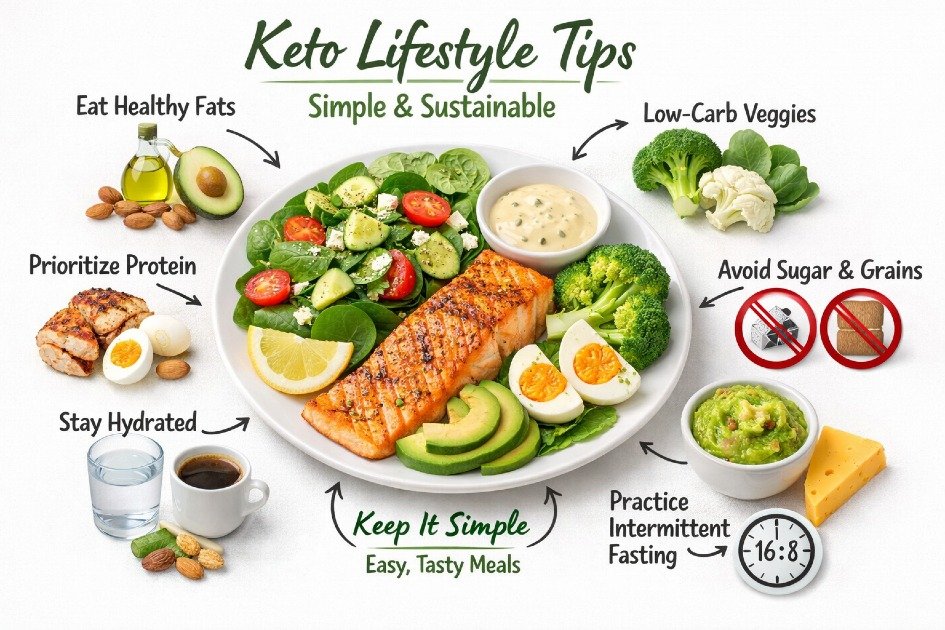
Most people don’t fail—they quit it. Strict rules, poor planning, and daily friction make consistency hard.
Build a lifestyle that fits your routine, not the other way around.
Practical lifestyle tips:
- Plan meals in advance to avoid last-minute carb choices
- Keep Keto-friendly snacks on hand (nuts, cheese, boiled eggs)
- Create a short list of go-to meals you can repeat
- Learn how to order Keto when eating out (protein + vegetables + healthy fats)
- Stay consistent with hydration, sleep, and stress management
I rotate simple meals like eggs and avocado, grilled chicken salad, or salmon with vegetables. Keep it repeatable.
Core advantage:
You reduce decision fatigue and make it easy to follow for the long-term, which drives real results.
Keto Fat Loss Tips
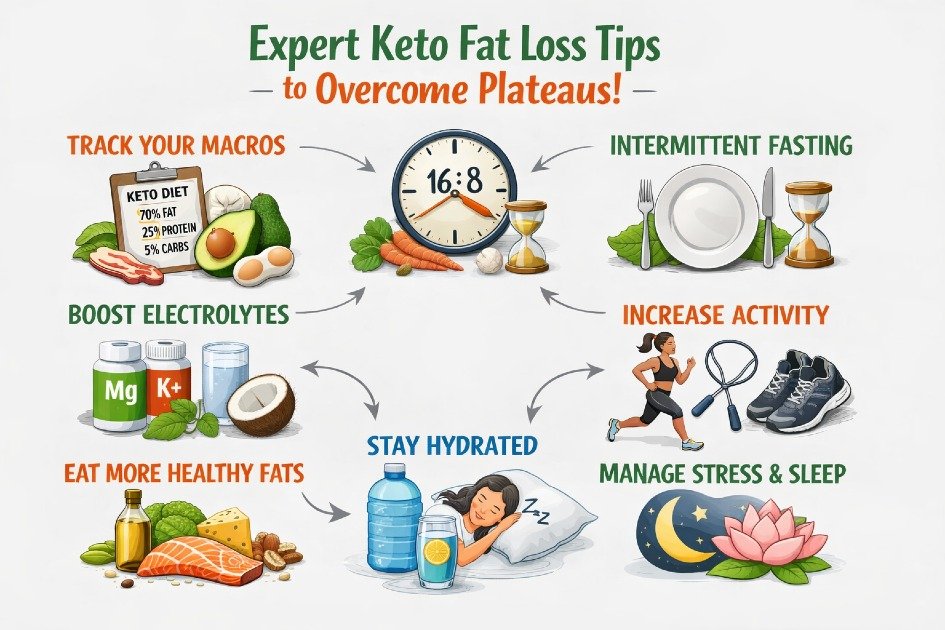
You’re doing Keto, but fat loss has stalled. The usual causes are hidden carbs, excess calories, or inconsistent habits.
Tighten your approach with focused fat loss strategies.
Effective fat loss tips:
- Track net carbs to stay within your limit
- Avoid overeating fats—balance matters
- Prioritize whole, unprocessed foods
- Use intermittent fasting (16:8) if progress slows
- Keep protein moderate and consistent
Watch for common mistakes:
- Over-relying on processed
- Frequent snacking out of habit, not hunger
Replacing packaged bars with whole foods like eggs or fish often improves fat loss quickly.
Core advantages:
You stay in ketosis consistently and create the conditions needed for steady fat loss, without extreme restriction.
Keto Energy Boost
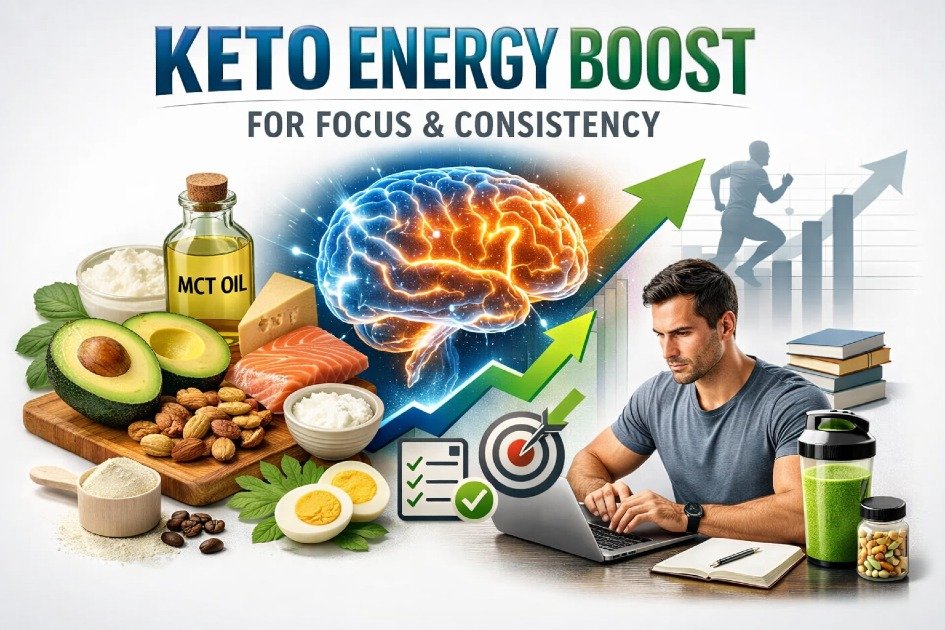
Low energy is common—especially early on or when your nutrition is off. Many people assume it isn’t working.
Support your body with the right fuel and habits to unlock stable energy.
Energy boost tips:
- Replenish electrolytes daily (sodium, potassium, magnesium)
- Eat enough healthy fats for fuel
- Avoid under-eating—low energy often means too few calories
- Keep carb intake consistent to prevent crashes
- Prioritize sleep and recovery
Elevate low energy:
- Add a pinch of salt to water
- Drink bone broth
- Include potassium-rich foods like avocado
I add some eggs, avocado, and olive oil to my meal to gain steady energy without spikes or crashes.
Core advantage:
You get consistent energy, better focus, and fewer cravings, making it easier to maintain.
Frequently Asked Questions
How long does it take to enter ketosis?
Most people enter ketosis within 2–4 days, depending on carb intake and activity level.
Can I follow Keto long-term?
Yes. Focus on whole, nutrient-dense foods to support long-term health.
Why am I not losing weight on Keto?
Common causes include:
- Too many carbs
- Excess calories
- Inconsistent tracking
Fix these, and progress usually resumes.
Is Keto safe?
It is generally safe for healthy individuals. Consult a professional if you have medical conditions.
Can I exercise on Keto?
Yes. After adaptation, many people experience steady energy and improved endurance.
Recap: Make Keto Work by Keeping It Simple
It works when you apply the basics consistently. It’s not about strict rules or perfection. It’s about using clear, repeatable habits that support fat loss and steady energy.
Focus on what matters: balanced macros, quality food, proper hydration, and consistency. These fundamentals create the conditions for reliable fat burning and sustained energy—without confusion or burnout.
The difference between success and frustration on Keto comes down to structure. A simple plan you follow daily will always outperform a complex plan you abandon.
Ready to Start Your Keto Transformation
Stuck in the same place despite doing keto—stay with one or two strategies and build momentum.
Start your transformation today and unlock steady fat-burning energy using this ketogenic guide. Let it work for your body instead of against it, so that you can feel lighter, sharper, and in control of your results without the constant struggle.