

You’re trying to eat better—but you still feel sluggish, bloated, or low on energy.
Frustrating, but it often points to an inefficient diet. A well-planned vegetarian approach can correct this and provide steady, clean energy.
This guide explains how to make a vegetarian diet work for better digestion, and long-term health benefits—without complicated rules.
What Are Vegetarian Habits?
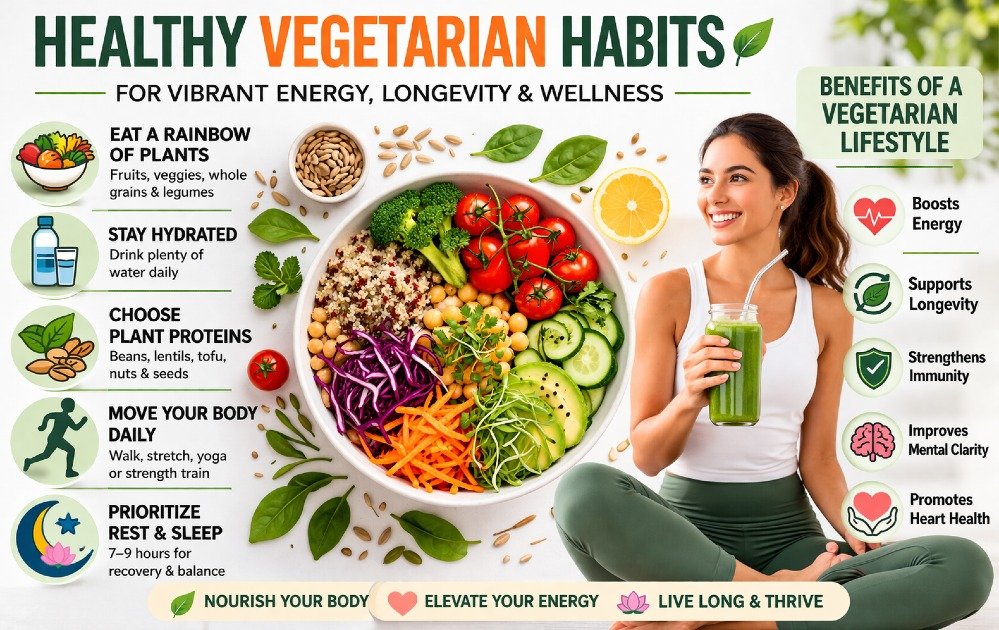
Vegetarian habits are the daily choices that make a plant-based lifestyle work. It’s not just about cutting out meat, but consistently choosing nourishing plant foods.
Key habits include:
- Protein-rich plant foods like lentils, beans, tofu, and tempeh to maintain muscle and energy.
- Whole grains, vegetables, and fruits as the foundation of every meal.
- Healthy fats from nuts, seeds, and avocados to support heart health and satiety.
- Hydration through water and water-rich foods to maintain energy and digestion.
- Meal planning to prevent nutrient gaps and sustain consistent energy.
These habits turn a simple meat-free diet into a balanced, sustainable, and energizing lifestyle.
How Vegetarian Habits Transform Health, Energy and Longevity

Consistently practicing vegetarian habits can have profound effects on overall well-being:
- Sustain Energy Naturally – Nutrient-dense plant foods stabilize blood sugar and prevent energy crashes.
- Support Heart Health – Vegetables, legumes, and whole grains lower cholesterol and reduce inflammation.
- Promote Longevity – Balanced vegetarian diets are linked to lower rates of chronic disease and longer life.
- Enhance Digestion – Fiber from whole plant foods improves gut health and regularity.
- Maintain Muscle & Metabolism – Plant-based protein helps preserve lean muscle mass and metabolic function.
With these habits, vegetarian eating becomes more than a dietary choice—it becomes a tool for long-term vitality.
Are Vegetarian Habits Necessary for Health?
While you can survive without them, skipping structured vegetarian habits often leads to:
- Protein or iron deficiencies
- Over-reliance on refined carbs or processed foods
- Digestive issues from low fiber intake
- Energy dips and poor mental focus
Structured vegetarian habits ensure your diet supports optimal health, steady energy, and lasting wellness. They transform plant-based eating from a restriction into a practical, results-driven lifestyle.
9 Essential Vegetarian Habits for Lasting Health, Energy and Longevity
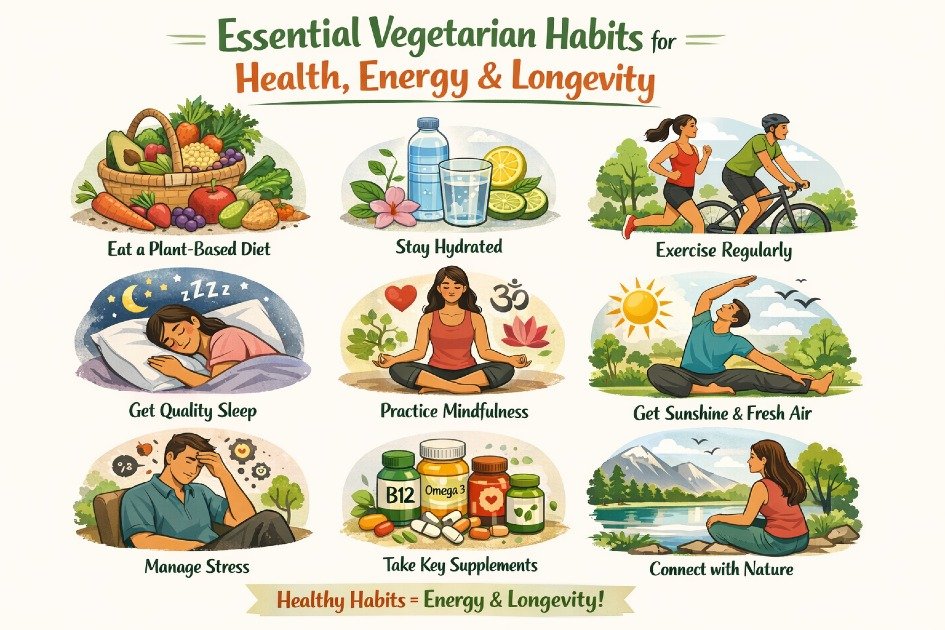
A well-planned vegetarian diet focuses on balanced protein, healthy fats, complex carbs, and nutrient-dense foods. When done right, it supports heart health, lowers inflammation, and strengthens long-term wellness.
Discover nine proven vegetarian habits to build balanced meals, avoid pitfalls, and support lasting energy, health, and longevity.
1. Eat Protein at Every Meal

Many vegetarians under-eat protein.
Include a protein source every time you eat:
- Lentils and chickpeas
- Tofu or tempeh
- Greek yogurt (if included)
- Nuts and seeds
Core advantage: Better energy, fewer cravings, stronger muscle support.
2. Focus on Whole Foods First

Processed vegetarian foods are easy—but often low in nutrients.
Base meals on:
- Fresh vegetables
- Whole grains
- Legumes
- Natural fats
Core advantage: Improved digestion and more consistent energy.
3. Use the Balanced Plate Method
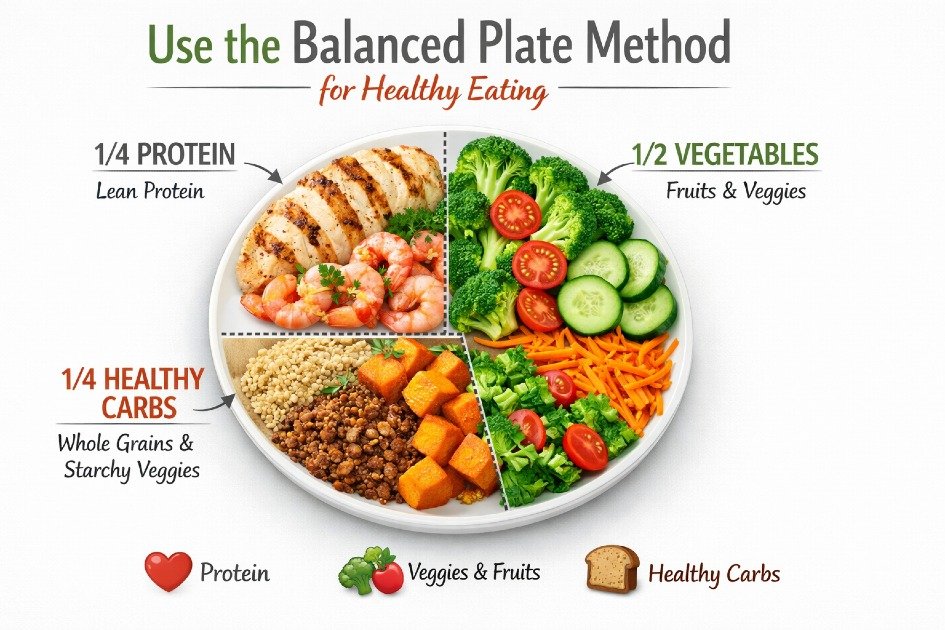
Poor meal structure leads to hunger and nutrient gaps.
Build your plate like this:
- ½ vegetables
- ¼ protein
- ¼ whole grains
- Add healthy fats
Core advantage: You stay full longer and avoid energy crashes.
4. Pay Attention to B12 and Iron
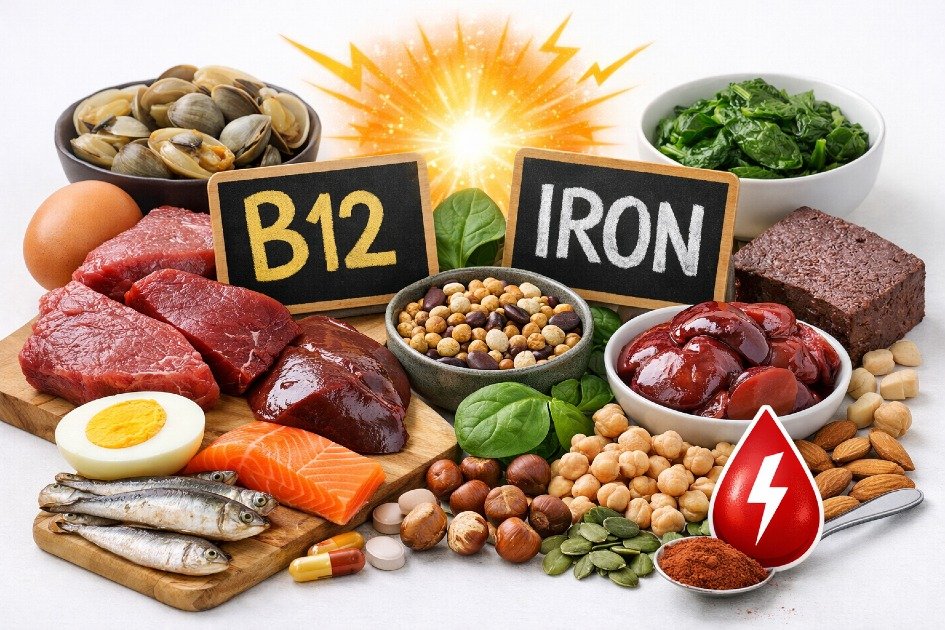
Low B12 and iron can cause fatigue and brain fog.
Level up your B12 and iron:
- Eat fortified foods
- Add leafy greens and legumes
- Pair iron with vitamin C
- Supplement if needed
HSPH recommends eating healthy to maintain healthy weight
Core advantage: Better focus, stronger energy, improved oxygen flow.
5. Stay Consistently Hydrated

Dehydration worsens fatigue and digestion.
Maintain steady hydration:
- Drink water regularly
- Add herbal teas
- Eat water-rich foods
Core advantage: Improved metabolism and mental clarity.
6. Plan Meals Ahead of Time

Last-minute decisions lead to poor choices.
Habit-Based Meal Strategies:
- Prep meals in advance
- Keep healthy snacks ready
- Set a simple weekly plan
Core advantage: Consistency without stress.
7. Include Healthy Fats Daily
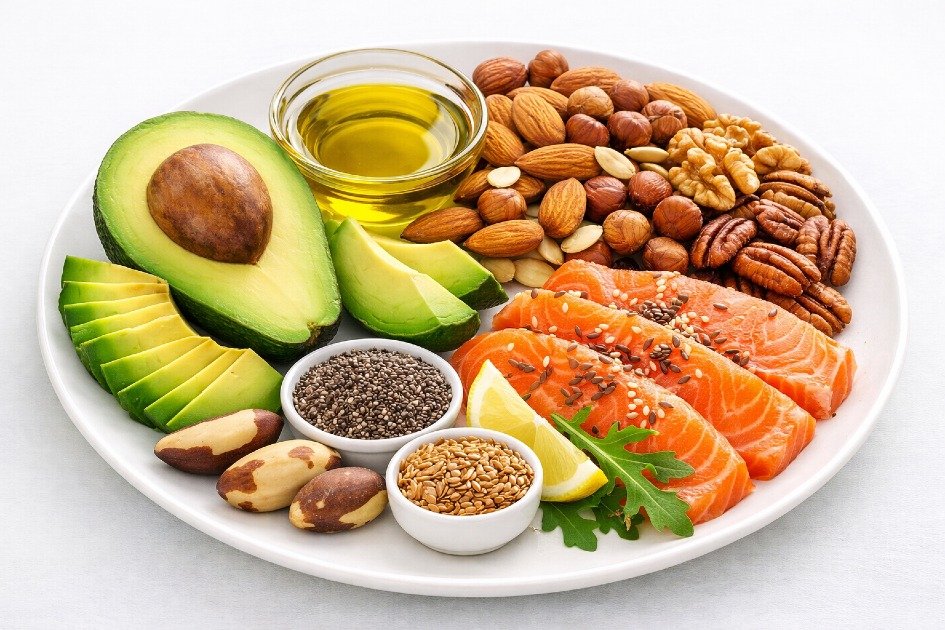
Low-fat diets often leave you hungry.
Add:
- Avocados
- Olive oil
- Nuts and seeds
Core advantage: Better satiety and hormone balance.
8. Increase Fiber Gradually
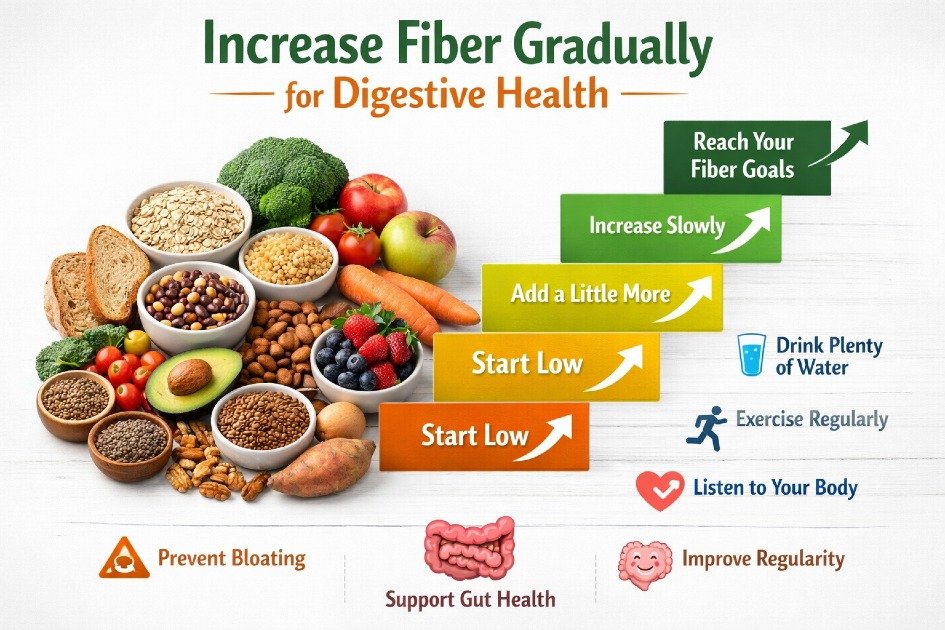
Too much fiber too fast causes bloating.
Smart Nutrition Habits:
- Increase intake slowly
- Drink more water
- Balance raw and cooked foods
Core advantage: Stronger digestion and gut health.
9. Make Food Taste Good
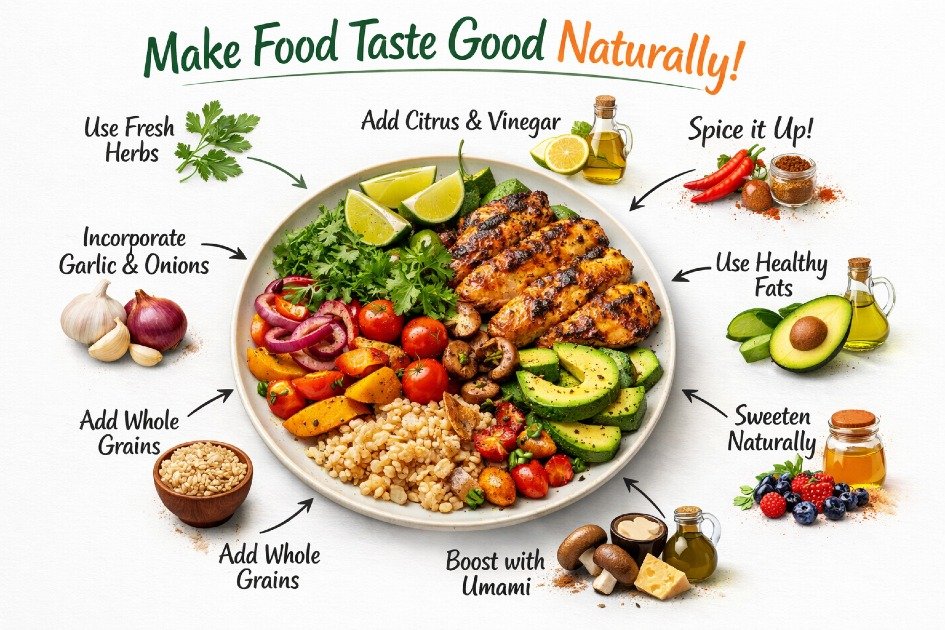
Bland meals lead to burnout.
Smart Kitchen Flavors:
- Use herbs and spices
- Add garlic, ginger, turmeric
- Experiment with sauces
Core advantage: You stay consistent long term.
Simple Vegetarian Meal Plan
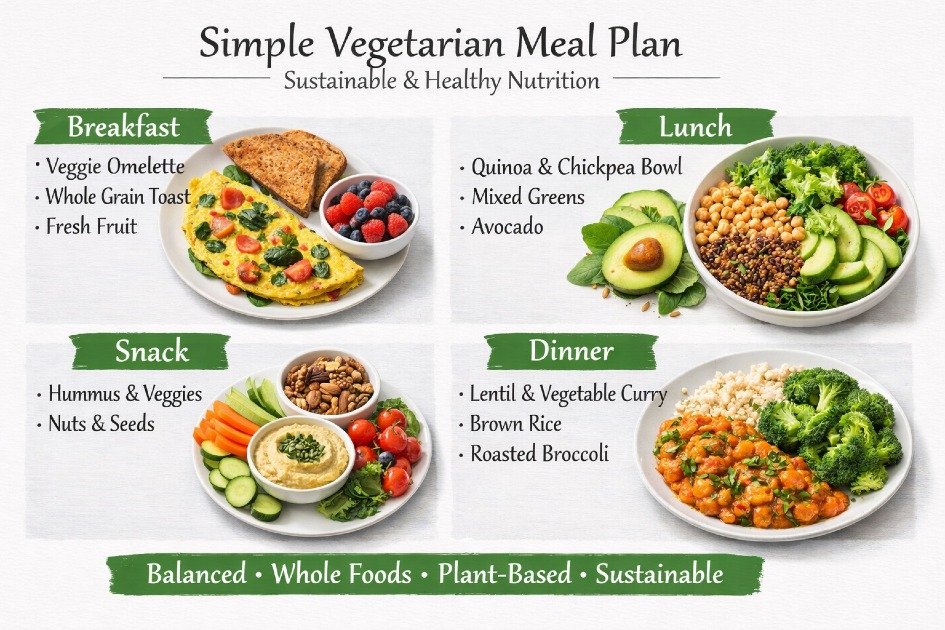
Breakfast: Oatmeal with almond butter, berries, and chia seeds
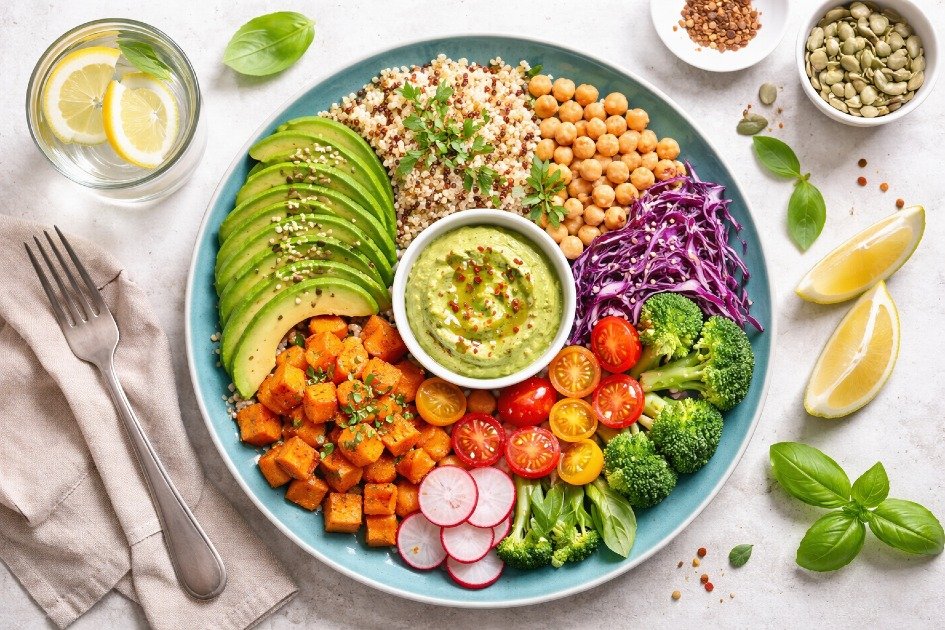
Lunch: Quinoa bowl with roasted vegetables and chickpeas
Snack: Apple with almonds
Dinner: Tofu stir-fry with vegetables and brown rice
Optional Snack: Greek yogurt or plant-based smoothie
Common Mistakes to Avoid

Avoid these if you want real results:
- Relying on processed vegetarian foods
- Skipping protein
- Ignoring healthy fats
- Not planning meals
- Overeating refined carbs
Fixing these alone can dramatically improve how you feel.
Tools That Make Vegetarian Living Easier
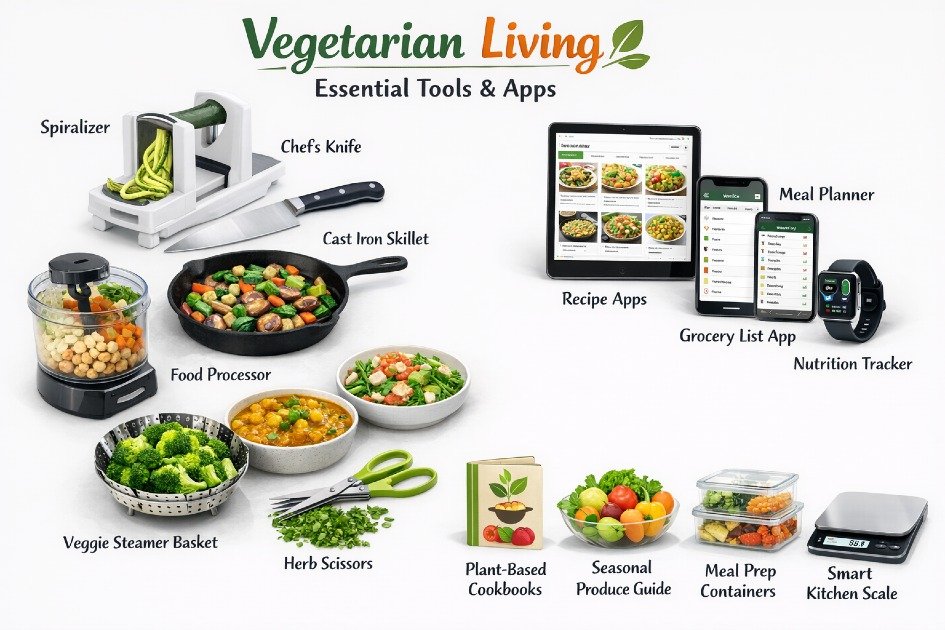
Once your habits are in place, a few tools can simplify everything.
Smart Essentials:
- A quality blender for smoothies
- Meal prep containers
- A clean plant-based protein powder
A quality plant-based protein powder helps meet daily protein needs easily, perfect after workouts or as a quick balanced meal.
Why Vegetarian Living Works Long-Term
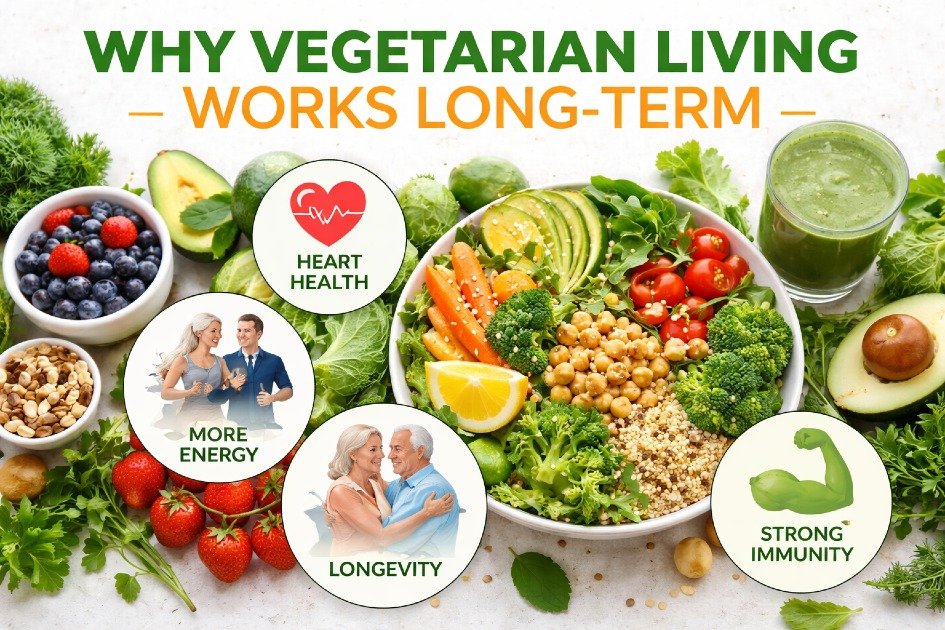
A properly structured vegetarian lifestyle supports:
- Heart health
- Weight management
- Reduced inflammation
- Long-term energy stability
More importantly, it builds sustainable habits you can maintain for life.
Plant-Based Energy Boosters
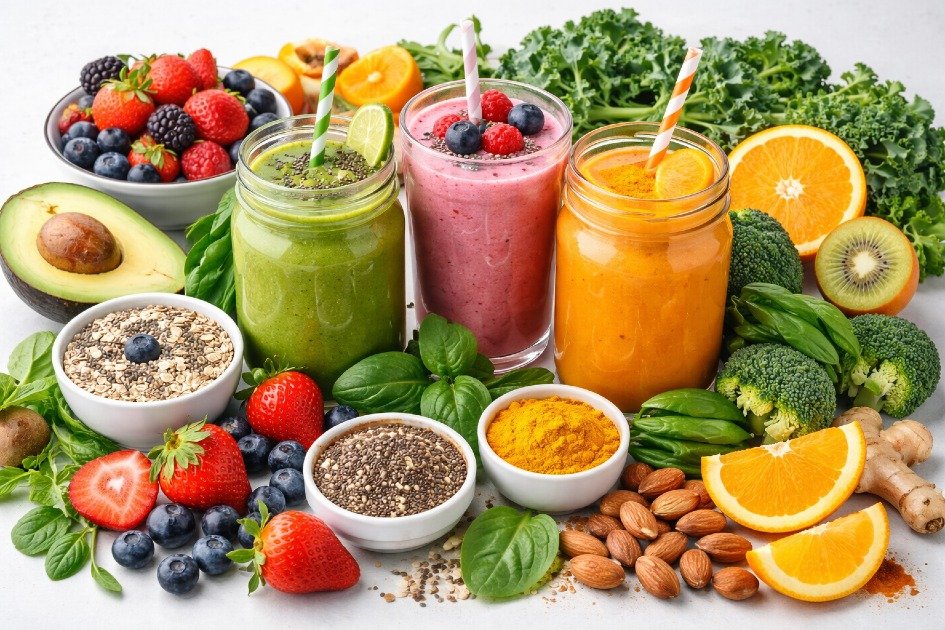
Daytime fatigue and post-workout energy dips are common even on vegetarian diets, often masked by sugar or caffeine spikes that quickly fade into crashes.
Sustainable energy comes from nutrient-dense, plant-based foods:
- Leafy greens (spinach, kale) – rich in iron and magnesium, supporting oxygen transport and muscle function.
- Legumes (lentils, chickpeas, black beans) – slow-digesting carbohydrates provide steady energy and protein.
- Nuts and seeds – packed with healthy fats and vitamin E to combat fatigue and support brain function.
- Whole grains (quinoa, oats) – stabilize blood sugar to prevent energy dips.
- Fruits (berries, bananas, apples) – offer natural sugars for a quick, balanced boost.
Core advantage:
- Consistent, all-day energy
- Sharper focus and mental clarity
- Less post-meal fatigue
Vegetarian Nutrition for Longevity
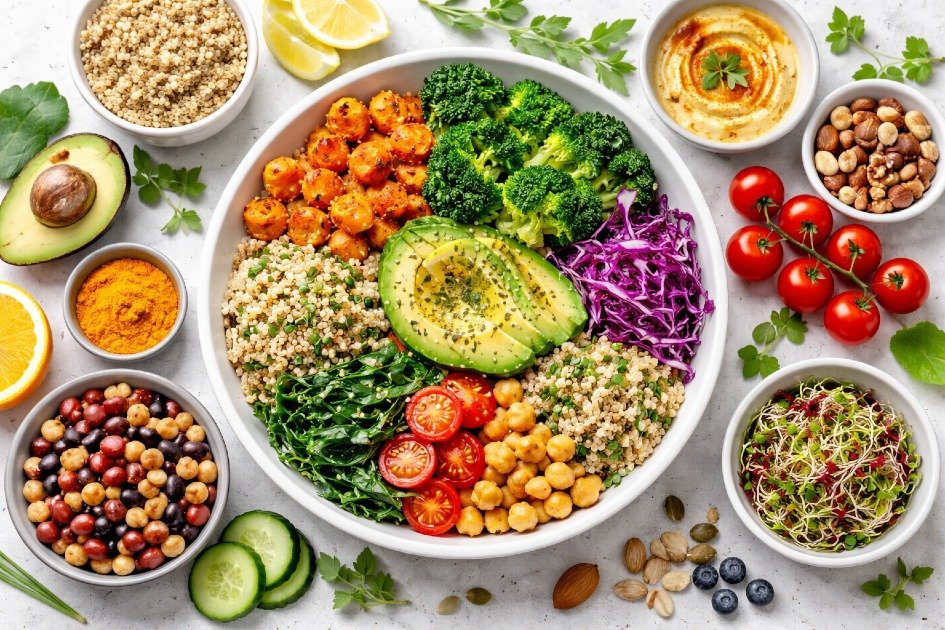
Avoiding meat alone isn’t enough. Without proper planning, nutrient gaps can reduce the health and longevity benefits of a vegetarian diet.
Focus on nutrient-rich, anti-inflammatory foods that support long-term health:
- Colorful vegetables – antioxidants fight oxidative stress, slowing aging.
- Plant-based proteins – beans, lentils, tofu, and tempeh maintain muscle and metabolism.
- Healthy fats – avocados, olive oil, and walnuts protect the heart and brain.
- Fermented foods – kimchi, miso, and yogurt promote gut health and immunity.
- Herbs and spices – turmeric, ginger, and garlic reduce inflammation naturally.
Core advantage:
- Support cardiovascular health
- Reduce inflammation and oxidative damage
- Maintain muscle mass and cognitive function
- Promote overall longevity
Plant-Based Wellness Tips
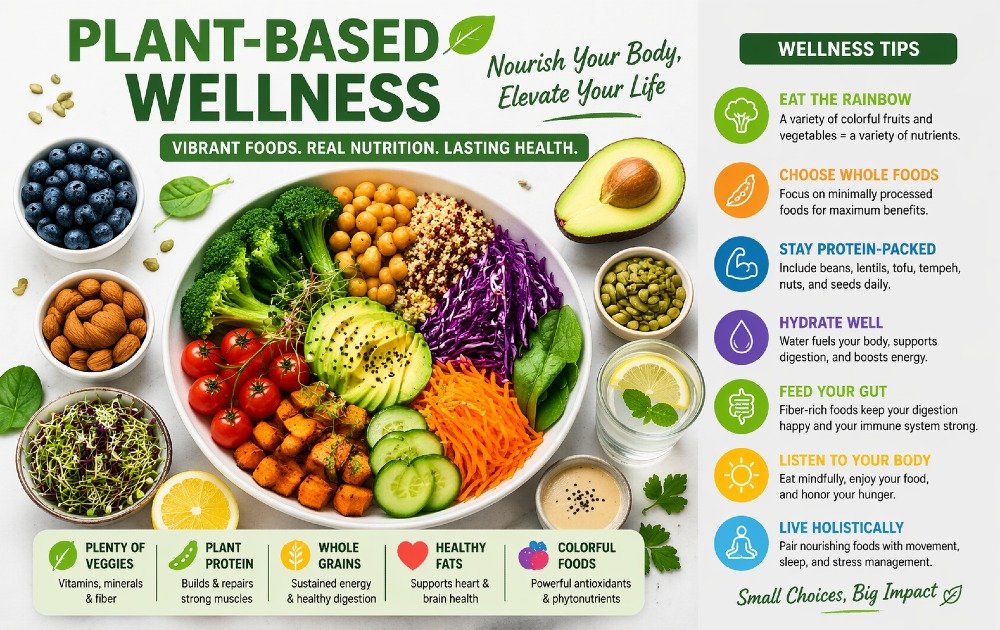
Even with a vegetarian diet, many miss habits that enhance energy, digestion, and overall wellness.
Simple, daily practices make a big difference:
- Stay hydrated – drink water regularly and include water-rich foods like cucumber and watermelon.
- Plan meals – ensures balanced, nutrient-dense meals and reduces reliance on processed vegetarian snacks.
- Mindful eating – focus on your food, chew thoroughly, and avoid distractions for better digestion.
- Rotate protein sources – variety prevents nutrient gaps and keeps meals enjoyable.
- Move daily – walking, stretching, or yoga helps nutrient absorption and maintains energy levels.
Core advantage:
- Higher and more consistent energy
- Stronger immunity
- Improved mood and focus
- Long-term health improvements
Frequently Asked Questions
Can you get enough protein on a vegetarian diet?
Yes. With foods like beans, lentils, tofu, and dairy (if included), most people meet their protein needs easily.
Is a vegetarian diet effective for weight loss?
Yes. Whole, plant-based foods are naturally lower in calories and high in fiber, which supports fat loss.
Do vegetarians need supplements?
Often, yes. Vitamin B12 is essential, and some people may need iron or omega-3s.
Is vegetarian eating expensive?
No. Staples like rice, beans, lentils, and vegetables are usually more affordable than meat.
Why do I feel hungry on a vegetarian diet?
You may be missing:
- Protein
- Healthy fats
- Balanced meals
Fix those, and hunger usually disappears.
Recap: Vegetarian Habits for Lasting Health
A vegetarian lifestyle delivers results when it’s built on consistent, practical habits—not restriction. How you structure your daily choices determines whether you feel energized or drained.
Focus on what works:
- Balanced meals with protein, healthy fats, and whole carbohydrates
- Nutrient-dense foods that support steady energy and recovery
- Simple routines like meal planning and consistent hydration
These habits create a reliable system. Over time, they lead to better energy, stronger health, and long-term vitality—without complicated rules.
Ready to Build Balanced Plates
You don’t need to fall off track on busy days. You need a simple way to build your balanced plates.
Fuel your body with this clean protein and turn simple vegetarian habits into lasting energy, stronger health, and a more vibrant life starting today.