
You may already be eating better, avoiding junk food, and trying to stay consistent—but your energy still dips, your focus feels unstable, and your body doesn’t feel fully optimized.
A well-planned vegan lifestyle supports lasting health, mental focus, and steady energy, but many people weaken the benefits with processed foods and poor nutrition choices.
This guide simplifies how to build balanced meals, maintain steady energy, and develop sustainable habits.
9 Proven Vegan Lifestyle Habits
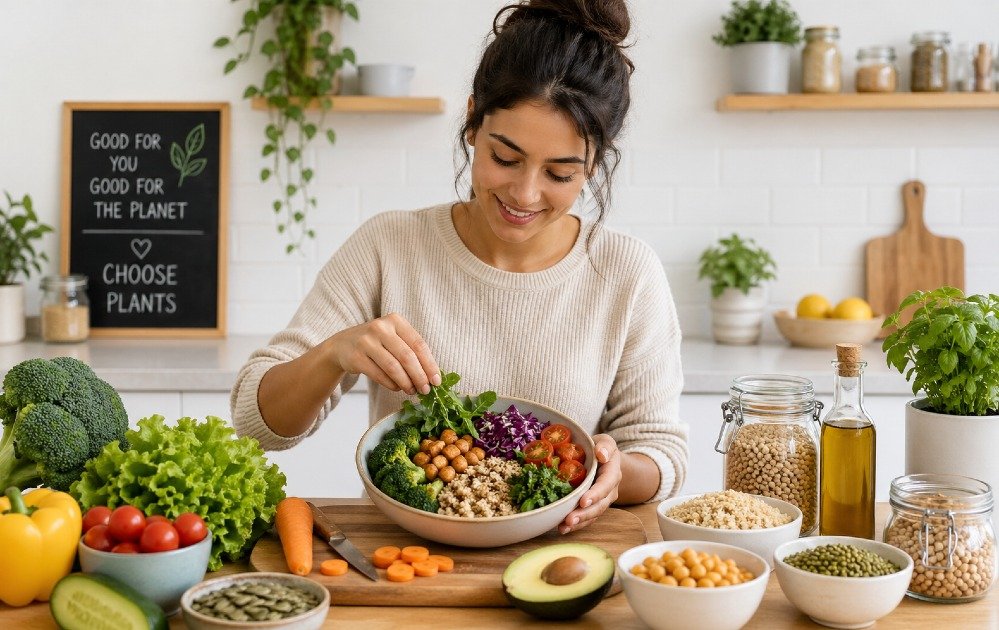
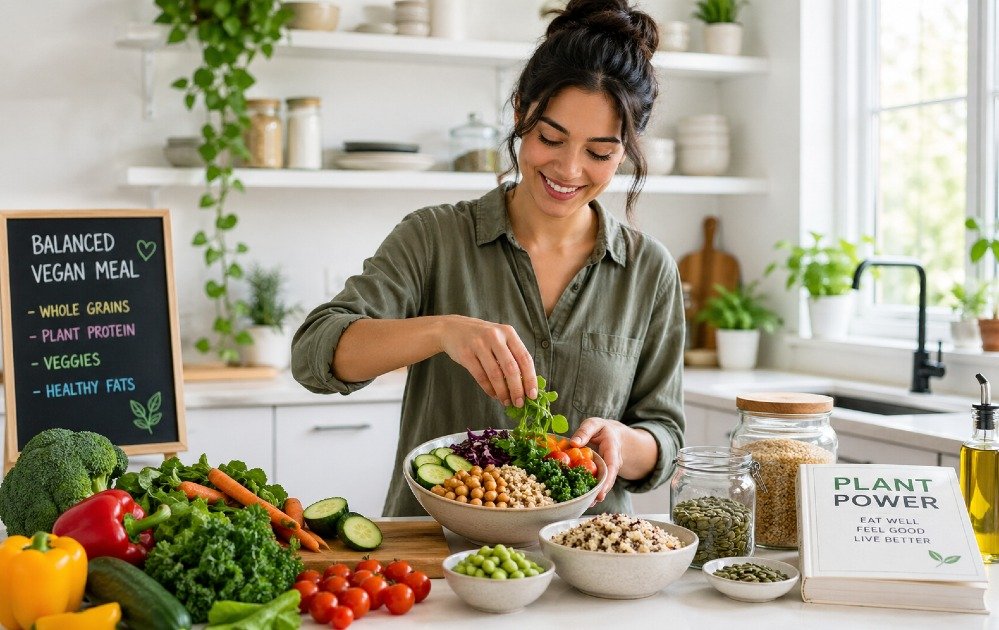
A vegan lifestyle supports better energy, focus, and long-term health through balanced plant-based eating built on whole, nutrient-rich foods.
Many people switch to vegan eating without learning balanced nutrition basics, relying on processed foods or missing key nutrients, which often results in low energy, cravings, and poor consistency.
Discover nine practical lifestyle habits grounded in basic nutrition principles.
1. Treat Veganism as a Lifestyle, Not a Short-Term Diet
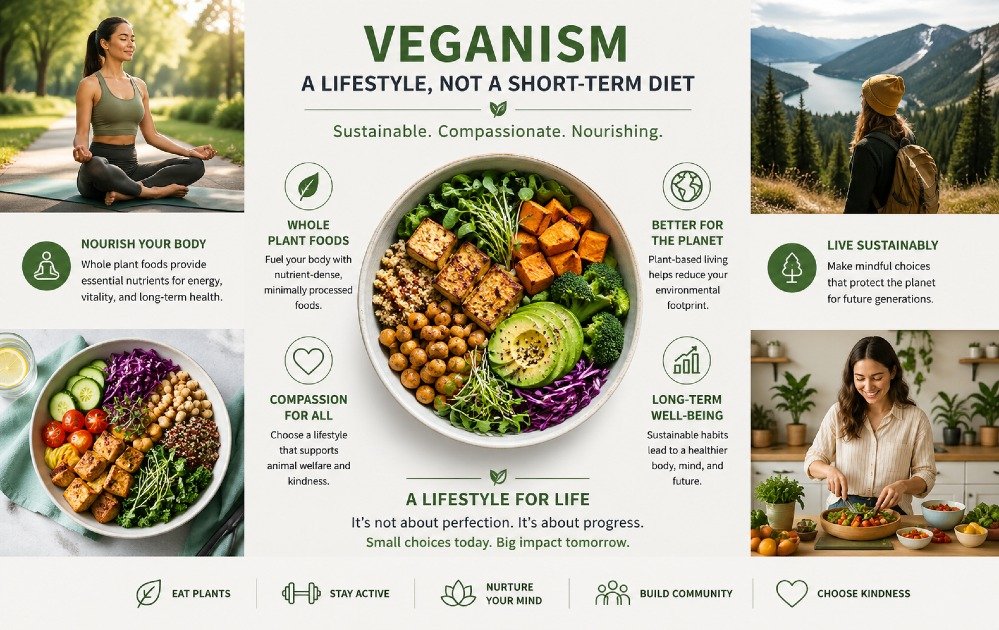
Many people approach Veganism as a temporary restriction, which leads to inconsistency and burnout.
Shift your mindset to a long-term Vegan lifestyle, not a diet:
- Food choices based on consistency
- Daily habits that support health
- Conscious product and nutrition decisions
Start simple:
- Swap dairy milk for plant-based milk
- Add one fully Vegan meal daily
Core advantage:
You build automatic, sustainable habits instead of relying on willpower.
2. Prioritize Whole Foods Over Processed Vegan Products
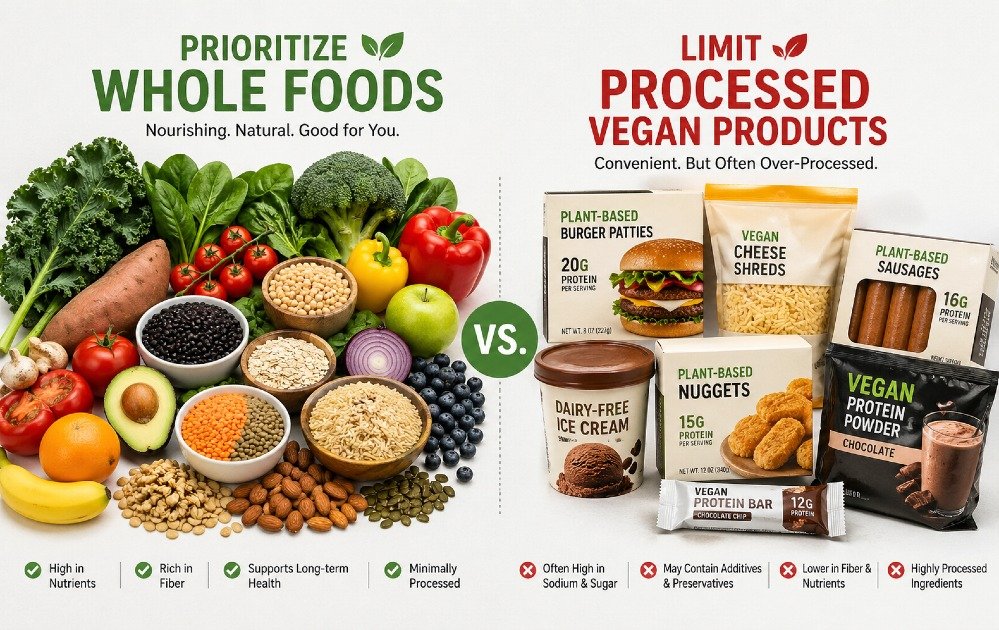
Many “Vegan” products are still ultra-processed and low in nutrients.
Base your diet on whole plant foods:
- Vegetables and fruits
- Beans and legumes
- Whole grains
- Nuts and seeds
Core advantages:
- Better digestion
- stable energy
- improved long-term health
If it’s close to its natural form, it’s usually a better choice.
3. Build Protein the Right Way on a Vegan Diet
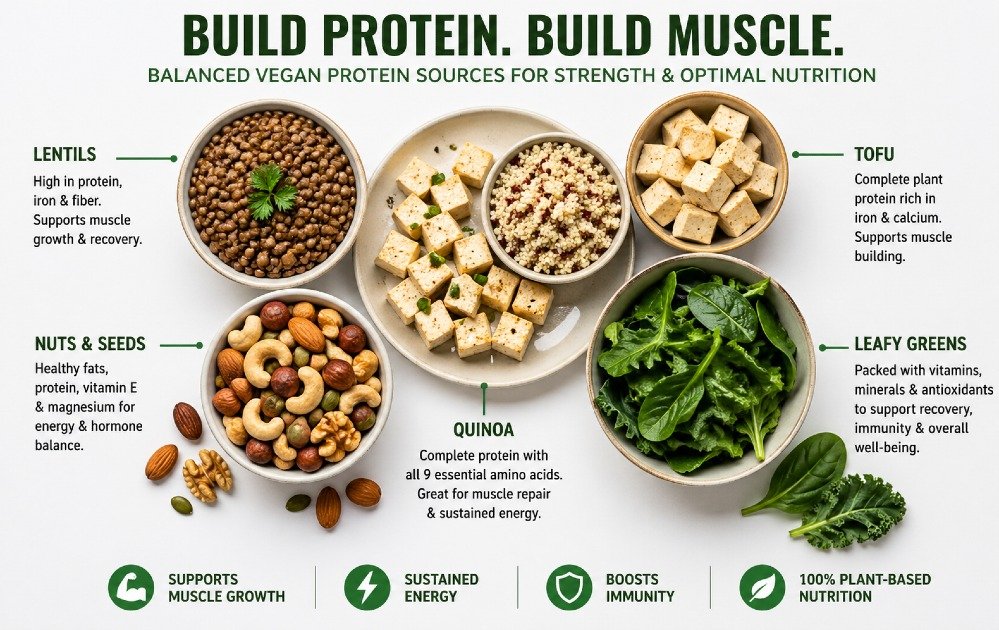
A common myth is that Vegan diets lack sufficient protein.
Combine multiple plant-based protein sources:
- Lentils and beans
- Tofu and tempeh
- Quinoa
- Nuts and seeds
Core advantage:
Supports muscle maintenance, metabolism, and recovery.
4. Don’t Ignore Key Nutrients
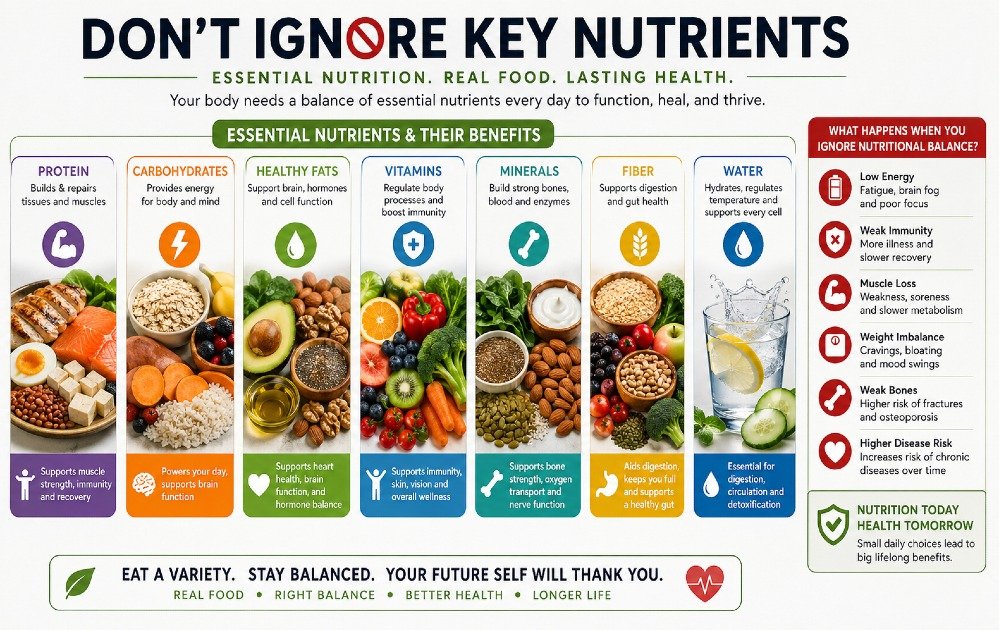
Poor planning can lead to deficiencies over time.
Pay attention to essential nutrients:
- Vitamin B12
- Iron
- Omega-3 fatty acids
- Vitamin D
Easy additions:
- Fortified plant milk
- Nutritional yeast
- Flaxseeds or chia seeds
Core advantage:
Prevents fatigue, brain fog, and energy crashes.
HSPH highlights on healthy eat plates as a means of creating balanced meals.
5. Focus on Consistency, Not Perfection
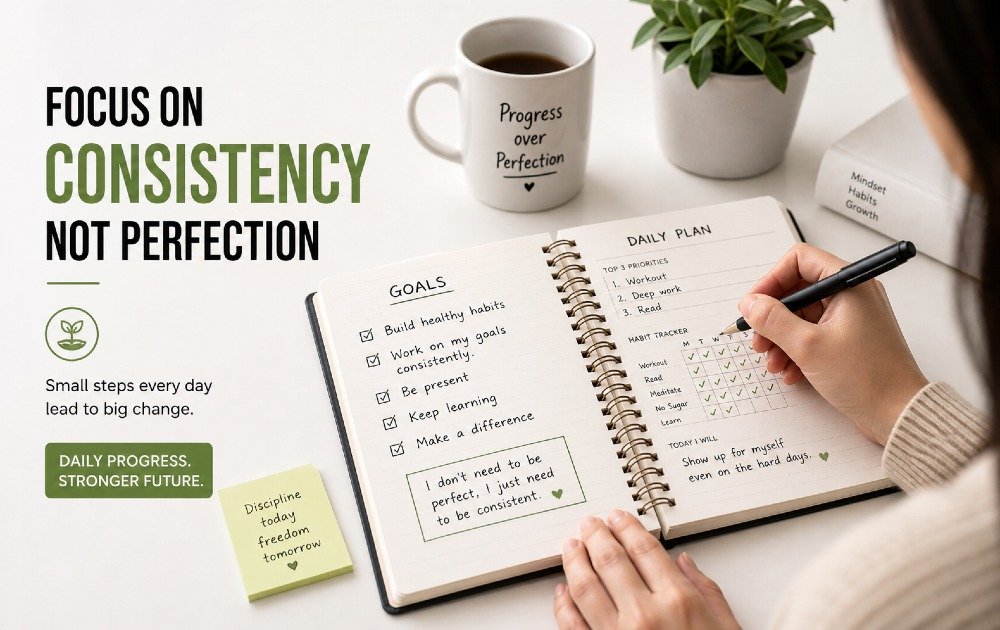
Strict rules often lead to quitting.
Use a flexible structure:
- 80% whole Vegan meals
- 20% flexibility within plant-based options
Core advantage:
Long-term sustainability without feeling restricted.
6. Improve Gut Health with Fiber-Rich Foods
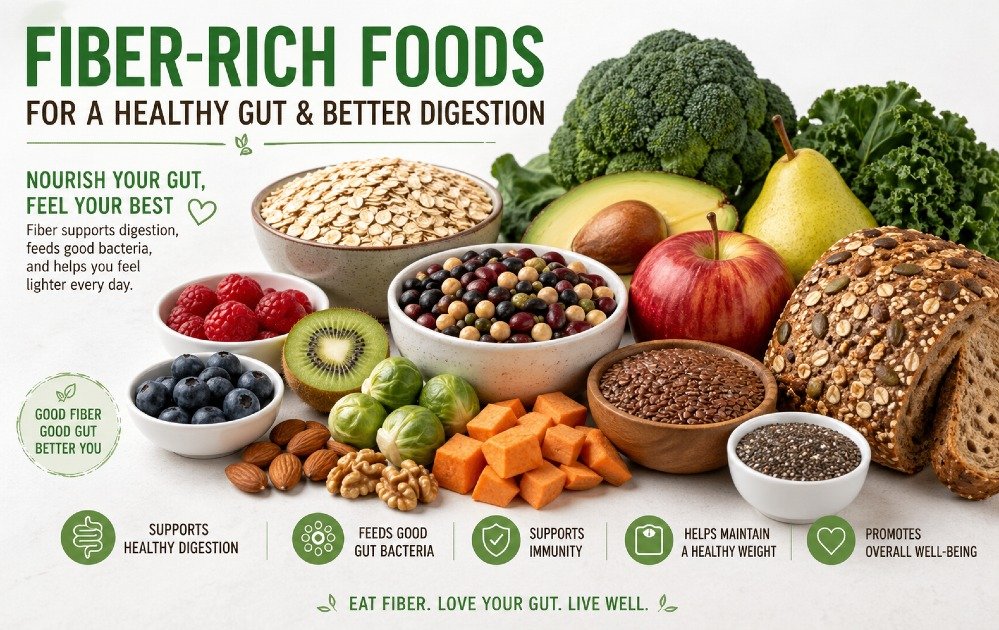
Low fiber intake can still occur even on a Vegan diet.
Include more gut-supporting foods:
- Leafy greens
- Whole grains
- Legumes
- Fermented foods (kimchi, sauerkraut)
Core advantages:
- Better digestion
- reduced bloating
- improved immunity
7. Stabilize Energy with Balanced Meals
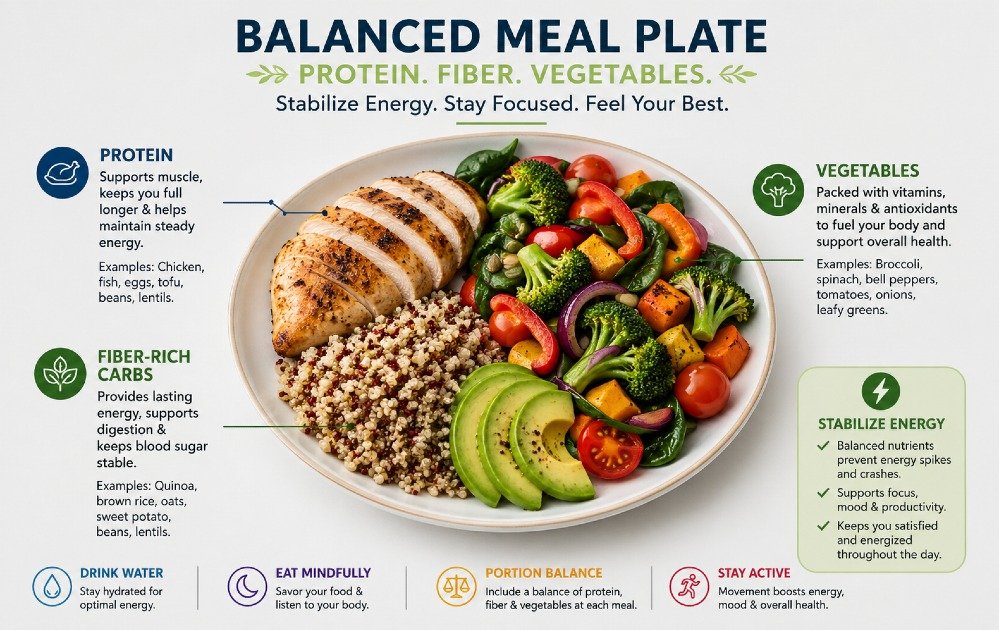
Unbalanced Vegan meals can lead to energy crashes.
Every meal should include:
- Complex carbohydrates
- Plant protein
- Healthy fats
Simple snack ideas:
- Apple with almond butter
- Hummus with carrots
- Banana with chia seeds
Core advantage:
Steady energy throughout the day without spikes or crashes.
8. Simplify Your Routine
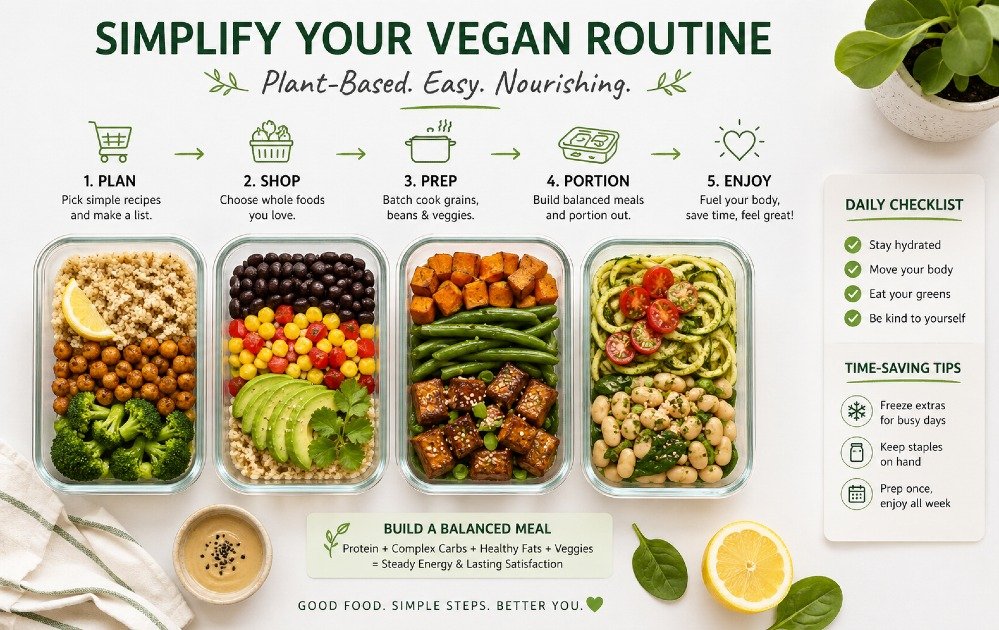
Overcomplicated meal planning leads to inconsistency.
Keep your system simple:
- Meal prep 1–2 times per week
- Repeat reliable meals
- Stock essential staples
Staples to keep:
- Rice or quinoa
- Beans and lentils
- Frozen vegetables
- Plant-based milk
Core advantage:
Less stress, more consistency.
9. Connect Your Lifestyle to a Strong Purpose
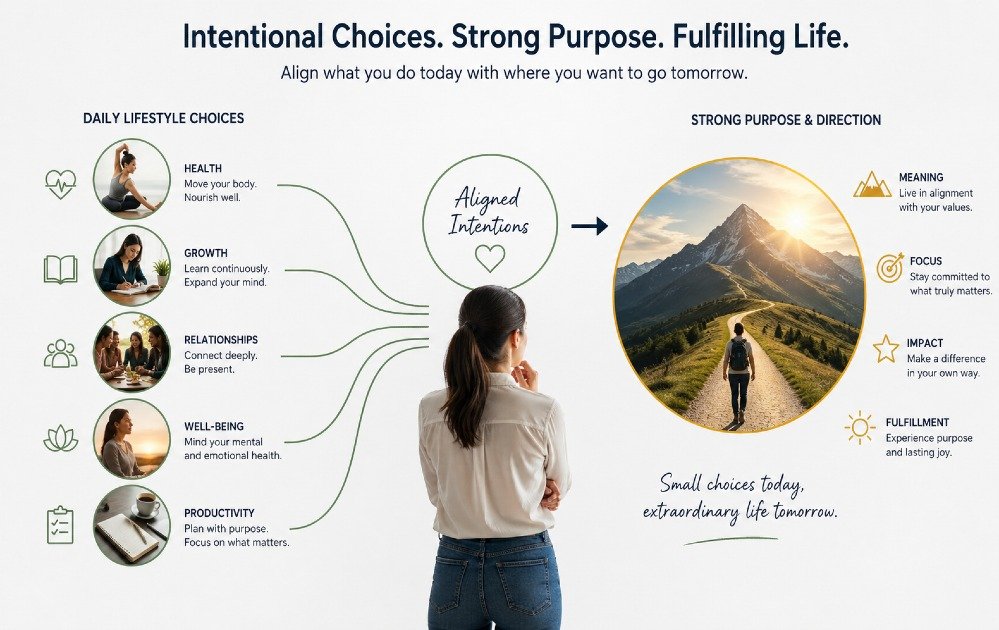
Without a clear reason, motivation fades quickly.
Define your personal “why”:
- Health improvement
- Ethical reasons
- Environmental impact
Staples to keep:
- Rice or quinoa
- Beans and lentils
- Frozen vegetables
- Plant-based milk
Core advantage:
Stronger commitment and long-term discipline.
Plant-Based Energy Tips
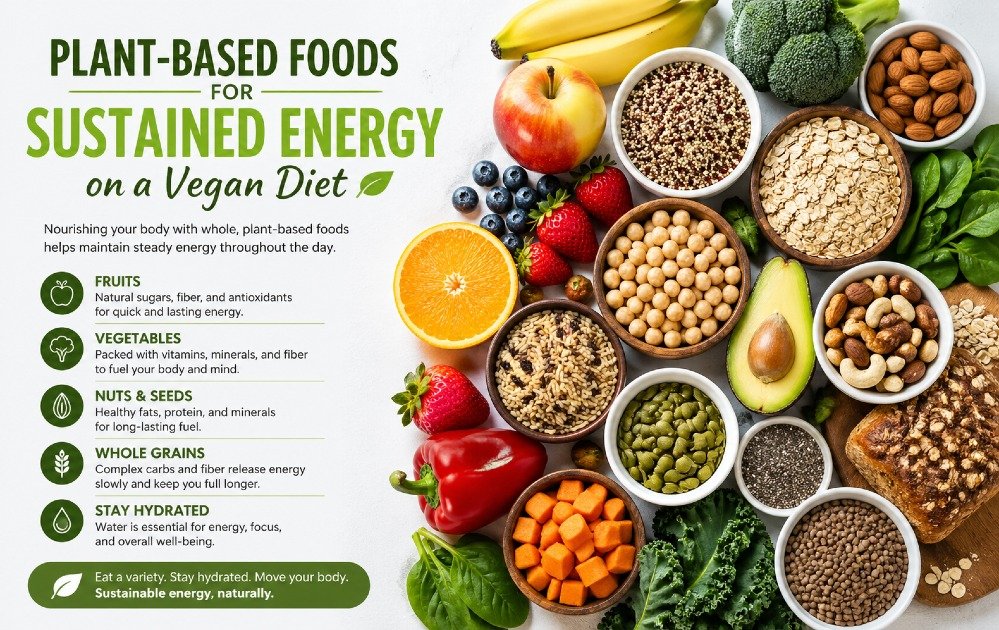
Many people go vegan expecting more energy but still feel tired or unfocused; the real issue is usually meal structure, not the diet itself.
Common causes:
- Too many refined carbs
- Not enough protein or healthy fats
- Undereating calories
- Irregular meal timing
Build balanced plant-based meals that deliver steady fuel.
Practical plant-based energy tips:
- Pair carbs with protein (oats + nuts, rice + beans)
- Choose whole foods over processed vegan snacks
- Add healthy fats (avocado, nuts, seeds)
- Eat at consistent intervals
- Stay properly hydrated
Core advantages:
- Fewer energy crashes
- Better focus and productivity
- Improved workout performance
- Less afternoon fatigue
Balanced meals stabilize blood sugar and support sustained energy.
I mix oats with chia seeds, banana, and almond butter for steady energy without spikes.
Vegan Protein Sources
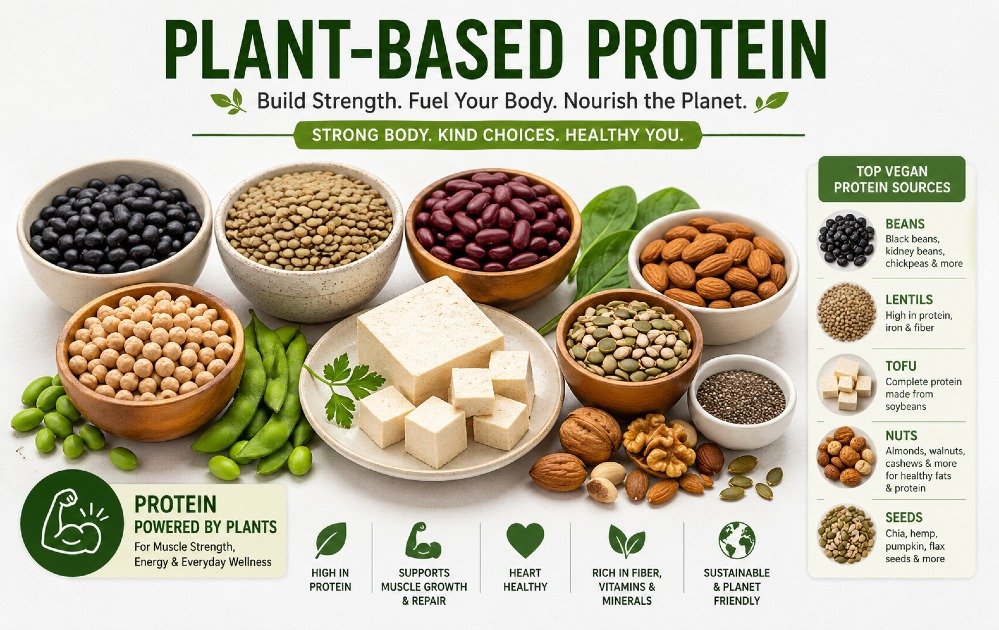
Protein is often misunderstood in vegan diets, leading many to eat too little or rely heavily on processed alternatives.
This can lead to:
- Poor recovery
- Increased hunger
- Low meal satisfaction
- Reduced strength
Use a variety of vegan protein sources across meals.
Reliable options:
- Lentils and chickpeas
- Tofu and tempeh
- Quinoa and whole grains
- Edamame and green peas
- Nuts and seeds
Effective combinations:
- Rice + beans
- Hummus + whole grain bread
- Quinoa + chickpeas + vegetables
- Smoothie with plant protein + nut butter
Core advantages:
- Better recovery
- Longer satiety
- Improved strength
- More stable metabolism
A varied intake provides essential amino acids for muscle repair and overall health.
I rotate my meals with plant-based protein powder to meet my daily needs.
How to Start Vegan Lifestyle
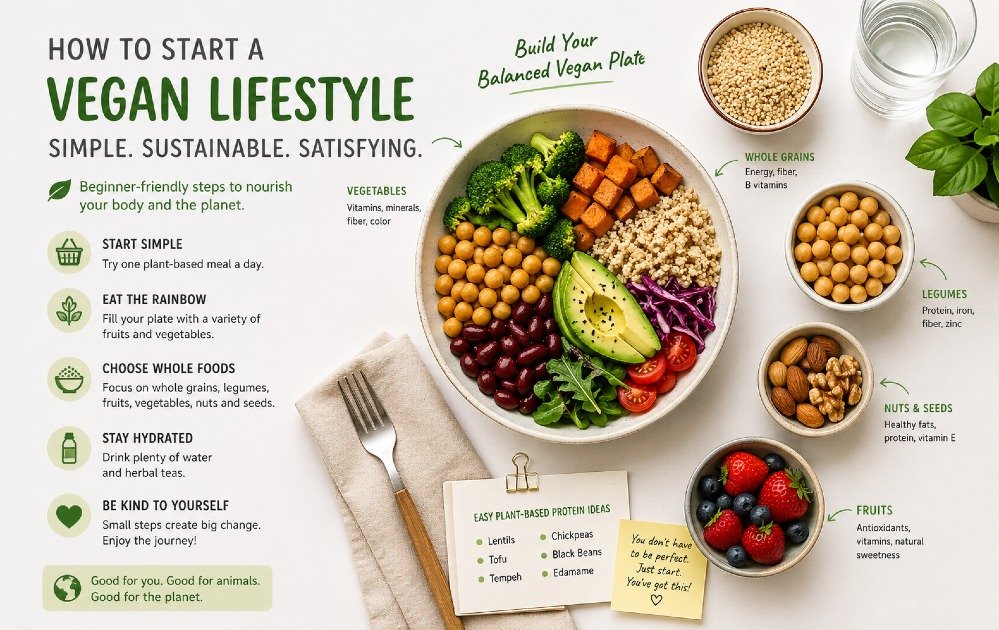
Beginners often try to change everything at once, which usually leads to confusion and burnout.
Common mistakes:
- Eliminating all animal products overnight
- Ignoring basic nutrition balance
- Relying on processed foods
- Lack of meal planning
Transition gradually and build a simple system.
How to start vegan lifestyle:
- Start with 1–2 Vegan meals daily
- Replace dairy and meat step by step
- Learn a few reliable meals
- Keep staple foods stocked
- Plan meals in advance
Easy meal ideas:
- Stir-fry with tofu and vegetables
- Oatmeal with fruit and seeds
- Chickpea wraps
- Lentil soup with whole grains
Core advantages:
- Fewer cravings
- Better adherence
- Improved digestion
- More confidence in your routine
A gradual approach improves consistency and reduces overwhelm.
Frequently Asked Questions
Is a vegan lifestyle healthy long-term?
A balanced vegan lifestyle can improve heart health, digestion, weight management, and inflammation through nutrient-rich plant foods.
Focus on:
- Whole, minimally processed foods
- Consistent protein intake
- Vitamin B12, iron, and omega-3 essentials
A structured approach delivers far better results than simply removing animal products.
How do vegans get enough protein?
Balanced plant-based meals can provide all the protein beginners need.
Reliable sources:
- Lentils and beans
- Tofu and tempeh
- Quinoa
- Edamame
- Nuts and seeds
Variety is key combining different plant proteins throughout the day supports muscle recovery, steady energy, and better appetite control.
Why is veganism tiring?
Fatigue is often linked to poor meal balance rather than vegan diets, usually from low calories, insufficient protein, excess refined carbs, or deficiencies in vitamin B12 and iron.
To improve energy levels:
- Build balanced meals
- Include healthy fats and protein
- Stay hydrated
- Prioritize nutrient-dense foods
Small nutritional adjustments often make a noticeable difference.
How can beginners switch to a vegan diet easily?
The best approach is gradual and practical.
Instead of changing everything overnight:
- Start with one Vegan meal daily
- Replace dairy or meat one step at a time
- Learn a few simple plant-based meals
- Keep healthy staples available at home
This method reduces overwhelm and makes the transition easier to maintain long-term.
Is vegan eating expensive?
Vegan basics are often cheap and easy to buy.
Budget-friendly options include:
- Rice
- Beans
- Lentils
- Oats
- Frozen vegetables
Processed vegan products can raise costs, while simple whole-food meals stay cheaper and healthier.
Recap: A Vegan Lifestyle That Supports Health
A healthy vegan lifestyle thrives on balanced nutrition, whole foods, quality protein, and simple habits that support energy, digestion, focus, and long-term wellness.
Small daily consistency beats short bursts of effort, and real progress comes from steady routines rather than extremes.
Ready to Build a Vegan Healthier Routine
You don’t need to overcomplicate the process. What matters most is a solid plan, smart nutrition, and consistency.
Start using plant-based protein powder daily to support steady energy, sharper focus, and cleaner recovery so that you can stay consistent with your vegan lifestyle habits without energy crashes or nutrient gaps.