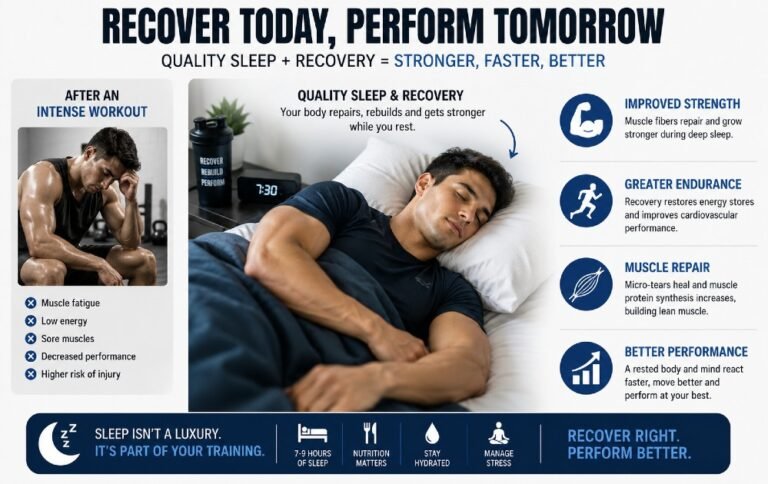

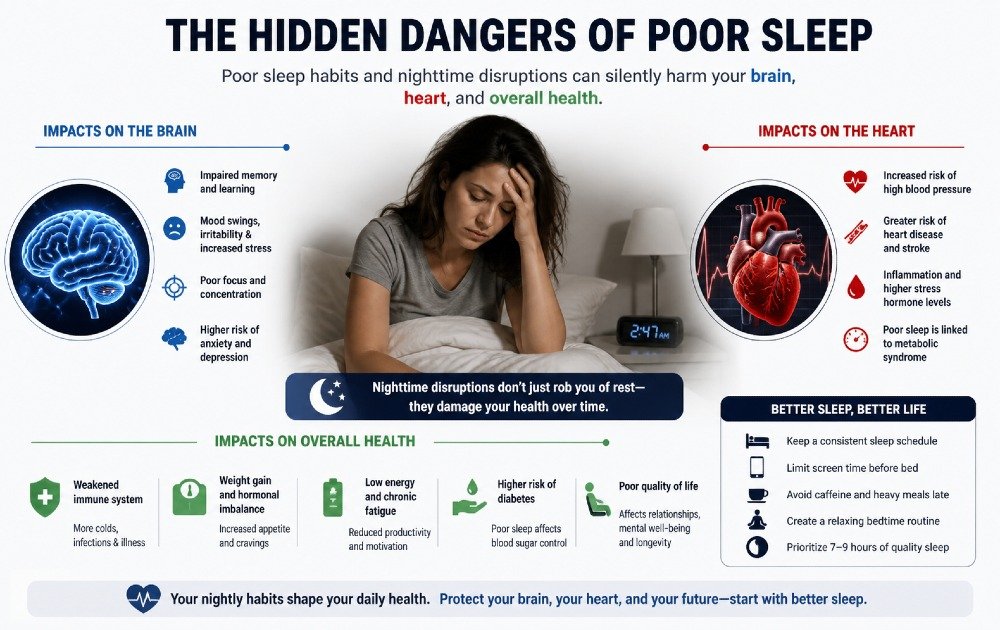
You can sleep 7–8 hours and still wake up tired, unfocused, or drained because sleep time alone doesn’t ensure quality rest.
Many people have hidden issues that quietly reduce recovery, weaken immunity, and harm long-term health. Spotting them early helps you correct them fast and improve rest time.
This guide explains hidden risks that impact your health, their causes, and offers practical solutions for deeper, more consistent, and restorative sleep.
9 Causes of Poor Sleep and Their Impact on Your Health
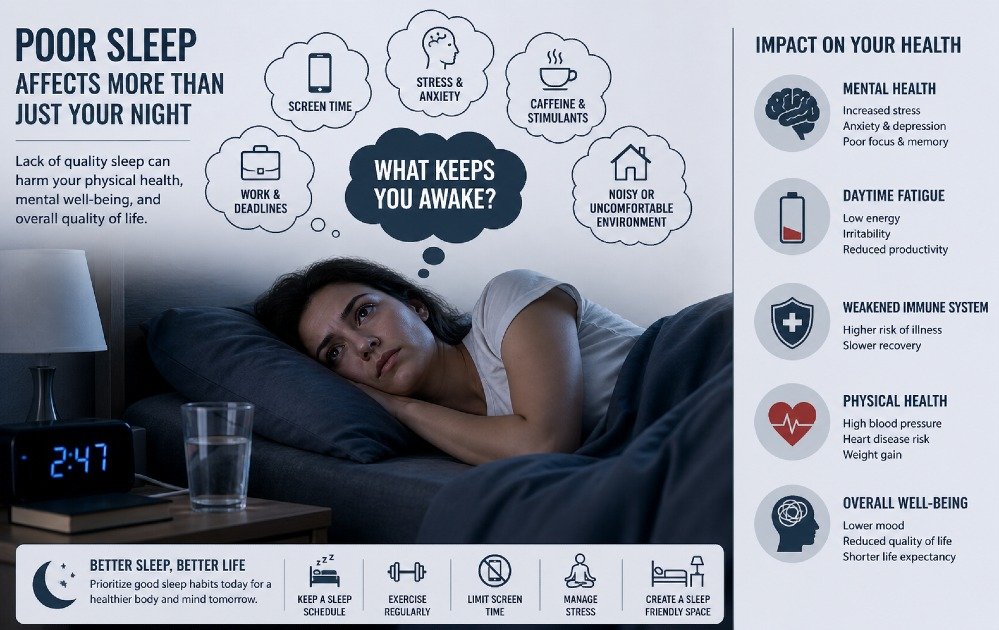
Sleep is essential for physical recovery, brain performance, and long-term health. Yet many people assume that getting enough hours automatically means good rest.
Poor rest, unhealthy habits, and ongoing stress can quietly weaken overnight recovery, often leading to fatigue, poor focus, and health problems over time.
Discover nine hidden dangers—and how to fix them for a better sleep quality and restoration.
1. Poor Sleep Quality
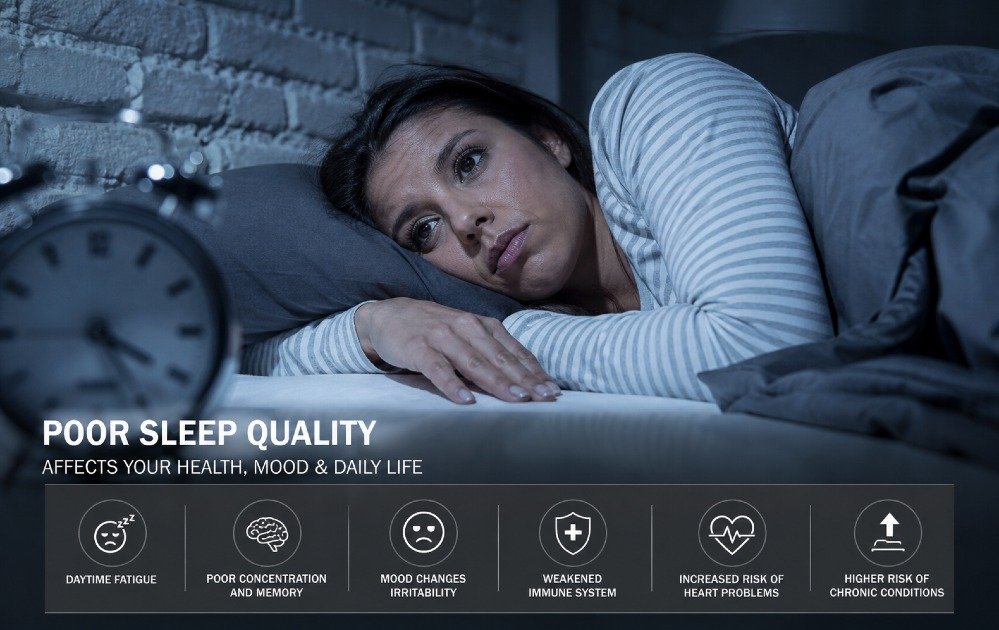
Long rest hours mean little if your rest is light, fragmented, or lacks deep restorative cycles.
How to fix it:
- Keep a consistent rest schedule
- Make your room cool, dark, and quiet
- Avoid screens before bed
Core advantage:
Better energy, sharper focus, and improved mood without resting longer.
2. Accumulated Sleep Debt
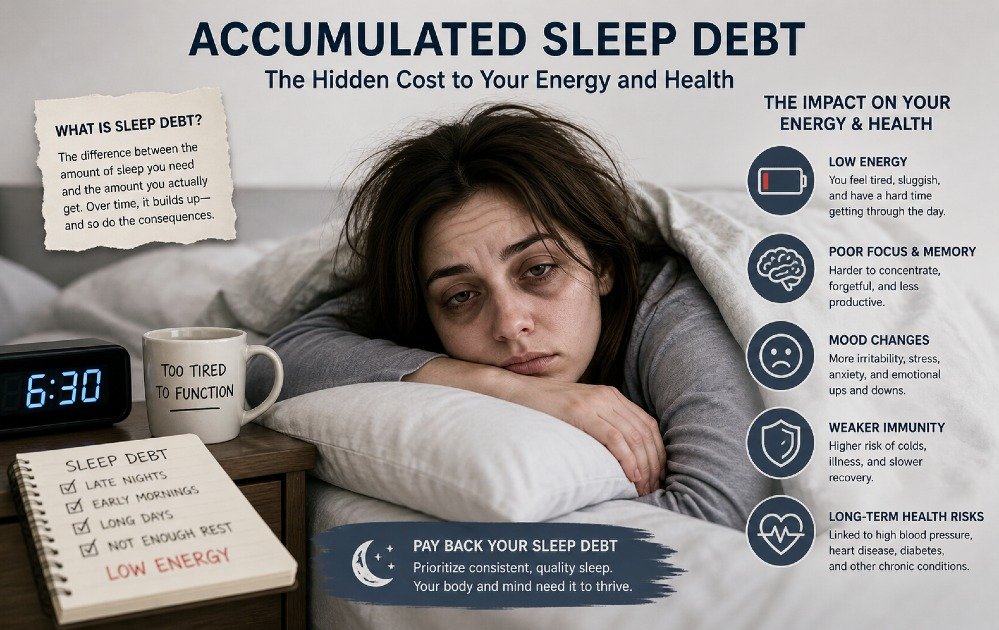
Losing even 1–2 hours of rest regularly builds up deficit that affects brain and body performance.
How to fix it:
- Aim for 7–9 hours nightly
- Go to bed at a fixed time every day
- Avoid relying on weekend “catch-up sleep”
Core advantage:
Improved memory, alertness, and emotional balance.
3. Blue Light Exposure at Night
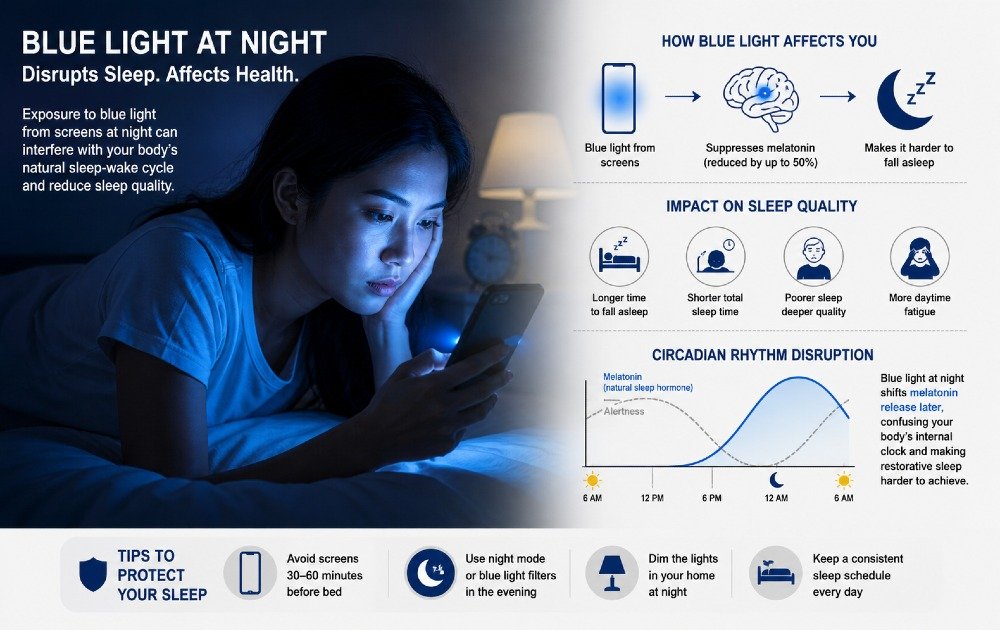
Phones, TVs, and laptops reduce melatonin production, making it harder to rest.
How to fix it:
- Avoid screens 1 hour before bed
- Use night mode or blue light filters
- Replace scrolling with reading or relaxation
Core advantage:
Faster sleep onset and deeper rest cycles.
I use blue light blocking glasses to help me reduce nighttime screen impact.
4. Stress Before Bed

A stressed mind keeps your nervous system active, delaying sleep and reducing sleep quality.
How to fix it:
- Write down thoughts before bed
- Practice deep breathing or meditation
- Avoid stressful content at night
Core advantage:
Faster relaxation and more stable rest.
5. Irregular Schedule
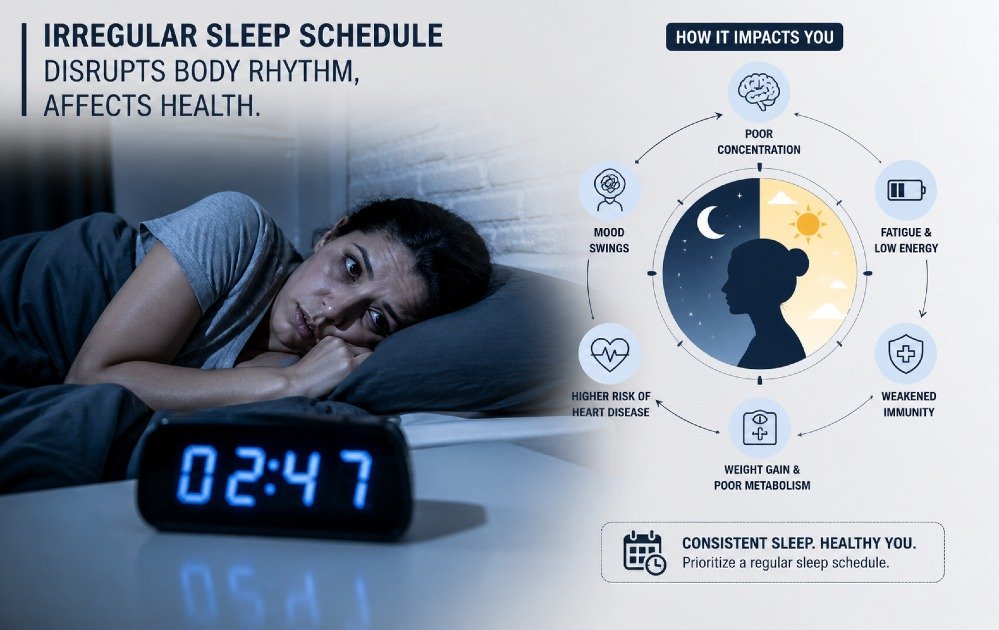
Frequent changes in nap timing disrupt your internal body clock.
How to fix it:
- Sleep and wake at the same time daily
- Keep weekends consistent
- Get morning sunlight exposure
Core advantage:
Your body naturally falls asleep and wakes up on time.
6. Poor Environment
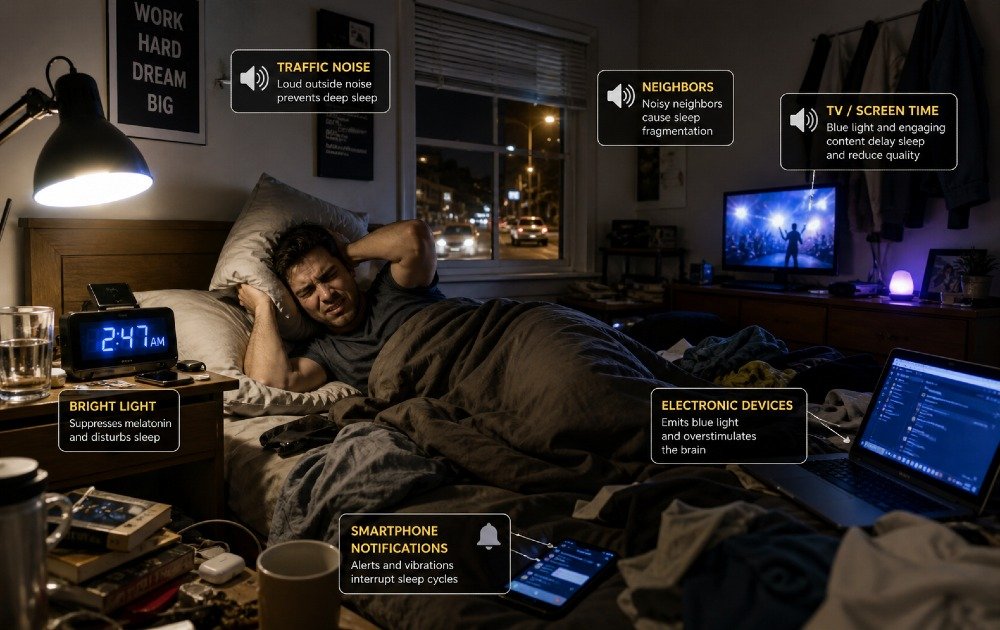
Light, noise, and temperature issues quietly interrupt cycles.
How to fix it:
- Keep the room dark and cool (60–67°F ideal)
- Use blackout curtains
- Add white noise if needed
Core advantage:
Deeper, uninterrupted nap.
I use this white noise machines to help me block distractions.
7. Late-Night Eating
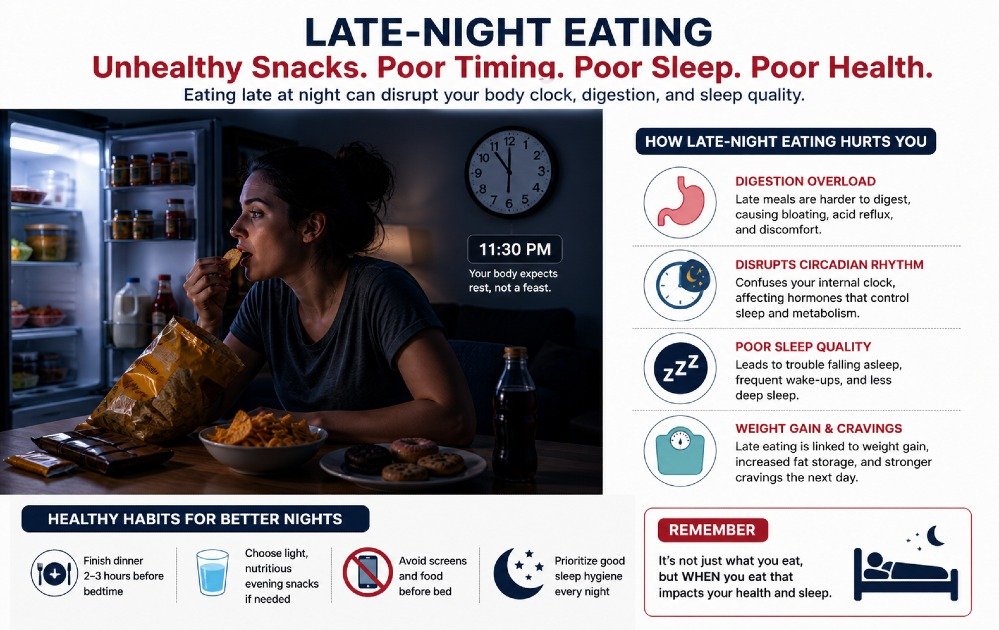
Eating close to bedtime forces your body to digest instead of fully resting.
How to fix it:
- Stop eating 2–3 hours before going to bed
- Avoid heavy or sugary foods at night
- Keep late snacks light if necessary
Core advantage:
More stable and deeper sleep cycles.
8. Sleep Apnea
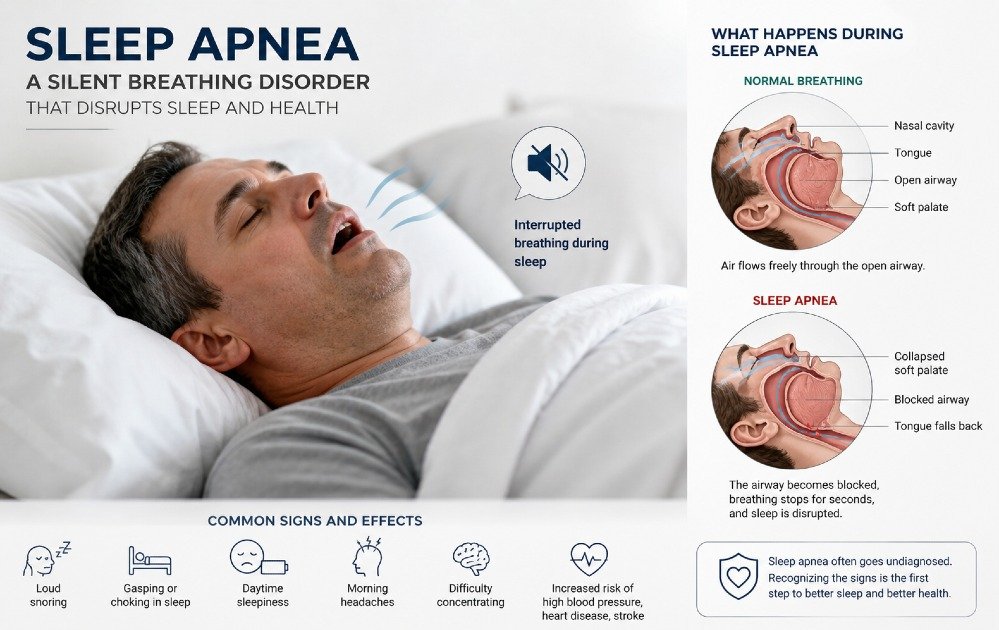
It causes breathing interruptions, reducing oxygen flow and rest quality.
Common signs include:
- Loud snoring
- Morning headaches
- Daytime fatigue
NIH links untreated apnea to higher risks of heart disease and stroke.
How to fix it:
- Consult a specialist
- Get examined if needed
- Use CPAP therapy if diagnosed
Core advantage:
Better oxygen flow, improved energy, and reduced health risks.
9. Overuse of Medication
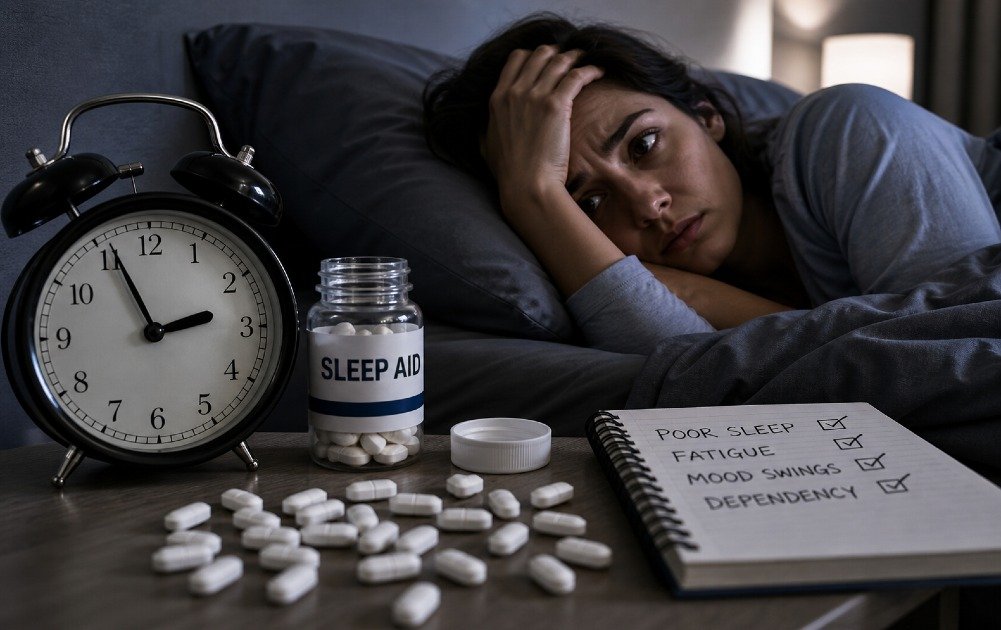
Relying on medications or supplements can reduce your body’s natural ability to regulate sleep.
How to fix it:
- Focus on hygiene first
- Use supplements only when necessary
- Build natural routine
Core advantage:
Long-term, sustainable nap without dependency.
NCBI highlights the negative effects of medication on the body system.
Poor Sleep Quality Causes
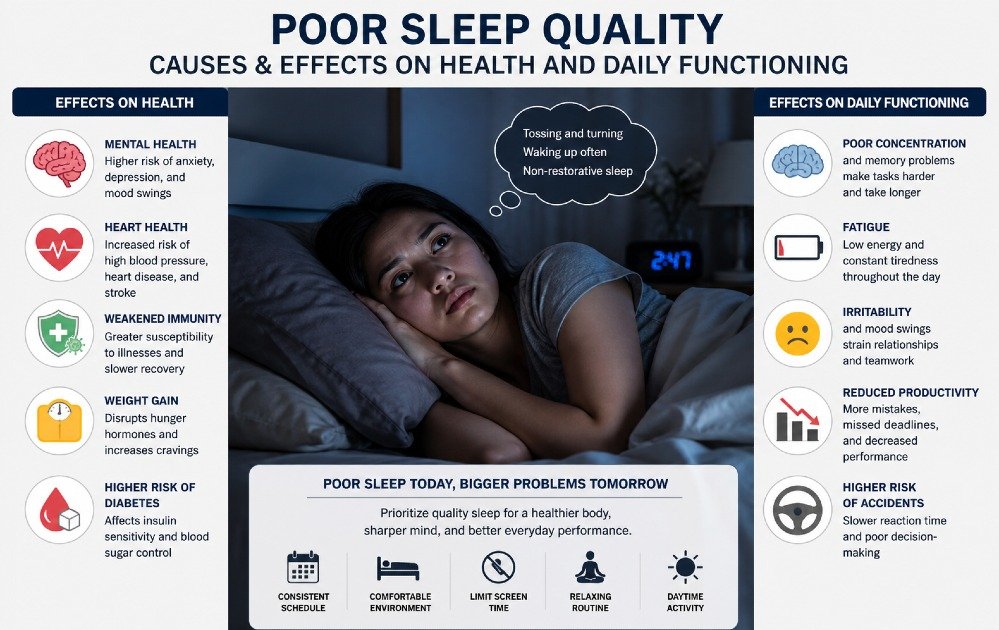
You can rest for 7–8 hours and still feel exhausted if your rest is light or frequently interrupted.
Common causes include:
- Irregular nap schedule
- Late caffeine intake
- Screen exposure before bed
- Stress and mental overload
- Noise, light, or poor room temperature
These factors prevent deep, restorative rest.
To improve, focus on removing common disruptions:
- Go to bed and wake up at the same time daily
- Stop caffeine at least 6 hours before going to bed
- Avoid screens 60 minutes before bed
- Keep your bedroom dark, cool, and quiet
- Follow a simple wind-down routine
Core advantage:
Your rest becomes deeper and more efficient. You wake up refreshed, even without increasing rest time.
How to Rest Better at Night

Difficulty falling or staying asleep often comes from an overstimulated mind and inconsistent habits.
Typical triggers include:
- Racing thoughts at bedtime
- Irregular rest timing
- Late-night phone use
- Carrying stress into bed
These keep your brain alert when it should be relaxing.
To improve, create a predictable routine:
- Follow the same bedtime routine every night
- Avoid stimulating activities before bed
- Practice deep breathing or light stretching
- Write down thoughts to clear your mind
- Use your bed only to rest
Core advantage:
Your brain adapts to rest naturally, helping you drift off quicker and remain deeply rested through the night.
Improve Sleep Naturally

Relying on medication may provide short-term relief but doesn’t address the root problem.
Poor rest is usually caused by lifestyle imbalance, not lack of supplements.
To improve, focus on daily habits that support your body’s rhythm:
- Get morning sunlight exposure
- Stay physically active during the day
- Avoid heavy meals late at night
- Limit alcohol and nicotine
- Practice relaxation techniques
These changes support natural sleep regulation.
Core advantage:
Your body rests naturally with deeper, more consistent recovery over time.
Frequently Asked Questions
Can poor sleep affect mental clarity?
Irregular rest weakens focus, slows reactions, affects memory, and increases irritability over time.
Why do I wake up tired even after a full night in bed?
The problem is often poor recovery quality, not total hours. Stress, screen exposure, irregular routines, and breathing disruptions can prevent deep restoration.
What is the fastest way to improve recovery at night?
Start with a consistent sleep schedule, reduce late-night screen use, and create a cooler, darker bedroom environment. Small adjustments often produce noticeable results within days.
Are natural methods effective for better nightly recovery?
Yes, regular exercise, morning sunlight exposure, balanced eating habits, and relaxation techniques support the body’s natural recovery rhythm without dependency on medication.
Can nighttime habits affect long-term health?
Yes, poor nightly recovery has been linked to reduced immunity, lower energy levels, cardiovascular strain, and decreased mental performance over time.
Recap: Take Control of Your Sleep Schedule
Most people focus on getting enough sleep hours, but quality matters just as much. Hidden habits, stress, and environmental factors can quietly reduce recovery without obvious warning signs.
Improvement usually comes from simple, consistent changes. Better routines, reduced stimulation at night, and healthier daily habits can dramatically improve energy, focus, and overall well-being.
Protecting your quality sleep is one of the most effective ways to support both physical and mental health long term.
Ready to Start Improving Your Sleep Tonight
You don’t need to rely on willpower alone to feel better—support your environment.
Take control of your sleep tonight by using this white-noise machine to block disruptive sounds, reduce nighttime wake-ups, and restore deep, uninterrupted rest that supports your long-term health and daily energy.