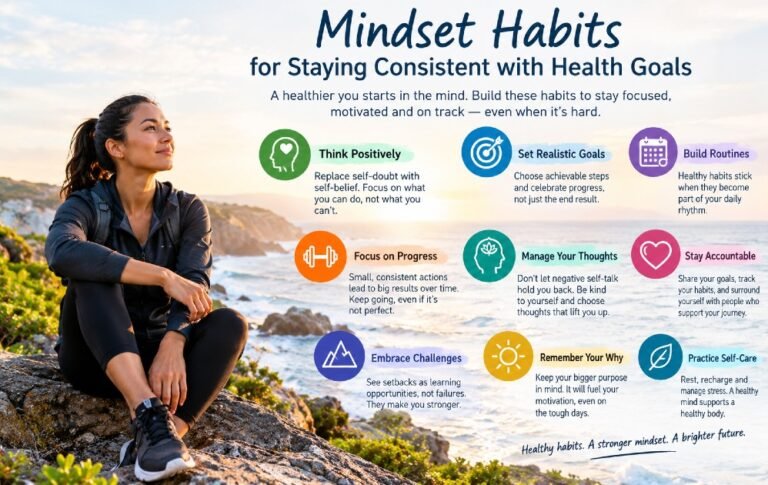


Still feeling hungry soon after eating or struggling to build meals that keep you satisfied?
The American Heart Association highlights beans, lentils, nuts, seeds, and other plant-based proteins as foods that can provide both protein and fiber.
This guide explains how simple, nutrient-rich options can make everyday meals more satisfying and support your long-term wellness goals.
Why Protein and Fiber Matter
Low-protein, low-fiber food choices may leave you hungry sooner and make it harder to meet daily nutritional needs.
Choosing foods rich in protein and fiber helps you stay satisfied longer and support muscle health and regular digestion.
Healthy Foods High in Protein and Fiber
Knowing which foods provide both nutrients makes everyday meal planning easier.
Beans, lentils, peas, nuts, seeds, and selected whole grains provide practical ways to increase protein and fiber intake.
12 Best Protein and Fiber Foods for Everyday Wellness
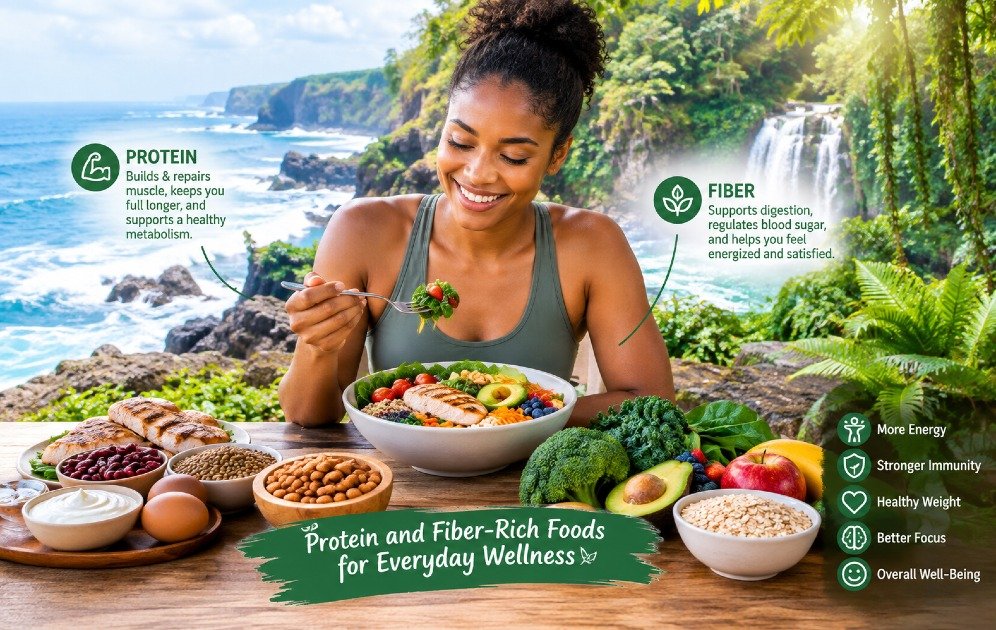
Struggling to stay full, energized, and consistent with your wellness goals?
Low-protein, low-fiber food choices can leave your meals less satisfying and make healthy eating harder to maintain.
Discover how these twelve food options can nourish your body to stay satisfied, make healthier choices every day, and create stronger wellness habits.
Lentils

Lentils provide an easy way to add protein and fiber to your meals, supporting fullness, digestion, and everyday wellness.
Why it matters:
Their combination of protein and fiber helps support muscle maintenance, digestive health, and lasting fullness.
What works for me:
I add lentils to soups, salads, and stews, and use a portion-control food scale to measure servings and build consistent, nutritious meals.
How to start:
- Add cooked lentils to vegetable soup.
- Mix lentils into a grain bowl.
- Add them to salads.
- Use lentils in place of some ground meat.
- Cook a large batch for several meals.
Chickpeas

Chickpeas deliver protein and fiber that help support fullness, digestive health, and everyday nutrition.
Why it matters:
Adding chickpeas to meals helps increase protein and fiber intake, supporting appetite control and regular bowel movements.
What works for me:
I add chickpeas to salads, soups, and grain bowls for an easy protein and fiber boost, and pair them with a quality meal-prep food storage container set to keep healthy meals ready for busy days.
How to start:
- Add chickpeas to salads.
- Blend them into hummus.
- Roast them with herbs and spices.
- Add them to vegetable soups.
- Combine them with quinoa for a high-protein meal.
Black Beans
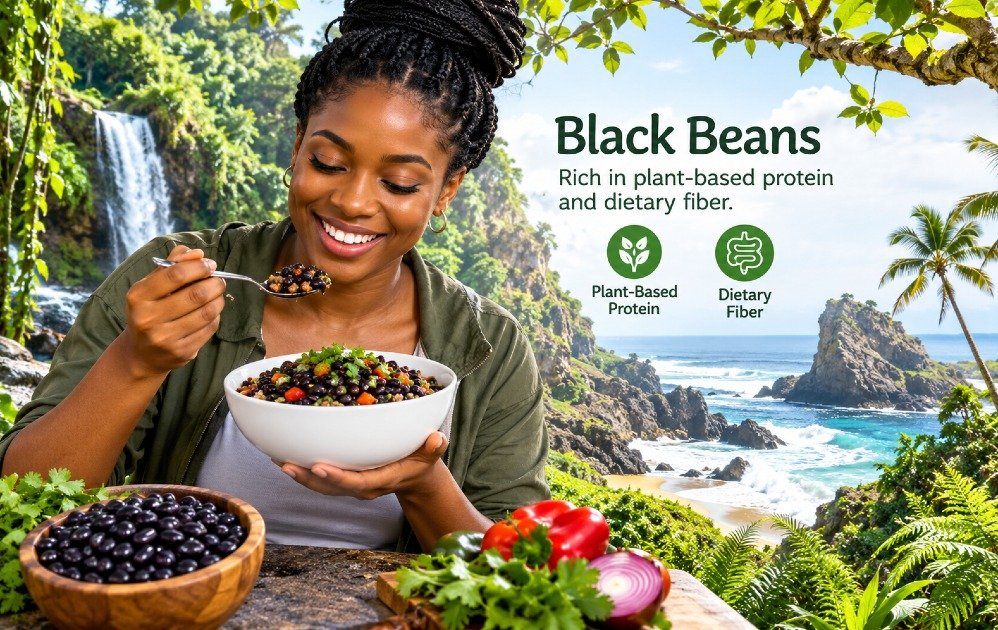
Black beans offer a budget-friendly source of plant protein and fiber that helps maintain fullness, promote regular digestion, and support daily health.
Why it matters:
Their protein and fiber help maintain muscle, support regular bowel movements, and keep you satisfied longer.
What works for me:
I add black beans to salads, soups, and grain bowls, and use a food scale to portion meals consistently for better nutrition tracking.
How to start:
- Add black beans to tacos.
- Mix them into brown rice.
- Add them to salads.
- Make a black bean soup.
- Combine them with vegetables and avocado.
Edamame

Edamame delivers plant-based protein and fiber that help support fullness, digestion, and everyday wellness.
Why it matters:
Adding edamame to your meals helps increase protein and fiber intake to support muscle maintenance and digestive health.
What works for me:
Adding edamame to your meals helps increase protein and fiber intake to support muscle maintenance and digestive health.
How to start:
- Keep frozen edamame available.
- Add it to grain bowls.
- Mix it into salads.
- Serve it with vegetables.
- Choose lightly seasoned versions to control sodium.
Chia Seeds

Chia seeds deliver protein and fiber in a simple, nutrient-rich addition to everyday meals.
Why it matters:
Their protein and fiber help support fullness, digestive regularity, and healthy eating habits.
What works for me:
I mix chia seeds into yogurt or overnight oats and pair them with a chia seed breakfast mix to make protein and fiber easier to include in my daily routine.
How to start:
- Stir chia seeds into yogurt.
- Add them to oatmeal.
- Make chia pudding with milk or fortified soy milk.
- Sprinkle them over fruit.
- Add them to smoothies.
Almonds
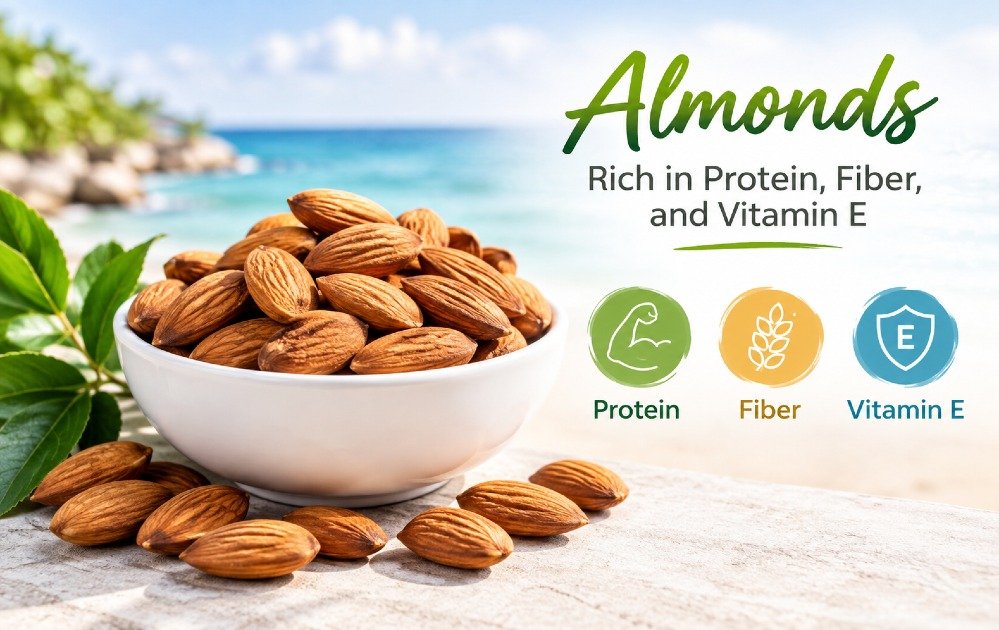
Almonds deliver protein and fiber that help support fullness, digestive health, and everyday wellness.
Why it matters:
Adding almonds to your routine provides protein, fiber, and healthy fats that support satiety and heart health.
What works for me:
I add a small handful of almonds to my daily snacks and pair them with a portion-control snack container to enjoy their benefits without overdoing calories.
How to start:
- Choose unsalted almonds.
- Add them to oatmeal.
- Sprinkle them over salads.
- Pair them with fruit.
- Keep portions measured instead of eating directly from the bag.
Pumpkin Seeds

Pumpkin seeds deliver protein and fiber that support fullness, digestive health, and everyday nutrition.
Why it matters:
Adding pumpkin seeds to meals helps increase protein and fiber intake while providing essential minerals that support overall wellness.
What works for me:
I add pumpkin seeds to oatmeal, yogurt, or salads for an easy nutrition boost and pair them with a reusable seed and nut storage container to keep them fresh and ready for daily use.
How to start:
- Choose unsalted pumpkin seeds.
- Add them to salads.
- Sprinkle them over oatmeal.
- Mix them into homemade trail mix.
- Use them as a crunchy soup topping.
Quinoa

Quinoa delivers protein and fiber that help support fullness, digestive health, and everyday nutrition.
Why it matters:
Adding quinoa to meals helps increase protein and fiber intake while supporting steady energy and healthy eating habits.
What works for me:
I pair quinoa with vegetables and use a rice cooker for easy, consistent meal preparation that supports my wellness goals.
How to start:
- Use quinoa as a rice alternative.
- Add it to salads.
- Combine it with black beans.
- Build vegetable bowls around it.
- Prepare several servings ahead of time.
Oats

Oats provide an easy way to add protein and fiber to your daily routine, supporting fullness and better eating habits.
Why it matters:
Oats supply fiber, some protein, and essential nutrients that support digestion, heart health, and lasting fullness.
What works for me:
I add oats to my breakfast with milk, nuts, and fruit for extra protein and fiber, using a high-protein oatmeal to make nutritious mornings easier.
How to start:
- Choose plain rolled or steel-cut oats.
- Add chia or pumpkin seeds.
- Stir in Greek yogurt after cooking.
- Add berries for extra fiber.
- Use unsweetened fortified soy milk.
Broccoli

Broccoli delivers protein and fiber alongside essential nutrients that support digestion, fullness, and everyday wellness.
Why it matters:
Its fiber supports digestive health, while its nutrients help you build a nourishing eating routine that supports long-term well-being.
What works for me:
I add broccoli to my weekly meals and pair it with beans or eggs for extra protein and fiber, using a steamer basket to make healthy meal prep simple and convenient.
How to start:
- Steam broccoli instead of overcooking it.
- Roast it with herbs.
- Add it to grain bowls.
- Combine it with tofu.
- Serve it beside fish or lean poultry.
Peas

Peas deliver protein and fiber in a simple, nutrient-rich food that supports fullness, digestion, and everyday wellness.
Why it matters:
Their protein and fiber help support muscle maintenance, regular digestion, and lasting fullness as part of a varied diet.
What works for me:
I add peas to soups, salads, and grain bowls for an easy protein and fiber boost, and I use a digital kitchen scale to measure portions and keep meals consistent.
How to start:
- Keep frozen peas available.
- Add them to soups.
- Mix them into whole-grain pasta.
- Combine them with quinoa.
- Add them to vegetable stir-fries.
Tofu

Tofu is an affordable plant-based protein that helps you build satisfying meals while supporting your daily nutrition goals.
Why it matters:
Tofu provides protein, while pairing it with fiber-rich vegetables and whole grains helps create filling, nutrient-rich meals.
What works for me:
I add tofu to stir-fries and salads with fiber-rich vegetables, and a quality tofu press helps me achieve a firmer texture for tastier, protein-packed meals.
How to start:
- Bake or sauté tofu with herbs and spices.
- Add tofu to vegetable stir-fries.
- Combine tofu with quinoa.
- Add edamame for additional plant protein.
- Pair tofu with fiber-rich vegetables.
How to Build a Meal With Protein and Fiber
Build balanced meals with protein and fiber to support fullness, steady energy, and everyday wellness.
Meals low in protein and fiber may leave you hungry sooner and make it harder to meet your nutritional needs.
Combine protein-rich foods with fiber-rich vegetables, fruits, beans, or whole grains to stay satisfied longer and support digestive health.
How Much Protein and Fiber Do You Need?
Knowing how much protein and fiber you need helps you make smarter food choices for better health and daily energy.
Too little protein and fiber may leave you feeling less satisfied and make it harder to meet your nutritional needs.
Meeting your protein and fiber needs can support muscle maintenance, fullness, and regular digestion while helping you build healthier eating habits.
Smart Ways to Increase Protein and Fiber
Smart ways to increase protein and fiber help you build healthier meals that support energy, fullness, and overall wellness.
Low protein and fiber intake can leave you feeling hungry sooner and missing nutrients essential for muscle maintenance and digestive health.
Combine protein-rich foods with beans, fruits, vegetables, and whole grains to support muscle health, improve digestion, and stay satisfied longer.
Hydration Matters When You Increase Fiber
Hydration helps fiber move through your digestive system and supports regular bowel movements.
Increasing fiber without enough fluids can contribute to constipation and harder stools.
Drink enough water as you increase fiber to soften stools, ease bowel movements, and support digestive health.
Make Protein and Fiber Part of Your Healthy Aging Strategy
Make protein and fiber part of your healthy aging strategy to support strength, digestive health, and overall wellness as you age.
Age-related muscle loss and changes in digestion can affect strength, mobility, and regularity.
Eating enough protein and fiber helps preserve muscle strength, support regular digestion, and maintain independence as you age.
Frequently Asked Questions
Which foods provide a powerful combination of protein and fiber to support everyday wellness?
Choose lentils, chickpeas, black beans, edamame, peas, nuts, seeds, quinoa, and oats to boost nutrient intake, especially when paired with protein-rich foods.
Can I get enough protein and fiber from plant foods?
Beans, lentils, peas, chickpeas, soy, nuts, seeds, quinoa, oats, and vegetables provide plant protein and fiber, supporting a healthier diet.
Are protein and fiber good for healthy aging?
Protein and fiber support tissue repair and digestive health, but healthy aging also depends on overall diet quality, exercise, sleep, hydration, and individual health needs.
Should I increase fiber quickly?
Gradually increase fiber-rich foods, stay well hydrated, and consult a healthcare professional if you have digestive or specific nutrition needs.
Recap: Make Protein and Fiber a Daily Health Goal
Choosing foods high in protein and fiber can make everyday eating more satisfying, nourishing, and purposeful.
Explore the foods that work best for you and choose at least one protein- and fiber-rich food at each meal.
Start building better choices into your routine today because better health is built one meal at a time.
Ready To Make Protein and Fiber Count?
Still struggling to prioritize nutritious choices?
Discover how this nutrition journal can quickly monitor your protein and fiber intake, spot gaps, and make smarter food choices.