
Still feeling weak, tired, and frustrated despite trying to stay active?
Some simple daily exercises can help you build strength, burn more calories, and lasting health.
This guide explains the most practical exercise routine you can follow daily.
Why Daily Exercise Is Necessary for Better Health and Energy
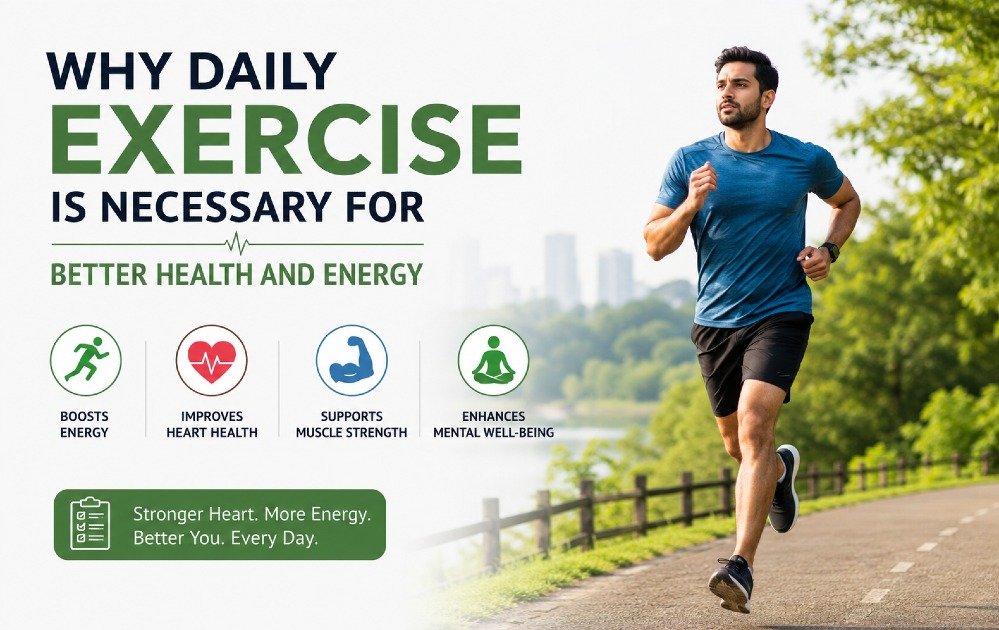
Hours of sitting can drain energy, weaken muscles, increase stiffness, and lead to weight gain.
Daily exercise helps reverse these effects, keeping your body stronger, healthier, and more active.
It doesn’t require intense workouts or hours in the gym—movement is what matters most, helping boost strength, energy, mobility, and overall health.
10 Best Daily Exercises to Build Strength, Burn Fat, and Improve Energy
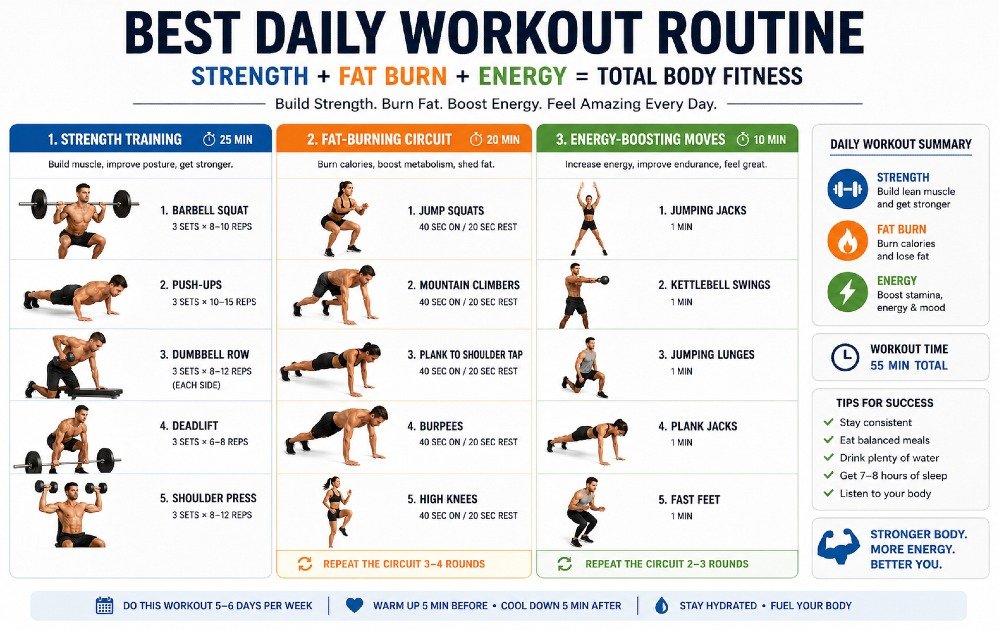
Low energy, weight gain, and declining strength often stem from inactivity, not lack of motivation.
Daily exercise routine combines with strength training, cardio, and mobility work help build muscle, boost metabolism, burn more calories, improve endurance, and increase energy.
Discover ten best daily exercises to help you stay fit, feel stronger, and maintain long-term health.
1. Walking – The Most Sustainable Fat-Burning Habit
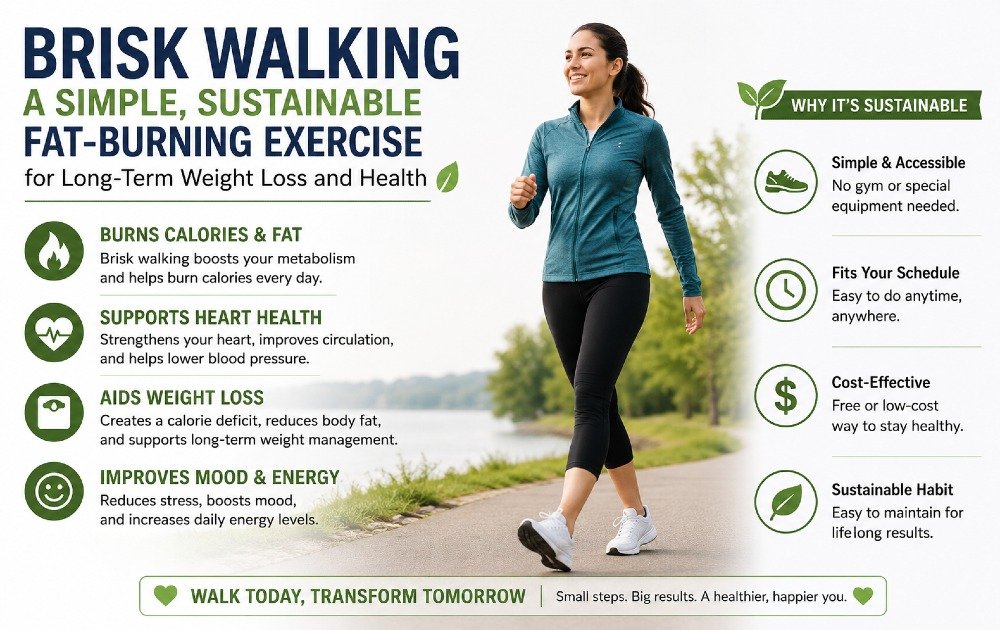
Walking is often overlooked because it feels too simple, but it remains one of the most effective daily movements for overall health.
Why it matters:
A sedentary lifestyle slows metabolism, reduces energy, and affects mood. Walking directly reverses these effects.
How to use it effectively:
- Aim for 20–45 minutes daily
- Walk after meals to support digestion
- Maintain a steady, comfortable pace
Core advantages:
- Supports steady fat burning without stress on joints
- Improves cardiovascular health
- Boosts mood and mental clarity
- Helps regulate blood sugar levels
Even light walking done consistently delivers long-term results.
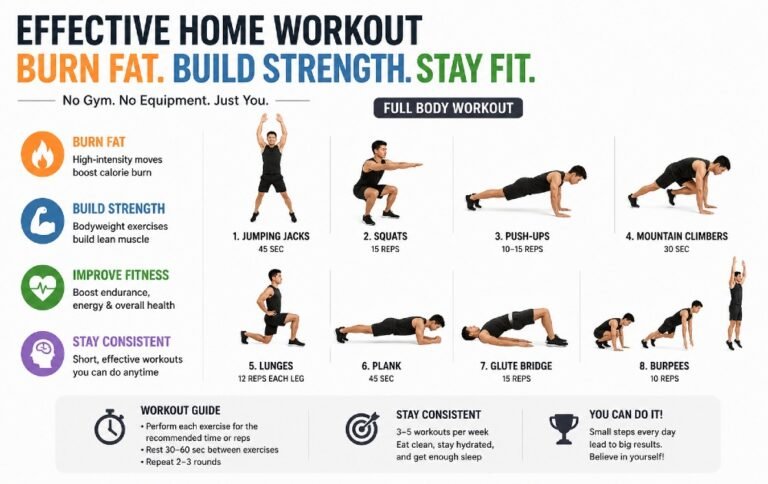
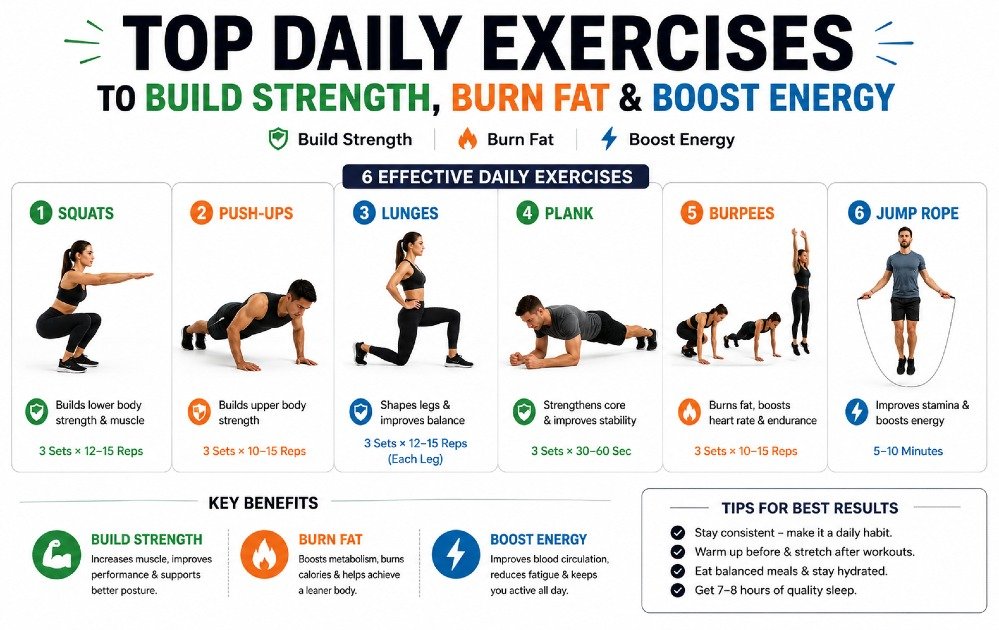
2. Bodyweight Squats – Build Lower Body Strength Fast
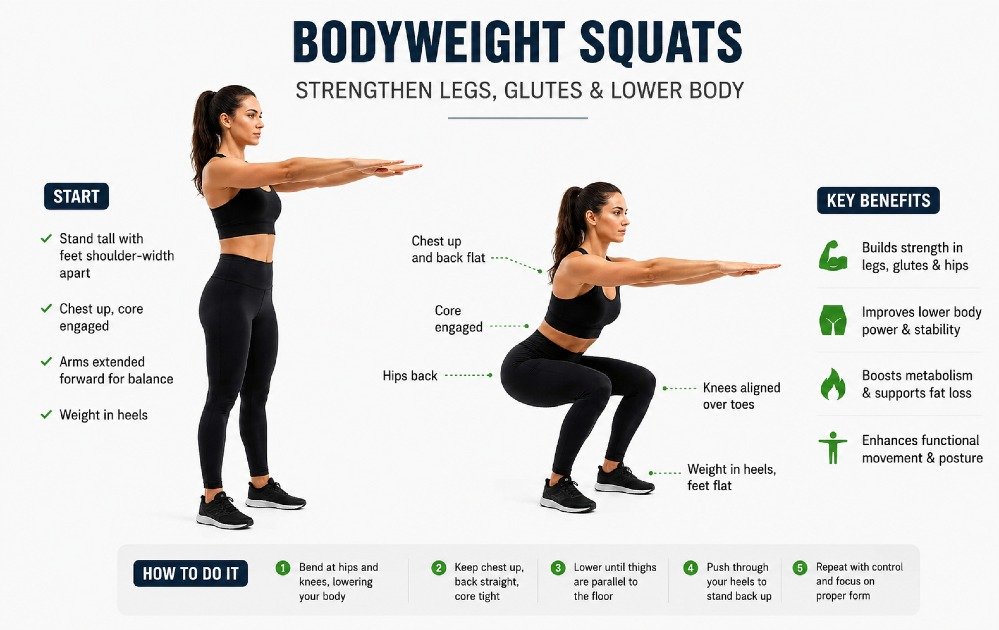
Squats are one of the most effective foundational movements for strength and mobility.
Weak legs and stiffness often come from sitting too long and not engaging lower body muscles.
How to perform:
- Stand shoulder-width apart
- Lower hips back like sitting in a chair
- Keep chest upright and core engaged
Core advantages:
- Strengthens thighs, glutes, and core
- Improves posture and balance
- Supports calorie burn through large muscle activation
Do 3 sets of 10–15 reps daily.
Squats quickly improve functional strength used in everyday movement.
3. Push-Ups – Upper Body Strength Without Equipment
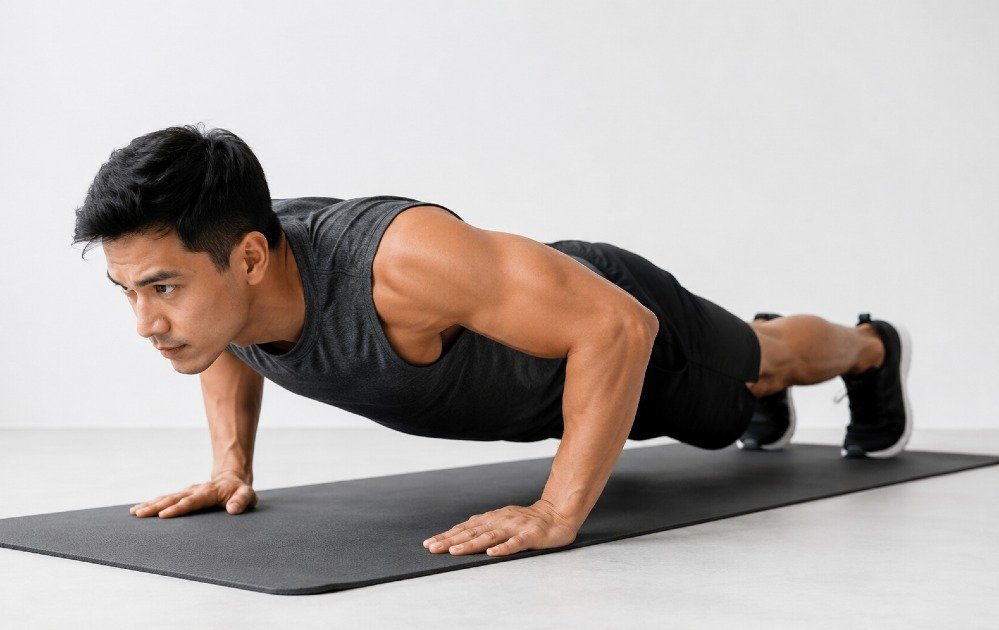
Push-ups are a complete upper-body exercise that also engages your core.
Why they matter:
Many people lack upper body strength due to inactivity or desk jobs.
Variations for all levels:
- Beginner: knee push-ups
- Intermediate: standard push-ups
- Advanced: slow tempo or decline push-ups
Core advantages:
- Strengthens chest, shoulders, arms, and core
- Improves posture and upper body stability
- Builds real-world functional strength
Start with as few as 5–10 reps daily and build gradually.
4. Plank – Core Stability and Posture Support
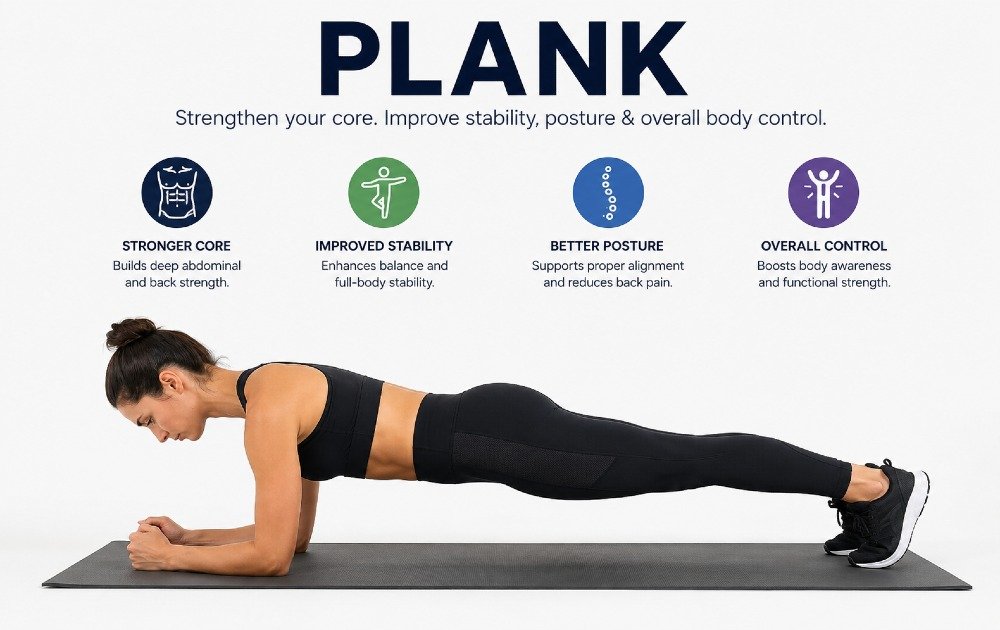
A strong core is essential for balance, posture, and injury prevention.
Weak core muscles contribute to back pain and poor posture.
How to do it:
- Keep body in a straight line
- Engage abs and glutes
- Hold for 20–60 seconds
Core advantages:
- Strengthens deep abdominal muscles
- Improves posture and spinal support
- Reduces risk of lower back discomfort
5. Plank Jack – Full-Body Workout
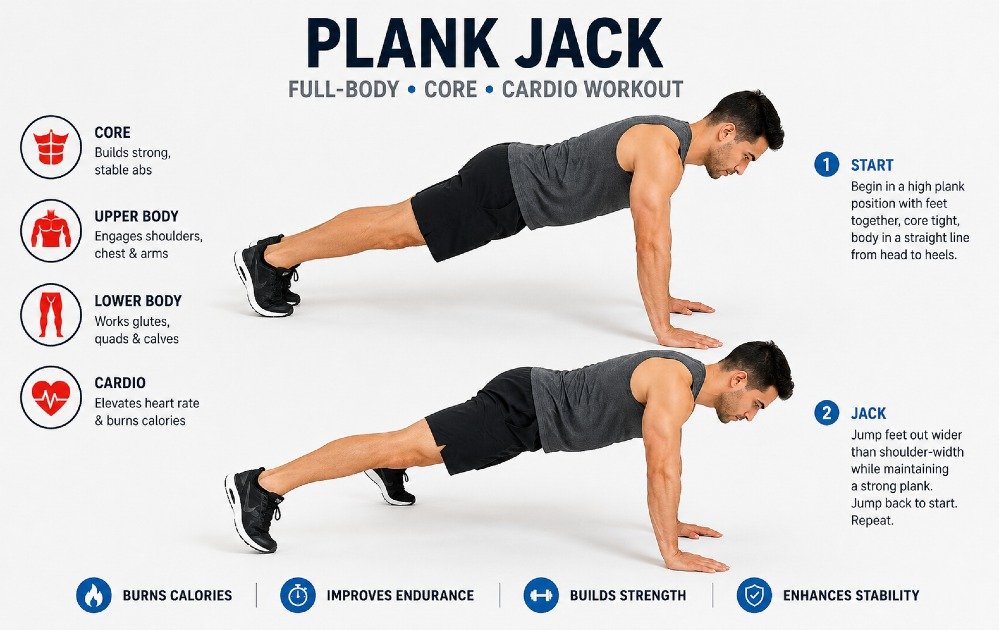
Jumping jacks are an efficient way to elevate heart rate quickly.
Why they work:
They combine movement, coordination, and cardio in one simple exercise.
Core advantages:
- Burns calories efficiently
- Improves heart and lung function
- Boosts overall energy levels
Perform 30–60 seconds per round, 3–5 rounds daily.
They also work well as a warm-up before strength exercises.
6. Lunges – Balance, Strength, and Mobility Builder
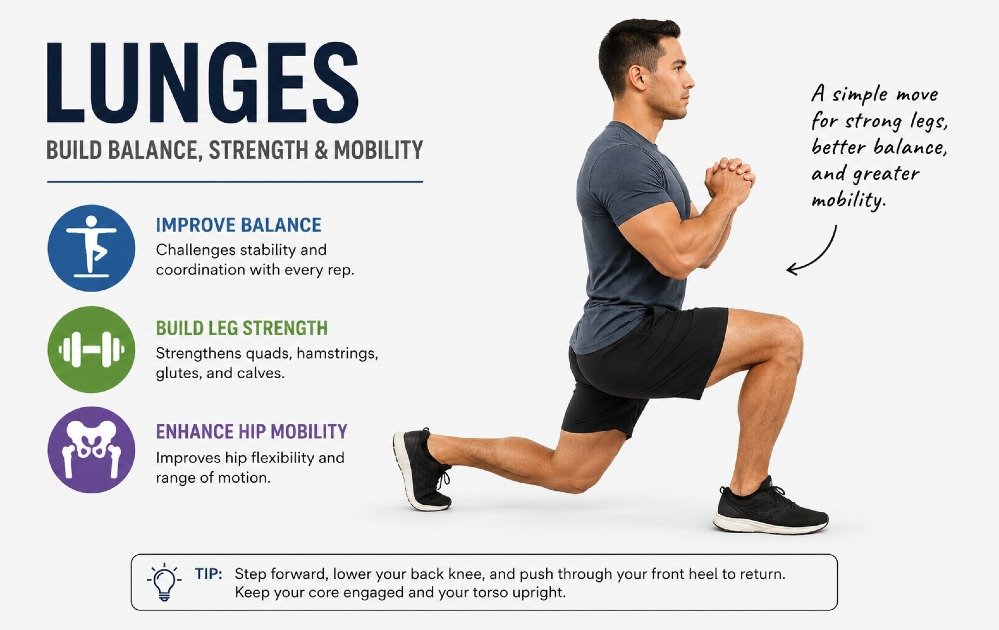
Lunges improve lower body strength while correcting muscle imbalances.
Uneven strength between legs often leads to posture issues and discomfort.
How to perform:
- Step forward and lower back knee
- Keep torso upright
- Push through the front heel to return
Core advantages:
- Strengthens legs and glutes
- Improves coordination and balance
- Enhances hip flexibility
Aim for 10 reps per leg daily
7. Glute Bridges – Fix Weak Hips and Activate Glutes
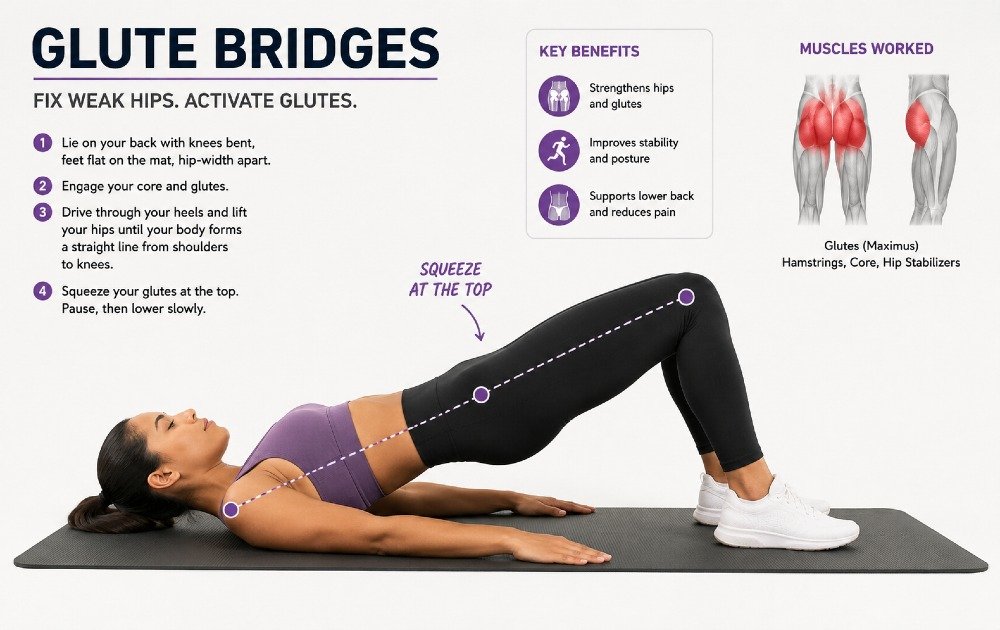
Long hours of sitting weaken glute muscles and tighten the hips.
How to do it:
- Lie on your back with knees bent
- Lift hips upward and squeeze glutes
- Hold briefly at the top
Core advantages:
- Strengthens glutes and lower back
- Improves posture alignment
- Reduces hip tightness
Do 3 sets of 12–15 reps daily
This movement helps restore lower body balance.
8. Mountain Climbers – Fat Burning Meets Core Strength
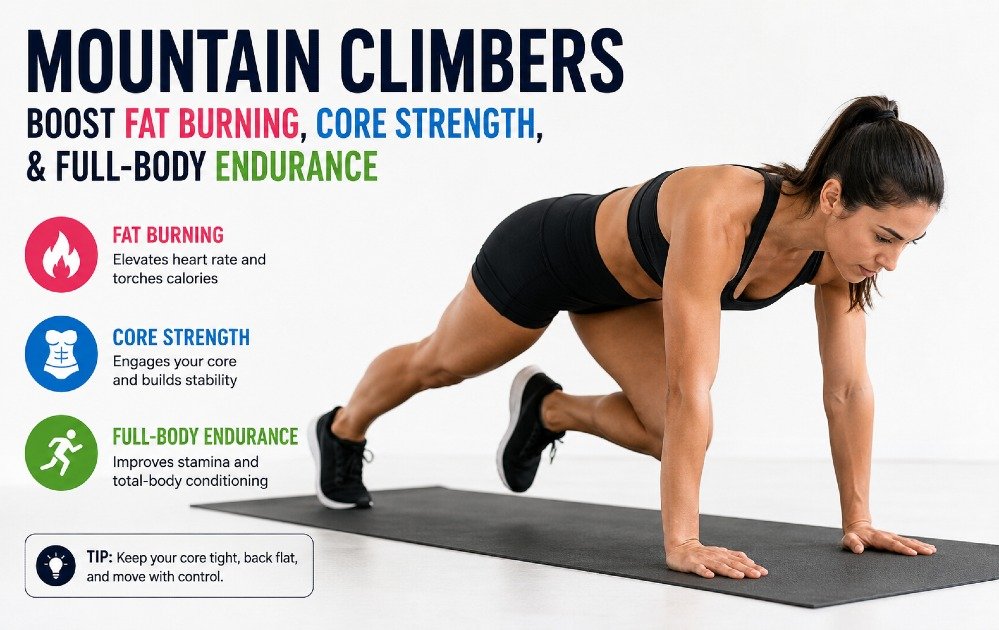
Mountain climbers are a high-energy exercise that combines cardio and core training.
Why they are effective:
They increase heart rate while strengthening multiple muscle groups.
Core advantages:
- Burns calories quickly
- Strengthens core and shoulders
- Improves endurance and stamina
Perform 20–40 seconds per set, 3–5 rounds.
Controlled pace improves form and results.
9. Stretching – Recovery That Prevents Injury

Most people skip stretching, yet it plays a critical role in long-term fitness.
Focus areas:
- Hamstrings
- Lower back
- Shoulders
Core advantages:
- Improves flexibility
- Reduces muscle tightness
- Supports faster recovery
Hold each stretch for 20–30 seconds
Stretching keeps your body mobile and pain-free.
10. Skipping Rope – High-Intensity Full-Body Conditioning

Skipping rope delivers fast results in a short amount of time.
Why it works:
It combines cardio, coordination, and strength in one movement.
Core advantages:
- Burns high calories quickly
- Improves agility and endurance
- Strengthens heart health
Start with 1–3 minutes per round, gradually increasing duration.
Simple Daily Exercise Routine You Can Follow
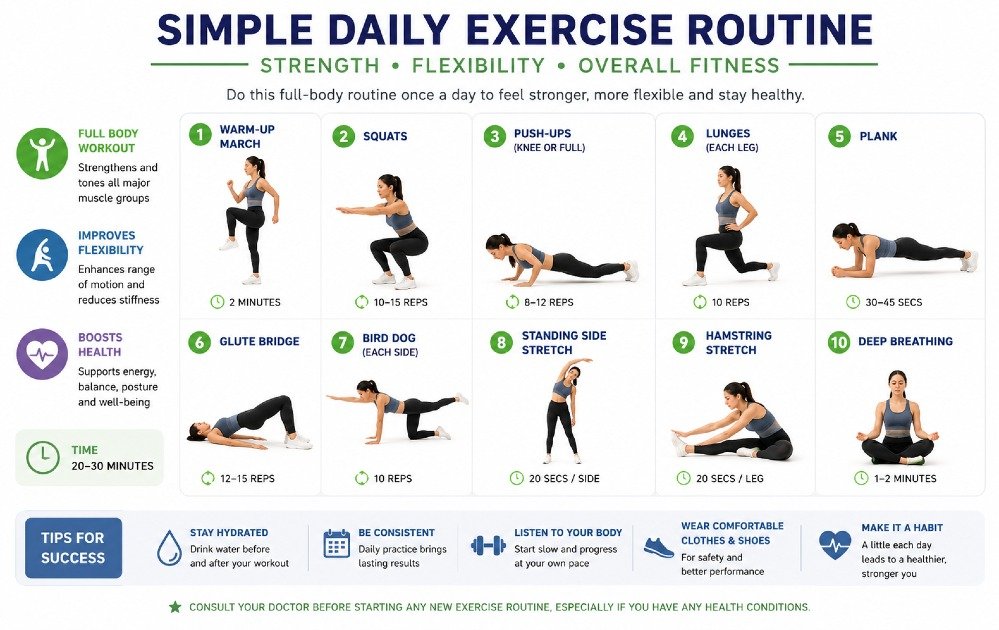
You don’t need all the exercises every day. The goal is balance and consistency.
Beginner routine:
- Walking – 20 minutes
- Squats – 3 sets
- Push-ups – 3 sets
- Plank – 30 seconds
- Stretching – 10 minutes
Intermediate routine:
- Jump rope – 5 minutes
- Lunges – 3 sets
- Mountain climbers – 4 rounds
- Glute bridges – 3 sets
- Plank – 1 minute
Focus on consistency, not intensity.
Daily Exercise Prevents the Effects of Inactivity
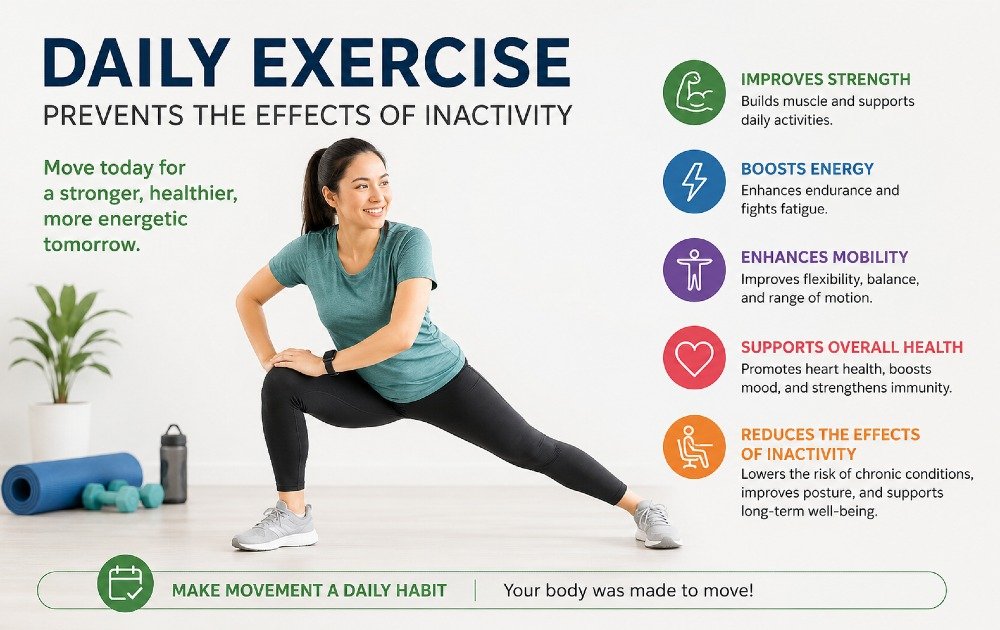
Too much sitting slows the body down. It affects circulation, reduces mobility, and weakens muscles over time.
Common effects:
- Low energy
- Weight gain
- Muscle stiffness
- Poor endurance
- Reduced flexibility
Daily exercise keeps your body strong and active. Simple activities like walking, stretching, and bodyweight workouts boost circulation, engage muscles, and support better overall function.
Core advantages:
- Improve stamina
- Increase mobility
- Reduce stiffness
- Support better physical function
Even short workouts make a difference when done consistently.
Exercise Supports Healthy Weight Control
Weight gain often happens gradually through inactivity and excess calorie intake.
Daily exercise helps burn calories and supports a healthier metabolism. Strength-based exercise also helps maintain lean muscle mass.
Effective exercises:
- Walking
- Squats
- Jump rope
- Lunges
- Mountain climbers
Core advantages:
- Support fat loss
- Maintain a healthy weight
- Improve body composition
- Increase daily calorie burn
Small daily habits create sustainable results.
Exercise Improves Heart Health

Physical inactivity puts extra strain on the heart and reduces cardiovascular fitness.
Cardio-focused exercise strengthens the heart and improves circulation.
Effective exercises:
- Brisk walking
- Cycling
- Swimming
- Jumping jacks
- Light jogging
Core advantages:
- Improve stamina
- Support healthy circulation
- Increase energy levels
- Improve cardiovascular function
A stronger heart improves overall physical performance.
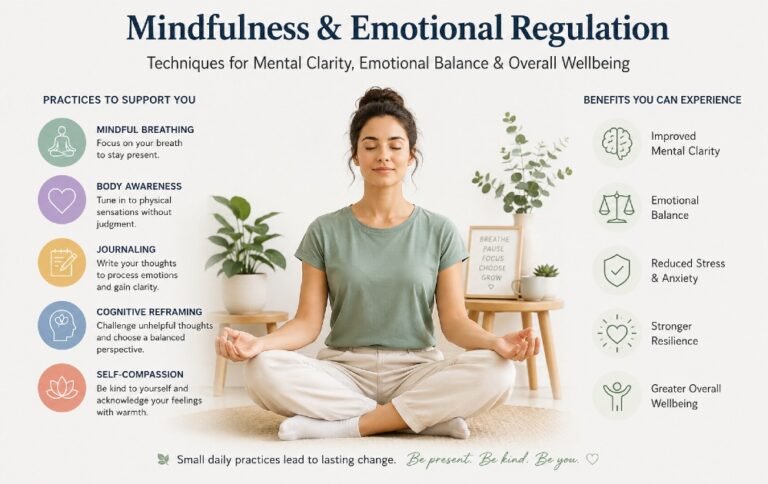
Daily Exercise Helps Reduce Stress
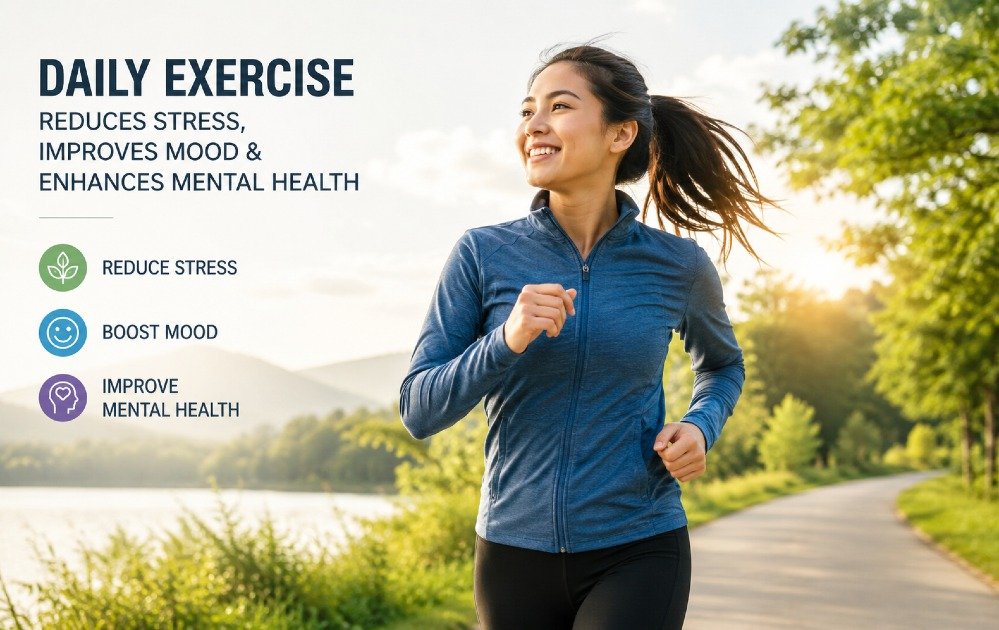
Stress and mental fatigue affect both physical and emotional health. Lack of movement often makes stress worse.
Exercise helps release endorphins that naturally improve mood and reduce tension.
Effective exercises:
- Walking
- Yoga
- Stretching
- Light cardio workouts
Core advantages:
- Reduce stress
- Improve focus
- Support better mood
- Increase mental clarity
Even a short workout can improve how you feel mentally.
Exercise Builds Strength and Protects Mobility
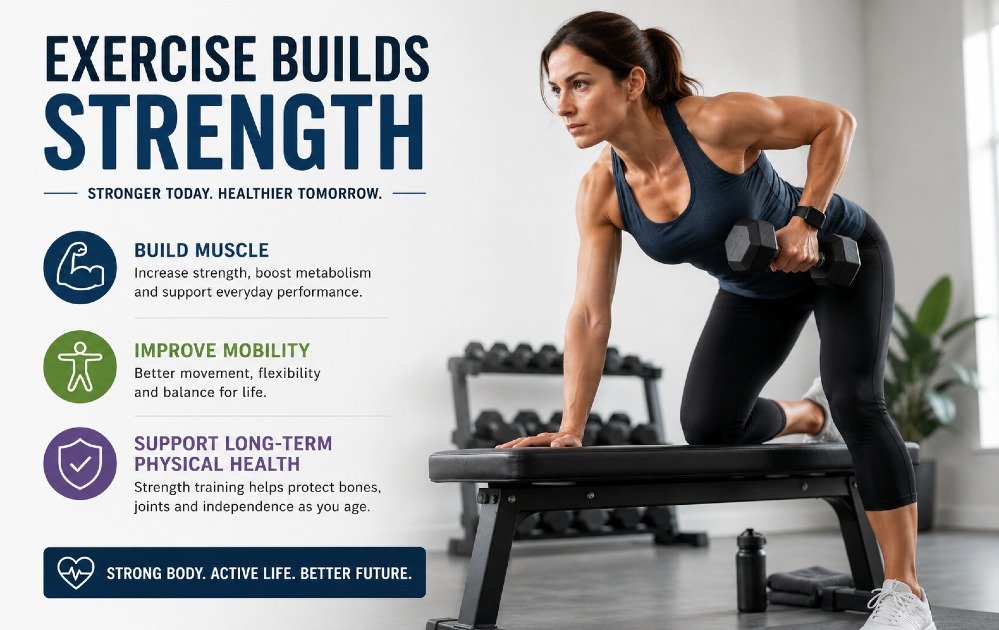
Without regular movement, muscles weaken and mobility declines over time.
Strength-based exercise helps maintain muscle function, balance, and joint support.
Effective exercises:
- Push-ups
- Squats
- Planks
- Lunges
- Resistance band workouts
Core advantages:
- Strength
- Balance
- Posture
- Joint stability
- Everyday movement
Strong muscles also help reduce injury risk.
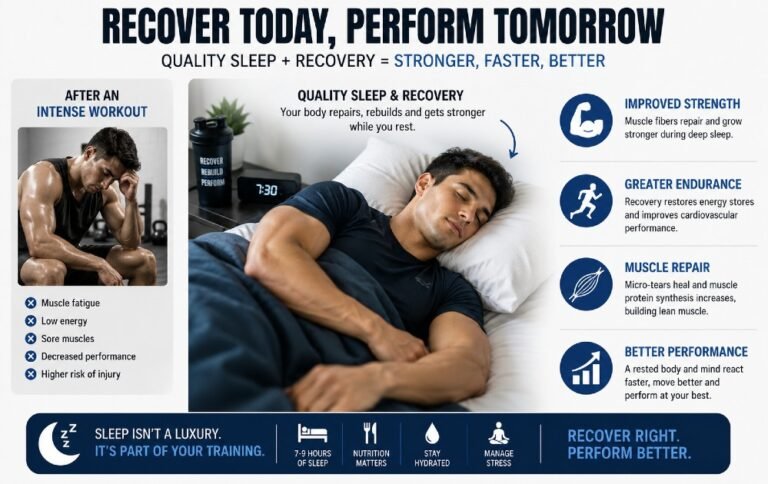
Exercise Improves Sleep Quality
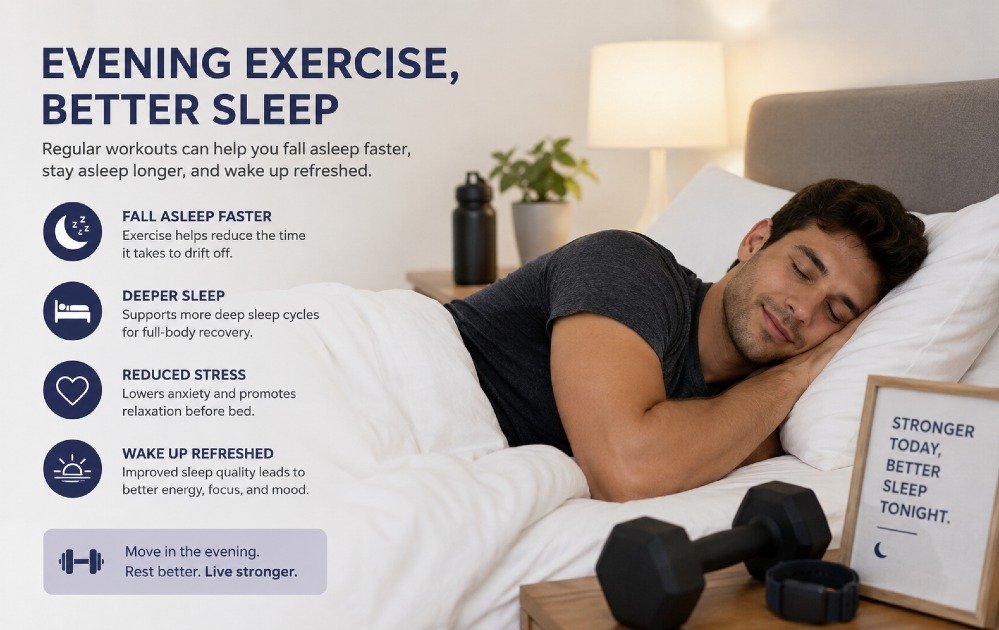
Poor sleep affects energy, recovery, focus, and overall health.
Regular exercise helps regulate sleep patterns and improves recovery.
Core advantages:
- Better sleep quality
- Faster recovery
- Improved daytime energy
- Better overall performance
Good sleep also supports long-term fitness progress.
Daily Exercise Supports Long-Term Health
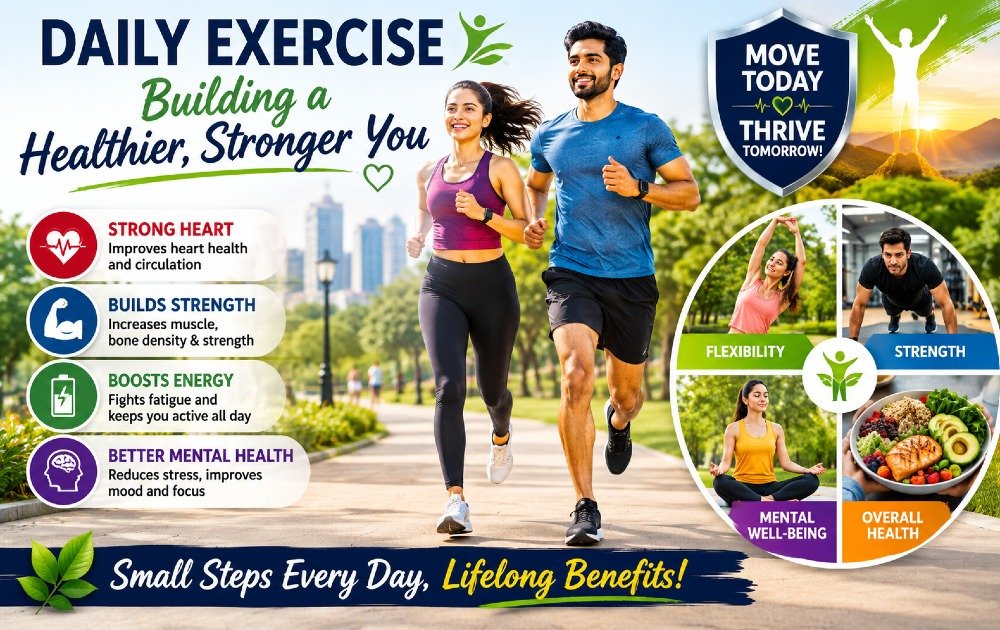
A lack of physical activity increases the risk of preventable health problems over time.
Daily exercise supports multiple systems throughout the body and helps maintain physical function with age.
Core advantages:
- Bone strength
- Joint health
- Mobility
- Immune function
- Healthy aging
Frequently Asked Questions
What is the best daily exercise for overall fitness?
A mix of walking, strength training, and mobility exercises works well for most people.
Exercises like squats, push-ups, lunges, and brisk walking help improve strength, support fat loss, and increase daily energy without requiring complex routines.
How long should I exercise each day?
Most people benefit from 20 to 45 minutes of daily exercise.
Consistency matters more than duration. Even short workouts done regularly can improve fitness, stamina, and energy levels.
Can daily exercise help with weight loss?
Yes. Daily exercise helps burn calories, supports metabolism, and preserves lean muscle mass.
Combined with healthy eating habits, it can support steady and sustainable fat loss.
Do I need gym equipment to stay fit?
No. Many effective exercises require no equipment.
Walking, squats, push-ups, planks, and stretching can all be done at home.
What is the best time to exercise?
The best time is the one you can stay consistent with.
Some people prefer morning workouts for energy and focus, while others perform better later in the day.
Recap: Builds Long-Term Strength and Energy
Daily exercise does not need to be intense to produce results.
Simple habits like walking, stretching, and bodyweight workouts can strengthen your body and improve your quality of life for years to come.
Begin your transformation with a simple routine that improves stamina, supports healthy aging, and helps maintain the strength and energy needed for an active, independent lifestyle.
Ready to Feel Stronger, Leaner, and More Consistent With Your Workouts
Still struggling to stay motivated or maintain a workout routine that actually fits your lifestyle
This adjustable resistance bands set helps you build real strength, burn more fat, and stay energized with simple daily exercises you can do anywhere without bulky equipment or wasted time.