
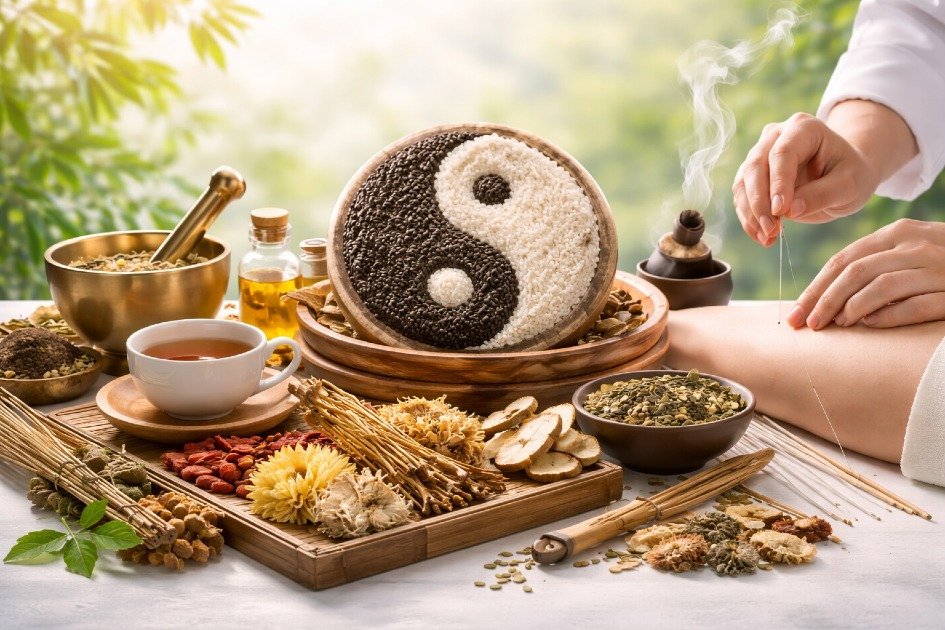
You try to eat well, manage stress, and stay active—but something still feels off. Low energy, poor sleep, brain fog or digestive issues. The issue isn’t effort, it’s approach.
Most modern health systems treat symptoms in isolation. Chinese Medicine focuses on the root cause—imbalance. When balance returns, your body does what it’s designed to do: heal itself.
This guide explains how Chinese medicine can boost your energy, improve digestion, and support long-term health through practical, effective methods.
Understanding Chinese Medicine
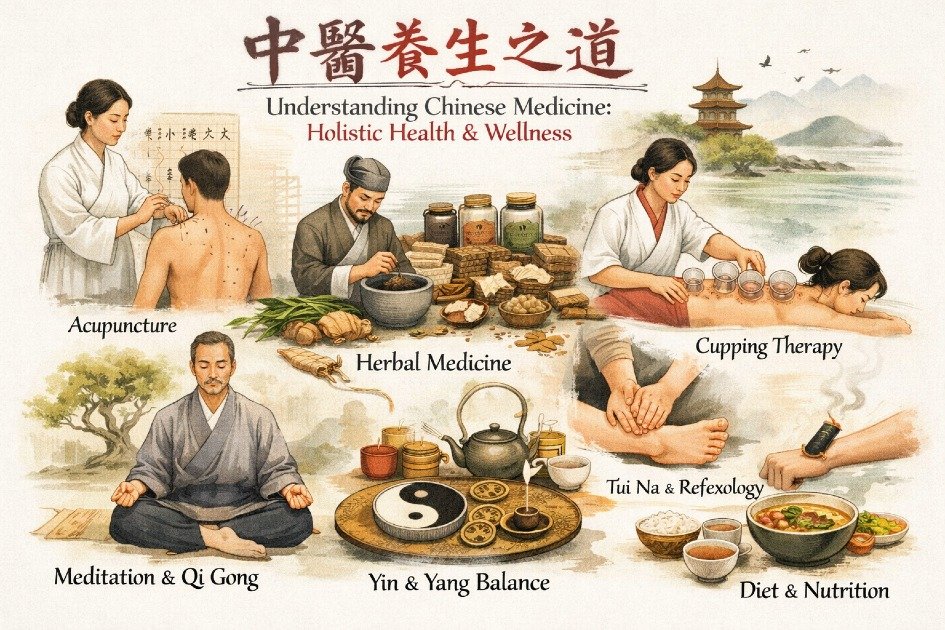
Chinese Medicine is built on three core principles:
- Qi (Energy): The force that powers your body
- Yin and Yang: Opposites that must stay balanced
- Five Elements: Systems that connect organs, emotions, and function
When balance is restored:
- Energy becomes stable
- Sleep improves
- Digestion strengthens
- Stress becomes manageable
Your body starts working efficiently again.
Why Chinese Medicine Is Essential
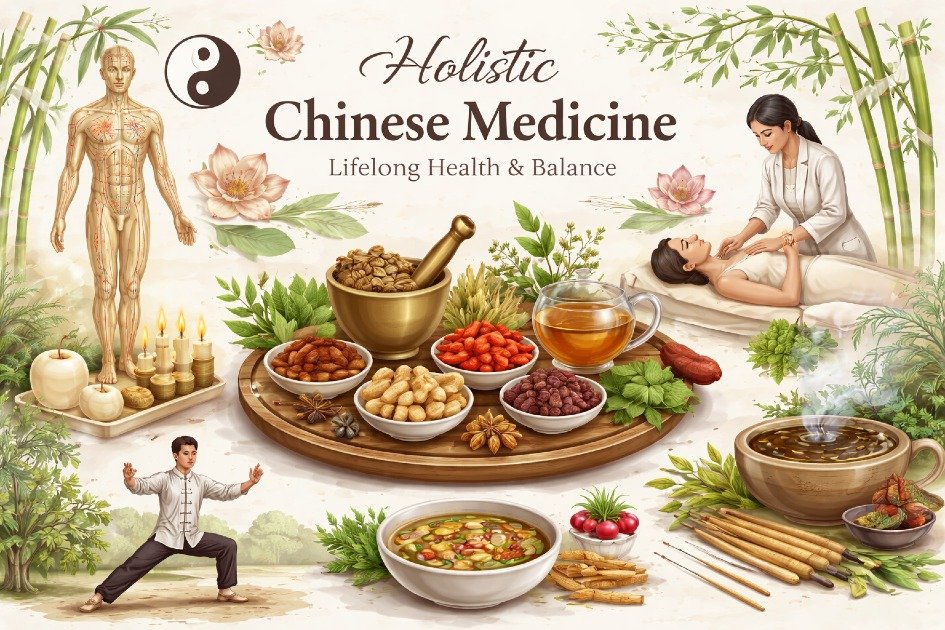
Modern lifestyles—poor diets, chronic stress, disrupted sleep, and sedentary habits—often push the body out of balance. Conventional medicine typically targets symptoms, not root causes.
Chinese Medicine addresses this gap by:
- Restoring natural balance, allowing the body to self-regulate
- Supporting long-term health, not just temporary relief
- Offering personalized approaches, from dietary therapy to herbal remedies and energy practices
Consistent application of Chinese Medicine can:
- Boost energy, digestion, and sleep quality
- Reduce stress and emotional imbalance
- Strengthen immunity and overall vitality
In essence, Chinese Medicine provides a framework to prevent problems before they start, correct underlying imbalances, and maintain lasting wellness—making it a vital complement to modern health strategies.
7 Proven Chinese Medicine Principles for Lasting Health and Balance
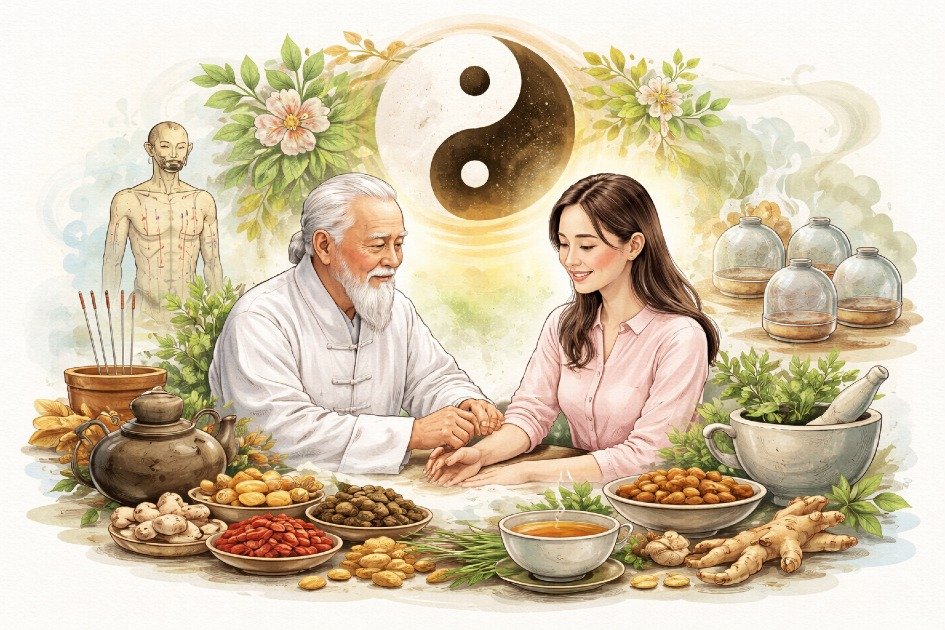
Many modern health issues—fatigue, poor digestion, stress, and sleep problems—don’t have a single cause.
Chinese Medicine takes a different approach. Grounded in centuries of observation and supported by modern research, it focuses on restoring balance within the body’s systems—energy flow (Qi), organ function, and the connection between physical and emotional health.
Discover seven core Chinese Medicine practices, why they work, and how to use them to boost energy, build resilience, and support lasting health.
1. Acupuncture: Restore Energy Flow

Stress and poor habits disrupt energy flow, leading to:
- Chronic pain
- Fatigue
- Anxiety
- Hormonal imbalance
Acupuncture uses fine needles to activate specific points and restore circulation.
Fast relief and long-term balance:
- Reduces tension quickly
- Improves sleep quality
- Supports natural healing
Tip: Start with 1–2 sessions weekly for consistent results.
2. Herbal Medicine: Treat the Root Cause
Most supplements don’t account for your unique body.
Chinese herbal medicine combines ingredients based on your specific imbalance.
Examples include:
- Ginseng for energy
- Ginger for digestion
- Licorice root for system support
Targeted, Multi-System Support:
- Addresses root issues
- Supports multiple organs
- Adapts to your needs
NCCIH highlights how acupuncture heals the body by stimulating natural painkillers.
3. Qi Gong: Build Energy Without Burnout

Overtraining increases stress and slows recovery.
Qi Gong combines slow motion, breathing, and focus.
Calm Energy and Mental Clarity:
- Reduces stress
- Improves focus
- Builds sustainable energy
Tip: Practice 10 minutes daily to start.
4. Dietary Therapy: Eat for Balance

“Healthy eating” often ignores your body’s needs.
Chinese dietary therapy focuses on:
- Food temperature (warm vs. cooling)
- Seasonal eating
- Supporting specific organs
Examples:
- Warm foods for digestion
- Cooling foods for inflammation
- Bitter foods for detox support
Daily, Natural Healing:
- Better digestion
- Stable energy
- Fewer cravings
5. Cupping Therapy: Improve Circulation and Recovery
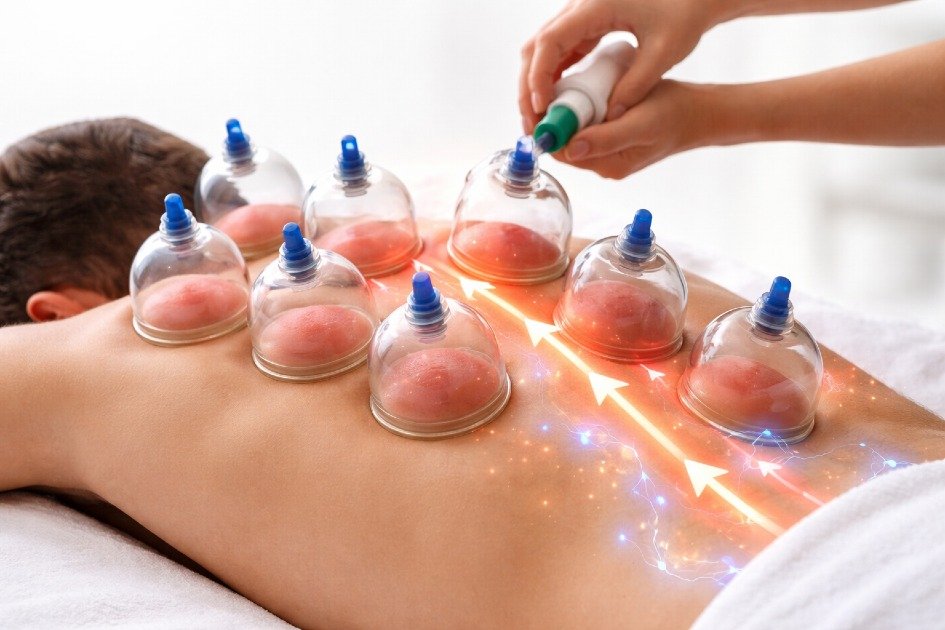
Sedentary lifestyles create tension and stagnation.
Cupping pulls blood to the surface, loosening muscles and improving circulation.
Deep Physical Relief:
- Reduces muscle tightness
- Improves mobility
- Speeds recovery
6. Tai Chi: Strengthen Without Strain
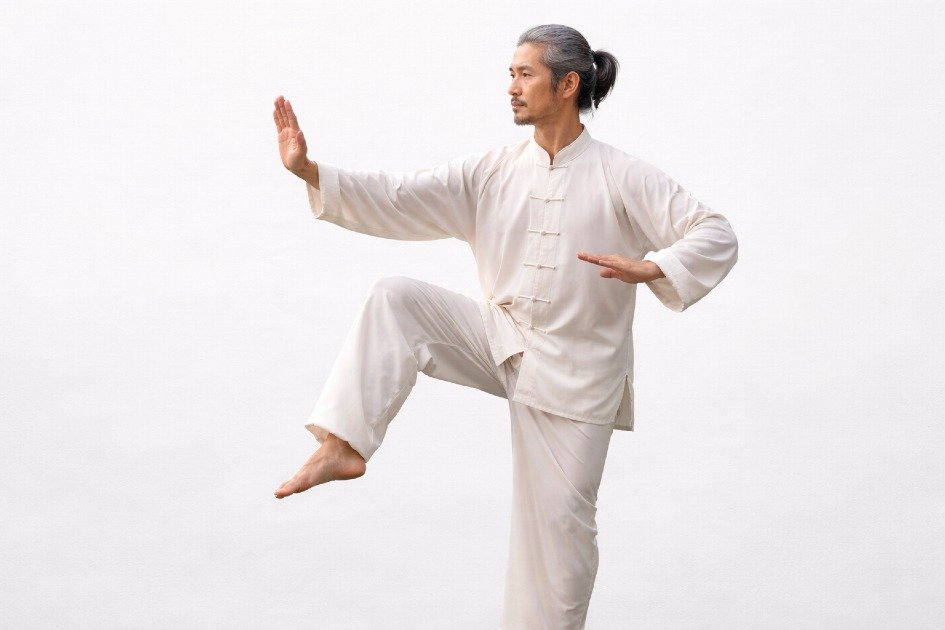
Stiff joints and poor balance increase injury risk.
Tai Chi builds strength, balance, and coordination.
Long-Term Mobility:
- Improves stability
- Reduces fall risk
- Supports joint health
7. Emotional Balance: The Overlooked Factor

In Chinese Medicine, emotions directly affect organs.
- Anger affects the liver
- Fear affects the kidneys
- Worry affects digestion
Mind-Body Practices:
- Breathing exercises
- Meditation
- Journaling
Full-System Balance:
- Better sleep
- Reduced symptoms
- Consistent energy
How to Start Using Chinese Medicine Today
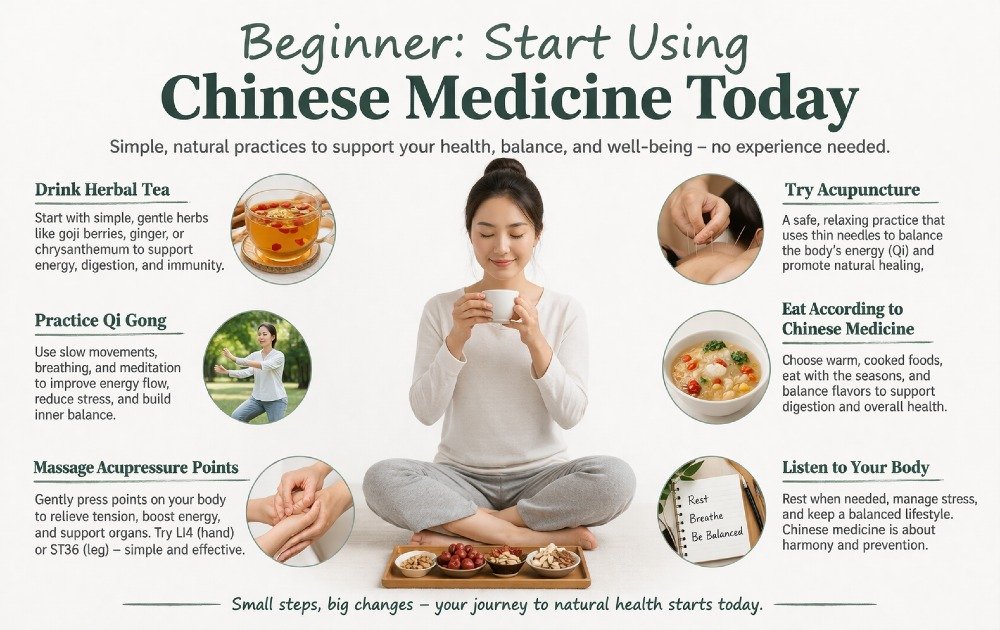
You don’t need a complete lifestyle overhaul.
Start with simple actions:
- Drink warm water in the morning
- Practice 5–10 minutes of breathing
- Add herbal tea to your routine
- Improve sleep consistency
Consistency matters more than intensity.
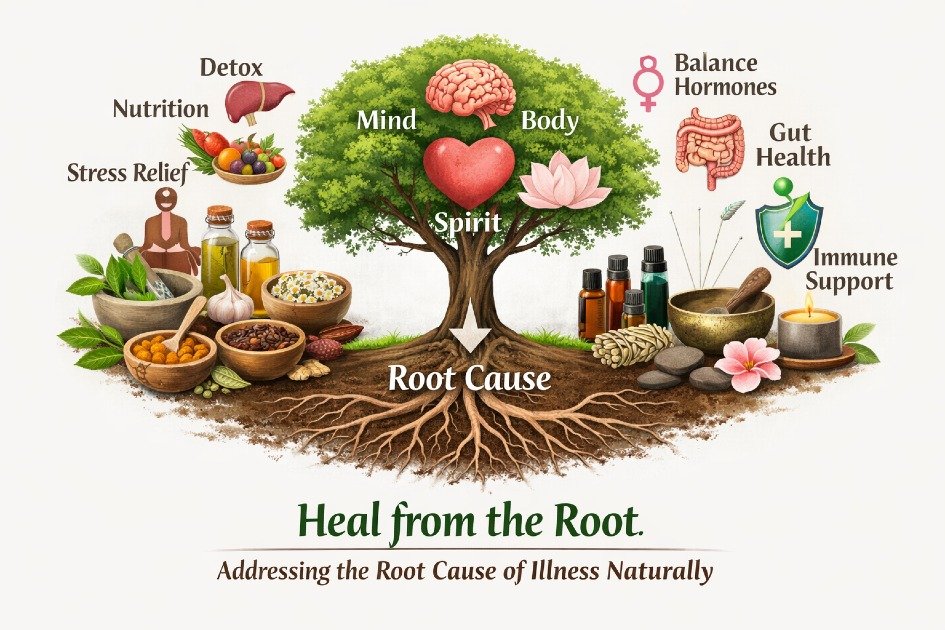
Heal from the Root
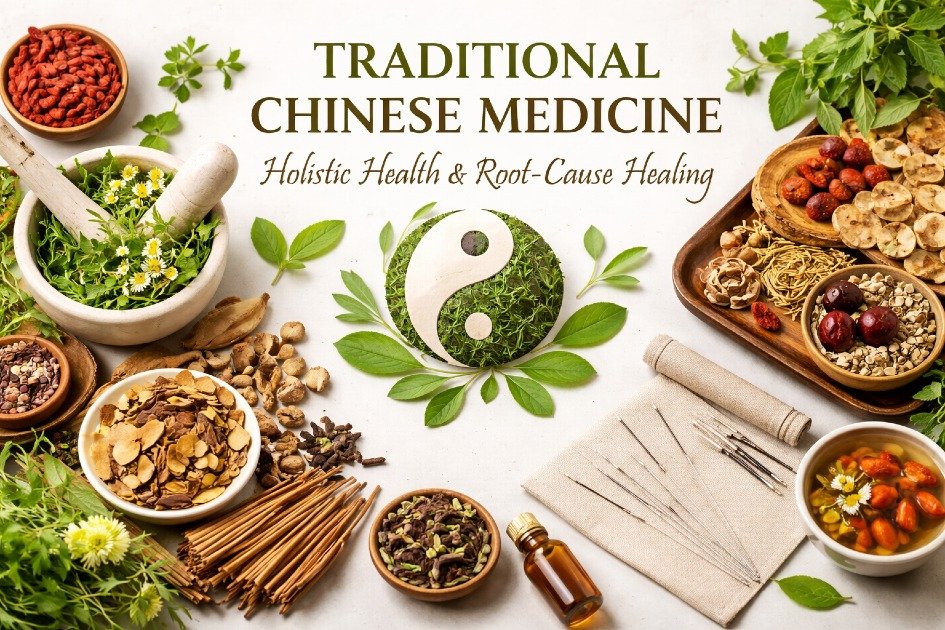
Modern healthcare often addresses only symptoms. Fatigue, stress, digestive issues, and hormonal imbalances may keep returning because the root cause is ignored.
Traditional Chinese Medicine (TCM) focuses on restoring harmony across your body, mind, and energy systems. Its key principles include:
- Qi (Energy): Ensures smooth flow throughout the body
- Yin and Yang: Harmonizes opposing forces to support peak health
- Five Elements: Connects organs, emotions, and natural cycles for holistic wellness
Practicing TCM can lead to:
- Increased energy and vitality
- Better sleep and stress management
- Balanced digestion and hormonal function
- Sustainable, long-term wellness
Tip: Even small practices, like gentle Qi Gong or mindful breathing, can help restore balance daily.
Chinese Herbal Remedies
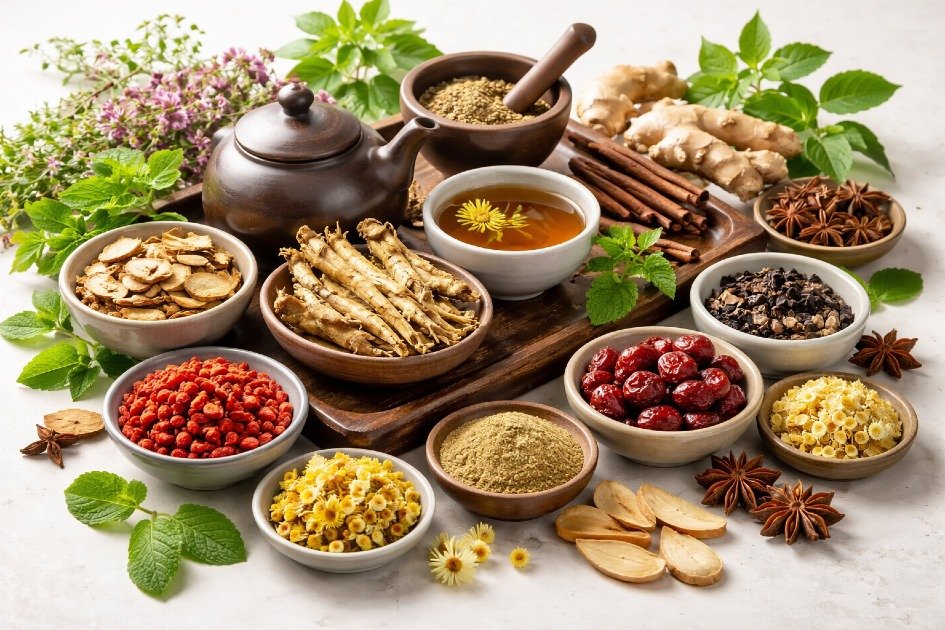
Most supplements or medications target only one symptom and may not address the underlying imbalance.
Chinese herbal remedies use personalized blends to restore harmony. Common examples include:
- Ginseng: Enhances energy and mental focus
- Licorice Root: Supports digestion and soothes inflammation
- Ginger: Improves circulation and eases stomach discomfort
- Astragalus: Strengthens immunity and overall vitality
With the right herbal support, you may notice:
- Higher energy and reduced fatigue
- Stronger immune function
- Smoother digestion
- Gentle, natural support without harsh side effects
Tip: Consult a licensed practitioner to select the best formula for your body type.
Chinese Dietary Therapy
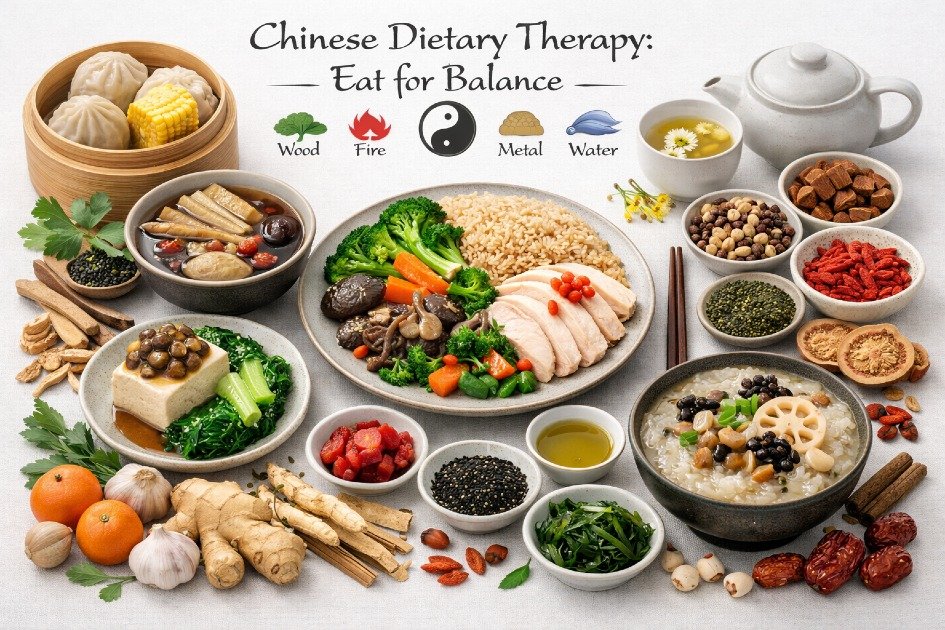
Generic “healthy” diets often ignore individual needs, causing low energy, digestive issues, or cravings.
Chinese dietary therapy treats food as medicine, focusing on:
- Food Temperature: Warm foods aid digestion; cooling foods reduce inflammation
- Seasonal Eating: Align your meals with nature’s cycles
- Organ Support: Foods strengthen specific organs (e.g., pumpkin for kidneys, ginger for digestion)
Eating according to your body’s needs helps:
- Stabilize energy throughout the day
- Improve digestion and metabolism
- Reduce cravings and emotional eating
- Promote lasting health and vitality
Tip: Start small—swap cold drinks for warm teas, enjoy seasonal vegetables, and observe how your energy improves.
Frequently Asked Questions
Is Chinese Medicine safe?
Yes, when practiced correctly. Always consult a qualified practitioner for herbs or treatments.
How long does it take to see results?
Some benefits appear quickly, like stress relief. Deeper healing takes consistent effort over weeks.
Can I combine it with modern medicine?
Yes. Many people use both approaches together for better results.
Does acupuncture hurt?
Most people feel minimal discomfort. Many find it relaxing.
Is Chinese Medicine scientifically supported?
Research continues to grow, especially for acupuncture and herbal treatments.
Recap: Build Lasting Health with Chinese Medicine
Chinese Medicine offers a clear path to achieve balance.
By focusing on energy flow, organ function, and daily habits, it helps your body work the way it was designed to—efficiently and naturally.
The practices you’ve learned—acupuncture, herbal support, movement, and dietary therapy—are not isolated solutions. They work together to address root causes and support long-term wellness.
You don’t need to change everything at once. Begin with one or two habits:
- Drink warm fluids instead of cold
- Add a short Qi Gong or breathing routine
- Choose foods that support your digestion
- Pay attention to how your body responds
Over time, you’ll notice better energy, improved sleep, and greater resilience to stress.
Ready to Heal and Restore Your Body
You don’t need extreme changes to feel better. Start with one habit and build from there.
Reclaim your energy and create a healthier daily rhythm with this relaxing tea and mat combination that helps your body feel balanced, refreshed, and naturally restored.