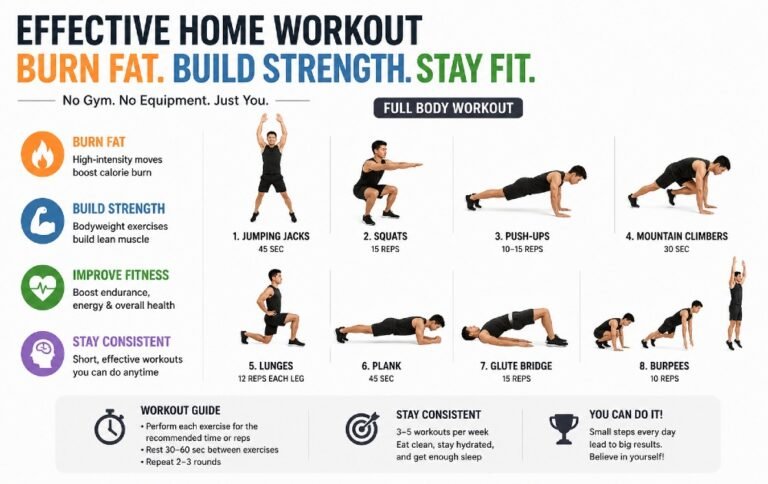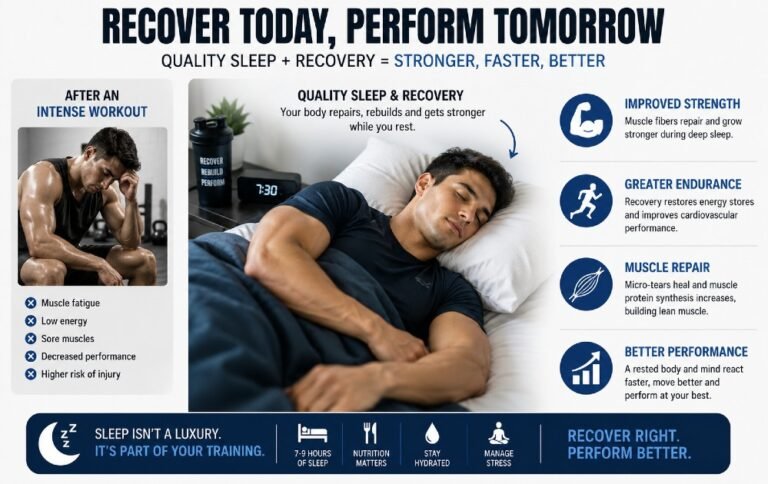


Staying active as a senior isn’t just about workouts—it’s about doing the right things consistently.
Low energy, stiff joints, or injury concerns can slow you down. The right habits help you move better, build strength, and stay independent at any age.
This guide lays out proven senior fitness habits that work—practical, safe, and easy to follow.
Why Senior Fitness Habits Matter More With Age

Aging naturally brings physical changes:
- Muscle mass declines
- Joints stiffen
- Balance weakens
- Energy levels drop
Without regular movement, these changes speed up. Over time, this leads to reduced independence, higher fall risk, and chronic health problems.
The Real Purpose of Senior Fitness Habits

Senior fitness habits are not just about staying busy. They are designed to:
- Maintain muscle strength for daily tasks
- Improve balance and prevent falls
- Preserve flexibility for smoother movement
- Support heart health and circulation
- Enhance mental well-being and confidence
Simply put, they help you live better—not just longer.
What Happens Without These Habits
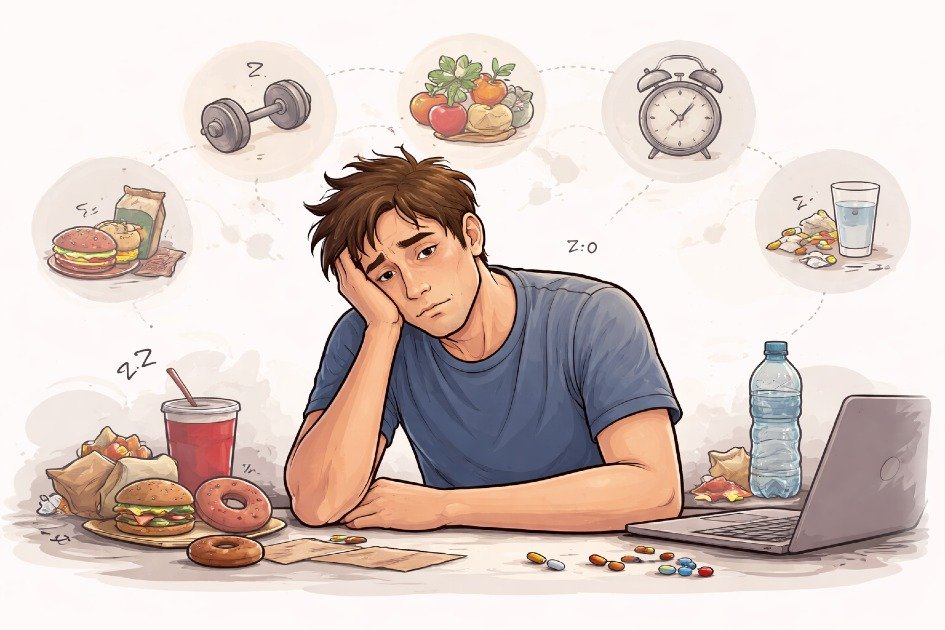
When activity becomes inconsistent:
- Muscles weaken faster
- Mobility declines
- Everyday tasks become harder
- Recovery slows after illness or injury
Inactivity creates a cycle that accelerates physical decline.
How These Habits Make a Difference
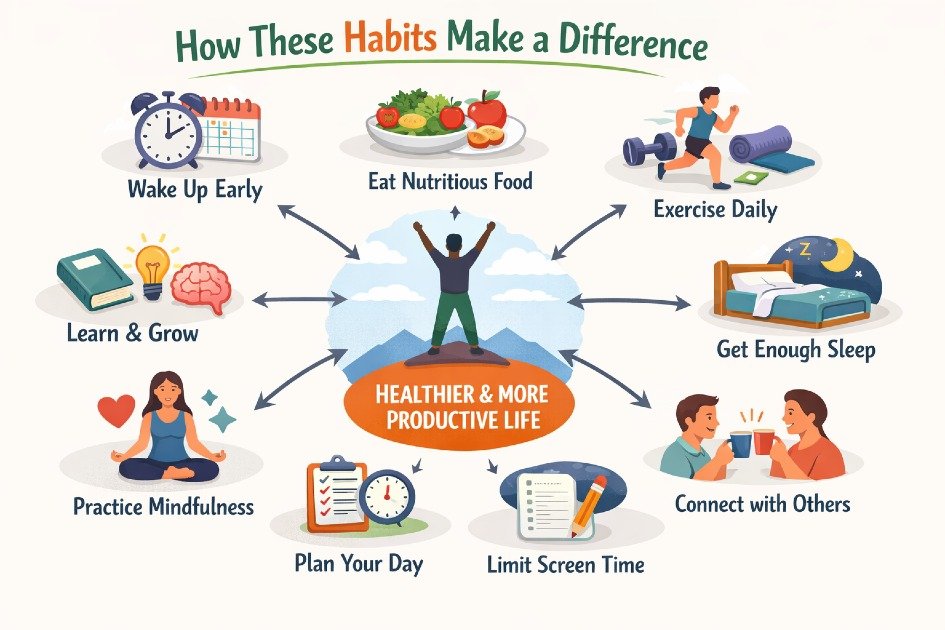
Consistent movement helps you:
- Stay independent longer
- Reduce injury and fall risk
- Improve daily energy and function
- Support long-term health
Even small, regular actions produce meaningful results over time.
9 Proven Principles Behind Senior Fitness Habits That Support Strength, Energy, and Long-Term Independence

Most seniors aren’t inactive—they lack a structured approach. Walking alone isn’t enough. Without strength, balance, and recovery, muscle loss increases, mobility declines, and energy drops over time.
Aging well requires a balanced, consistent approach to movement. Many seniors miss these fundamentals or apply them inconsistently.
Discover nine practical senior fitness habits based on proven principles that build strength, boost energy, and support lasting independence—shared with simple, safe ways to apply them consistently.
1. Prioritize Strength Training

Many seniors rely solely on walking or light cardio, which doesn’t stop muscle loss.
Solution: Build strength 2–3 times per week with safe, joint-friendly exercises.
Benefit: Improved balance, stronger joints, and long-term independence.
Simple ways to start:
- Chair squats and wall push-ups
- Light dumbbells for gradual progression
Tip: Muscle naturally declines after 50—strength training is the most effective way to slow it down.
2. Move Every Day

A 30-minute workout isn’t enough if you stay sedentary the rest of the day.
Solution: Focus on daily movement—small steps add up.
Benefit: Increased energy, better circulation, and reduced stiffness.
Easy habits:
- 5–10 minute walk after meals
- Stretch or stand every hour
- Mindful light chores
Tip: Ask, “How much did I move today?” rather than, “Did I work out?”
3. Train Your Balance

Falls are a leading risk for seniors, often caused by weak balance.
Solution: Practice balance exercises daily, even briefly.
Benefit: Reduced fall risk and more confident movement.
Simple drills:
- Stand on one foot (hold a chair if needed)
- Heel-to-toe walking
- Slow step-ups
Tip: Combine balance and strength exercises for maximum effect.
4. Stretch for Flexibility

Tight muscles limit mobility and cause discomfort.
Solution: Add gentle stretching or mobility work to your daily routine.
Benefit: Better range of motion, less stiffness, and easier movement.
Focus areas: Hips, hamstrings, shoulders, lower back
Tips:
- Stretch after activity
- Hold for 20–30 seconds
- Breathe deeply to relax muscles
The CDC recommends flexibility exercises as part of a complete senior fitness routine.
5. Protect Your Joints

High-impact workouts can strain aging joints.
Solution: Choose low-impact exercises that are gentle but effective.
Benefit: Stay active without pain or injury.
Best options: Walking, swimming, cycling, or using an elliptical
Tip: Any sharp pain signals you should modify the exercise.
6. Consistency Beats Intensity

Motivation ebbs, and life gets busy.
Solution: Focus on consistency, not perfect workouts.
Benefit: Steady progress without burnout.
Strategies:
- Set a fixed workout time
- Start with 10–15 minutes
- Track progress weekly
Mindset: “Progress over perfection” ensures long-term results.
7. Fuel Your Body Right

Poor nutrition slows recovery and saps energy.
Solution: Eat to support strength and recovery.
Benefit: Faster muscle repair, more energy, and better overall health.
Tips:
- Prioritize protein for muscle health
- Stay hydrated
- Focus on whole foods: vegetables, fruits, healthy fats
8. Listen to Your Body

Pushing too hard causes injuries and setbacks.
Solution: Practice body awareness with every workout.
Benefit: Safe, sustainable progress.
What to monitor: Sharp pain, unusual fatigue, joint discomfort
Rule: Challenging is good. Pain is a warning.
9. Make Fitness Enjoyable

Workouts can feel boring alone.
Solution: Add social or fun elements.
Benefit: More consistency and better mental health.
Ideas:
- Walk with a friend or group
- Join a local fitness class
- Follow guided workout videos
Tip: When exercise is enjoyable, it becomes a habit.
How Seniors Can Stay Active and Healthy

Fatigue, fear of injury, or lack of motivation often reduce daily activity. This leads to lower energy and declining health.
Solution: Build movement into your routine instead of relying only on workouts.
Benefit: You stay energized, mobile, and mentally sharp with less effort.
Simple ways to stay active:
- Walk for 5–10 minutes after meals
- Stand or stretch every hour
- Stay active with daily tasks like cleaning or gardening
- Set reminders to move regularly
Support habits that matter:
- Hydration: Drink water consistently
- Nutrition: Focus on whole foods and enough protein
- Sleep: Prioritize quality rest
- Sunlight: Get daily exposure for mood and bone health
Mindset: Stop thinking “exercise.” Start thinking about daily movement. This makes activity easier to sustain.
Senior Strength Training Tips

Many seniors avoid strength training due to fear or lack of guidance. This accelerates muscle loss and weakens stability.
Solution: Use safe, simple strength training methods designed for beginners and aging joints.
Benefit: You build muscle, protect joints, and improve balance—making everyday tasks easier.
Smart training tips:
- Start with bodyweight exercises
- Add resistance bands for low-impact strength
- Use slow, controlled movements
- Train all major muscle groups
- Rest 48 hours between sessions
Beginner exercises:
- Chair squats
- Wall or incline push-ups
- Resistance band rows
- Heel raises
Safety basics:
- Warm up before every session
- Maintain proper form
- Stop if you feel sharp pain
Tip: Increase resistance gradually as exercises become easier.
Senior Fitness Plan for Longevity

Many seniors stay “somewhat active” but don’t follow a structured plan. Over time, this leads to missed areas like strength, balance, and recovery—and gradual physical decline.
Solution: Follow a simple, structured senior fitness plan for longevity that covers the essentials without overcomplication.
Benefit: You maintain strength, mobility, and independence while lowering your risk of injury and chronic illness.
A balanced weekly plan:
- Strength training (2–3x/week): Focus on major muscle groups
- Daily movement: Walking or light activity
- Balance training (3–5x/week): Short, focused sessions
- Flexibility (daily): Gentle stretching after movement
- Recovery days: 1–2 lighter days each week
Example schedule:
- Monday: Strength + short walk
- Tuesday: Walking + stretching
- Wednesday: Strength + balance
- Thursday: Light activity
- Friday: Strength + mobility
- Weekend: Easy movement (walking, errands, social activity)
Tip: A simple plan you follow beats a perfect plan you quit.
Frequently Asked Questions
What’s the best exercise for seniors?
A mix of strength, balance, flexibility, and light cardio is ideal. Strength training is the most crucial for independence.
How often should seniors exercise?
- Strength: 2–3x per week
- Movement: Daily
- Balance & flexibility: Most days
Is it safe to start exercising after 60 or 70?
Yes. Start slow, focus on low-impact exercises, and increase gradually.
Can seniors build muscle?
Absolutely. With proper training and nutrition, muscle growth is possible at any age.
What should seniors avoid?
- High-impact workouts if joints are sensitive
- Skipping warm-ups
- Overtraining without rest
Focus on safe, controlled movements instead.
Recap: Get Stronger Today
You don’t need hours in the gym—just smart, consistent habits.
Start with:
- Strength training 2–3 times per week
- Daily movement
- Simple balance and stretching
Over time, these small, consistent actions lead to stronger muscles, better mobility, and lasting independence.
Ready to Make Fitness Easier?
You don’t need complex routines. You need a clear plan, daily movement, and simple strength training.
Build real-world strength, steady energy, and lasting independence with simple daily resistance band workouts that help your body move with confidence again.
Over time, these habits lead to more strength, better mobility, and lasting independence.