
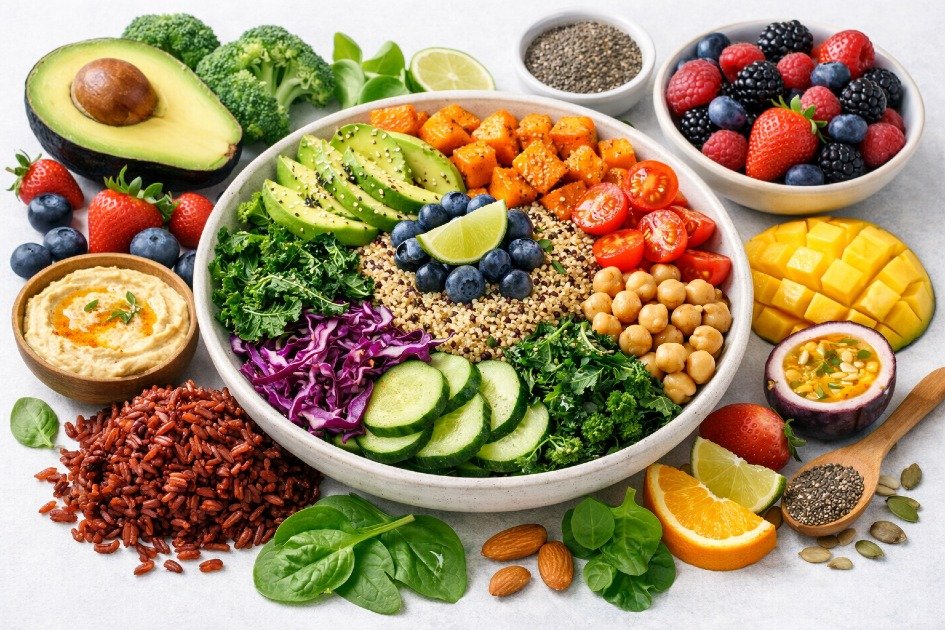

Have you ever wondered how you could recalibrate your energy, sharpen mental clarity, and support long-term health at the same time?
Power Up with a vegan Lifestyle shows how smart plant foods help your body stay strong and energized. It explains how whole foods support cell repair and steady energy all day.
Choosing a diet rich in whole plant foods such as vegetables, fruits, legumes, and grains can enhance heart health, reduce the risk of chronic diseases, and provide essential nutrients, according to Harvard Health.
A vegan lifestyle focuses on phytonutrient density, metabolic efficiency, and inflammatory balance, promoting vitality and disease prevention through fiber-rich foods, antioxidants, and clean protein sources.
This flexible approach supports physical performance, cognitive function, and emotional stability, utilizing staples like legumes and leafy greens, along with supplements such as plant-based protein powder and vegan multivitamins to address nutrient gaps.
This article emphasizes informed choices rather than perfection; vegan living enhances human potential while contributing to a more resilient future.
Understanding the vegan lifestyle
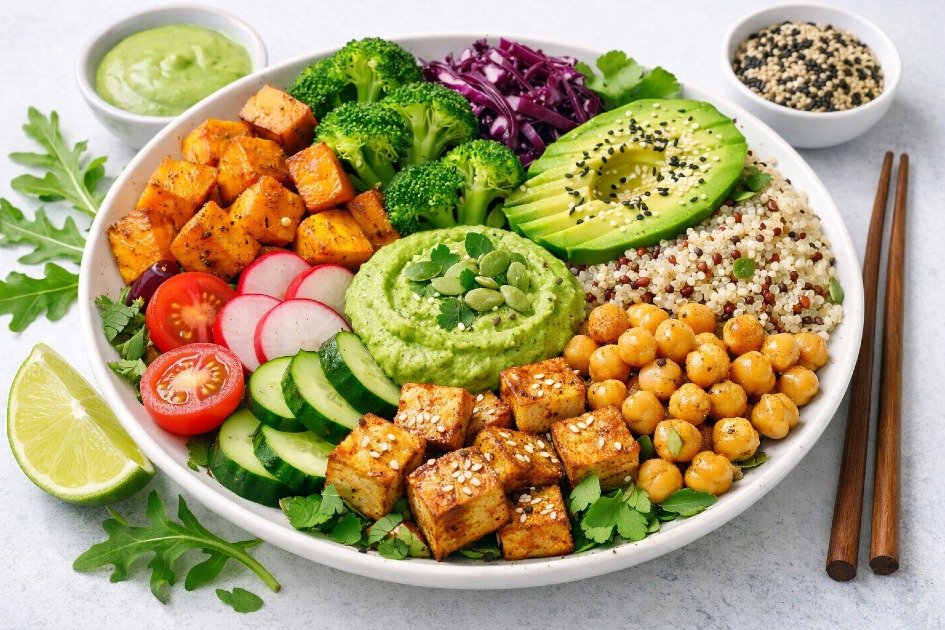
When I first leaned into a vegan lifestyle, it was not about strict food rules or fitting a label. I wanted more energy, a clearer mind, and better control over everyday choices that once ran on autopilot. This way of living encourages mindful decisions, not limits, and that simple shift makes a real difference.
How will this lifestyle change your daily choices?
Many people think this lifestyle only means cutting out animal foods. That belief causes stress, awkward moments, and the feeling of giving things up. When people focus on what they cannot have, their drive disappears fast.
It encourages a whole plant-based lifestyle which helps people eat with intention, care about where food comes from, and enjoy colorful meals that match their values, not just what is easy or fast.
When I changed how I planned my meals, grocery shopping became easier and less stressful. A simple plant-based meal planner journal helped me stay on track and notice what foods made me feel my best.
Does healthy living go beyond what you eat?
Many people focus only on what they eat and forget how they live. When daily habits do not support food choices, progress slows, energy drops, and frustration sets in.
When you buy with care, your mind feels lighter. Simple choices create steady routines that help you stay balanced over time.
Simple upgrades, like using a non-toxic kitchen starter set, made my vegan lifestyle feel natural and connected to my everyday life.
Will this way of living keep me healthy for years?
Doubt often starts with fear when people worry about missing nutrients, feel tired, or struggle in social settings. Those worries can stop them even before they try.
Learning removes fear when you know what nutrients do and how your body feels to build trust in your choices. A simple plan with room to adjust helps you stay steady without feeling trapped.
I added a plant-based mult-inutrient supplement to cover simple gaps while I learned better food choices. That is when vegan living stopped feeling new and started feeling like my normal life.
Health benefits of going vegan
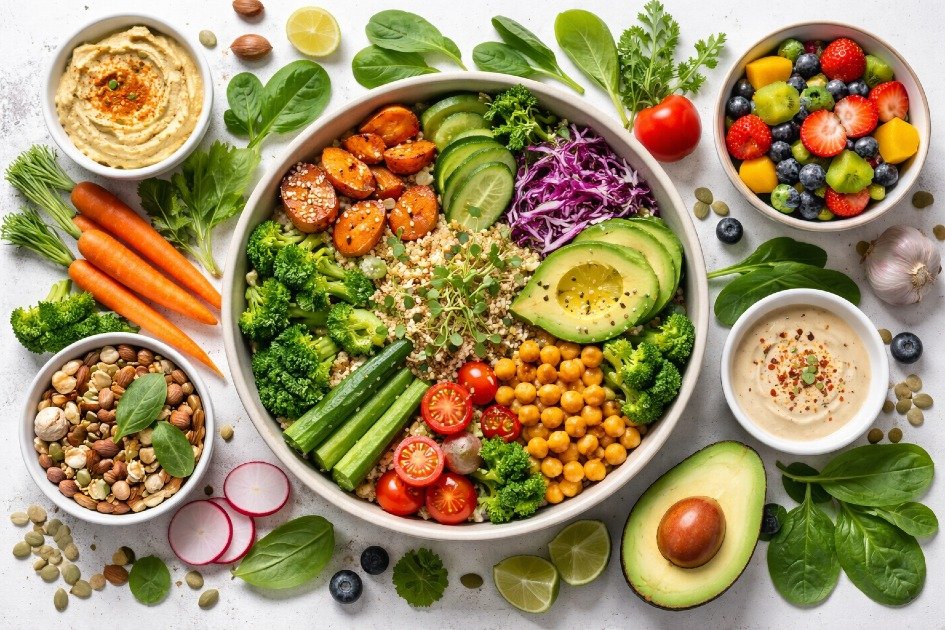
By mid-afternoon, my energy used to vanish even with healthy meals. Switching to a vegan way changed how I fuel my body, stay focused, and support long-term health.
How can plants keep your energy steady all day?
Chronic tiredness can come from meals that spike blood sugar and slow digestion, leaving you drained in the afternoon even after enough sleep. A vegan diet focuses on nutrient-rich foods to keep energy steady all day.
Focus on meals with whole grains, colorful vegetables, and healthy fats to keep energy steady and fight cell damage. Swapping white bread or pasta for oats or quinoa can prevent tiredness after eating.
When I switched to steady, clean fuel, my energy stayed even all day. I combined balanced meals with plant-based protein powder and whole-food greens powder, and mornings became simple and strong.
Do plant foods help you live longer and healthier?
Eating too much saturated fat and inflammatory foods quietly stresses your heart and blood vessels. A vegan diet helps keep arteries flexible and cholesterol in check.
Eating beans, berries, leafy greens, and seeds rich in omega fats help your blood vessels work better, keep cholesterol balanced, and improve circulation. Eating them regularly strengthens long-term health.
I started taking cold-pressed flaxseed oil softgel and adding organic chia seeds to my meals. I felt stronger and more protected. When my checkups came, the results matched what I had been noticing inside.
Can plant foods speed up daily recovery naturally?
Low-grade inflammation can show up as stiff joints, brain fog, and lingering soreness. These issues may come from what we eat.
Focus on foods that fight inflammation and boost healing. Eat turmeric, ginger, broccoli, and berries to support your immune system. Drinking enough water and getting a mix of vitamins and minerals makes these foods work even better.
I felt my recovery get faster when I added curcumin with black pepper and organic berry antioxidants to my routine. My movements became smoother, and morning stiffness went away. Choosing a vegan lifestyle helped my body heal naturally.
Nutrition essentials for vegans
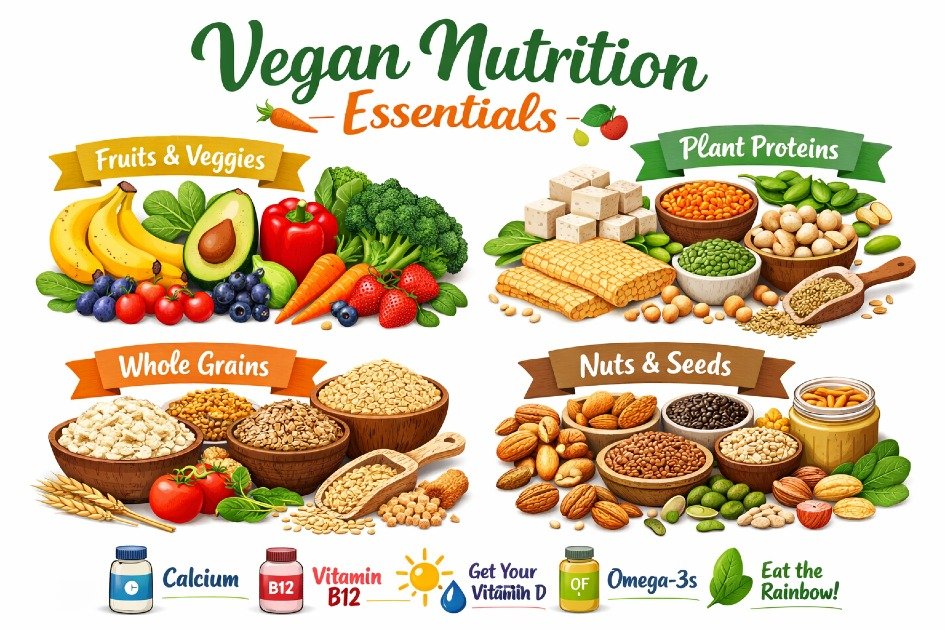
Eating a vegan diet works best when you focus on getting the right nutrients. The right foods boost energy, curb cravings, and make meals more satisfying.
How can you boost protein without overeating?
New vegan eaters often rely on salads, smoothies, and simple carbs. This can cause energy dips, late-night cravings, and the feeling that plant-based meals do not keep you full.
Focus on protein-rich foods like beans, lentils, tofu, tempeh, edamame, and quinoa rather than just eating a lot. Pair them with fiber-filled veggies and healthy fats to feel full longer. Spread protein through each meal to keep blood sugar steady and curb hunger.
Once I started adding protein to every meal, my energy changed completely. A scoop of plant-based protein powder in the morning and sprouted lentils at lunch stopped my afternoon crash.
How can you avoid nutrient gaps on a vegan diet?
Feeling tired, struggling to focus, or noticing weak nails may mean your body lacks key nutrients. Many vegans miss iron, B12, omega-3s, iodine, and zinc even with a clean diet.
Combine iron-rich plants with vitamin C for better absorption. Use iodized salt or sea vegetables in moderation and choose algae-based omega-3s. Knowing when to take B12 shows smart nutrition and being precise beats guessing.
I avoided supplements at first. Then I tried B12 drops and algae omega-3 capsules. Within weeks, my focus and energy soared. My lab results got better, and I just felt sharper every day.
What simple tricks make every meal nutrient-rich?
Making every meal a math problem tires the mind. Many vegans quit not from what they eat but from thinking too much about it.
Fill half your plate with bright vegetables and fruits, a quarter with protein, and a quarter with whole grains. Add healthy fats and switch up your ingredients each week to keep meals nutritious and interesting.
I stopped overthinking every meal and filled my kitchen with simple staples. With things like chia seeds, frozen beans, and nutritional yeast ready, healthy meals almost made themselves. Eating well became easy and stress-free.
Fitness and performance on a vegan diet
Athletes are turning to a vegan diet to boost strength, endurance, and recovery, relying on natural plant foods instead of supplements.
How do plants help you grow strength fast?
Many worry that skipping animal protein will make them lose muscle. They fear their strength will stall on a plant-based diet.
Muscles grow when you eat enough protein, get a variety of amino acids, and challenge your body with strength training. Foods like beans, lentils, quinoa, tofu, and tempeh give the building blocks your muscles need. Combining resistance exercises with enough calories helps your muscles get bigger and stay strong.
When I changed my training, I stuck to simple foods and plant protein powder after workouts. My strength grew, recovery felt easier, and my joints stayed happy.
Can eating plants boost your energy for workouts?
Running out of energy too soon in workouts usually happens when your muscles lack glycogen and blood flow is slow.
Eating plant-forward meals with leafy greens and beets helps your body deliver oxygen better and fight tiredness. Drinking enough water and keeping your minerals balanced keeps you energized longer.
Eating whole-food carbs and a beetroot mix before workouts boosted my energy and made breathing easier, helping me run longer and train better as a vegan.
How do you stay strong and avoid burnout?
Muscles that stay sore and workouts that feel harder than usual often mean your body is not getting enough rest and is battling too much inflammation.
Berries, turmeric, ginger, and seeds rich in omega-3s can soothe muscles and calm your nerves. Getting good sleep and eating well after exercise are just as important as the workout itself.
My evenings improved when I added an omega-3 algae supplement and ate more magnesium-rich foods. I slept deeper and woke with less stiffness.
Vegan lifestyle and mental wellness
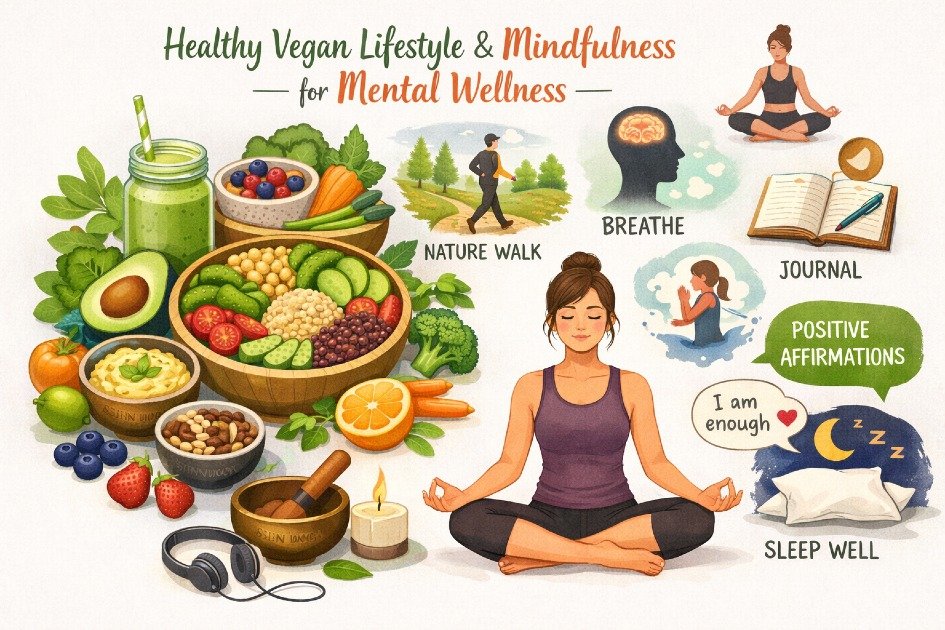
Your mind shows signs of stress before your body does. Eating a vegan diet can boost your mood, clear your mind, and strengthen your resilience over time.
Can eating plants help you feel happier each day?
Mood swings, low energy, and lack of motivation can get worse when your body lacks key nutrients or when blood sugar spikes and drops. Eating too many processed foods can make irritability stronger and the brain fog.
A diet rich in leafy greens, beans, nuts, and seeds boosts brain chemicals and calms the nerves with magnesium. Whole grains steady energy and mood, while cutting foods that cause inflammation can lift spirits.
I started eating more plant-based foods and took a daily omega-3 supplement. Within weeks, I felt calmer and steadier, even on stressful days.
Does eating plant foods help your brain stay sharp?
Brain fog, poor focus, and slow thinking often come from nutrient gaps and oxidative stress. Our minds get overloaded more easily.
Bright fruits, cacao, and colorful veggies shield your brain and keep nerves strong. Whole grains and beans give B vitamins that boost thinking and memory. Eating a mix of these foods fuels your mind steadily without crashes.
Swapping heavy lunches for plant-filled bowls and adding organic super greens powder cleared my afternoon fog. My writing flowed, decisions came easier, and my mind felt sharper than ever.
Can plant foods calm your mind and ease stress?
Chronic stress can keep you up at night. High cortisol confuses your body clock, making it hard for your mind to relax and fall asleep.
Eating foods high in tryptophan, potassium, and plant nutrients helps your body relax and make melatonin. Evening meals with calming plants balance stress hormones and support better sleep.
Evening herbal teas with magnesium-rich dinners and plant-based calm support capsules help me sleep faster and wake up refreshed. Changing my meals this way did not just improve my diet; it also deepened my rest.
Transitioning to vegan living
Choosing foods that boost your body, mind, and values starts real change. Living a vegan life takes focus, patience, and a simple plan, not perfection.
Can you eating plant based without giving up?
Starting a vegan diet can feel overwhelming. Supermarket shelves seem confusing, old meals do not work, and worrying about making mistakes can stop you before you even try.
Start shifting to a plant-based diet by swapping one animal product each week with a plant-based alternative. Use easy favorites like rice bowls or soups to make the change simple and build confidence.
I used a plant-based starter cookbook and a pantry essentials bundle made meal choices easy and saved me time. Having clear guidance took away stress and made the transition smooth and manageable.
What to eat for steady energy all day?
Hunger hits when meals are light. Many new vegans eat too little protein or healthy fat, leaving them tired and craving snacks. This often makes people think a vegan diet cannot keep you full.
Feel full longer by pairing fiber-packed carbs with beans, seeds, and healthy fats. Try lentils with quinoa or chickpeas with tahini. Add texture and warmth to every meal.
I started tracking my meals and quickly noticed what I was missing. Adding a plant-based protein powder and planning whole-food meals gave me more energy and kept my appetite steady.
How do you stay on track when life gets busy?
Social events, trips, and stress can break even the best vegan plans. Easy choices take over, and daily routines fall apart. Without simple preparation, staying consistent becomes hard.
Cook in batches two times a week. Keep healthy snacks within reach. Pick one safe meal at each restaurant by making choices ahead to stay consistent.
I relied on simple tools that cut last-minute stress. A high-speed blender whipped up quick meals, and plant-based snack packs kept me fueled on the go. These small habits kept my healthy lifestyle steady, even on busy days.
Vegan lifestyle and sustainability
Mindful eating helps the planet by guiding simple daily choices. It connects your health to caring for the environment without expecting perfection.
Can plant-based foods reduce pollution?
Many people want to live green but feel small against big climate problems. Recycling or driving less helps, but the damage from industrial farming, like draining water, ruining soil, and adding pollution, often get ignored.
Eating more plants like beans, grains, and seasonal fruits and vegetables eases the pressure on farming, helps restore the land, and supports crops that improve nature.
When I began checking labels and choosing foods closer to the source, my shopping habits shifted quickly. I replaced plastic-packed items with long-lasting staples and started using glass containers and reusable produce bags. It made shopping easier, kept my meals organized, and cutting waste naturally.
Can a vegan lifestyle promote ethical eating?
Many people see sustainability as all or nothing. They worry about being judged, clashing with others, or giving up family food traditions. Stress makes it easy to give up trying.
Ethical eating thrives when it stays flexible and guided by values. Buying from local farmers, choosing fair-trade products, and cutting back on animal foods little by little can make a significant difference.
On busy days, I chose plant-based protein blends to keep meals easy. They saved time and helped me eat in a way that matched my values.
Why does eating vegan reduce stress on planet?
It is easy to think one person’s food choices do not count. People feel tired of hearing about the environment, and big systems can seem more powerful than personal action.
Eating more plant-based meals protects wildlife, saves water, and eases pressure on our food supply. When people choose these foods often, they help build a healthier planet by supporting cleaner, more stable systems over time.
Once I saw how my choices shaped others, my drive grew. Slight changes, with earth-friendly pantry items, sparked easy talks that slowly spread real impact.
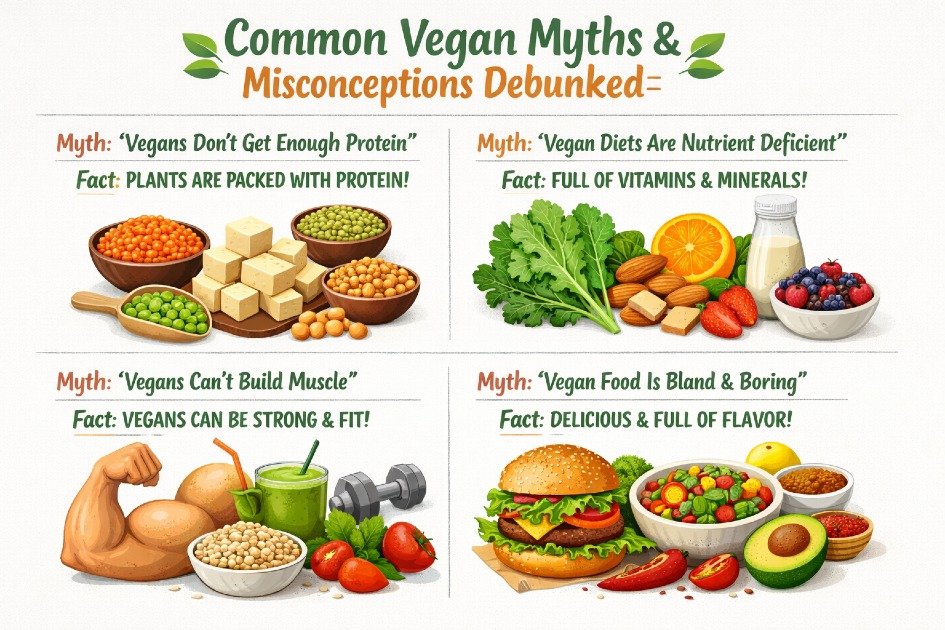
Vegan myths and misconceptions
The strongest doubts often come from people who know the least, and endless scrolling shows many bold claims that fall apart in real life.
Is a plant-based diet really low in protein?
Some beginners believe protein only comes from meat. This belief can cause worry about low energy, weak muscles, and poor strength. Protein is found in many everyday foods that support stamina and healthy muscle growth.
Protein is easy to find in lentils, beans, tofu, tempeh, quinoa, seeds, and nuts. When you eat a mix of plant foods during the day, your body gets all the amino acids it needs. Your body adjusts well and uses protein more efficiently than many people think.
I paid close attention to my energy and recovery as I blended organic pea protein powder into my smoothies and kept roasted chickpeas ready for snacks. My strength stayed steady, and my energy felt lighter and more focused.
Are supplements helping your health?
Many people think a plant-based diet means taking lots of supplements every day. That idea makes healthy eating seem hard and costly, even though it can be simple and natural.
Most nutrients are easy to get from whole foods when you plan balanced meals. Many people add vitamin B12 for support, while iron, calcium, and healthy fats come naturally from thoughtful food choices.
I relied on one B12 methylcobalamin supplement and ate foods like chia seeds and leafy greens. Cutting back on supplements lowered my stress and made my daily habits easier to keep long term.
Are most plant-based foods overly processed?
Some people think all meat alternatives are overly processed and bad for health. This idea mixes up quick convenience products with simple foods that can support a balanced diet.
Whole foods build a strong, healthy way of eating. Use packaged foods only when needed, not every day. Check labels and choose simple ingredients.
I always stock veggies and whole-grain pasta so that I can save time cooking healthy meals.
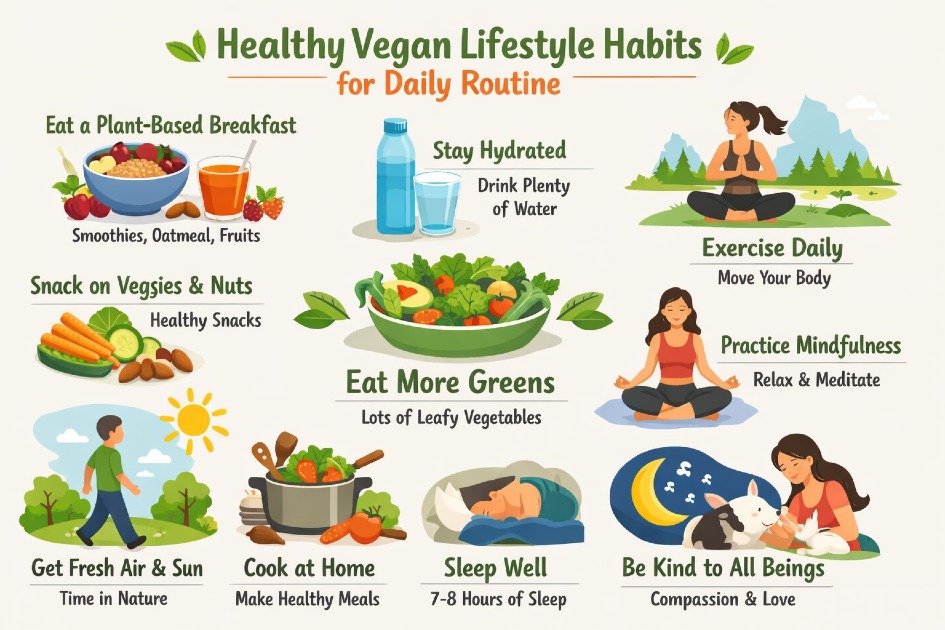
Making vegan habits part of your routine
Adopting a vegan lifestyle means more than changing what you eat. You also need to build daily habits that support health and sustainability, even when life is busy or social events tempt you.
What smart tips help you stay vegan while traveling?
Eating out or traveling can be tricky for vegans because most menus focus on meat and dairy. Safe choices are often limited to salads, which can leave you low on energy and key nutrients.
Travelers should check plant-based dining options, learn a few local phrases, and ask for meals to be customized. Bringing healthy, portable snacks like roasted chickpeas or protein bars to fuel and prevent tiredness on long journeys.
On my journey, I stumbled upon local spots that offered fresh plant-based meals. I packed a small travel container with nuts and dried fruit, so I never had to skip food and always felt energized.
What simple tricks make vegan meal prep easier?
Many new vegans find it hard to stock a pantry that makes healthy meals easy. Without planning, they often turn to processed foods or eat the same dishes, missing key nutrients.
Build a meal plan menu considering foods like whole grains, beans, seeds, nuts, fruits, and vegetables to support balanced.
I reorganized my kitchen with clear stackable jars for grains and beans, making everything easy to see and reach. With a stocked pantry, I can quickly make filling meals like lentil stew or chickpea curry, keeping cooking simple and enjoyable.
What habits keep you excited about vegan life?
Sticking to a vegan lifestyle can feel lonely when those around you do not understand. It is easy to doubt yourself or feel frustrated when challenges come.
Join a group of people who share your healthy eating goals through social media, local meetups, or cooking classes. Celebrate small wins like trying new recipes or cutting back on processed foods. Write in a journal to track your energy, mood, and progress.
As my energy grew and my health improved, I realized this way of eating is not limiting—it is full of flavor, choice, and nourishment.
Recap: Vegan Foods Strengthen Your Body
Embracing a vegan lifestyle means more than avoiding animal products; it embodies a vibrant, conscious, and sustainable way of living.
According to Harvard Health, plant-based foods are abundant in fiber, vitamins, minerals, and phytonutrients, which promote overall health, lower blood pressure and cholesterol, and are associated with a decreased risk of chronic diseases as part of a balanced diet.
This lifestyle cultivates mental clarity and emotional resilience, fostering a sense of purpose and empowerment.
Integrating simple changes can lead to significant benefits, promoting discipline, compassion, and an electrifying sense of energy that positively impacts all areas of life.
Powering up with a vegan lifestyle is not just a choice. It is a movement. A declaration. A commitment to your best, most vibrant self. Your body deserves it, your mind craves it, and the world will thank you for it.
Frequently Asked Questions
Can anyone thrive on a vegan lifestyle, regardless of age?
A balanced vegan lifestyle fuels the body at every age, helping teens thrive and seniors stay nourished. By prioritizing nutrient-dense options like vegan protein powders, leafy greens, legumes, and fortified plant milks, individuals can meet their nutritional needs.
Active adults and athletes can also thrive by effectively combining proteins, complex carbohydrates, and healthy fats.
How quickly can you expect to see health benefits from vegan eating?
Many individuals experience enhanced energy, digestion, and mental clarity within weeks, while long-term benefits include better heart health, reduced inflammation, and weight management over months.
Vegan-friendly vitamins like B12 and omega-3s can expedite these results and promote overall wellness.
How do you manage social situations or family meals as a vegan?
Social dining can be enhanced by informing hosts in advance, bringing a favorite dish, or choosing restaurants with diverse plant-based options.
Numerous apps and websites provide listings of vegan-friendly dining, ensuring a pleasant and hassle-free experience.
Are all vegan processed foods healthy?
Many packaged vegan foods can be high in sugar, sodium, or refined oils. It is advisable to focus on whole foods, colorful vegetables, and legumes, while considering vegan meal kits or pantry staples as convenient, nutrient-dense options.
What is some budget-friendly tips for maintaining a vegan lifestyle?
Stocking up seasonal produce, dried beans, lentils, and grains can save money and ensure your kitchen is well-equipped with vegan pantry essentials.
Preparing simple, homemade vegan meals is often more economical and provides better nutrient density than prepackaged options.
Can vegan eating support mental health?
Plant-based diets high in antioxidants, fiber, and healthy fats can enhance mood and cognitive function. Including vegan superfoods such as chia seeds or spirulina may also aid in mental clarity and stress reduction.
Are supplements necessary on a vegan diet?
While a nutrient-rich vegan diet meets most needs, nutrients like B12, vitamin D, and omega-3s are less abundant in plant foods. vegan supplements can help meet daily requirements safely.
How do I make sure I do not feel hungry or fatigued on a vegan diet?
Incorporate healthy fats from nuts, seeds, and vegan oils to maintain stable energy levels. Build meals around whole grains, beans, and vegetables to fuel your body through the day.
Regular, balanced meals provide a consistent fuel supply for the body.
Can a vegan lifestyle be sustainable for the environment?
Shifting to a vegan lifestyle reduces carbon footprint and conserves water and land resources, promoting both personal health and environmental stewardship.