


Have you ever felt drained climbing a flight of stairs, or noticed how carrying groceries suddenly feel heavier than they used to? These small moments show your body needs real care, not just the bare minimum.
According to Harvard Health, strength training builds stronger muscles and bones, and offers additional benefits beyond these effects.
Fitness is essential for daily living, influencing our movement, energy levels, and confidence. It is often undervalued, seen as optional, yet it is fundamental for vitality.
Reclaiming control over physical health requires simple, consistent actions, focusing on strength and fitness to enhance life quality.
The emphasis is on natural lifestyle integration and transformative daily choices that lead to long-term health and confidence. Immediate action is encouraged to avoid further physical decline.
This guide outlines key pillars of fitness and mental well-being, offering practical, sustainable strategies for beginners and those refining their routines.
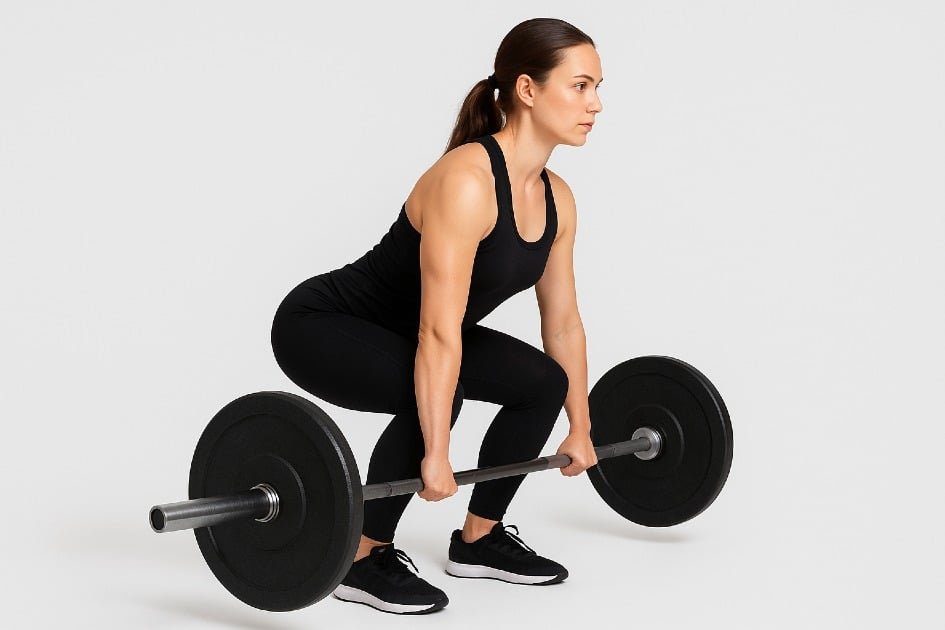
Core basics of true strength and fitness
True strength and fitness extend beyond lifting weights and running; they impact movement, feelings, and aging. Understanding their true meaning and interplay is essential for meaningful progress in daily life.
What strength means beyond muscles
Strength is fundamentally the body’s capacity to manage resistance, which includes everyday actions like carrying groceries, climbing stairs, and maintaining good posture while working.
Practicing everyday movements like squats, push-ups, and planks enhances muscle, balance, and coordination. Resistance bands are effective for building functional strength at home.
I think about lifting my child, pushing a lawnmower, or carrying a heavy box. These everyday moments remind me that real strength matters in my life, not just in the gym.
Fitness means more than cardio alone
Fitness encompasses more than just cardio; it includes endurance, flexibility, mobility, and mental resilience. Being “fit” means having the ability to move easily, recover quickly, and maintain energy throughout the day, rather than just being able to run marathons.
Practices like yoga and Pilates enhance flexibility, while strength training increases endurance. Daily brisk walking while using a fitness tracker can aid in maintaining accountability.
I am fit when I have steady energy that lets me enjoy time with my family and friends after work instead of feeling drained and worn out.
Strength and fitness build total body health together
Strength training and cardiovascular health are interdependent, enhancing each other’s benefits. Strength training improves cardio endurance, while good cardiovascular health aids muscle recovery.
Incorporate strength training for three days and moderate cardio for two days into your weekly routine. Include active recovery days with stretching or light yoga to aid recovery.
I think of my body as a car. My strength works as the engine that gives me power, and my fitness acts like the fuel system that keeps everything running smoothly.
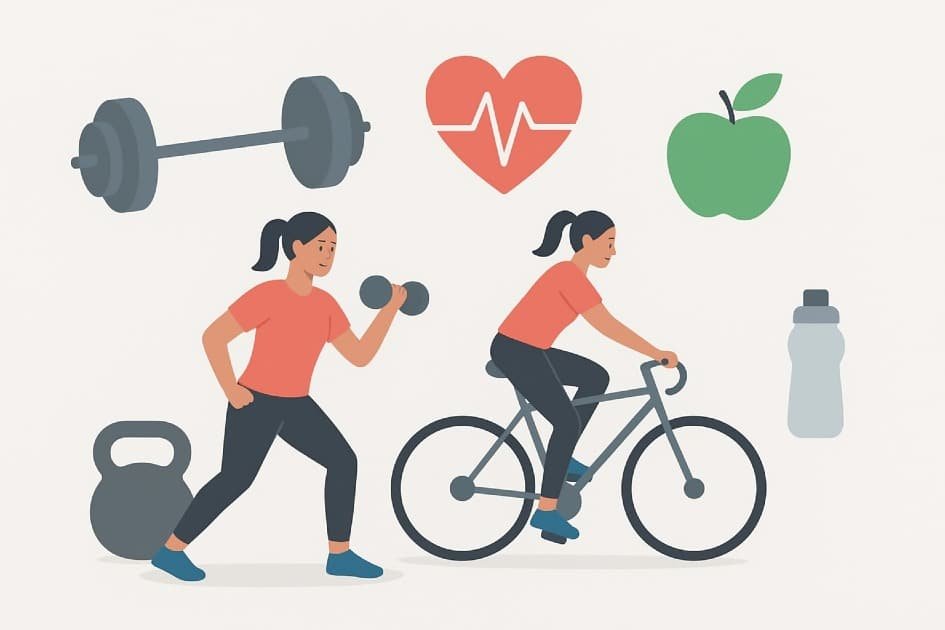
Strength and fitness boost daily health
Building strength and fitness is crucial for improving overall daily life, including energy levels, mobility, mental clarity, and longevity. Investing in strength and fitness today results in significant benefits for the future.
Energy for daily activities without feeling drained
Many people depend on caffeine or sugar to combat daily fatigue, which indicates a lack of functional strength and fitness. Weak muscles, inadequate cardiovascular endurance, and inefficient energy utilization contribute to feelings of exhaustion by midday.
Integrating simple habits such as bodyweight exercises, brisk walks, or short resistance training can enhance energy levels.
I noticed that when I add just 20 minutes of simple strength exercises to my day, my afternoon slump almost disappears. I stay awake, focused, and I do not even feel the need for a midday coffee.
Strong muscles build healthy joints and posture
Weak muscles negatively affect not only appearance but also joint function, posture, and movement efficiency. Activities such as lifting groceries, climbing stairs, or sitting can become painful, and poor posture may lead to chronic discomfort.
You strengthen key muscles and use simple moves like squats, lunges, and push-ups to keep your joints steady and aligned.
I added a simple strength routine that targeted my back and hip muscles, my lower back pain eased fast, and I began moving with more confidence and ease.
Mental health benefits you cannot ignore
Engaging in exercise promotes the release of endorphins, dopamine, and serotonin, which can enhance mood and alleviate stress.
When you lift more, run farther, or move easier, you feel stronger inside. These small wins build real confidence and help you stay resilient.
I realized that after a few weeks of steady strength exercises, my mind felt clearer, my mood stayed steady, and managing daily tasks became easier for me.
Fitness builds lasting strength and energy for life
A strong and fit body promotes long-term vitality, reducing the risk of chronic diseases such as diabetes, heart disease, and osteoporosis, while also preserving mobility, balance, and independence in later years.
Moderate weightlifting, functional training, and cardiovascular activities, can significantly impact aging gracefully, preventing falls, and supporting an active lifestyle.
I have watched people close to me in their 50s and 60s gain strength and feel more independent just by doing 30 minutes of simple strength exercises each day.
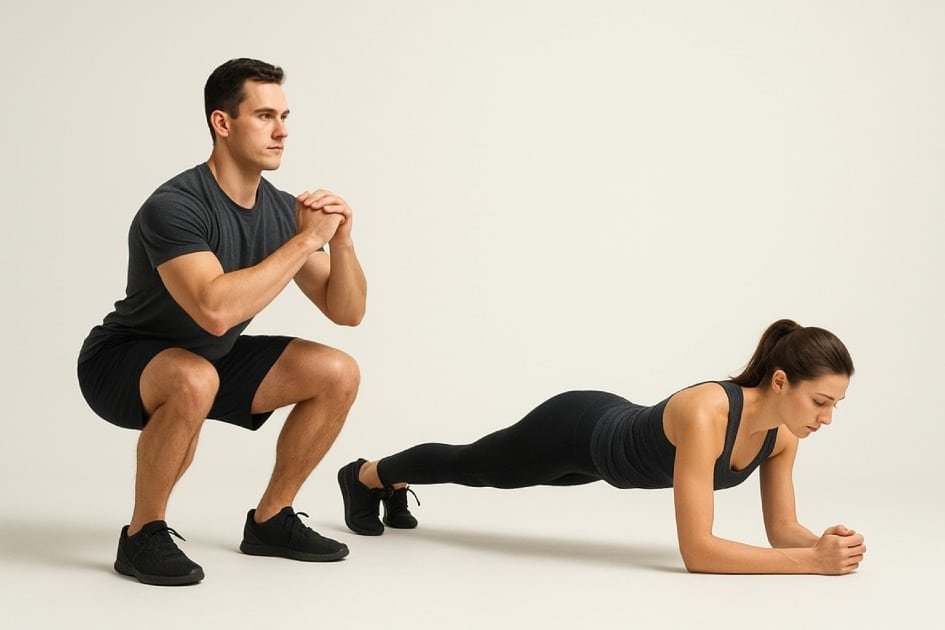
Core building blocks of strength
Strength and fitness are essential for a healthy and energized life, contributing to confidence, long-term health, and sustainable habits.
Nourish your body with smart eating
Why it matters:
Your body requires essential nutrients for muscle growth, cognitive function, and immune defense. Neglecting these nutrients or depending on processed foods can result in fatigue, delayed recovery, and a higher likelihood of injury.
How to do it:
- Pick lean meat, beans, eggs, or plant-based options to support daily repair. You can also use protein whey isolate for quick, easy protein when you need it.
- Choose smart carbs and healthy fats to power your workouts. Pick whole grains, fruits, vegetables, avocados, and nuts to keep your energy steady and strong.
- Eat a protein-rich meal within two hours after your workout to help your muscles recover faster.
- Stay hydrated by drinking water regularly since even mild dehydration can reduce your strength by up to 20%.
I boost my strength and fitness by simply eating one more serving of vegetables or having a protein shake each day.
Show up often for lasting fitness
Why it matters:
Sporadic, high-intensity exercise can result in burnout, injuries, and frustration, whereas consistent training fosters habit formation, reinforces muscle memory, and enhances cardiovascular health.
How to do it:
- Begin with 20 to 30 minutes a day and slowly increase the intensity of your workouts.
- Combine strength, cardio, and flexibility exercises to build a balanced and strong body.
- Try micro-workouts by fitting short exercises into your day to build real progress over time.
- Log your daily habits in a journal or wear a fitness tracker to stay on track and reach your goals.
I stick to my routine every day, knowing small actions build lasting strength and fitness over time.
Rest powers real progress
Why it matters:
Overtraining without sufficient rest causes fatigue, lowers performance, and heightens injury risk; thus, recovery is essential.
How to do it:
- Stick to a sleep routine and follow a calming bedtime habit to help your body rest and recharge.
- Light yoga, walking, or mobility exercises on rest days boost blood flow and speed recovery.
- Eat anti-inflammatory foods such as berries, fatty fish, and leafy greens to help your body heal faster.
- Pay attention to your body and rest when you feel tired, sore, or your performance drops.
I rest regularly so my body can recover, helping my strength and fitness grow faster.
Strong mindset, lasting habits
Why it matters:
Motivation may vary, but maintaining disciplined habits ensures that strength and fitness evolve into a lifelong lifestyle rather than a temporary endeavor.
How to do it:
- Focus on daily actions such as eating a protein-rich breakfast or walking 10,000 steps instead of just aiming to get stronger.
- Boost your energy, lift your mood, and live longer by keeping the benefits in mind.
I stay strong by turning small daily actions into lasting results, building a fitness foundation that never wavers.
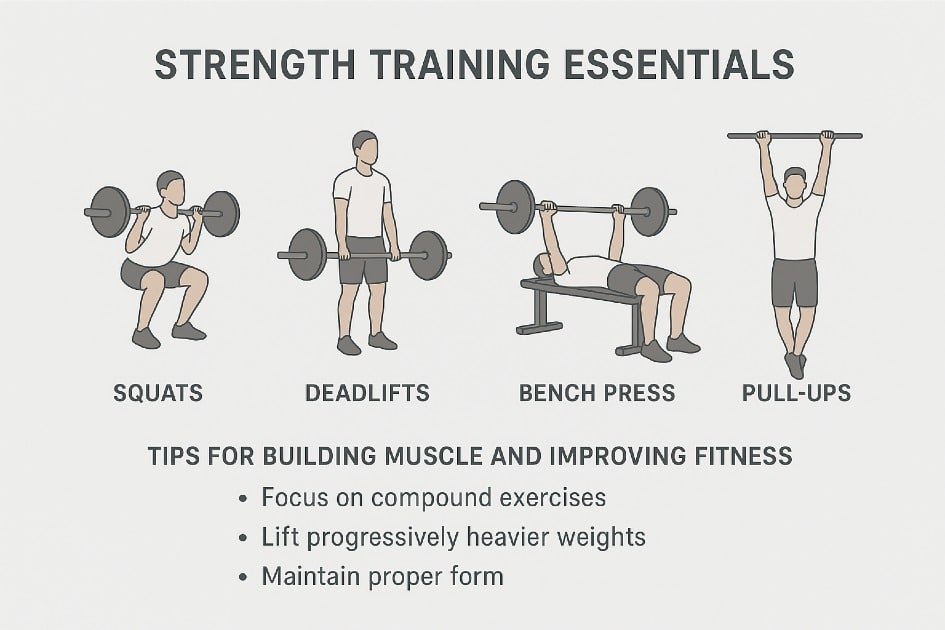
Core strength tips for lasting fitness
Strength training is crucial for resilience, mobility, and overall health. It is essential to understand the fundamentals to ensure safe and effective progress, making strength and fitness a sustainable lifestyle rather than a temporary endeavor.
Essential bodyweight moves for beginners
Why it matters:
Bodyweight exercises establish foundational movement patterns and enhance coordination, balance, and core strength, which are essential for sustained strength and fitness.
How to do it:
- Begin with core exercises such as push-ups, squats, lunges, and planks to build strength and stability.
- Prioritize proper form instead of doing many reps; each correct movement strengthens your body more effectively.
- Push your limits by changing leverage or holding at the bottom of the move.
- Check your strength and mobility each week to notice real improvements.
I strengthened my back and stood taller in just six weeks by doing bodyweight squats and planks every day.
Free weights vs machines for stronger muscles
Why it matters:
Free weights engage stabilizing muscles to improve coordination, while machines safely isolate muscles, making them suitable for beginners or rehabilitation.
How to do it:
- Lift dumbbells and barbells for moves like deadlifts, bench presses, and rows to build strength efficiently.
- Use machines to focus on specific muscles when learning new exercises.
- Include both in your weekly routine to build strength, stay in control, and prevent injuries.
- Start with lighter weights to wake up your muscles and protect your joints.
I try both and pay attention to which movements feel natural while keeping my form correct.
Core strength fuels all movement
Why it matters:
A strong core stabilizes the spine, enhances posture, and improves overall exercise performance. Neglecting core work can result in injuries and hinder strength and fitness outcomes.
How to do it:
- Try planks, Russian twists, and bird dogs in your workouts to strengthen your core and improve balance.
- Move slowly and carefully to engage your deeper muscles.
- Start or finish your workout with core exercises to build strength and stay consistent.
- Use twisting motions to build strength you can use in daily life.
I increased my sprints by doing core planks and bridges three times a week.
Steady stress builds lasting strength
Why it matters:
Progressive overload is essential for muscle adaptation, leading to sustainable strength and fitness growth; without it, progress stagnates.
How to do it:
- Slowly increase intensity every 1–2 weeks by adding weight, reps, or sets to keep getting stronger.
- Log your progress in a journal or use a fitness tracker to see your improvements and stay motivated.
- Start with small, steady changes to protect your body and mind from burnout or injury.
- Push your limits and rest well to get the best results.
I increased my dumbbell press by just five pounds each month and watched my strength grow steadily without feeling stressed.
Compound and isolation moves for faster results
Why it matters:
Compound exercises work multiple joints and muscle groups for efficient and functional workouts, while isolation movements target weaker muscles for improved balance and aesthetics.
How to do it:
- Focus on key lifts such as squats, deadlifts, and pull-ups to build strength efficiently.
- Focus on weak muscles by doing isolation exercises like bicep curls or leg extensions.
- Change your exercises every 6 to 8 weeks to keep your muscles challenged and avoid plateauing.
- Track exercises that boost your everyday strength and mobility.
I see compound movements as the engine that builds my strength and isolation exercises as the fine-tuning that shapes my muscles.
Mastering recovery and perfect form
Why it matters:
Recovery and perfecting form are essential for preventing overtraining and injury while ensuring exercises effectively strengthen the targeted muscles, forming the foundation of strength and fitness.
How to do it:
- Take breaks between intense workouts to help your muscles recover and grow stronger.
- Do active warm-ups before exercise and stretch gently after to keep muscles strong and flexible.
- Check your form by filming yourself or asking a trainer for guidance.
- Feel your body—muscle soreness is normal, but sharp pain signals danger.
I use foam rollers and massage guns to speed up my recovery and keep my muscles feeling fresh.
Real gains through smart tracking
Why it matters:
Tracking progress is essential to avoid stagnation and enhance motivation, as many individuals give up too soon when they fail to see tangible improvements in their strength and fitness.
How to do it:
- Track your workouts by recording the weights, sets, reps, and rest times.
- Track your progress by snapping monthly photos or videos to see changes in your muscles and form.
- Aim for goals that are clear, trackable, and achievable.
I added thirty pounds to my squat in just three months by tracking every workout and changing my weights each week.
Power foods that build muscle
Why it matters:
Muscles require adequate nutrients for repair and growth; insufficient nutrition hampers strength and fitness advancement while increasing fatigue.
How to do it:
- Choose lean proteins like chicken, fish, or protein shakes to build strong muscles and stay healthy.
- Fuel your body with the right mix of carbs and healthy fats to keep energy steady all day.
- Drink plenty of water to help your muscles recover faster.
I make sure my meals before and after workouts fuel my energy and help my muscles recover so I can perform at my best.
Mental strength drives steady growth
Why it matters:
Building mental discipline is essential for establishing consistency in form and nutrition, which in turn fosters long-term strength and fitness habits while preventing burnout.
How to do it:
- Keep a weekly workout schedule and follow it, even with brief sessions.
- Join a group or a workout friend to stay motivated and on track.
- Turn setbacks into lessons and grow from them.
I train my mental resilience like a muscle, growing stronger with each challenge I face.
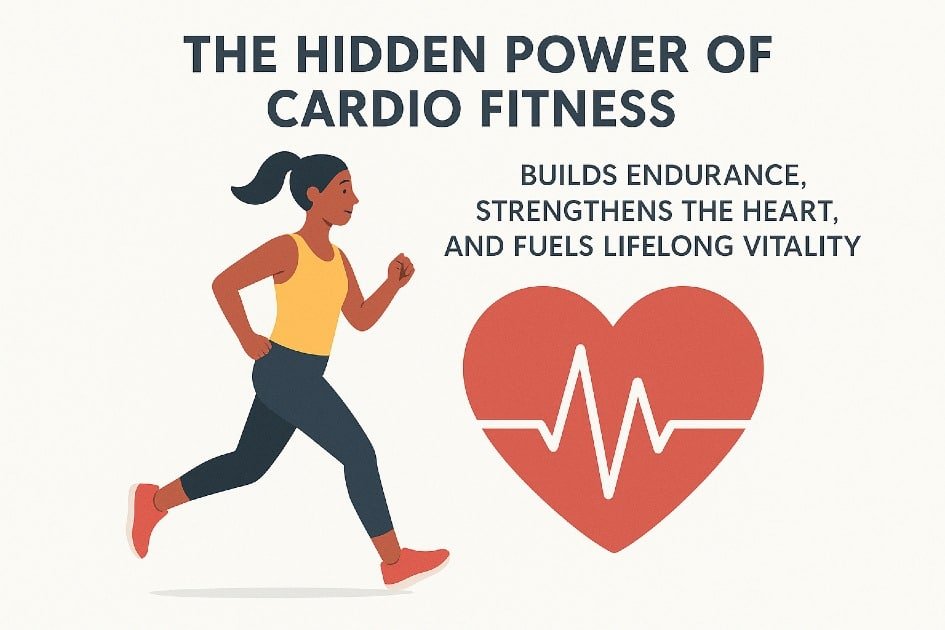
Cardio is essential for a balanced, healthy body, enhancing endurance, aiding recovery, and boosting strength gains, despite often being overshadowed by strength training.
Cardio boosts strength and heart health
Why it matters:
Improving cardiovascular health enhances blood flow, efficiently delivering oxygen and nutrients to muscles. This leads to reduced fatigue during strength workouts, enabling heavier lifting and faster recovery.
How to do it:
- Try doing moderate activities such as brisk walking, biking, or swimming for 20 to 30 minutes, three days a week.
- Try slowly raising your workout intensity by using intervals. Slowly increase intensity for 1–2 minutes, then ease back to recover.
- Track your heart rate so you stay in the best zone for building endurance and burning fat.
I breathe easier during squats and deadlifts after only a few weeks of steady cardio. It boosts my stamina and helps me push through each set with more strength and control.
Cardio styles and best times to try them
Why it matters:
Cardio exercises vary in their effectiveness for strength and fitness goals. Low-intensity cardio aids in fat burning and recovery, whereas high-intensity cardio enhances metabolism and stamina.
How to do it:
- Low-intensity steady state training keeps your body moving without wearing you out. Try walking, light jogging, or easy cycling for 30–45 minutes. Use it on rest days to help muscles recover.
- High-Intensity Interval Training uses quick bursts of challenging work like sprinting, rowing, or cycling with short rests in between. Do it 1–2 times a week to boost your heart health.
- Circuit cardio mixes simple body weight moves like jump squats and burpees can be done every day. Keep your heart rate up, burn more energy, and build stronger muscles at the same time.
Adding a simple 20-minute HIIT workout three times a week while working at the desk made a significant difference. After two months, my bench press went up by about 15 percent without gym.
Balance power and endurance safely
Why it matters:
Overdoing cardio can hinder muscle gains, whereas neglecting it affects endurance and overall health. A strategic integration of both can promote strength and fitness improvements without compromise.
How to do it:
- Do strength training and cardio at various times so your body can give full effort to each workout and recover better.
- Use circuit training or supersets to mix strength moves with quick cardio bursts so you build muscle, burn calories faster, and get more done in less time.
- Make recovery a priority by eating protein and drinking plenty of water after your workout to boost energy and help your muscles repair.
I take a short, fast walk after my strength workouts, my muscles feel less sore and I recover faster. It keeps my body loose, helps my blood flow, and makes the next workout easier.
Cardio as a mental booster
Why it matters:
Cardiovascular exercise enhances mood and reduces stress by releasing endorphins, while also improving mental clarity and concentration during strength and fitness routines.
How to do it:
- Try jogging or cycling outside in a beautiful place to boost your body and calm your mind at the same time.
- Use music or a fun podcast to make your cardio feel easier and more exciting.
I started 15-minute morning jogs and felt more energized all day, making my strength workouts easier and more effective.
Build cardio into daily life
Why it matters:
Consistency is more effective than intensity for cardiovascular benefits; small, manageable steps help avoid overwhelm and promote long-term adherence.
How to do it:
- Try 10–15 minutes at first and slowly increase the time as you get stronger.
- Team up with others by joining a walking group or exercising with a friend to keep your workouts fun and motivating.
I use this reliable heart rate monitor to track my cardio progress with accuracy.
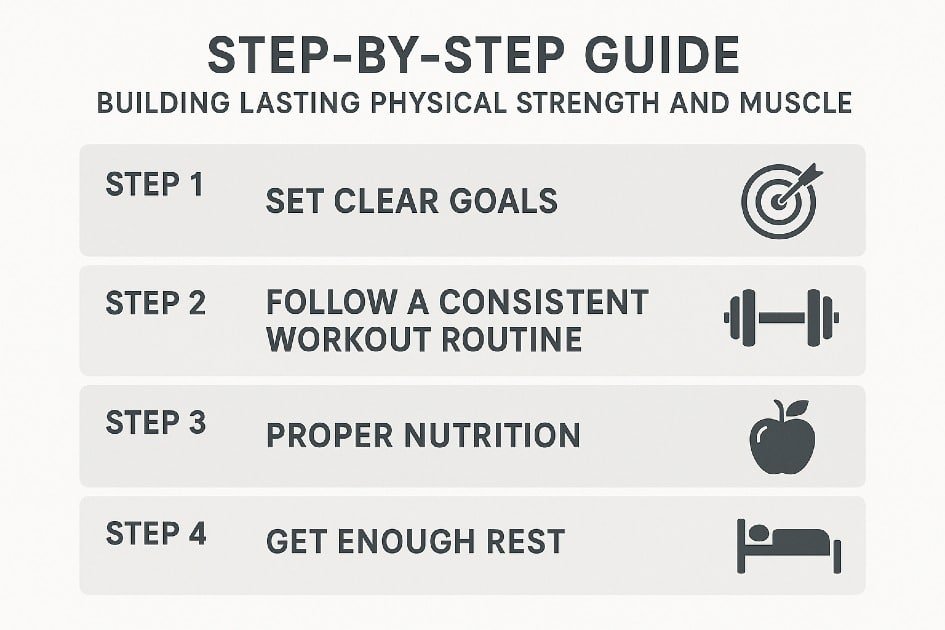
Proven plan for lasting strength
Building strength and fitness requires consistent and strategic efforts, leading to gradual improvements rather than quick changes.
Build a routine that works for you
Why it matters:
Starting small rather than aiming too high helps people develop lasting habits, fostering momentum and confidence essential for strength and fitness.
How to do it:
- Start with two to three workouts each week, keeping each session 20 to 30 minutes.
- Use compound exercises such as squats, push-ups, and planks to work several muscles at the same time.
- Try setting goals you can reach like finishing three full-body workouts this week instead of aiming for two hours in the gym every day.
One of my clients began doing 15-minute bodyweight circuits three times a week. In two months, she grew stronger and more confident, ready to take on a bigger routine without stress.
Weekly strength and cardio made simple
Why it matters:
Strength training builds muscles, while cardiovascular health enhances endurance, energy, and resilience. A balanced approach prevents burnout and optimizes bodily function.
How to do it:
- Train three times a week with strength exercises and add two cardio sessions weekly.
- Combine bursts of high-intensity exercises like sprints or jump rope with steady exercises such as brisk walking or cycling to boost heart health and burn more calories.
- Take regular rest or active recovery days to keep your body strong and avoid overtraining.
- Start slowly and increase your workout intensity over time to prevent injury and build strength safely.
I train for strength on Monday, Wednesday, and Friday, then go for brisk walks on Tuesday and Thursday. I recover faster, build endurance, and never feel drained.
Monitor gains without fixating on stats
Why it matters:
Focusing too much on scales or weights may lead to discouragement, whereas tracking results through gradual progress in strength and fitness enhances accountability and motivation.
How to do it:
- Track your strength by writing down reps, sets, and weights for each workout.
- Track your changes by taking progress photos every month or so to see how far you have come.
- Track your energy, sleep, and recovery to see how well your body is improving.
I saw no change on the scale, but I got 20% stronger in just six weeks. Hitting new personal records motivated me far more than the number on the scale.
Flex your workouts around busy days
Why it matters:
Life is unpredictable; therefore, missed workouts should not hinder progress, as maintaining flexibility is crucial for long-term strength and fitness.
How to do it:
- Try quick workouts lasting 10 to 20 minutes when you are short on time.
- Swap gym sessions for modest home workouts using just your body weight or a few basic tools.
- Keep moving regularly, doing one exercise beats doing none.
- Catch up on missed sessions when your week gets off track.
I swapped one gym session for a 15-minute resistance band workout at home and kept my strength without adding stress.
Prioritize perfect form over heavy weights
Why it matters:
Incorrect technique can cause injuries, impede progress, and diminish confidence, while precise movements enhance strength and fitness growth.
How to do it:
- Start with bodyweight exercises and master your form before using weights.
- Learn from certified trainers by watching their tutorial videos or getting personal guidance.
- Move with control instead of rushing or lifting too much.
- Focus on controlled movement, not speed or heavy loads.
I collaborated with a client who could not lift much on deadlifts until she learned to hinge on her hips. Once she got it, her lifts went up safely and fast.
Boost strength with smart recovery
Why it matters:
Muscles develop during recovery rather than during exercise, which is essential for preventing plateaus, minimizing injuries, and enhancing overall strength and fitness.
How to do it:
- Get 7–9 hours of sleep each night to boost energy, sharpen focus, and strengthen your immune system.
- Try foam rolling and stretching after your workout to boost flexibility and keep your muscles healthy.
- Take easy movement days with walking, swimming, or yoga to help your body recover and stay strong.
- Pay attention to your body and rest when you feel tired instead of ignoring the pain.
I saw one client boost her squat by fifteen pounds just by resting more and drinking enough water between workouts.
Fuse strength with everyday fitness
Why it matters:
Functional exercises enhance daily performance and stability while minimizing injury risk by mimicking real-life movements.
How to do it:
- Add lunges, kettlebell swings, and push-pull exercises to your routine.
- Train using movements in all directions instead of only straight-up lifts.
- Try balance and stability exercises such as standing on one leg or tossing a medicine ball.
- Notice progress in everyday tasks like carrying groceries or climbing stairs.
I lifted my client’s confidence when he started carrying his children and groceries with ease, showing real strength that helps in everyday life.
Fuel your body for strength and fitness
Why it matters:
Nutrition is essential for strength and fitness, providing the necessary energy for workouts, repair, and muscle growth.
How to do it:
- Eat enough protein from lean meats, beans, or simple protein supplements.
- Balance carbs and fats to keep your energy steady all day.
- Stay hydrated because water helps your body recover faster and keeps your energy strong.
- Try protein powders or easy meal-planning guides to help you stay energized and on track every day.
I watched a client get stronger fast after tracking his daily protein intake and planned meals for each workout.
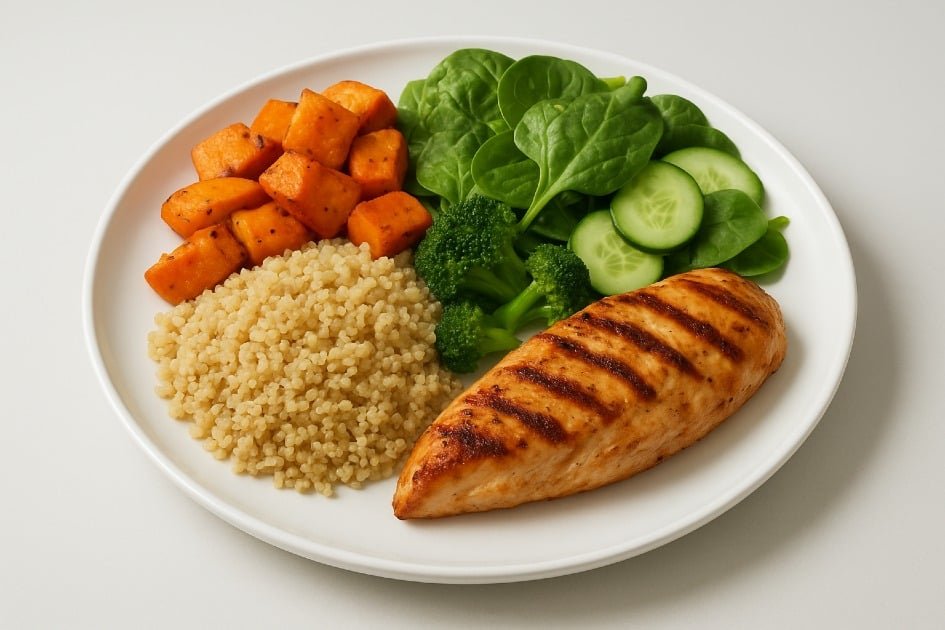
Nutrition for peak strength and performance
Proper nutrition is essential for optimal strength and fitness, influencing muscle growth, recovery, and performance. Inadequate nutrition can undermine the effectiveness of workouts.
Muscles grow strong with protein
Why it matters:
Protein is crucial for repairing muscle fibers and fostering strength post-exercise. Insufficient protein intake can hinder recovery and impede progress in fitness.
How to do it:
- Aim to get 1.2 to 2.0 grams of protein for every kilogram you weigh each day.
- Choose different protein options like lean meats, eggs, dairy, beans, and even protein powder to keep your body strong and well-fed.
- Spread your protein throughout the day to help your muscles grow strong.
- After your workout, eat protein within 30 to 60 minutes to help your muscles repair and grow.
I aim for 84 to 140 grams of protein a day from foods like chicken, Greek yogurt, and lentils. They keep me strong, full, and energized without making my meals complicated.
Fuel smart with carbs and fats
Why it matters:
Carbohydrates are essential for high-intensity workouts, whereas fats aid hormone production and provide long-term energy. Neglecting either can lead to fatigue or hinder muscle growth.
How to do it:
- Carbs matter, so choose complex ones such as oats, brown rice, sweet potatoes, and quinoa to fuel your body longer and keep your energy steady throughout the day.
- Choose healthy fats from avocados, olive oil, nuts, and fatty fish to fuel your body and support long-lasting energy.
- Use carbs in a smart way. Eat a small amount before tough strength training to boost your energy.
- Avoid processed sugars and trans fats because they give quick energy but quickly drain it, leaving you tired.
I watched a client raise her deadlift by 20% in just eight weeks after she started eating a balanced meal with carbs and protein about 90 minutes before training. It fueled her muscles and kept her energy steady.
Hydration powers your body and mind
Why it matters:
Even mild dehydration can diminish muscle strength, hinder recovery, and increase workout difficulty, as muscles require water for optimal function, nutrient transport, and toxin removal.
How to do it:
- Drink half your weight in ounces of water every day, like seventy-five ounces if you weigh 150 pounds.
- Drink water every 15 to 20 minutes while exercising to stay strong and hydrated.
- Add electrolytes when you sweat a lot or train hard to keep your body fueled and balanced.
- Keep your urine light yellow to know you are well hydrated.
I drank two extra liters of water each day and felt my endurance improve while my muscles recovered faster after workouts.
Powerful supplements that truly help
Why it matters:
Supplements can effectively address nutritional deficiencies, aid in recovery, and boost strength and fitness outcomes when used correctly. They are not a cure-all, but their strategic application can enhance progress.
How to do it:
- Protein powders help your muscles recover fast after a workout.
- Creatine monohydrate boosts muscle strength and helps you last longer during exercise.
- Omega-3 fatty acids help reduce joint pain and lower inflammation.
- Take a daily multivitamin or vitamin D when your meals do not offer enough variety.
- Notice how your body reacts to find which supplements really help.
I added creatine and ate more protein every day. In just six weeks, I squatted fifteen pounds more and recovered faster between workouts.
Power your strength with smart fueling
Why it matters:
Proper timing of meals is crucial, as it provides muscles with necessary nutrients at optimal times to improve performance and recovery.
How to do it:
- Eat carbs and protein one to one and a half hours before working out to fuel your muscles and boost energy.
- Eat protein and carbs within an hour after your workout to help your muscles recover and grow.
- Have protein and healthy fats in the evening to help your body recover while you sleep.
- Keep your energy steady by choosing smart snacks during long training sessions.
I drink a quick shake with whey protein and a banana after training to boost my energy and build my muscles.
Tiny nutrients, huge benefits
Why it matters:
Vitamins and minerals are essential for energy production, muscle contraction, and recovery; deficiencies can hinder strength gains and overall fitness.
How to do it:
- Eat a variety of colorful fruits and vegetables every day to boost health and energy.
- Prioritize magnesium, calcium, zinc, and iron to keep your muscles strong and your bones healthy.
- Try fortified foods or supplements when your meals do not provide enough nutrients.
- Switch up your fruits and vegetables to get more nutrients and help your body absorb them better.
I eat leafy greens and berries every day. I recover faster and have fewer cramps during tough workouts.
Everyday nutrition that lasts
Why it matters:
Consistency is more effective than perfection; making small, achievable changes in nutrition leads to lasting improvements that support strength and fitness goals.
How to do it:
- Prepare your meals in advance to stay on track with healthy eating.
- Cook protein and complex carbs for the week ahead.
- Keep healthy snacks within reach like nuts, Greek yogurt, and protein bars.
- Enjoy treats occasionally and stay mindful to keep a healthy balance.
I keep my energy steady for every workout by meal-prepping just three times a week and never feel deprived.
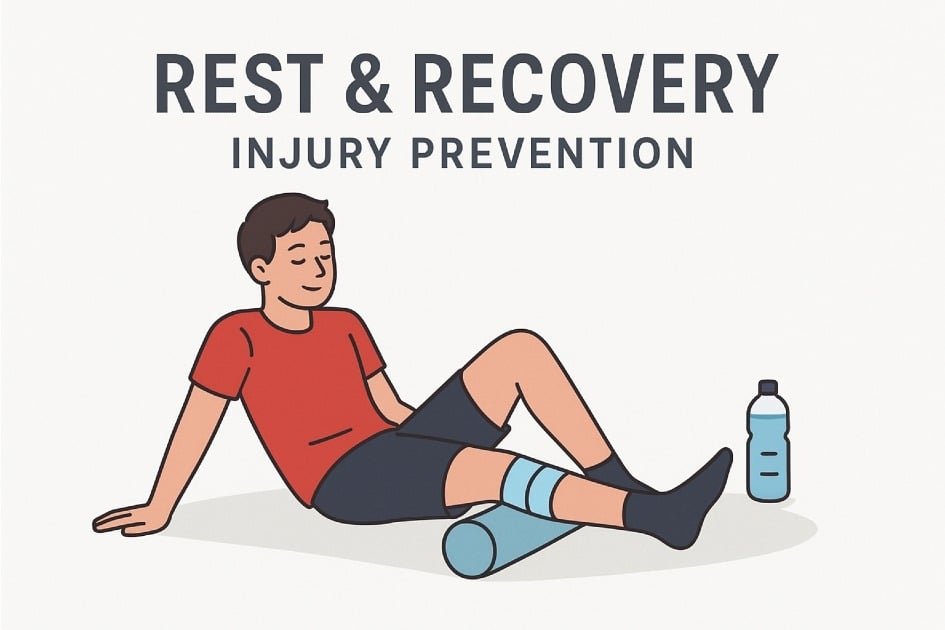
Rest, recovery, and injury prevention
Rest and recovery are crucial for strength and fitness, as neglecting them can hinder progress and raise the risk of injuries. Strategically resting not only maximizes results but also helps maintain a resilient body.
Why sleep is the ultimate recovery tool
Why it matters:
Enhance muscle growth and repair, boosts energy levels and mental focus, and reduces inflammation and injury risk.
How to do it:
- Stick to the same sleep and wake times every day, even on weekends, to keep your body refreshed and healthy.
- Stop using screens an hour before bed to lower blue light and improve sleep.
- Keep your bedroom dark, cool, and quiet for better sleep.
- Try natural supplements such as melatonin to help improve sleep.
- Monitor your sleep with apps or devices to improve your rest.
I used to sleep only 5–6 hours a night, but when I started getting 7–8 hours consistently, my strength gains doubled. My muscles recovered faster, and I had far fewer aches after workouts.
Flexibility boosts strength and motion
Why it matters:
Promotes joint health, reduces muscle imbalances that cause strains, and enhances overall strength and functional fitness.
How to do it:
- Warm up with dynamic stretches like leg swings and arm circles before exercise.
- Ease your muscles by doing static stretches after each workout.
- Do hip openers and shoulder rotations two to three times each week to stay flexible and strong.
- Roll your muscles with a foam roller or massage ball to ease tightness and boost flexibility.
- Try yoga to improve your flexibility and calm your mind.
I strengthened my hamstrings and stopped getting injured by doing just 15 minutes of focused mobility work before every lift.
Active recovery days that keep you moving
Why it matters:
Improves muscle recovery, supports cardiovascular fitness, and alleviates soreness and mental fatigue.
How to do it:
- Try walking, swimming, or cycling for 20 to 30 minutes to boost your energy and keep your heart strong.
- Try gentle exercises like squats and lunges to keep your muscles strong and joints healthy.
- Add foam rolling or stretching daily to keep muscles loose and joints healthy.
- Plan 1–2 sessions of active recovery each week to help your body heal and stay strong.
I am a competitive weightlifter, and I started doing yoga and swimming on my rest days. I recover faster and lift more without feeling worn out.
Avoid injuries by skipping these common errors
Why it matters:
Prevents setbacks, maintains training momentum, and ensures longevity in physical activity and daily life.
How to do it:
- Warm up with 5 to 10 minutes of light cardio to loosen your muscles and lower your risk of injury.
- Lift only what you can manage and slowly add more weight over time.
- Feel your body’s signals; sharp pain warns of trouble.
- Wear supportive gear such as weight belts or proper shoes when needed to protect your body and improve performance.
I used to skip warm-ups and lift heavy too fast, which hurt my shoulders. Once I started warming up properly and increasing weight gradually, I could keep building strength safely.
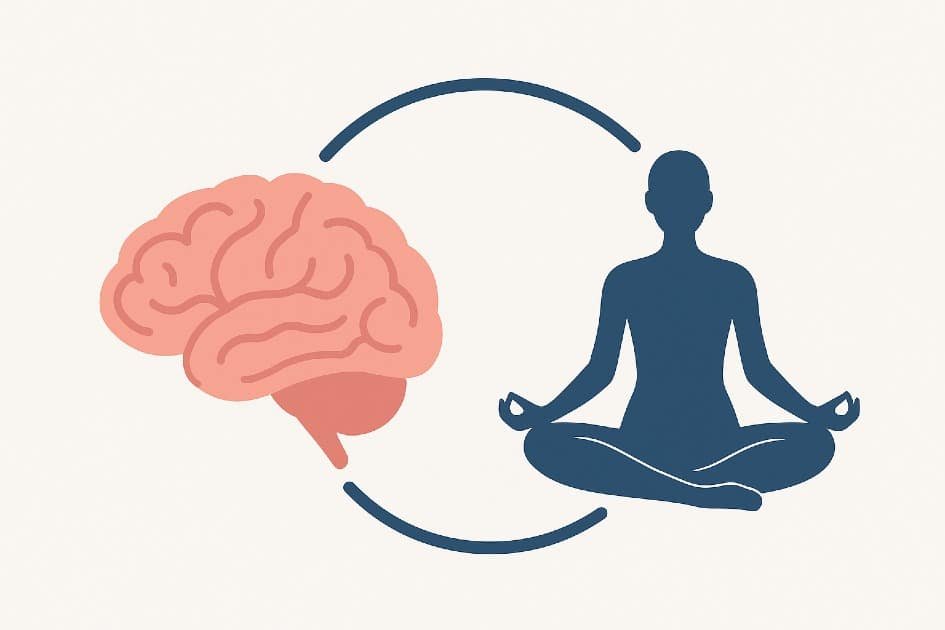
Mental fitness boost mental clarity daily
Mental fitness is crucial for workouts, recovery, and consistency. It fosters resilience, enhancing focus, motivation, and overall wellbeing.
Building confidence through physical progress
Why it matters:
Confidence is crucial for mental fitness, as seeing tangible results in strength and fitness enhances self-belief. This boost in confidence promotes consistency, aiding in adherence to routines and overcoming plateaus.
How to do it:
- Monitor your strength and fitness by keeping count of reps, weights, and endurance.
- Track your progress with a workout journal or fitness tracker to stay motivated and see results.
I began with ten push-ups and, after six weeks, I could do twenty-five. Watching my progress gave me confidence that carried into my work and friendships.
Stress relief through training and movement
Why it matters:
Stress significantly hinders physical and mental strength, impacting recovery, sleep, and hormonal balance, and impeding fitness progress. Exercise can alleviate stress by releasing endorphins and lowering cortisol levels, promoting relaxation.
How to do it:
- Move every day with brisk walks, stretches, or simple strength exercises.
- Focus on your breathing and form during workouts instead of rushing through them.
- Try meditation platforms or short yoga sessions after your workout to boost calm and recovery.
My evening anxiety eased when I started doing 20 minutes of bodyweight strength and fitness exercises before dinner.
Staying motivated when progress feels slow
Why it matters:
Plateaus in strength and fitness are common, with mental fatigue sometimes causing individuals to give up despite continued physical progress. Maintaining motivation is crucial to ensure consistency, which leads to better results.
How to do it:
- Focus on small weekly goals instead of only thinking about the big end results.
- Team up with a workout friend or join a fitness group to stay motivated and reach your goals faster.
- Picture yourself stronger and fitter and notice how it makes daily life easier and more enjoyable.
I hit a three-month plateau in my strength training. By setting small weekly goals, like holding a plank ten seconds longer, I pushed past the mental block and hit a new personal record in my deadlift.
Mindfulness practices that support strength goals
Why it matters:
Mindfulness improves mental clarity and focuses on workouts by minimizing distractions, enhancing the mind-muscle connection, and enabling better awareness of bodily signals, which aids in preventing injuries and optimizing fitness outcomes.
How to do it:
- Spend 5–10 minutes before each session focusing on your breath and setting clear intentions.
- Tune into your body by checking for tight spots and fixing your posture as you move.
- Try guided meditation or deep breathing after strength workouts to lock in your progress and boost recovery.
I focused on engaging my muscles during squats instead of rushing through reps. Paying attention to each movement improved my form and results, proving that mental focus boosts physical performance.
Overcoming mental barriers to exercise
Why it matters:
Overcoming fear, self-doubt, and negative past experiences can enhance strength and fitness progress, promoting courage in training and leading to sustainable habits and improved results.
How to do it:
- Spot beliefs that hold you back, such as thinking you are too weak to lift heavy weights.
- You can say: “I grow stronger step by step.”
- Begin with simple exercises to boost confidence and ease anxiety.
I avoided weightlifting for years because I feared getting hurt. I started with light dumbbells and kept track of my progress for four weeks. I grew stronger and more confident, and my whole approach to fitness changed.
Cognitive benefits of regular strength training
Why it matters:
Regular strength and fitness workouts improve not only muscles but also cognitive function, memory, and decision-making, by stimulating the brain and enhancing mental sharpness.
How to do it:
- Keep your strength training steady with quick 20–30-minute sessions.
- Try new movements while doing strength exercises to build both your muscles and brain.
- Notice how your focus, mood, and energy change after each workout by keeping a simple journal.
I found that doing strength workouts three times a week sharpened my focus and made me better at solving problems compared to when I stayed inactive.
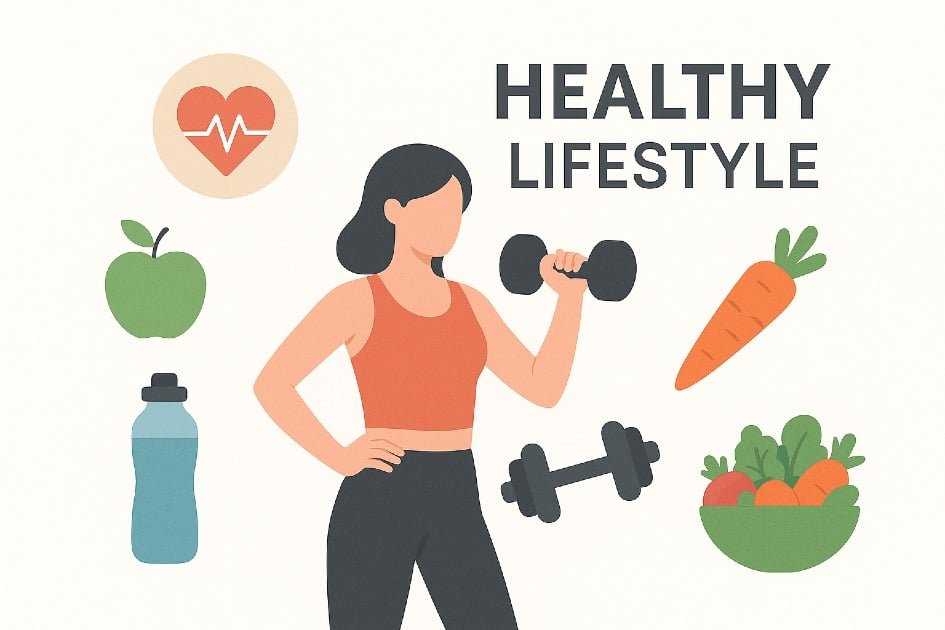
Lifestyle choices for better fitness
Your daily habits significantly influence your strength and fitness, with small, intentional choices leading to substantial results over time.
Prioritize sleep for recovery and growth
Why it matters:
Sleep plays a vital role in muscle repair, energy restoration, and hormonal balance essential for strength and fitness. Inadequate sleep can hinder progress, elevate injury risk, and impede workout performance.
How to do it:
- Follow a steady sleep schedule by going to bed and waking up at the same time every day, including weekends.
- Make your bedroom sleep-friendly by keeping it dark, quiet, and cool. Use blackout curtains or a white noise machine to block distractions.
- Stop using screens an hour before sleep to cut blue light and help your body rest better.
- Take a 20-minute power nap to refresh your mind and stay alert without hurting your sleep at night.
I started sleeping 7 to 8 hours every night and noticed I could lift more and bounce back faster from workouts.
Build a nutrition routine that fuels strength
Why it matters:
Good nutrition is essential for optimizing strength and fitness, as inadequate fueling can hinder workout performance and impede bodily recovery and growth.
How to do it:
- Eat enough protein by adding lean meats, beans, or protein shakes to your daily meals.
- Fuel your workouts with whole grains and healthy fats to power intense training.
- Drink water regularly to keep your digestion smooth, joints moving, and muscles strong.
- Practice mindful portion control to fuel your body properly and keep your energy steady.
I boosted my squat by twenty pounds by tracking my meals and adding protein-rich snacks.
Incorporate movement throughout your day
Why it matters:
Strength and fitness are influenced not only by gym attendance but also by sedentary habits, which can reverse progress, weaken muscles, and reduce metabolism.
How to do it:
- Take a 5-minute walk every hour to boost energy and sharpen focus.
- Try standing while working or move around during calls.
- Try walking or biking when you need to go somewhere close.
- Join sports, dance, or hike on weekends to stay fit and have fun.
I replaced my desk chair with a balance stool and took a 10-minute walk each day. My posture is better, and my core feels stronger.
Manage stress to protect your gains
Why it matters:
Chronic stress leads to cortisol release, negatively impacting muscle growth and energy levels, while mental health is crucial for maintaining consistent strength and fitness routines.
How to do it:
- Practice mindfulness by meditating or taking deep breaths for 10–15 minutes each day.
- Keep a journal to log your workouts, meals, and feelings so you can spot helpful patterns.
- Engage in activities you enjoy because hobbies help you relax and avoid burnout.
I lowered my stress and boosted recovery by meditating each morning and taking light walks in the evening, which also improved my lifting performance.
Build consistency through habit stacking
Why it matters:
Progress in strength and fitness relies on repetition, with small, manageable habits being key to long-term adherence.
How to do it:
- Try adding push-ups to your daily teeth-brushing routine.
- Begin with 10–15 minutes each day and slowly build up over time.
- Mark your progress daily on a calendar or in a habit-tracking app to stay accountable and see results.
I started using my post-lunch coffee break for a quick 15-minute mobility routine and soon built it into a full 45-minute strength session.
Optimize your environment for strength and fitness
Why it matters:
Your environment influences your behavior; an unorganized or dull space can diminish motivation, whereas a well-structured environment facilitates the maintenance of strength and fitness.
How to do it:
- Set up a workout-friendly space by using a small corner with a yoga mat, dumbbells, or resistance bands.
- Place fruits, nuts, and protein snacks where you can easily see them to encourage healthy eating.
- Stay focused during workouts by turning off notifications and avoiding distractions.
I cleared a 6×6-foot spot in my apartment, set up resistance bands, and stuck to morning workouts every day for six months.
Plan rest days and active recovery
Why it matters:
Overtraining hampers progress and raise injury risk; effective rest is essential for muscle recovery, burnout prevention, and overall strength and fitness improvement.
How to do it:
- Take 1–2 full days off each week to let your body recover and grow stronger.
- Move gently with yoga, swimming, or walking to boost blood flow and energize your body.
- Pay attention to your body; feeling tired, sore, or grumpy means you need more rest.
- Use foam rollers, massage guns, or stretching to speed up muscle recovery.
After adding rest days to my routine, I lifted heavier weights and my small injuries faded.
Maintain long-term Motivation
Why it matters:
Maintaining motivation is essential for strength and fitness progress, even when sleep, nutrition, and movement are optimal. Long-term adherence plays a crucial role in achieving fitness goals.
How to do it:
- Aim for clear and reachable goals and track progress every week or month.
- Keep a record of your workouts, strength gains, and progress photos to see actual results.
- Try new exercises to keep your workouts exciting and challenging.
I switch my workouts every six weeks, rotating between strength, HIIT, and functional training to stay motivated and see actual results.
Recap: Fitness Rewards Every Age
Building strength and fitness is a transformative journey that enhances not just physical capabilities but overall quality of life.
According to Harvard Health, being active is beneficial at any age, with increased movement yielding greater rewards as one grows older.
Consistency and intentional habits, including nutrition and recovery, are essential to create a resilient body that supports dreams and daily challenges.
This commitment fosters mental clarity and empowerment, improving posture, stamina, and resilience against aging and stress.
Embrace your strength journey as a lifelong investment that deserves celebration and sharing. Strength and fitness cultivate a lifestyle that enriches your life every day.
Frequently Asked Questions
How often should I work out to see actual results?
Engaging in strength and fitness training 3–5 times a week is essential for muscle adaptation and growth, especially for beginners.
Prioritizing proper form and gradual progression is crucial, and using tools like resistance bands or adjustable dumbbells can enhance workout versatility at home.
Do I need a gym membership to get strong?
Bodyweight exercises, resistance bands, and home weights can lead to significant fitness gains, engaging multiple muscle groups effectively through movements such as push-ups, squats, and lunges.
For those seeking advanced progress, adjustable kettlebells or squat racks at home are beneficial options.
Does exercising at a certain time of day help your body get better results?
Your body adapts to consistent timing in workouts. Morning sessions enhance metabolism and mental clarity, whereas afternoon or evening workouts support peak strength.
Aligning workouts with natural energy rhythms aids adherence. Incorporating short mobility drills before workouts can help prevent fatigue and injury.
How do I know if I am eating enough protein?
Protein is essential for strength and fitness, with a recommended intake of 0.7–1.0 grams per pound of body weight each day for active adults.
Incorporating a mix of lean meats, legumes, and dairy is advised, and for convenience, high-quality protein powders or bars can be used to complement meals.
Can I balance strength training and weight loss simultaneously?
Prioritize compound movements such as deadlifts and rows to maximize calorie expenditure and build muscle.
Moderate cardio sessions should be integrated to enhance cardiovascular health without hindering strength gains.
Nutrition is crucial, maintaining a mild calorie deficit while supporting recovery for sustainable results.
How soon can I notice my body or habits improving?
Visible strength improvements typically manifest within 6 to 12 weeks with consistent training and nutrition. Early neural adaptations improve muscle recruitment, coordination, and endurance.
It is important to track progress through performance metrics rather than solely relying on visual changes.
Is cardio necessary if I just want strength?
Cardiovascular training improves recovery, endurance, and heart health, benefiting even strength-focused individuals. Low-impact activities such as swimming and cycling enhance circulation while supporting muscle growth.
A balance of cardio and strength training promotes a comprehensive approach to fitness.
What is the safest way to start if I have never exercised before?
To master technique, begin with foundational movements using little to no weight. Gradually add resistance and intensity as your body adapts. Ensure proper warm-ups, cool-downs, and hydration to prevent setbacks.
How do supplements fit into a strength and fitness plan?
Supplements should complement, not substitute, a balanced diet. Creatine, protein powders, and omega-3 fatty acids aid in recovery and muscle growth.
Can mental focus impact my strength and fitness results?
Engaging the mind during workouts boosts the mind-muscle connection, leading to improved efficiency.
Techniques such as meditation, visualization, and short journaling can enhance results. Mental resilience is crucial for consistency and overcoming plateaus without risking overtraining.